
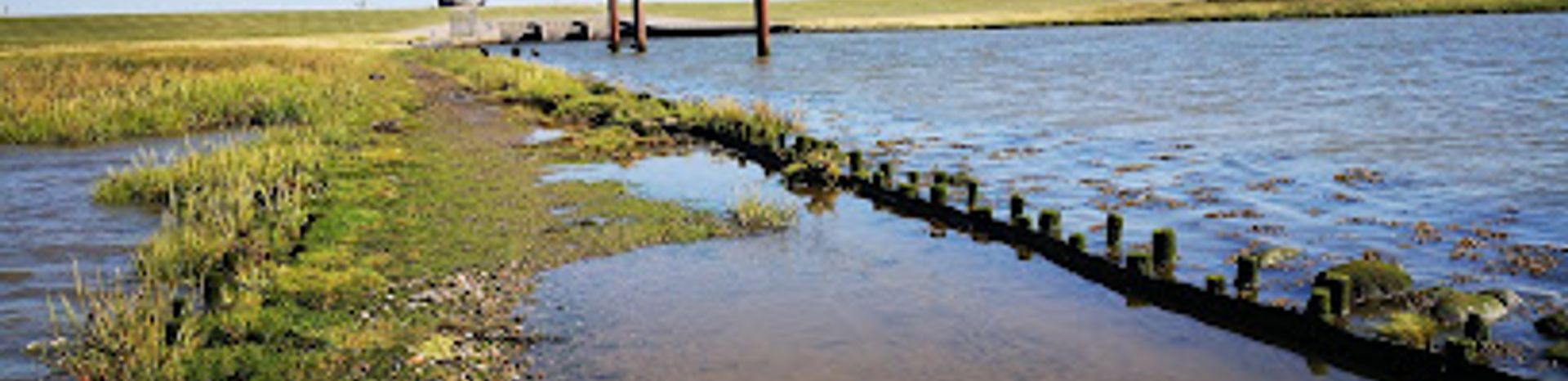
Højer Sluse – Gate Between Marsh and Sea
Historic sea lock on the Højer marshes, where dikes, tides and wide Wadden Sea skies reveal Denmark’s enduring struggle and partnership with the sea.
Højer Sluse is a historic sea lock and dike complex on the windswept west coast of Southern Jutland, where the Wadden Sea meets the reclaimed marshes of Højer. Dating back to the 19th century, it once protected a busy inland harbor and trading canal from storm surges and shifting tides. Today it is a quietly dramatic viewpoint over dikes, mudflats and grazing sheep, with information boards, an observation tower and evocative traces of Denmark’s long battle against the sea.
A brief summary to Højer Sluse
- Slusevej 25, Højer Municipality, 6280, DK
- Duration: 0.5 to 2 hours
- Free
-
 Outdoor
- Mobile reception: 4 out of 5
- Monday 12 am-12 am
- Tuesday 12 am-12 am
- Wednesday 12 am-12 am
- Thursday 12 am-12 am
- Friday 12 am-12 am
- Saturday 12 am-12 am
- Sunday 12 am-12 am
Local tips
- Bring a windproof layer even in summer; the exposed dike and lock area can feel significantly colder than inland Højer due to strong coastal winds.
- Plan your visit around low tide if you want to appreciate the mudflats and birdlife of the Wadden Sea; high tide emphasizes storm-surge height markers instead.
- Allow time to climb the observation tower for the best overview of dikes, canals and marshes; it puts the history of flood defense into clear perspective.
- Combine the lock with a stop at Højer Mill in town for a fuller picture of local coastal culture, engineering heritage and marshland agriculture.
- Wear sturdy shoes suitable for grass and gravel paths, which can be wet or slippery after rain, especially on the seaward dike slopes.

For the on-the-go comforts that matter to you
- Restrooms
- Food Options
- Seating Areas
- Sheltered Areas
- Trash Bins
- Information Boards
- Visitor Center
Getting There
-
Car from Tønder
From Tønder it typically takes 20–30 minutes to reach Højer Sluse by car via local roads across the flat marshland. The route is straightforward, but in stormy weather some stretches can be exposed to crosswinds. Parking is usually available near the lock area and is generally free, though spaces may fill up on peak holiday weekends.
-
Car from Ribe
Traveling by car from Ribe to Højer Sluse usually takes around 50–70 minutes, following regional roads south along the Wadden Sea coast. The drive is easy and mostly on paved, low-traffic routes through open countryside. There are no tolls on this journey, and fuel will be your main cost, roughly the equivalent of 60–100 DKK depending on vehicle consumption.
-
Regional bus to Højer and walk
Regional buses connect Tønder and other nearby towns with Højer in about 20–35 minutes, with services running mainly during the day on weekdays and reduced frequency on weekends. A one-way ticket generally costs around 20–40 DKK depending on distance. From central Højer, expect a pleasant but exposed walk of roughly 30–40 minutes along paved and gravel paths to the lock; the route is flat but can feel challenging in strong wind or rain.
-
Cycling from Højer or nearby villages
Cycling is a popular way to reach Højer Sluse from Højer itself or nearby villages, typically taking 15–30 minutes from town depending on your starting point. The terrain is almost completely flat, and you share quiet country roads and dike-top paths with local farm traffic. There is no direct cost, but be prepared for powerful headwinds and rapidly changing weather; pack rain gear and lights if you plan to ride outside daylight hours.
Højer Sluse location weather suitability
-
 Clear Skies
-
 Windy Conditions
-
 Mild Temperatures
-
 Cold Weather
-
 Any Weather
Discover more about Højer Sluse
Where Marshland Meets the Wadden Sea
Højer Sluse sits at the outer edge of the low-lying Højer marshes, right where the Vidå river reaches the Wadden Sea. Here the landscape flattens into a vast, horizontal canvas of dikes, tidal channels and sky, with only the lock buildings, towers and embankments breaking the line of the horizon. The constant wind, salty air and cries of seabirds remind you that this is a frontier zone between land and water, tamed but never entirely controlled. The lock forms part of a broader system of sea defenses along the west coast of Southern Jutland. This is one of Europe’s great tidal wetlands, now part of a transnational Wadden Sea protected area, yet for centuries people have built dikes and sluices here to keep their fields from flooding. Standing on the structure, you can look inland to green pastures dotted with sheep and cattle, then turn seaward to watch the brownish tidal waters rise and fall with the moon.A Lock Born from Storms and Trade
The original Højer Sluse was built in 1861 together with the Højer–Siltoft dike, after repeated storm surges made it clear the marshes needed better protection. Behind the lock, a sheltered harbor and canal allowed masted ships to reach Højer from the sea while the dike itself held back storm tides. The lock gates controlled the flow of the Vidå, letting freshwater drain out at low tide and closing firmly when the sea rose. For decades, Højer Harbor acted as a lifeline for the town and surrounding farms. Building materials, fuel and fertilizer arrived by ship, while agricultural products and goods left the marshes the same way. A nearby factory processed grain into feed, taking advantage of the easy access to both water transport and local farmers. Though commercial shipping has long since shifted elsewhere, you can still read the outlines of this working past in the canals, embankments and sturdy brick buildings.Reading the Landscape of Water
Visiting Højer Sluse today is as much about understanding the landscape as about seeing a single structure. Information boards explain how tides, storm surges and river flows interact, and how engineers have responded over time by adding new dikes and floodgates further out. Markers show historic water levels from major storm floods, some of them startlingly high above your head. From the observation tower you gain a wide overview of the entire setting: inland you can trace the line of older dikes and drainage channels; towards the sea you see mudflats and sandbanks exposed at low tide, sometimes shimmering with flocks of wading birds. In spring and early summer, wildflowers speckle the grassy dike slopes and the air hums with insects, while autumn brings harsher winds and dramatic cloudscapes rolling in from the North Sea.Experiencing Wind, Weather and Wildlife
A big part of the visit is simply being outdoors in an environment shaped by weather. On clear days, the wide skies and long sightlines create classic Wadden Sea panoramas, with sunsets that linger over the horizon. On blustery days, strong crosswinds can make even a short walk across the dike feel bracing, and you quickly understand why storm surges have always been a threat here. Birdlife adds another dimension. The surrounding mudflats and salt marshes are feeding grounds for migratory species that rest here on journeys along the East Atlantic Flyway. Depending on the season, you may spot geese in ragged formations overhead, flocks of waders stitching patterns across the shallows or raptors hovering over the polders. The interplay of engineered structures and living wetland makes Højer Sluse an instructive place to reflect on how conservation and flood defense coexist.A Quiet Stop in Southern Jutland
Despite its dramatic setting, Højer Sluse is a low-key site: there is no turnstile, and access to the lock area and dike is generally free. Simple paths lead around the structures, and near the parking area you typically find basic facilities such as restrooms, benches and small sheltering spots from the wind. A café and visitor services operate nearby under the name Slusen Højer, adding an extra layer of comfort without overwhelming the sense of open space. Many travelers combine a visit here with the historic windmill in Højer or a wider exploration of the Southern Jutland marshes and villages. Whether you stay twenty minutes in a stiff sea breeze or linger longer, watching the tide creep in and out, Højer Sluse offers a compact, tangible introduction to Denmark’s long-standing relationship with the sea, and to a unique coastal landscape that continues to evolve with every tide.Iconic landmarks you can’t miss

Kanonenhügel
16.3 km
A modest grassy mound above Havneby harbour where two 17th‑century cannons, wide Wadden Sea views and Rømø’s maritime past quietly meet.
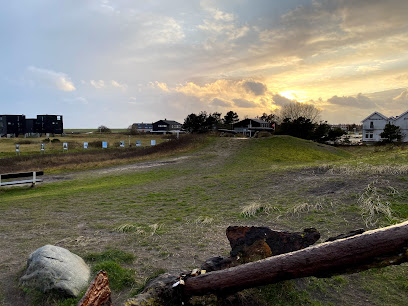
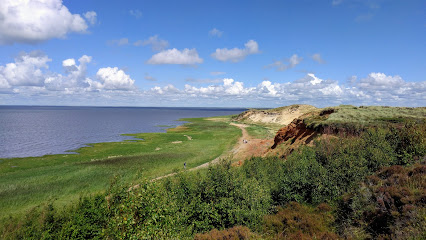
Morsum-Kliff
16.6 km
Explore the breathtaking cliffs and diverse wildlife at Morsum-Kliff, a hidden gem on Sylt Island, perfect for nature lovers and adventure seekers.
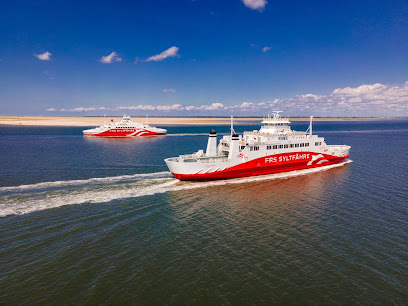
Rømø-Sylt Linie GmbH & Co. KG
16.9 km
Experience the stunning Rømø-Sylt Ferry journey, connecting two beautiful islands with breathtaking views of the North Sea.
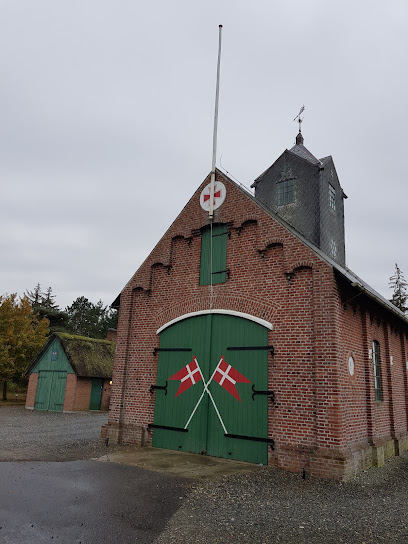
Gamle Redningsstation
19.3 km
Compact red-brick lifeboat station turned firehouse, telling Rømø’s quietly dramatic story of storms, shipwrecks and island resilience along the Wadden Sea.
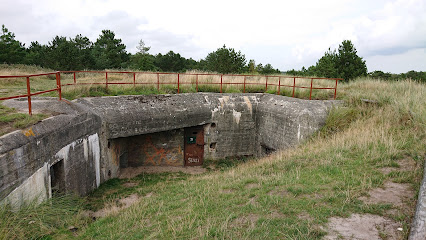
Bunker
23.6 km
A concrete relic of World War II occupation, standing silent in Denmark's westernmost forest.
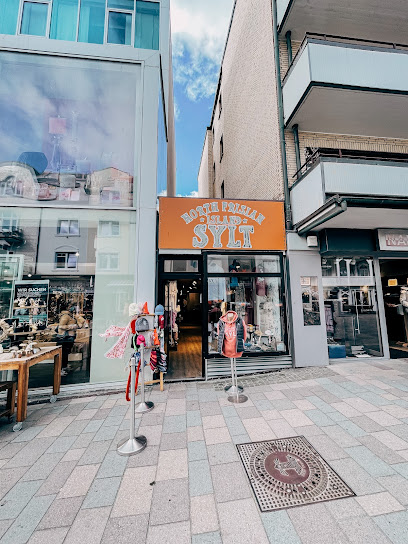
North Frisian Island Sylt (NFI-Sylt)
24.8 km
Explore North Frisian Island Sylt: A Coastal Paradise with Stunning Beaches, Local Culture, and Unforgettable Experiences Await!
Frisia Historica
28.0 km
Discover the lively nightlife and cultural richness of Frisia Historica in Stedesand, where music and community come together.

Schlüttsiel Badestrand
31.1 km
Experience the tranquil beauty of Schlüttsiel Badestrand in Ockholm, where outdoor swimming meets serene relaxation amidst stunning landscapes.
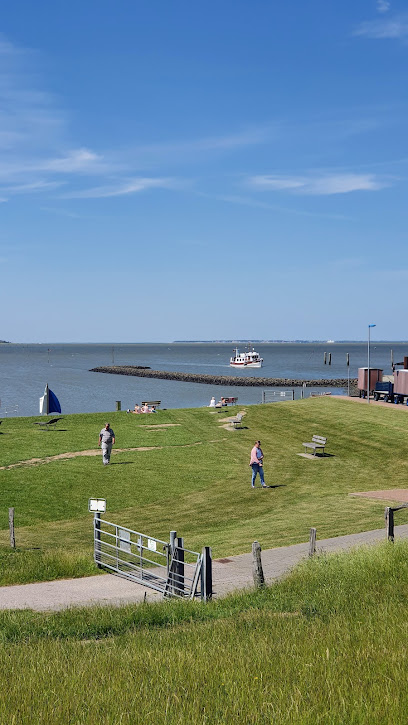
Replika af kirke fra Vikingetiden
39.6 km
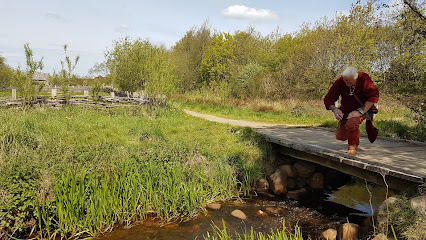
A beautifully decorated wooden church from 860 CE, embodying Viking-age spirituality and medieval craftsmanship.
Taarnborg
41.4 km
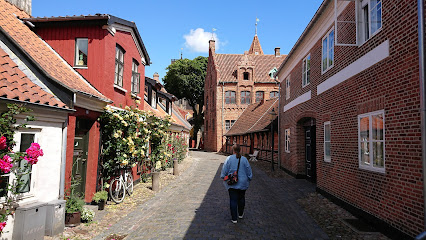
Renaissance residence of Ribe's last Catholic priest and Bishop Brorson, now a cultural landmark.
Kannikegaarden
41.5 km
A Neo-Gothic English church set by Copenhagen’s historic fortress, famed for its soaring spire, stained glass, and peaceful parkland setting.
Faldne fra Sønderjyske Krige, Ribe
41.5 km
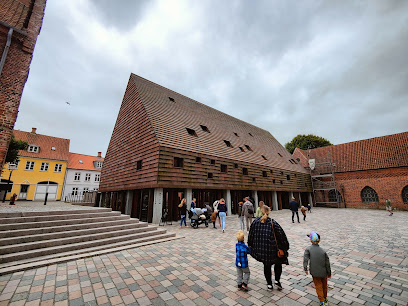
A solemn memorial to soldiers lost in Denmark's 19th-century Schleswig Wars, set in historic medieval Ribe.
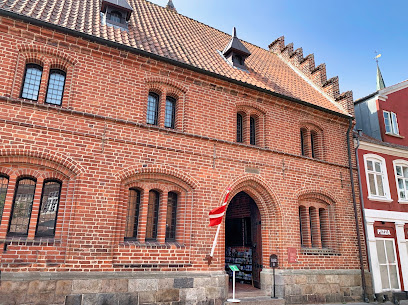
Det Gamle Rådhus Ribe
41.5 km
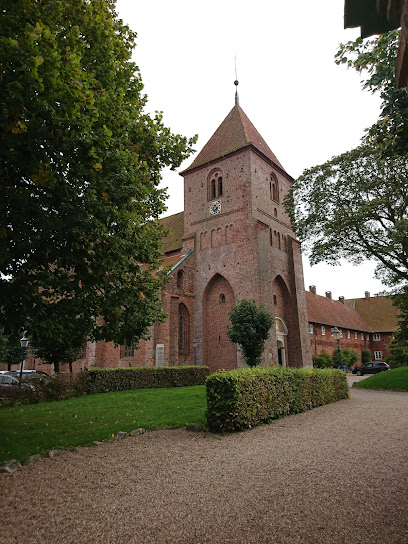
St Alban’s Church in Copenhagen: A unique English Gothic gem beside Kastellet, offering tranquil grounds, striking architecture, and rich 19th-century history.
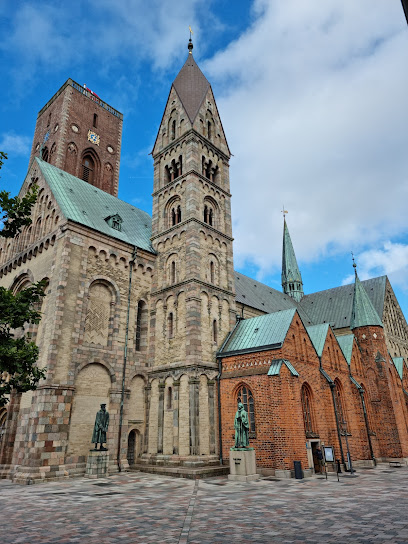
Ribe Cathedral
41.6 km
Ancient towers above Viking marshes: Denmark’s oldest cathedral blending Romanesque stone, Gothic height and bold modern mosaics in the heart of Ribe.
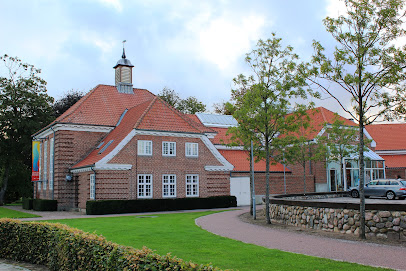
Museet Ribes Vikinger
41.6 km
A graceful neo-Gothic Anglican church in central Copenhagen, St Alban’s offers British heritage, tranquil interiors, and a picturesque setting amid city icons.
Unmissable attractions to see

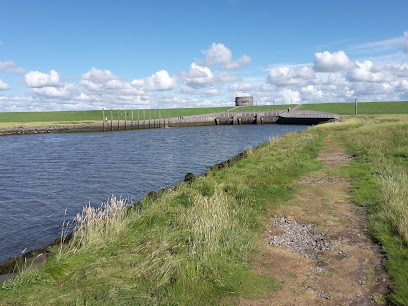
Vidåslusen
1.4 km
Experience the natural beauty and historical significance of Vidåslusen, a serene Danish tourist attraction perfect for nature lovers and history buffs.
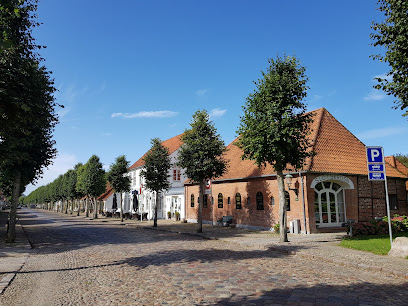
Slotsgaden Møgeltønder
8.1 km
A cobbled castle street of linden trees and thatched cottages, linking church and royal estate in one of Denmark’s most atmospheric village walks.
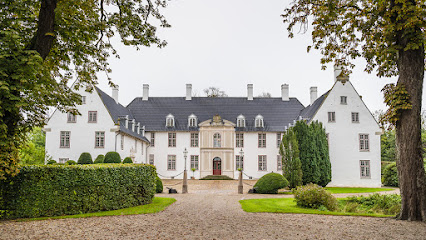
Schackenborg Castle
8.2 km
Explore Schackenborg Castle: A Baroque masterpiece in Møgeltønder, rich in Danish royal history and architectural splendor.
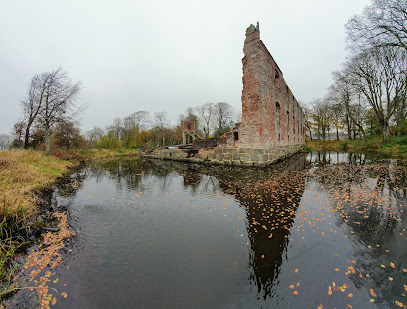
Trøjborg Castle Ruins
8.5 km
Evocative moated ruins of a former Renaissance manor, Trøjborg offers quiet marshland scenery, layered borderland history and plenty of room for imagination.
Nolde museum
10.0 km
Explore the Nolde Museum in Neukirchen, where the vibrant art of Emil Nolde comes to life amid stunning natural landscapes.
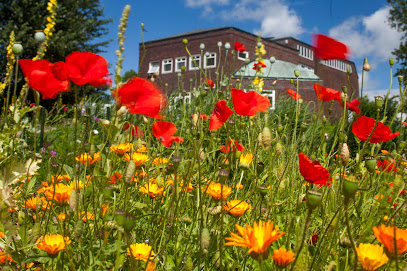
Museum of Southern Jutland - Cultural History of Tønder
12.1 km
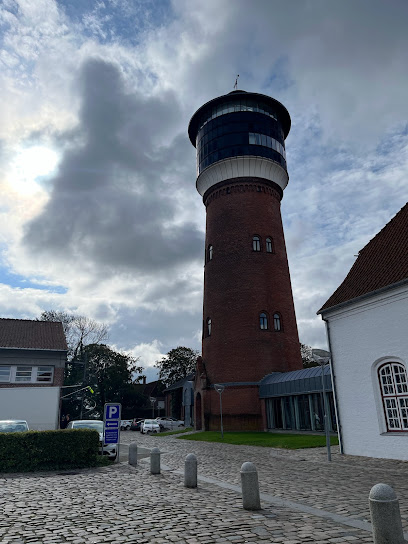
Craftsmanship, lace and silver in a historic borderland town museum, crowned by a former water tower with sweeping views over Tønder and the surrounding marshes.
Tøndermarsken
12.2 km
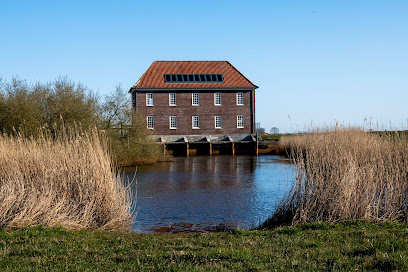
Endless sky, weaving dikes and swirling starlings: Tøndermarsken is Denmark’s great marshland, where water, wildlife and centuries of borderland culture meet.
Museum Sønderjylland - Drøhses Hus
12.2 km
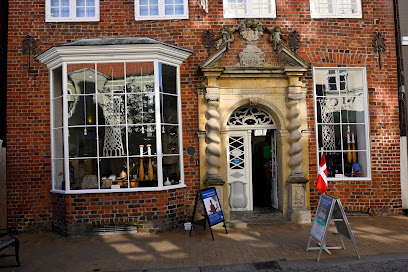
Historic baroque townhouse turned lace museum, where intimate interiors and a patterned garden reveal centuries of Tønder’s craft and architectural heritage.
Sølsted Mose
12.5 km
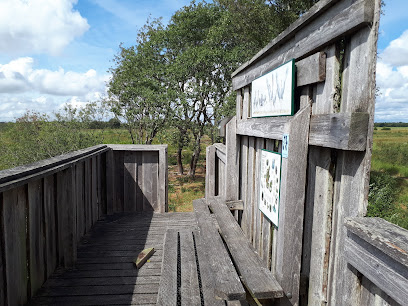
A restored Southern Jutland raised bog of big skies, rare birds and quiet trails, where peat, water and wind shape an intimate yet expansive nature experience.
North Sea Cycle Route
15.4 km
A quiet, wind-swept slice of the world’s longest signed coastal cycle route, where dikes, marshland and big North Sea skies frame gentle riding by the Wadden Sea.
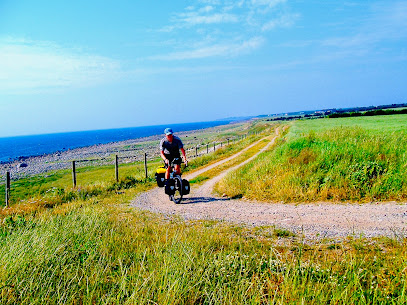
Langdysserne
16.0 km
Neolithic long dolmens on a quiet Jutland marsh, where weathered stones, big skies and the Brede Å valley reveal 5,000 years of landscape and ritual.
Strandpromenade
16.2 km
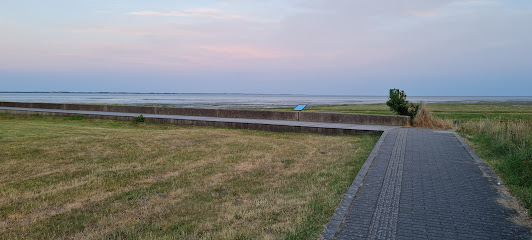
A modest seaside promenade in Havneby, where harbor life, low dunes and Wadden Sea horizons create a gentle, everyday slice of Rømø’s coastal charm.
Romo Golf Links
16.5 km
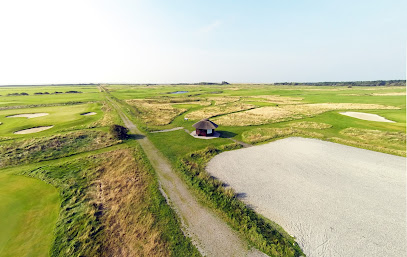
Coastal links golf on Rømø’s windswept southern edge, pairing a championship 18‑hole layout and relaxed pay‑and‑play course with full resort comforts beside the Wadden Sea.
Enjoy Resorts Rømø
16.5 km
Spa, golf and thatched-roof holiday houses on Rømø’s wild North Sea edge, combining island nature, wellness indulgence and relaxed, family-friendly resort living.
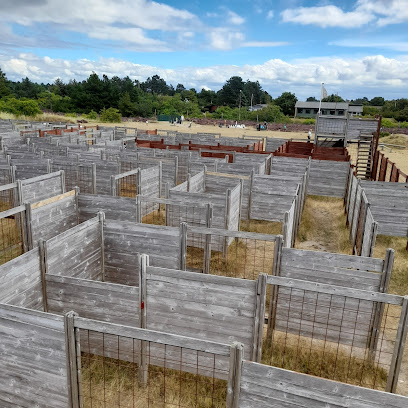
Rømø Lege- & Labyrintpark
16.9 km
Outdoor maze, krolf and giant games on Rømø – a low-tech adventure park where families race, puzzle and play together in the fresh North Sea air.
Essential places to dine

Café Glass
12.2 km
A cosy living-room-style café and wine bar in Tønder, serving carefully prepared comfort food and organic wines in an intimate, homely setting.
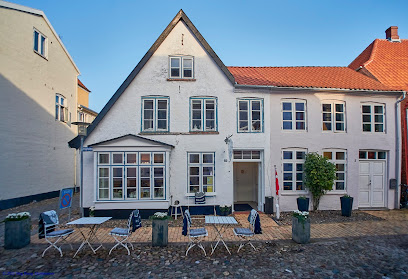
Otto & Ani's Fisk
16.2 km
Fresh-caught seafood by the harbor where fishing boats unload their daily catch.
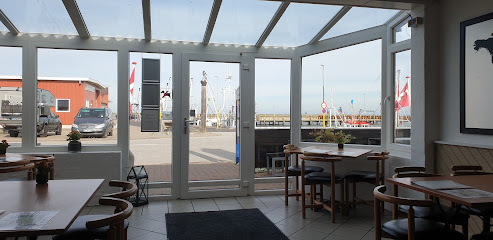
Havnekiosken Rømø
16.2 km
Authentic harbour kiosk serving grilled burgers and fresh fish with Wadden Sea views.
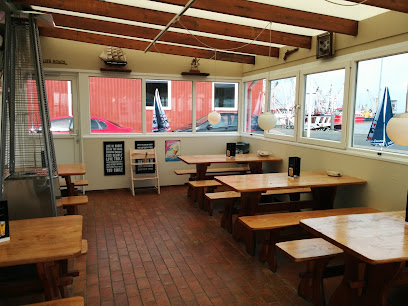
Frankel 5
16.3 km
Cosy seaside café-restaurant on Rømø serving fresh fish and Danish comfort dishes with wide Wadden Sea views and a relaxed, coastal atmosphere.
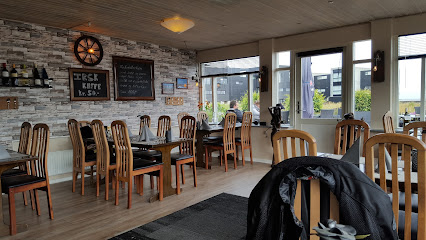
HAVNEBY KRO RESTAURANT
16.3 km
Hearty Danish inn fare and island hospitality at a traditional kro by the harbor in Havneby, gateway to Rømø’s wide beaches and the Wadden Sea.
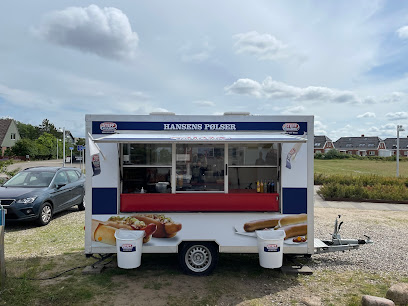
Hansens pølser
16.4 km
Casual harbor-side hot dog stand on Rømø serving classic Danish sausages and ice cream to beach-goers, cyclists and locals in laid-back Havneby.
Ristorante Europa Rømø
16.4 km
Casual Italian pizzas and hearty plates in the harbour town of Havneby, a relaxed refuelling stop between Rømø’s wild beaches and the Wadden Sea.
Rømø Pandekagehus
16.4 km
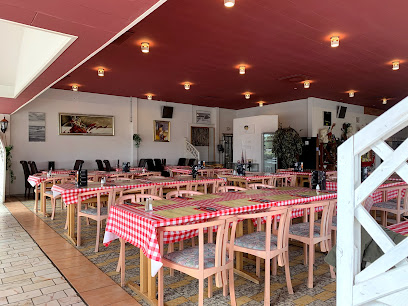
Casual island café in Havneby serving generous sweet and savoury pancakes, ideal for a relaxed break between Rømø’s vast beaches and harbour walks.
Restaurant Diget
16.5 km
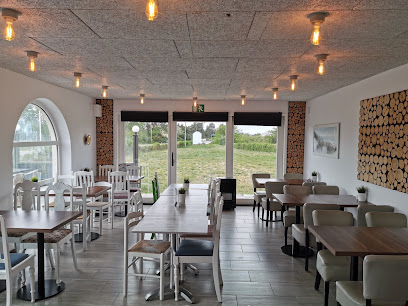
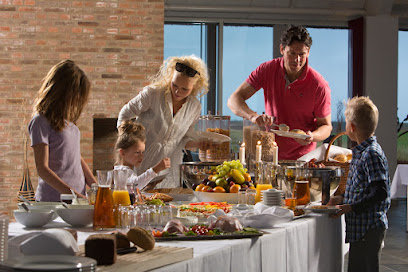
Panoramic golf-course views, generous brunches and flexible gourmet dining inside Enjoy Resorts Rømø, with terrace seating and on-site leisure activities next door.
MEGA GRILL
16.9 km
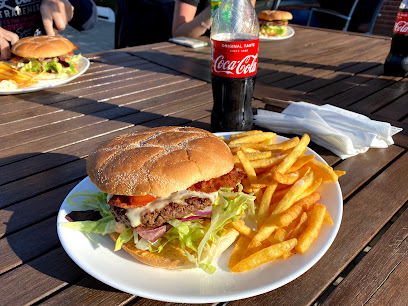
Straightforward Danish grill bar in Havneby, serving hearty fast food and takeaway for hungry beachgoers exploring the windswept island of Rømø.
Restaurant Marsk
22.1 km
Relaxed Nordic dining at the heart of Marsk Camp, where local South Jutland flavors meet wide marshland skies and a breezy terrace overlooking the Wadden Sea landscape.
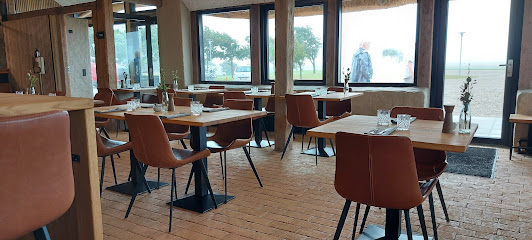
Asia kitchen(Sushi , Wok, Buffet)
24.1 km
Casual sushi, wok and buffet dining at Lakolk Butikscenter, pairing Asian comfort food with the windswept dunes and wide beaches of Rømø’s North Sea coast.
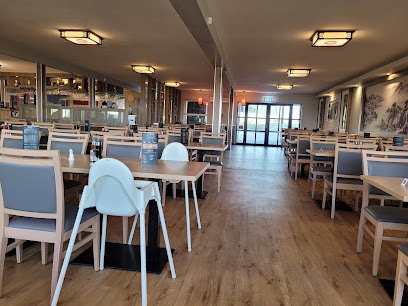
Café Fru Dax
24.1 km
Lively beachside café at Lakolk on Rømø, famed for towering soft ice, generous café dishes and an easygoing seaside atmosphere steps from the wide sandy shore.
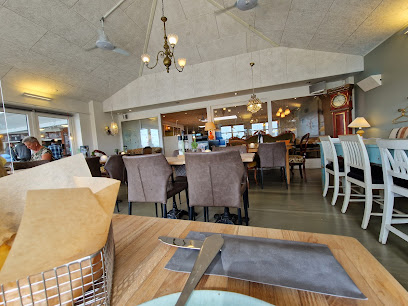
Roland Imbiss
24.2 km
Beachside grill at Lakolk Strand serving hearty, no-fuss takeaway to sandy, windblown Rømø beachgoers a few steps from the roaring North Sea.
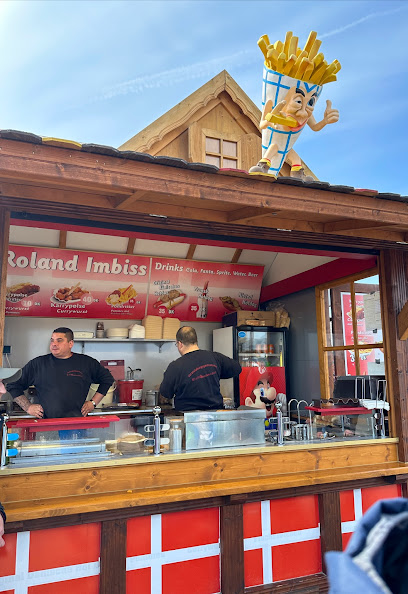
Café Hr. Dax
24.2 km
Casual seaside café-restaurant in Lakolk Butikscenter, serving hearty comfort food and sweet treats just behind Rømø’s vast, windswept Lakolk Beach.
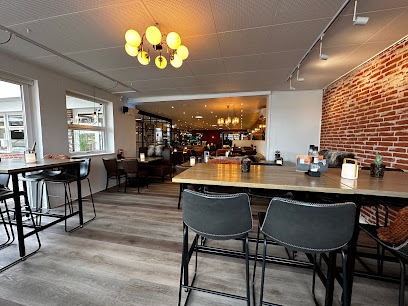
Markets, malls and hidden boutiques

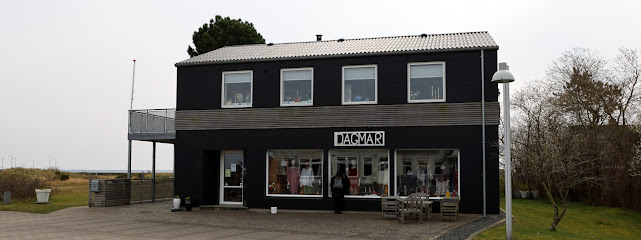
Dagmar Garbe
16.3 km
Small, harbour-side clothing boutique on Rømø offering practical Nordic-inspired garments and friendly, personal service in the heart of Havneby.
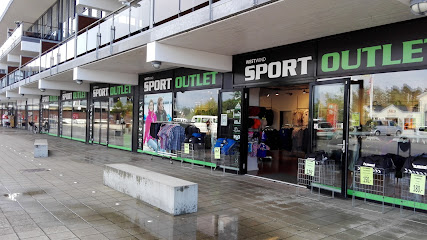
WestWind Outlet
16.4 km
Practical harbor-side outlet on Rømø, stocking discounted surf, outdoor and family clothing built for the windswept Danish west coast.
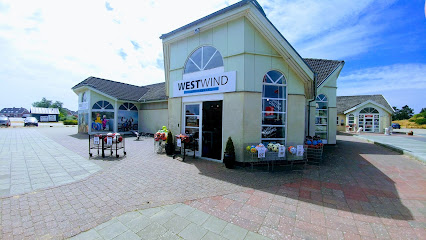
WESTWIND Rømø
16.4 km
Surf, wind and coastal style under one roof on breezy Rømø, your practical hub for wetsuits, boardsport gear and laid-back North Sea clothing.
Havneby Shopping
16.4 km
Compact island shopping hub in Havneby, combining groceries, gear and casual browsing between beach days and Wadden Sea adventures on Rømø.
Skansen - Café & Kaffebar
16.4 km
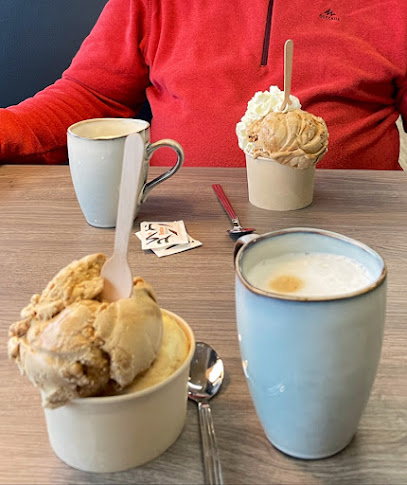
Charming waterfront café and ice cream bar in Havneby, Rømø, offering artisanal ice cream, quality coffee, and a relaxed seaside setting steps from the ferry port.
Stenhuset Rømø
16.4 km
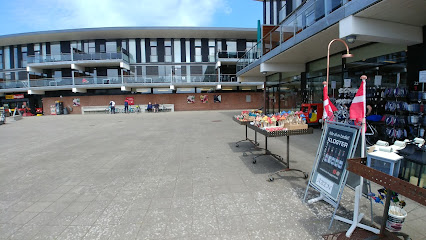
Cosy island shop in Havneby blending Nordic wool, handmade Danish soaps and coastal home décor into a warm, hygge‑filled stop on windswept Rømø.
Rømø Cykler & Legetøj
16.4 km
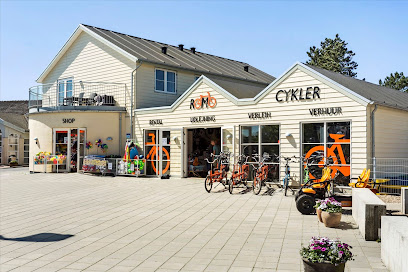
Bikes, toys, and kites for exploring Rømø's windswept island landscape.
Coop Dagli'Brugsen Rømø
16.5 km
Rømø’s central supermarket hub in Havneby, supplying islanders and visitors with fresh food, daily essentials, and holiday necessities from early morning to evening.
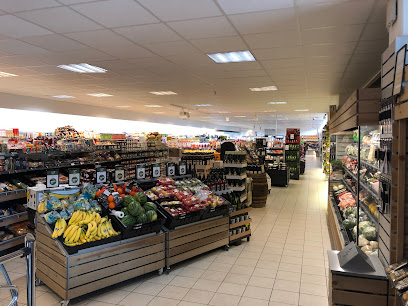
Ny Form Havneby
16.5 km
Harbour‑side sports and outdoor store on Rømø, perfect for last‑minute layers, beachwear and practical gear tailored to the island’s wind, sand and sea.
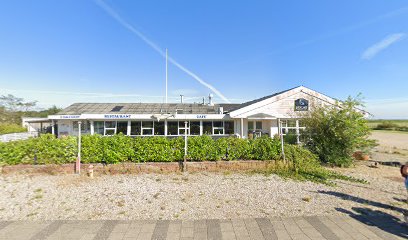
Rømø Manufaktur ApS
17.7 km
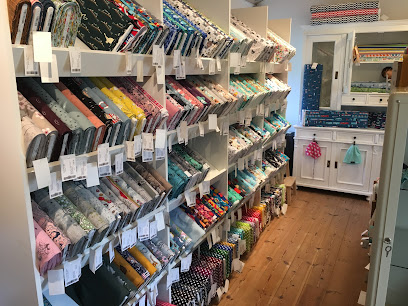
A North Sea island fabric haven where shelves of textiles, yarn and notions turn Rømø’s coastal light and colors into tangible, take-home creative projects.
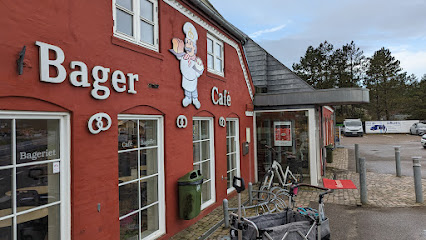
Rømø Bageriet
17.7 km
Island bakery treasured for handcrafted rye breads and a welcoming café garden.
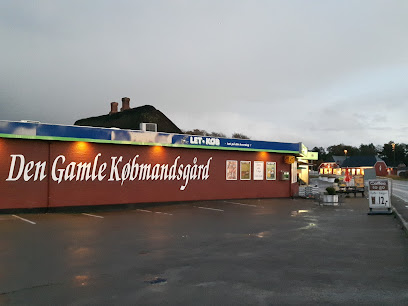
Den Gamle Købmandsgård
17.8 km
A homely island supermarket in historic farm buildings, blending fresh groceries, bakery treats, ice‑cream and garden minigolf into one easy Rømø stop.
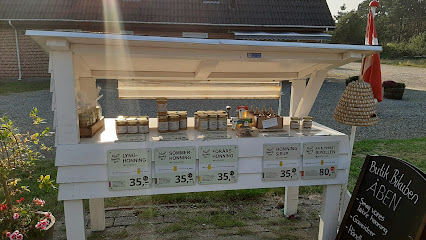
Atzen Honning Rømø
18.0 km
Small island honey farm turning Rømø’s heather, flowers and sea breeze into distinctive honeys and sweet souvenirs just outside the harbor town of Havneby.
Elisabeth
20.9 km
A cozy Fanø clothing boutique offering understated Scandinavian style, curated island-ready outfits, and a calm coastal atmosphere in an intimate setting.
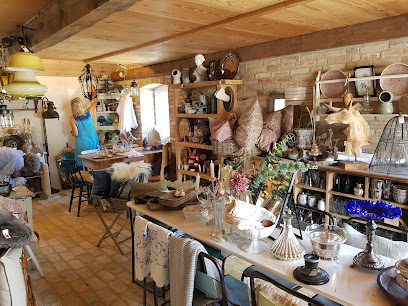
Cafe Hattesgaard
22.5 km
Atmospheric café-meets-antique emporium set in a historic farmhouse on Rømø, known for legendary cakes, local hospitality, and one-of-a-kind vintage finds.
Essential bars & hidden hideouts

TimeOut Bar
11.9 km
Unpretentious bodega-style beer hall in central Tønder, pouring simple drinks and late-night conversation for locals and curious travelers alike.
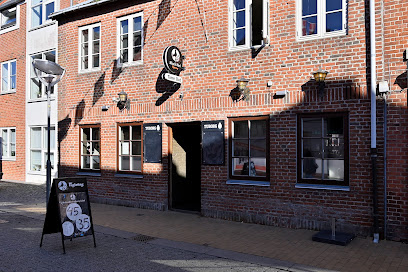
Bodega Pubs v/ Kim
23.0 km
Cozy local bodega in Skærbæk serving cold beer, simple drinks, and laid-back Danish bar culture in a friendly, down-to-earth neighborhood setting.
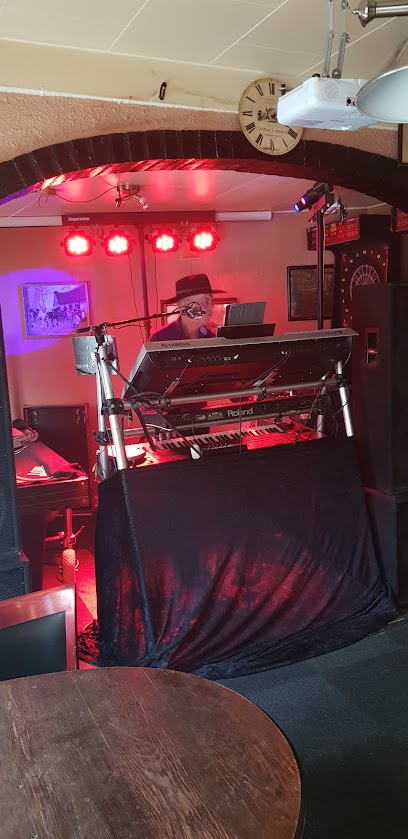
Mødestedet
23.0 km
Cozy wine bar on Skærbæk’s main street, where locals and visitors share unhurried glasses of wine, simple snacks and relaxed conversation from day to evening.
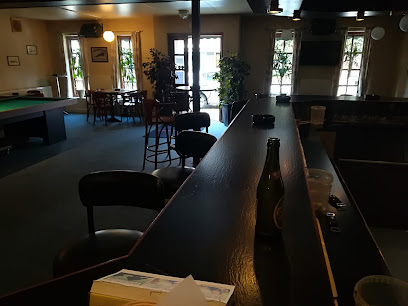
VersenkBar
27.3 km
Experience the charm of Stedesand at VersenkBar, where great drinks and friendly atmosphere meet for an unforgettable evening.
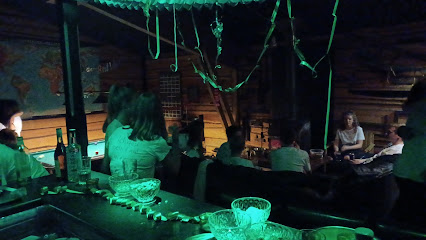
Gerrit's
28.5 km
Discover Gerrit's in Achtrup: a cozy bar where locals and tourists come together over refreshing drinks and warm hospitality.
Clubhaus MF Native Trail
30.5 km
Experience the charm of Clubhaus MF Native Trail, a delightful bar in Enge-Sande offering local drinks and a warm, inviting atmosphere.
Teddy’s Corner
36.4 km
Unpretentious local bar in Toftlund offering simple drinks, small‑town hygge and an easygoing glimpse into everyday South Jutland nightlife.
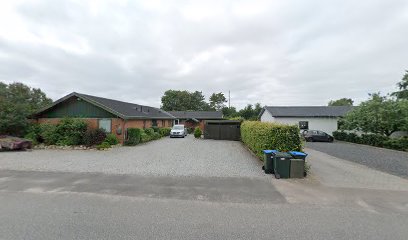
Termansens
41.5 km
Intimate jazz and live music in a centuries-old townhouse, where Ribe’s historic charm meets cozy, small-scale culture house vibes after dark.
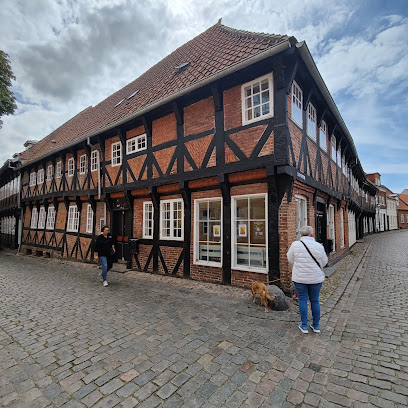
Klubben 1811
41.5 km
Casual, spacious bar in Ribe’s old town, mixing sports, pool and cold beer in a bright, easygoing setting just steps from the city’s medieval streets.
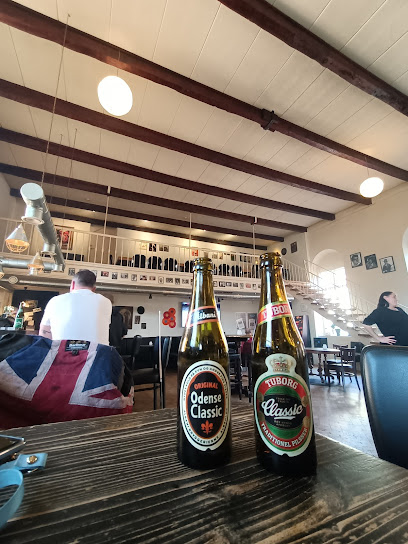
Strygejernet
41.5 km
Intimate corner pub in Ribe’s old town, pairing rustic coziness, smoke-free comfort and friendly bar life with simple drinks, games and unhurried evenings.
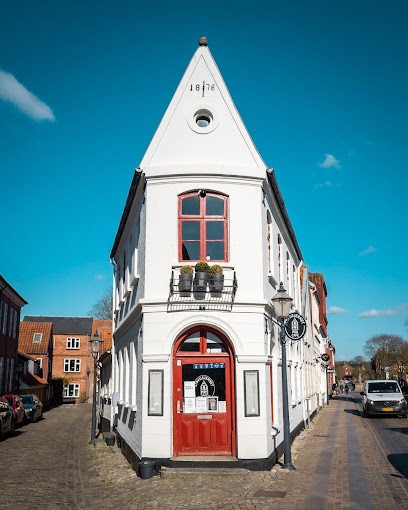
Stenbohus
41.5 km
Cosy, timeworn bar in the heart of Ribe, blending historic surroundings with easygoing drinks, local character and relaxed late‑night atmosphere.
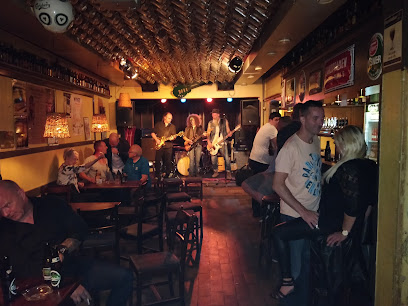
Café Valdemar
41.8 km
A compact late‑night bar and disco in the heart of historic Ribe, blending casual drinks, chart‑driven beats and a friendly weekend crowd on Sct Nicolaj Gade.
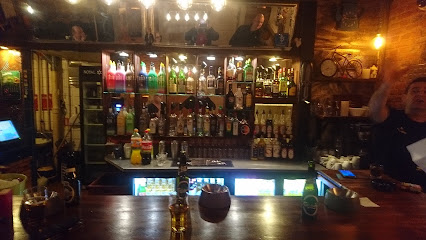
Vin For Dig Ribe
41.8 km
Cosy neighbourhood wine shop and intimate vinbar in Ribe, pairing curated bottles with generous takeaway tapas and relaxed Danish hygge.
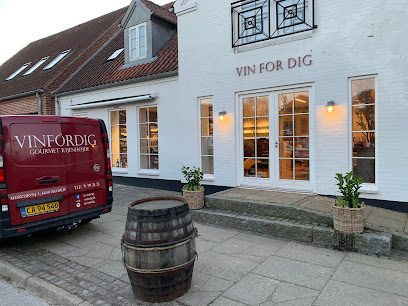
Fox and Hounds
48.1 km
Candlelit Scottish-style basement pub in central Aabenraa, pairing serious beer and whisky choice with hearty gastropub comfort and an easygoing evening vibe.
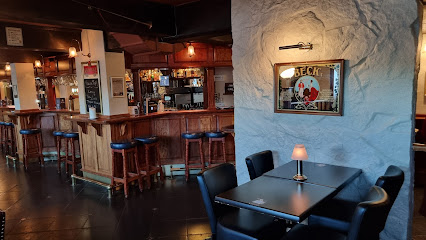
Grosmann's
49.1 km
Small-town Danish hygge in a tiny cocktail bar on Kirkegade, where classic drinks, warm lighting and everyday village life meet in laid-back South Jutland style.
Nightclubs & after hour spots

P2 Champagne & Cocktail Tønder
12.1 km
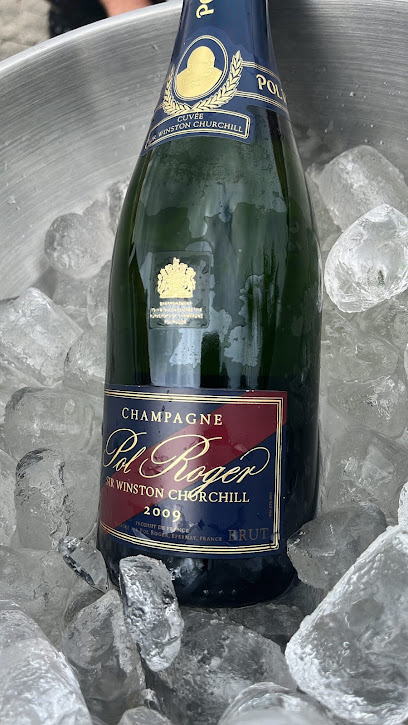
Intimate champagne and cocktail lounge bringing late-night sparkle and city-style glamour to the historic heart of Tønder.
Al Capone
12.2 km
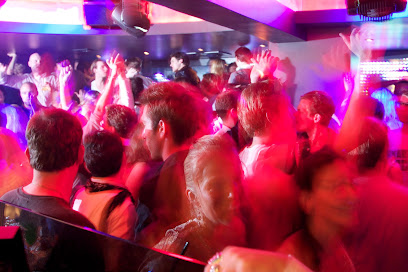
Tønder’s intimate late-night nightclub, blending rustic bar vibes, mainstream dance tracks and a grown-up party crowd in the heart of the old town.

Rotes Kliff
21.6 km
Experience the vibrant nightlife of Rotes Kliff in Sylt, a premier disco club and cocktail bar perfect for unforgettable evenings.
Fanø Blokart
52.6 km
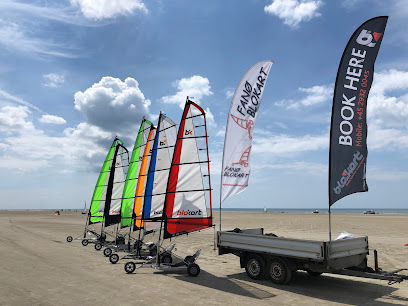
Experience high-speed land sailing on the scenic sands of Fanø, where wind, adventure, and stunning North Sea landscapes converge at Fanø Blokart.
Club Fanø Rindby
55.1 km
Vital hub for kite sports, fatbiking, and Nordic coastal adventure on Fanø, pairing local expertise with welcoming spirit in the island’s scenic Rindby beach area.
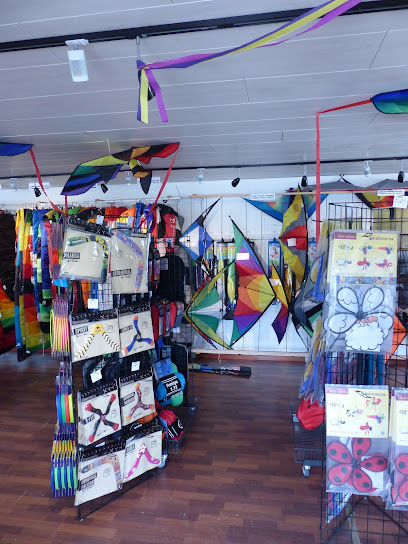
No.31 - Bar & Natklub
58.5 km
Compact, high-energy nightclub on Esbjerg’s Skolegade, blending late-night bar vibes, loud DJ sets and a youthful dance floor in the heart of the city.
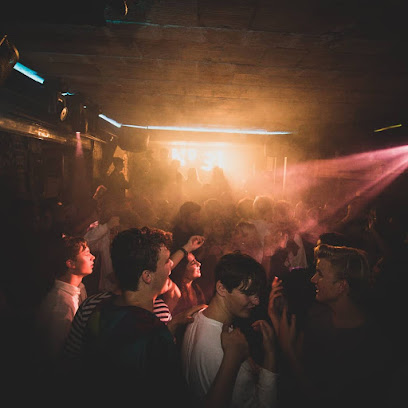
Bilka-søen
63.2 km
Esbjerg's energetic nightclub delivering vibrant music, dancing, and social entertainment in a lively atmosphere.
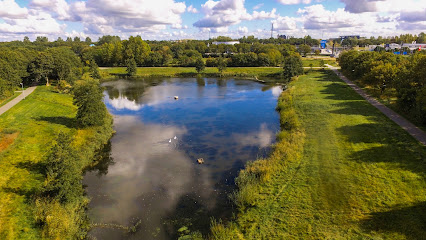
Crazy Daisy Vejen
64.4 km
High-energy disco club in central Vejen, bringing late-night music, dancing and big-city nightclub vibes to a compact South Jutland town.
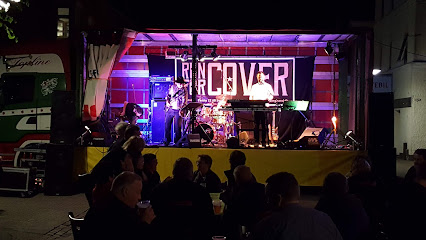
Dance All Over
65.4 km
Sønderborg’s sociable dance hub, where fitness, swing and party-ready moves come together in energetic, community-driven classes across the city.
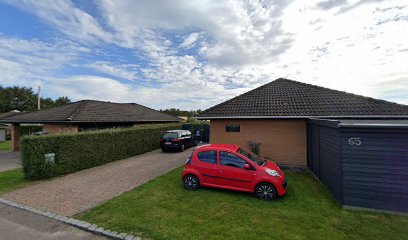
Fishi
69.3 km
Compact, no-frills nightclub in Vejen with loud beats, simple drinks and a friendly small-town crowd that keeps the dance floor moving late into the night.
New Orleans Jazz I Sønderborg
70.7 km
Authentic New Orleans jazz experience in the heart of Sønderborg.
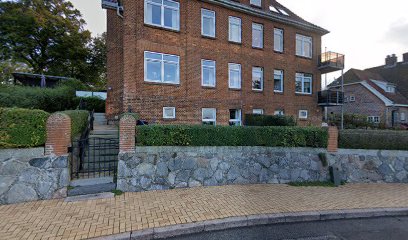
Kaizen ApS
70.8 km
Compact disco-style nightclub in central Sønderborg, pulsing with late-night beats, colourful lights and a straightforward bar for an unpretentious night out.
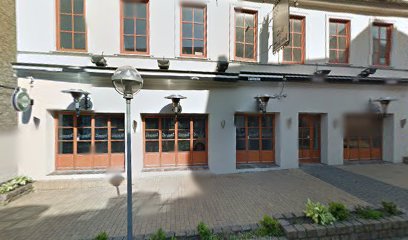
Old Danish Pub
70.9 km
Central Sønderborg institution blending classic Danish pub ambiance, affordable drinks, and lively atmosphere—perfect for experiencing Southern Denmark’s warmth and social life.
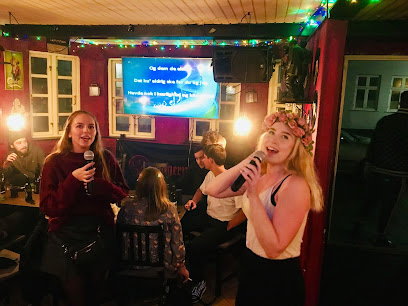
Ela-Ela Schleswig
74.2 km
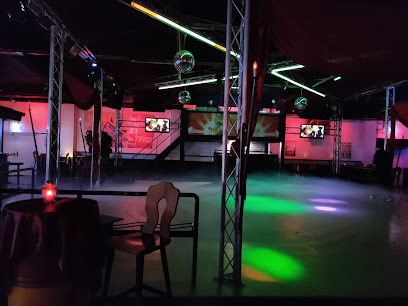
Discover the electrifying nightlife of Schleswig at Ela-Ela, where music and dancing come alive in an unforgettable disco experience.
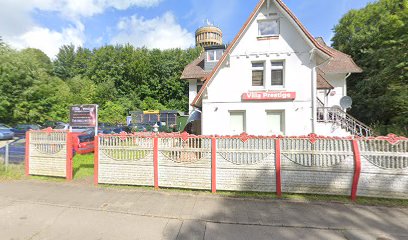
VILLA PRESTIGE Schleswig
74.3 km
Discover the vibrant nightlife at VILLA PRESTIGE Schleswig, a lively night club perfect for dancing and socializing until dawn.
For the vibe & atmosphere seeker
- Scenic
- Tranquil
- Relaxing
- Unique
- Casual
For the architecture buff
- Historic
- Landmarks
- Viewpoints
- Parks & Gardens
For the view chaser and sunset hunter
- Iconic Views
- Panoramas
- Sunset Spots
For the social media creator & influencer
- Photo Spots
- Selfie Spots
- Reel-Friendly
- Architectural Shots
For the eco-conscious traveler
- Low Impact
- Protected Area
- Public-Transport Accessible
- Leave-No-Trace Critical
- Wildlife Habitat
For the kind of experience you’re after
- Photowalk
- Nature Escape
- Roadtrip Stop
- Day Trip
- Mindfulness
For how adventurous you want the journey to be
- Easy Access
Location Audience
- Family Friendly
- Senior Friendly
- Child Friendly
- Teen Friendly
- Solo Friendly
- Couple Friendly
- Solo Female Friendly
- Vegetarian Friendly
- Vegan Friendly


