Copenhagen Zoo
Historic city zoo with 4,000+ animals, bold modern architecture and all‑weather exhibits, offering close wildlife encounters and family‑friendly fun in central Frederiksberg.
Copenhagen Zoo in Frederiksberg is one of Europe’s oldest zoological gardens and home to more than 4,000 animals from over 250 species. Spread between leafy outdoor enclosures and large indoor habitats like the Arctic Ring and tropical houses, it combines classic park charm with striking contemporary architecture, including the panda and elephant houses. Families find playgrounds, petting areas, and plenty of dining spots, making it an all‑weather, full‑day outing in the heart of the city.
A brief summary to Copenhagen Zoo
- Roskildevej 32, Frederiksberg, 2000, DK
- Click to display
- Click to display
- Duration: 3.5 to 6 hours
- Mid ranged
-
 Outdoor
- Mobile reception: 5 out of 5
- Monday 10 am-4 pm
- Tuesday 10 am-4 pm
- Wednesday 10 am-4 pm
- Thursday 10 am-4 pm
- Friday 10 am-4 pm
- Saturday 10 am-4 pm
- Sunday 10 am-4 pm

Know before you go
Hi, I'm Eve. Here are a few practical things to know before exploring Copenhagen Zoo.
- Arrive near opening time to enjoy the most popular animals, such as pandas and polar bears, before midday crowds build up.
- Check the daily feeding and keeper-talk schedule at the entrance; planning your route around these times makes enclosures feel much more lively.
- Wear comfortable shoes and dress in layers; you will move between cool outdoor areas and warm tropical houses throughout the day.
- Consider bringing a reusable water bottle and some snacks for children, then supplement with treats from the zoo’s cafés and kiosks.
- If you hold a city attraction card, check whether zoo entry is included, as this can significantly reduce costs for families.
Do you manage this location?
Take control to get all the benefits, like improved information, better appearance, and stronger visibility across AI-powered discovery. Learn more
Activate your presenceGetting There
-
Public transport from central Copenhagen
From central Copenhagen, city buses such as the 6A or 7A typically reach Copenhagen Zoo in about 15–20 minutes, depending on traffic. Services run frequently during the day and tickets for a single adult journey usually cost around 20–30 DKK when bought via travel apps or ticket machines. Buses stop within a short walk of the main entrance and are suitable for strollers, but they can be crowded at school and commuter peak times.
-
Metro and short walk
You can take the M1 or M2 metro lines to Frederiksberg Station, then walk roughly 20–25 minutes through the neighbourhood to the zoo. Metro trains run every few minutes and a single ticket is typically in the 20–30 DKK range within the central zones. The route from the station to the zoo follows paved, mostly level sidewalks, making it manageable for most visitors and stroller users, although it may feel long for very young children.
-
S-train and bus connection
Another option is to ride an S-train to Copenhagen Central Station and transfer to a bus heading towards Frederiksberg, with total travel time usually 20–30 minutes. Standard zone tickets work across both legs and cost around 20–30 DKK for adults. This route offers sheltered waiting areas at the station and is a good choice in poor weather, but pay attention to digital displays as bus platforms can be busy and noisy.
-
Taxi or rideshare within the city
Taxis from the inner city or major hotels typically reach Copenhagen Zoo in about 10–20 minutes, depending on traffic. Fares commonly range between 120 and 220 DKK for central journeys, with surcharges possible in late evening or on holidays. Taxis drop passengers at the main entrance, providing the most convenient option for visitors with limited mobility, though availability can be tighter during large city events.
For the on-the-go comforts that matter to you
-
 Restrooms
-
 Drink Options
-
 Drinking Water
-
 Food Options
-
 Seating Areas
-
 Sheltered Areas
-
 Picnic Areas
-
 Trash Bins
-
 Information Boards
-
 Visitor Center
Discover more about Copenhagen Zoo
A historic animal garden in leafy Frederiksberg
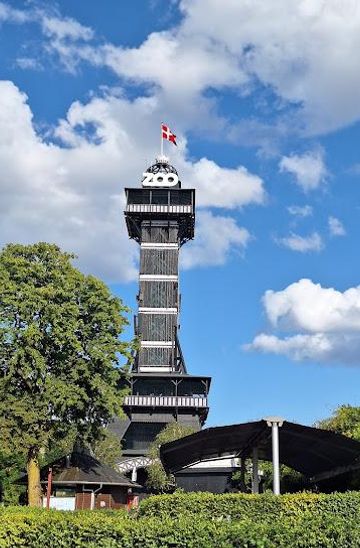
Founded in 1859 beside the green expanse of Frederiksberg Gardens, Copenhagen Zoo blends the feel of a traditional city park with the scale of a modern wildlife attraction. Long avenues, mature trees and open lawns frame a maze of paths leading to more than 4,000 animals representing over 250 species from around the world. The red-brick entrance and iconic zoo tower hint at the zoo’s long history, while behind the gates the layout feels expansive yet walkable, with something new tucked around almost every corner.Despite its central location, the atmosphere is surprisingly relaxed. You move between quiet corners where goats doze in the sun and busier plazas buzzing with families heading to feeding shows. Seasonal decorations, from spring flowers to winter lights, keep the grounds feeling alive throughout the year, and many areas are designed so you can watch animals both outdoors and inside sheltered viewing spaces.From Arctic Ring to tropical heat
Animal areas are loosely arranged by region, allowing you to “travel” quickly between continents. In the **Arctic Ring**, polar bears glide through clear cold water, visible from above on rocky viewpoints or from below through a glass tunnel where they pass almost at eye level. Nearby, North Atlantic seabirds wheel above you in a mixed coastal habitat that evokes harsh northern shores.Further on, the atmosphere shifts to lush green in the tropical houses. Warm, humid air carries the sound of birds as free-flying species flash between branches overhead. Snakes, crocodiles and small primates hide among dense foliage, while butterflies drift lazily through shafts of light. These indoor zones make the zoo particularly appealing on cool or rainy days, when you can step inside and be surrounded by warmth, color and jungle sounds.Architectural highlights among the enclosures
Copenhagen Zoo is also known for its contemporary architecture. The striking panda house, designed as a yin‑yang figure when seen from above, curves gently around bamboo-filled outdoor yards and intimate indoor viewing spaces. Glass walls and tiered seating allow you to watch the pandas at close range while the building itself functions as a scenic restaurant, where diners look directly into the habitat.Another standout is the elephant house, a light-filled structure with sweeping organic forms created by a renowned international architect. Large glass panels bring daylight deep into the interior and let visitors observe the herd from multiple angles, while outdoor sand yards give the elephants room to roam, bathe and dust themselves. Elsewhere, the hippo house, Arctic Ring and classic zoo tower add to a surprising mix of design styles that make the zoo as visually engaging for architecture fans as it is for animal lovers.Hands-on encounters and family-friendly spaces
For children, the zoo feels like an enormous playground layered with animal experiences. The children’s zoo offers gentle contact with domestic animals such as goats and pigs, along with simple tasks that echo a zookeeper’s day. Playgrounds like the Zoofari area encourage kids to climb, balance and test their abilities “against” different animals, making the visit as physical as it is educational.Throughout the day there are scheduled feedings and keeper talks at popular enclosures like the chimpanzees, hippos or squirrel monkeys. These sessions highlight animal behaviour, enrichment and conservation work in an engaging way, often bringing animals very close to the viewing areas. Spread around the grounds you will find picnic lawns, sheltered seating and indoor play corners, so families can pause, regroup and extend a visit into a leisurely full day.Food, facilities and practical comfort
Eating and resting are built into the experience. Casual snack stands serve ice cream, hot dogs and coffee near major hubs, while sit-down options range from a Danish-style restaurant with open sandwiches to a café with French‑Asian dishes overlooking the panda habitat. Many visitors combine brought‑along picnics with purchased treats, using the numerous outdoor tables and benches dotted around the paths.Facilities are designed to handle full‑day stays: restrooms are distributed across the park, there are baby-changing spaces, and most routes are stroller‑friendly with gentle gradients. Clear information boards introduce each species and often explain conservation projects that the zoo supports globally. Combined with good indoor coverage in the tropical areas and animal houses, it makes Copenhagen Zoo a dependable outing in both bright summer weather and the colder months.Conservation mission in an urban setting
Behind the scenes, the zoo participates in international breeding programmes and supports field projects ranging from amphibian reintroductions in Denmark to anti-poaching work in Africa. The emphasis on long-term species protection is woven into exhibits and signage rather than presented as a separate attraction. Visiting thus becomes more than entertainment: each ticket contributes to research, habitat protection and care for endangered animals.Set in a residential district yet closely tied to nature, Copenhagen Zoo occupies a distinctive place in the city’s cultural life. It works both as an easy half-day escape for locals and a major highlight for visitors who want wildlife, architecture and green space without leaving the urban core. Whether you come for pandas, polar bears or simply a slow walk among trees and animal calls, it offers an unexpectedly rich portrait of the natural world right in the heart of Copenhagen.Explore the best of what Copenhagen Zoo has to offer















More about North Zealand
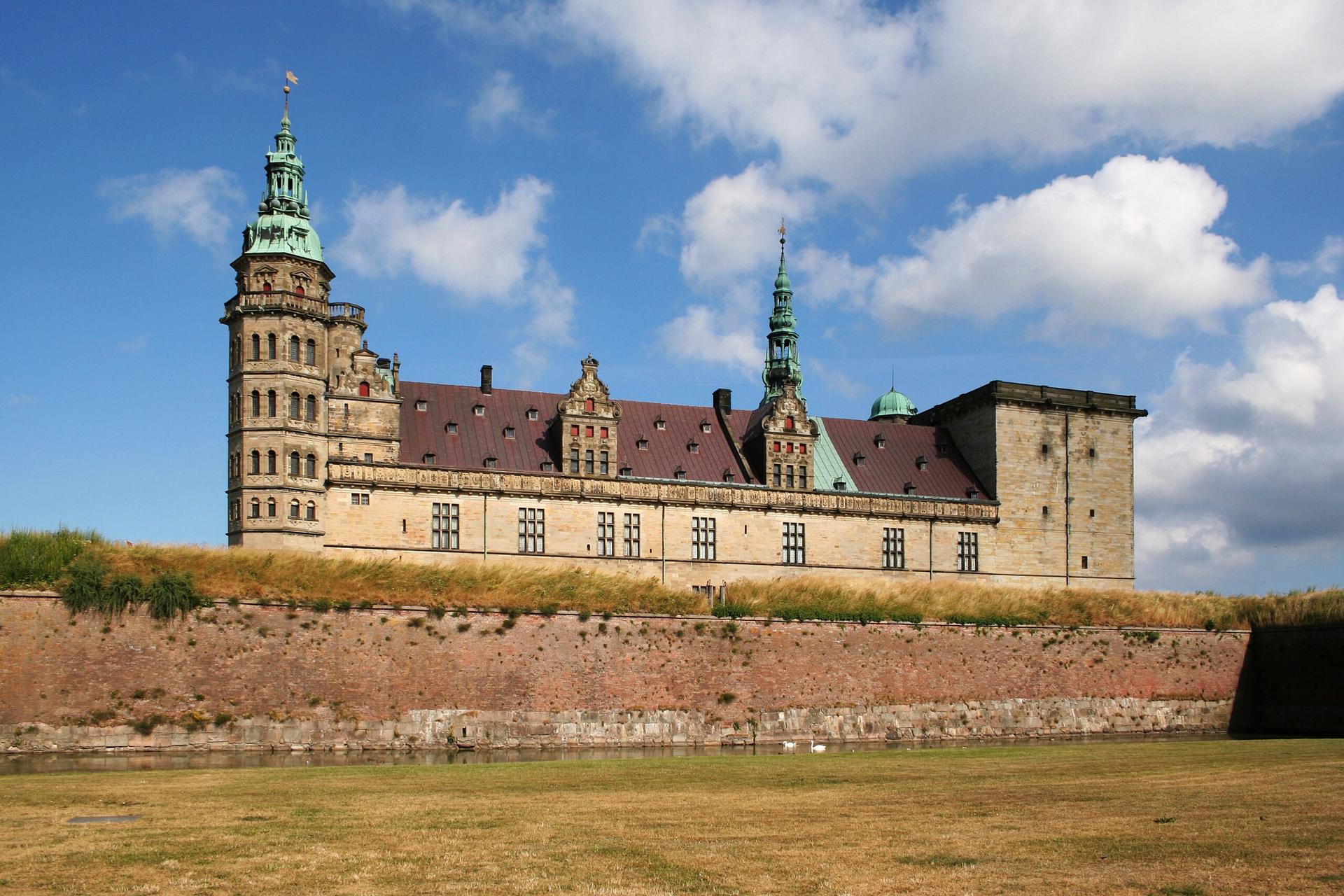
Explore North Zealand, Denmark's enchanting region of castles, beaches, and royal estates, perfect for history buffs, nature enthusiasts, and seaside lovers.
Tell me more about North Zealand