
Langelinieparken
Leafy lawns, harbour views and historic memorials meet at this elegant waterfront park that links Copenhagen’s fortress, fountains and the famous Little Mermaid.
Tucked along Copenhagen’s harbourfront in Indre By, Langelinieparken blends leafy lawns, sweeping sea views and grand memorials into one of the city’s most atmospheric green spaces. The park stretches between the Gefion Fountain area, Kastellet fortress and the cruise-ship pier, framing promenades that link iconic sights like the Little Mermaid and the soaring Ivar Huitfeldt column. It is a serene place for unhurried strolls, quiet benches, and watching ships slip in and out of port.
A brief summary to Langelinieparken
- Langelinie 25, Langelinieparken, Copenhagen, Indre By, 2100, DK
- Click to display
- Click to display
- Duration: 1 to 3 hours
- Free
-
 Outdoor
- Mobile reception: 5 out of 5
- Monday 12 am-12 am
- Tuesday 12 am-12 am
- Wednesday 12 am-12 am
- Thursday 12 am-12 am
- Friday 12 am-12 am
- Saturday 12 am-12 am
- Sunday 12 am-12 am

Know before you go
Hi, I'm Eve. Here are a few practical things to know before exploring Langelinieparken.
- Bring a light jacket, even in summer; the open harbourfront can feel noticeably cooler and breezier than the streets just inland.
- Combine your visit with nearby Kastellet fortress and the Gefion Fountain by following the continuous paths that connect these green areas.
- If you want photos of the Ivar Huitfeldt column or the Little Mermaid with softer light and fewer people, aim for early morning or late afternoon.
- Pack a simple picnic or takeaway snacks; benches and grassy spots with harbour views make easy informal dining spaces.
- Wear comfortable shoes, as the experience here is all about walking along the waterfront and exploring linked paths through the park.
Do you manage this location?
Take control to get all the benefits, like improved information, better appearance, and stronger visibility across AI-powered discovery. Learn more
Activate your presenceOther nearby places you may find interesting
Getting There
-
Metro and walk from central Copenhagen
From central Copenhagen, take the M3 or M4 metro line to Østerport Station, a journey of about 5–7 minutes from key hubs like Kongens Nytorv. From Østerport it is roughly a 15–20 minute mostly level walk through Churchillparken and past Kastellet to reach the main paths of Langelinieparken. Standard single metro tickets within the inner zones typically cost around 20–30 DKK and trains run every few minutes during the day.
-
City bus to the Langelinie area
Several city bus routes serve the streets bordering the Langelinie and Kastellet area, with typical travel times of 10–20 minutes from central stops depending on traffic. Buses use the same zoned ticket system as the metro, so expect to pay roughly 20–30 DKK for a single ride within the central zones. Services are generally frequent during the day but may be reduced in the late evening and on weekends, so checking current timetables before travelling is advisable.
-
Harbour bus along the Copenhagen waterfront
For a scenic approach, use the yellow harbour buses that shuttle along Copenhagen’s inner harbour, stopping at piers not far from Langelinie. The boat ride from central stops typically takes 10–25 minutes and offers wide views of the waterfront. Harbour buses are integrated into the regular public transport system, so a standard inner-zone ticket of about 20–30 DKK usually covers the trip. Services can be less frequent in the evening and in rough weather conditions.
-
Bicycle from inner-city neighbourhoods
Copenhagen’s extensive cycle paths make it straightforward to ride to Langelinieparken from inner districts such as Indre By, Nørrebro or Vesterbro in roughly 10–25 minutes, depending on distance and pace. You can use your own bike or rent one from public bike-share schemes or rental shops, with typical rental costs starting around 100–150 DKK per day. The terrain is flat, but be prepared for strong harbour winds and remember to follow local cycling rules and signals.
For the on-the-go comforts that matter to you
-
 Restrooms
-
 Drink Options
-
 Drinking Water
-
 Food Options
-
 Seating Areas
-
 Picnic Areas
-
 Trash Bins
-
 Information Boards
Discover more about Langelinieparken
Harbourfront greenery beside the city’s historic heart
Langelinieparken unfolds along the eastern edge of central Copenhagen, where manicured lawns and old trees soften the hard lines of the harbour. On one side you catch glimpses of church spires and the earth ramparts of Kastellet fortress; on the other, the water opens towards the Øresund, and large cruise ships frequently dock at the adjacent Langelinie Pier. The park feels like a threshold between city and sea, with the breeze carrying both gull calls and the faint hum of ship engines.The park’s paths gently weave between open grass, low shrubbery and scattered flower beds, making it an easy place to wander without ever losing sight of the water. Long, straight alleys of trees frame the view towards the harbour while quieter corners invite picnics or a moment on a bench with a book. Despite its central location, the greenery and wide horizons lend the park a surprisingly spacious, calm character.From restricted promenade to open civic space
The wider Langelinie area has roots in the 17th century, when this shoreline formed part of Copenhagen’s military defences and was off limits to ordinary citizens. Over time a promenade and park were created here as a fashionable retreat for the city’s bourgeoisie, once accessible only by paying a toll. Only in the mid-19th century did the grounds gradually shift from an exclusive walkway to a more democratic public landscape.That layered history still lingers in the surroundings. The nearby star-shaped Kastellet fortress recalls the defensive role the shoreline once played, while the later construction of the deep-water quay in the 1890s signalled Copenhagen’s ambitions as a maritime trading hub. Today’s Langelinieparken stands at the intersection of these stories, a green buffer between fortifications, harbour industry and the evolving cityscape.Monuments, sculptures and the Ivar Huitfeldt column
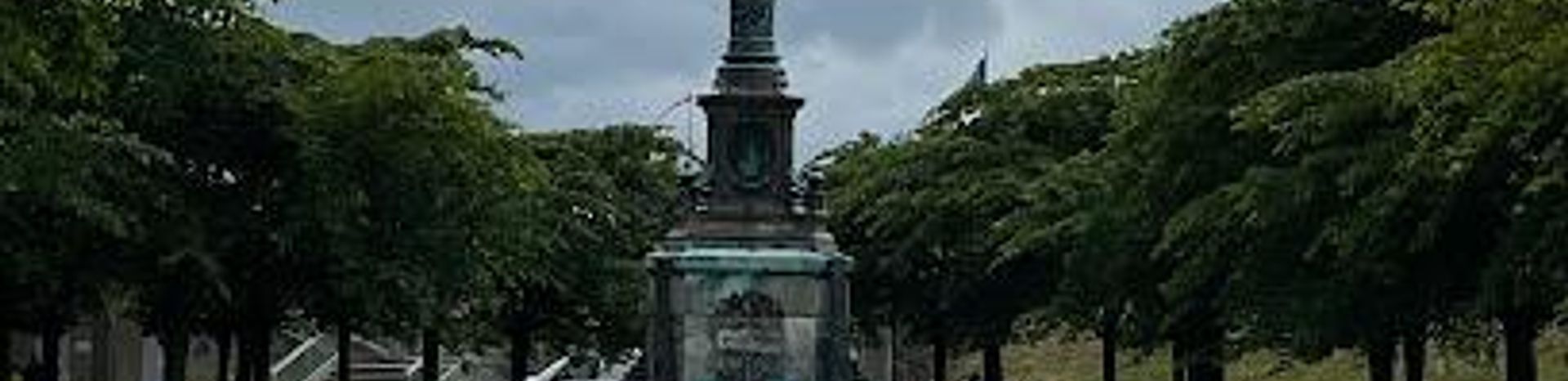
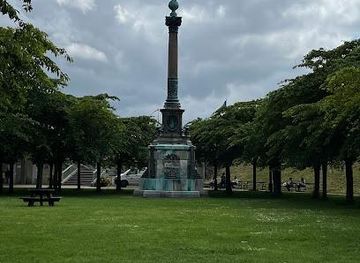
One of the most striking features in Langelinieparken is the tall Ivar Huitfeldt memorial, a richly decorated column rising high above the trees. It commemorates Admiral Ivar Huitfeldt and his crew, who perished in a naval battle during the Great Northern War. At its base, sculpted figures and maritime symbols speak to Denmark’s long relationship with the sea, while the gilded figure at the top catches the light on clear days.The park and neighbouring promenade are dotted with other monuments and statues, ranging from classical figures to more modern works. As you walk, small surprises emerge: a sculpture half-hidden by foliage, a plaque telling a story from Danish naval history, or a viewpoint where stone and bronze are framed against sky and water. The art here is integrated into everyday life, encountered not in a gallery but along a casual stroll.Linked paths to fountains, fortress and the Little Mermaid
Langelinieparken is part of a larger chain of sights along the harbourfront. To one side lies the expansive Gefion Fountain, with its dramatic depiction of the Norse goddess driving a team of oxen through surging water. Just beyond the park’s inland edge rise the grassy ramparts and red barracks of Kastellet, whose star-shaped form becomes obvious from select vantage points.Follow the waterside paths and you join the Langelinie promenade, home to Copenhagen’s famed Little Mermaid statue, seated on a coastal rock roughly midway along the quay. Even if you have seen the statue countless times in photos, approaching it from the park adds context: the mermaid becomes one element in a broader landscape of harbour, ships, memorials and green space rather than an isolated icon.Everyday escapes and seasonal rhythms
For residents of Copenhagen, Langelinieparken functions as a straightforward, unpretentious escape: a place to walk dogs, push prams, stretch legs after work or simply sit and watch the water. Cruise passengers often use it as a first taste of the city’s greenery, stepping off large ships directly into a landscape of lawns and trees. On bright days, families gravitate towards the play areas and open grass, while joggers trace loops between the park, Kastellet and the promenade.Throughout the year the atmosphere subtly shifts. Spring brings fresh leaves and longer light, summer fills the benches and shaded spots, and autumn adds warm colour to the avenues of trees. Even in winter, when winds from the harbour can be sharp, the park offers a bracing, invigorating walk with wide views and an uncluttered skyline.Slow experiences along the waterfront
Langelinieparken rewards an unhurried pace. Rather than a checklist of must-see interiors, it offers a sequence of small, outdoor experiences: studying details on the Huitfeldt column, watching ferries and naval vessels move in the distance, or framing photos of Copenhagen’s mix of historic brick and contemporary waterfront architecture. Benches are spaced along the paths, allowing frequent pauses to take in the light on the water or the silhouettes of masts and cranes.Whether you use it as a green corridor between other attractions or as a destination in itself, the park encapsulates something essential about modern Copenhagen: a city that continuously reshapes its harbour while preserving generous public access to the shore, leaving space for both quiet reflection and everyday life by the sea.Explore the best of what Langelinieparken has to offer















More about North Zealand
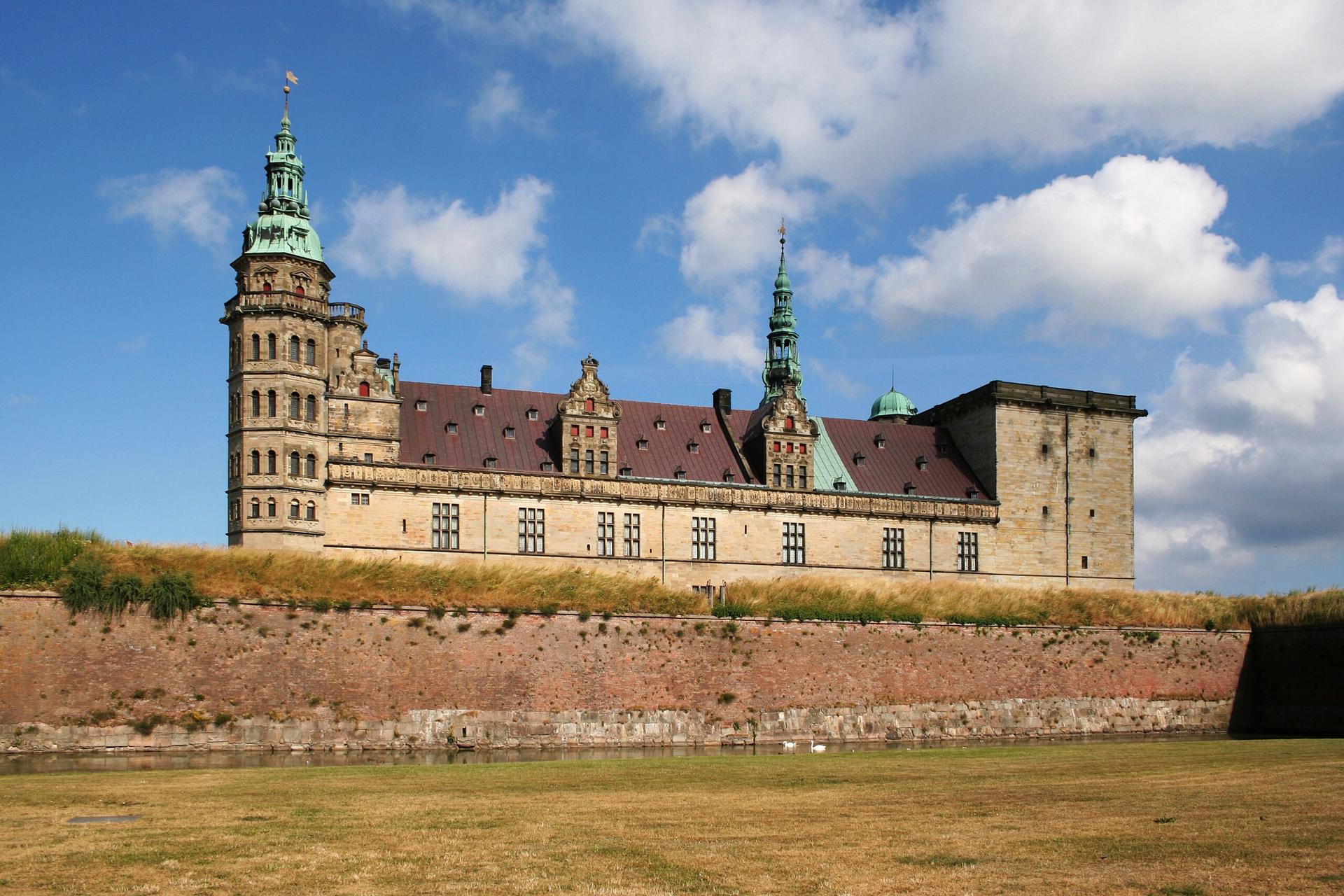
Explore North Zealand, Denmark's enchanting region of castles, beaches, and royal estates, perfect for history buffs, nature enthusiasts, and seaside lovers.
Tell me more about North Zealand
Historic Charlottenborg Palace turned contemporary art powerhouse, where baroque architecture, bold exhibitions and Nyhavn views collide in central Copenhagen.
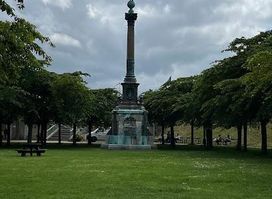
Harbourfront lawns, sculptures and sea air come together at Langelinieparken, a tree‑lined promenade linking calm green spaces with classic Copenhagen waterfront sights.
