
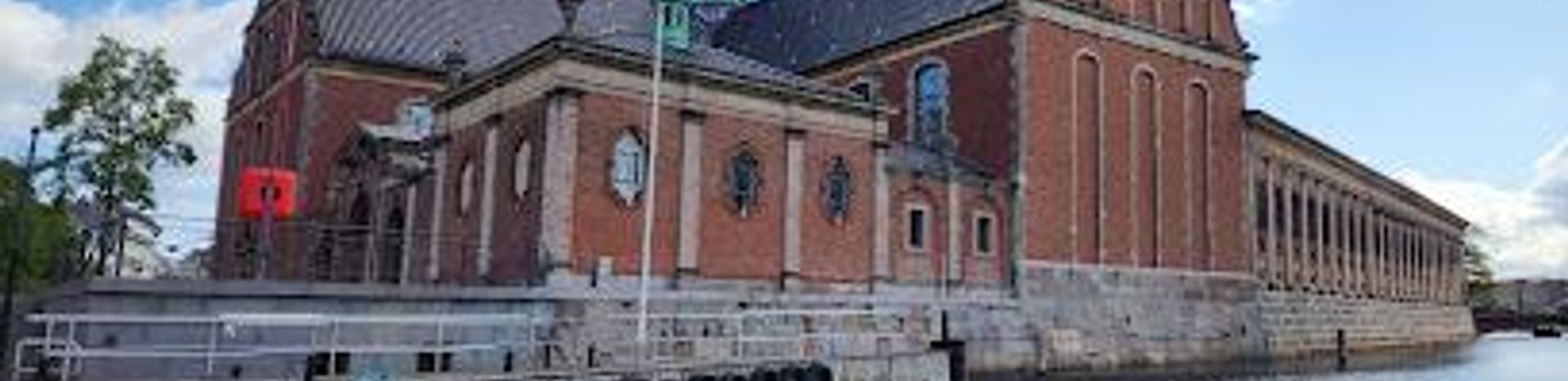
Church of Holmen
A Renaissance gem transformed from anchor forge to naval sanctuary, where maritime heritage and royal history converge.
A Renaissance masterpiece in central Copenhagen, the Church of Holmen began as an anchor forge in 1563 before being transformed into a naval church by King Christian IV. This serene sanctuary retains its original 17th-century interior, featuring a magnificent oak pulpit, barrel-vaulted ceiling, and hanging model ships that honor Denmark's maritime heritage. The church has hosted royal christenings and the 1967 wedding of Queen Margrethe II, making it a cornerstone of Danish royal and naval history.
A brief summary to Church of Holmen
- Holmens Kanal 21, Indre By, Indre By, 1060, DK
- +4533136178
- Visit website
- Duration: 0.75 to 2 hours
- Free
-
 Indoor
- Mobile reception: 5 out of 5
Local tips
- Visit during off-peak hours (mid-morning or early afternoon on weekdays) for a serene, contemplative experience with fewer visitors.
- Look upward to admire the model ships suspended from the barrel-vaulted ceiling—each vessel tells a story of Denmark's naval past.
- Explore the crypt to see the sarcophagi of Admiral Niels Juel and Peter Tordenskjold, two of Denmark's greatest seafarers.
- Study the floor-to-ceiling oak pulpit carved by Abel Schrøder in 1662—it is the oldest and most richly decorated pulpit in Copenhagen.
- Check the church's official website for information about guided tours, which can provide deeper context on the building's transformation and royal significance.

For the on-the-go comforts that matter to you
- Restrooms
- Seating Areas
- Information Boards
Getting There
-
Metro and Walking
Take the Copenhagen Metro Line M1 or M2 toward Vanløse or Lufthavn, exiting at Kongens Nytorv station (approximately 8 minutes from central stations). From the station, walk south toward Holmens Kanal (approximately 5–8 minutes on flat, well-marked streets). The church is located directly on the canal at Holmens Kanal 21. This is the most reliable and frequent option, with trains every 3–6 minutes during peak hours.
-
Bus
Several bus routes serve the area, including routes 1A, 2A, 6A, and 14. Board at any central stop and travel toward the Indre By district. Journey time is typically 10–15 minutes depending on traffic and starting location. Buses run frequently throughout the day. Exit near Holmens Kanal and walk to the church entrance. Single ticket costs approximately 24 DKK (3–4 EUR).
-
Bicycle
Copenhagen's extensive cycling infrastructure makes this an excellent option. Rent a bike from any of the city's bike-sharing systems (Bycyklen or similar) or local rental shops. The journey from Nørreport or Christiansborg takes approximately 5–10 minutes depending on your starting point. Bike lanes are clearly marked and lead directly to Holmens Kanal. Rental costs range from 30–80 DKK (4–11 EUR) for a single trip or day pass.
-
Walking
If you are staying in central Copenhagen (Nyhavn, Strøget, or Christiansborg area), walking is feasible and pleasant. The journey from Nyhavn takes approximately 10–15 minutes via scenic waterfront paths. From Christiansborg Palace, it is approximately 8–10 minutes. The route is flat, well-lit, and passes through historic neighborhoods. This option is free and allows you to experience the city's character at a leisurely pace.
Church of Holmen location weather suitability
-
 Any Weather
Discover more about Church of Holmen
From Forge to Sacred Space: A Transformation Rooted in Royal Vision
The Church of Holmen stands as a testament to Copenhagen's evolving relationship with the sea and its monarchy. Originally constructed in 1562–1563 as an anchor forge for Frederick II of Denmark, the building's industrial purpose was carefully concealed behind a handsome Italian Renaissance tower designed by Peter de Dunckers. This architectural sleight of hand ensured the forge would not obstruct the royal view from Christiansborg Castle. When King Christian IV established naval housing on Holmen in 1617, the growing population of sailors and shipyard workers necessitated a place of worship. Rather than construct anew, the king ingeniously repurposed the anchor forge, converting it into a church that was consecrated on September 5, 1619. This transformation from industrial smithy to sacred sanctuary mirrors the island's broader shift from military production to residential community.The Cruciform Expansion and Architectural Mastery
By 1641, the church had already become too small for its congregation. King Christian IV commissioned architect Leonhard Blasius to expand the building into a cruciform structure, modeling the design after Glücksburg Castle's chapel. The tower was ingeniously incorporated into the new layout, with the two new arms slightly shorter than the original ones. This expansion proved architecturally ambitious: the wooden roof construction struggled to support the weight of the new spire, requiring reinforcement in 1698 and again in 1793. It was not until 1930, when an iron framework was introduced, that the structural collapse was finally halted. The spire has since settled approximately 60 centimeters lower than its original height—a silent testament to the challenges of supporting such an ambitious vertical element. Remarkably, the Church of Holmen survived the devastating Copenhagen fires of 1728 and 1795 that destroyed much of the city's medieval architecture, and it sustained only minor damage from the bombardments of 1659 and 1807.A Treasury of Maritime Symbolism and Royal Heritage
The church's interior is a living museum of naval tradition and royal connection. Suspended from the barrel-vaulted ceiling are intricate model ships, including a replica of the Christianus Quintus, the flagship of Admiral Niels Juel built at the naval dockyard in 1904. These votive vessels serve as enduring reminders of Denmark's seafaring legacy and the prayers of sailors who once sought divine protection on the high seas. The church houses the sarcophagi of two of Denmark's greatest naval heroes: Admiral Niels Juel and Peter Tordenskjold. Tordenskjold's marble sarcophagus, installed in 1819 more than a century after his death, reflects a complicated history—the authorities had originally hidden his coffin, owing him a substantial debt. An official funeral ceremony was not held until 1995, nearly 275 years after his passing, finally honoring his legacy with the dignity he deserved.Masterworks of Craftsmanship and Devotion
The Church of Holmen preserves the oldest intact Renaissance interior in Copenhagen, a distinction that sets it apart among the city's many historic churches. The pulpit, carved by Abel Schrøder and installed in 1662, stands as the most richly decorated and oldest preserved pulpit in Copenhagen. Rising from floor to ceiling in natural oak, it depicts Christian history from Moses to Jesus Christ, with the royal monograms and crowns gilded in gold. The large oak altarpiece, also crafted by Schrøder, complements the pulpit's grandeur. The pipe organ, originally constructed by Lambert Daniel Kastens and installed in 1738, retains its original façade, though the mechanism was replaced in 1956. Inside the church, the name Jehovah appears in large gold letters, with a commemorative plaque dated 1661 referencing Psalms 100:4, anchoring the space in scriptural devotion.Royal Connections and Modern Significance
The Church of Holmen holds a unique place in Danish royal history. King Frederik IX, who had a distinguished career in the Royal Danish Navy, chose the church for the christenings of his three children, including his eldest daughter and successor, Queen Margrethe II, christened here on May 14, 1940. Queen Margrethe II was married in the church on June 10, 1967, to Henri de Laborde de Monpezat, an event that cemented its status as a venue for royal occasions. The tradition continued with the christening of King Frederik X on June 24, 1968, and most recently with the christening of Prince Vincent and Princess Josephine, the twin children of King Frederik X, on April 14, 2011. These royal connections underscore the church's enduring importance to Denmark's monarchy and its role as a spiritual anchor for the nation's naval and royal heritage.Iconic landmarks you can’t miss

Holmens Bro
0.1 km
A modest granite arch in central Copenhagen that quietly connects Slotsholmen’s palaces with the city’s streets, offering classic harbour views and everyday urban life.

Frederik VII
0.1 km
Bronze monument in central Copenhagen commemorating King Frederik VII and Denmark’s 19th-century transition to constitutional monarchy, steps from political landmarks.
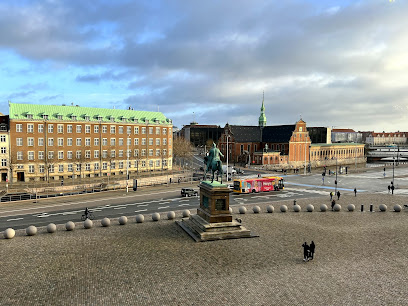
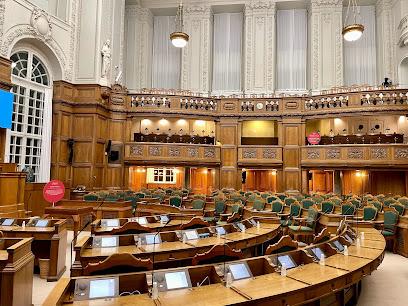
The Danish Parliament
0.2 km
Where copper spires, royal salons and granite façades frame the working heart of Danish democracy on Copenhagen’s historic Island of Power.
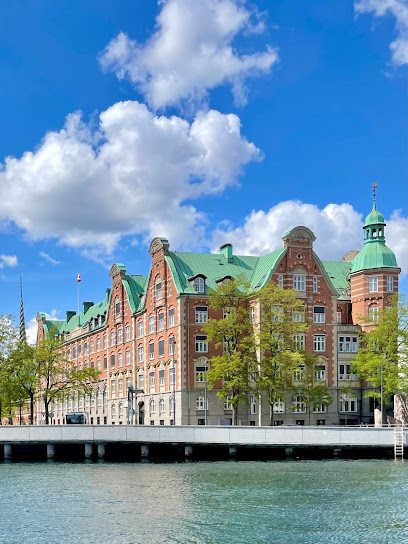
C.F. Tietgens Hus
0.2 km
A Neoclassical monument to Danish banking heritage and industrial vision, built for one of history's most influential entrepreneurs.
Højbro
0.3 km
A historic iron arch bridging Copenhagen’s lively city centre and stately Slotsholmen, with hidden folklore sculptures stirring beneath its calm canal waters.
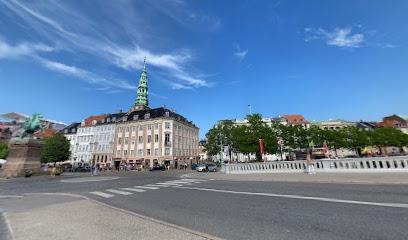
Equestrian statue of Christian IX
0.3 km
A quiet yet powerful royal monument in Christiansborg’s riding ground, uniting a pivotal Danish king with the groundbreaking sculptor who cast him in bronze.
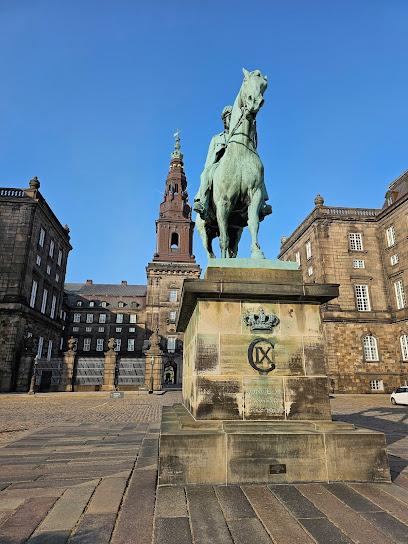
Havnegade Promenaden
0.4 km
Copenhagen's revitalized waterfront promenade blending historic charm with playful modern recreation.
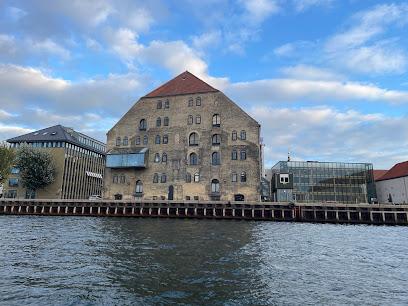
Kongens Nytorv
0.4 km
Historic observatory in Aarhus combining hands-on stargazing, interactive astronomy exhibits, and tranquil parkland with panoramic city views.
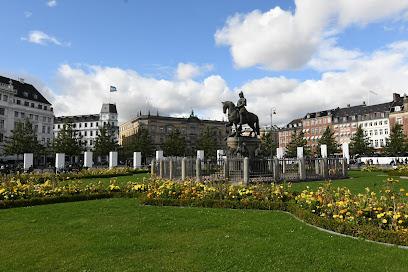
Amagertorv
0.4 km
Aarhus’s University Park blends Danish modernist architecture, lush gardens, and student life into one of the city’s most tranquil and historically significant green spaces.
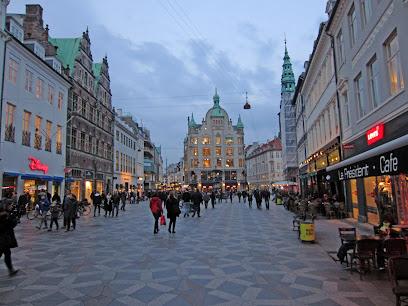
Frederiksholms Kanal
0.4 km
Discover Aarhus’s Latin Quarter—a picturesque maze of cobblestone streets, vibrant cafés, indie boutiques, art galleries, and an unmistakable creative spirit.
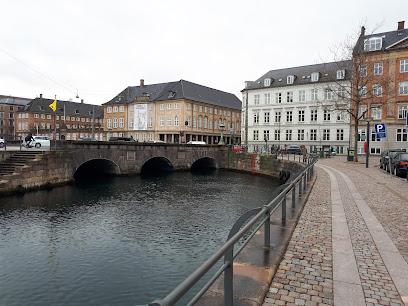
Strøget
0.4 km
Europe's pioneering pedestrian street where luxury shopping meets vibrant street culture and Danish heritage.
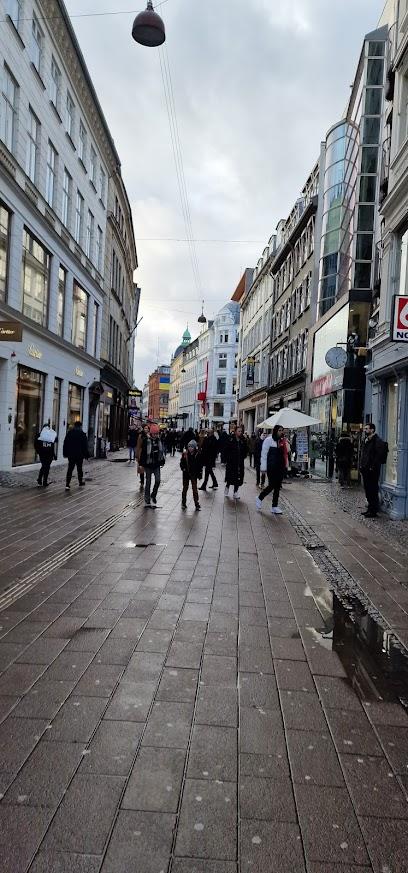
Havnepromenade
0.5 km
Copenhagen's historic 750-meter waterfront where 19th-century maritime heritage meets vibrant contemporary urban life.
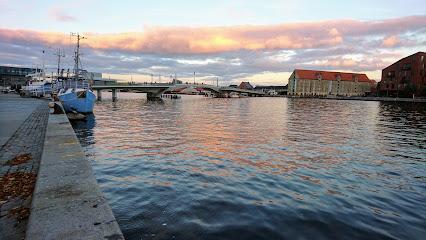
Circle Bridge
0.5 km
A five-masted circle of light and steel where art, everyday crossings and Copenhagen’s maritime history meet above the waters of Christianshavn Canal.
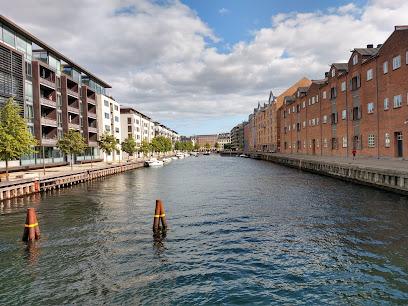
Christianshavn
0.5 km
Maritime charm meets modern cool in Copenhagen's most picturesque neighbourhood of coloured houses and idyllic canals.
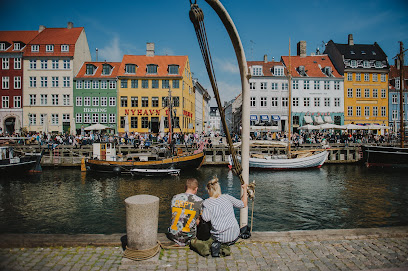
Copenhagen By Mie & Friends
0.5 km
Discover Copenhagen’s historic Botanical Garden, a serene oasis with Victorian glasshouses, winding paths, and thousands of rare plant species in the city’s heart.
Unmissable attractions to see

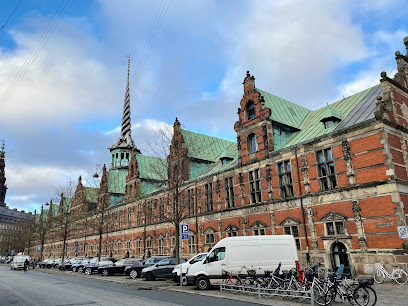
Børsen
0.1 km
Explore Copenhagen’s Ripley’s Believe It or Not!—an imaginative museum of fascinating oddities, curiosities, and interactive wonders at City Hall Square.
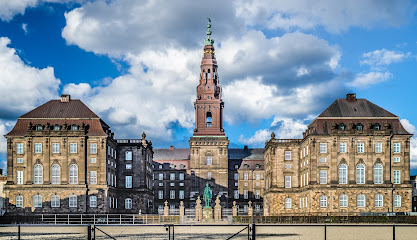
Christiansborg Palace
0.2 km
Stroll along Frederiksholms Kanal, the elegant Copenhagen waterway flanked by historic palaces and vibrant cultural landmarks at the heart of Indre By.
Ved Stranden
0.2 km
Copenhagen’s famous waterfront promenade blending royal history, iconic monuments, and scenic strolls along the city’s vibrant harborside.
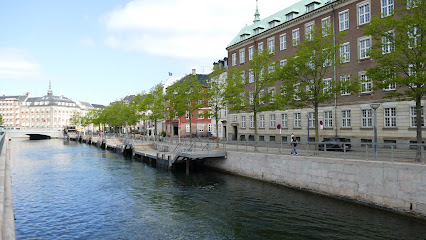
Stromma Canal Tours
0.2 km
Discover the world of 'Nordic gold' at the Copenhagen Amber Museum, where history, science, and stunning amber artifacts meet in Nyhavn’s oldest house.
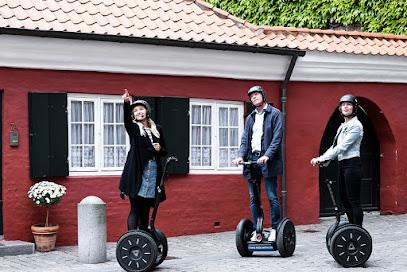
Segway Tours Copenhagen
0.2 km
Strikingly modern, immersive, and acoustically exceptional, DR Koncerthuset is Copenhagen's world-renowned concert hall and a must-visit for music and architecture lovers.
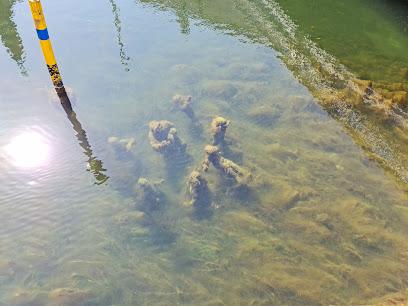
Agnete and the Merman Statue
0.2 km
A submerged family of bronze beneath Højbro Bridge brings an old Danish ballad of love, faith and abandonment to life in the heart of historic Copenhagen.
Nikolaj Art Gallery
0.3 km
Medieval church transformed into a beacon of experimental contemporary art in Copenhagen's historic heart.
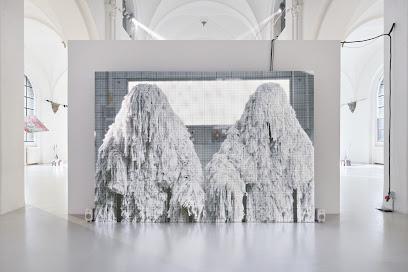
Garden of the Royal Library
0.3 km
A serene 1920s garden on a former naval harbor, where maritime heritage and artistic beauty create Copenhagen's most peaceful urban retreat.
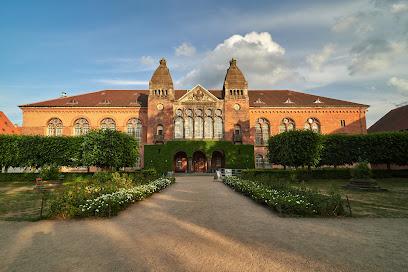
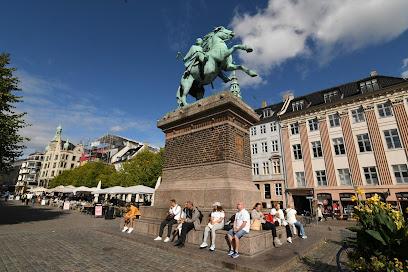
Bishop Absalon
0.3 km
Denmark’s national gallery showcases Nordic and international masterpieces in stunning, light-filled halls—SMK is a must-visit for art lovers in Copenhagen.
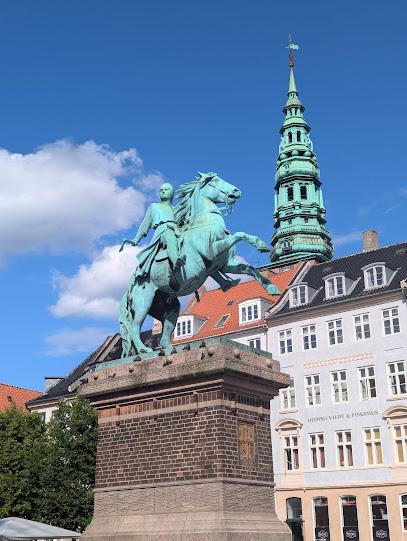
Danish Jewish Museum
0.3 km
An intimate museum in a 17th‑century boathouse where Daniel Libeskind’s Mitzvah‑shaped architecture tells 400 years of Danish Jewish history and rescue.
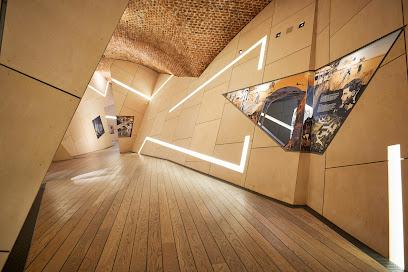
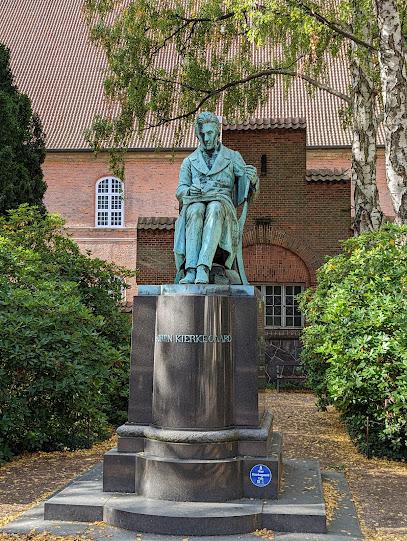
Søren Aabye Kierkegaard by Louis Hasselriis
0.3 km
A quiet bronze of Denmark’s great existential thinker, seated with manuscripts in a hidden garden behind the Royal Library in the heart of Copenhagen.
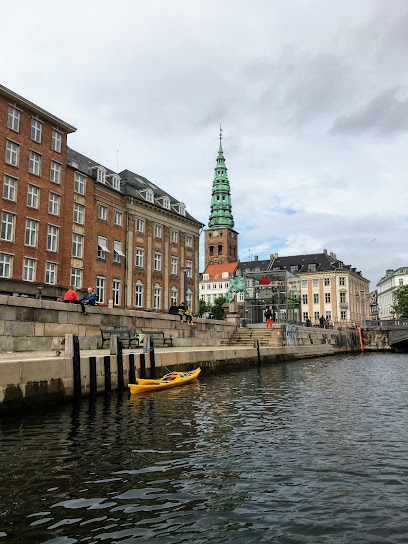
Højbro Plads
0.3 km
A historic canal in central Copenhagen, Frederiksholms Kanal blends royal heritage, elegant facades, and tranquil waterways in the heart of the Danish capital.
Højbro Pl.
0.3 km
Open, airy and steeped in history, Højbro Plads is Copenhagen’s neoclassical city living room between canal, palace views and busy pedestrian streets.
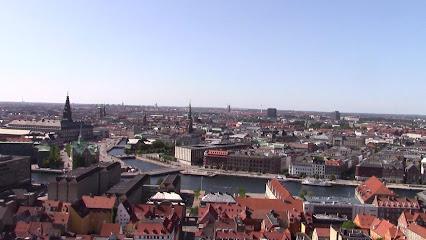
Slotsholmen
0.3 km
A compact canal island where medieval fortresses, royal palaces and modern democracy meet at the very heart of Copenhagen’s harbour.
Knippelsbro
0.3 km
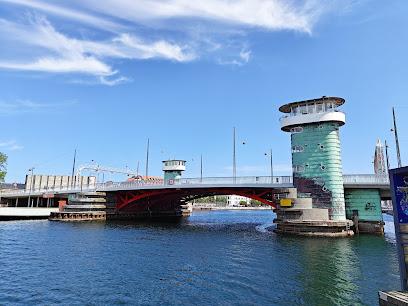
Copenhagen’s copper-towered bascule bridge, where four centuries of harbour crossings, functionalist design and everyday city life meet above the Inner Harbour.
Essential places to dine

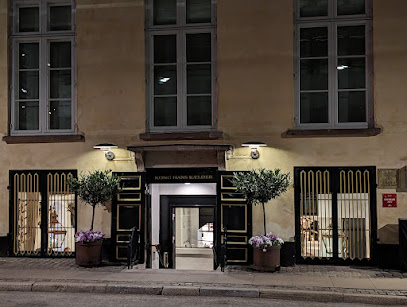
King Hans Cellar
0.2 km
Historic vaulted cellars, cutting-edge Nordic cuisine, and centuries-old royal ambiance converge at Copenhagen’s legendary King Hans Cellar fine dining restaurant.
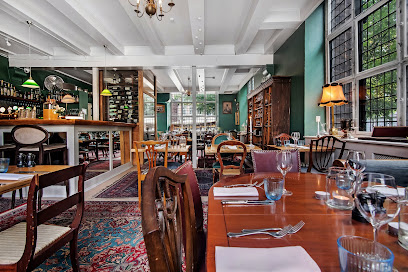
Restaurant Maven
0.2 km
Distinctive Scandinavian dining in the soaring nave of a former church, Restaurant Maven offers inventive cuisine and fine wine in Copenhagen's historic Indre By.
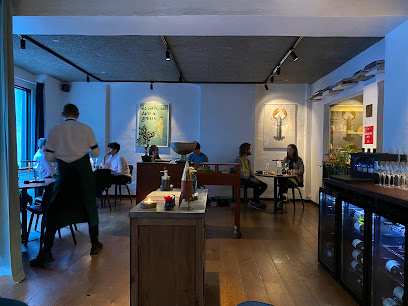
à terre
0.3 km
à terre brings French fine dining infused with Nordic creativity to central Copenhagen, offering an intimate, innovative tasting menu experience near Copenhagen’s key attractions.
Llama
0.3 km
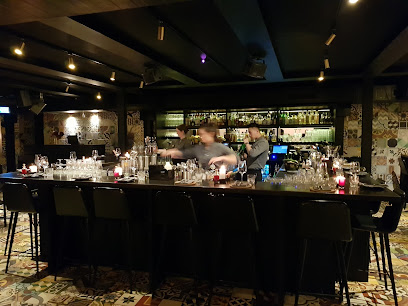
Latin American flavors, bold cocktails and patterned-tile design bring Peruvian and Mexican energy to a lively, late-night restaurant just off Kongens Nytorv.
Marv & Ben
0.4 km
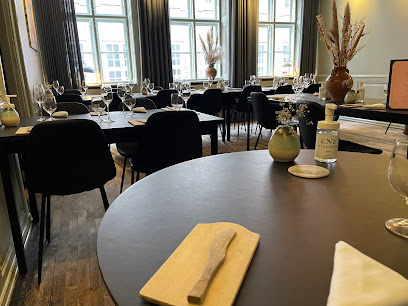
Inventive New Nordic tasting menus and Danish culinary artistry await in an atmospheric 18th-century townhouse in Copenhagen’s historic Indre By.
Marchal
0.4 km
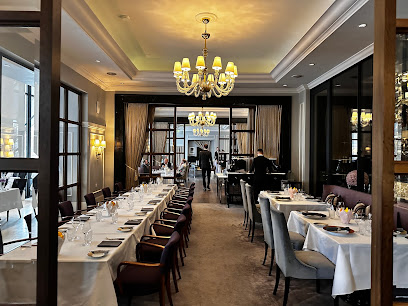
Michelin-starred Nordic–French fine dining in the historic elegance of Hotel d’Angleterre on Copenhagen’s grand Kongens Nytorv.
l’Alsace
0.5 km
Classic French bistro cooking, polished wines and candlelit charm in the heart of Copenhagen’s shopping streets.
No. 2
0.5 km
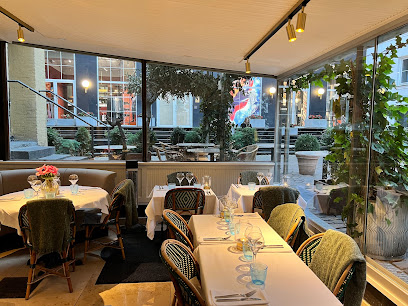
Relaxed Nordic brasserie by the Copenhagen waterfront, pairing Michelin‑level know‑how with harbour views, seasonal Danish produce and polished yet informal service.
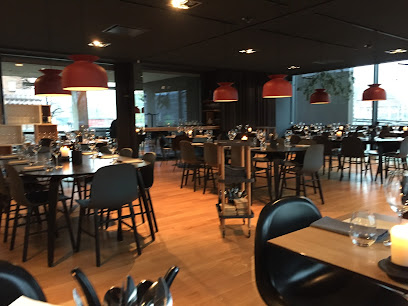
Restaurant 1733
0.5 km
Traditional Danish smørrebrød and hearty classics served in a cosy 18th‑century townhouse on Nybrogade, with canal views and warm, informal hospitality.
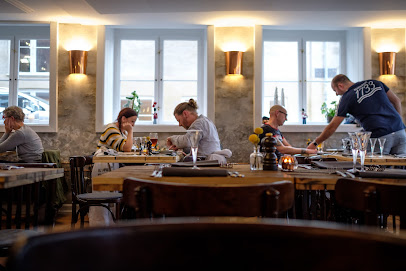
Restaurant Tight
0.5 km
Cozy multi-level townhouse restaurant in Copenhagen’s Old Town serving Nordic cuisine with a sunny southern twist, generous portions and a warm, brick-and-beam atmosphere.
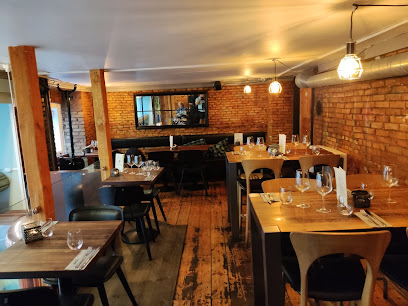
Kanal-Caféen
0.5 km
Historic canal-side lunch restaurant from 1852, serving classic Danish smørrebrød and platters in cosy wood-panelled rooms beside Frederiksholms Kanal.
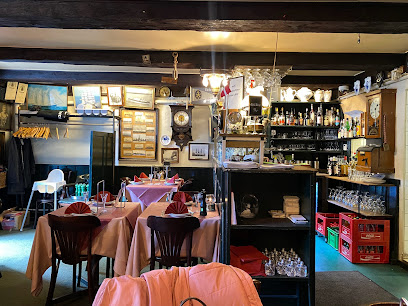
Frank
0.5 km
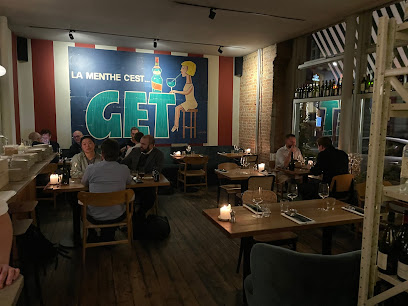
A candlelit Copenhagen luxury bistro where an open kitchen, bold seasonal cooking and an exceptional wine list create an intimate, wine-lover’s evening.
Bistro Royal
0.5 km
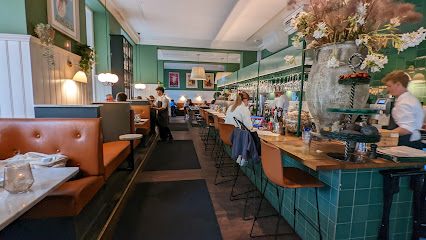
Elegant all‑day French‑Danish bistro on Kongens Nytorv, pairing brasserie classics with prime people‑watching and a lively, chandelier‑lit atmosphere.
Goldfinch
0.5 km
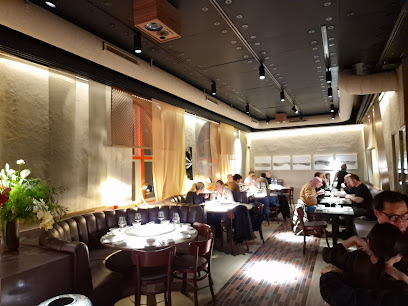
Stylish Cantonese-inspired dining and cocktails on historic Kongens Nytorv, pairing shareable plates with a moody interior in the heart of Copenhagen.
Nyhavns Færgekro
0.5 km
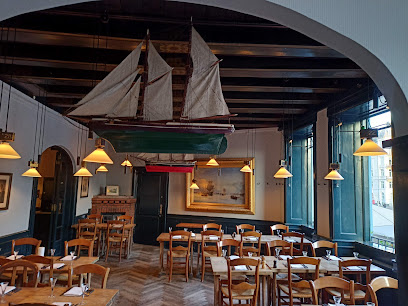
Classic Danish cooking and a famed herring buffet in a cozy canal-side tavern, set within one of Nyhavn’s colorful townhouses overlooking Copenhagen’s historic harbor.
Markets, malls and hidden boutiques

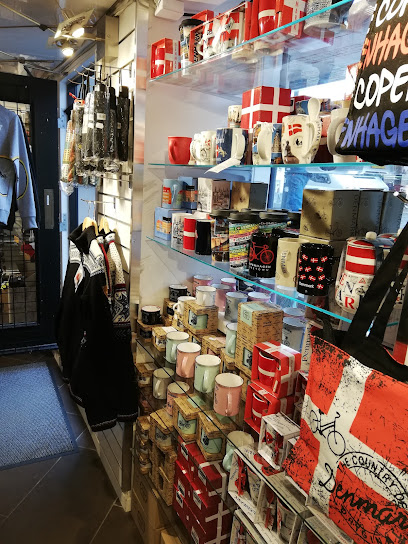
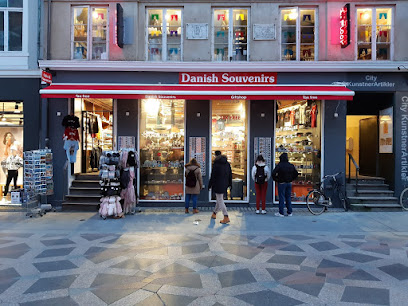
Danish Souvenirs
0.3 km
Central Copenhagen souvenir hub on Højbro Plads, packed with Danish icons, practical travel extras and long opening hours just steps from Strøget.
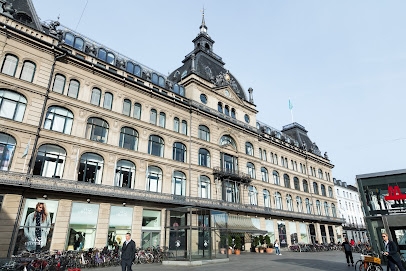
Magasin du Nord
0.3 km
Experience Danish elegance, international fashion, and gourmet food in Copenhagen’s historic Magasin du Nord—an iconic department store blending tradition and style since 1894.
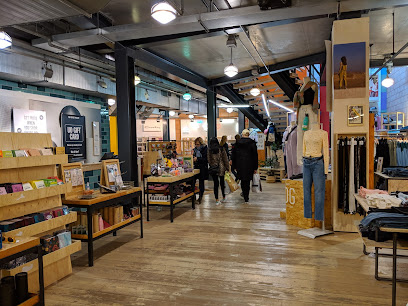
Urban Outfitters
0.3 km
Trendy multi-level fashion and lifestyle store bringing Urban Outfitters’ eclectic clothing, homeware and vinyl mix to the heart of Copenhagen’s Østergade.
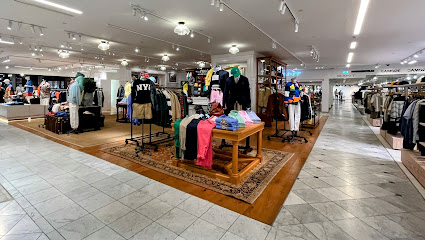
ILLUM
0.4 km
ILLUM is Copenhagen’s iconic department store, combining world-class fashion, Danish design, gourmet food, and rooftop views in historic Indre By.
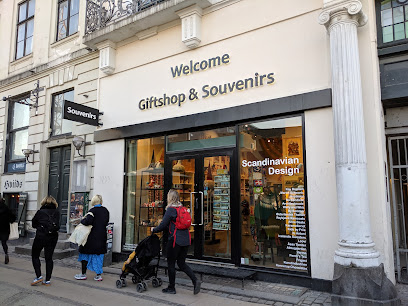
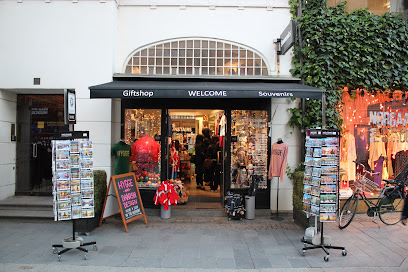
Welcome Giftshop & Souvenirs
0.4 km
Central Copenhagen’s cosy hygge boutique for Danish design, classic souvenirs, and easy last-minute gifts just off bustling Kongens Nytorv square.
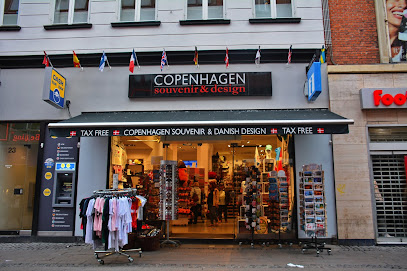
Copenhagen Souvenir & Design
0.4 km
Denmark's premier souvenir destination offering authentic Danish heritage, contemporary design, and quality gifts across seven city-center locations.
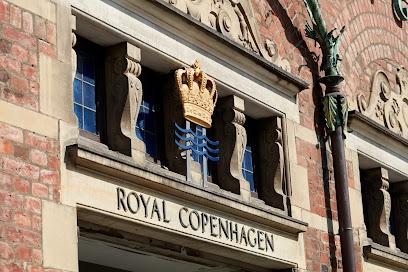
Royal Copenhagen Flagship Store
0.4 km
Historic Renaissance townhouse on Strøget where hand‑painted Royal Copenhagen porcelain, royal history and Danish design culture meet across three atmospheric floors.
Danish Souvenirs & Luggages
0.4 km
Central Strøget gift shop combining classic Danish souvenirs with practical luggage and bags, perfectly placed for a quick browse between Old Town sights.
Viking Souvenirs
0.4 km
Authentic Danish and Viking-themed souvenirs in Copenhagen's historic city center.
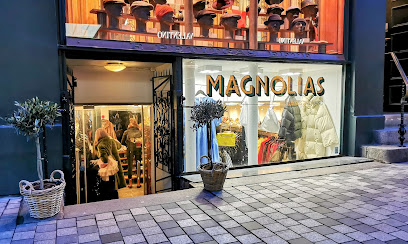
Magnolias
0.4 km
A compact, upscale secondhand boutique on Købmagergade, Magnolias blends Copenhagen chic with curated pre-loved designer fashion in the city’s historic shopping heart.
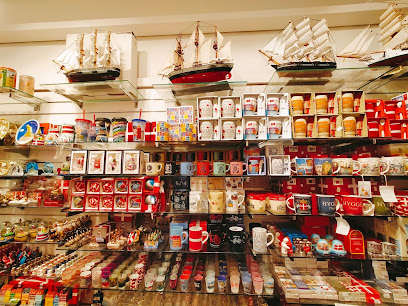
Hygge Original
0.4 km
A cozy Danish design shop on Amagertorv, offering hygge-inspired clothing, textiles and gifts in a calm, Scandinavian setting amid Copenhagen’s busiest streets.
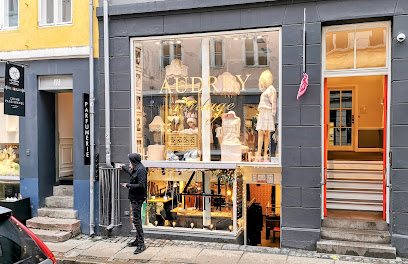
Audrey Vintage
0.5 km
Curated vintage fashion in Copenhagen's heart, where timeless style meets sustainable shopping.
Akimbo
0.5 km
A cosy basement gift shop in Copenhagen’s old town, packed with colourful design, quirky treasures and hygge-infused souvenirs on charming Hyskenstræde.
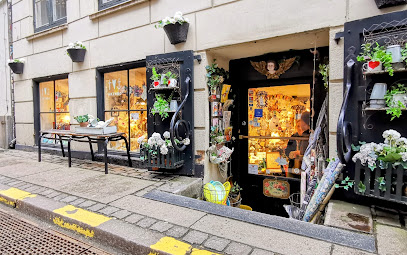
& Other Stories
0.5 km
Contemporary Scandinavian fashion, shoes, accessories and beauty in a bright, minimalist space on Copenhagen’s iconic Strøget shopping street.
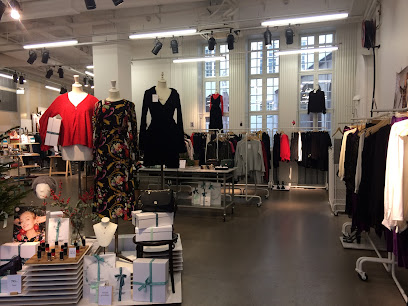
Norse Store
0.5 km
Minimalist Scandinavian fashion and lifestyle boutique in central Copenhagen, offering a curated mix of premium menswear, footwear and design-led essentials.
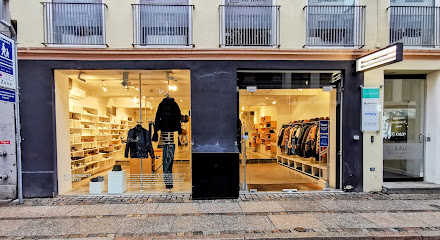
Essential bars & hidden hideouts

K-Bar
0.2 km
Intimate harbourfront cocktail den in central Copenhagen, known for monochrome style, inventive infusions and quietly confident classics poured with real care.
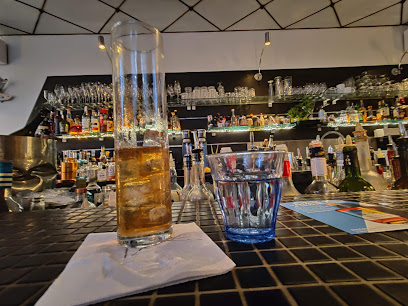
TATA Cocktail Bar
0.3 km
A velvet-draped, fireplace-warmed cocktail hideaway inside Hotel Sanders, where classic mixology, Danish design and theatre-inspired charm blend seamlessly.
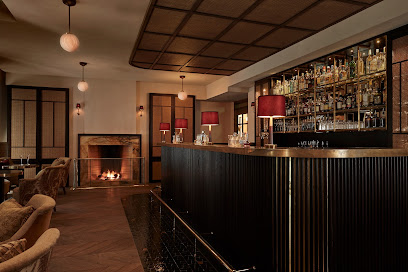
The Bird and The Churchkey
0.4 km
Discover the vibrant atmosphere of The Bird and The Churchkey, a must-visit bar in Copenhagen for craft beer and creative cocktails.
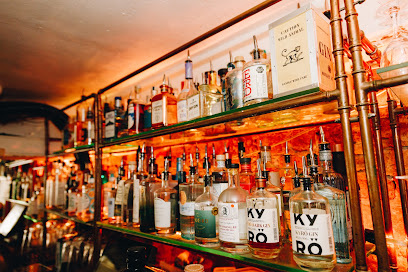
The Dubliner
0.4 km
Lively Irish pub energy on Copenhagen’s Amagertorv, serving hearty pub classics, well-poured pints, live music and big-screen sport in a cosy, wood-lined setting.
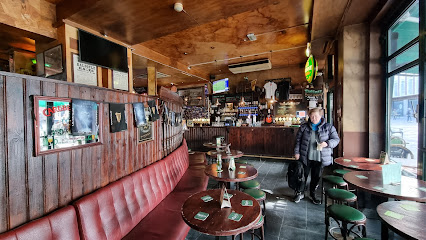
Brønnum
0.4 km
An opulent, multi‑room cocktail bar steps from Kongens Nytorv, where historic townhouse elegance meets contemporary mixology and candlelit late‑night conversation.
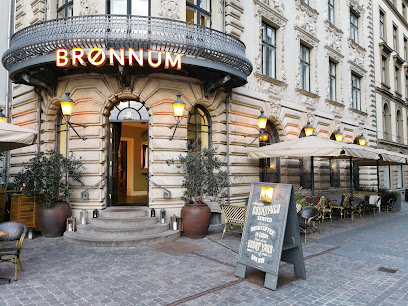
Balthazar
0.4 km
A luxurious Champagne bar at Hotel d’Angleterre, pairing an extensive bubbles list and crafted cocktails with velvet-luxe interiors and a lively DJ-backed ambience.
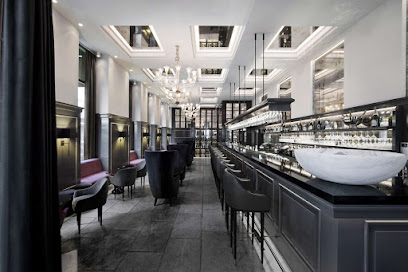
Ruby
0.4 km
An unmarked 18th‑century townhouse on Nybrogade hides Ruby, a quietly glamorous cocktail institution where inventive drinks meet candlelit canal-side charm.
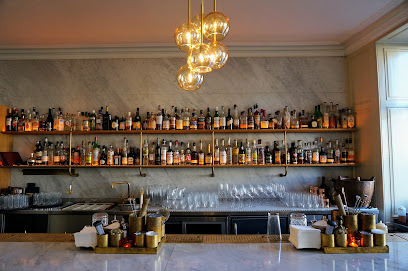
1105
0.4 km
Intimate, dimly lit cocktail bar in Copenhagen’s 1105 postcode, pairing dark, elegant interiors with carefully crafted Nordic-inspired drinks and classic mixes.
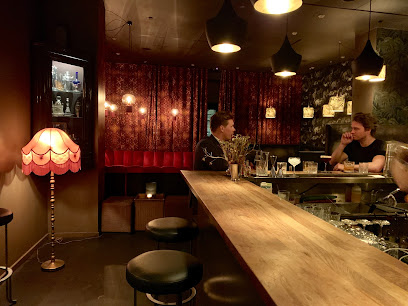
Lord Nelson Bar
0.4 km
Experience the vibrant nightlife and craft cocktails at Lord Nelson Bar, a historic gem in the heart of Copenhagen's bustling streets.
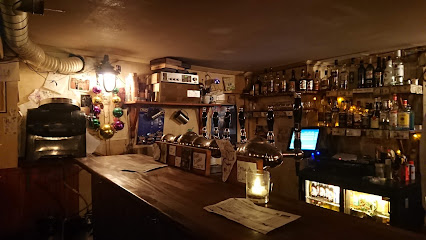
Godt Øl
0.5 km
Cosy basement craft beer bar in Copenhagen’s old town, pouring 12 rotating taps in a low-key, conversation-friendly setting from mid-afternoon until late night.
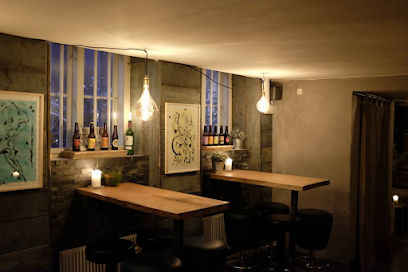
Charlie's Bar
0.5 km
Discover the enchanting atmosphere of Charlie's Bar, a cozy haven in Copenhagen offering a diverse drink selection and a vibrant local vibe.
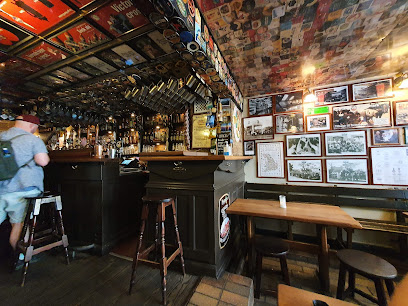
Bar Deco
0.5 km
Intimate Art Deco–inspired cocktail bar near Kongens Nytorv, pairing crafted drinks with moody lighting and a relaxed, grown‑up Copenhagen atmosphere.
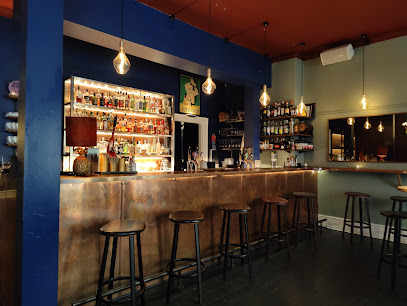
Balderdash
0.5 km
Copenhagen’s candlelit cocktail laboratory in a 1732 townhouse, where hygge, art and daring seasonal drinks turn a quiet side street into an unforgettable night out.
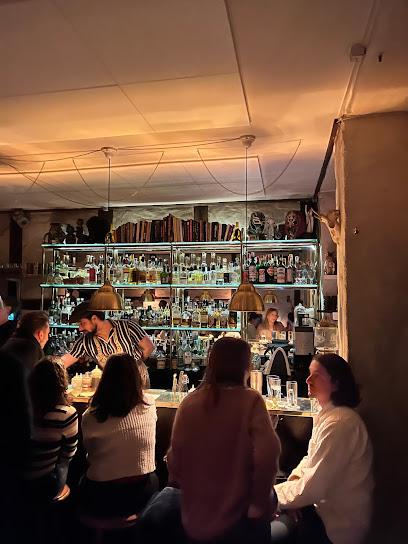
The Moose
0.5 km
Graffiti-plastered walls, infamous moose murals and cheap late-night beers make this smoky Indre By dive bar a gritty, unpolished slice of Copenhagen nightlife.
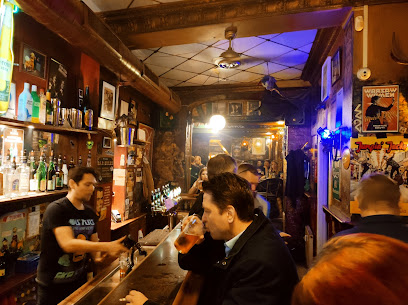
Zefside
0.5 km
Underground cocktail bar by night, pulsing nightclub by dawn—Copenhagen's shape-shifting social hub.
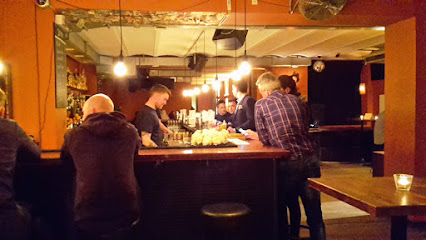
Nightclubs & after hour spots

Lusso
0.5 km
A compact, high-end Copenhagen nightclub with champagne-forward table service, dim lighting and a stylish late-night crowd just steps from Kongens Nytorv.
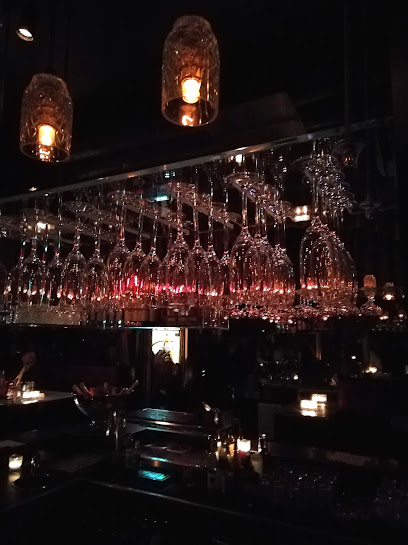
The Zoo
0.5 km
Intimate late-night nightclub on Sværtegade in Copenhagen’s historic center, blending a compact dance floor, DJ-driven beats and a casual, social bar atmosphere.
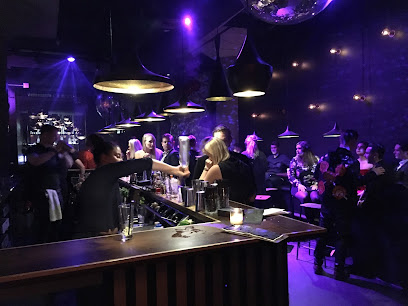
Chateau Motel
0.6 km
Discover the lively nightlife of Copenhagen at Chateau Motel, a top destination for cocktails and dancing in a vibrant atmosphere.
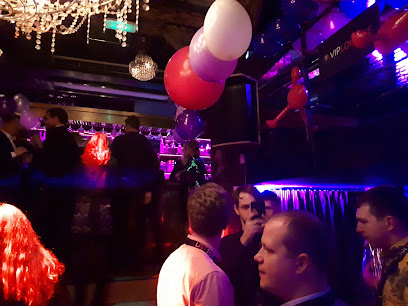
Mini Bar
0.6 km
Discover the vibrant nightlife of Copenhagen at Mini Bar, a premier night club offering eclectic tunes and a lively atmosphere for unforgettable nights.
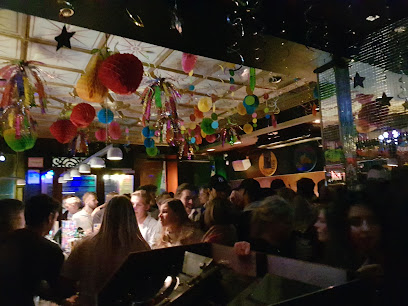
Hive
0.7 km
Copenhagen's premier high-end nightclub with cutting-edge design, VIP service, and immersive themed experiences.
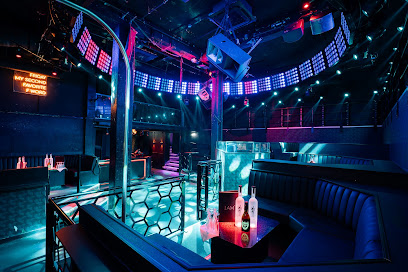
Club Mambo
0.7 km
Experience the energetic nightlife of Copenhagen at Club Mambo, a vibrant night club offering salsa dancing, cocktails, and delicious dining.
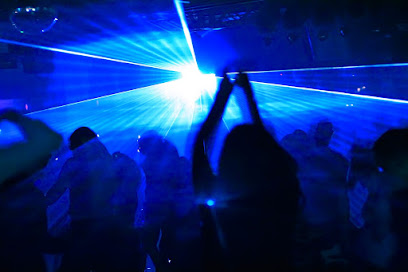
Mirror
0.8 km
Dive into the heart of Copenhagen's nightlife at Mirror, where the rhythm never stops and unforgettable memories are made.
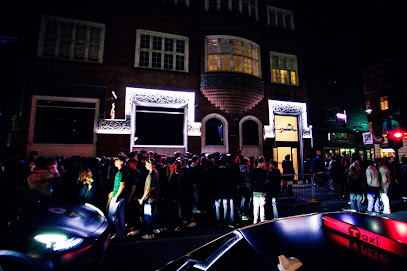
Rumors
0.8 km
Discover the heart of Copenhagen's nightlife at Rumors, where energetic vibes and unforgettable nights await you.
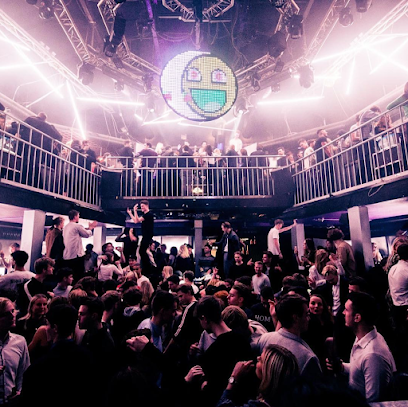
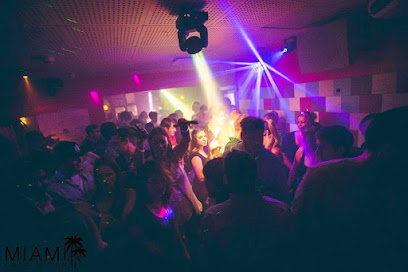
Miami Bar
0.8 km
Discover Copenhagen's nightlife at Miami Bar, where cocktails and dancing create unforgettable nights in a vibrant atmosphere.
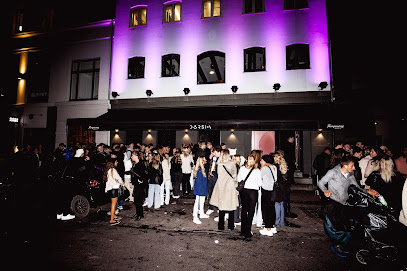
Dorsia
0.8 km
Central Copenhagen nightclub with late‑night DJs, cocktails and an image‑conscious crowd packed into a dark, modern interior off busy Kattesundet.
La Terraza
0.8 km
Compact nightclub on Studiestræde in Copenhagen’s old town, offering loud beats, straightforward drinks and an unpretentious late-night dance floor.
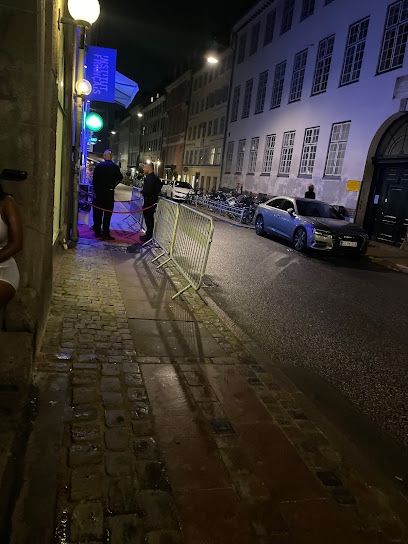
Cosy Bar
1.0 km
Discover the lively atmosphere of Cosy Bar, a top gay nightclub in Copenhagen offering fantastic music, vibrant crowds, and unforgettable nights.
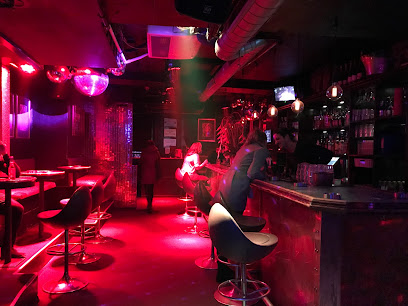
Arch
1.0 km
Discover the vibrant nightlife of Copenhagen at Arch, a premier night club offering electrifying music and an unforgettable atmosphere.
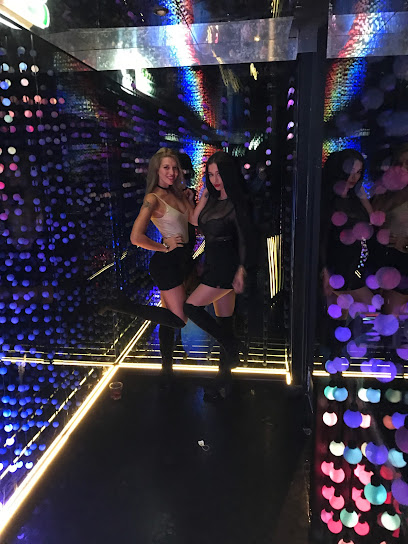
Mirage
1.0 km
Dive into the electrifying nightlife at Mirage, Copenhagen's premier night club for an unforgettable evening of music, dancing, and entertainment.

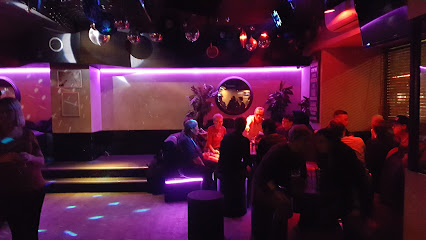
G*A*Y Copenhagen Nightclub
1.0 km
Experience the heart of LGBTQ+ nightlife at G*A*Y Copenhagen Nightclub, where vibrant energy and inclusive atmosphere await every visitor.
For the vibe & atmosphere seeker
- Tranquil
- Scenic
- Unique
- Cultural Heritage
For the design and aesthetic lover
- Minimalist Designs
- Vintage Styles
For the architecture buff
- Historic
- Landmarks
- Heritage Neighborhoods
For the view chaser and sunset hunter
- Iconic Views
- Waterfront
For the social media creator & influencer
- Instagrammable
- Photo Spots
- Architectural Shots
For the eco-conscious traveler
- Protected Area
- Locally Managed
For the kind of experience you’re after
- Spiritual / Energy Spot
- Myth & Legends
- Cultural Heritage
- Photowalk
- Day Trip
For how adventurous you want the journey to be
- Easy Access
Location Audience
- Family Friendly
- Senior Friendly
- Wheelchair Access
- Solo Friendly
- Couple Friendly


