Øresund Bridge
A sweeping cable‑stayed bridge, tunnel and man‑made island linking Malmö and Copenhagen, the Øresund Bridge is a modern Nordic icon of design and connection.
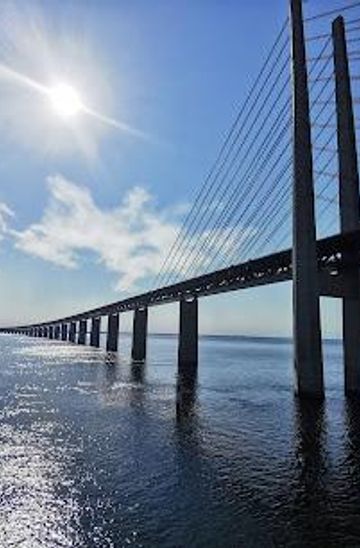
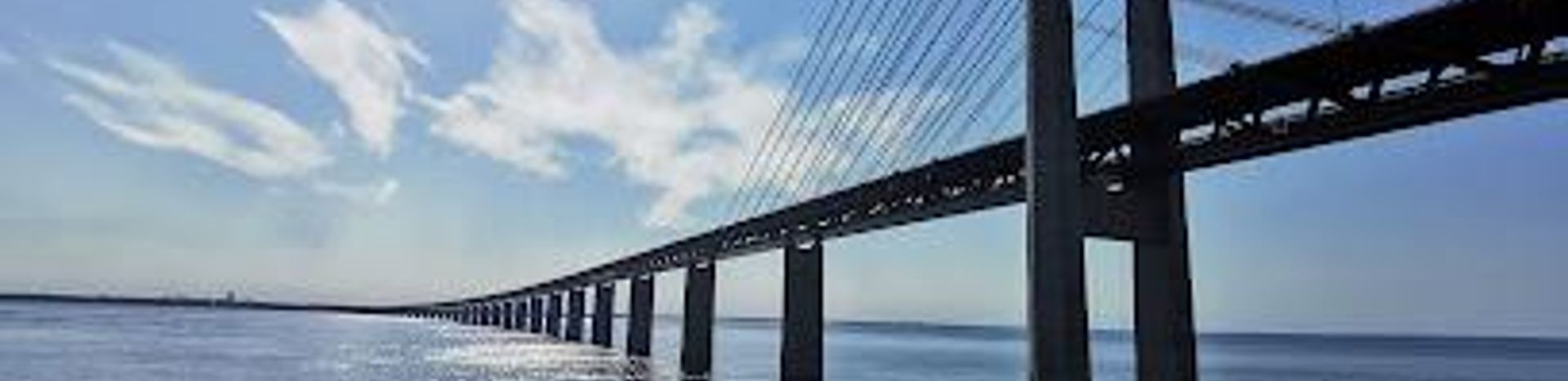
Stretching between Malmö in Sweden and Copenhagen in Denmark, the Øresund Bridge is a 16 km engineering landmark that combines an elegant cable‑stayed bridge, an artificial island and an underwater tunnel. Opened in 2000, it carries both motorway and railway traffic across the Øresund strait, creating a seamless link between Scandinavia and continental Europe. Travelers experience sweeping sea views, striking pylons and a powerful symbol of cross‑border connection and Nordic design.
A brief summary to Øresund Bridge
- Malmö, SE
- Click to display
- Click to display
- Duration: 0.5 to 2 hours
- Mid ranged
-
 Outdoor
- Mobile reception: 5 out of 5

Know before you go
Hi, I'm Eve. Here are a few practical things to know before exploring Øresund Bridge.
- For the most dramatic views, aim to cross in clear weather near sunset, when the low light picks out the pylons and both coastlines.
- If you want to avoid bridge tolls, take the regional train between Malmö and Copenhagen; tickets cost significantly less than a car crossing.
- Photographers should bring a telephoto lens when shooting from Malmö’s waterfront to compress the pylons and ships into striking compositions.
- Carry valid ID or passport when crossing, as border and identity checks can be introduced or stepped up at certain times.
Do you manage this location?
Take control to get all the benefits, like improved information, better appearance, and stronger visibility across AI-powered discovery. Learn more
Activate your presenceOther nearby places you may find interesting
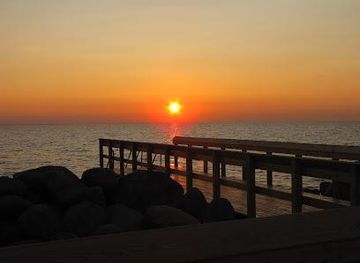
Getting There
-
Regional train from central Malmö
Take the Öresundståg regional train from Malmö Central Station towards Copenhagen; trains typically run every 20 minutes and reach the bridge within about 10–15 minutes, continuing across the span and through the tunnel in roughly another 10 minutes. A one‑way adult ticket between Malmö and Copenhagen usually costs around 120–150 SEK and includes the bridge fee. Trains are step‑free but can be busy during rush hours, and ID checks may occasionally extend travel time slightly.
-
Car from Malmö urban area
Driving from the Malmö area, follow the main ring road towards the Øresund Bridge toll station on the Swedish side. The approach to the bridge typically takes 10–20 minutes from central districts, depending on traffic, with the bridge and tunnel crossing itself lasting about 10 minutes. Passenger cars pay a toll at the Swedish toll plaza; standard one‑off crossings commonly fall in the range of 400–700 SEK each way, with contracts and subscriptions reducing the cost. Expect strong crosswinds at times and reduced speeds during adverse weather.
-
Bus across Øresund
Several regional and long‑distance buses use the Øresund Bridge between Denmark and Sweden, often linking Malmö with Copenhagen Airport or central Copenhagen in around 45–60 minutes total, including the bridge crossing. Tickets for these services generally cost less than the car toll, with typical one‑way fares around 80–150 SEK depending on operator and time of booking. Services may run less frequently late at night and on some holidays, so checking current timetables before you travel is advisable.
For the on-the-go comforts that matter to you
-
 Restrooms
-
 Drink Options
-
 Drinking Water
-
 Food Options
-
 Seating Areas
-
 Trash Bins
-
 Information Boards
-
 Visitor Center
Discover more about Øresund Bridge
An iconic link between Sweden and Denmark
The Øresund Bridge is far more than a way of getting from Malmö to Copenhagen. Spanning the Øresund strait for about 8 kilometres on its bridge section and continuing through tunnel and causeway to a total of roughly 16 kilometres, it forms a dramatic man‑made horizon between two countries. Four motorway lanes share the structure with a double‑track railway, making this one of Europe’s most important combined road‑rail links.Completed in 2000 after years of planning and political debate, the bridge instantly reshaped daily life in the region. Commuters, students and day‑trippers now move between Sweden and Denmark in around ten minutes of actual crossing time, turning the strait from a barrier into a busy corridor of activity.Design, structure and the Peberholm island
The most recognisable part of the Øresund connection is the cable‑stayed bridge rising from the Swedish side. Its tall pylons and delicate web of cables create a clean, minimalist silhouette that feels both functional and sculptural. The structure is engineered to allow large ships to pass underneath, with the main span kept high above one of the strait’s deepest channels.Midway across, the bridge does something unexpected: it meets the man‑made island of Peberholm. Built from dredged material, this low, elongated island serves as the transition point between bridge and tunnel. From here, the road and rail lines dive into the seabed, continuing towards Denmark through one of the world’s longest underwater road‑rail tunnels before emerging near Copenhagen’s airport.A symbol of Nordic cooperation and ambition
The Øresund Bridge quickly became a symbol of Nordic collaboration. It represents decades of shared planning between Sweden and Denmark, bringing together architects, engineers and construction teams from across the region. The project also had to satisfy environmental requirements, from protecting marine ecosystems to allowing water to circulate freely between the Baltic Sea and the Kattegat.Beyond its technical achievements, the bridge embodies an idea: that two cities and two nations can effectively operate as a single cross‑border metropolitan area. It helped fuel new business links, cultural exchange and a sense of a broader Øresund region, with Malmö and Copenhagen acting as twin urban centres on either side of the water.What it feels like to cross
Experiencing the Øresund Bridge is as much about sensation as sight. By car, you rise steadily above the dark blue water, with pylons sliding past and wide‑open views of both coastlines on clear days. In winter, the light can be stark and silvery; in summer, the sea often glows deep green or blue, dotted with passing ships and wind farms in the distance.By train, you travel on the lower deck, occasionally catching framed glimpses of waves and sky between the bridge elements. The rhythm of the tracks, the brief emergence into daylight after the tunnel, and the sudden shift of language on station signs all underscore the feeling of crossing an invisible border at speed.Viewing the bridge from the Swedish shore
You do not have to cross the bridge to appreciate it. Along Malmö’s coast, several vantage points give sweeping views of the pylons marching across the horizon. The structure often appears and disappears with the weather, sharp and graphic in clear conditions, almost ghostly in sea mist. At sunset, the bridge can glow with warm color while the sea turns dark, making it a favourite subject for photographers.From land, you also sense its constant movement: tiny strings of headlights and train carriages sliding back and forth, sometimes barely visible, but always present. This combination of monumental stillness and continuous motion is part of what gives the Øresund Bridge its distinct character.Stories, culture and lasting impact
The bridge’s profile is familiar to many people who have never been to Scandinavia, thanks in part to its starring role in a Nordic crime series that placed its stark lines at the centre of the opening sequence. Its image has become shorthand for cross‑border mysteries, modern Nordic noir and the idea of Europe’s north as both connected and remote.On a more everyday level, the structure has changed how cities and people relate to one another, turning international travel into a simple hop for work, leisure or study. Whether you see it from a Malmö shoreline, rush across by train or drive its length in slow, appreciative fashion, the Øresund Bridge offers a rare combination of infrastructure, landscape and symbolism in a single sweeping line of steel and concrete.Explore the best of what Øresund Bridge has to offer













More about Copenhagen Region
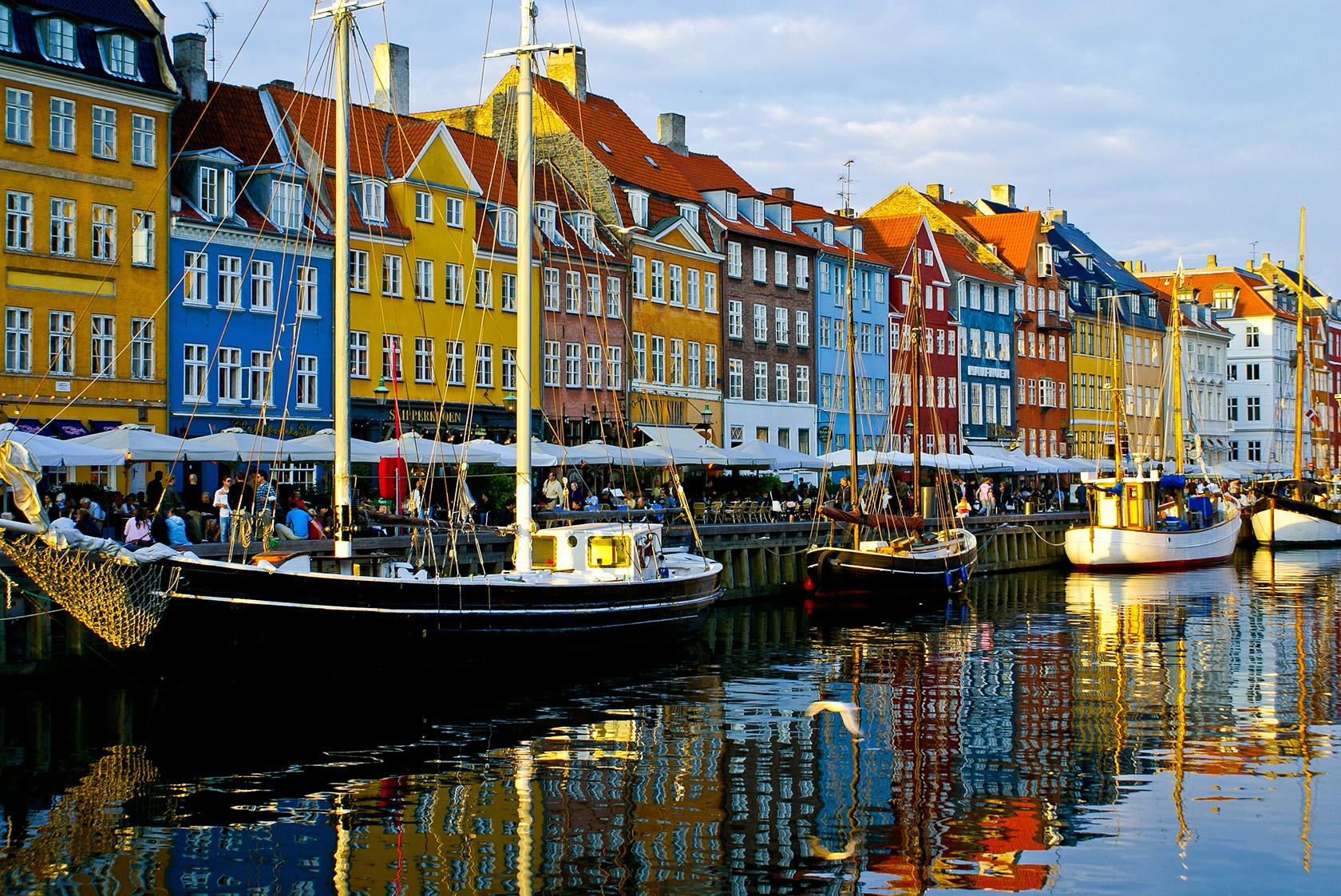
Discover the Copenhagen Region: A perfect mix of historic charm and modern vibrancy, offering scenic beauty, cultural landmarks, and a high quality of life.
Tell me more about Copenhagen Region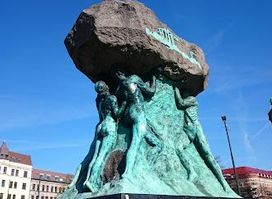
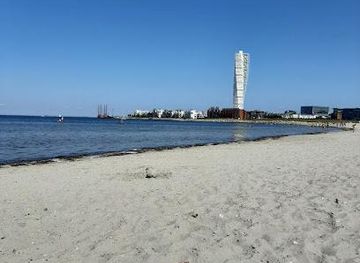
Malmö’s most multicultural square, where labour history, open‑air markets, street art and a lively food and bar scene meet in the heart of Möllan.
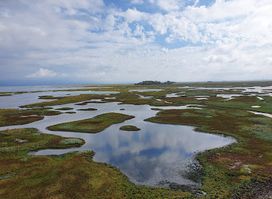
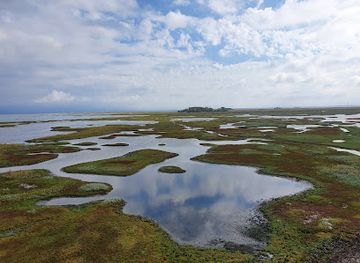
A low, wind-brushed island sanctuary in the Øresund, where shallow seas, open meadows and protected birdlife create wild coastal nature on Copenhagen’s doorstep.