
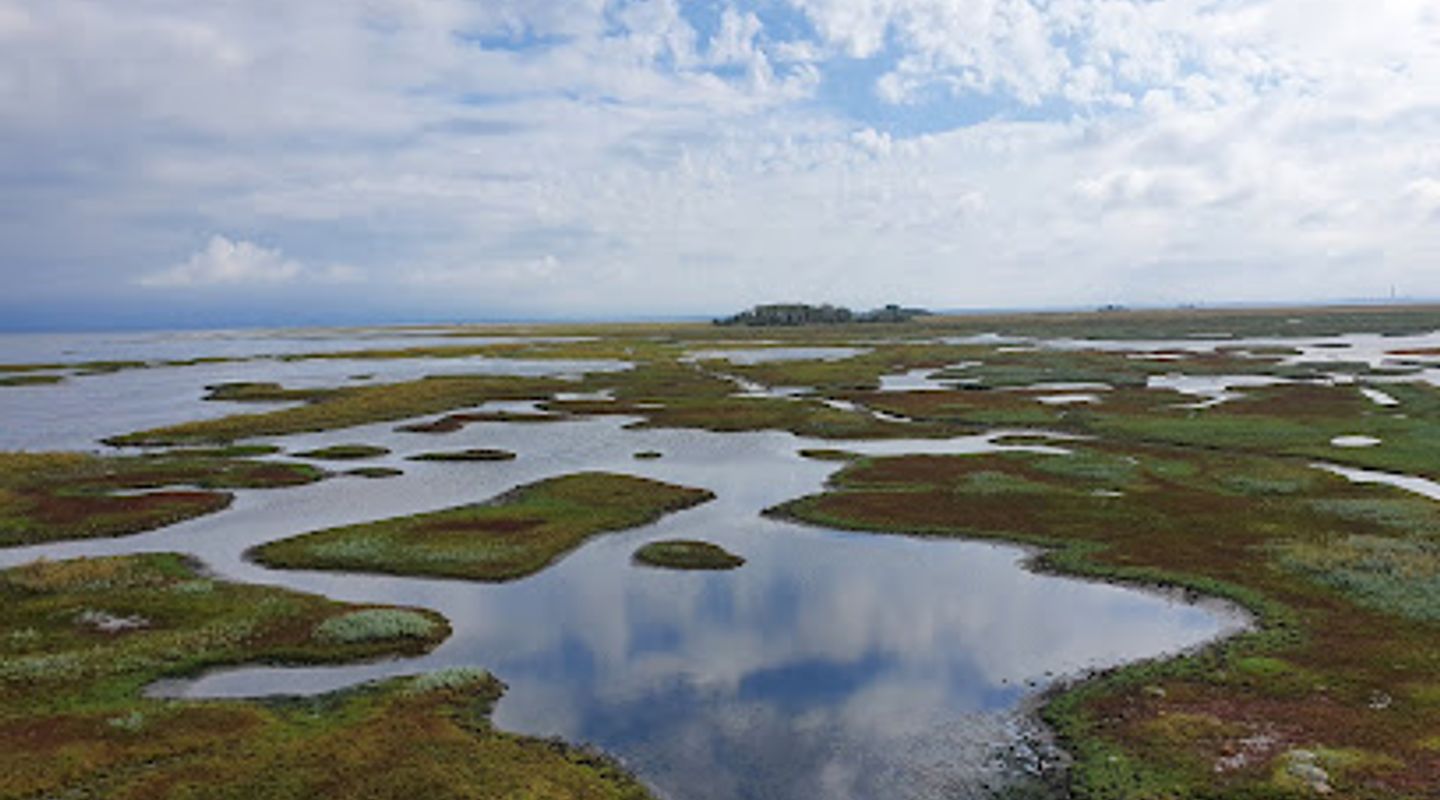
Saltholm, South Zealand Travel Guide
A low, wind-brushed island sanctuary in the Øresund, where shallow seas, open meadows and protected birdlife create wild coastal nature on Copenhagen’s doorstep.
Saltholm is a low, windswept island in the Øresund Strait east of Copenhagen Airport, Kastrup, and just west of the Danish–Swedish sea border. Almost entirely flat meadows, salt marsh and mudflats, it is a strictly protected nature reserve and one of Denmark’s key bird habitats, with vast shallow waters teeming with mussels and eelgrass that attract thousands of geese and waterfowl. Access is limited and rustic, offering a rare feeling of solitude and wild coastal nature on the capital’s doorstep.
A brief summary to Saltholm
- Kastrup, DK
- Duration: 3 to 6 hours
- Free
-
 Outdoor
- Mobile reception: 3 out of 5

Know before you go
Hi, I'm Eve. Here are a few practical things to know before exploring Saltholm.
- Pack as if there are no facilities: bring water, snacks, sun and wind protection, and any birdwatching gear you want—there are no shops or cafés on Saltholm.
- Wear waterproof boots or sturdy shoes that can handle mud, standing water and uneven meadows; much of the terrain is damp or boggy after rain or high tides.
- Check access rules and breeding-season restrictions in advance so your visit fits within permitted zones and dates, especially between spring and mid-summer.
- Carry binoculars or a camera with a zoom lens; many of the most interesting birds feed and nest at a distance and should not be approached closely.
- Plan for changeable coastal weather: layers are essential, as strong wind, sharp sun and sudden showers can all occur on the same day.
Do you manage this location?
Take control to get all the benefits, like improved information, better appearance, and stronger visibility across AI-powered discovery. Learn more about listing your business on Evendo
Activate your presenceOther nearby places you may find interesting
The closest places of the same kind, if this one is not quite what you had in mind.
Explore Saltholm on the Map
A handpicked selection of must-see spots near Saltholm, mapped for you.
Getting There
-
Small passenger boat from Copenhagen area
In summer, small passenger boats sometimes run excursions from harbours near central Copenhagen or from the Amager side towards Saltholm, typically as prebooked nature trips. Sailing time is usually around 45–70 minutes each way, depending on departure point and vessel. Expect to pay roughly 250–450 DKK per adult for a half- or full-day excursion including the boat crossing. Services are weather-dependent and may operate only on selected days, so advance booking and confirmation of schedules is essential.
-
Chartered boat from Kastrup or nearby marinas
Another option is to charter a small boat from marinas around Kastrup or along Amager’s east coast. Local skippers familiar with the Øresund shoals can arrange custom trips to Saltholm, usually for small groups. Crossing time is often 25–45 minutes each way. Prices vary by size and duration but typically range from about 1,500–3,500 DKK for a short private outing, with higher costs for longer landings on the island. Check in advance about landing permissions, seasonal restrictions and safety equipment.
-
Sea kayak for experienced paddlers
Experienced sea kayakers sometimes paddle from the Amager coastline to Saltholm, taking advantage of the relatively shallow waters but also navigating busy shipping lanes and changeable wind. The crossing usually takes 1.5–3 hours each way depending on conditions and starting point. There is no direct cost beyond equipment or rental, but this option is suitable only for skilled paddlers with proper gear, local knowledge and respect for weather forecasts and nature reserve regulations.
For the on-the-go comforts that matter to you
-
 Restrooms
-
 Seating Areas
-
 Sheltered Areas
-
 Trash Bins
-
 Information Boards
Discover more about Saltholm
An offshore world of wind, water and sky
Saltholm rises only a couple of metres above the Øresund, a broad, almost table-flat sliver of land just east of Amager and within sight of Copenhagen’s runways and the Øresund Bridge. Despite this urban proximity, the island feels remote and elemental: endless grassland, salt marsh and glistening tidal flats framed by big northern skies. Shallow waters spread far beyond the shoreline, turning the island and its surrounding shoals into one large, gently breathing seascape.The island stretches roughly 7 km long and 3 km across, yet there are almost no trees and very few buildings to interrupt the horizon. On clear days you can trace the silhouettes of Copenhagen and Malmö on opposite shores while standing amid mudflats and meadows where the loudest sounds are wind and birds. It is this stark contrast between modern infrastructure in the distance and near-pristine nature underfoot that makes Saltholm so distinctive.From medieval land grant to modern nature reserve
Saltholm has been known for centuries; it appears in records from the early 13th century as a royal gift to the Bishop of Roskilde and later became an important source of limestone for Copenhagen’s construction boom. For generations, stone was quarried here and ferried to the city, and cattle from nearby Amager grazed the open pastures, shaping the island’s almost treeless grassland character.In the early 1700s, Saltholm briefly served a very different role as a quarantine island during outbreaks of plague and cholera, isolating travellers before they were allowed to enter Copenhagen. In the 20th century planners even proposed turning Saltholm into a major international airport and transport hub, but the scheme was eventually abandoned in favour of protecting the fragile environment. Today the island is privately owned yet heavily regulated as a nature reserve, with strict rules designed to safeguard its unique landscape and wildlife.Bird sanctuary in the Øresund shallows
The true richness of Saltholm lies in its ecology. Surrounding shallows host extensive mussel beds, eelgrass, snails and crustaceans, forming an abundant buffet for ducks, geese and waders. Vast flocks of barnacle and greylag geese graze the meadows, while eiders and other sea ducks work the offshore feeding grounds. Parts of the island and its southern salt marshes are protected under international conventions, underscoring their importance for nesting and migratory birds.Because of this sensitivity, access is tightly controlled. Large central and southern areas are closed during the spring and early summer breeding season, and some zones remain off limits year-round. Visitors are expected to stay within permitted areas, keep disturbance to an absolute minimum and respect any seasonal markers and local guidance. For nature-minded travellers, this careful management is part of the appeal: a genuine working bird sanctuary rather than a landscaped park.Exploring an island with almost no infrastructure
Facilities on Saltholm are extremely limited, and that is exactly why it feels so special. A small harbour at the northern end functions as the main gateway, and from here informal paths lead across grassland and along low, stony shores. There are no villages, shops or paved roads, only a scattering of farm buildings and shelters tied to the island’s long tradition of grazing livestock.Walking is straightforward but can be soggy; much of the ground is damp or uneven, with tidal pools and muddy sections where waterproof boots are invaluable. In places, the land blurs into the surrounding tidal flats, and you quickly gain a sense of how vulnerable the island is to storms and high water. This lack of conventional attractions means a visit is all about slow observation: watching bird movements, studying coastal plants and feeling the rhythm of weather and tide.Solitude, seasons and subtle details
Because Saltholm has no resident tourist infrastructure and regulated access, visits tend to be occasional and highly seasonal. Spring and early autumn can be spectacular for birdlife and atmospheric light over the Øresund, while summer brings long days, grazing flocks and the hum of insects in the grass. Even at busier times, the island rarely feels crowded; the open landscape and restricted zones disperse people naturally.This is a place for travellers who enjoy detail and quiet: the texture of chalky soil underfoot, the patterns left by receding water on the flats, and the contrast between soft grass meadows and the hard modern line of the Øresund Bridge on the horizon. Saltholm is not about ticking sights off a list; it is about entering a different tempo just a short sea crossing from metropolitan Copenhagen.












Your all‑in‑one travel companion app
Explore expert travel guides, compare and book tours, experiences, hotels, and more—all from the palm of your hand. Download now for seamless trip planning wherever your wanderlust takes you.


Explore More of South Zealand
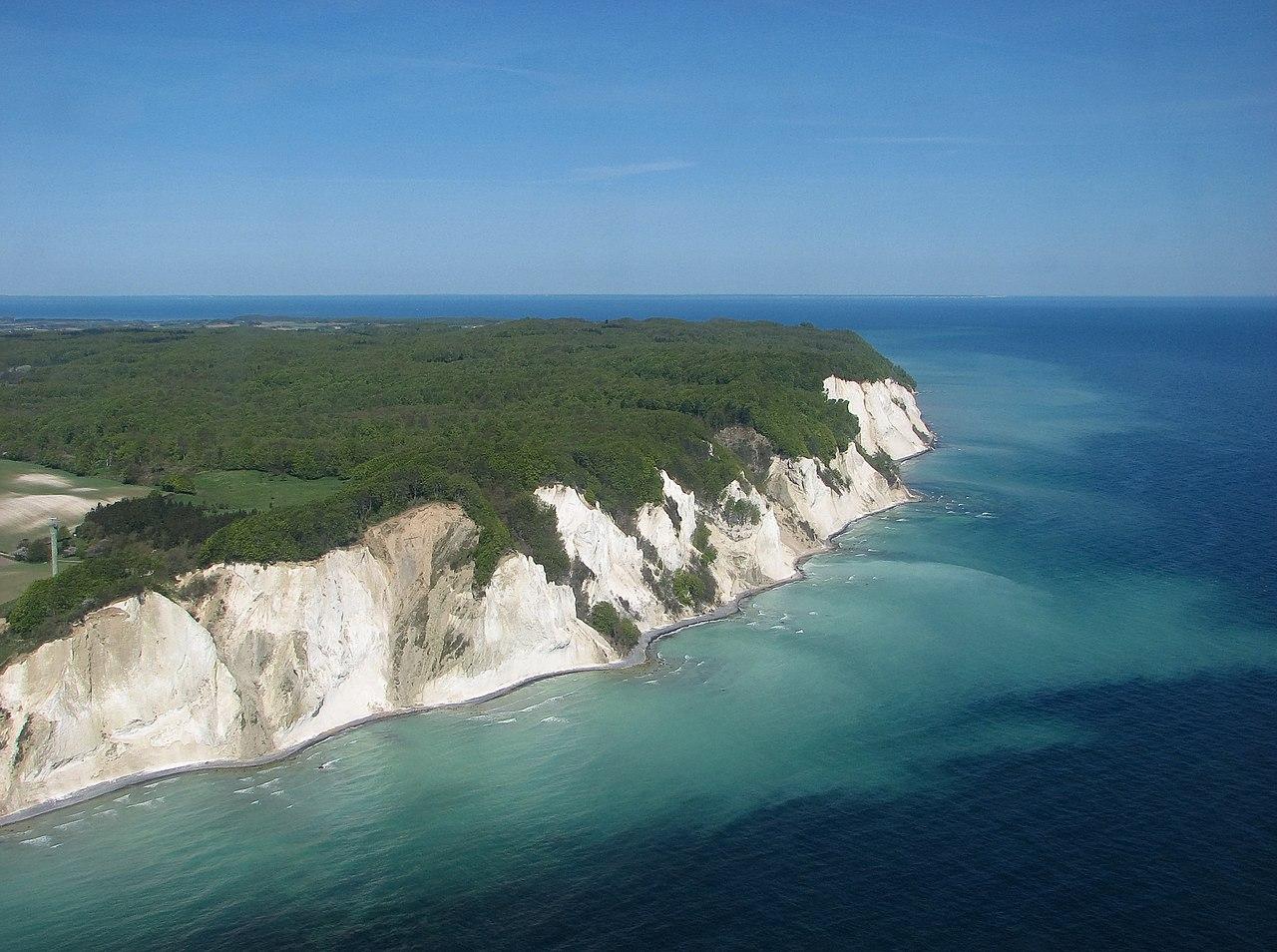
Looking beyond Saltholm? Discover South Zealand for broader travel guides, local hot-spots, and regional highlights.
Explore South Zealand
A towering recycled-wood troll at Christiania’s entrance, Green George blends street art, sustainability and playful storytelling in the heart of Copenhagen.
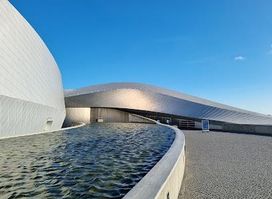
Dive into Northern Europe’s largest aquarium, where sleek whirlpool architecture, sharks overhead, rescued sea otters and rainforest heat create an immersive marine world.
