Søtorvet 2, North Zealand Travel Guide
Historic corner of the Søtorvet ensemble, where neo‑Renaissance facades, lake reflections and memories of a legendary poets’ café meet at the city’s watery gateway.
Søtorvet 2 is part of the grand 19th‑century Søtorvet ensemble overlooking Peblinge Lake at the city‑side end of Queen Louise Bridge. Raised in the 1870s in an ornate, French‑inspired neo‑Renaissance style, the corner building once housed the legendary Café de la Reine, a bohemian haunt for poets and musicians. Today it anchors one of Copenhagen’s most atmospheric lakefront squares, framed by towers, balustrades and lively street life on the edge of the Inner City.
A brief summary to Søtorvet 2
- Søtorvet 2, Copenhagen Municipality, København K, 1371, DK
- Duration: 0.5 to 1.5 hours
- Free
-
 Outdoor
- Mobile reception: 5 out of 5

Know before you go
Hi, I'm Eve. Here are a few practical things to know before exploring Søtorvet 2.
- Come around golden hour on a clear or lightly cloudy day to photograph Søtorvet 2’s facade glowing above the lakes and Queen Louise Bridge.
- Stand close to the corner and look up to appreciate the roofline details, turrets and dormers that define Søtorvet’s French‑inspired silhouette.
- Pair your stop here with a slow stroll along the lake promenade to see how the architecture changes as you move away from the bridge.
- On windy days, use the recesses and arches at street level for a more sheltered spot while you take in the views.
Do you manage this location?
Take control to get all the benefits, like improved information, better appearance, and stronger visibility across AI-powered discovery. Learn more about listing your business on Evendo
Activate your presenceOther nearby places you may find interesting
The closest places of the same kind, if this one is not quite what you had in mind.
Explore Søtorvet 2 on the Map
A handpicked selection of must-see spots near Søtorvet 2, mapped for you.
Getting There
-
Metro and short walk
From most central Copenhagen locations, take the M1, M2, M3 or M4 metro to Nørreport Station, one of the city’s main interchanges. The metro ride from Kongens Nytorv or Copenhagen Central typically takes 2–5 minutes, with trains running every few minutes throughout the day. From Nørreport, walk roughly 10–15 minutes along the lakes toward Queen Louise Bridge; the route is level and fully paved, suitable for wheelchairs and strollers. A single metro fare in the central zones generally costs around 20–25 DKK when bought as a single ticket or slightly less with a travel card.
-
S‑train and walk
If you are staying near the S‑train network, ride any line that stops at Nørreport Station, such as the A, B, C or E lines through the central corridor. Travel time from Copenhagen Central Station is typically 3–5 minutes, with frequent departures during the day and evening. From Nørreport, expect a 10–15 minute walk on wide pavements beside the lakes to reach Søtorvet 2. Standard S‑train fares in the central zones are similar to metro tickets, usually around 20–25 DKK for a single journey.
-
City bus to the lakes
Several city bus routes run along or close to Frederiksborggade and Nørre Søgade, stopping within about a 5–10 minute walk of Søtorvet 2. Typical travel times from inner‑city stops are 10–20 minutes, depending on traffic and the route chosen. Buses use the same zone system and pricing as metro and S‑trains, so you can expect to pay about 20–25 DKK for a single central‑zone trip when buying a ticket onboard or at a machine. Buses are generally low‑floor and accessible, though they can be busy during rush hour.
-
Bicycle from central districts
Copenhagen’s dedicated cycle lanes make it straightforward to reach Søtorvet 2 by bike from areas such as the Inner City, Vesterbro or Østerbro. The ride from City Hall Square usually takes around 10–15 minutes at a relaxed pace, mostly on segregated lanes and gentle gradients. You can use a rented city bike or hotel bicycle; expect typical rental prices from about 100–150 DKK for a full day, depending on provider and bike type. Be prepared for heavier bicycle traffic at peak commuter times and follow local cycling etiquette at junctions and on Queen Louise Bridge.
For the on-the-go comforts that matter to you
-
 Restrooms
-
 Drink Options
-
 Drinking Water
-
 Food Options
-
 Seating Areas
-
 Trash Bins
-
 Information Boards
Discover more about Søtorvet 2
Lakefront gateway with Parisian overtones
Søtorvet 2 occupies a prime corner of the Søtorvet development, the grand ensemble that frames the Inner City end of Queen Louise Bridge where Frederiksborggade meets the Copenhagen Lakes. Raised between 1873 and 1876 on former fortification land, the buildings were part of an ambitious reshaping of Copenhagen as the ramparts came down and new boulevards and squares appeared.From the pavement in front of Søtorvet 2 you look both into the historic centre and out across Peblinge Lake toward Nørrebro. The water, bridge traffic, cyclists and steady flow of pedestrians make this one of the city’s most dynamic urban viewpoints, while the ornate facades behind you add a theatrical backdrop to the scene.Neo‑Renaissance drama on the corner
Architects working under Ferdinand Meldahl drew heavily on French historicism, clothing Søtorvet in a 19th‑century neo‑Renaissance style that feels more Paris than provincial Scandinavia. At Søtorvet 2 this translates into high, palace‑like elevations, elaborate window surrounds and a rhythm of pilasters and balconies that march along the facade.Look up to spot dormers and corner turrets punctuating the steep roofs, details that were carefully restored in the 21st century to preserve the original character. The stone and plaster ornamentation catches the shifting Nordic light, and at street level large arched openings hint at the building’s former life as a fashionable café address.Café de la Reine and the poets’ corner
Around 1900, the ground floor of Søtorvet 2 became home to Café de la Reine – the Queen’s Café – which quickly gained a reputation as an elegant, very modern meeting place. Its covered pavement terrace was unusual for the time, earning it the witty nickname “Café let it rain,” a nod to the fact that guests could sit outside even in wet weather.In the 1930s the café evolved into a famed poets’ salon. Writers such as Sigfred Pedersen and Otto Gelsted gathered here, sometimes reciting verses from the tabletops while pianist Niels Clemmensen provided the soundtrack. That mix of literary bohemia and lakefront elegance gave Søtorvet 2 a special place in Copenhagen’s cultural memory until the café closed during the Second World War.Everyday life in a grand setting
Today Søtorvet 2 functions as part of a residential and commercial block, but the sense of occasion remains. Commuters stream past on bikes, students and friends cluster along the lakeside railings with coffee, and the corner by the building is a natural pause point to admire the sweep of the water and the line of facades reflected in it.From here you can trace the story of Copenhagen’s expansion in the 19th century, when investors such as C. F. Tietgen backed prestigious housing schemes that matched the city’s new confidence. Søtorvet 2 stands as a tangible remnant of that era: urbane, decorative and built to impress both residents and those simply passing through.Photographs, reflections and changing skies
For visitors, the appeal of Søtorvet 2 is as much about atmosphere as architecture. The building’s creamy tones, masonry detailing and tall windows form a striking frame for photos of the lakes and Queen Louise Bridge. At sunset the sky often glows behind the towers, while on grey days the scene feels moody and cinematic.Even without stepping inside, you can linger under the arches, listen to the hum of the city and imagine the clatter of café cups and bursts of poetry that once filled this corner. Søtorvet 2 may now be part of everyday Copenhagen, but its layered history and lakeside setting give it a quiet, enduring drama.












Your all‑in‑one travel companion app
Explore expert travel guides, compare and book tours, experiences, hotels, and more—all from the palm of your hand. Download now for seamless trip planning wherever your wanderlust takes you.


Explore More of North Zealand
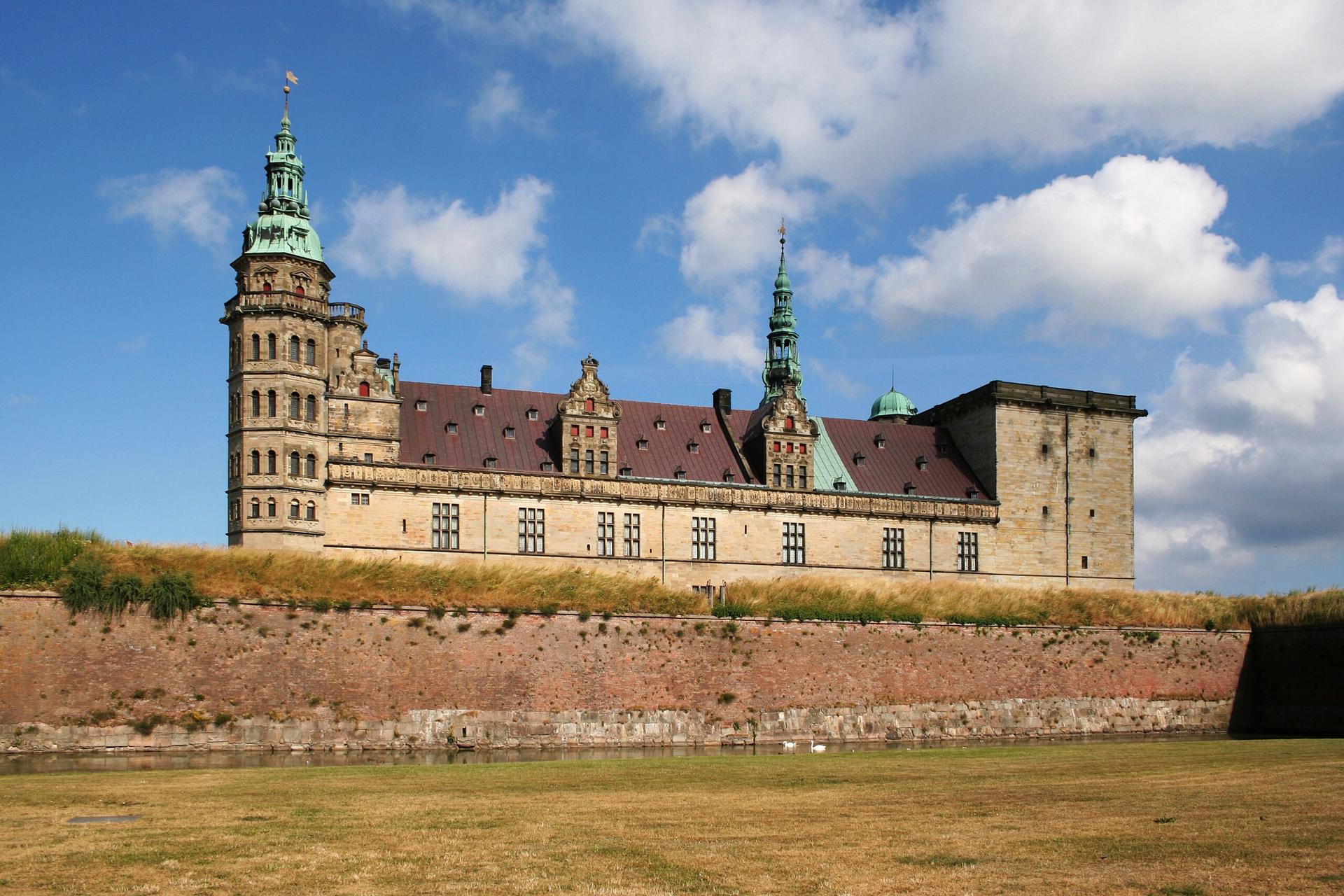
Looking beyond Søtorvet 2? Discover North Zealand for broader travel guides, local hot-spots, and regional highlights.
Explore North Zealand