Genforeningssten i Slagelse
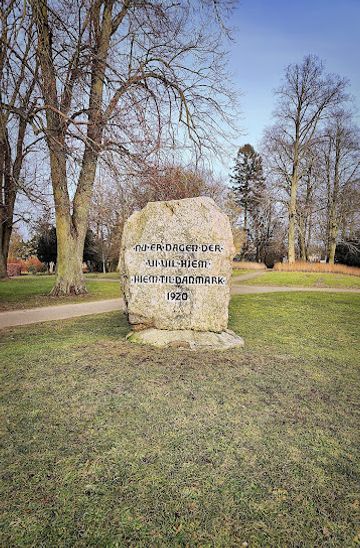
Granite witness to Denmark's 1920 reunification: a forest-found boulder unveiled amid national rejoicing, symbolizing homecoming in Slagelse's serene memorial park.
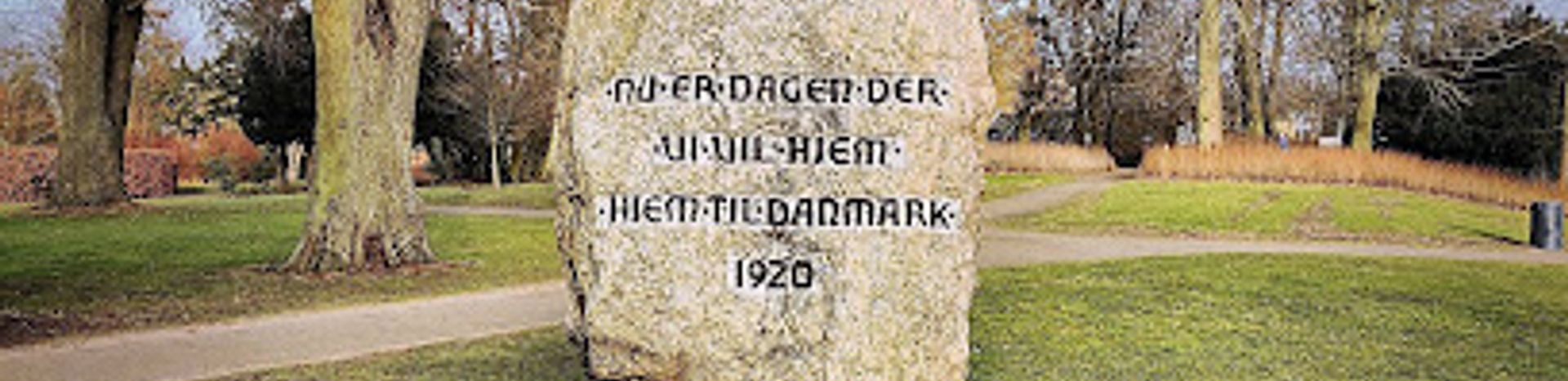
A poignant granite boulder erected in 1920 to commemorate Denmark's reunification with Southern Jutland after decades of separation. Discovered in a nearby forest, this memorial stone stands as a symbol of national joy and resilience, inscribed with a tribute to the historic event that restored Danish territory. Set in a quiet park-like area on an unnamed road, it invites quiet reflection on a pivotal chapter in Danish history. Free to visit anytime, it's an understated yet meaningful landmark for history enthusiasts exploring Slagelse.
A brief summary to Genforeningssten i Slagelse
- Unnamed Road, Slagelse, 4200, DK
- Duration: 0.5 to 1.5 hours
- Free
-
 Outdoor
- Mobile reception: 4 out of 5
- Monday 12 am-12 am
- Tuesday 12 am-12 am
- Wednesday 12 am-12 am
- Thursday 12 am-12 am
- Friday 12 am-12 am
- Saturday 12 am-12 am
- Sunday 12 am-12 am
Local tips
- Look closely at the inscriptions for the exact tribute to Southern Jutland's return—faded letters hold the story.
- Visit on July 9 for Genforeningsdag resonance, even if quietly; the stone's history feels alive then.
- Combine with a walk through nearby Slagelse Lystanlæg for context on local commemorative traditions.

Do you manage this location?
Take control to get all the benefits, like improved information, better appearance, and stronger visibility across AI-powered discovery. Learn more
Activate your presenceOther nearby places you may find interesting

Getting There
-
Bus
From Slagelse station, take local bus 205 toward Orehøj, 10-15 minutes to nearest stop; walk 800m along quiet roads, DKK 25 single fare, services every 30 minutes daytime.
-
Bicycle
From Slagelse center, cycle 3km via marked paths through residential areas, 12-18 minutes depending on fitness; flat terrain suitable year-round, bike rentals available downtown for DKK 100/day.
-
Driving
Drive from Slagelse center 3km north on Route 22 then local roads, 7-10 minutes; limited roadside parking nearby, free but spaces fill on weekends.
-
Walking
From Slagelse Lystanlæg, walk 2km along pavements and paths, 25-35 minutes; flat, easy terrain with some unpaved sections, best in daylight.
For the on-the-go comforts that matter to you
-
 Seating Areas
-
 Trash Bins
-
 Information Boards
Genforeningssten i Slagelse location weather suitability
-
 Any Weather
-
 Rain / Wet Weather
-
 Mild Temperatures
Discover more about Genforeningssten i Slagelse
Discovery of the Memorial Stone
In the forests near Slagelse, owned by Godsejer Neergaard, a massive granite boulder lay hidden until its unearthing sparked a communal effort. Local groups, including the Sønderjysk Forening for Slagelse og Omegn and Slagelse Forsønnelsesselskab, proposed raising it as a lasting tribute to Denmark's reunification. Funds were collected through community contributions, transforming the found stone into a symbol of collective memory. The stone's rugged form, partially buried in earth, required determined labor from volunteers, including schoolchildren who helped excavate and position it. This grassroots initiative underscored the widespread fervor surrounding the 1920 events.Unveiling on Genforeningsdagen
On July 9, 1920—Denmark's Genforeningsdag—the stone was formally unveiled by fabrikant H.P. Philipsen, a Sønderjyske native. Thousands gathered for the ceremony, marking the joyous return of Southern Jutland after the Treaty of Versailles ended over half a century of German rule. The event pulsed with patriotic energy, flags waving and speeches echoing the relief of reconnection. Positioned prominently, the stone became an immediate focal point for locals, its granite surface etched with inscriptions honoring the reunified lands. Unlike grand monuments, its simplicity amplified the personal stakes of the historical moment.Symbolism Rooted in Norse Myth
The choice of this particular boulder drew from ancient Norse lore, evoking tales of children abducted by giants and returned after Ragnarok—a metaphor for Southern Jutland's liberation. Similar motifs appear on other genforeningssten across Denmark, linking local pride to mythic narratives of triumph and homecoming. In Slagelse, the stone's relocation from forest depths to public view mirrored this symbolism, standing as an 'opmuntring'—an encouragement—for future generations. Its placement ensured visibility, fostering ongoing remembrance amid everyday park surroundings.Enduring Legacy in Slagelse
Over a century later, the Genforeningssten remains a quiet sentinel on Slagelse's outskirts, its weathered surface bearing witness to national rebirth. Part of a nationwide network of over 1,000 such stones erected around 1920, it highlights Denmark's decentralized approach to commemoration—favoring natural boulders over ornate statues. The site's memorial park setting enhances its contemplative aura, with open spaces inviting pauses amid Slagelse's pastoral landscape. It connects visitors to the emotional high of 1920, when communities across Denmark celebrated unity restored.Explore the best of what Genforeningssten i Slagelse has to offer
-

Best experiences near Genforeningssten i Slagelse
-

Best hotels near Genforeningssten i Slagelse
-

Best attractions near Genforeningssten i Slagelse
-

Best shops near Genforeningssten i Slagelse
-

Best restaurants near Genforeningssten i Slagelse
-

Best bars near Genforeningssten i Slagelse
-

Best nightclubs near Genforeningssten i Slagelse









More about Slagelse
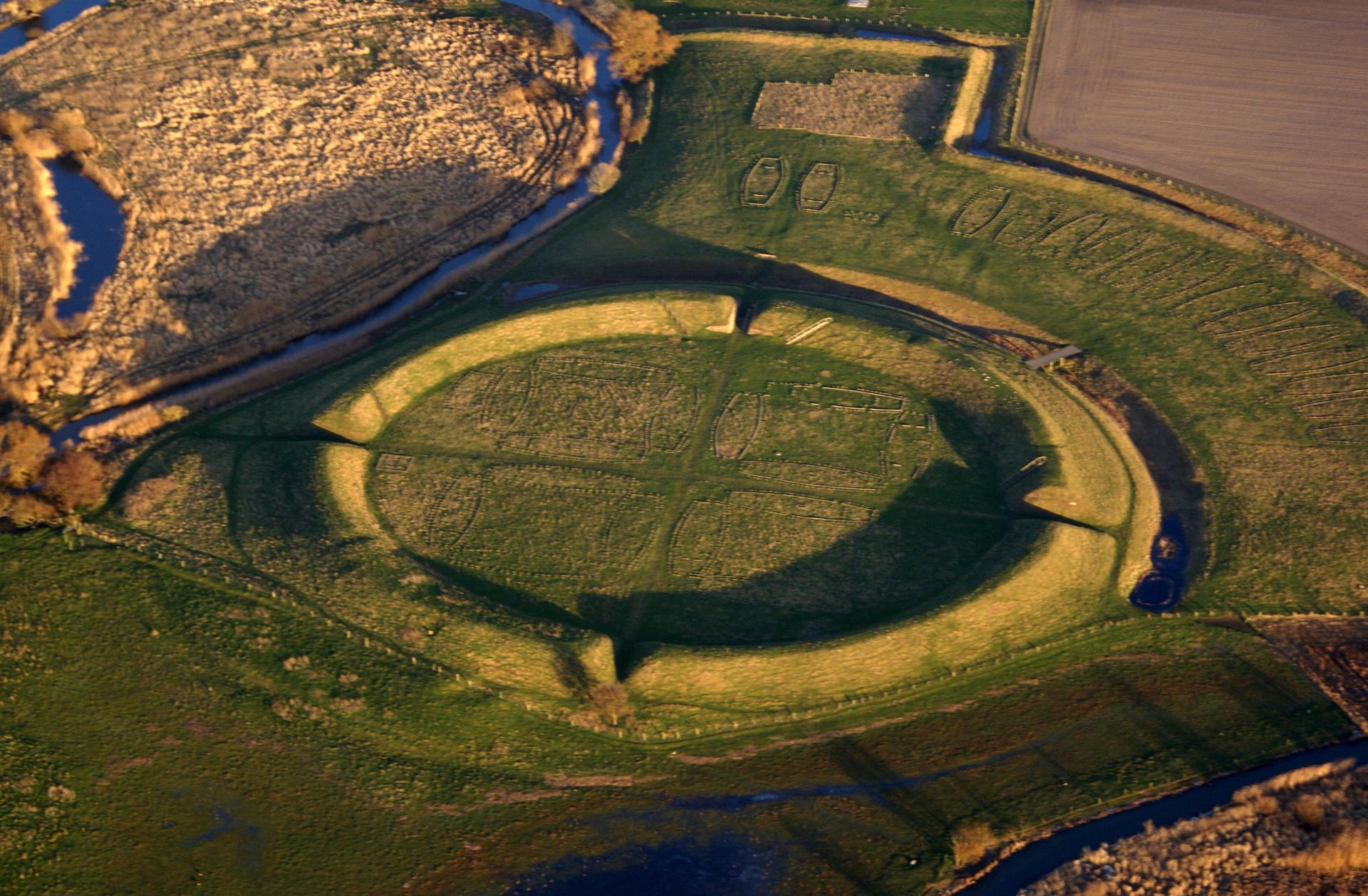
Discover Slagelse: A captivating blend of Viking history, vibrant culture, and natural beauty on the charming island of Zealand, Denmark.
Tell me more about Slagelse