Gråsten Palace Travel Guide
Free Guide: Rococo royal summer residence in Southern Jutland, set amid romantic English-style gardens, lakes and woodland, with palace views and a richly decorated church.


A brief summary of Gråsten Palace
Rococo royal summer residence in Southern Jutland, set amid romantic English-style gardens, lakes and woodland, with palace views and a richly decorated church.
Gråsten Palace is the Danish royal family’s beloved summer residence in the town of Gråsten in Southern Jutland. The current white rococo palace, rebuilt after a devastating fire in 1757 and completed in stages from 1759 and 1842, sits amid romantic English-style gardens of lawns, flowerbeds, lake views and woodland. While the palace itself is closed to the public, visitors can explore the landscaped grounds and admire the historic palace church when not under royal use or renovation closures.
On-site amenities
 Restrooms
 Seating areas
 Trash bins
 Information boards
- Address
- Slotsbakken, 6300 Gråsten
- Phone
- Website
Getting there
Regional train and short walk
Bus from nearby towns
Car from Sønderborg area
Discover more about Gråsten Palace
Royal summer home in Southern Jutland
Gråsten Palace stands at the edge of the small town of Gråsten in Denmark’s Sønderjylland region, a bright white royal residence reflected in the waters of surrounding lakes. Best known as the summer residence of the Danish royal family, it feels at once official and intimate: a working royal home set within a landscape designed for strolls, quiet reflection and family time. When the royal split flag flies from the bell tower, it signals that the monarch is staying here and the inner area is closed, adding a sense of living tradition to the serene setting.The palace is not a museum but an active residence, so access focuses on the outdoors. Visitors approach along tree-lined paths and open lawns, with views across water and gentle forested slopes. The building’s neat symmetry and low, elongated profile make it feel approachable compared with grander urban palaces, yet the guarded gates, ceremonial guard change and carefully tended grounds all underline its status at the heart of Danish monarchy.
From hunting lodge to rococo residence
The story of Gråsten begins in the 16th century with a modest hunting lodge, part of the noble estates that once dotted the Schleswig borderlands. That early building burned, as did its 17th‑century successor, a grand baroque palace created by Chancellor Count Frederik Ahlefeldt. Fire in 1757 left only the chapel and a few pavilions standing, forcing yet another reinvention of the site.The present palace grew from this ruin. A new south wing was erected in 1759 in a refined rococo style, and in 1842 a central block was added to create the current main façade. Over the centuries, Gråsten passed through the hands of powerful noble families and the Danish state, reflecting shifting borders and political fortunes in the Schleswig region. In 1935, after extensive restoration, the palace was granted as a summer residence to Crown Prince Frederik (later King Frederik IX) and Crown Princess Ingrid, a decision that firmly anchored it in modern royal life.
Gardens shaped by a queen’s imagination
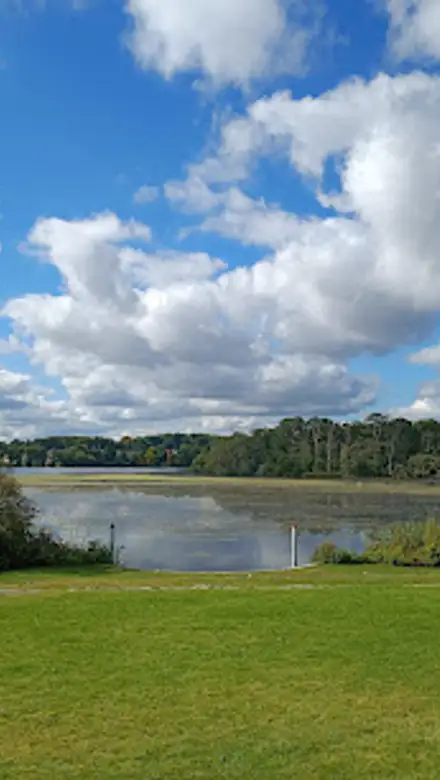
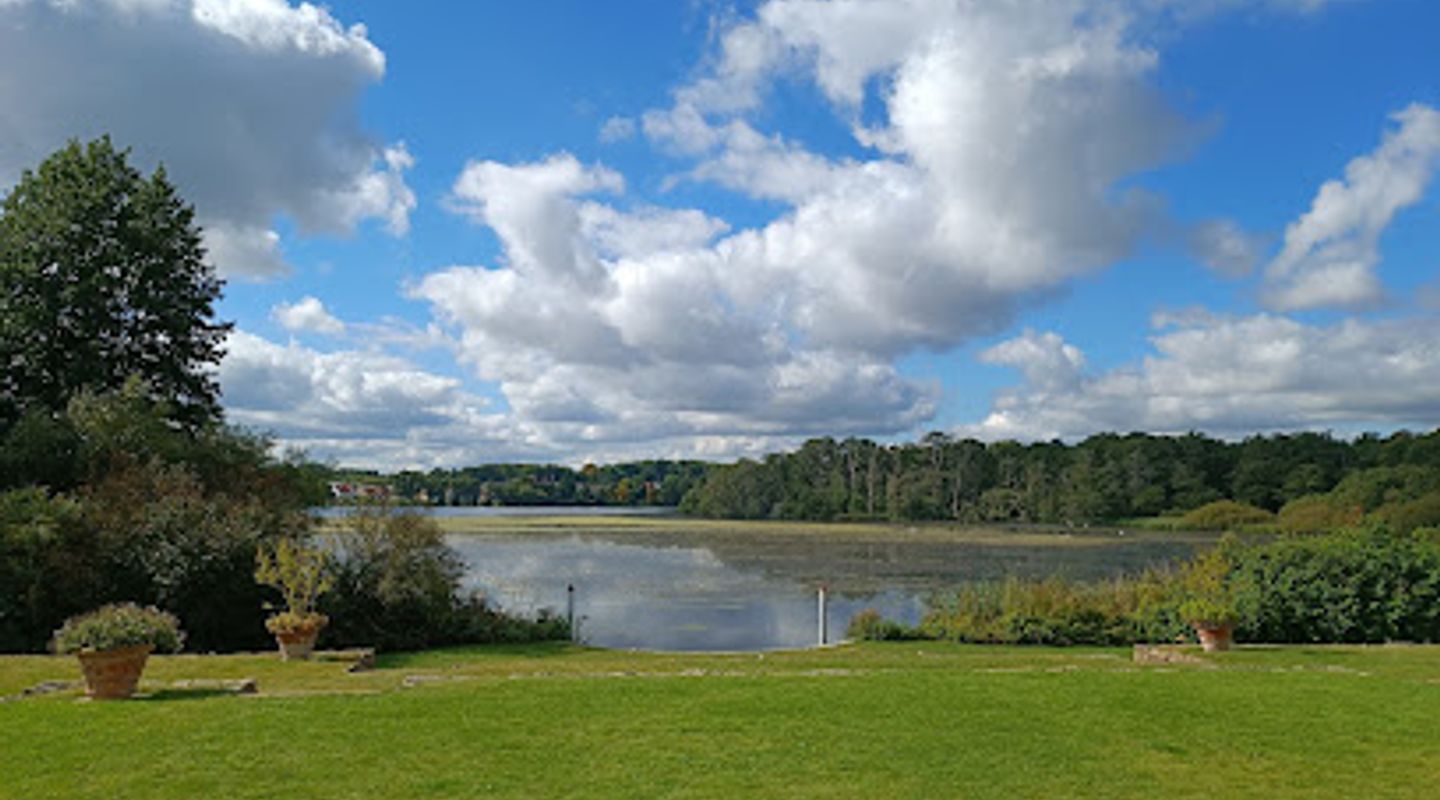
Around the palace spreads Gråsten Palace Garden, laid out in a romantic style at the end of the 18th century and later reshaped into an English-style landscape. Long vistas of lawn are framed by dense shrubbery and mature trees, while curving paths lead to more intimate corners filled with roses and seasonal flowers. The garden is designed less for strict formality and more for leisurely wandering, with occasional framed views back to the white palace or out across the lake and surrounding woodland.Queen Ingrid, famed for her love of flowers, personally influenced the planting schemes through the 20th century, and her interest has been continued by her daughter Queen Margrethe. Flowerbeds are carefully orchestrated for colour and texture, and in summer the combination of clipped hedges, old trees and vibrant borders creates a rich palette. When the royal family is not in residence and the grounds are open, visitors can roam these paths freely, experiencing the space much as generations of royals have done.
The historic palace church and ceremonial life
One of the oldest surviving parts of the complex is Gråsten Palace Church, which dates from the rebuilding after the 1757 fire. Its interior is richly decorated with a towering baroque altarpiece, marbled columns and a stucco ceiling painted as a pale blue sky dotted with angels and putti. The walls are hung with dozens of 18th‑century paintings, giving the church a dense, almost gallery-like atmosphere. Although it serves as a parish church, periods of renovation or royal residence can limit access, so openings vary by season.The palace is also a stage for ceremonial moments in the Danish royal calendar. In summer, the Royal Life Guard takes up duty here, and the daily guard change becomes a small ritual, with soldiers marching through town before the shift at the palace. In recent years the palace has provided a backdrop for images of the new royal generation as King Frederik X and Queen Mary continue the tradition of summer stays, linking the site’s centuries of history to the present day.
Planning your visit to Gråsten
A visit to Gråsten Palace is about scenery and atmosphere rather than interior tours. The palace buildings themselves are closed to the public, and the gardens and church are open only when the royal family is away and no major restoration work is underway. On open days, visitors typically spend an hour or two exploring the paths, pausing on benches, watching waterfowl on the lakes and photographing the clean lines of the palace façade.There are information signs in the vicinity explaining aspects of the palace and its history, and the town of Gråsten offers cafés and facilities within easy walking distance. The setting suits unhurried visits: it is a place to enjoy mild weather, listen to birdsong over the lawns and appreciate how a royal residence can feel both grand and gently human in scale.
Evendo Review Centre
 Google
Guest reviews
Best time to go
Quietest: Jan, Feb & Mar · before 8am or at 9pm
Busy times are Evendo estimates for a typical year, to help you plan. Actual crowds vary with events, school holidays and the weather.
Explore Gråsten Palace on the map
A handpicked selection of must-see spots near Gråsten Palace, mapped for you.
Get your free copy of our complete guide to Gråsten Palace, delivered straight to you.
Everything on this page, from opening hours and how to get there to Eve’s tips and the best time to go, in one PDF you can read offline, print or share.
Already have an account? Sign in
Your Gråsten Palace guide is ready.
We'll send it to · Not you? Sign out

Getting your guide ready…
We are putting together a fresh copy of the Gråsten Palace guide. This can take up to a minute.
This can take a few moments. If your browser asks, choose Allow so the download can start. You'll find the guide in your Downloads folder.
Nothing happened? Download it again
Sorry, the guide is taking longer than usual. Please try again in a minute, or get it by email instead.
Other nearby places you may find interesting
The closest places of the same kind, if this one is not quite what you had in mind.
-
-
-
-
-


Swipe for more places
More to explore near Gråsten Palace

 Best experiences near Gråsten Palace
 Best hotels near Gråsten Palace
 Best landmarks near Gråsten Palace
 Best attractions near Gråsten Palace
 Best shops near Gråsten Palace
 Best restaurants near Gråsten Palace
 Best bars near Gråsten Palace
Do you manage this location?
Take control to get all the benefits, like improved information, better appearance, and stronger visibility across AI-powered discovery.
Explore more
Explore more of Sønderjylland
Sønderjylland: A Journey Through Denmark's Scenic Landscapes, Rich History, and Vibrant Traditions.
Explore Sønderjylland
Explore more of Denmark
Discover Denmark: A perfect blend of history, modern design, and the cozy concept of hygge. Explore vibrant cities, serene landscapes, and world-class cuisine.
Explore Denmark