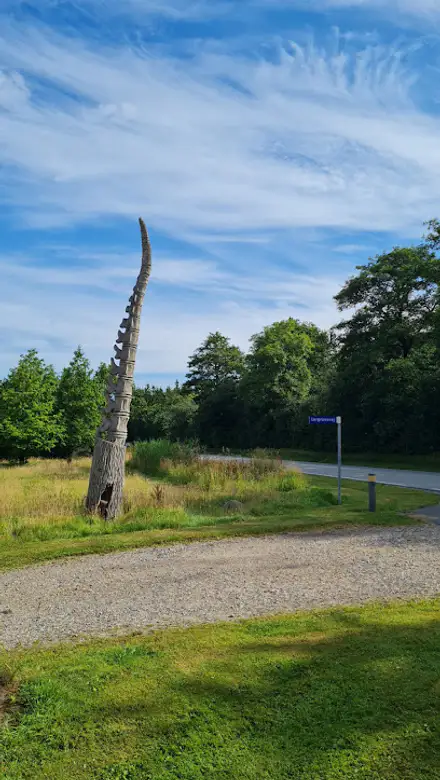
Gram Clay Pit Travel Guide
Free Guide: Dig into a 10‑million‑year‑old seabed, then step indoors to meet colossal whale fossils and giant sharks at Denmark’s hands-on Gram Clay Pit.


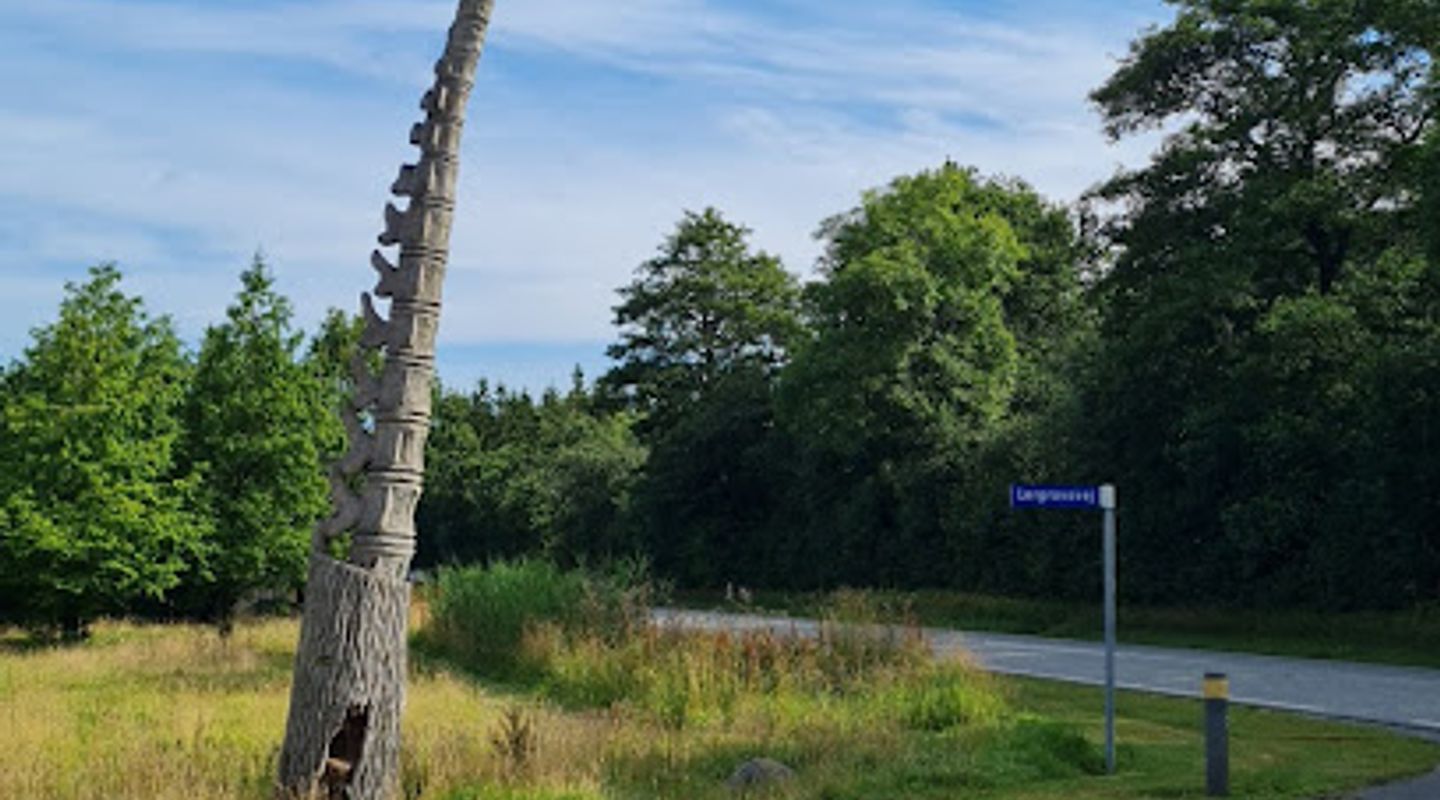
A brief summary of Gram Clay Pit
Dig into a 10‑million‑year‑old seabed, then step indoors to meet colossal whale fossils and giant sharks at Denmark’s hands-on Gram Clay Pit.
Gram Clay Pit in southern Jutland is a rare place where you can literally dig into Denmark’s prehistoric past. Ten million years ago this was the seabed of the Gram Sea; today, an engaging palaeontology museum and adjoining clay pit invite you to learn about ancient whales, giant sharks like Megalodon, and a host of marine creatures. Families and fossil fans can borrow tools and rubber boots, hunt for fossils in the soft clay, then step indoors to see spectacular whale skeletons and expertly curated exhibitions that bring this vanished ocean world to life.
On-site amenities
 Restrooms
 Drink options
 Drinking water
 Food options
 Seating areas
 Sheltered areas
 Trash bins
 Information boards
 Visitor centre
Opening hours
- Every day10 am–5 pm
Opening hours as listed on the venue’s Google Business Profile. Hours can change for services and special events, so check with the venue before you go.
- Address
- Lergravsvej 2, 6510 Gram
- Phone
- Website
Getting there
Car from Haderslev
Car from Ribe
Bus and short walk from Gram town
Cycling from Gram surroundings
Discover more about Gram Clay Pit
A former seabed turned open-air fossil playground
Ten million years ago, the quiet fields around Gram lay beneath the waters of the Gram Sea, a shallow arm of the ancient North Sea. At Gram Clay Pit, you stand on what was once the soft seabed, now exposed as grey-black clay rich in fossil treasures. The active clay pit stretches as a broad, open bowl in the landscape, its terraced sides and pools of water hinting at the site’s industrial past.Visitors come here not just to look, but to get their hands dirty. The museum lends spades, small tools and rubber boots, so you can step down into the clay and start searching. The material is soft and easy to work, making this a particularly accessible fossil site for curious beginners and children.
Whales, Megalodon and other legends of the Gram Sea
Right beside the pit, the palaeontology museum reveals what once swam above this seabed. Inside, you encounter some of Denmark’s largest fossilised whale skeletons, including species like Uranocetus, suspended or displayed in dramatic gallery spaces. These remains come directly from the clay layers outside and represent species not found anywhere else.Displays on giant sharks such as Megalodon, along with fossils of seals, rays, fish, crabs, sea urchins, snails and mussels, fill in the food web of this ancient sea. Clear texts and models show how scientists use these finds to reconstruct climate, currents and ecosystems from millions of years ago.
Hands-on fossil hunting for all ages
Out in the pit, the experience becomes wonderfully tactile. You scrape through the moist clay, watching for the tell-tale shine of a shell or the distinctive form of a sea urchin. Common discoveries include mussel and snail shells and small invertebrates, which you are usually allowed to take home as souvenirs of your time travel.To help you get started, the museum offers introductory films and, in holiday periods, a Fossil Hunter guide who roams the pit giving tips, identifying finds and explaining why some pieces are scientifically important. Any bones, teeth or unusual specimens are shown to staff and, if rare, may be kept for the national fossil collection.
From working clay quarry to centre of science
The story of Gram Clay Pit is also one of industrial heritage. For decades, the clay layers were quarried for brick production, gradually revealing the fossil-bearing strata. As spectacular finds emerged, the area attracted palaeontologists and eventually a dedicated museum, which moved to its current building beside the pit in the early 2000s.Today, research continues behind the scenes. New excavations, painstaking preparation of bones and scientific collaborations all flow from the material still coming out of the clay. Visiting the site, you glimpse this ongoing work through information panels and changing displays that highlight recent discoveries.
Planning your visit to a seasonal outdoor site
Gram Clay Pit is primarily a seasonal destination. The museum and organised activities usually run from April to October, when weather and light suit outdoor digging; the site is generally closed in winter. Clay and water make the pit muddy, especially after rain, so sturdy clothing is essential. Fortunately, the museum’s stock of boots and tools means you can travel light.The combination of indoor exhibition and outdoor quarry makes it easy to tailor a visit. You might spend a short time exploring the galleries before trying a quick dig, or devote several hours to a slow, methodical hunt broken up by museum breaks. Benches, simple facilities and the relatively flat surroundings support a relaxed day out in the name of deep time.
Evendo Review Centre
 Google
Guest reviews
Best time to go
Quietest: Jan, Feb & Nov · before 8am or at 7pm
Busy times are Evendo estimates for a typical year, to help you plan. Actual crowds vary with events, school holidays and the weather.
Explore Gram Clay Pit on the map
A handpicked selection of must-see spots near Gram Clay Pit, mapped for you.
Get your free copy of our complete guide to Gram Clay Pit, delivered straight to you.
Everything on this page, from opening hours and how to get there to Eve’s tips and the best time to go, in one PDF you can read offline, print or share.
Already have an account? Sign in
Your Gram Clay Pit guide is ready.
We'll send it to · Not you? Sign out

Getting your guide ready…
We are putting together a fresh copy of the Gram Clay Pit guide. This can take up to a minute.
This can take a few moments. If your browser asks, choose Allow so the download can start. You'll find the guide in your Downloads folder.
Nothing happened? Download it again
Sorry, the guide is taking longer than usual. Please try again in a minute, or get it by email instead.
Other nearby places you may find interesting
The closest places of the same kind, if this one is not quite what you had in mind.
-
Sønderborg Castle An almost 800-year-old waterfront fortress turned museum, Sønderborg Castle explores Southern Jutland’s borderland history amid Renaissance halls, dungeons and a tranquil park.
-
Deutsches Museum Nordschleswig A modern borderland museum in Sønderborg exploring the history, culture and identity of the German minority in Northern Schleswig.
-
Dybbøl Mill A battle-scarred windmill on Dybbøl Banke, Dybbøl Mill combines working machinery, battlefield history and national symbolism above the fjord at Sønderborg.
-
Historiecenter Dybbøl Banke Experience the dramatic 1864 war through immersive reconstructions and sensory storytelling on Denmark's most significant battlefield.
-
Hønekilden A tiny harbourfront oasis where a royal water source, bronze hens and centuries of Sønderborg legends gather around a once-famous spring.
Swipe for more places
More to explore near Gram Clay Pit

 Best experiences near Gram Clay Pit
 Best hotels near Gram Clay Pit
 Best landmarks near Gram Clay Pit
 Best attractions near Gram Clay Pit
 Best shops near Gram Clay Pit
 Best restaurants near Gram Clay Pit
 Best bars near Gram Clay Pit
Do you manage this location?
Take control to get all the benefits, like improved information, better appearance, and stronger visibility across AI-powered discovery.
Explore more
Explore more of Sønderjylland
Sønderjylland: A Journey Through Denmark's Scenic Landscapes, Rich History, and Vibrant Traditions.
Explore Sønderjylland
Explore more of Denmark
Discover Denmark: A perfect blend of history, modern design, and the cozy concept of hygge. Explore vibrant cities, serene landscapes, and world-class cuisine.
Explore Denmark