Havegærde Af Hvalunderkæber Travel Guide
Free Guide: An 18th‑century garden fence built from towering whale jawbones, this tiny roadside stop on Rømø tells a big story about the island’s Arctic whaling past.


A brief summary of Havegærde Af Hvalunderkæber
An 18th‑century garden fence built from towering whale jawbones, this tiny roadside stop on Rømø tells a big story about the island’s Arctic whaling past.
On the quiet Juvrevej in northern Rømø, Havegærde Af Hvalunderkæber is a small but remarkable landmark: a garden fence made entirely from massive whale jawbones. Erected in the 18th century by a prosperous whaling captain, the bleached bones encircle a traditional thatched property and offer a striking, tangible link to the island’s Arctic whaling era. This free roadside stop is quick to visit yet rich in maritime history and visual drama.
- Address
- Juvrevej 82, 6792 Rømø
Getting there
Car
Bicycle
Walking
Taxi
Discover more about Havegærde Af Hvalunderkæber
A modest fence with an extraordinary story
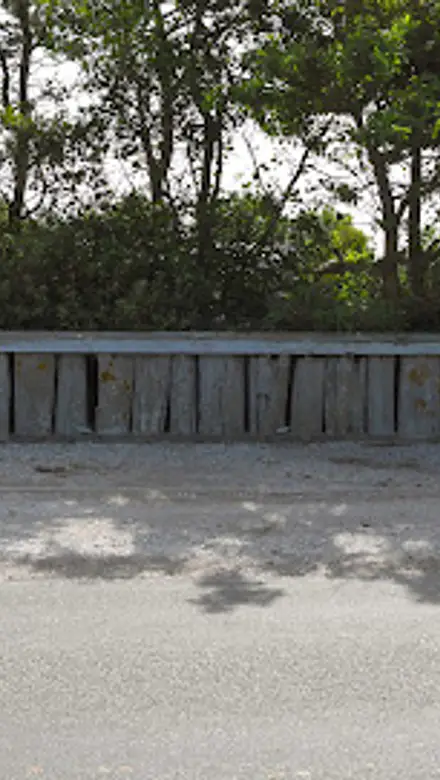
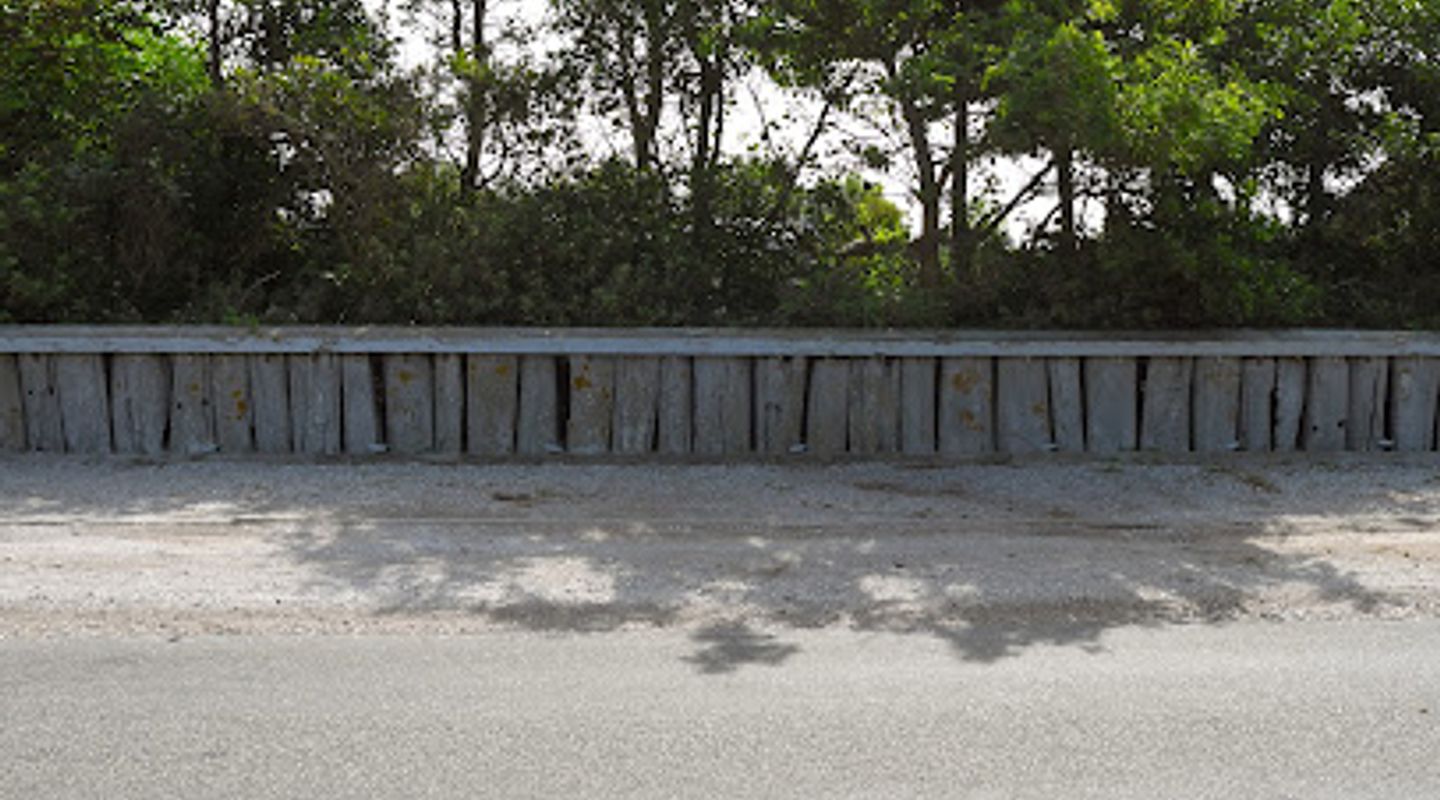
Havegærde Af Hvalunderkæber looks, at first glance, like a simple boundary around a farmhouse garden on Juvrevej. Take a closer look and you realise every upright post is a huge, gently curved whale jawbone, weathered to a chalky white by centuries of salt air and wind. The fence dates back to the 1700s and was created when a local sea captain returned from Arctic whaling voyages with these colossal bones as both building material and status symbol.Standing here, you can clearly see the individuality of each jawbone, some leaning slightly, some taller than others, all fitted side by side to form a continuous, almost sculptural perimeter. The intimacy of the domestic setting – flowers, grass and a thatched roof behind the bones – makes the contrast between homely life and the brutal reality of whaling especially striking.
Rømø’s whaling legacy in one garden
During the 18th and early 19th centuries, Rømø’s seafarers sailed on long, dangerous expeditions to Greenland and other Arctic waters in search of whales. Captains and officers who prospered often brought back tangible trophies: jawbones, baleen and other parts that could be reused at home. On Juvrevej 82, those souvenirs became something as practical as a fence, turning maritime spoils into everyday architecture.Only a handful of such whale-bone fences survive in northern Europe today, and the one in Juvre is among the best preserved. It encapsulates several layers of history at once: the economic importance of whaling to the island, the global reach of local sailors, and changing attitudes to the sea and its creatures. Visitors today usually view the fence as a historical curiosity rather than something to imitate, a reminder of a bygone era when whaling underpinned coastal prosperity.
A quiet roadside stop with powerful visuals
Part of the fence’s appeal lies in how unassuming the setting is. There is no formal entrance or ticket booth; the bones rise directly beside the road, framing a private garden. The surrounding landscape is flat and open, with marshes, fields and traditional farmsteads stretching toward the Wadden Sea. On overcast days, the jawbones stand out ghostlike against a muted sky; in low, golden light they glow warmly, their textures picked out by the sun.Photographers will find plenty of angles: close-ups that emphasise the porosity and grain of the bone, wider compositions that place the fence in its rural context, and detail shots where wild grasses and flowers brush against the ancient material. Because traffic here is light, there is time to linger on the verge and study the fence without distraction, always respecting that the property itself remains private.
Linking Juvre to the wider Wadden Sea landscape
Havegærde Af Hvalunderkæber is not an isolated curiosity but part of a broader cultural landscape. Nearby, historic farms and the National Museum’s Kommandørgård tell related stories of ship captains, international trade and the wealth that flowed through this small island. The surrounding Wadden Sea area is now protected for its birdlife, tidal flats and dunes, making the fence a cultural counterpoint to the natural conservation focus of the region.Spending time here invites reflection on how coastal communities have adapted over time. Where once whaling was seen as a route to success, today the emphasis lies on sustainability and safeguarding marine ecosystems. The fence endures as a physical record of that transition: unchanged in form, but transformed in meaning as modern visitors bring new values and questions to what they see.
Planning your stop at the jawbone fence
A visit to Havegærde Af Hvalunderkæber is typically brief – often 15 to 30 minutes – and works well as a stop on a wider exploration of northern Rømø’s villages, dikes and sea views. There is no admission fee, no opening hours and no facilities directly at the fence, so it is wise to combine the visit with nearby attractions where restrooms and cafés are available.Because the fence is right beside the road, access is straightforward for most visitors, including those with limited mobility. The attraction is outdoors and visible year-round, in mist, rain or bright sunshine. Whatever the weather, it rewards an unhurried look: walk slowly along the roadside, notice how each bone differs, and imagine the journeys that brought them from Arctic waters to this quiet Danish garden.
Evendo Review Centre
 Google
Guest reviews
Best time to go
Quietest: Jan, Feb & Mar · before 7am or from 8pm
Busy times are Evendo estimates for a typical year, to help you plan. Actual crowds vary with events, school holidays and the weather.
Explore Havegærde Af Hvalunderkæber on the map
A handpicked selection of must-see spots near Havegærde Af Hvalunderkæber, mapped for you.
Get your free copy of our complete guide to Havegærde Af Hvalunderkæber, delivered straight to you.
Everything on this page, from opening hours and how to get there to Eve’s tips and the best time to go, in one PDF you can read offline, print or share.
Already have an account? Sign in
Your Havegærde Af Hvalunderkæber guide is ready.
We'll send it to · Not you? Sign out

Getting your guide ready…
We are putting together a fresh copy of the Havegærde Af Hvalunderkæber guide. This can take up to a minute.
This can take a few moments. If your browser asks, choose Allow so the download can start. You'll find the guide in your Downloads folder.
Nothing happened? Download it again
Sorry, the guide is taking longer than usual. Please try again in a minute, or get it by email instead.
Other nearby places you may find interesting
The closest places of the same kind, if this one is not quite what you had in mind.
-
-
-
-
-


Swipe for more places
More to explore near Havegærde Af Hvalunderkæber
-
 Best experiences near Havegærde Af Hvalunderkæber
-
 Best hotels near Havegærde Af Hvalunderkæber
-
 Best landmarks near Havegærde Af Hvalunderkæber
-
 Best attractions near Havegærde Af Hvalunderkæber
-
 Best shops near Havegærde Af Hvalunderkæber
-
 Best restaurants near Havegærde Af Hvalunderkæber
-
 Best bars near Havegærde Af Hvalunderkæber


Do you manage this location?
Take control to get all the benefits, like improved information, better appearance, and stronger visibility across AI-powered discovery.
Explore more

Explore more of Rømø
Discover Rømø: Denmark's serene island with expansive beaches, rich Viking history, and thrilling windsurfing adventures in the heart of the Wadden Sea National Park.
Explore Rømø
Explore more of Denmark
Discover Denmark: A perfect blend of history, modern design, and the cozy concept of hygge. Explore vibrant cities, serene landscapes, and world-class cuisine.
Explore Denmark