

Ledreborg Castle Travel Guide
Free Guide: A lived-in baroque manor surrounded by terraces, forests and national park scenery on the edge of historic Lejre in Zealand’s gentle countryside.


A brief summary of Ledreborg Castle
A lived-in baroque manor surrounded by terraces, forests and national park scenery on the edge of historic Lejre in Zealand’s gentle countryside.
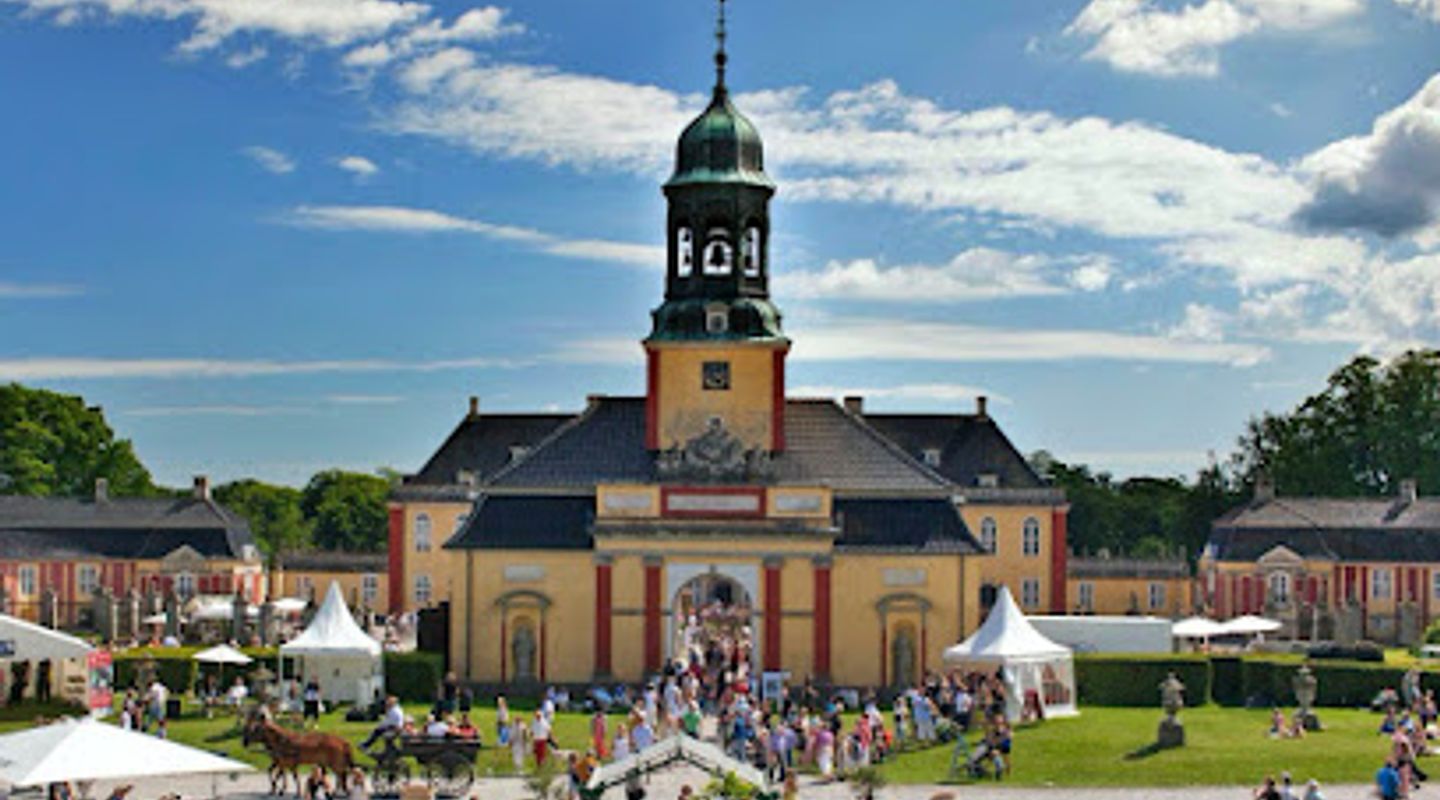
Ledreborg Castle (Ledreborg Slot) is an elegant 18th-century baroque manor and landscaped park on the outskirts of Lejre, not far from Roskilde. Still home to the Holstein-Ledreborg family after more than eight generations, the estate combines a stately yellow palace, formal terraces, fountains and woodland walks within Denmark’s Skjoldungernes Land National Park. Visitors come for grand architecture, manicured gardens and peaceful forest paths rather than a traditional museum-style castle tour.
On-site amenities
 Restrooms
 Seating areas
 Picnic areas
 Trash bins
 Information boards
- Address
- Ledreborg Alle 2, 4320 Lejre
- Phone
- Website
Getting there
Regional train and bus from Copenhagen
Train and walking from Lejre
Car from Roskilde or Copenhagen
Discover more about Ledreborg Castle
A baroque vision in the Lejre countryside
Ledreborg Castle sits at the end of an exceptionally long lime-tree avenue, unfolding in a sweep of pale-yellow baroque façades that immediately signal aristocratic ambition. Built in the mid-18th century by Johan Ludvig Holstein, an influential minister at the Danish court, the former farmhouse was transformed into a refined manor with symmetrical wings and a dignified central courtyard. The setting in gently rolling Zealand countryside adds to the sense of arrival: fields, forest and historic burial mounds surround the estate, placing it firmly within Denmark’s cultural heartland.What makes Ledreborg especially atmospheric is that it remains a lived-in home. The Holstein-Ledreborg family has occupied the property for more than 280 years, preserving much of the original character. On selected days, guided access to interiors reveals rooms hung with hundreds of paintings, tapestries and 17th–18th century furniture, along with the old castle kitchen and even a small dungeon space. At other times, the experience is more about appreciating the castle’s exterior silhouette against the landscape and imagining life behind the shuttered windows.
Gardens shaped by symmetry and scenery
The park at Ledreborg is as central to its identity as the house itself. Spread across terraces that step gently down from the main façade, the formal baroque garden is all about order and perspective: clipped hedges, axial paths and sightlines that frame the castle and the surrounding forest. This structured foreground then dissolves into a more naturalistic landscape of lawns, ponds and mature trees, blending French formality with English-inspired romantic planting.Paths lead away from the main parterre into wooded sections of the estate, where you can follow broad tracks under tall beech and oak. The wider grounds encompass part of Skjoldungernes Land National Park, Denmark’s first national park on Zealand, so birdsong and the rustle of leaves are constant companions. Small viewpoints over the valley and glimpses back to the castle towers make this a rewarding place for slow exploration, photography or a quiet picnic on the grass.
Living heritage and seasonal events
Ledreborg is more than a static historic site; it also functions as a venue for conferences, fairs and cultural events. Seasonal openings of the park typically run from spring to late autumn, sometimes with a modest entrance fee, while special occasions such as lifestyle fairs or light festivals bring an additional layer of activity. During such events, stalls, food vendors and temporary installations can fill parts of the park, changing the atmosphere from tranquil retreat to lively country gathering.Because the estate remains privately owned, public access to the castle interiors varies and parts of the grounds may be closed during major events. On regular open days, though, you can expect a calmer rhythm: people strolling the terraces, families wandering the forest paths and the occasional group tour disappearing into the house. The mix of privacy and openness gives Ledreborg a distinctive character, inviting you to step into a working estate rather than a purely museum-like attraction.
Details that bring the past into focus
Look closely and Ledreborg rewards you with small historic details. Stone balustrades and staircases bear the patina of centuries of footsteps, while sculptural elements and urns punctuate the garden geometry. The long lime-tree avenue that approaches the estate, planted centuries ago, still frames the axis and underlines the baroque obsession with controlled vistas. Nearby, traces of prehistoric graves in the surrounding landscape hint at human presence here since the Stone Age, long before the first bricks of the manor were laid.On certain guided visits, the interior collection adds further depth: rows of portraits mapping out noble alliances, decorative arts from different European traditions and utilitarian spaces such as the kitchen, with copper pots and heavy stoves, that once serviced great banquets. Even if you only experience the exterior, knowing this layered history helps bring the scene to life as you cross the courtyard or stand at the edge of the terraces looking back towards the house.
Planning a rewarding visit
A visit to Ledreborg can be as brief or as lingering as you choose. Many travelers combine a walk through the park with time in the surrounding forests, using the estate as a gateway to the wider national park, while others focus on the architectural ensemble and formal gardens alone. Information panels or printed guides available on site help explain the history and layout, making it easy to appreciate the design even without a formal tour.Because opening periods and access to specific areas vary through the year, it is worth checking current arrangements before you arrive, especially if you hope to see the interiors or attend a particular event. Comfortable shoes are useful for the mixture of gravel, grass and forest paths, and the largely open setting makes the estate particularly appealing in clear, mild weather. However you structure your time, Ledreborg offers an evocative blend of baroque elegance, lived-in heritage and gentle Danish countryside.
Evendo Review Centre
 Google
Guest reviews
Best time to go
Quietest: Jan, Feb & Mar · before 8am or at 8pm
Busy times are Evendo estimates for a typical year, to help you plan. Actual crowds vary with events, school holidays and the weather.
Explore Ledreborg Castle on the map
A handpicked selection of must-see spots near Ledreborg Castle, mapped for you.
Get your free copy of our complete guide to Ledreborg Castle, delivered straight to you.
Everything on this page, from opening hours and how to get there to Eve’s tips and the best time to go, in one PDF you can read offline, print or share.
Already have an account? Sign in
Your Ledreborg Castle guide is ready.
We'll send it to · Not you? Sign out

Getting your guide ready…
We are putting together a fresh copy of the Ledreborg Castle guide. This can take up to a minute.
This can take a few moments. If your browser asks, choose Allow so the download can start. You'll find the guide in your Downloads folder.
Nothing happened? Download it again
Sorry, the guide is taking longer than usual. Please try again in a minute, or get it by email instead.
Other nearby places you may find interesting
The closest places of the same kind, if this one is not quite what you had in mind.
-
Stevns Klint UNESCO World Heritage Stand on the edge of a white Danish cliff where a thin dark band in the rock marks the asteroid impact that ended the dinosaurs and reshaped life on Earth.
-
Roneklint Fyr Small historic lighthouse at the mouth of Præstø Fjord, with shallow child‑friendly beaches, rich snorkelling waters and tranquil coastal scenery.
-
Stevns Lighthouse Historic lighthouse on the edge of Stevns Klint, blending maritime heritage with wide Baltic Sea views and windswept chalk‑cliff scenery near Store Heddinge.
-
Gjorslev One of Denmark’s oldest inhabited medieval castles, Gjorslev combines Gothic stonework, moats and beech forest walks in a quietly atmospheric manor landscape.
-
Kalvehave Labyrintpark A 20,000 m² outdoor maze park of puzzles, illusions and giant games, turning a day in rural South Zealand into relaxed, brain-teasing fun for all ages.
Swipe for more places
More to explore near Ledreborg Castle

 Best experiences near Ledreborg Castle
 Best hotels near Ledreborg Castle
 Best landmarks near Ledreborg Castle
 Best attractions near Ledreborg Castle
 Best shops near Ledreborg Castle
 Best restaurants near Ledreborg Castle
 Best bars near Ledreborg Castle
Do you manage this location?
Take control to get all the benefits, like improved information, better appearance, and stronger visibility across AI-powered discovery.
Explore more
Explore more of South Zealand
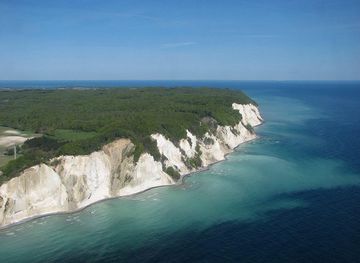
Discover South Zealand, where dramatic cliffs, historic castles, and charming coastal towns create the perfect Danish escape.
Explore South Zealand
Explore more of Denmark
Discover Denmark: A perfect blend of history, modern design, and the cozy concept of hygge. Explore vibrant cities, serene landscapes, and world-class cuisine.
Explore Denmark
