The Lakes Travel Guide
Free Guide: A graceful chain of three urban lakes curving along the heart of Copenhagen, perfect for scenic walks, runs, picnics and everyday glimpses of local life by the water.


A brief summary of The Lakes
A graceful chain of three urban lakes curving along the heart of Copenhagen, perfect for scenic walks, runs, picnics and everyday glimpses of local life by the water.
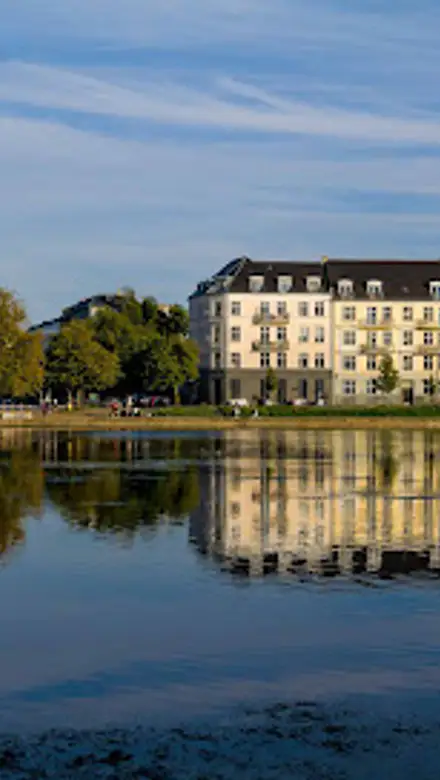
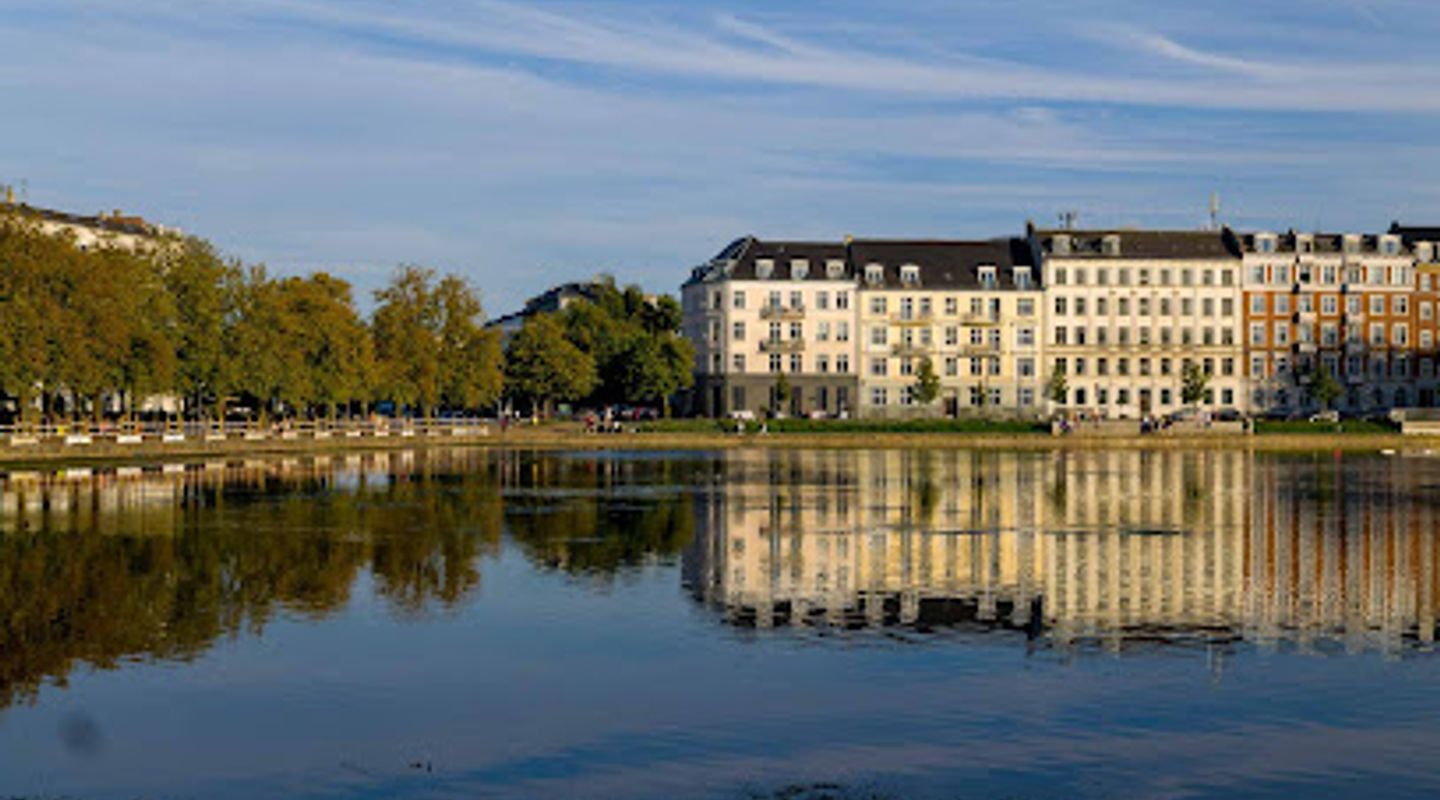
Stretching in a graceful arc along the western edge of central Copenhagen, The Lakes (Søerne) are a chain of three long, narrow reservoirs: Sankt Jørgens Sø, Peblinge Sø and Sortedams Sø. Framed by tree-lined paths, historic bridges and distant spires, they offer one of the city’s classic urban walks and runs, plus grassy banks and benches for picnics, people-watching and sunset views, with cafés and bars dotted along the shore.
On-site amenities
 Restrooms
 Drinking water
 Food options
 Seating areas
 Picnic areas
 Trash bins
 Information boards
- Address
- 1357 Copenhagen
Getting there
Metro from central Copenhagen
City bus to lakeside stops
Cycling from inner districts
Taxi or rideshare within the city
Discover more about The Lakes
Water, Light and City Life in One Long Curve
The Lakes form a striking blue ribbon between Copenhagen’s historic centre and the neighborhoods of Vesterbro, Nørrebro and Østerbro. Three elongated basins – Sankt Jørgens Sø to the south, Peblinge Sø in the middle and Sortedams Sø to the north – trace a gentle arc that reflects church spires, townhouses and the city’s soft northern light. From almost any point, your eye runs along the water to low bridges and lines of trees, giving a sense of openness rare in such a compact capital.Although they look like natural lakes, this is a carefully shaped landscape. The basins were created and expanded over centuries as part of the city’s defenses and water supply, with dams and embankments gradually taming the original marshy terrain. Today their defensive role is long gone, replaced by a gentler function: a linear park where the city catches its breath.
From Fortress Moat to Urban Playground
Historically, the water here helped protect Copenhagen’s ramparts and powered mills at the city edge. Later the lakes became reservoirs, controlling levels with dams such as the one that shaped Peblinge Sø. As the city outgrew its fortifications in the 19th century, the banks were formalized, planted with trees and edged in granite, turning a utilitarian system into a grand promenade.Two small artificial islands, Fiskeøen and Fugleøen, dot Sortedams Sø, created as safe breeding grounds for birds. In winter, when conditions are right and the ice is officially declared thick enough, the lakes can transform into broad, white surfaces for cold-weather walks. In summer, the water comes alive with birdlife and the occasional slow-moving boat bike, while the paths host runners, cyclists and parents pushing prams.
Experiencing the Full 6.3-Kilometre Circuit
A complete loop around all three lakes runs for just over 6 kilometres, almost entirely on level, well-maintained gravel and pavement paths. It is a favourite circuit for joggers, but it works equally well as a leisurely stroll broken up with coffee stops and photo breaks. Benches, low walls and grassy patches appear at regular intervals, inviting you to pause, dangle your feet over the edge and watch swans, geese and ducks trace their own routes across the water.Each section has its own character. Sankt Jørgens Sø feels slightly quieter, with wider expanses of water and views towards modern city landmarks. Peblinge Sø is tightly framed by avenues of trees and elegant façades, its straight lines ideal for long, reflective walks. Sortedams Sø, with its islands and slightly more irregular outline, offers some of the most photogenic vistas, especially where bridges and towers line up in the distance.
Cafés, Pavilions and Everyday Copenhagen Rituals
Part of the charm of The Lakes lies in how thoroughly they are woven into local daily life. On any given morning you may see commuters on bikes skirting the water, dog walkers tracing the same route in all seasons, and friends meeting on the banks with takeaway coffee. Along several stretches you will find lakeside cafés, modern restaurants and classic pavilions whose terraces fill whenever the sun appears, their tables positioned to catch both the light and the view.These buildings tell their own stories: 19th-century pavilions once linked to skating clubs or rowing now house contemporary dining rooms or bars, while newer venues slide glass fronts open to blend indoors and outdoors. Yet there is no single focal point or monument; the attraction is the continuous, lived-in edge between city and water.
Seasonal Moods and Practical Details
The atmosphere around The Lakes shifts with the seasons and weather. On bright spring mornings, fresh leaves frame clear reflections, and bird calls carry over the paths. High summer brings long evenings when the sun lingers low over the water and the embankments turn into informal picnic terraces. Autumn paints the trees in warm tones that ripple across the surface, and even in winter, mist and low cloud create a quiet, cinematic quality.As an open public space, The Lakes are accessible at all hours and free to enjoy. The terrain is mostly flat and suitable for prams and wheelchairs along the main paths, with frequent opportunities to sit. Simple amenities such as occasional public restrooms, nearby kiosks and plentiful trash bins support lingering, while the surrounding streets offer quick access to supermarkets, bakeries and restaurants. For many visitors, tracing even a short stretch of shoreline becomes a reference point for understanding Copenhagen’s scale, rhythm and relationship with water.
Evendo Review Centre
 Google
Guest reviews
Best time to go
Quietest: Jan, Feb & Mar · before 6am
Busy times are Evendo estimates for a typical year, to help you plan. Actual crowds vary with events, school holidays and the weather.
Explore The Lakes on the map
A handpicked selection of must-see spots near The Lakes, mapped for you.
Get your free copy of our complete guide to The Lakes, delivered straight to you.
Everything on this page, from opening hours and how to get there to Eve’s tips and the best time to go, in one PDF you can read offline, print or share.
Already have an account? Sign in
Your The Lakes guide is ready.
We'll send it to · Not you? Sign out

Getting your guide ready…
We are putting together a fresh copy of the The Lakes guide. This can take up to a minute.
This can take a few moments. If your browser asks, choose Allow so the download can start. You'll find the guide in your Downloads folder.
Nothing happened? Download it again
Sorry, the guide is taking longer than usual. Please try again in a minute, or get it by email instead.
Unlock the best of The Lakes
Skip-the-line tickets, guided tours with entry, and walking tours of the area, booked in a few clicks.


Other nearby places you may find interesting
The closest places of the same kind, if this one is not quite what you had in mind.
-
-
-
-
-


Swipe for more places
More to explore near The Lakes

 Best experiences near The Lakes
 Best hotels near The Lakes
 Best landmarks near The Lakes
 Best attractions near The Lakes
 Best shops near The Lakes
 Best restaurants near The Lakes
 Best bars near The Lakes
Do you manage this location?
Take control to get all the benefits, like improved information, better appearance, and stronger visibility across AI-powered discovery.
Explore more
Explore more of Zealand
Discover the charm of Zealand, Denmark's largest island, blending vibrant city life in Copenhagen with serene coastal beauty and rich cultural heritage.
Explore Zealand
Explore more of Denmark
Discover Denmark: A perfect blend of history, modern design, and the cozy concept of hygge. Explore vibrant cities, serene landscapes, and world-class cuisine.
Explore Denmark