

Urho Kekkonen National Park Travel Guide - Free Web & App
Your ultimate guide to Urho Kekkonen National Park. Discover top landmarks, proposed trips, and local tips. Free on the web or via the Evendo companion app.


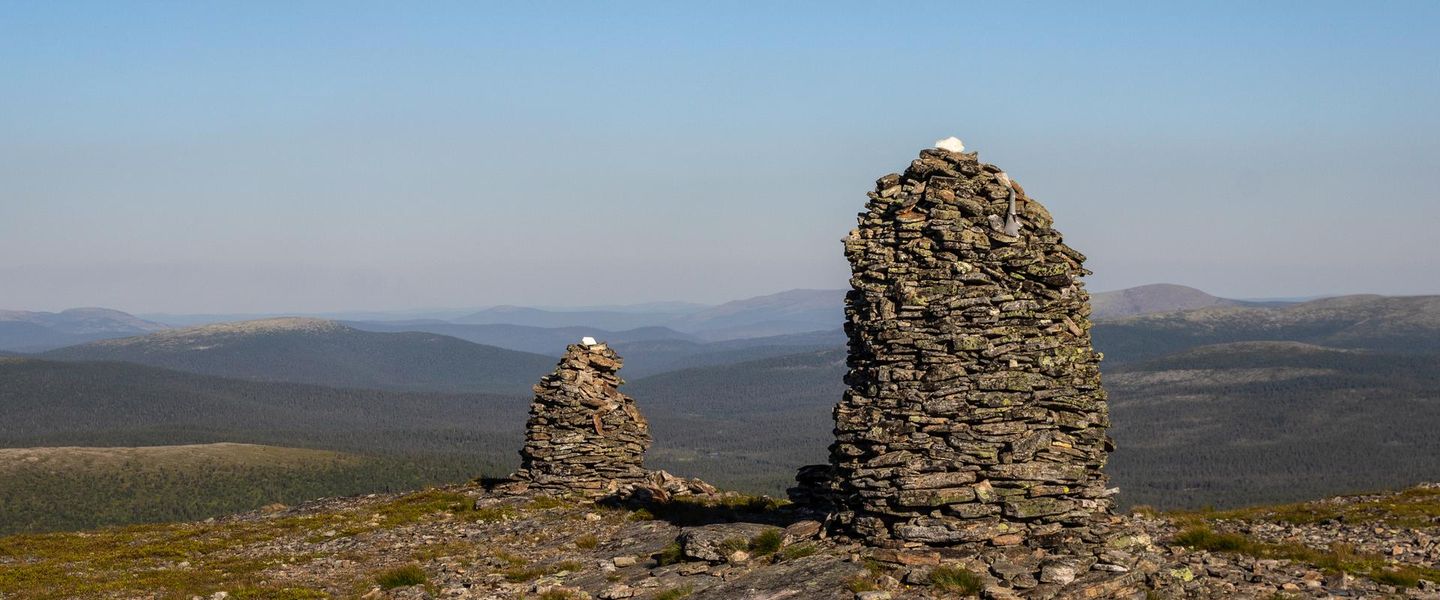


Urho Kekkonen National Park in Finland offers Lapland wilderness, fell hiking, Sámi heritage, reindeer landscapes and northern lights near Saariselkä.
Fells, Forests and Open Tundra
Urho Kekkonen National Park extends across more than 2,500 square kilometres of eastern Finnish Lapland, from the visitor areas around Saariselkä and Kiilopää towards the Russian border. It is a broad wilderness of spruce and pine forest, mires, river valleys and treeless fells, with Sokosti rising to 718 metres as the park’s highest point. The landscape changes markedly with elevation and season: sheltered forests and waterways give way to exposed fell plateaux, while autumn brings intense colour to the dwarf birch and bilberry vegetation.Read more about Urho Kekkonen National Park
Wilderness and Sámi Landscapes
Gateways and Ways to Explore
When is the best time to visit Urho Kekkonen National Park?
Best: June–August · 15–19°C| Month | High (°C) | Rainfall (mm) |
|---|---|---|
| January | -12 | 23 |
| February | -11 | 19 |
| March | -6 | 19 |
| April | 1 | 17 |
| May | 9 | 27 |
| June (best) | 15 | 36 |
| July (best) | 19 | 43 |
| August (best) | 17 | 39 |
| September | 10 | 33 |
| October | 2 | 31 |
| November | -3 | 29 |
| December | -8 | 26 |
Getting to and around Urho Kekkonen National Park
How to get there
Transportation
Best attractions in Urho Kekkonen National Park
-
Tourist attraction
Seurasaari Open-Air Museum
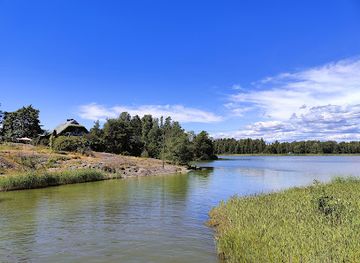
Explore the cultural richness of Finland at Seurasaari Open-Air Museum, showcasing traditional architecture and breathtaking nature in Helsinki.
Explore Urho Kekkonen National Park on the map
Plan your trip on one map. See where the top attractions, landmarks, restaurants and hotels are, and book hotels and experiences in a few clicks.
Best hotels in Urho Kekkonen National Park
Get your free copy of our complete guide to Urho Kekkonen National Park, delivered straight to you.
Everything on this page, from attractions and restaurants to essentials and local phrases, in one PDF you can read offline, print or share.
Already have an account? Sign in
Your Urho Kekkonen National Park guide is ready.
We'll send it to · Not you? Sign out

Getting your guide ready…
We are putting together a fresh copy of the Urho Kekkonen National Park guide. This can take up to a minute.
This can take a few moments. If your browser asks, choose Allow so the download can start. You'll find the guide in your Downloads folder.
Nothing happened? Download it again
Sorry, the guide is taking longer than usual. Please try again in a minute, or get it by email instead.
Urho Kekkonen National Park essentials
Currency and Payment
Safety
Emergency Situations
Do's and Don'ts
Local Tips
From Eve
Local phrases worth knowing
You don't need to get them perfect. A few words go a long way, and locals appreciate the effort.
Basics
| English | Local | Say it |
|---|---|---|
| Hello | Hei | [hay] |
| Goodbye | Näkemiin | [nah-keh-meen] |
| Yes | Kyllä | [kuh-lah] |
| No | Ei | [ay] |
| Please/You're welcome | Ole hyvä | [oh-leh hew-vah] |
| Thank you | Kiitos | [kee-tohs] |
| Excuse me/Sorry | Anteeksi | [ahn-tehk-see] |
| How are you? | Miten voit? | [mee-ten voyt] |
| Fine. And you? | Hyvin. Entä sinä? | [hew-veen. en-tah see-nah] |
| Do you speak English? | Puhutko englantia? | [poo-hoot-koh eng-lahn-tee-ah] |
| I don't understand | En ymmärrä | [en um-mah-rah] |
Eating & Drinking
| English | Local | Say it |
|---|---|---|
| I'd like to see the menu, please | Haluan nähdä ruokalistan, kiitos | [hah-lu-ahn nah-dah roo-kah-lees-tahn, kee-tohs] |
| I don't eat meat | En syö lihaa | [en syoh lee-hah] |
| Cheers! | Kippis! | [keep-peess] |
| I would like to pay, please | Haluan maksaa, kiitos | [hah-lu-ahn mahk-sah, kee-tohs] |
Emergencies
| English | Local | Say it |
|---|---|---|
| Help! | Apua! | [ah-poo-ah] |
| Go away! | Mene pois! | [meh-neh poh-eess] |
| Call the Police! | Soita poliisille! | [soy-tah poh-lees-eel-leh] |
| Call a doctor! | Soita lääkärille! | [soy-tah lah-kah-ree-leh] |
| I'm lost | Olen eksynyt | [oh-lehn ek-suh-nuht] |
| I'm ill | Olen sairas | [oh-lehn sahy-rahs] |
Shopping
| English | Local | Say it |
|---|---|---|
| I'd like to buy... | Haluan ostaa... | [hah-lu-ahn oh-stah] |
| I'm just looking | Katson vain | [kaht-sohn vah-een] |
| How much is it? | Paljonko se maksaa? | [pahl-yohn-koh seh mahk-sah] |
| That's too expensive | Se on liian kallis | [seh ohn lee-ahn kahl-lees] |
| Can you lower the price? | Voitko laskea hintaa? | [voyt-koh lah-say-ka hin-tah] |
Time & Numbers
| English | Local | Say it |
|---|---|---|
| What time is it? | Paljonko kello on? | [pahl-yohn-koh kehl-lo ohn] |
| It's one o'clock | Kello on yksi | [kehl-lo ohn yhk-see] |
| Half past (10) | Puoli (10) | [pwoh-lee (10)] |
| Morning | Aamu | [ah-moo] |
| Afternoon | Iltapäivä | [eel-tah-pah-ee-vah] |
| Evening | Ilta | [eel-tah] |
| Yesterday | Eilen | [ay-len] |
| Today | Tänään | [tah-nahn] |
| Tomorrow | Huomenna | [hwoh-men-nah] |
| 1 | Yksi | [yhk-see] |
| 2 | Kaksi | [kahk-see] |
| 3 | Kolme | [kohl-meh] |
| 4 | Neljä | [nel-yah] |
| 5 | Viisi | [vee-see] |
| 6 | Kuusi | [koo-see] |
| 7 | Seitsemän | [sayt-seh-mahn] |
| 8 | Kahdeksan | [kah-dehk-sahn] |
| 9 | Yhdeksän | [yh-dehk-sahn] |
| 10 | Kymmenen | [kum-meh-nehn] |
Transport & Directions
| English | Local | Say it |
|---|---|---|
| Where's a/the...? | Missä on... | [mee-ssah ohn] |
| What's the address? | Mikä on osoite? | [mee-kah ohn oh-soy-teh] |
| Can you show me (on the map)? | Voitko näyttää minulle (kartalla)? | [voyt-koh nahy-tah min-ool-leh (kar-tahl-lah)] |
| When's the next (bus)? | Milloin on seuraava (bussi)? | [meel-loin ohn seh-oo-rah-vah (boos-see)] |
| A ticket (to ....) | Lippu (....) | [leep-poo] |
History of Urho Kekkonen National Park
A Northern Glacial Landscape
The terrain of Urho Kekkonen National Park was shaped by ancient geological processes and repeated Ice Age glaciation. Ice movements carved valleys, rounded fell summits and left extensive deposits across eastern Lapland, while rivers and seasonal meltwater continued to remodel the land. The resulting combination of forest, mire, fell and open river valley explains the park’s remarkable variety despite its predominantly low and gently rolling profile. Sokosti, at 718 metres, is the highest summit within the park and one of the defining points of the eastern fell country.
Sámi Use of the Land
Long before the national park was established, the region formed part of the wider cultural landscape of the Sámi people. Seasonal movement, hunting, fishing and reindeer herding connected river valleys, forests and fells, with routes determined by weather, food resources and the needs of animals. Place names preserve elements of this northern heritage, while reindeer husbandry remains an important living practice in the surrounding area. The park should therefore be understood not as an empty wilderness, but as a landscape with continuing cultural as well as ecological significance.
Wilderness Farms and Borderland Life
Small farms and temporary settlements developed in parts of eastern Lapland where people combined subsistence agriculture with fishing, hunting, forestry and reindeer husbandry. Raja-Jooseppi, now preserved within the national park, is an important reminder of this demanding way of life in a remote borderland environment. Such homesteads depended closely on rivers, forest resources and seasonal work, and their surviving buildings and settings help explain how families adapted to short growing seasons, long winters and considerable distances from established towns.
National Park Protection
Urho Kekkonen National Park was established in 1983 and named after Urho Kekkonen, Finland’s long-serving president and a prominent advocate of outdoor life and the northern regions. Its creation brought a large area of forests, mires, rivers and fells under coordinated protection while retaining the possibility of responsible recreation and established local livelihoods. The park forms part of Finland’s extensive network of protected landscapes, where trail management, hut maintenance, fire guidance and visitor information are used to balance access with the requirements of sensitive habitats.
Modern Wilderness Recreation
During the late twentieth and early twenty-first centuries, Saariselkä and Kiilopää developed as important bases for experiencing the park, particularly through hiking, cross-country skiing and nature-based tourism. Marked routes and wilderness huts have made selected parts of the area more accessible, but the park’s scale still requires visitors to plan for remote conditions. Tourism now shares the landscape with conservation, Sámi cultural continuity and reindeer husbandry, making responsible access and respect for seasonal land use essential parts of its modern identity.
Urho Kekkonen National Park in Photos
Browse through our photo collection highlighting the charm and character of the destination.
Neighbouring destination travel guides
The closest destinations to Urho Kekkonen National Park, if you have time for more than one.
-

-

-

-

-


Swipe for more destinations
Explore more
Explore more of Lapland
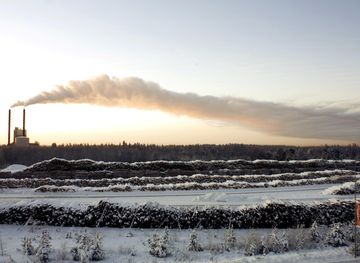
Discover the magic of Lapland, Finland - a land of endless winter adventures, mesmerizing Northern Lights, and rich Sámi culture, perfect for family fun and serene escapes.
Explore Lapland
Explore more of Finland
Explore Finland, where the Midnight Sun meets the Northern Lights, offering a unique blend of natural beauty, rich culture, and unforgettable experiences.
Explore Finland