

Santa Fe River Travel Guide - Free Web & App
Your ultimate guide to Santa Fe River. Discover top landmarks, proposed trips, and local tips. Free on the web or via the Evendo companion app.


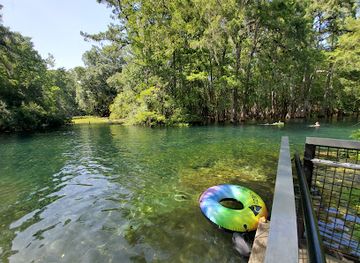
Santa Fe River, Florida, offers clear springs, limestone caves, forested paddling routes, state parks and wildlife-rich landscapes near High Springs.
A River Shaped by Water and Limestone
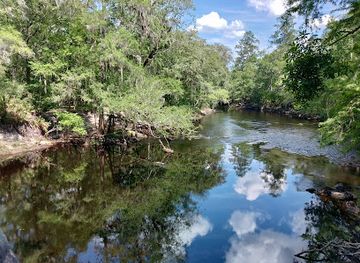
The Santa Fe River flows across north-central Florida from Lake Santa Fe near Keystone Heights to the Suwannee River near Branford. Its character changes repeatedly along the journey: quiet blackwater reaches pass through pine flatwoods and hardwood forest, while clear spring runs bring vividly blue water into the river system. The most remarkable geological event occurs at O'Leno State Park, where the river disappears underground through a natural limestone passage before re-emerging at River Rise Preserve State Park several miles away. This sinking and rising sequence reflects the karst geology of north Florida, where rainwater dissolves the limestone beneath the surface and creates springs, caves and underground channels.Read more about Santa Fe River
Springs, Forests and River Towns
Outdoor Recreation and Local Character
When is the best time to visit Santa Fe River?
Best: March–April, November · 22–28°C| Month | High (°C) | Rainfall (mm) |
|---|---|---|
| January | 18 | 70 |
| February | 20 | 75 |
| March (best) | 24 | 85 |
| April (best) | 28 | 95 |
| May | 31 | 100 |
| June | 34 | 180 |
| July | 35 | 200 |
| August | 35 | 210 |
| September | 33 | 180 |
| October | 28 | 110 |
| November (best) | 22 | 80 |
| December | 18 | 75 |
Getting to and around Santa Fe River
How to get there
Transportation
Best attractions in Santa Fe River
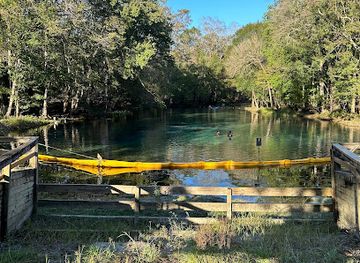
The Santa Fe River’s attractions are spread through a corridor of springs, forests, parks and small communities. O’Leno State Park is the best-known place to see the river disappear into the limestone underground, while nearby River Rise Preserve State Park protects the point where it returns to the surface. Spring destinations associated with the river include Ginnie Springs, Poe Springs, Gilchrist Blue Springs and Rum Island, each offering a different combination of clear water, river access and visitor infrastructure. The Ichetucknee River joins the Santa Fe near Fort White and broadens the area’s appeal for paddlers and swimming enthusiasts where activities are permitted. High Springs provides a useful gateway for exploring the upper river and surrounding conservation lands, while the quieter lower reaches lead towards Branford and the Suwannee River. Park trails, shaded banks and open water create opportunities for hiking, canoeing, kayaking and wildlife observation rather than conventional sightseeing.
-
Campground
Ginnie Springs Outdoors, LLC
Discover Ginnie Springs Outdoors, a stunning natural campground in Florida, perfect for swimming, snorkeling, and camping amidst breathtaking scenery.
-
Park
Manatee Springs State Park
Explore Manatee Springs State Park's stunning springs, diverse wildlife, and scenic trails in the heart of Florida's natural beauty.
-
State park
Ruth B. Kirby Gilchrist Blue Springs State Park
Experience the natural beauty and adventure at Ruth B. Kirby Gilchrist Blue Springs State Park, a serene escape in Florida with crystal-clear springs and diverse wildlife.
-
State park
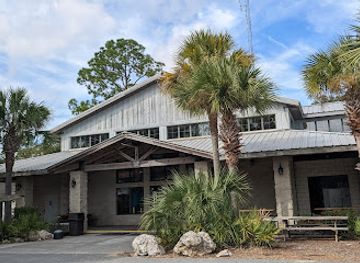
O'Leno State Park
Experience the stunning landscapes and diverse wildlife of O'Leno State Park in High Springs, Florida - a true outdoor paradise.
Explore Santa Fe River on the map
Plan your trip on one map. See where the top attractions, landmarks, restaurants and hotels are, and book hotels and experiences in a few clicks.
Best hotels in Santa Fe River
Best restaurants in Santa Fe River
Dining around the Santa Fe River is concentrated in High Springs, Fort White, Branford and other nearby communities rather than beside remote stretches of water. Visitors will find the informal character typical of north-central Florida, including cafés, delis, family-run restaurants and traditional American fare suited to an active day outdoors. High Springs has the broadest concentration of places to eat for visitors exploring the upper river, while Fort White is convenient for the Ichetucknee and central Santa Fe corridor. Small-town shops and food businesses may also provide provisions for picnics and paddling trips, although options become sparse away from settled areas. Regional eating is shaped by Florida’s agricultural hinterland, with seafood, citrus, seasonal produce and Southern-influenced cooking appearing more often than a narrowly defined Santa Fe River cuisine. Advance planning is sensible when visiting parks or springs with limited nearby services.
-
American
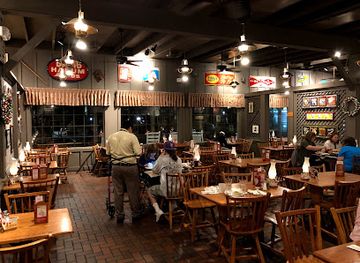
Cracker Barrel Old Country Store
Discover the heartwarming flavors of Southern cuisine at Cracker Barrel Old Country Store in Gainesville - where comfort food meets family fun!
-
American
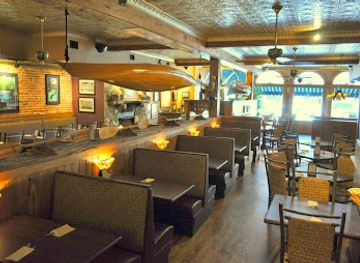
Great Outdoors Restaurant
Experience delicious American cuisine and lively entertainment at Great Outdoors Restaurant in High Springs - where every meal is a celebration.
-
Barbecue
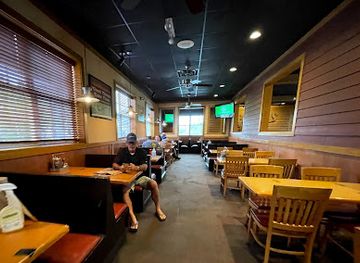
Sonny's BBQ
Experience mouthwatering barbecue at Sonny's BBQ in Palatka – where Southern flavors meet family-friendly dining!
-
Fast Food
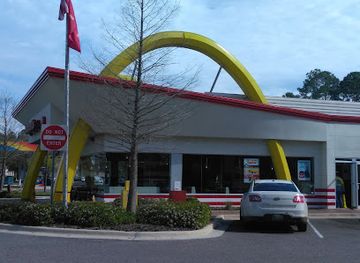
McDonald's
Experience the convenience of McDonald's in Starke – where fast food meets familiar flavors and affordable prices.
Best bars in Santa Fe River
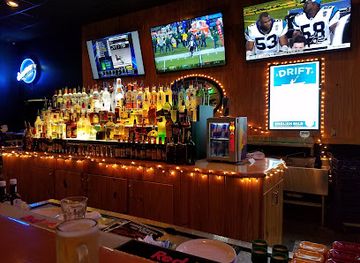
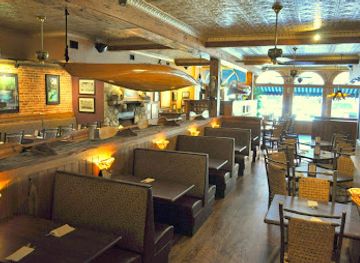
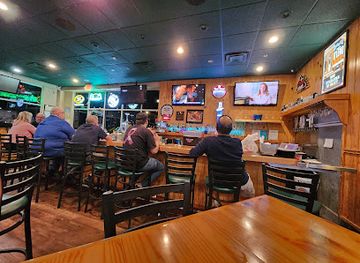
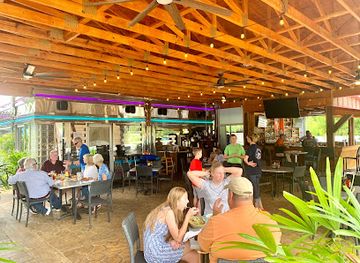
The Santa Fe River is a quiet rural destination with little purpose-built nightlife. Evening options are mainly found in the gateway communities, particularly High Springs, Fort White and Branford, where established pubs, casual restaurants and local gathering places provide a low-key end to the day rather than a late-night club scene. Some evenings may include community entertainment or live music, but schedules vary and should be checked locally. Around the river itself, darkness, wooded access roads and limited facilities make the natural environment more prominent than organised entertainment. Visitors staying in cabins, guesthouses or rural accommodation often spend the evening outdoors or preparing for an early start on the water. Nearby Gainesville offers a broader cultural and nightlife programme, but it lies outside the immediate Santa Fe River setting.
-
American
Gator's Dockside Ocala
Experience the best of American comfort food at Gator's Dockside in Ocala, where family-friendly dining meets a lively sports bar atmosphere.
-
American
Great Outdoors Restaurant
Experience the vibrant flavors of American cuisine at Great Outdoors Restaurant, where culinary delight meets lively entertainment in High Springs, Florida.
-
Chicken Wings
Gator's Dockside Lake City
Experience the best of American dining at Gator's Dockside Lake City, famous for its chicken wings and vibrant atmosphere, perfect for families and sports fans.
-
Diner
Pink Flamingo Diner
Experience classic American dining at the Pink Flamingo Diner in High Springs, Florida, where nostalgia meets delicious comfort food.
Best nightclubs in Santa Fe River
The Santa Fe River is a quiet rural destination with little purpose-built nightlife. Evening options are mainly found in the gateway communities, particularly High Springs, Fort White and Branford, where established pubs, casual restaurants and local gathering places provide a low-key end to the day rather than a late-night club scene. Some evenings may include community entertainment or live music, but schedules vary and should be checked locally. Around the river itself, darkness, wooded access roads and limited facilities make the natural environment more prominent than organised entertainment. Visitors staying in cabins, guesthouses or rural accommodation often spend the evening outdoors or preparing for an early start on the water. Nearby Gainesville offers a broader cultural and nightlife programme, but it lies outside the immediate Santa Fe River setting.
-
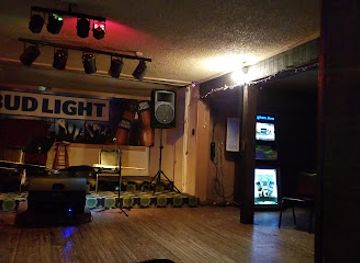
Bar
Hangar 7
Discover the ultimate nightlife experience at Hangar 7 in Lake City, Florida - a lively bar with karaoke, live music, and an unbeatable atmosphere.
-
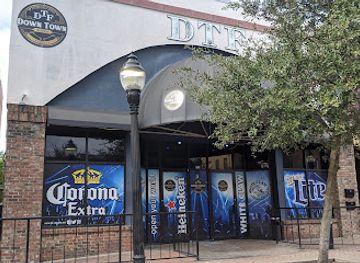
Night club
Downtown Fats
Discover the vibrant nightlife at Downtown Fats, Gainesville's top night club with great music, lively atmosphere, and unforgettable party experiences.
Best shops in Santa Fe River
Shopping opportunities are modest and practical, with the strongest selection in High Springs and smaller provisions available in Fort White and Branford. Independent shops, galleries, antiques businesses and local food outlets in High Springs reflect the town’s role as a gateway to the springs and its established small-town identity. Visitors may also find regional produce, baked goods, preserves and other provisions useful for picnics or self-catering, while outdoor retailers and outfitters serve the area’s paddling and camping market. Around privately operated springs and parks, retail is generally limited to site-related supplies rather than a broad commercial district. The wider region is known for rural crafts, artwork and agricultural products, but availability varies between businesses and seasons. Visitors should buy fuel, food and specialist outdoor equipment before heading to remote river sections.
-
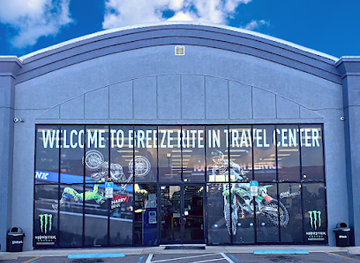
Truck stop
Breeze Rite In Travel Center - Pilot Dealer
Discover comfort and convenience at Breeze Rite In Travel Center, the ultimate pit stop for travelers along Florida's highways.
-
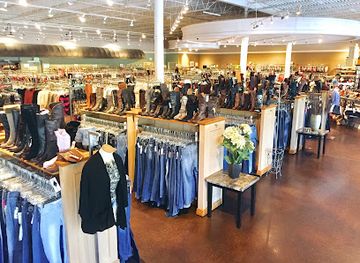
Consignment shop
Sandy's Savvy Chic Resale Boutique
Explore sustainability and style at Sandy's Savvy Chic Resale Boutique, your go-to consignment shop for unique fashion finds in Gainesville, Florida.
-
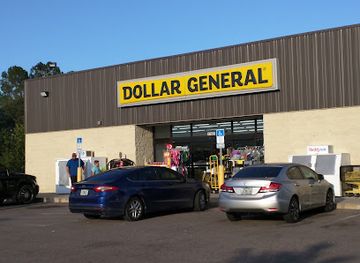
Dollar store
Dollar General
Explore Dollar General in Waldo, Florida, where affordability meets variety for all your travel essentials.
-
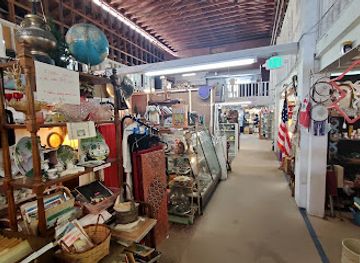
Antique store
Waldo's Antique Village
Explore Waldo's Antique Village, where vintage treasures and unique collectibles await in a charming market atmosphere.
Get your free copy of our complete guide to Santa Fe River, delivered straight to you.
Everything on this page, from attractions and restaurants to essentials and local phrases, in one PDF you can read offline, print or share.
Already have an account? Sign in
Your Santa Fe River guide is ready.
We'll send it to · Not you? Sign out

Getting your guide ready…
We are putting together a fresh copy of the Santa Fe River guide. This can take up to a minute.
This can take a few moments. If your browser asks, choose Allow so the download can start. You'll find the guide in your Downloads folder.
Nothing happened? Download it again
Sorry, the guide is taking longer than usual. Please try again in a minute, or get it by email instead.
Santa Fe River essentials
Currency and Payment
Safety
Emergency Situations
Do's and Don'ts
Local Tips
From Eve
Local phrases worth knowing
You don't need to get them perfect. A few words go a long way, and locals appreciate the effort.
Basics
| English | Local | Say it |
|---|---|---|
| Hello | Howdy | [hau-dee] |
| Goodbye | Adios | [ah-dee-ohs] |
| Yes | Yup | [yuhp] |
| No | Nah | [nah] |
| Please/You're welcome | Por favor | [por fah-vor] |
| Thank you | Gracias | [grah-see-ahs] |
| Excuse me/Sorry | Perdón | [pair-dohn] |
| How are you? | Cómo estás? | [coh-moh es-tahs] |
| Fine. And you? | Bien. Y tú? | [bee-en. ee too] |
| Do you speak English? | Hablas inglés? | [ah-blahs een-glays] |
| I don't understand | No entiendo | [no en-tee-ayn-doh] |
Eating & Drinking
| English | Local | Say it |
|---|---|---|
| I'd like to see the menu, please | Quisiera ver el menú, por favor | [kee-see-ay-rah vehr ehl meh-noo, por fah-vor] |
| I don't eat meat | No como carne | [no koh-moh kahr-ney] |
| Cheers! | Salud! | [sah-lood] |
| I would like to pay, please | Me gustaría pagar, por favor | [meh goo-stah-ree-ah pah-gar, por fah-vor] |
Emergencies
| English | Local | Say it |
|---|---|---|
| Help! | Ayuda! | [ah-yoo-dah] |
| Go away! | Vete! | [veh-teh] |
| Call the Police! | Llama a la policía! | [yah-mah ah lah poh-lee-see-ah] |
| Call a doctor! | Llama a un doctor! | [yah-mah ah oon dohk-tohr] |
| I'm lost | Estoy perdido | [ehs-toy pair-dee-doh] |
| I'm ill | Estoy enfermo | [ehs-toy ehn-fehr-moh] |
Shopping
| English | Local | Say it |
|---|---|---|
| I'd like to buy... | Quiero comprar... | [kee-air-oh kohm-prar] |
| I'm just looking | Solo estoy mirando | [soh-loh ehs-toy meer-ahn-doh] |
| How much is it? | Cuánto cuesta? | [kwan-to kwehs-tah] |
| That's too expensive | Eso es demasiado caro | [eh-soh ehs deh-mah-syah-doh kah-roh] |
| Can you lower the price? | Puedes bajar el precio? | [pweh-des bah-har ehl pree-syoh] |
Time & Numbers
| English | Local | Say it |
|---|---|---|
| What time is it? | Qué hora es? | [keh oh-rah ehs] |
| It's one o'clock | Es la una | [ehs lah oo-nah] |
| Half past (10) | Las diez y media | [lahs dyes eez meh-dee-ah] |
| Morning | Mañana | [mah-nyah-nah] |
| Afternoon | Tarde | [tahr-deh] |
| Evening | Noche | [noh-cheh] |
| Yesterday | Ayer | [ah-yehr] |
| Today | Hoy | [hoy] |
| Tomorrow | Mañana | [mah-nyah-nah] |
| 1 | Uno | [oo-noh] |
| 2 | Dos | [dohs] |
| 3 | Tres | [trehs] |
| 4 | Cuatro | [kwah-troh] |
| 5 | Cinco | [seen-koh] |
| 6 | Seis | [say-ees] |
| 7 | Siete | [see-eh-teh] |
| 8 | Ocho | [oh-choh] |
| 9 | Nueve | [nweh-veh] |
| 10 | Diez | [dyez] |
Transport & Directions
| English | Local | Say it |
|---|---|---|
| Where's a/the...? | Dónde está...? | [dohn-deh ehs-tah] |
| What's the address? | Cuál es la dirección? | [kwal ehs lah dee-rehk-syohn] |
| Can you show me (on the map)? | Puedes mostrarme (en el mapa)? | [pweh-des mohs-trar-meh (ehn ehl mah-pah)] |
| When's the next (bus)? | Cuándo es el próximo (autobús)? | [kwan-doh ehs ehl proh-ksee-moh (ow-toh-boos)] |
| A ticket (to ....) | Un boleto (a ...) | [oon boh-leh-toh (ah)] |
History of Santa Fe River
Limestone Foundations and Underground Flow
The Santa Fe River occupies a landscape formed by Florida’s porous limestone geology rather than by a conventional surface drainage system alone. Rainwater filters through the ground, dissolving limestone and creating the springs, sinkholes and underground passages characteristic of the region. At O’Leno State Park the river vanishes into a natural underground channel, then returns to the surface at River Rise Preserve State Park. This unusual course is one of the defining physical features of the river and helps explain why its flow and clarity vary between blackwater reaches, spring runs and subterranean sections.
Indigenous Landscapes and Early Travel
The Santa Fe corridor was used by Indigenous peoples long before European settlement, with the river, springs and surrounding uplands providing water, food resources and routes through north-central Florida. The area later became connected to Spanish colonial exploration and the wider network of settlements established in Florida during the sixteenth century. The name Santa Fe reflects the region’s Spanish colonial legacy, although the river’s modern identity is also rooted in long-standing Indigenous relationships with its waterways and forests. Archaeological evidence across north Florida demonstrates the depth of human occupation around springs and rivers, even where visible historic structures have not survived.
Agriculture, Settlements and Regional Commerce
During the nineteenth and early twentieth centuries, communities such as High Springs, Fort White and Branford developed within a wider agricultural and transport landscape. Farming, timber and local commerce shaped the surrounding countryside, while rivers and later railways helped connect inland settlements with larger markets. The Santa Fe itself was not transformed into a major commercial waterway, but its springs and dependable freshwater reaches remained important local resources. Towns near the river retain the scale and built character of rural north Florida, with the landscape still showing the overlap between working countryside, forest and protected natural areas.
Parks, Springs and Conservation
Public interest in the Santa Fe increasingly turned towards recreation and the protection of its springs, forests and unusual underground river course. O’Leno State Park preserves a substantial section of the river and the setting around its disappearance, while River Rise Preserve State Park protects the area where the river resurfaces. Other conservation lands and independently managed spring destinations contribute to the broader protected corridor. Modern conservation concerns include groundwater quality, spring flow, erosion, habitat protection and the effects of intensive recreation. The river’s history is therefore closely linked to the continuing effort to balance public access with the vulnerability of Florida’s karst waterways.
Santa Fe River in Photos
Browse through our photo collection highlighting the charm and character of the destination.
Cities in Santa Fe River
The towns and cities of Santa Fe River, and the easiest places to base yourself.
-

-


Swipe for more cities
Neighbouring destination travel guides
The closest destinations to Santa Fe River, if you have time for more than one.
-

-

-
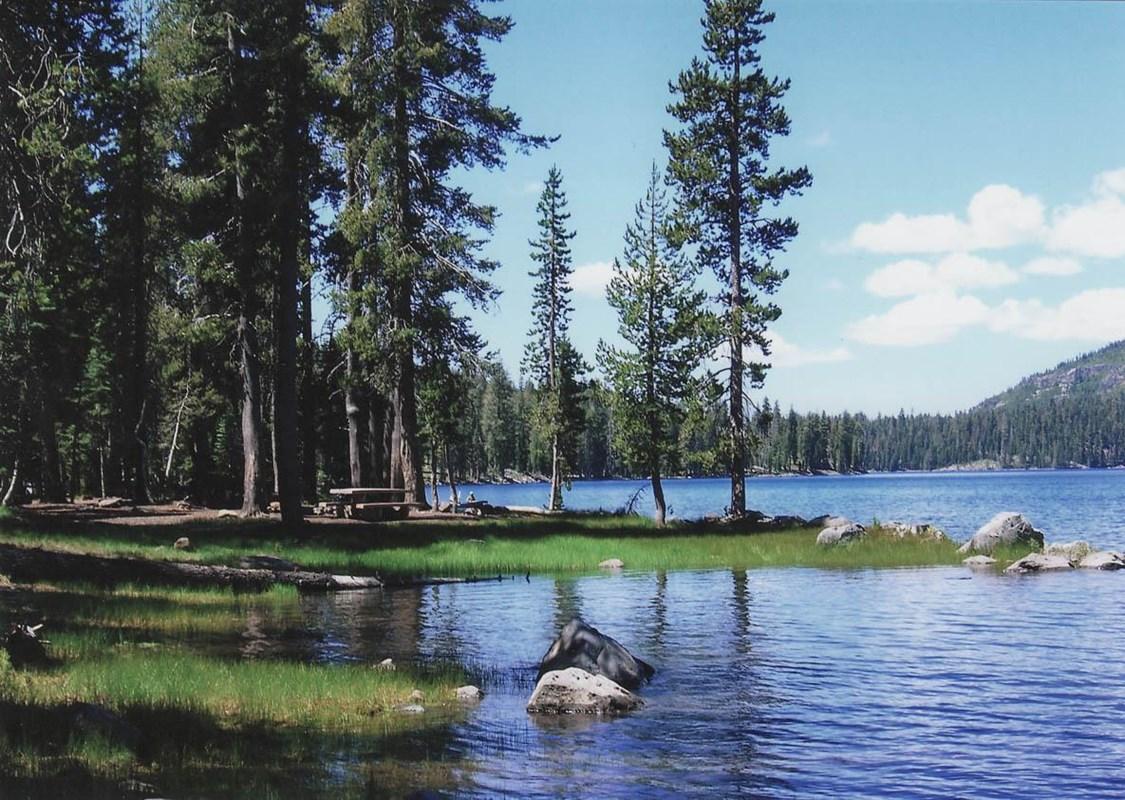 Juniper Springs Recreation Area
 in Florida offers crystal-clear springs, forest trails, canoeing on Juniper Run and historic Ocala National Forest scenery.
Juniper Springs Recreation Area
Juniper Springs Recreation Area in Florida offers crystal-clear springs, forest trails, canoeing on Juniper Run and historic Ocala National Forest scenery.
-

-


Swipe for more destinations
Explore more

Explore more of First Coast
Explore Florida’s First Coast for Jacksonville culture, St Augustine history, Atlantic beaches, river landscapes and Amelia Island heritage.
Explore First Coast
Explore more of Florida
Discover Florida: A Sunshine State full of dazzling beaches, iconic theme parks, rich history, and stunning natural parks, offering endless adventures for every traveler.
Explore Florida