
Amelia Island, Florida Travel Guide
Discover Amelia Island: 13 miles of pristine beaches, rich history, and natural beauty in Florida's northeastern coast. Perfect for nature lovers, history buffs, and beachgoers.
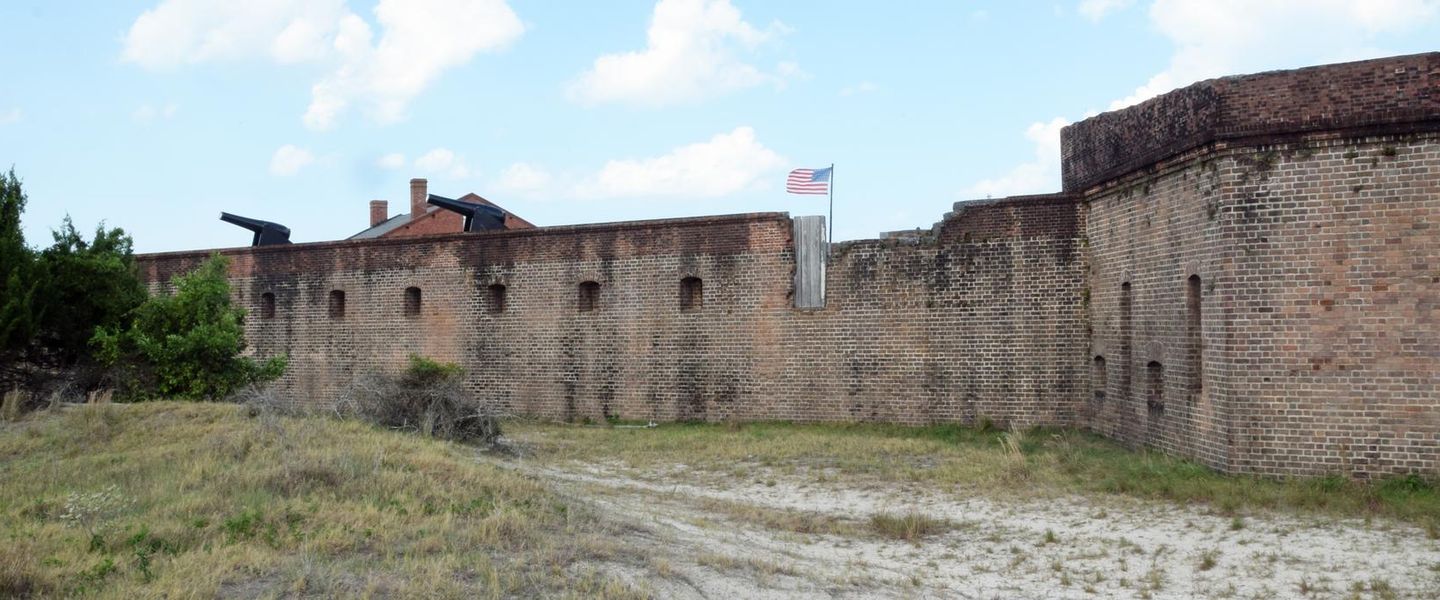
Nestled along Florida's northeastern coast, Amelia Island offers a unique blend of natural beauty, rich history, and laid-back charm. This barrier island boasts 13 miles of pristine beaches, making it a perfect spot for sunbathing, swimming, and beachcombing. The island's warm, inviting waters are ideal for a variety of water sports, including kayaking, paddleboarding, and fishing. Amelia Island is also steeped in history. The charming downtown of Fernandina Beach, the island's main town, features well-preserved Victorian architecture and a lively arts scene. Stroll through its quaint streets to discover local boutiques, art galleries, and a variety of dining options that showcase fresh, local seafood. For nature lovers, Amelia Island is a treasure trove. The island is home to several state parks and nature preserves, such as Fort Clinch State Park and Egan's Creek Greenway, where you can explore diverse ecosystems, hike scenic trails, and spot wildlife like dolphins, manatees, and a variety of bird species. Golf enthusiasts will also find several top-notch courses with stunning views. Come and experience the unspoiled beauty and welcoming atmosphere of Amelia Island, where every visitor leaves with unforgettable memories.

Know before you go
Hi, I'm Eve. Here are a few practical things to know before exploring Amelia Island.
- Visit during the shoulder seasons (spring and fall) for pleasant weather and fewer crowds.
- Don't miss the Saturday Farmers Market in Fernandina Beach for local produce and crafts.
- Take a guided tour of Fort Clinch for a fascinating glimpse into Civil War history.
- Rent a bike to explore the island's scenic trails and charming neighborhoods.
- Book a sunset cruise for stunning views and a chance to see dolphins.
Explore Amelia Island: Things to Do, Places to Eat, Hotels & More
Handpicked recommendations for top attractions, local dining, accommodations, and more

Best attractions in Amelia Island
Top-rated picks
Best Attractions

Fort Clinch State Park
Explore the natural wonders and historical treasures of Fort Clinch State Park, a must-visit destination on Amelia Island, Florida.

Riverside Arts Market
Discover local art, fresh produce, and vibrant culture at Riverside Arts Market in Jacksonville, Florida - a unique experience by the river.

Cummer Museum of Art & Gardens
Experience the Cummer Museum of Art & Gardens, a cultural treasure in Jacksonville, FL, featuring exquisite art collections and stunning riverfront gardens.
Main Beach Park
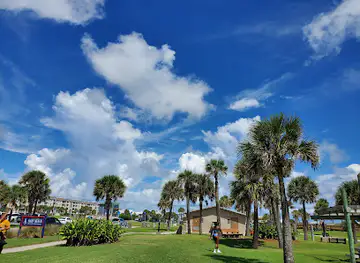
Explore the natural beauty of Main Beach Park in Fernandina Beach, where sun, sand, and serenity await you along the stunning Florida coast.

Best landmarks in Amelia Island
Top-rated picks
Best Landmarks

Amelia Island Museum of History
Explore the captivating history of Amelia Island at the Amelia Island Museum of History, where stories and heritage come alive.

Fernandina Plaza Historic State Park
Explore the serene Fernandina Plaza Historic State Park, where nature meets history amidst the stunning landscapes of Fernandina Beach, Florida.

Fernandina Beach Historic District
Explore the rich history and charming architecture of Fernandina Beach Historic District, a perfect blend of culture and coastal beauty.

The Lesesne House
Discover the charm of The Lesesne House, a historical landmark in Fernandina Beach that offers a glimpse into Florida's rich past and architectural beauty.

Best restaurants in Amelia Island
Top-rated picks
Best Restaurants

Sliders Seaside Grill
Experience fresh seafood and stunning ocean views at Sliders Seaside Grill in Fernandina Beach - where every meal feels like a beach vacation.
Salty Pelican Bar & Grill
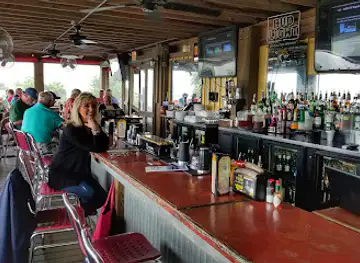
Experience coastal cuisine at its finest at The Salty Pelican Bar & Grill in Fernandina Beach - where flavor meets ocean views.

Down Under Restaurant
Discover the flavors of Fernandina Beach at Down Under Restaurant – where fresh ingredients meet delightful dining experiences.

Salt Life Food Shack
Experience fresh seafood and a laid-back atmosphere at Salt Life Food Shack in Fernandina Beach—where every meal celebrates coastal living.

Best bars in Amelia Island
Top-rated picks
Best Bars

Sliders Seaside Grill
Experience the best of coastal dining at Sliders Seaside Grill, where fresh seafood meets breathtaking ocean views in beautiful Fernandina Beach.

Salty Pelican Bar & Grill
Experience the best of coastal dining at The Salty Pelican Bar & Grill, where fresh seafood meets a vibrant atmosphere in Fernandina Beach.

Shucker's Oyster Bar & Grill
Experience the finest seafood and American cuisine at Shucker's Oyster Bar & Grill in the heart of Fernandina Beach, Florida.

Pepper's Cocina Mexicana & Tequila Bar
Experience the vibrant flavors of Mexico at Pepper's Cocina Mexicana & Tequila Bar, where authentic cuisine meets an extensive tequila selection in Fernandina Beach.

Best nightclubs in Amelia Island
Top-rated picks
Best Nightclubs

Palace Saloon
Discover the historic Palace Saloon in Fernandina Beach, a charming bar offering a unique blend of history, ambiance, and delightful drinks.

Hammerhead Beach Bar
Experience the vibrant atmosphere and coastal flavors at Hammerhead Beach Bar, where beach vibes meet delicious food and drinks.

Locals Cocktail Lounge
Experience the lively atmosphere and expertly crafted cocktails at Locals Cocktail Lounge, the heart of nightlife in Fernandina Beach, Florida.

Sadler Ranch
Experience the vibrant nightlife at Sadler Ranch, Fernandina Beach's beloved bar offering live music and a welcoming atmosphere.

Best shops in Amelia Island
Top-rated picks
Best Shops

Amelia Plaza Shopping Center
Explore Amelia Plaza Shopping Center in Fernandina Beach, where shopping meets Southern hospitality in a vibrant atmosphere filled with diverse stores and dining.

Island Treasures
Discover unique gifts, vintage books, and charming garden items at Island Treasures in Fernandina Beach, the ultimate shopping destination for tourists.

Alvin's Island - Fernandina Beach #757
Discover a treasure trove of souvenirs, beach gear, and unique gifts at Alvin's Island in Fernandina Beach, Florida.

Shops At Omni Amelia Island
Explore an enchanting shopping experience at The Shops At Omni Amelia Island, where boutique retail meets spa luxury and gourmet dining.

Explore Amelia Island on the Map
A handpicked selection of must-see spots in Amelia Island, mapped for you.
Amelia Island Essentials
-
Amelia Island is located in the northeastern part of Florida. The closest major airport is Jacksonville International Airport (JAX), approximately 30 miles away. From Jacksonville, you can rent a car, take a shuttle service, or use ride-sharing apps like Uber or Lyft to get to the island. If you're driving, you can access Amelia Island via Interstate 95 and State Road A1A.
-
Once on Amelia Island, you can get around by renting a car, bicycle, or golf cart. Taxis and ride-sharing services are also available. The island is relatively small, making cycling a popular and convenient option. There are also local trolley services that operate during peak tourist seasons, offering an easy way to explore the island's main attractions.
-
The official currency is the United States Dollar (USD). Credit and debit cards are widely accepted across the island in most hotels, restaurants, and shops. ATMs are available at various locations, but it's a good idea to carry some cash for smaller establishments or when visiting more remote areas. Contactless payments and mobile payment options like Apple Pay and Google Wallet are becoming increasingly popular.
-
Amelia Island is generally a safe destination for tourists. However, as with any tourist location, it's important to take standard precautions. Avoid isolated areas at night and be mindful of your belongings in crowded places. Areas with higher crime rates targeting tourists are rare, but it's always wise to stay vigilant and aware of your surroundings.
-
In case of an emergency, dial 911 for immediate assistance. The island has a well-equipped police department and medical facilities. For minor health issues, there are several pharmacies available. It's advisable to have travel insurance that covers medical emergencies. Familiarize yourself with the location of the nearest hospital or urgent care center just in case.
-
Fashion: Do dress casually and comfortably, but avoid overly revealing clothing when visiting historical sites or upscale restaurants. Religion: Do respect local customs and traditions. Public Transport: Do be courteous to drivers and other passengers. Greetings: Do greet people with a friendly smile and handshake. Eating & Drinking: Do try local seafood delicacies. Don't litter; always dispose of your trash properly.
-
To experience Amelia Island like a local, visit the Fernandina Beach Historic District with its charming shops, cafes, and historic sites. Attend the annual Isle of Eight Flags Shrimp Festival if you're visiting in May. Rent a kayak or paddleboard to explore the island's waterways. Don't miss a visit to Fort Clinch State Park for a mix of history and outdoor activities. Engage with locals, who are generally friendly and happy to share tips about the best spots on the island.
When is the best time to visit Amelia Island?
Useful Local Phrases for Amelia Island
You don't need to speak the language perfectly. Even learning a few simple words can make conversations warmer—and locals usually appreciate the effort.
— Eve

Here are the phrases I use most often in Amelia Island. Try a few—you'll be surprised how far they go! 😊
❤️
-
- HelloHowdy
[haw-dee] - GoodbyeSee ya
[see yah] - YesYep
[yep] - NoNah
[nah] - Please/You're welcomePlease/No problem
[pleez / no prob-lem] - Thank youThanks
[thanks] - Excuse me/SorryPardon me/My bad
[par-dun me / my bad] - How are you?How y'all doin'?
[how y'all doin'] - Fine. And you?Good. And y'all?
[good. and y'all?] - Do you speak English?Y'all speak English?
[y'all speak ing-glish?] - I don't understandI ain't gettin' it
[I ain't get-tin' it]
- HelloHowdy
-
- I'd like to see the menu, pleaseCan I check out the menu, please
[can I check out the menu, please] - I don't eat meatI don't do meat
[I don't do meat] - Cheers!Cheers!
[cheers!] - I would like to pay, pleaseI'm ready to settle up, please
[I'm ready to settle up, please]
- I'd like to see the menu, pleaseCan I check out the menu, please
-
- Help!Help!
[help!] - Go away!Git!
[git!] - Call the Police!Ring up the law!
[ring up the law!] - Call a doctor!Get a doc!
[get a doc!] - I'm lostI'm turned around
[I'm turned around] - I'm illI'm feelin' poorly
[I'm feelin' poorly]
- Help!Help!
-
- I'd like to buy...I'm lookin' to purchase...
[I'm lookin' to purchase...] - I'm just lookingI'm just browsin'
[I'm just browsin'] - How much is it?How much does it run?
[how much does it run?] - That's too expensiveThat's a bit steep
[that's a bit steep] - Can you lower the price?Can ya cut me a deal?
[can ya cut me a deal?]
- I'd like to buy...I'm lookin' to purchase...
-
- What time is it?What's the time?
[what's the time?] - It's one o'clockIt's one
[it's one] - Half past (10)Ten-thirty
[ten-thur-tee] - MorningMornin'
[mornin'] - AfternoonAfternoon
[afternoon] - EveningEvenin'
[evenin'] - YesterdayYest'day
[yest'day] - TodayToday
[today] - TomorrowTomorrah
[tomorrah] - 1One
[wun] - 2Two
[too] - 3Three
[three] - 4Four
[for] - 5Five
[fahv] - 6Six
[siks] - 7Seven
[sev'n] - 8Eight
[ate] - 9Nine
[nine] - 10Ten
[ten]
- What time is it?What's the time?
-
- Where's a/the...?Where's the...?
[where's the...?] - What's the address?What's the addy?
[what's the addy?] - Can you show me (on the map)?Can ya point it out (on the map)?
[can ya point it out (on the map)?] - When's the next (bus)?When's the next (bus)?
[when's the next (bus)?] - A ticket (to ....)A pass (to ....)
[a pass (to ....)]
- Where's a/the...?Where's the...?
History of Amelia Island
-
Long before European explorers set foot on Amelia Island, it was inhabited by the Timucuan Indians. These indigenous people thrived in the region, living off the bountiful resources provided by the land and sea. They built complex communities and left behind numerous archaeological sites that offer a glimpse into their rich culture and way of life.
-
In 1562, French explorer Jean Ribault arrived on Amelia Island and claimed it for France, naming it 'Isle de Mai.' However, this claim was short-lived as Spanish forces, led by Pedro Menéndez de Avilés, expelled the French in 1565 and established the island as part of Spanish Florida. The Spanish built missions to convert the local Timucuan population to Christianity, leaving a significant cultural imprint that persists today.
-
During the late 18th century, Amelia Island fell under British control as part of the Treaty of Paris in 1763. The British cultivated the island's fertile lands, establishing plantations that grew crops such as indigo and cotton. This period saw the importation of enslaved Africans who played a crucial role in the island's agricultural economy. The island's British period ended in 1783 when Florida was returned to Spain.
-
In 1812, a group of American settlers, known as the 'Patriots,' attempted to seize control of Amelia Island from Spanish rule. Supported by the United States, they declared the island the 'Republic of Florida.' However, their occupation was short-lived, and the Spanish quickly regained control. This episode highlighted the strategic importance of Amelia Island in the region's geopolitics.
-
In 1817, the Venezuelan revolutionary Francisco de Miranda used Amelia Island as a base for his efforts to liberate Spanish colonies in the Americas. With the support of privateers and adventurers, he briefly established control over the island, declaring it part of the Republic of Mexico. However, Spanish forces soon ousted Miranda and his followers, restoring Spanish authority.
-
During the American Civil War, Amelia Island played a strategic role due to its location and deep-water port. In 1862, Union forces occupied the island and used it as a base for blockading Confederate shipping lanes. The island's Fort Clinch, which had been constructed in the 1840s, was seized by Union troops and remains a well-preserved historical site today.
-
In the late 19th and early 20th centuries, Amelia Island experienced a tourism boom as wealthy Americans discovered its pristine beaches and mild climate. The island became a popular destination for the elite, with grand hotels and resorts springing up to cater to their luxurious tastes. This era left a lasting legacy on the island's culture and architecture, attracting visitors who continue to enjoy its historic charm.
-
Today, Amelia Island is known for its commitment to preserving its rich history and natural beauty. The island hosts numerous festivals, historic tours, and cultural events that celebrate its diverse heritage. From the well-maintained Fort Clinch to the vibrant downtown Fernandina Beach, visitors can immerse themselves in the island's storied past while enjoying modern amenities.
Neighbouring destination travel guides
Browse our curated selection of top destinations, scenic points, and must-visit spots in the area.



Your all‑in‑one travel companion app
Explore expert travel guides, compare and book tours, experiences, hotels, and more—all from the palm of your hand. Download now for seamless trip planning wherever your wanderlust takes you.


Explore More of Northeast Florida
Looking beyond Amelia Island? Discover Northeast Florida for broader travel guides, local hot-spots, and regional highlights.
Explore Northeast FloridaExplore More of Florida

Looking beyond Amelia Island? Discover Florida for broader travel guides, local hot-spots, and regional highlights.
Explore FloridaAmelia Island in Photos
Browse through our photo collection highlighting the charm and character of the destination.


Amelia Island: Florida's Hidden Gem
Nestled along Florida's northeastern coast, Amelia Island offers a unique blend of natural beauty, rich history, and laid-back charm. This barrier island boasts 13 miles of pristine beaches, making it a perfect spot for sunbathing, swimming, and beachcombing. The island's warm, inviting waters are ideal for a variety of water sports, including kayaking, paddleboarding, and fishing. Amelia Island is also steeped in history. The charming downtown of Fernandina Beach, the island's main town, features well-preserved Victorian architecture and a lively arts scene. Stroll through its quaint streets to discover local boutiques, art galleries, and a variety of dining options that showcase fresh, local seafood. For nature lovers, Amelia Island is a treasure trove. The island is home to several state parks and nature preserves, such as Fort Clinch State Park and Egan's Creek Greenway, where you can explore diverse ecosystems, hike scenic trails, and spot wildlife like dolphins, manatees, and a variety of bird species. Golf enthusiasts will also find several top-notch courses with stunning views. Come and experience the unspoiled beauty and welcoming atmosphere of Amelia Island, where every visitor leaves with unforgettable memories.