

Panhandle, Florida Travel Guide
Discover Florida's Panhandle: Pristine beaches, lush parks, rich history, and delectable seafood await in this coastal gem of the Gulf of Mexico.
The Panhandle of Florida, often referred to as the Emerald Coast, boasts some of the most beautiful beaches in the United States. Stretching along the Gulf of Mexico, this region is known for its sugar-white sands and clear, turquoise waters. Destin, Pensacola, and Panama City Beach are some of the most popular destinations within the Panhandle, each offering a unique blend of natural beauty and vibrant local culture. Visitors can explore the many state parks and nature reserves that dot the Panhandle, such as Henderson Beach State Park and St. Andrews State Park. These parks are perfect for hiking, picnicking, and observing local wildlife. The area is also a haven for water sports enthusiasts, with ample opportunities for fishing, boating, and snorkeling. History buffs will appreciate the rich cultural heritage of the Panhandle. The region is home to several historic sites and museums, including the Pensacola Lighthouse and Museum, which offers stunning views of the coast. Additionally, the Panhandle's culinary scene is a delightful mix of fresh seafood and Southern flavors, making it a food lover's paradise. Whether you're seeking relaxation on the beach, adventure in nature, or a taste of local history, the Panhandle of Florida has something for everyone.

Know before you go
Hi, I'm Eve. Here are a few practical things to know before exploring Panhandle.
- Visit in the off-season (fall or spring) to avoid crowds and enjoy milder weather.
- Bring sunscreen and stay hydrated; the sun can be quite strong even in cooler months.
- Rent a bike to explore the scenic 30A highway, known for its picturesque coastal towns.
- Check out local seafood markets for the freshest catch to enjoy during your stay.
- Take a day trip to Apalachicola, a charming town known for its oysters and historic architecture.
Top City Travel Guides in Panhandle
The cities of Panhandle, and the easiest places to base yourself.


Destinations in Panhandle
Resorts, valleys and scenic spots worth a trip of their own.


Explore Panhandle: Things to Do, Places to Eat, Hotels & More
Handpicked recommendations for top attractions, local dining, accommodations, and more

Top Attractions & Sightseeing in Panhandle
Top-rated picks
Best Attractions

Fudpucker's Beachside Bar & Grill
Experience the vibrant atmosphere, delicious seafood, and family-friendly fun at Fudpucker's Beachside Bar & Grill in Destin, Florida.

Destin Harbor Boardwalk
Discover the vibrant Destin Harbor Boardwalk, where stunning views, delicious seafood, and unforgettable experiences await every visitor.

National Naval Aviation Museum
Discover the National Naval Aviation Museum, where aviation history comes alive with over 150 aircraft and engaging exhibits in Pensacola, Florida.

Henderson Beach State Park
Discover the serene beauty of Henderson Beach State Park, a coastal gem offering pristine beaches, scenic trails, and abundant wildlife on Florida's Emerald Coast.

Best landmarks in Panhandle
Top-rated picks
Best Landmarks

Gulfarium Marine Adventure Park
Discover the magic of marine life at Gulfarium Marine Adventure Park, where unforgettable encounters and interactive exhibits await in Fort Walton Beach.
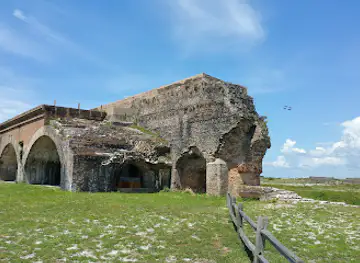
Fort Pickens
Discover the rich history and natural beauty of Fort Pickens, a historic fortress on Pensacola Beach, perfect for history enthusiasts and nature lovers.

The Village of Baytowne Wharf
Experience the vibrant atmosphere, stunning waterfront views, and diverse activities at the Village of Baytowne Wharf, the ultimate destination in Miramar Beach, Florida.

John Beasley Park
Experience the natural beauty of John Beasley Park in Fort Walton Beach, where soft sands and emerald waters create an unforgettable coastal escape.

Best restaurants in Panhandle
Top-rated picks
Best Restaurants

Peg Leg Pete's
Discover fresh seafood delights at Peg Leg Pete's on Pensacola Beach - where vibrant flavors meet stunning coastal views.

Schooners
Experience fresh seafood with stunning Gulf views at Schooners in Panama City Beach – where every meal feels like a coastal celebration.

Boshamps Seafood and Oyster House
Experience exquisite seafood dining at Boshamps Seafood and Oyster House in Destin, Florida – where fresh catches meet stunning waterfront views.

Pompano Joe's
Experience delicious seafood with stunning Gulf views at Pompano Joe's in Destin, Florida – your perfect beachside dining destination.

Best bars in Panhandle
Top-rated picks
Best Bars
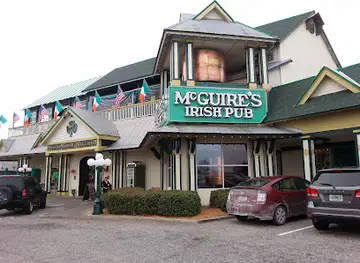
McGuire's Irish Pub of Destin
Discover the lively atmosphere and authentic Irish cuisine at McGuire's Irish Pub, a must-visit destination in Destin, Florida for every traveler.
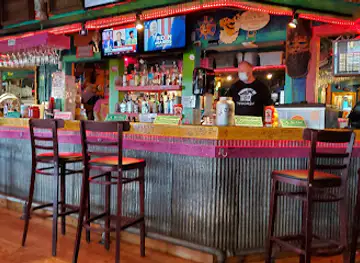
Fudpucker's Beachside Bar & Grill
Enjoy vibrant dining with fresh seafood, American favorites, and live music at Fudpucker's Beachside Bar & Grill in Destin, Florida.

Flora-Bama
Discover the vibrant Flora-Bama, a lively bar and live music venue on the Gulf Coast, perfect for enjoying local flavors and unforgettable experiences.

McGuire's Irish Pub
Discover the rich flavors and lively atmosphere of McGuire's Irish Pub in Pensacola, where Irish tradition meets southern hospitality.

Best nightclubs in Panhandle
Top-rated picks
Best Nightclubs

Bamboo Willie's Beachside Bar on Pensacola Beach
Experience the vibrant energy of Bamboo Willie's Beachside Bar in Pensacola Beach, where live music, delicious drinks, and stunning sunsets await.

G.I. Jade Tiki Bar & Bistro
Discover the lively G.I. Jade Tiki Bar & Bistro in Fort Walton Beach, where delicious grilled dishes and vibrant cocktails await you.

Pallet Bar and Grill
Experience the vibrant flavors of Fort Walton Beach at Pallet Bar and Grill, where delicious cuisine meets a lively atmosphere.

The Village Door Restaurant & Entertainment
Delight in fresh seafood, BBQ, and vibrant nightlife at The Village Door, Destin's top restaurant and entertainment spot.

Best shops in Panhandle
Top-rated picks
Best Shops

Destin Commons
Explore the vibrant shopping, dining, and entertainment at Destin Commons in beautiful Destin, Florida, where every visit is an adventure.

Silver Sands Premium Outlets
Explore Silver Sands Premium Outlets in Miramar Beach, Florida – where unbeatable deals meet the beauty of the Emerald Coast.

HarborWalk Village
Discover the lively HarborWalk Village in Destin, Florida, where shopping, dining, and entertainment converge by the stunning waterfront.

Grand Boulevard at Sandestin
Discover the perfect blend of shopping, dining, and entertainment at Grand Boulevard in Miramar Beach, Florida.

Explore Panhandle on the Map
A handpicked selection of must-see spots in Panhandle, mapped for you.
Panhandle Essentials
-
The Florida Panhandle is easily accessible by air, car, and bus. The main airports are Northwest Florida Beaches International Airport (ECP) in Panama City, Pensacola International Airport (PNS), and Destin-Fort Walton Beach Airport (VPS). Major highways such as I-10 and US 98 run through the Panhandle, making it convenient for road trips. Greyhound and other bus services also connect the Panhandle to major cities across the United States.
-
Once in the Panhandle, getting around can be done via rental cars, taxis, ride-sharing services like Uber and Lyft, and local buses. Many of the beach towns are walkable, and biking is also a popular mode of transportation. For longer distances, renting a car is recommended to allow flexibility in exploring various attractions and beaches.
-
The official currency is the US Dollar (USD). Credit and debit cards are widely accepted in most businesses, including restaurants, shops, and hotels. ATMs are plentiful, especially in larger towns and tourist areas. However, it’s a good idea to carry some cash for smaller establishments and tips.
-
The Florida Panhandle is generally a safe destination for tourists. However, certain areas in larger cities like Pensacola and Panama City have higher crime rates, particularly at night. It is advisable to avoid poorly lit areas and be cautious with your belongings. Always keep an eye on your possessions, especially in crowded tourist spots and beaches.
-
In case of emergency, dial 911 for immediate assistance. Hospitals and urgent care facilities are available in major towns and cities across the Panhandle. It is advisable to have travel insurance that covers medical emergencies. Pharmacies are widely available for minor health issues and over-the-counter medications.
-
Fashion: Do dress comfortably and consider the warm, humid climate. Beachwear is acceptable on the beach but not in restaurants or shops. Religion: Do respect local religious practices and communities. There is a mix of Christian denominations in the area. Public Transport: Do be courteous and give up your seat for elderly passengers. Don’t play loud music or eat on public transport. Greetings: Do greet people with a smile and a handshake. Southerners are known for their hospitality. Eating & Drinking: Do try local seafood delicacies. Don’t forget to tip your servers; 15-20% is customary.
-
To experience the Panhandle like a local, visit the farmers' markets for fresh produce and local crafts. Spend a day fishing, either from a pier or on a boat. Take a scenic drive along 30A to explore charming beach towns like Seaside and Rosemary Beach. Don’t miss out on the local festivals, such as the Pensacola Seafood Festival and the Seabreeze Jazz Festival. For a unique experience, visit the historic forts in Pensacola and Fort Walton Beach.
When is the best time to visit Panhandle?
Useful Local Phrases for Panhandle
You don't need to speak the language perfectly. Even learning a few simple words can make conversations warmer—and locals usually appreciate the effort.
— Eve

Here are the phrases I use most often in Panhandle. Try a few—you'll be surprised how far they go! 😊
❤️
-
- HelloHowdy
[Ha-dee] - GoodbyeSee ya later
[See yah lay-ter] - YesYup
[Yup] - NoNope
[Nope] - Please/You're welcomePlease / No problem
[Pleez / No prob-lem] - Thank youThanks a bunch
[Thanks a bunch] - Excuse me/SorryPardon me / Sorry
[Par-don me / Sor-ee] - How are you?How y’all doin’?
[How y’all doin’?] - Fine. And you?I’m doin’ good. And you?
[I’m doin’ good. An’ you?] - Do you speak English?Ya speakin’ English?
[Ya speakin’ Ing-lish?] - I don't understandI don’t get it
[I don’t get it]
- HelloHowdy
-
- I'd like to see the menu, pleaseCan I see the menu, please?
[Can I see the men-yu, pleez?] - I don't eat meatI ain’t eatin’ meat
[I ain’t eatin’ meet] - Cheers!Cheers!
[Cheers!] - I would like to pay, pleaseCould I get the check, please?
[Could I get the chek, pleez?]
- I'd like to see the menu, pleaseCan I see the menu, please?
-
- Help!Help!
[Help!] - Go away!Get outta here!
[Get outta here!] - Call the Police!Call the cops!
[Call the cops!] - Call a doctor!Call a doc!
[Call a doc!] - I'm lostI’m lost
[I’m lost] - I'm illI’m feelin’ sick
[I’m feelin’ sick]
- Help!Help!
-
- I'd like to buy...I wanna buy...
[I wanna buy...] - I'm just lookingJust lookin’
[Just lookin’] - How much is it?How much is this?
[How much is this?] - That's too expensiveThat’s way too pricey
[That’s way too pry-see] - Can you lower the price?Can ya bring down the price?
[Can ya bring down the pryce?]
- I'd like to buy...I wanna buy...
-
- What time is it?What time is it?
[What time is it?] - It's one o'clockIt’s one o’clock
[It’s one o’clock] - Half past (10)Half past ten
[Half past ten] - MorningMornin’
[Mornin’] - AfternoonAfternoon
[Afternoon] - EveningEvenin’
[Evenin’] - YesterdayYesterday
[Yesterday] - TodayToday
[Today] - TomorrowTomorrow
[Tomorrow] - 1One
[One] - 2Two
[Two] - 3Three
[Three] - 4Four
[Four] - 5Five
[Five] - 6Six
[Six] - 7Seven
[Seven] - 8Eight
[Eight] - 9Nine
[Nine] - 10Ten
[Ten]
- What time is it?What time is it?
-
- Where's a/the...?Where’s the...?
[Where’s the...?] - What's the address?What’s the address?
[What’s the address?] - Can you show me (on the map)?Can ya show me on the map?
[Can ya show me on the map?] - When's the next (bus)?When’s the next bus?
[When’s the next bus?] - A ticket (to ....)A ticket to...
[A tiket to...]
- Where's a/the...?Where’s the...?
History of Panhandle
-
Long before European explorers set foot in the Panhandle, the area was home to various Native American tribes, including the Apalachee, Creek, and Choctaw. These tribes thrived on the region's rich natural resources, developing sophisticated societies and trade networks. Evidence of their presence can still be seen today in the form of earthwork mounds and other archaeological sites.
-
The early 16th century saw the arrival of Spanish explorers such as Ponce de León and Hernando de Soto. The Spanish established missions and settlements, including the short-lived Santa María de Ochuse in Pensacola Bay in 1559. Although the settlement was abandoned due to hurricanes and supply issues, it marked the beginning of European interest in the region.
-
In the aftermath of the Seven Years' War, Spain ceded Florida to Britain in 1763. The British divided Florida into East and West Florida, with the Panhandle falling under the latter. West Florida became a haven for Loyalists during the American Revolution, and the region saw skirmishes between British and Spanish forces as Spain sought to reclaim its former territory.
-
Spain regained control of Florida in 1783, but by the early 19th century, the region was rife with conflict and lawlessness. The Adams-Onís Treaty of 1819, which came into effect in 1821, saw Spain cede Florida to the United States. This transfer marked the beginning of American influence in the Panhandle, paving the way for future development.
-
During the Civil War, the Panhandle was a strategic location due to its ports and railroads. Pensacola, in particular, witnessed significant military actions, including the Battle of Santa Rosa Island. After the war, the region faced the challenges of Reconstruction, with efforts to rebuild infrastructure and integrate formerly enslaved individuals into society.
-
World War II brought significant military investment to the Panhandle, with the establishment of several bases such as Eglin Air Force Base and Naval Air Station Pensacola. These installations played crucial roles in training and operations, transforming the region's economy and population. The military presence continues to be a vital part of the Panhandle's identity.
-
The Panhandle boasts a rich cultural heritage, influenced by its Native American, Spanish, British, and American histories. This diversity is celebrated through numerous festivals and events, such as the Pensacola Seafood Festival, the Destin Fishing Rodeo, and the Greek Festival in Fort Walton Beach. These events highlight the region's unique traditions and community spirit.
-
The Panhandle is renowned for its stunning landscapes, including pristine beaches, lush forests, and crystal-clear springs. Efforts to preserve these natural treasures have led to the establishment of numerous state parks and conservation areas, such as St. Andrews State Park and Blackwater River State Forest. These protected areas offer visitors a chance to experience the region's ecological diversity and outdoor recreation opportunities.
Neighbouring Regions of Panhandle
The closest regions to Panhandle, if you have time for more than one.



Your all‑in‑one travel companion app
Explore expert travel guides, compare and book tours, experiences, hotels, and more—all from the palm of your hand. Download now for seamless trip planning wherever your wanderlust takes you.


Explore More of Florida

Looking beyond Panhandle? Discover Florida for broader travel guides, local hot-spots, and regional highlights.
Explore FloridaPanhandle in Photos
Browse through our photo collection highlighting the charm and character of the destination.


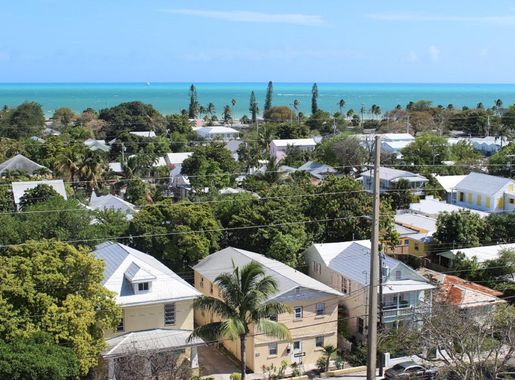


The Panhandle of Florida: A Coastal Paradise
The Panhandle of Florida, often referred to as the Emerald Coast, boasts some of the most beautiful beaches in the United States. Stretching along the Gulf of Mexico, this region is known for its sugar-white sands and clear, turquoise waters. Destin, Pensacola, and Panama City Beach are some of the most popular destinations within the Panhandle, each offering a unique blend of natural beauty and vibrant local culture. Visitors can explore the many state parks and nature reserves that dot the Panhandle, such as Henderson Beach State Park and St. Andrews State Park. These parks are perfect for hiking, picnicking, and observing local wildlife. The area is also a haven for water sports enthusiasts, with ample opportunities for fishing, boating, and snorkeling. History buffs will appreciate the rich cultural heritage of the Panhandle. The region is home to several historic sites and museums, including the Pensacola Lighthouse and Museum, which offers stunning views of the coast. Additionally, the Panhandle's culinary scene is a delightful mix of fresh seafood and Southern flavors, making it a food lover's paradise. Whether you're seeking relaxation on the beach, adventure in nature, or a taste of local history, the Panhandle of Florida has something for everyone.