Avignon's Enduring Ramparts
Explore Avignon's UNESCO-listed ramparts: a journey through medieval history, offering stunning views and a tangible connection to the city's papal past and enduring legacy.
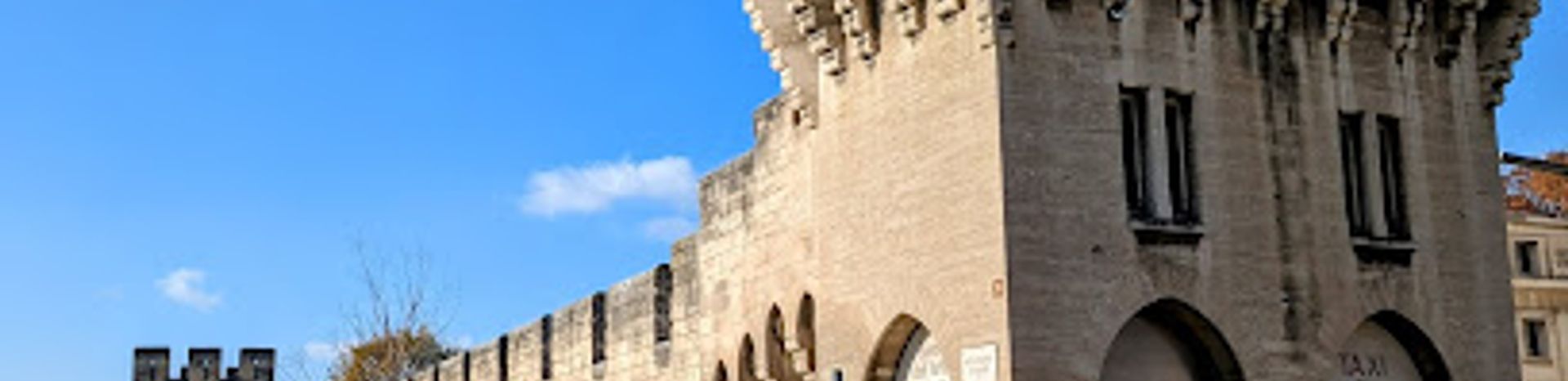
The Remparts d'Avignon, a UNESCO World Heritage site, are a remarkably preserved series of defensive stone walls encircling the historic city center. Originally constructed in the 14th century during the Avignon Papacy, these fortifications stand as a powerful symbol of the city's medieval strength and resilience. Stretching over 4.3 kilometers, the ramparts feature imposing towers and gates, offering visitors a tangible connection to Avignon's rich past. Walking along or outside the walls provides stunning views of the city and the Rhône River. Explore the ramparts' history, imagine life within their protective embrace, and discover the strategic importance of these enduring fortifications. The walls are easily accessible from various points in the city, making them a must-see attraction for any visitor to Avignon.
A brief summary to Remparts d'Avignon
- Avignon, FR
- +33432743274
- Visit website
- Monday 12 am-12 am
- Tuesday 12 am-12 am
- Wednesday 12 am-12 am
- Thursday 12 am-12 am
- Friday 12 am-12 am
- Saturday 12 am-12 am
- Sunday 12 am-12 am
Local tips
- Wear comfortable shoes, as exploring the ramparts involves walking on uneven surfaces.
- Visit during the shoulder season (spring or fall) for pleasant weather and fewer crowds.
- Check for events or festivals taking place within the ramparts, as they often add to the atmosphere.
- Bring a camera to capture the stunning views of Avignon and the Rhône River from the ramparts.
- Consider a guided tour to learn more about the history and significance of the ramparts.

Getting There
-
Walking
From Avignon Centre train station, exit onto Avenue Monclar and walk straight ahead towards the city walls. Cross the street at the pedestrian crossing and enter the city through the Porte de la République, one of the main gates in the ramparts. From Place de l'Horloge, walk towards the Palais des Papes, then continue along Place du Palais until you reach the ramparts. You can access the walls from various points along their length. The walk from either location is generally flat and takes approximately 10-15 minutes. There are no costs associated with accessing the ramparts themselves.
-
Public Transport
Avignon's public transport network, Orizo, provides easy access to the ramparts. Several bus lines stop near the main gates, including lines C2, 30, and others that stop at 'Avignon Poste' or 'Place Pie'. From these stops, it's a short walk to the ramparts. A single ticket costs €1.40 and is valid for one hour, allowing for connections. A 24-hour ticket costs €3.50. Purchase tickets at automatic dispensers, online, or in partner stores.
-
Taxi/Ride-Share
Taxis and ride-sharing services are readily available in Avignon. A short taxi ride from Avignon Centre train station or any central location to one of the rampart entrances will cost approximately €11.5, based on a base fare of €2.0 plus €1.9 per kilometer. Be sure to specify which gate you'd like to be dropped off at, such as Porte de la République or Porte Saint-Roch.
-
Driving
If driving, parking within the city walls is limited and can be expensive. Consider parking at Parking de l'Île Piot, a free park-and-ride facility located on the opposite side of the Rhône River, and take the free shuttle bus to the city center. The shuttle drops you off near the ramparts and Palais des Papes. Alternatively, several paid parking lots are located near the ramparts, such as Parking Palais des Papes and Parking des Halles. Expect to pay around €3 per hour, with daily rates varying. Note that vehicles over 1.90m in height may have restricted access to underground parking.
Discover more about Remparts d'Avignon
Iconic landmarks you can’t miss

Visite Avignon
0.2 km
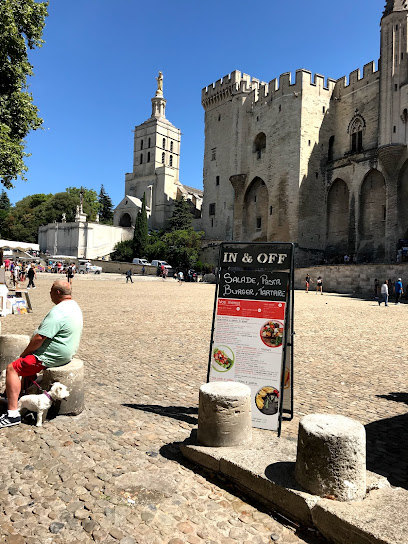
Explore the historical wonders and vibrant culture of Avignon, where every corner tells a story of its rich heritage and artistic spirit.
Avignon Gourmet Tours
0.2 km
Discover the rich culinary heritage of Avignon through immersive food tours that celebrate local flavors and traditions in the heart of Provence.
La Via Avenio km 0
0.2 km
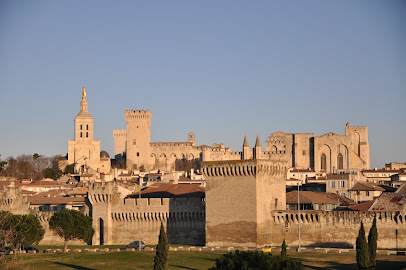
Discover the starting point of the ancient Roman road Via Avenio in Avignon, a landmark connecting you to history and culture.
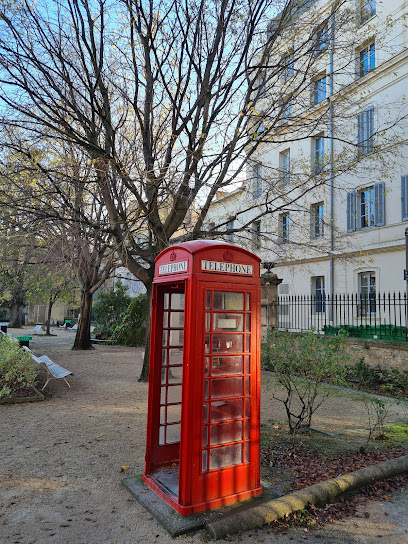
Square Agricol Perdiguier
0.2 km
Discover Avignon's hidden gem: a historic square with tranquil gardens, medieval ruins, and a peaceful escape in the heart of the city.
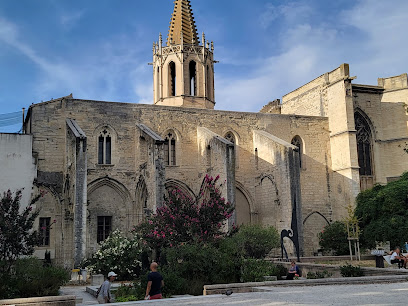
Temple Saint-Martial
0.3 km
Discover the serene beauty and rich history of Temple Saint-Martial, a stunning example of Gothic architecture in the heart of Avignon.
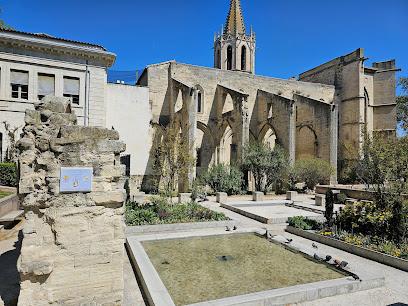
Church of the Célestins of Avignon
0.3 km
Explore Avignon's Church of the Célestins, a former monastic church with royal ties, now a vibrant cultural hub hosting exhibitions and events.
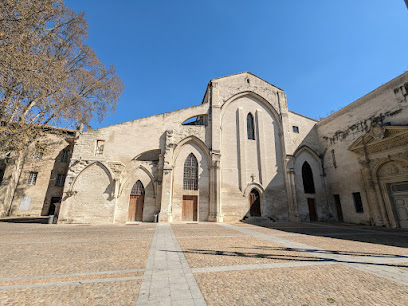
Place des Corps-Saints
0.3 km
Explore the historical allure of Place des Corps-Saints in Avignon, where charming architecture and vibrant local culture come together in a stunning setting.
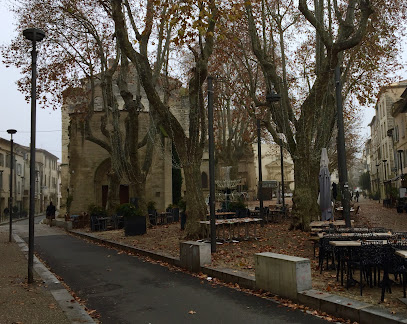
Saint Charles' chapel
0.3 km
Discover Avignon's hidden Baroque treasure: Saint Charles' Chapel, a serene escape into art and history.
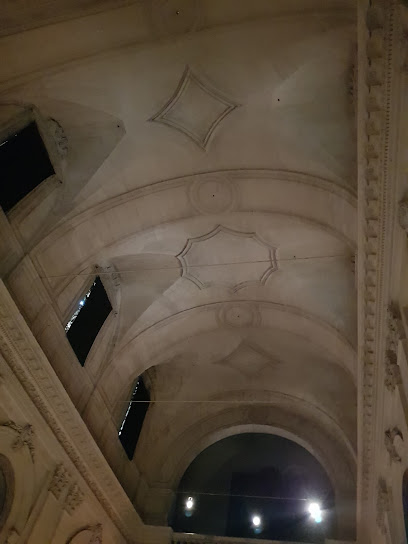
Roman Catholic Archdiocese of Avignon
0.4 km
Explore the Roman Catholic Archdiocese of Avignon, a historic religious center with centuries of influence in France's Provence region.
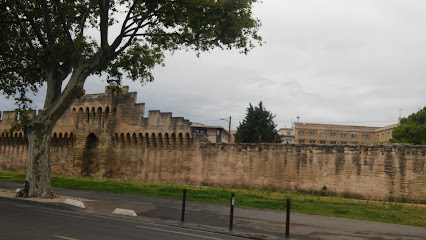
Place des études
0.4 km
Discover Place des Études in Avignon: a historic square where education and culture converge in a picturesque setting.

La Chapelle du Miracle
0.5 km
Discover a beautifully renovated 14th-century chapel in Avignon, blending historical charm with modern comfort in a unique setting.
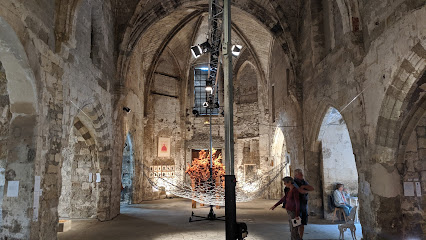
Rocher des Doms
0.5 km
Discover panoramic views and tranquil gardens at Avignon's historic Rocher des Doms, a hilltop oasis offering a refreshing escape.
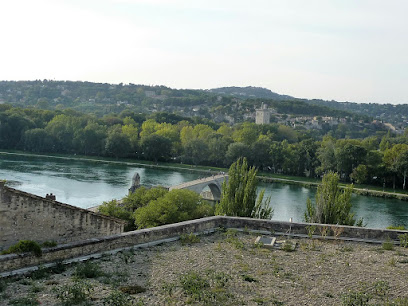
Chapelle des Pénitents Blancs
0.6 km
Discover Avignon's Chapelle des Pénitents Blancs, a historic chapel transformed into a vibrant venue for arts and culture.
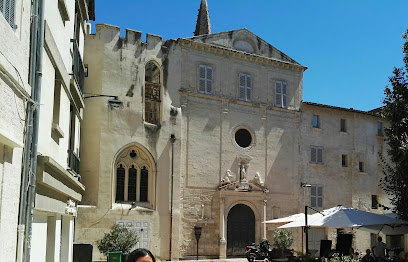
Hotel De La Prefecture
0.6 km
Discover the architectural beauty and rich heritage of Hotel De La Prefecture, a historical landmark in the heart of Avignon that tells the story of the city's past.
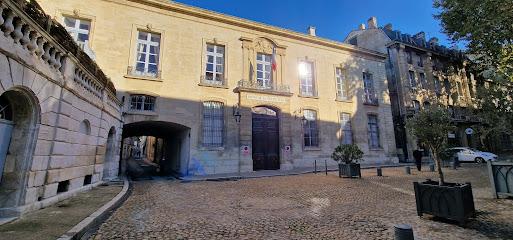
Provence Reservation
0.6 km
Explore the breathtaking landscapes and rich culture of Provence with expertly guided tours from Provence Reservation in Avignon.
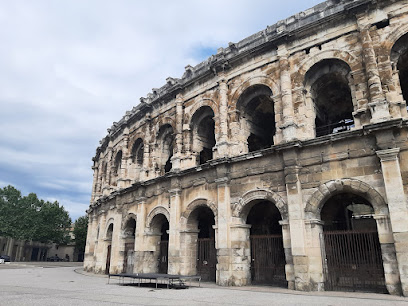
Unmissable attractions to see

Prte de la République
0.0 km
Step through Avignon's main gateway, the Porte de la République, and journey into a city where medieval history meets vibrant modern culture, a UNESCO World Heritage site.
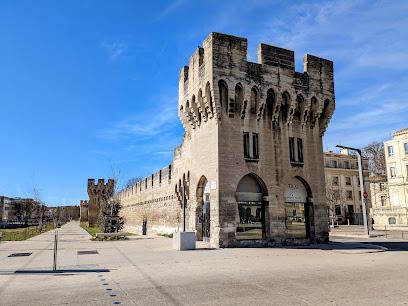
Restos del Claustro de Saint-Martial
0.2 km
Explore the serene beauty and historical significance of Restos del Claustro de Saint-Martial in Avignon, where history and local flavors come alive.
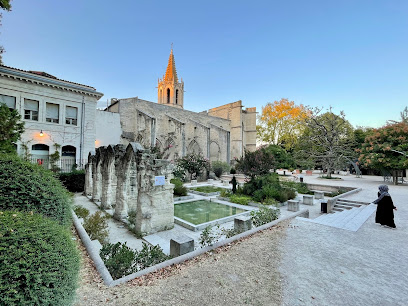
Collection Lambert Avignon
0.2 km
Discover the Collection Lambert Avignon, a blend of contemporary art and literature in the heart of a historic French city.
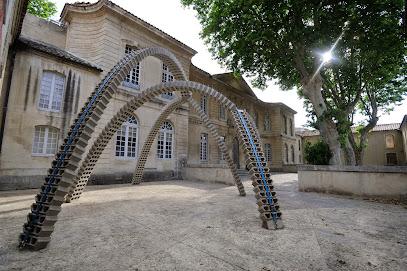
Statue Théodore Aubanel
0.3 km
Discover the Statue of Théodore Aubanel in Avignon, a tribute to a celebrated Provençal poet and a key figure in the Félibrige movement, championing Occitan language and culture.
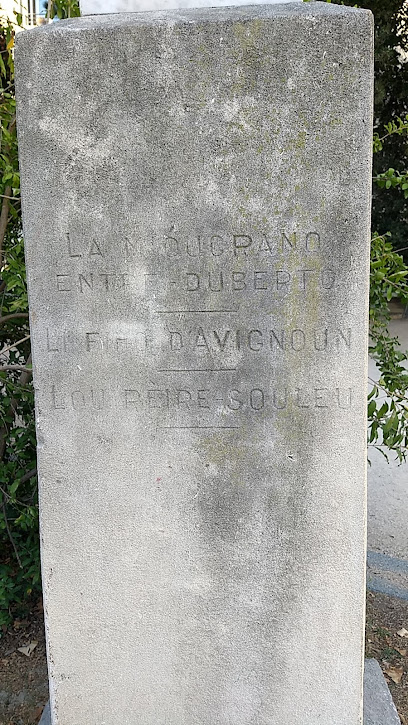
Office de Tourisme d'Avignon
0.3 km
Explore the wonders of Avignon with the Office de Tourisme, your essential guide to the heart of Provence's historical treasures.
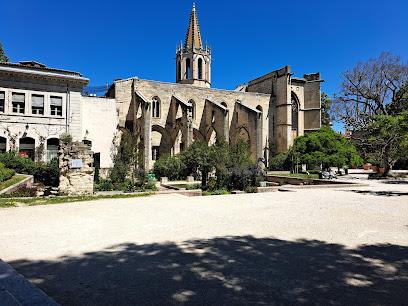
Musée Lapidaire
0.4 km
Explore the Musée Lapidaire in Avignon, a captivating archaeological museum showcasing ancient artifacts and rich historical treasures.
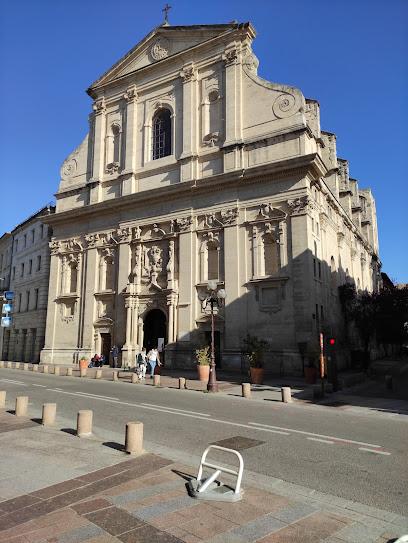
Musée Angladon
0.4 km
Discover a treasure trove of Impressionist and modern art at Musée Angladon, a hidden gem in Avignon showcasing a remarkable private collection within an elegant hôtel particulier.
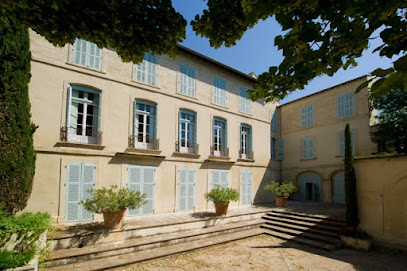
Musée Requien
0.5 km
Explore Provence's natural history at Musée Requien in Avignon: fossils, minerals, and naturalized animals await in a charming 18th-century setting. Free entry!
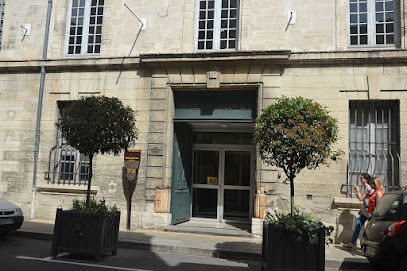
Église Saint Didier
0.5 km
Discover the serenity and architectural beauty of Église Saint Didier, a historic Catholic church in the heart of Avignon, offering a peaceful retreat for all visitors.
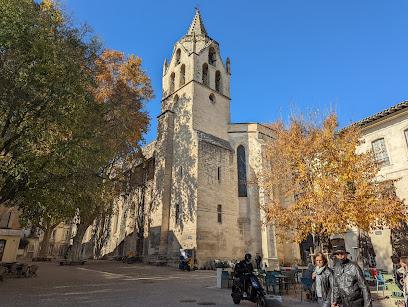
Musée Calvet
0.5 km
Discover the exquisite collections of Musée Calvet in Avignon, a cultural gem showcasing art, archaeology, and history in a stunning setting.
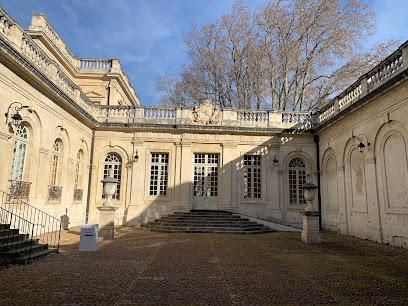
Bild der Päpste von Avignon
0.6 km
Discover Avignon's papal past at the 'Image of the Popes,' a historical site on Rue Dorée offering a glimpse into the era when Avignon served as the center of Christianity.
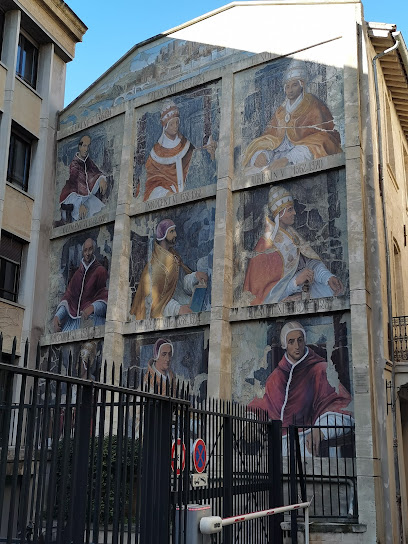
Hôtel de Verclos
0.6 km
Discover the Hôtel de Verclos in Avignon, a magnificent 17th-century aristocratic residence showcasing classic French architecture and a rich history in the heart of Provence.
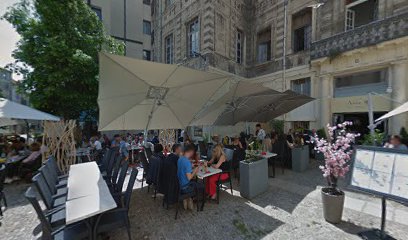
musée Louis Vouland
0.6 km
Discover a world of 17th and 18th-century decorative arts in Avignon's Musée Louis Vouland, a hidden gem showcasing exquisite furniture, faience, and tapestries in an elegant mansion with a tranquil garden.
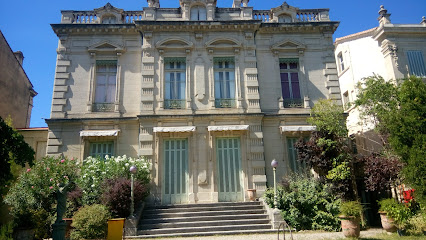
Place Pie
0.6 km
Experience the vibrant charm of Place Pie in Avignon, where local culture, delicious food, and lively markets await you.
Palais du Roure
0.6 km
Explore the historic Palais du Roure in Avignon, a captivating museum showcasing the rich cultural heritage of the region in a stunning architectural setting.
Essential places to dine

Le Molière
0.2 km
Experience the culinary artistry of Le Molière in Avignon – where traditional French cuisine meets modern elegance.
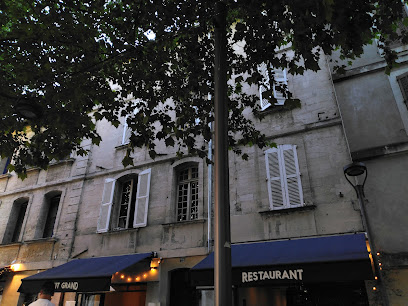
Restaurant Le Violette
0.3 km
Experience exquisite French cuisine at Restaurant Le Violette in Avignon - where every dish tells a story.
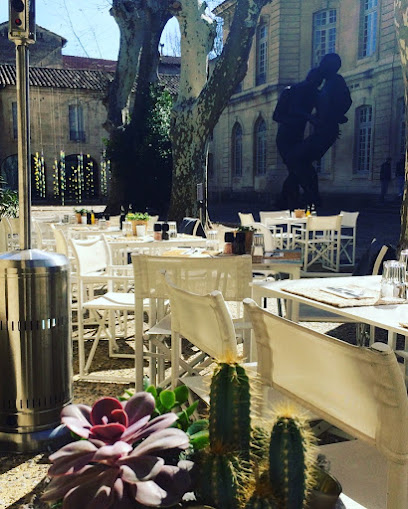
L'Atelier de Belinda
0.3 km
Experience exquisite French and Mediterranean cuisine at L'Atelier de Belinda in Avignon – where every meal is a celebration of flavors.
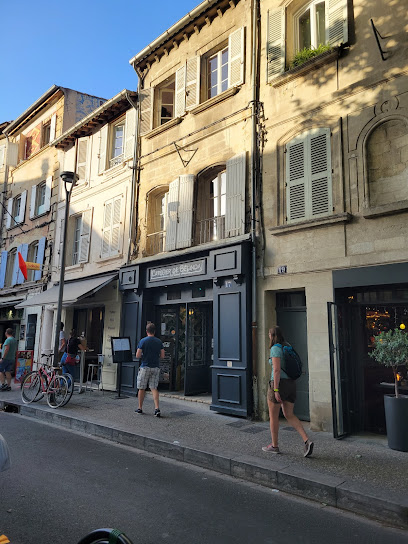
L'Agape
0.3 km
Discover L'Agape in Avignon: A culinary haven offering innovative French dishes crafted with local ingredients.
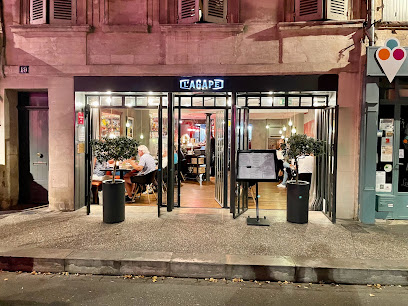
Restaurant Le 26
0.4 km
Discover exquisite French and Mediterranean cuisine at Restaurant Le 26 in Avignon – where every dish tells a story.
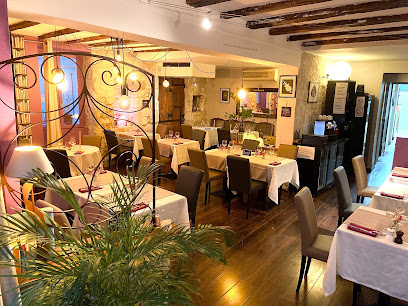
Avenio
0.4 km
Discover Avenio: A premier French restaurant in Avignon offering exquisite dishes crafted from fresh local ingredients in an inviting atmosphere.
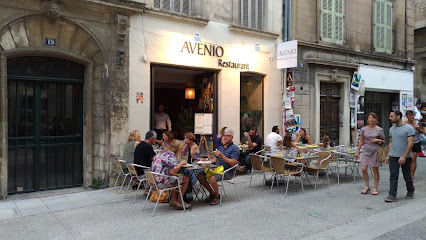
Restaurant Fou de Fafa
0.4 km
Discover the heart of French cuisine at Restaurant Fou de Fafa in Avignon - where tradition meets flavor in every dish.
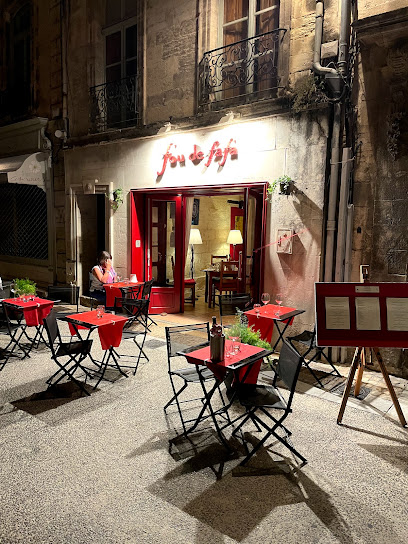
Une Margherite à Table
0.4 km
Discover authentic Italian cuisine at Une Margherite à Table in Avignon – where every meal is a celebration of flavor.
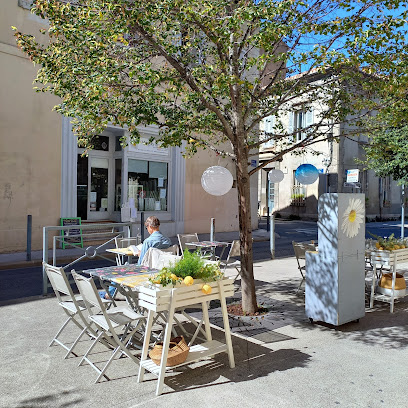
La Cour d'Honneur - Restaurant Avignon Centre Ville
0.5 km
Experience the essence of French cuisine at La Cour d'Honneur in Avignon's historic center—where every meal is a celebration of flavors.
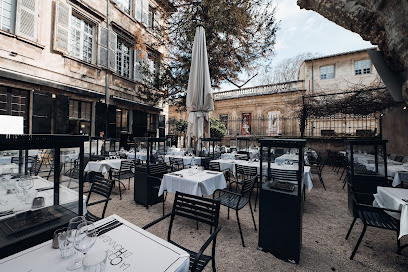
Restaurant le Cochon Bleu
0.5 km
Experience exquisite French cuisine at Restaurant le Cochon Bleu in Avignon – a culinary haven blending tradition and flavor.
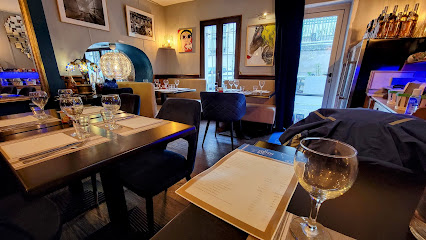
Italie là-bas
0.6 km
Indulge in exquisite French-Italian cuisine at Italie Là-Bas - A culinary gem nestled in the heart of Avignon.
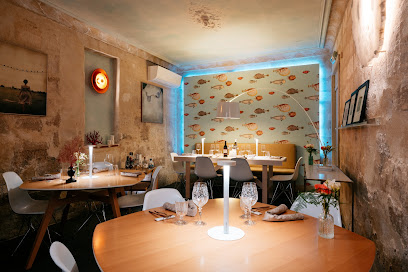
Restaurant Acte 2
0.6 km
Experience the elegance of Haute French cuisine at Restaurant Acte 2 in Avignon - where culinary artistry meets exceptional service.
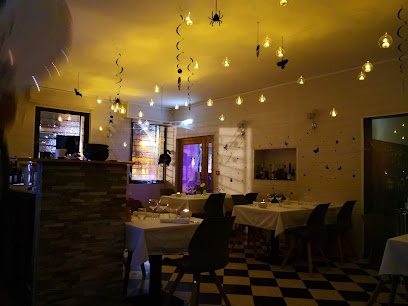
Le Vintage
0.6 km
Experience the finest French cuisine at Le Vintage in Avignon – where tradition meets modernity in every delicious bite.
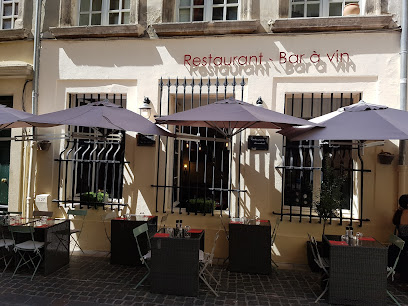
D'Ici Et D'Ailleurs
0.6 km
Discover the exquisite flavors of France and the Mediterranean at D'Ici Et D'Ailleurs in Avignon - where every meal tells a story.
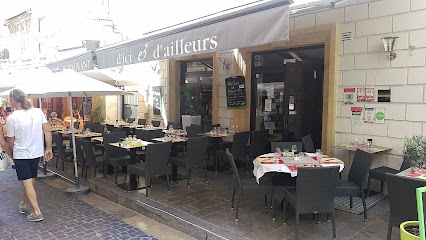
Hiély Lucullus
0.6 km
Discover culinary artistry at Hiély Lucullus in Avignon - where French elegance meets Mediterranean flair for an unforgettable dining experience.
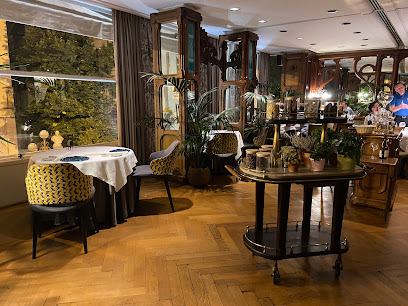
Markets, malls and hidden boutiques

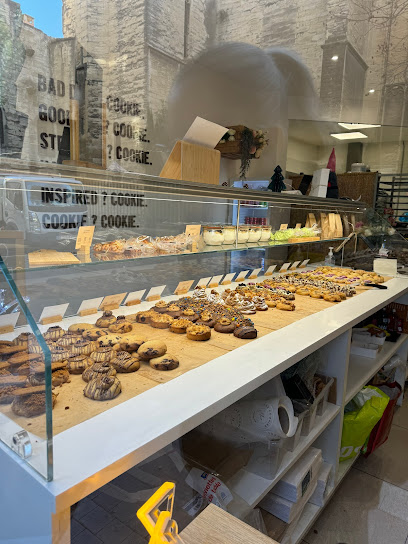
The Cookies Avignon
0.3 km
Indulge in a delectable array of gourmet cookies at The Cookies Avignon, a must-visit sweet spot in the heart of the city.
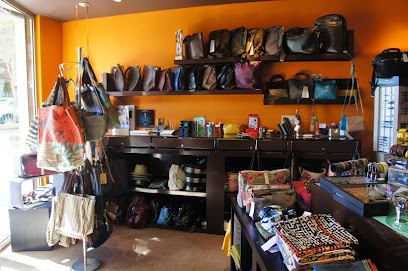
Blabla Avignon
0.3 km
Explore Blabla Avignon: Your Destination for Exquisite Leather Goods and Unique Fashion Finds in the Heart of Avignon.
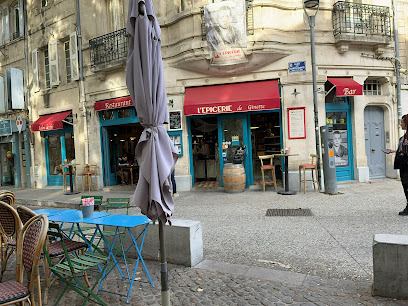
L'Épicerie de Ginette
0.3 km
Discover the authentic flavors of Avignon at L'Épicerie de Ginette, an affordable bistro offering traditional French cuisine in a cozy atmosphere.
Cardel chaussures
0.3 km
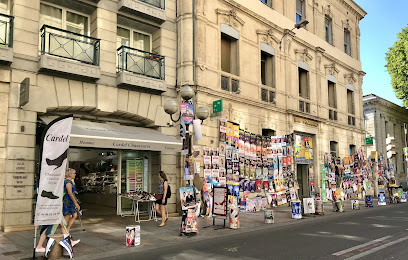
Discover stylish footwear and boutique charm at Cardel Chaussures in Avignon, a premier destination for fashion-loving tourists.
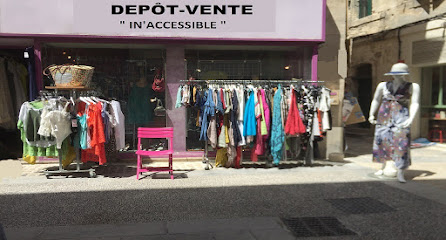
In' Accessible
0.3 km
Explore In' Accessible in Avignon for a unique blend of women's fashion, leather goods, and sustainable shopping in a charming atmosphere.
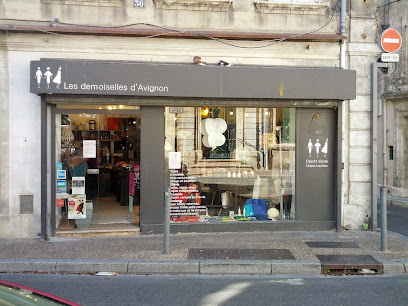
Les Demoiselles d'Avignon
0.4 km
Explore the vibrant and unique offerings of Les Demoiselles d'Avignon, your go-to gift shop in Avignon for distinctive souvenirs and local treasures.
Provence
0.4 km
Explore the enchanting gift shop of Provence in Avignon, where local crafts and unique souvenirs await to capture your heart.
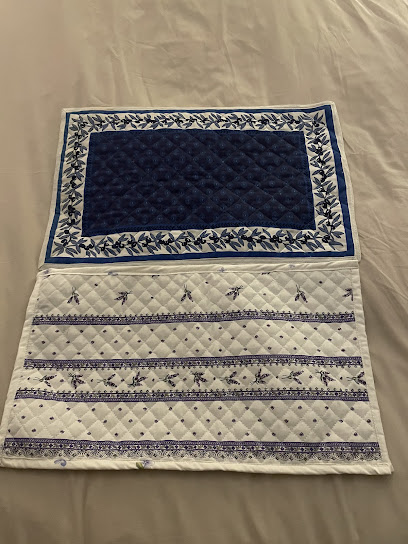
CQFD (boutique made in France)
0.4 km
Explore CQFD in Avignon for a unique selection of French-made gifts, clothing, and home goods that celebrate local craftsmanship.
CBD Avignon - Green Shop
0.6 km
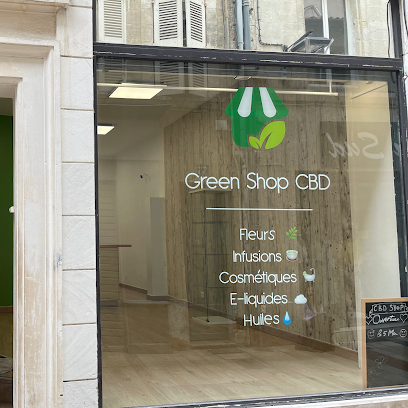
Explore organic wellness at CBD Avignon - Green Shop, where sustainability meets health in the heart of Avignon, France.
Eric et les chics filles
0.6 km
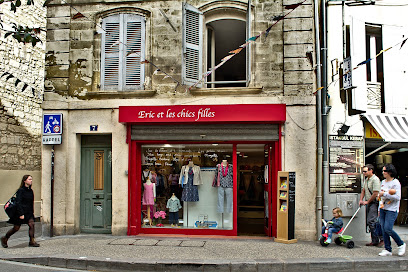
Discover the charm of handcrafted artistry at Eric et les chics filles in Avignon, where every piece tells a unique story.
MIMI VINTAGE shop
0.6 km
Explore MIMI VINTAGE in Avignon - A Unique Vintage Clothing Store Offering Timeless Fashion Treasures for Every Style Enthusiast.
French Retailers
0.6 km
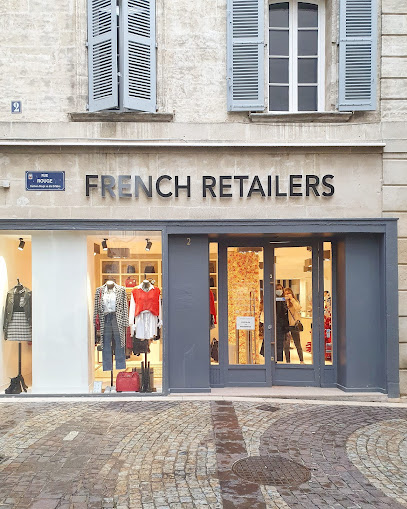
Discover the latest fashion trends at French Retailers, a stylish clothing store in the heart of Avignon, where elegance meets contemporary design.
Beaucoup Store
0.6 km
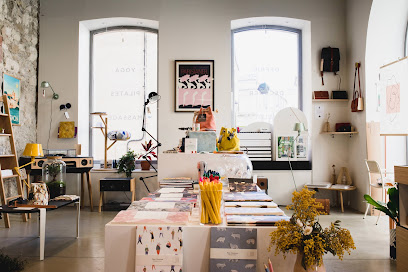
Discover unique handmade goods and vintage treasures at Beaucoup Store in Avignon, the perfect boutique for memorable souvenirs.
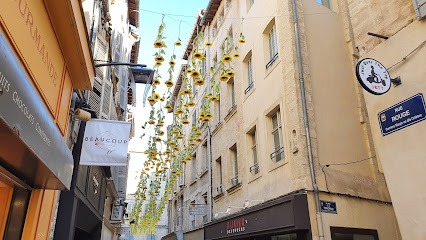
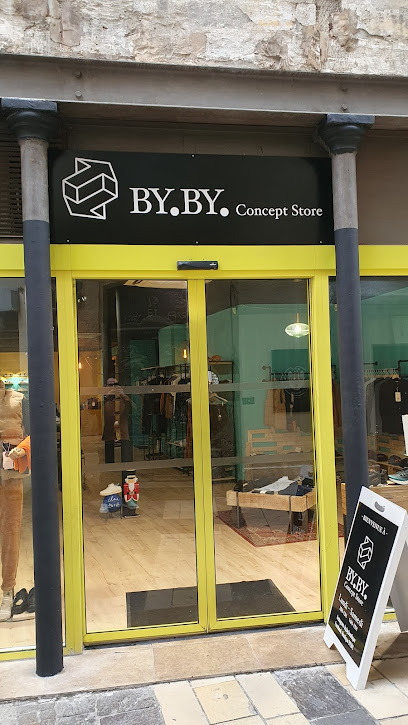
BY.BY.
0.6 km
Shop at BY.BY. in Avignon for stylish men's clothing that blends contemporary fashion with classic elegance.
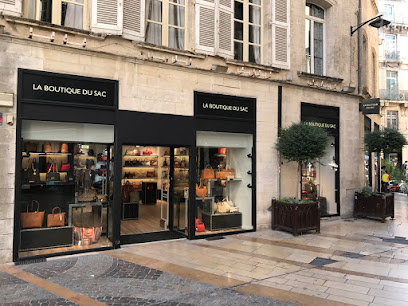
La boutique du sac
0.6 km
Experience the charm of Avignon through exquisite leather goods at La Boutique du Sac, where craftsmanship meets style.
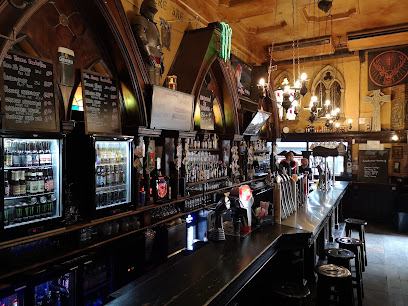
Essential bars & hidden hideouts

O'Collins's Irish Pub
0.2 km
Discover the authentic Irish pub experience at O'Collins's in Avignon, featuring lively music, delicious food, and a warm atmosphere.
LES BULLEUSES AVIGNON
0.3 km
Discover the flavors of Avignon at Les Bulleuses, a vibrant beer hall and creperie offering delightful dishes and a lively atmosphere.
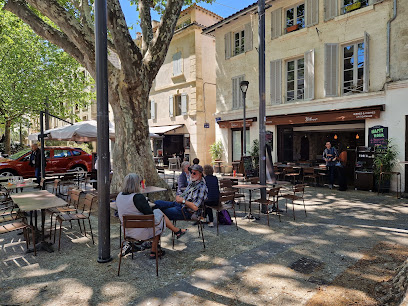
The Pipeline
0.3 km
Discover The Pipeline, Avignon's ultimate craft beer destination, where exceptional brews and a vibrant atmosphere await every visitor.
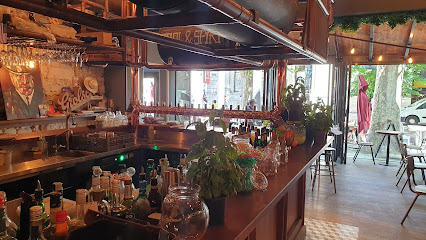
Les Célestins
0.3 km
Discover Les Célestins in Avignon – a cocktail bar where creativity meets a cozy atmosphere, perfect for unwinding after exploring the city.
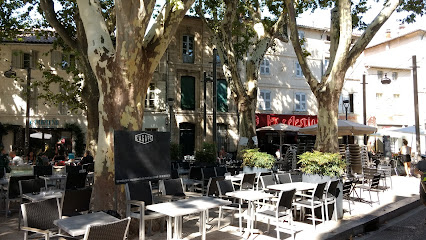
Le Central Bar
0.3 km
Experience Avignon's nightlife at Le Central Bar, where exquisite cocktails and fine wines meet a vibrant atmosphere in the heart of the city.
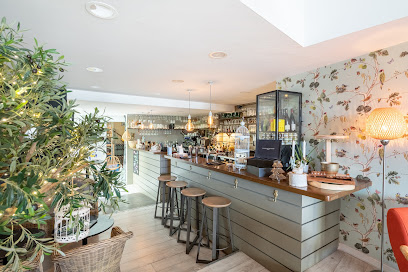
Baryum 56
0.4 km
Discover Baryum 56 in Avignon, a chic cocktail bar offering exquisite drinks and a vibrant atmosphere perfect for unwinding after a day of exploration.
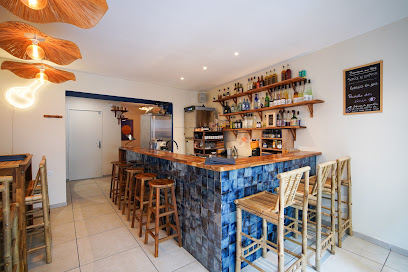
Le Tom Tip
0.5 km
Discover Le Tom Tip in Avignon – a charming bar with a vibrant atmosphere, perfect for enjoying local drinks and mingling with the locals.
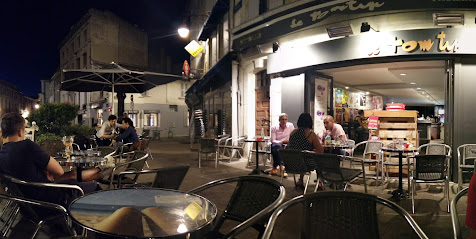
Pub Z
0.6 km
Discover the heart of Avignon at Pub Z, where cozy ambiance meets delightful drinks and warm hospitality.
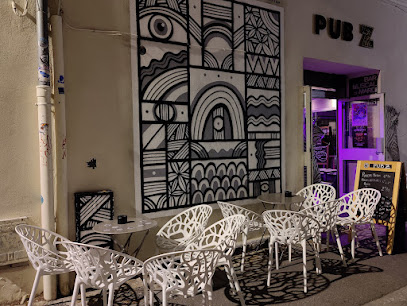
BAR DU CHANGE
0.6 km
Discover the vibrant atmosphere and exquisite cuisine of Bar du Change, a must-visit bar and brasserie in the heart of Avignon.
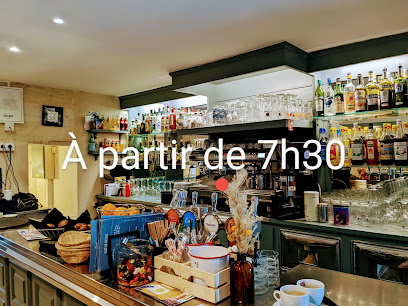
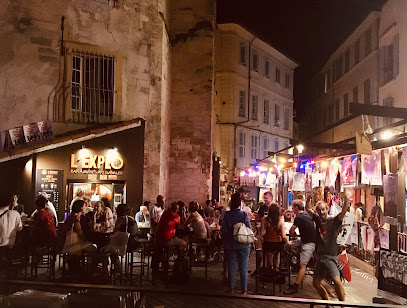
L'Explo
0.6 km
Experience the lively atmosphere and craft beer selection at L'Explo, Avignon's premier beer hall for locals and tourists alike.
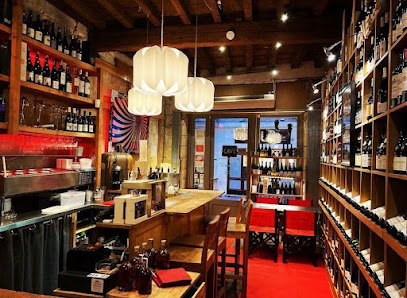
TAPIS ROUGE
0.7 km
Discover the charm of Avignon at Tapis Rouge, a cozy wine bar offering an exquisite selection of local and international wines.
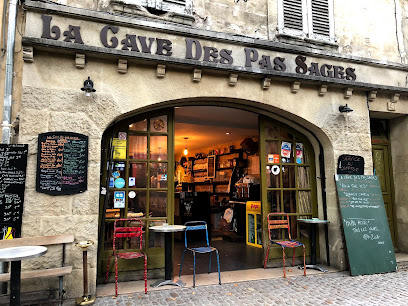
La Cave Des Pas Sages
0.7 km
Experience the charm of Avignon at La Cave Des Pas Sages, where delightful wines, local flavors, and a cozy ambiance await you.
Bar La place ️| Terrasse Cocktail Music
0.7 km
Discover the vibrant Bar La Place in Avignon for an unforgettable cocktail experience with live music and a lively atmosphere.
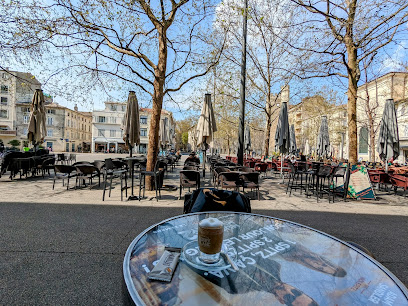
Lalogène
0.7 km
Discover the charming Lalogène bar in Avignon, offering a cozy atmosphere, a wide selection of drinks, and a taste of local culture.
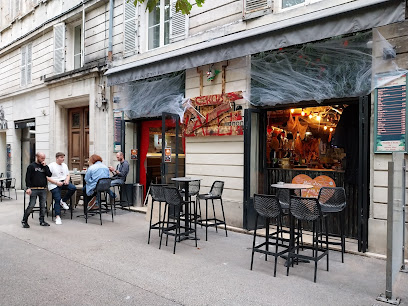
Barberousse Avignon
0.7 km
Experience the vibrant nightlife of Avignon at Barberousse, where quality drinks and a lively atmosphere await.
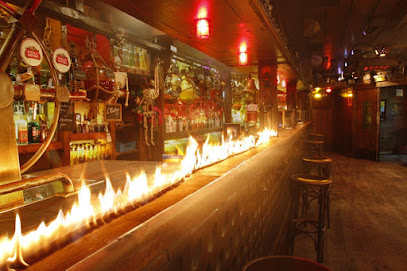
Nightclubs & after hour spots

Channel’s Avignon C
0.2 km
Experience the elegance of Channel’s Avignon C, a chic lounge in Avignon perfect for relaxation, cocktails, and vibrant nightlife.

The Clash Bar
0.4 km
Experience the vibrant performing arts scene at The Clash Bar in Avignon, where creativity and culture come alive through unforgettable performances.
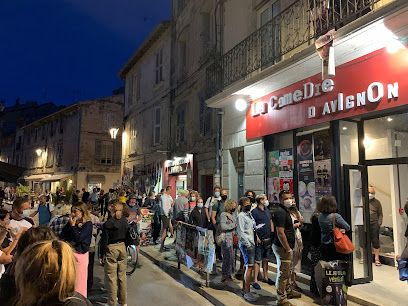
Les Ambassadeurs
0.5 km
Experience the vibrant nightlife of Avignon at Les Ambassadeurs, a premier night club with electrifying music and a lively atmosphere.
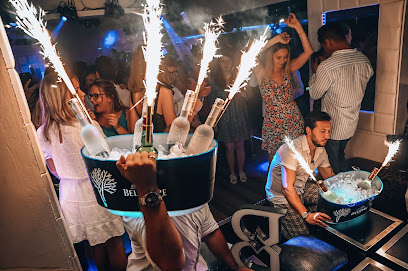
club Aphrodite
0.7 km
Discover the electrifying atmosphere of Club Aphrodite, Avignon's premier night club combining music, dance, and dining for an unforgettable night out.
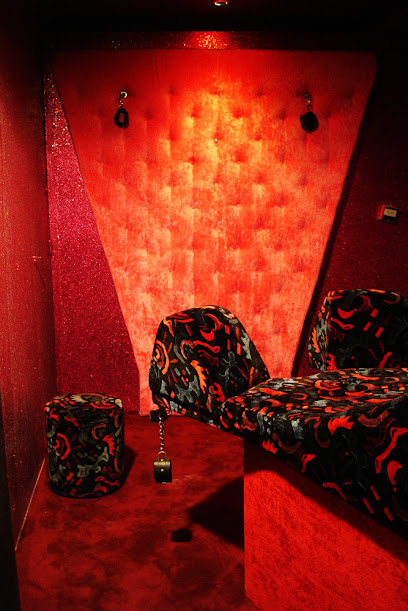
Red Zone
0.8 km
Discover the energy of Avignon at Red Zone, a premier hookah bar offering unique flavors and an unforgettable nightlife experience.
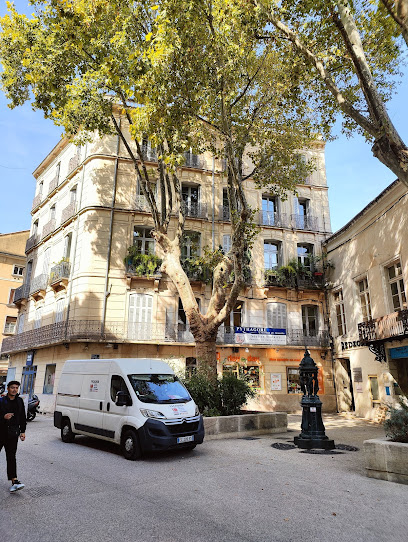
L'Esclave
0.9 km
Experience the vibrant nightlife of Avignon at L'Esclave, where music and dance come alive in a modern setting.
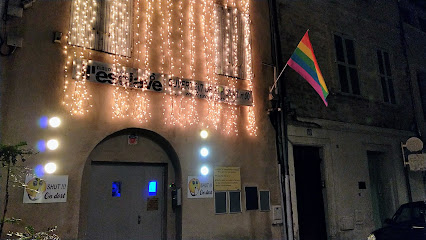
Le Darjeeling club
0.9 km
Experience luxury and relaxation at Le Darjeeling Club, a unique adult entertainment venue blending lounge, sauna, and spa in Avignon.
AJMi Jazz Club - La Manutention
1.0 km
Immerse yourself in the vibrant jazz scene at AJMi Jazz Club in Avignon, where live music and a cozy atmosphere await every night.
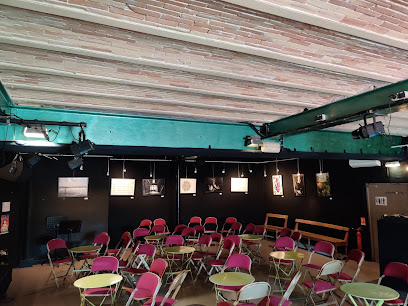
Bokao's
1.5 km
Discover the vibrant nightlife at Bokao's, Avignon's ultimate night club offering unforgettable music, drinks, and dancing until dawn.

A l’ancienne génération
1.5 km
Discover the rhythm of Avignon's nightlife at A l’ancienne génération, a vibrant night club where unforgettable memories and great music come alive.

Le Luxe Club
1.5 km
Experience the electrifying energy of Le Luxe Club, Avignon's top disco destination for unforgettable nights filled with music, dancing, and vibrant socializing.
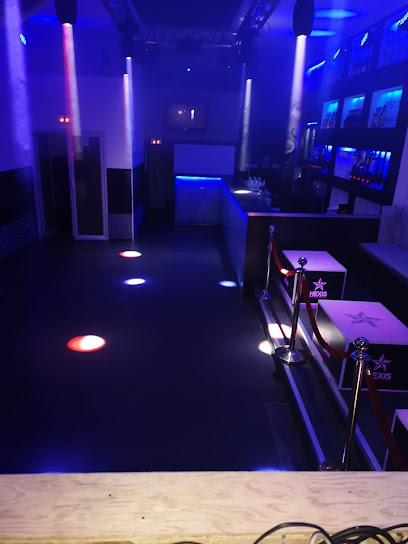
Vynil's Klub Discothèque
2.6 km
Experience the electrifying nightlife at Vynil's Klub Discothèque in Avignon, where music, dance, and excitement unite for an unforgettable evening.
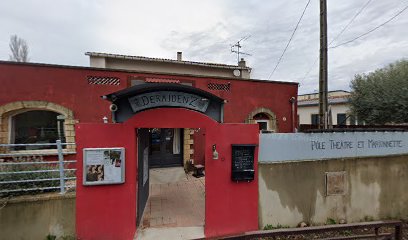
District Club Underground
4.8 km
Discover the electrifying nightlife of Châteaurenard at District Club Underground, where music, dance, and vibrant energy come together.

Le Privé
5.2 km
Discover the lively nightlife of Le Privé in Les Angles, where great music and a vibrant atmosphere create unforgettable experiences for all.
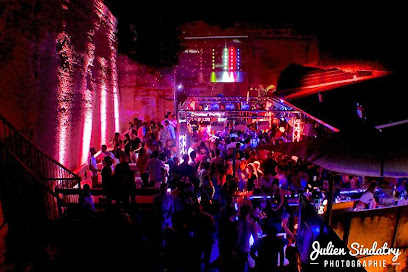
The nightclub STATION
5.6 km
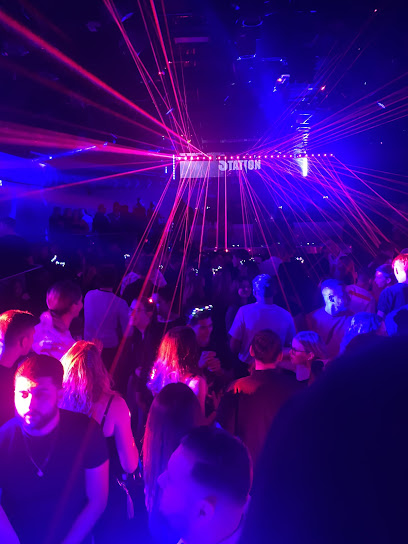
Unleash your inner party animal at STATION Nightclub in Châteaurenard, where electrifying music and vibrant crowds create unforgettable nightlife experiences.