

Bordeaux City Center (Bordeaux) Travel Guide - Free
Explore Bordeaux City Center in Bordeaux with Evendo's free guide. Find the best shops, historic streets, restaurants, and gems on web or mobile.


Bordeaux City Center in Bordeaux blends UNESCO-listed architecture, riverfront promenades, grand squares, museums, wine bars and lively historic streets.
Historic Streets and Grand Squares
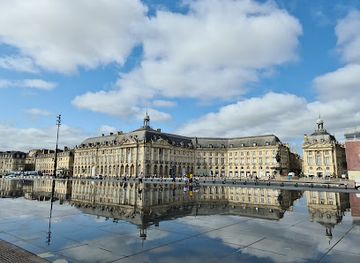
Bordeaux City Center is the city’s historic core, stretching around the Garonne from the monumental riverfront towards the medieval lanes of Saint-Pierre and the broad shopping axis of Rue Sainte-Catherine. Its character is shaped by pale eighteenth-century limestone façades, formal squares, narrow streets and a remarkable concentration of civic, religious and commercial buildings. Place de la Bourse, reflected in the shallow waters of the Miroir d’eau, provides the city’s most recognisable urban scene, while the Grand-Théâtre and the monumental approach of the Cours de l’Intendance express Bordeaux’s classical elegance.Read more about Bordeaux City Center
A Living Centre
Riverfront and Everyday Culture
Best attractions in Bordeaux City Center
Bordeaux City Center concentrates many of the city’s defining sights within walkable distance. Begin at Place de la Bourse, where the eighteenth-century façades face the Garonne and the Miroir d’eau creates changing reflections across the riverfront. From there, the lanes of Saint-Pierre lead towards Place du Parlement, Place Camille Jullian and the restaurants of the old port quarter. The Grand-Théâtre anchors the elegant western side of the centre, while Rue Sainte-Catherine provides a long pedestrian shopping route through the historic core. South of the main squares, the Cathédrale Saint-André, Tour Pey-Berland and Musée d’Aquitaine offer religious, architectural and historical perspectives. Porte Cailhau and the Grosse Cloche add medieval drama to the street plan, and the quays provide an open route for walking, cycling and looking across the Garonne towards the opposite bank.
-
Historical landmark
Place de la Bourse
Experience the timeless elegance of Bordeaux at Place de la Bourse, a UNESCO World Heritage site where neoclassical architecture meets captivating reflections on the Garonne River.
10 min walk · 0.8 km from neighbourhood centre
-
City park
Jardin Public
Experience the natural beauty of Jardin Public, a beloved city park in Bordeaux, featuring lush gardens, tranquil pathways, and family-friendly spaces.
15 min walk · 1.2 km from neighbourhood centre
-
Catholic cathedral
Cathédrale Saint-André de Bordeaux
Discover the Cathédrale Saint-André de Bordeaux, a magnificent Gothic cathedral and UNESCO World Heritage site, steeped in history and architectural splendor in the heart of Bordeaux.
1 min walk · 0.1 km from neighbourhood centre
-
Monument
Grosse Cloche
Discover the Grosse Cloche in Bordeaux, a historic bell tower and medieval gate offering a glimpse into the city's rich past and architectural grandeur, a symbol of Bordeaux's enduring spirit.
8 min walk · 0.7 km from neighbourhood centre


Best landmarks in Bordeaux City Center
The centre’s landmarks express Bordeaux’s transition from medieval port town to eighteenth-century commercial city. Place de la Bourse forms the emblematic riverfront ensemble, with its classical façades and the Miroir d’eau facing the Garonne. The Grand-Théâtre, designed by Victor Louis and opened in 1780, remains one of the district’s principal cultural and architectural reference points. The Cathédrale Saint-André and adjoining Tour Pey-Berland define the religious skyline near Hôtel de Ville, while the Grosse Cloche preserves a historic civic gateway and bell tower. Porte Cailhau marks the old river-facing edge of the medieval city. The narrow streets around Saint-Pierre retain a different urban scale, offering traces of the former port quarter amid later façades, cafés and shops. Together these places make the centre’s layered development visible without requiring long journeys between districts.
-
Historical landmark
Place de la Bourse
Experience the grandeur of Bordeaux at Place de la Bourse, a symbol of French elegance and architectural harmony on the Garonne River.
10 min walk · 0.8 km from neighbourhood centre
-
Monument
Monument aux Girondins
A majestic monument in Bordeaux's Place des Quinconces, honoring the Girondins and symbolizing liberty.
11 min walk · 0.9 km from neighbourhood centre
-
Monument
Grosse Cloche
Explore the Grosse Cloche, a stunning Gothic monument in Bordeaux, rich in history and architectural beauty, perfect for memorable photographs.
8 min walk · 0.7 km from neighbourhood centre
-
Monument
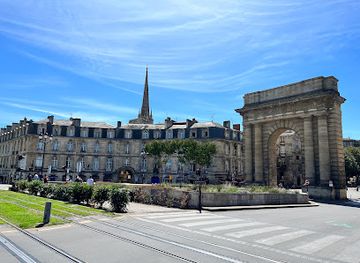
Porte de Bourgogne
Discover the Porte de Bourgogne in Bordeaux, a neoclassical masterpiece and historic gateway, offering a glimpse into the city's rich past.
13 min walk · 1.0 km from neighbourhood centre


Explore Bordeaux City Center on the map
A handpicked selection of must-see spots in Bordeaux City Center, mapped for you.
Best hotels in Bordeaux City Center
Best restaurants in Bordeaux City Center
Dining in Bordeaux City Center ranges from traditional brasseries and wine-focused restaurants to bakeries, cafés, contemporary kitchens and informal food counters. Saint-Pierre and the streets around Place du Parlement are particularly associated with concentrated evening dining, while the Triangle d’Or offers a more polished restaurant and café setting around the Grand-Théâtre and Cours de l’Intendance. Menus commonly draw on south-western French cooking, local seafood, seasonal produce and Bordeaux’s long relationship with wine, although the centre’s food scene is not limited to regional cuisine. The historic lanes also contain crêperies, international restaurants and places serving quick lunches for shoppers and office workers. For a more market-led experience, Marché des Capucins is south of the strict central core and can be reached on foot or by tram; it is better described as a nearby extension of the centre’s food culture than as a central square market.
-
French
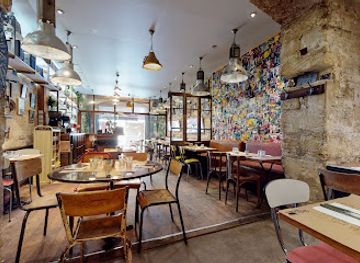
Les Fils à Maman Bordeaux
Discover authentic French flavors at Les Fils à Maman Bordeaux – where eclectic meets tradition in every bite.
9 min walk · 0.7 km from neighbourhood centre
-
Restaurant
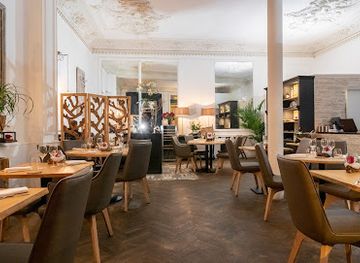
Restaurant Son'
Experience the essence of Haute French cuisine at Restaurant Son', where culinary artistry meets elegance in Bordeaux.
6 min walk · 0.5 km from neighbourhood centre
-
Fine Dining
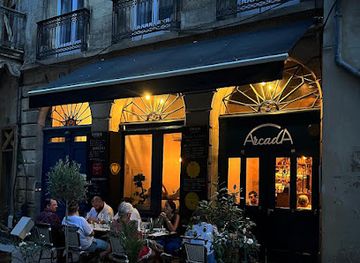
Arcada
Discover culinary excellence at Arcada, where fine dining meets exceptional service in the heart of Bordeaux.
10 min walk · 0.8 km from neighbourhood centre
-
French
Le M
Experience the elegance of French cuisine at Le M in Bordeaux, where tradition meets innovation for an unforgettable dining adventure.
10 min walk · 0.8 km from neighbourhood centre

Best bars in Bordeaux City Center
After dark, Bordeaux City Center is more strongly associated with bars, wine-led evenings and restaurant streets than with a large nightclub scene. Saint-Pierre, Place du Parlement and Rue Parlement Saint-Pierre gather several compact venues where visitors can try Bordeaux wines, cocktails or local beer in historic surroundings, while the lanes near Place Camille Jullian remain active around dinner and later drinks. The area around the Grand-Théâtre offers a more formal evening atmosphere, with performances providing an alternative to bar-hopping. Quayside walks can be attractive before or after an evening out, though they are open public spaces rather than a continuous nightlife strip. Sound carries through narrow residential streets, so visitors should keep voices down when leaving venues and should check current programmes and opening arrangements rather than assuming every bar or performance space operates nightly.
-
Pub
The Grizzly Pub
Experience the vibrant atmosphere of The Grizzly Pub in Bordeaux, your go-to destination for great drinks, lively entertainment, and unforgettable memories.
12 min walk · 1.0 km from neighbourhood centre
-
Bar
Les Berthom
Discover Les Berthom, a vibrant bar in Bordeaux offering exquisite drinks and an unforgettable atmosphere for an enjoyable night out.
8 min walk · 0.6 km from neighbourhood centre
-
Bar
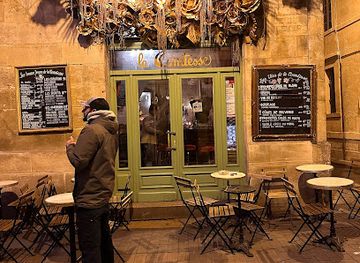
La Comtesse
Discover Bordeaux's vibrant bar scene at La Comtesse, offering a delightful selection of drinks in a charming atmosphere.
8 min walk · 0.6 km from neighbourhood centre
-
Pub
VINTAGE BAR - Rhumerie & Pub
Experience the vibrant nightlife of Bordeaux at Vintage Bar, a top rhumerie and pub with a fantastic selection of rums and cocktails.
8 min walk · 0.6 km from neighbourhood centre



Best nightclubs in Bordeaux City Center
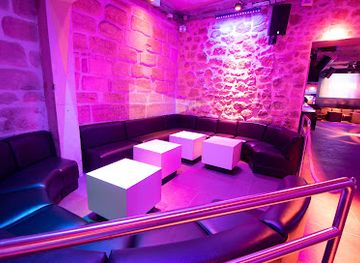
After dark, Bordeaux City Center is more strongly associated with bars, wine-led evenings and restaurant streets than with a large nightclub scene. Saint-Pierre, Place du Parlement and Rue Parlement Saint-Pierre gather several compact venues where visitors can try Bordeaux wines, cocktails or local beer in historic surroundings, while the lanes near Place Camille Jullian remain active around dinner and later drinks. The area around the Grand-Théâtre offers a more formal evening atmosphere, with performances providing an alternative to bar-hopping. Quayside walks can be attractive before or after an evening out, though they are open public spaces rather than a continuous nightlife strip. Sound carries through narrow residential streets, so visitors should keep voices down when leaving venues and should check current programmes and opening arrangements rather than assuming every bar or performance space operates nightly.
-
Night club
Le Cercle - Boite de nuit à Bordeaux
Discover the pulsating nightlife of Bordeaux at Le Cercle, where great music and an electric atmosphere await you.
9 min walk · 0.7 km from neighbourhood centre
-
Night club
Discothèque La Plage - Bordeaux
Dive into the vibrant nightlife of Bordeaux at Discothèque La Plage, where music meets excitement in an unforgettable clubbing experience.
7 min drive · 2.3 km from neighbourhood centre
-
Disco club
OPAL club lounge
Unleash your inner party animal at OPAL Club Lounge, Bordeaux's premier disco club with electrifying vibes and unforgettable nights.
5 min drive · 1.6 km from neighbourhood centre
-
Night club
Pachanga Club Bordeaux
Discover the nightlife of Bordeaux at Pachanga Club, where music, dancing, and excitement come together in an unforgettable experience.
7 min drive · 2.3 km from neighbourhood centre


Best shops in Bordeaux City Center
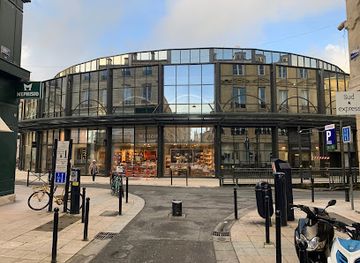
Shopping in Bordeaux City Center is anchored by Rue Sainte-Catherine, a long pedestrian thoroughfare lined with mainstream retailers, cafés and department-store-style shopping, but the surrounding streets offer a more varied experience. The Triangle d’Or, around Cours de l’Intendance, Allées de Tourny and the Grand-Théâtre, is associated with established fashion, beauty and luxury-oriented businesses, while Saint-Pierre and adjacent lanes contain independent boutiques, gift shops, galleries and food specialists. Visitors looking for regional products will find wine merchants, patisseries, chocolate shops and delicatessens throughout the central streets, although stock and opening arrangements vary. Marché des Capucins, outside the tightest historic core to the south, provides a nearby food-market contrast with produce, seafood and prepared dishes. The best browsing often comes from moving between the grand retail axis and smaller streets rather than treating the centre as one uniform shopping zone.
-
Shopping mall
Promenade Sainte Catherine
Explore the lively Promenade Sainte Catherine in Bordeaux, a shopping haven with charming cafes and unique local boutiques.
5 min walk · 0.4 km from neighbourhood centre
-
Department store
Galeries Lafayette Bordeaux
Experience the allure of Galeries Lafayette Bordeaux, a luxurious shopping haven for fashion, beauty, and home goods enthusiasts.
6 min walk · 0.5 km from neighbourhood centre
-
Shopping mall
La Galerie des Grands Hommes
Discover the elegance of La Galerie des Grands Hommes, a premier shopping mall in Bordeaux featuring diverse shops, dining, and stunning architecture.
7 min walk · 0.6 km from neighbourhood centre
-
Shopping mall
Saint-Christoly
Explore Saint-Christoly: A bustling shopping mall in Bordeaux offering diverse shops and dining options for every visitor.
3 min walk · 0.2 km from neighbourhood centre


Bordeaux City Center essentials
Getting There
Getting Around
Safety
Emergency Situations
Do's and Don'ts
Local Tips

From Eve
Local phrases worth knowing
You don't need to get them perfect. A few words go a long way, and locals appreciate the effort.
Basics
| English | Local | Say it |
|---|---|---|
| Hello | Bonjour | [bohn-zhoor] |
| Goodbye | Au revoir | [oh ruh-vwahr] |
| Yes | Oui | [wee] |
| No | Non | [nohn] |
| Please/You're welcome | S'il vous plaît/De rien | [seel voo pleh/duh ryehn] |
| Thank you | Merci | [mehr-see] |
| Excuse me/Sorry | Excusez-moi/Désolé | [ex-kew-zay mwa/day-zoh-lay] |
| How are you? | Comment ça va? | [koh-mohn sah vah] |
| Fine. And you? | Bien. Et vous? | [byehn. ay voo] |
| Do you speak English? | Parlez-vous anglais? | [par-lay voo ahn-glay] |
| I don't understand | Je ne comprends pas | [zhuh nuh kohm-prahnd pah] |
Eating & Drinking
| English | Local | Say it |
|---|---|---|
| I'd like to see the menu, please | Je voudrais voir la carte, s'il vous plaît | [zhuh voo-dray vwar lah kart, seel voo pleh] |
| I don't eat meat | Je ne mange pas de viande | [zhuh nuh mahnj pah duh vee-ahnd] |
| Cheers! | Santé! | [sahn-tay] |
| I would like to pay, please | Je voudrais payer, s'il vous plaît | [zhuh voo-dray pay-ay, seel voo pleh] |
Emergencies
| English | Local | Say it |
|---|---|---|
| Help! | Au secours! | [oh seh-koor] |
| Go away! | Allez-vous en! | [al-ay vooz ahn] |
| Call the Police! | Appelez la police! | [ah-peh-lay lah poh-leece] |
| Call a doctor! | Appelez un médecin! | [ah-peh-lay uh mayd-sahn] |
| I'm lost | Je suis perdu | [zhuh swee pair-doo] |
| I'm ill | Je suis malade | [zhuh swee mah-lahd] |
Shopping
| English | Local | Say it |
|---|---|---|
| I'd like to buy... | Je voudrais acheter... | [zhuh voo-dray zah-shay...] |
| I'm just looking | Je regarde juste | [zhuh ruh-gahrd zhuhst] |
| How much is it? | Combien ça coûte? | [kohm-byen sah koot] |
| That's too expensive | C'est trop cher | [say troh shair] |
| Can you lower the price? | Pouvez-vous baisser le prix? | [poo-vay voo beh-say luh pree] |
Time & Numbers
| English | Local | Say it |
|---|---|---|
| What time is it? | Quelle heure est-il? | [kell ur ay-teel] |
| It's one o'clock | Il est une heure | [eel ay tun ur] |
| Half past (10) | Dix heures et demie | [dees ur ay duh-mee] |
| Morning | Matin | [mah-tahn] |
| Afternoon | Après-midi | [ah-pray meed-ee] |
| Evening | Soir | [swahr] |
| Yesterday | Hier | [yehr] |
| Today | Aujourd'hui | [oh-zhoor dwee] |
| Tomorrow | Demain | [duh-mahn] |
| 1 | Un | [uhn] |
| 2 | Deux | [duh] |
| 3 | Trois | [twah] |
| 4 | Quatre | [kah-truh] |
| 5 | Cinq | [sank] |
| 6 | Six | [sees] |
| 7 | Sept | [sept] |
| 8 | Huit | [wheat] |
| 9 | Neuf | [nurf] |
| 10 | Dix | [dees] |
Transport & Directions
| English | Local | Say it |
|---|---|---|
| Where's a/the...? | Où est le/la...? | [oo ay luh/lah] |
| What's the address? | Quelle est l'adresse? | [kell ay lahd-rehs] |
| Can you show me (on the map)? | Pouvez-vous me montrer (sur la carte)? | [poo-vay voo muh mohn-tray (soor lah kart)] |
| When's the next (bus)? | Quand est le prochain (bus)? | [kahnd ay luh proh-shang (boos)] |
| A ticket (to ....) | Un billet (pour ....) | [uhn bee-yay (poor)] |
History of Bordeaux City Center
From Burdigala to the Medieval Port
The central area developed from Burdigala, the Roman settlement established beside the Garonne, whose port and road links helped make it an important centre in the ancient province of Aquitania. Medieval Bordeaux grew around its river trade and religious institutions, with Saint-Pierre emerging near the old harbour and the cathedral quarter developing farther south. The street plan still preserves traces of this layered history: irregular lanes and compact plots contrast with the more formal avenues created later. Trade in wine and other goods connected the centre to the river, while churches, market spaces and defensive gates gave the medieval town its institutional and commercial structure.
Gates, Trade and Civic Power
During the medieval and early modern periods, Bordeaux’s central waterfront and mercantile districts expanded in importance. Porte Cailhau, built at the end of the fifteenth century, commemorated a royal victory and formed part of the city’s defensive edge beside the river. The Grosse Cloche marked another important entrance through the former town hall complex, while Saint-Pierre remained associated with commerce and maritime exchange. Bordeaux’s prosperity was closely tied to Atlantic trade, including the wine economy and colonial commerce; that wider history shaped the wealth of the central merchant class and the scale of later building, while also involving slavery and colonial exploitation.
The Eighteenth-Century Transformation
Bordeaux’s centre was dramatically reshaped in the eighteenth century, when urban improvements replaced or regularised parts of the older settlement. Place de la Bourse, originally called Place Royale, was created beside the Garonne as an elegant architectural setting for trade and civic representation. Classical façades, new quays and straighter streets gave the waterfront a more ordered appearance, while the Grand-Théâtre, opened in 1780, became a major cultural and architectural statement. These works connected prosperity, commerce and public image, producing much of the limestone cityscape that defines the central Bordeaux seen today.
Modernisation and Heritage Protection
The nineteenth and twentieth centuries brought new transport systems, changing commercial patterns and the gradual adaptation of historic buildings to modern urban life. Tramways and later road traffic altered the relationship between streets and the waterfront, while department stores and specialist shops strengthened the centre’s retail role. In the late twentieth century, pedestrianisation, restoration and the renewal of the quays helped rebalance the area towards walking and public space. The historic centre’s inclusion within Bordeaux’s UNESCO-listed urban area in 2007 recognised the exceptional continuity of its architecture and planning, while also reinforcing the importance of managing tourism, traffic and everyday residential life.
Bordeaux City Center in Photos
Browse through our photo collection highlighting the charm and character of the destination.
Neighbourhoods near Bordeaux City Center
The closest neighbourhoods to Bordeaux City Center, if you have time for more than one stop.
-

-

-

-

-


Swipe for more neighbourhoods
Explore more

Explore more of Bordeaux
Bordeaux, France, pairs UNESCO-listed riverside architecture with wine culture, elegant squares, museums, markets, lively dining and memorable urban sightseeing.
Explore Bordeaux