

KURFÜRSTENHAUS, Berlin Travel Guide
Explore the historic Kurfürstenhaus in Berlin's Nikolaiviertel, a blend of Neo-Renaissance architecture and captivating history on the scenic Spreeufer, offering a glimpse into the city's past and vibrant present.
The Kurfürstenhaus, nestled in Berlin's charming Nikolaiviertel on the banks of the Spree, is a building steeped in history and architectural significance. Built in the late 19th century, it stands as a testament to Berlin's evolving urban landscape, blending Neo-Renaissance and Neoclassical styles. Named after Elector Johann Sigismund, who sought refuge here due to superstitious beliefs, the Kurfürstenhaus has witnessed centuries of Berlin's transformations. Today, it houses various businesses and cultural spaces, offering visitors a glimpse into the city's past while enjoying the vibrant atmosphere of the reconstructed Nikolaiviertel. Its location along the Spreeufer provides a picturesque setting, making it an ideal spot for a leisurely stroll and exploration of nearby landmarks, museums, and the lively heart of Berlin. The building's resilience and architectural details make it a compelling stop for those interested in Berlin's rich history and urban development.
A brief summary to KURFÜRSTENHAUS
- Spreeufer 5, Berlin, Mitte, 10178, DE

Know before you go
Hi, I'm Eve. Here are a few practical things to know before exploring KURFÜRSTENHAUS.
- Visit during the golden hour for stunning photographs of the building reflecting off the Spree River.
- Explore the nearby Nikolaikirche and Knoblauchhaus to delve deeper into the history of the Nikolaiviertel.
- Take a leisurely stroll along the Spreeufer to enjoy the scenic views and vibrant atmosphere of the waterfront.
Do you manage this location?
Take control to get all the benefits, like improved information, better appearance, and stronger visibility across AI-powered discovery. Learn more about listing your business on Evendo
Activate your presenceOther nearby places you may find interesting
The closest places of the same kind, if this one is not quite what you had in mind.
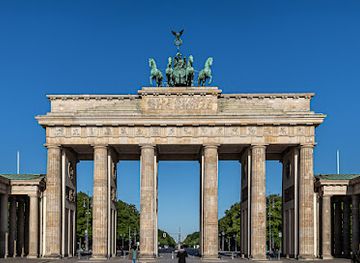
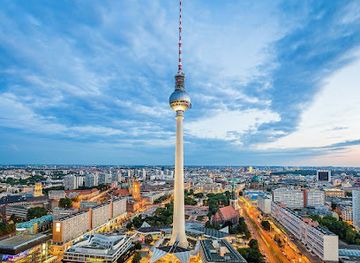
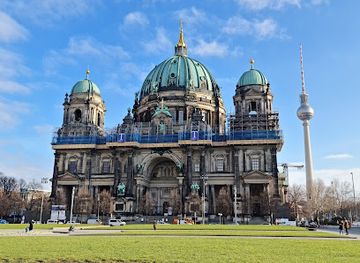
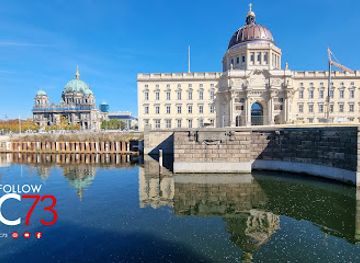
Explore KURFÜRSTENHAUS on the Map
A handpicked selection of must-see spots near KURFÜRSTENHAUS, mapped for you.
Unlock the Best of KURFÜRSTENHAUS
Buy tickets
-
No tickets available
Book tours with entry
-
No tours available
Book tours without entry

Getting There
-
Public Transport
The Kurfürstenhaus is easily accessible via public transport. From Alexanderplatz, take the U5 subway line to the Rotes Rathaus station, which is a short walk to Spreeufer 5. Alternatively, several bus lines, including the 100, 147, and 300, stop near the Nikolaiviertel. A single fare for public transport within Berlin (Zone A) is approximately €3.00. Purchase tickets from vending machines at the station or via the BVG app.
-
Walking
If you are already in the Mitte district, walking to the Kurfürstenhaus is a pleasant option. From Museum Island, cross the Schlossbrücke (Palace Bridge) and continue along the Spreeufer. The Kurfürstenhaus will be on your left, a few blocks past the Berlin Cathedral. The walk offers scenic views of the river and surrounding landmarks.
-
Taxi/Ride-Share
A taxi or ride-share from a central location like Alexanderplatz to the Kurfürstenhaus will take approximately 5-10 minutes, depending on traffic. The estimated fare is between €8 and €12. Ride-sharing services like Uber and Free Now are readily available in Berlin.
-
Driving
Driving to the Kurfürstenhaus is possible, but parking in the immediate vicinity can be limited and expensive. Street parking is available but often requires a parking disc and may have time restrictions. Several multi-story car parks are located within a 10-15 minute walk, such as those near Alexanderplatz or the DomAquarée. Parking fees typically range from €2 to €4 per hour.
Discover more about KURFÜRSTENHAUS













Your all‑in‑one travel companion app
Explore expert travel guides, compare and book tours, experiences, hotels, and more—all from the palm of your hand. Download now for seamless trip planning wherever your wanderlust takes you.


Explore More of Berlin
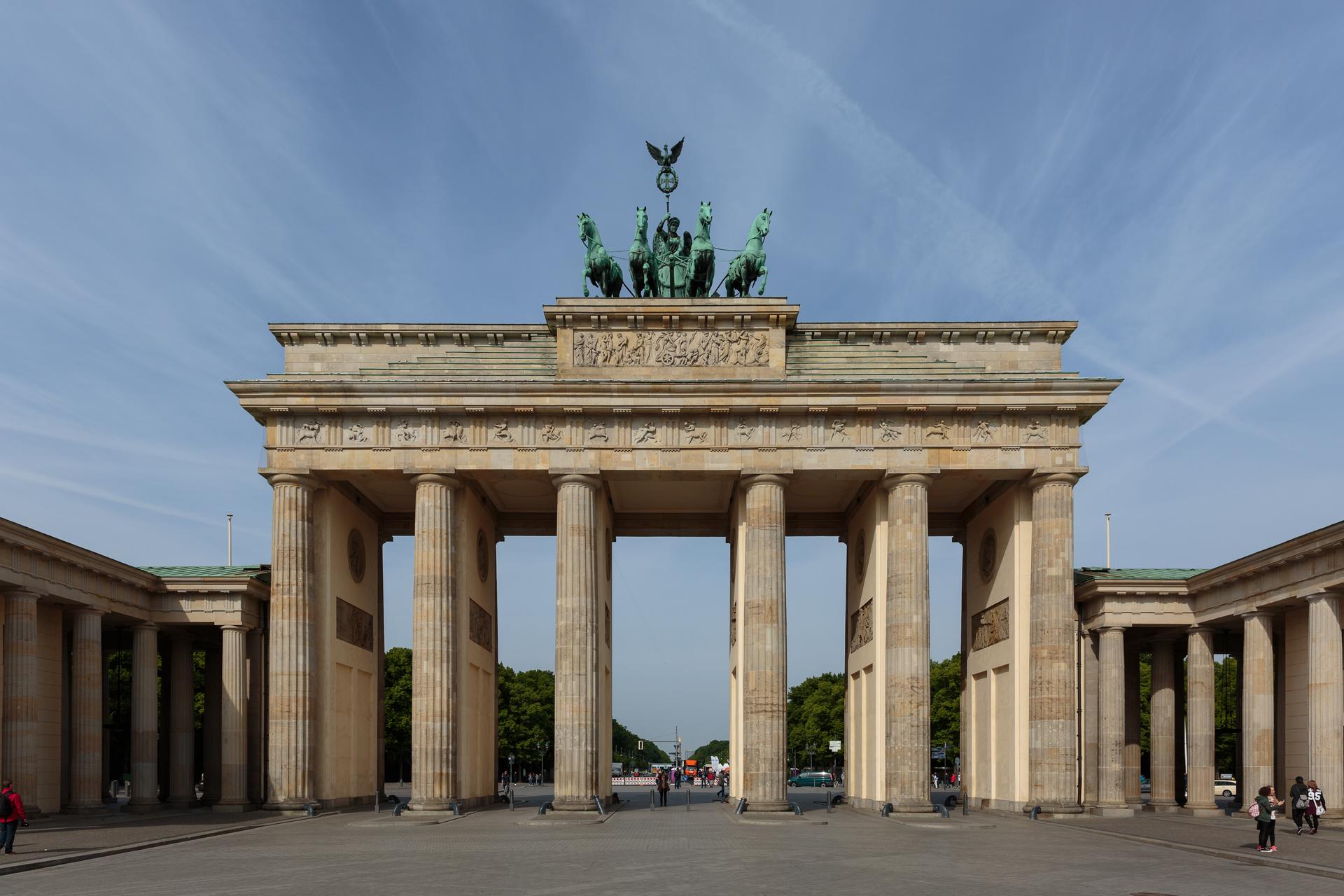
Looking beyond KURFÜRSTENHAUS? Discover Berlin for broader travel guides, local hot-spots, and regional highlights.
Explore Berlin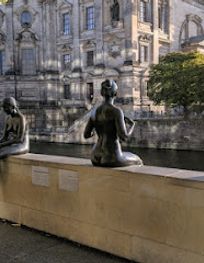
Explore the historical significance and artistic allure of Three Girls and a Boy, a must-visit landmark in Berlin's vibrant Mitte district.

Discover the Wappenbrunnen in Berlin's Nikolaiviertel: a historical fountain commemorating the city's founding with symbolic coats of arms and the iconic Berlin bear.
