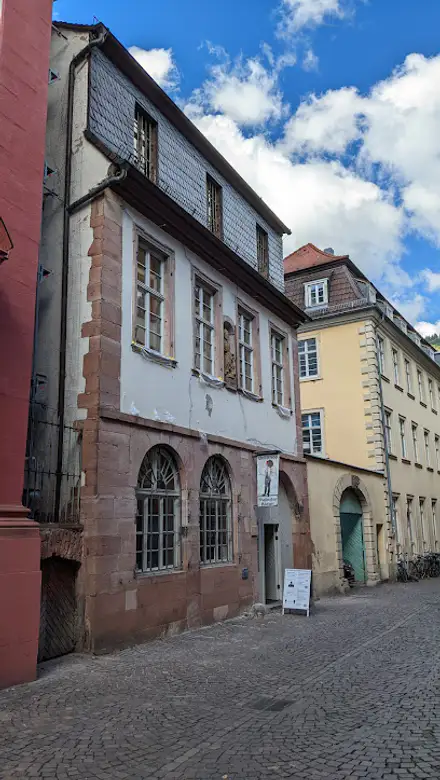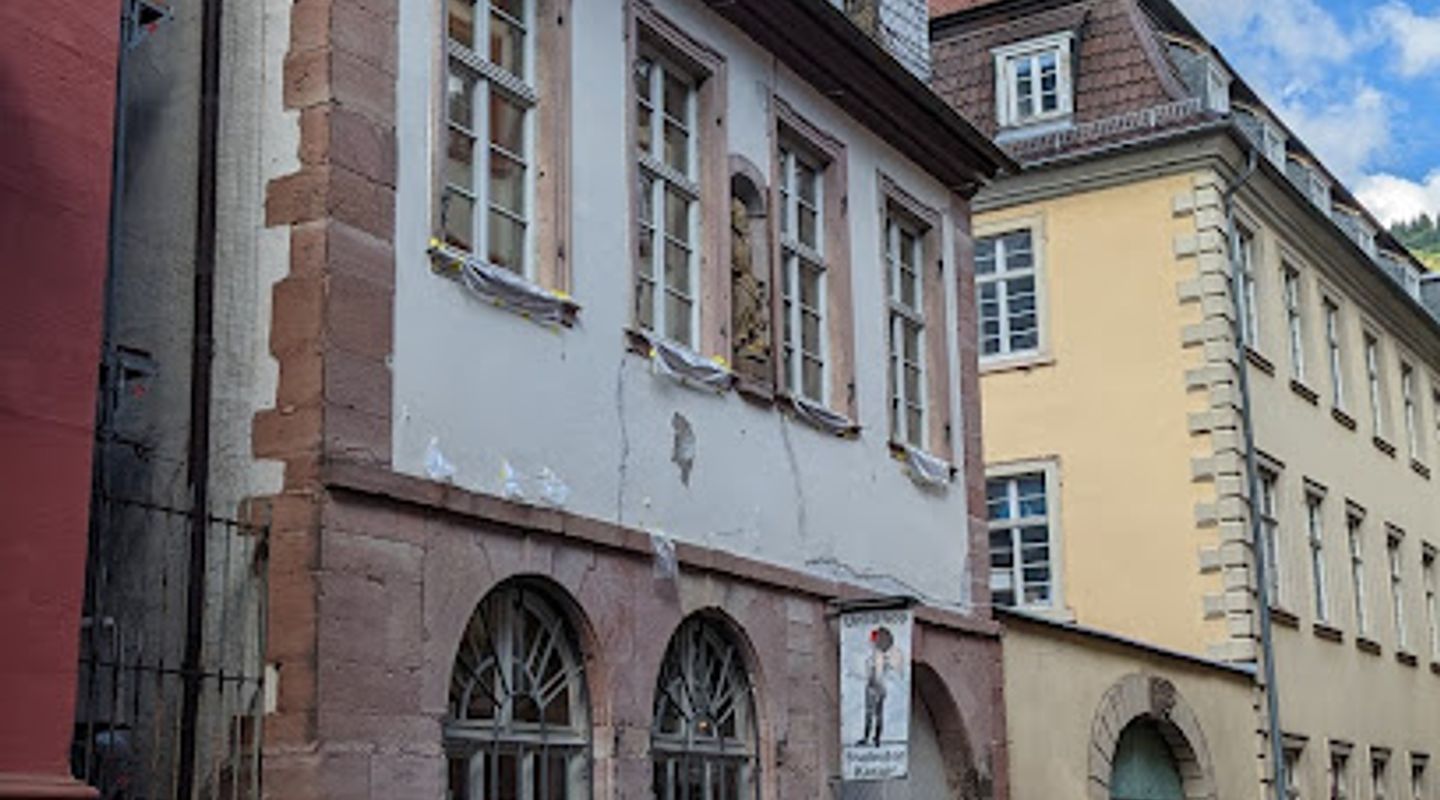
Studentenkarzer, Heidelberg Travel Guide
Explore the intriguing history of Heidelberg University's former student prison, where graffiti-covered walls tell tales of mischief and tradition from a bygone era.
The Studentenkarzer, or student prison, in Heidelberg is a unique historical site offering a glimpse into the lives of unruly university students from the late 18th to the early 20th centuries. Used to discipline students for minor offenses like drunken behavior, disturbing the peace, and dueling, the prison became a badge of honor for many. Inmates were allowed to attend classes but spent their free time within the Karzer's walls, which they decorated with graffiti, poems, and caricatures that remain today. Visiting the Studentenkarzer provides a fascinating look at student culture and traditions of a bygone era, making it a must-see for anyone interested in Heidelberg's rich history and academic heritage. The prison's well-preserved state and the intriguing stories behind its former occupants make it a memorable and thought-provoking experience.
A brief summary to Studentenkarzer
- Augustinergasse 2, Heidelberg, Heidelberger Altstadt, 69117, DE
- Click to display
- Click to display
- Tuesday 10 am-6 pm
- Wednesday 10 am-6 pm
- Thursday 10 am-6 pm
- Friday 10 am-6 pm
- Saturday 10 am-6 pm

Know before you go
Hi, I'm Eve. Here are a few practical things to know before exploring Studentenkarzer.
- Purchase a combi-ticket to also visit the University Museum and Alte Aula, located nearby, for a more comprehensive understanding of Heidelberg University's history.
- Look closely at the graffiti; many inscriptions represent student fraternities and offer insights into their traditions and rivalries.
- Visit during off-peak hours to avoid crowds and have a more intimate experience exploring the prison's rooms and reading the wall art.
Do you manage this location?
Take control to get all the benefits, like improved information, better appearance, and stronger visibility across AI-powered discovery. Learn more about listing your business on Evendo
Activate your presenceOther nearby places you may find interesting
The closest places of the same kind, if this one is not quite what you had in mind.

Explore Studentenkarzer on the Map
A handpicked selection of must-see spots near Studentenkarzer, mapped for you.
Unlock the Best of Studentenkarzer
Buy tickets
-
No tickets available
Book tours with entry


Getting There
-
Walking
From Universitätsplatz in Heidelberg's Altstadt (Old Town), walk south on Augustinergasse. The Studentenkarzer is located behind the Old University building at Augustinergasse 2. Look for the 'Uni Shop-Studenten Karzer' sign. The entrance is up a set of stairs. Admission to the Studentenkarzer is €6 for adults, or €4.50 reduced, as part of a combi-ticket that includes the University Museum and Special Exhibition. A special ticket for just the Karzer is available for €4 for adults, or €3.50 reduced, when the University Museum is closed.
-
Public Transport
From Heidelberg Hauptbahnhof (main train station), take a tram or bus to the 'Peterskirche' or 'Universitätsplatz' stop. From either stop, walk a short distance to Augustinergasse. The Studentenkarzer is located behind the Old University building at Augustinergasse 2. Look for the 'Uni Shop-Studenten Karzer' sign. A single tram/bus ticket costs approximately €2.60. Admission to the Studentenkarzer is €6 for adults, or €4.50 reduced, as part of a combi-ticket that includes the University Museum and Special Exhibition. A special ticket for just the Karzer is available for €4 for adults, or €3.50 reduced, when the University Museum is closed.
-
Taxi/Ride-Share
From Heidelberg Hauptbahnhof (main train station), a taxi or ride-share to Augustinergasse in the Altstadt will take approximately 5-10 minutes, depending on traffic. Expect to pay around €10-€15. The Studentenkarzer is located behind the Old University building at Augustinergasse 2. Look for the 'Uni Shop-Studenten Karzer' sign. Admission to the Studentenkarzer is €6 for adults, or €4.50 reduced, as part of a combi-ticket that includes the University Museum and Special Exhibition. A special ticket for just the Karzer is available for €4 for adults, or €3.50 reduced, when the University Museum is closed.
Discover more about Studentenkarzer













Your all‑in‑one travel companion app
Explore expert travel guides, compare and book tours, experiences, hotels, and more—all from the palm of your hand. Download now for seamless trip planning wherever your wanderlust takes you.


Explore More of Heidelberg
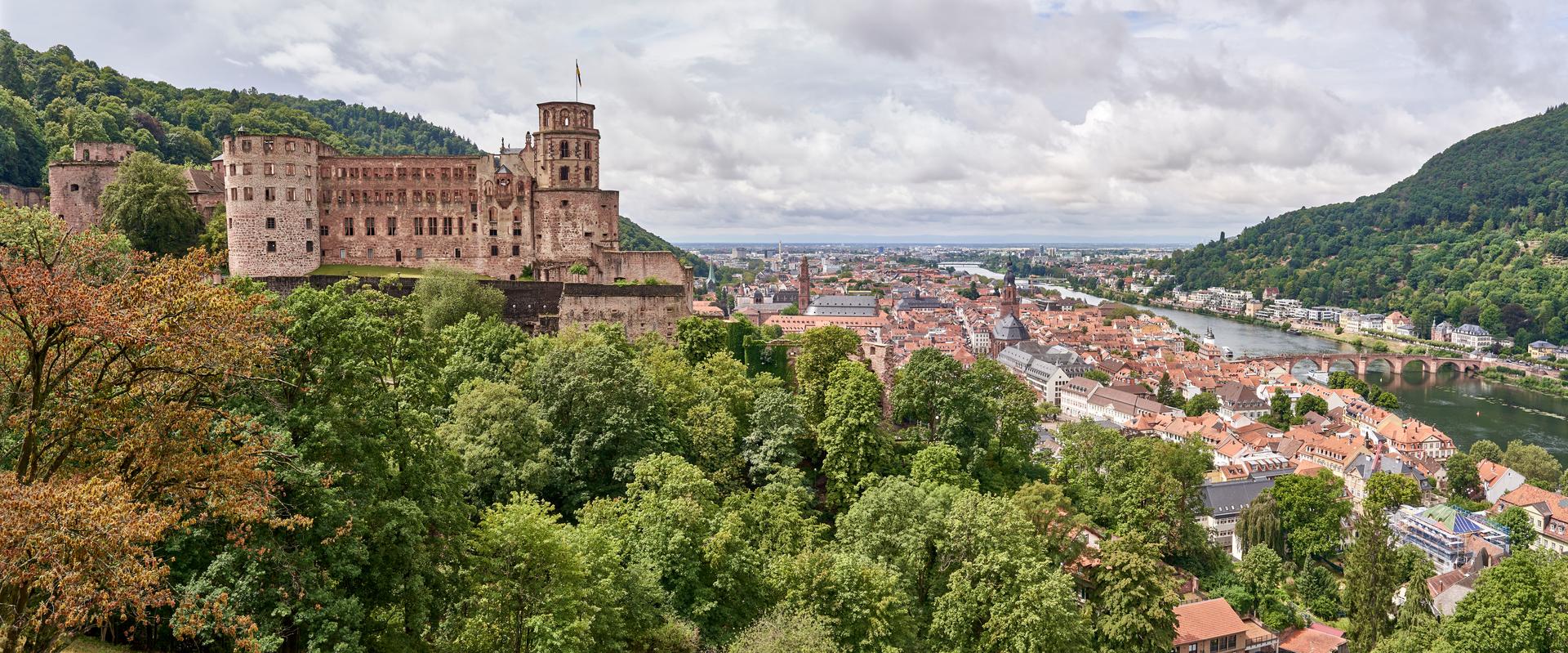
Looking beyond Studentenkarzer? Discover Heidelberg for broader travel guides, local hot-spots, and regional highlights.
Explore Heidelberg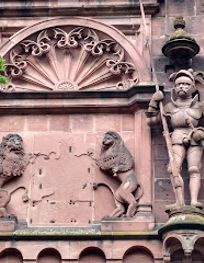
Discover the captivating beauty and rich history of Heidelberg Castle, a must-visit UNESCO World Heritage site in Germany.
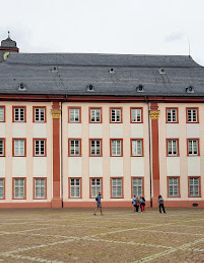
Explore Germany's oldest university, a Baroque masterpiece in Heidelberg's Old Town, and discover centuries of academic excellence and historical significance.