

Crete, Greece Travel Guide
Discover the enchanting island of Crete, where ancient history meets breathtaking landscapes and vibrant culture. Explore ruins, relax on pristine beaches, and savor local cuisine.
Crete, the largest of the Greek islands, is a jewel in the Mediterranean Sea. Known for its stunning beaches, ancient ruins, and vibrant cities, Crete offers a unique blend of natural beauty and historical intrigue. From the bustling city of Heraklion to the serene shores of Elafonissi, there's something for every traveler to enjoy. Crete's history stretches back thousands of years, with the Minoan civilization leaving a lasting legacy on the island. Visitors can explore the ancient palace of Knossos, believed to be the center of the Minoan world. The island is also home to numerous museums, where artifacts tell the story of Crete's rich past. In addition to its historical sites, Crete boasts some of the most picturesque landscapes in Greece. The Samaria Gorge, one of Europe's longest gorges, offers a challenging hike through stunning scenery. For those seeking relaxation, the island's beaches, such as Balos and Vai, provide crystal-clear waters and soft sands. Crete's cuisine is another highlight, with fresh, local ingredients creating delicious dishes. From the famous Cretan dakos to fresh seafood, the island's food is a feast for the senses. Be sure to try the local olive oil, renowned for its quality and flavor. Whether you're a history buff, a nature lover, or a foodie, Crete has something to offer. Its warm climate, friendly locals, and diverse attractions make it an ideal destination for any traveler.

Know before you go
Hi, I'm Eve. Here are a few practical things to know before exploring Crete.
- Rent a car to explore the island. Public transport can be limited, and a car allows you to visit remote beaches and villages.
- Visit Knossos early in the morning or late in the afternoon to avoid crowds and the midday heat.
- Wear comfortable shoes for hiking the Samaria Gorge. It's a long and challenging trek but well worth the effort.
- Try the local wines. Crete has a long history of winemaking, and local varieties are unique and flavorful.
- Stay in a traditional Cretan village to experience local culture and hospitality.

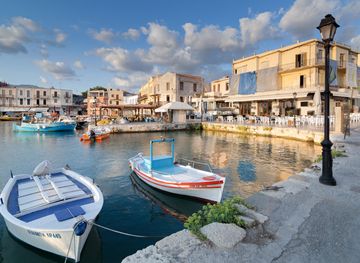

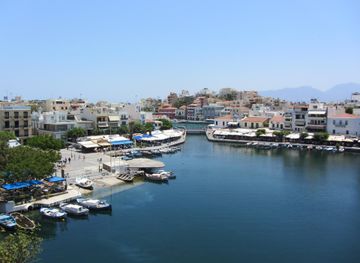
Explore Crete: Things to Do, Places to Eat, Hotels & More
Handpicked recommendations for top attractions, local dining, accommodations, and more

Best attractions in Crete
Top-rated picks
Best Attractions
Browse the full guide
All Attractions

Knossos Palace
Discover the enchanting ruins of Knossos Palace, the heart of Minoan civilization, on a captivating journey through ancient Greek history.

Heraklion Archaeological Museum
Explore the Heraklion Archaeological Museum, home to Crete's finest Minoan artifacts and a gateway to the island's ancient history.

CRETAquarium Thalassokosmos
Explore the magic of marine life at CRETAquarium Thalassokosmos, where education meets entertainment in the heart of Heraklion, Crete.

Morosini Fountain
Explore the enchanting Morosini Fountain in Heraklion, a historical landmark that beautifully showcases Venetian architecture and the vibrant local culture.

Best landmarks in Crete
Top-rated picks
Best Landmarks
Browse the full guide
All Landmarks

Venetian Shipyards
Discover the Venetian Shipyards in Heraklion, where history meets beauty along the stunning Cretan coastline.
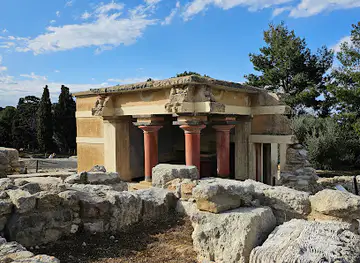
Knossos Palace
Journey to Knossos Palace: Explore the legendary Minoan civilization and uncover the myths of ancient Crete, just outside Heraklion.

Heraklion Archaeological Museum
Discover the wonders of Minoan civilization at the Heraklion Archaeological Museum, home to an unparalleled collection of ancient Cretan artifacts.

Lighthouse of Chania
Iconic Chania Lighthouse: A blend of Venetian, Ottoman & Egyptian history, offering breathtaking harbor views and a glimpse into Crete's past.

Best restaurants in Crete
Top-rated picks
Best Restaurants
Browse the full guide
All Restaurants
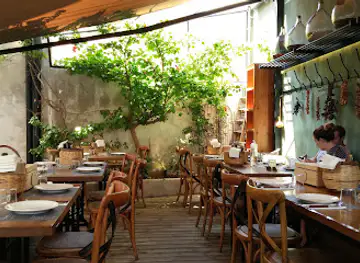
Peskesi
Discover authentic Cretan flavors at Peskesi in Heraklion – where tradition meets culinary excellence.

Karnagio / Pita tou Riga
Discover authentic Greek flavors at Karnagio / Pita tou Riga in Agios Nikolaos - where tradition meets taste.

TAMAM RESTAURANT CHANIA
Experience authentic Cretan cuisine at Tamam Restaurant in Chania's enchanting Old Harbour – where every dish tells a story.

Gioma Meze
Experience the best seafood dining at Gioma Meze in Agios Nikolaos - where every bite tells a story of Greek culinary tradition.

Best bars in Crete
Top-rated picks
Best Bars
Browse the full guide
All Bars
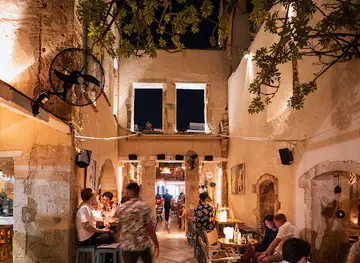
Sinagogi coctail bar
Discover Sinagogi Cocktail Bar in Chania, where innovative cocktails meet a vibrant nightlife experience amidst charming surroundings.

Chaplins
Experience the vibrant atmosphere and delicious flavors of Chaplins, Rethymno's beloved gastropub and bar.

Kimzu sea Lounge (EOT)
Discover Kimzu Sea Lounge in Agios Nikolaos: where exquisite cocktails meet stunning views, perfect for a memorable seaside experience.

NEMO Beach Bar
Experience the vibrant atmosphere and stunning views at NEMO Beach Bar in Stalis, a must-visit destination for relaxation and nightlife.

Best nightclubs in Crete
Top-rated picks
Best Nightclubs
Browse the full guide
All Nightclubs

Kimzu sea Lounge (EOT)
Discover the vibrant Kimzu Sea Lounge in Agios Nikolaos, where delightful cocktails and stunning sea views create the perfect getaway.
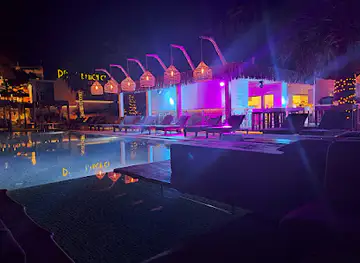
Palm Beach Club
Discover the ultimate nightlife experience at Palm Beach Club, where cocktails, fast food, and vibrant music create unforgettable memories in Limenas Chersonisou.

Bajamar - Cocktail Bar
Discover Bajamar, Agios Nikolaos' premier cocktail bar, where stunning views and creative drinks create an unforgettable nightlife experience.

Alexandros Roof Cocktail Bar
Experience breathtaking views and vibrant nightlife at Alexandros Roof Cocktail Bar, Agios Nikolaos' premier rooftop destination for cocktails.

Best shops in Crete
Top-rated picks
Best Shops
Browse the full guide
All Shops

Talos Plaza
Experience shopping, dining, and local culture at Talos Plaza, Heraklion's bustling shopping mall, perfect for tourists seeking a vibrant atmosphere.

Botano
Explore Botano in Λίσταρος for a delightful selection of herbs, spices, and natural wellness products that capture the essence of Greek culinary traditions.

Cretan Lyra workshop - Stagakis museum - Traditional instruments
Discover the rich traditions of Cretan music at the Cretan Lyra Workshop, where craftsmanship meets culture in a harmonious celebration.

To Kaniski
Discover To Kaniski in Kissamos - a charming shopping mall offering unique local crafts, organic products, and exquisite fashion accessories.

Explore Crete on the Map
A handpicked selection of must-see spots in Crete, mapped for you.
Crete Essentials
-
Crete, Greece's largest island, can be accessed by both air and sea. The island has two international airports: Heraklion International Airport (HER) and Chania International Airport (CHQ), both well-connected to major cities in Europe. Ferries from Athens' Piraeus Port also serve Crete, docking at Heraklion, Chania, and Rethymnon ports. Ferry services are frequent, especially during the summer months.
-
Public transport, including buses operated by KTEL, is reliable and covers most of the island. Renting a car is a popular choice for exploring remote areas and beaches. Taxis are available in larger towns and cities, and ride-hailing apps like Beat are commonly used. Motorbikes and bicycles can also be rented for shorter distances. Roads can be narrow and winding, so drive cautiously.
-
The official currency in Crete is the Euro (EUR). Credit and debit cards are widely accepted in hotels, restaurants, and larger shops, but it's advisable to carry cash, especially in rural areas or smaller establishments. ATMs are readily available in towns and tourist areas. Tipping is customary but not obligatory; rounding up the bill or leaving 5-10% is appreciated.
-
Crete is generally a safe destination for tourists. However, pickpocketing can occur in crowded places such as markets and tourist spots. Areas like Heraklion's city center may experience higher rates of petty crime, so remain vigilant and avoid displaying valuables. Always keep an eye on personal belongings and use hotel safes for storing important documents and valuables.
-
In case of emergency, dial 112, the European emergency number. For medical emergencies, public hospitals are available in major cities like Heraklion, Chania, and Rethymnon. Pharmacies are widespread and can provide over-the-counter medications. It is recommended to have travel insurance that covers medical emergencies. Police stations are located in all towns for reporting crimes.
-
Fashion: Do dress modestly when visiting religious sites. Avoid overly revealing clothing. Religion: Do respect local customs, such as covering your shoulders and knees in churches and monasteries. Public Transport: Do be courteous and offer your seat to elderly passengers. Don’t speak loudly or eat on public transport. Greetings: Do greet people with a polite 'Kalimera' (Good morning) or 'Kalispera' (Good evening). Eating & Drinking: Do try local dishes and wines. Don’t rush meals; dining is a leisurely activity in Crete.
-
To experience Crete like a local, visit the village tavernas for authentic Cretan cuisine. Engage with locals, who are known for their hospitality and willingness to share stories about their island. Participating in local festivals and fairs can offer a deeper understanding of Cretan culture. Don’t miss out on exploring the less touristy villages and natural landscapes, such as the Samaria Gorge and Elafonissi Beach.
When is the best time to visit Crete?
Useful Local Phrases for Crete
You don't need to speak the language perfectly. Even learning a few simple words can make conversations warmer—and locals usually appreciate the effort.
— Eve

Here are the phrases I use most often in Crete. Try a few—you'll be surprised how far they go! 😊
❤️
-
- HelloΓεια σας
[Ya sas] - GoodbyeΑντίο
[Adio] - YesΝαι
[Ne] - NoΌχι
[Ohi] - Please/You're welcomeΠαρακαλώ
[Parakalo] - Thank youΕυχαριστώ
[Efharisto] - Excuse me/SorryΣυγγνώμη
[Signomi] - How are you?Τι κάνεις;
[Ti kanis?] - Fine. And you?Καλά. Εσύ;
[Kala. Esi?] - Do you speak English?Μιλάτε αγγλικά;
[Milate anglika?] - I don't understandΔεν καταλαβαίνω
[Den katalaveno]
- HelloΓεια σας
-
- I'd like to see the menu, pleaseΘα ήθελα να δω το μενού, παρακαλώ
[Tha ithela na do to menu, parakalo] - I don't eat meatΔεν τρώω κρέας
[Den troo kreas] - Cheers!ΥΓΕΙΑ!
[Yia] - I would like to pay, pleaseΘα ήθελα να πληρώσω, παρακαλώ
[Tha ithela na pliros-o, parakalo]
- I'd like to see the menu, pleaseΘα ήθελα να δω το μενού, παρακαλώ
-
- Help!Βοήθεια!
[Voithia!] - Go away!Φύγε!
[Fi-ge!] - Call the Police!Καλέστε την Αστυνομία!
[Ka-leste tin Astinomia!] - Call a doctor!Καλέστε γιατρό!
[Ka-leste giatro!] - I'm lostΈχω χαθεί
[Eho ha-thee] - I'm illΕίμαι άρρωστος
[E-mai a-ro-stos]
- Help!Βοήθεια!
-
- I'd like to buy...Θα ήθελα να αγοράσω...
[Tha ithela na agoras-o] - I'm just lookingΑπλά κοιτάω
[Apla kitao] - How much is it?Πόσο κοστίζει;
[Poso kostizi?] - That's too expensiveΑυτό είναι πολύ ακριβό
[Afto ine poli akri-vo] - Can you lower the price?Μπορείτε να μειώσετε την τιμή;
[Borite na mei-ose-te tin timi?]
- I'd like to buy...Θα ήθελα να αγοράσω...
-
- What time is it?Τι ώρα είναι;
[Ti ora ine?] - It's one o'clockΕίναι μία η ώρα
[E-ne mia i ora] - Half past (10)Μισή (10)
[Mi-si (10)] - MorningΠρωί
[Pro-i] - AfternoonΑπόγευμα
[A-po-yef-ma] - EveningΒράδυ
[Vra-thi] - YesterdayΧτες
[Htes] - TodayΣήμερα
[Si-mera] - TomorrowΑύριο
[Au-rio] - 1Ένα
[E-na] - 2Δύο
[Thi-o] - 3Τρία
[Tri-a] - 4Τέσσερα
[Te-se-ra] - 5Πέντε
[Pen-de] - 6Έξι
[E-xi] - 7Επτά
[Ep-ta] - 8Οκτώ
[Ok-to] - 9Εννιά
[En-nia] - 10Δέκα
[The-ka]
- What time is it?Τι ώρα είναι;
-
- Where's a/the...?Πού είναι ένα/το...;
[Pou ine ena/to...?] - What's the address?Ποια είναι η διεύθυνση;
[Pia ine i diefthinsi?] - Can you show me (on the map)?Μπορείτε να μου δείξετε (στο χάρτη);
[Borite na mou di-xe-te (sto har-ti)?] - When's the next (bus)?Πότε είναι το επόμενο (λεωφορείο);
[Pote ine to e-po-meno (leoforio)?] - A ticket (to ....)Ένα εισιτήριο (για...);
[Ena isiti-rio (gia...)?]
- Where's a/the...?Πού είναι ένα/το...;
History of Crete
-
Crete is widely regarded as the birthplace of the Minoan civilization, which flourished from approximately 2600 to 1100 BCE. The Minoans are credited with creating Europe's first advanced civilization, characterized by its impressive palaces, sophisticated art, and intricate writing systems such as Linear A. The Palace of Knossos, located near the modern-day city of Heraklion, is one of the most prominent archaeological sites from this period.
-
According to Greek mythology, Crete is home to the legendary labyrinth that housed the Minotaur, a creature with the body of a man and the head of a bull. The labyrinth was constructed by the master craftsman Daedalus under the orders of King Minos. This mythological tale is deeply intertwined with the history of the Minoan palace at Knossos and remains one of the most captivating stories associated with Crete.
-
Around 1450 BCE, the Minoan civilization began to decline, possibly due to natural disasters like earthquakes and volcanic eruptions. This period saw the rise of the Mycenaeans from mainland Greece, who gradually took over Crete. The Mycenaeans adopted many aspects of Minoan culture, including their art and writing systems, and continued to use the palaces on the island.
-
In 67 BCE, the Roman Empire conquered Crete after a protracted and bloody campaign. The island was subsequently integrated into the Roman province of Crete and Cyrenaica. Under Roman rule, Crete experienced a period of relative peace and prosperity, with the construction of significant infrastructure such as roads, aqueducts, and public buildings.
-
Following the fall of the Western Roman Empire, Crete became part of the Byzantine Empire. However, in 824 CE, the island was captured by Arab forces, who established the Emirate of Crete. This period saw the construction of the city of Chandax (modern-day Heraklion) as a major center of commerce and piracy. The Byzantines recaptured the island in 961 CE, leading to a revival of Christian culture and architecture.
-
In 1204, after the Fourth Crusade, Crete came under the control of the Republic of Venice. The Venetians ruled the island for over four centuries, leaving a lasting impact on its architecture, art, and culture. The fortresses, harbors, and buildings from this period, such as the Fortezza in Rethymno and the Venetian Harbor in Chania, are still prominent landmarks today.
-
Crete was conquered by the Ottoman Empire in 1669 after a protracted siege of Candia (Heraklion). The Ottoman rule lasted until the late 19th century and brought significant changes to the island's social and religious landscape. Many churches were converted to mosques, and the influence of Ottoman architecture is still visible in cities like Heraklion and Chania.
-
One of the most significant events in Crete's modern history is the Battle of Crete during World War II. In May 1941, Nazi Germany launched an airborne invasion of the island, which was defended by Allied forces and Cretan resistance fighters. Despite their eventual defeat, the fierce resistance put up by the Cretans became legendary and demonstrated the indomitable spirit of the island's inhabitants.
-
After World War II, Crete became part of the modern Greek state and has since developed into a major tourist destination. The island's rich history, diverse culture, and stunning landscapes attract millions of visitors each year. The preservation of its historical sites, combined with vibrant local traditions, ensures that Crete remains a living testament to its storied past.
Travel experiences inspired by this city


Cities near Crete
The closest cities to Crete, if you have time for more than one stop.


Your all‑in‑one travel companion app
Explore expert travel guides, compare and book tours, experiences, hotels, and more—all from the palm of your hand. Download now for seamless trip planning wherever your wanderlust takes you.


Crete in Photos
Browse through our photo collection highlighting the charm and character of the destination.


Crete: A Tapestry of Myth, Sun, and Sea
Crete, the largest of the Greek islands, is a jewel in the Mediterranean Sea. Known for its stunning beaches, ancient ruins, and vibrant cities, Crete offers a unique blend of natural beauty and historical intrigue. From the bustling city of Heraklion to the serene shores of Elafonissi, there's something for every traveler to enjoy. Crete's history stretches back thousands of years, with the Minoan civilization leaving a lasting legacy on the island. Visitors can explore the ancient palace of Knossos, believed to be the center of the Minoan world. The island is also home to numerous museums, where artifacts tell the story of Crete's rich past. In addition to its historical sites, Crete boasts some of the most picturesque landscapes in Greece. The Samaria Gorge, one of Europe's longest gorges, offers a challenging hike through stunning scenery. For those seeking relaxation, the island's beaches, such as Balos and Vai, provide crystal-clear waters and soft sands. Crete's cuisine is another highlight, with fresh, local ingredients creating delicious dishes. From the famous Cretan dakos to fresh seafood, the island's food is a feast for the senses. Be sure to try the local olive oil, renowned for its quality and flavor. Whether you're a history buff, a nature lover, or a foodie, Crete has something to offer. Its warm climate, friendly locals, and diverse attractions make it an ideal destination for any traveler.
Explore More of Mount Parnassus
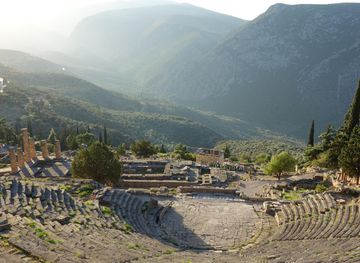
Looking beyond Crete? Discover Mount Parnassus for broader travel guides, local hot-spots, and regional highlights.
Explore Mount ParnassusExplore More of Greece
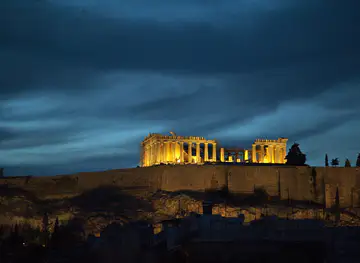
Looking beyond Crete? Discover Greece for broader travel guides, local hot-spots, and regional highlights.
Explore Greece