

Golden Circle Travel Guide - Free Web & App
Your ultimate guide to Golden Circle. Discover top landmarks, proposed trips, and local tips. Free on the web or via the Evendo companion app.


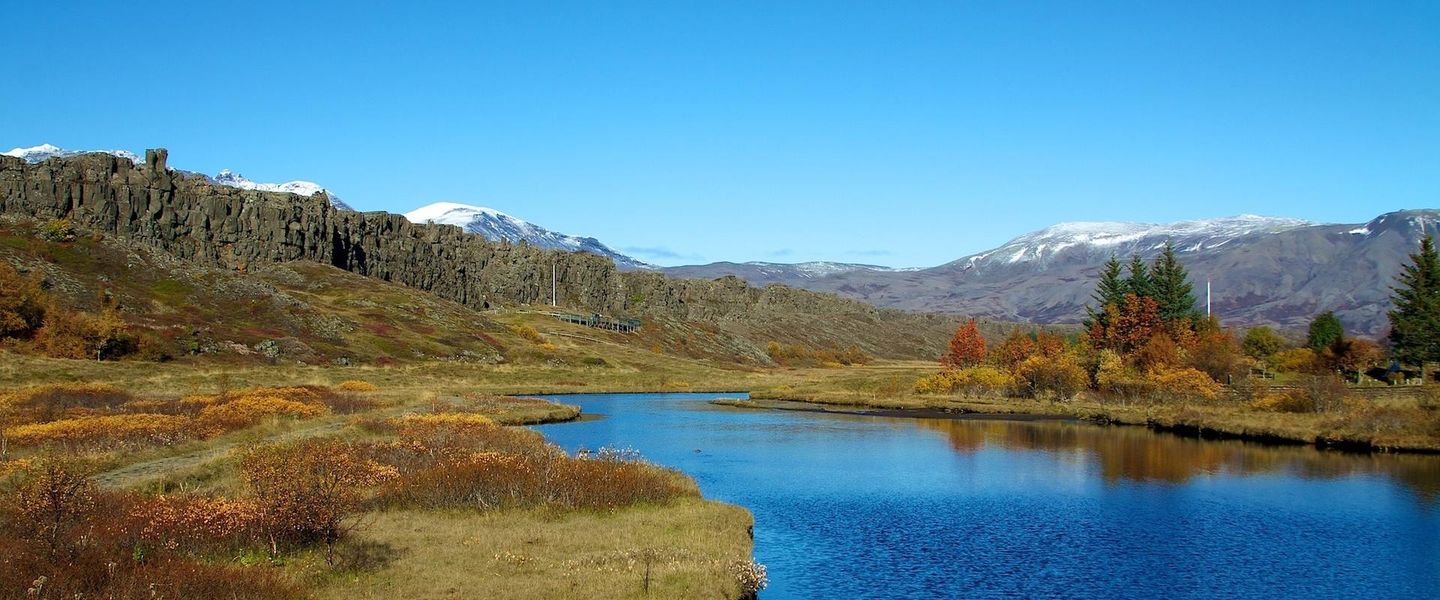


Golden Circle, Iceland, links Þingvellir, Geysir and Gullfoss with volcanic landscapes, geothermal springs, historic sites and scenic day trips.
Landscape and Natural Heritage
The Golden Circle is Iceland’s best-known touring route, a compact circuit through the country’s south-western interior rather than a formally bounded region. Its classic itinerary links Þingvellir National Park, the Geysir geothermal area and Gullfoss waterfall, while nearby stops such as Laugarvatn, Kerið crater and the farms around Flúðir broaden the experience. The route runs across a landscape shaped by volcanic activity, glacial movement, fissures and geothermal heat: mossy lava fields, open grassland, mountain horizons and steaming ground appear within a relatively short drive of Reykjavík.Read more about Golden Circle
History and Culture
Exploring the Route
When is the best time to visit Golden Circle?
Best: June–August · 14–16°C| Month | High (°C) | Rainfall (mm) |
|---|---|---|
| January | 2 | 70 |
| February | 2 | 60 |
| March | 3 | 60 |
| April | 5 | 50 |
| May | 10 | 50 |
| June (best) | 14 | 50 |
| July (best) | 16 | 50 |
| August (best) | 15 | 60 |
| September | 12 | 60 |
| October | 8 | 70 |
| November | 4 | 70 |
| December | 2 | 70 |
Getting to and around Golden Circle
How to get there
Transportation
Best attractions in Golden Circle
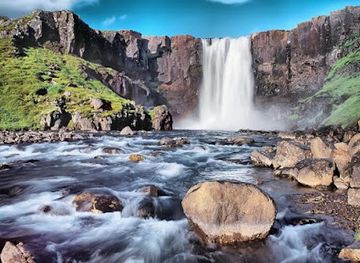
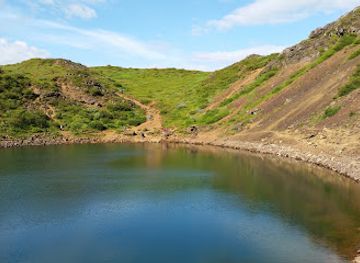
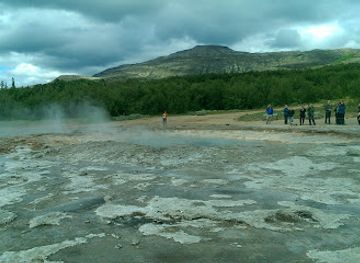
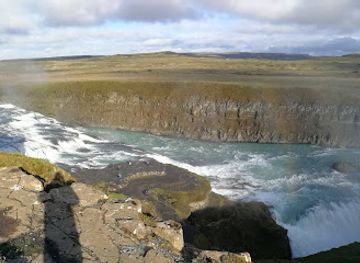
Þingvellir National Park is the route’s historical and geological centre, where visitors can walk among fissures associated with the separating tectonic plates and see the site of Iceland’s early Alþingi. At the Geysir geothermal area, the active Strokkur erupts at intervals while pools, vents and steaming ground reveal the heat beneath the surface. Gullfoss, on the Hvítá river, drops in two main stages into a rugged gorge and has several viewing areas. South of the classic circuit, Kerið is a water-filled volcanic crater whose red and ochre slopes contrast with the surrounding lava landscape. Laugarvatn offers lakeside scenery and geothermal bathing, while Flúðir is a useful base for exploring the southern countryside and greenhouse-grown produce. Farm-based experiences, rural churches and small walking areas add quieter dimensions, although the attractions are dispersed and conditions, access arrangements and facilities vary between sites.
-
Tourist attraction
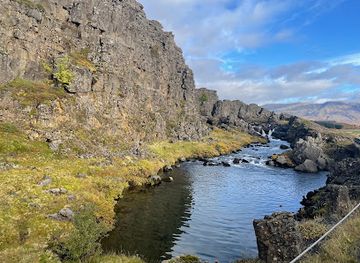
Lögberg
Explore Lögberg, the historic site of Iceland's first parliament, surrounded by breathtaking landscapes in Thingvellir National Park.
-
Tourist attraction
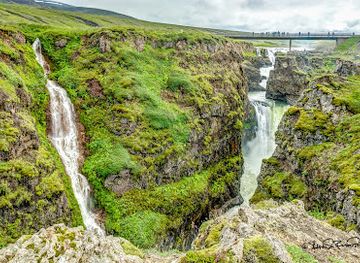
Kolugljúfur Canyon
Discover the breathtaking landscapes of Kolugljúfur Canyon in Iceland, home to stunning waterfalls and lush greenery perfect for nature lovers and adventurers.
-
Nature preserve
Hveravellir
Experience the breathtaking geothermal wonders and stunning landscapes of Hveravellir, a must-visit nature preserve in Iceland.
-
Museum
Thingvellir National Park Visitor Center
Uncover the beauty and history of Thingvellir National Park Visitor Center, where Iceland's stunning landscapes meet rich cultural heritage.

Best landmarks in Golden Circle
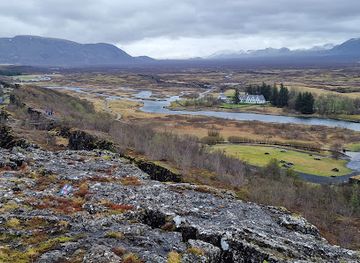
Þingvellir’s Almannagjá gorge and the surrounding fissured landscape are among the Golden Circle’s defining natural and cultural landmarks, combining visible tectonic movement with the historic setting of the Alþingi. Þingvallakirkja and the assembly area add architectural and historical presence within the national park. In the Haukadalur valley, the Geysir geothermal field is internationally significant because the Icelandic name became the generic term for erupting hot springs; Strokkur is now the field’s most active visitor feature. Gullfoss is the route’s major river landmark, where the Hvítá plunges through layered rock into a narrow gorge. Kerið, a water-filled volcanic crater near the southern circuit, provides a different expression of the region’s volcanic geology, with a vividly coloured crater bowl and lake contrasting with the surrounding plateau.
-
National park
Thingvellir National Park
Discover the breathtaking beauty and rich history of Thingvellir National Park, a must-visit destination in Iceland's Golden Circle.
-
Tourist attraction
Kerid Crater
Experience the breathtaking beauty of Kerid Crater, a stunning volcanic lake in Iceland, perfect for nature lovers and photography enthusiasts alike.
-
Tourist attraction
Strokkur Geyser
Experience the breathtaking eruptions of Strokkur Geyser in Iceland’s Golden Circle, a natural wonder that captivates every visitor with its power.
-
Nature preserve
Gullfoss Nature Reserve
Explore the enchanting Gullfoss Nature Reserve, a stunning waterfall and natural wonder in Iceland's Golden Circle, offering breathtaking views and adventure.
Explore Golden Circle on the map
Plan your trip on one map. See where the top attractions, landmarks, restaurants and hotels are, and book hotels and experiences in a few clicks.
Best hotels in Golden Circle
Best restaurants in Golden Circle
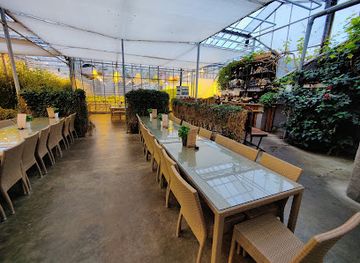
Dining on the Golden Circle is concentrated at visitor centres, cafés, country hotels, farms and settlements rather than in a continuous restaurant district. Þingvellir, the Geysir area and Gullfoss have established visitor facilities, while Laugarvatn and Flúðir provide additional places to eat and stock up. Local food reflects Iceland’s farming and geothermal traditions: lamb, dairy products, rye bread, fish and seasonal vegetables appear frequently, with greenhouse cultivation made possible by geothermal heat particularly visible around the southern villages. Friðheimar, near Reykholt, is known for its tomato greenhouse experience and restaurant, although advance planning may be appropriate. Farm shops and regional producers can offer skyr, baked goods and locally grown ingredients, but opening patterns and availability vary. In the countryside, carrying water and a few provisions is sensible rather than assuming that every scenic stop has food service.
-
Restaurant
Friðheimar
Discover the enchanting greenhouse restaurant Friðheimar in Iceland - where fresh ingredients meet culinary creativity amidst beautiful greenery.
-
Restaurant
Geysir Centre
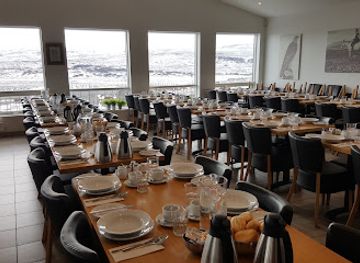
Experience authentic Icelandic cuisine at Geysir Centre while witnessing the awe-inspiring eruptions of Strokkur geyser.
-
Restaurant
Gullfoss - Panorama Restaurant - Cafe - Shop
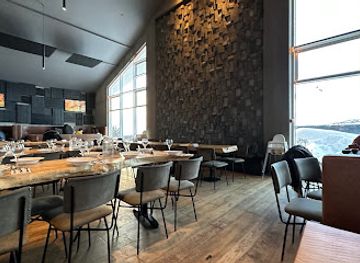
Experience delicious Icelandic cuisine at Gullfoss while surrounded by breathtaking views of one of nature's most stunning waterfalls.
-
Restaurant
Kaffi Krús
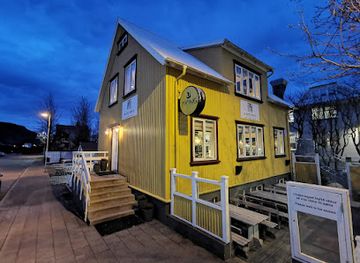
Discover delightful dishes at Kaffi Krús in Selfoss—your go-to restaurant for burgers and pizza amidst Iceland's stunning landscapes.
Best bars in Golden Circle
The Golden Circle is a rural touring area and has no sizeable nightlife district or concentration of nightclubs. Evening entertainment is generally found in the dining rooms, lounges and bars of country hotels, guesthouses and visitor settlements such as Laugarvatn, Flúðir and Reykholt, where the atmosphere is quieter and shaped by conversation, food and views of the surrounding landscape. Reykjavík is the nearest major centre for a broad choice of pubs, live music and late-night venues, but it lies outside the Golden Circle itself. Some geothermal bathing venues and rural accommodation provide a social evening setting, while seasonal community events may bring music or local gatherings to villages. Visitors should check local arrangements rather than expecting regular performances, late opening or an urban bar scene beside the principal attractions.
-
Restaurant
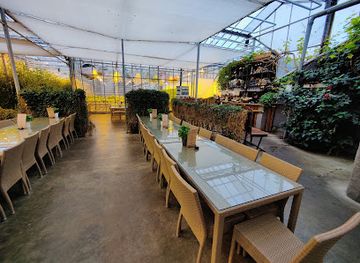
Friðheimar
Experience the flavors of Iceland at Friðheimar, where fresh tomatoes and sustainability unite in a unique dining adventure.
-
Restaurant
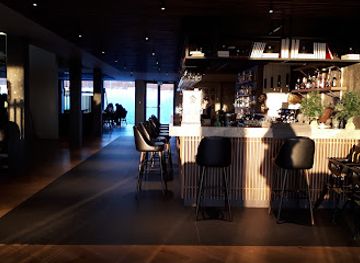
Geysir Centre
Explore Iceland's culinary delights at Geysir Centre, where every meal is paired with breathtaking geothermal landscapes.
-
Bar
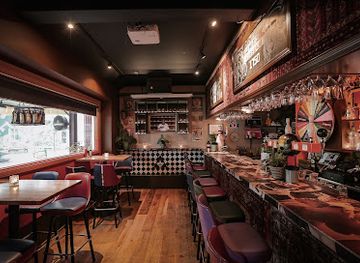
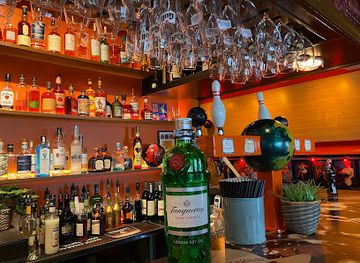
Lebowski Bar
Discover the spirit of 'The Big Lebowski' at the iconic Lebowski Bar in Reykjavik, where movie magic meets a vibrant nightlife scene.
-
Restaurant
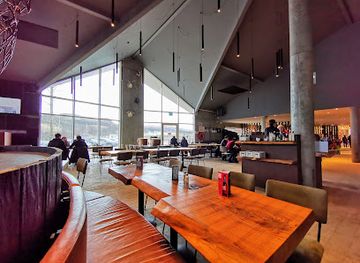
Geysir Glima restaurant
Experience the best of Icelandic cuisine at Geysir Glima restaurant, located in the heart of the Golden Circle with stunning views and delicious dishes.
Best nightclubs in Golden Circle
The Golden Circle is a rural touring area and has no sizeable nightlife district or concentration of nightclubs. Evening entertainment is generally found in the dining rooms, lounges and bars of country hotels, guesthouses and visitor settlements such as Laugarvatn, Flúðir and Reykholt, where the atmosphere is quieter and shaped by conversation, food and views of the surrounding landscape. Reykjavík is the nearest major centre for a broad choice of pubs, live music and late-night venues, but it lies outside the Golden Circle itself. Some geothermal bathing venues and rural accommodation provide a social evening setting, while seasonal community events may bring music or local gatherings to villages. Visitors should check local arrangements rather than expecting regular performances, late opening or an urban bar scene beside the principal attractions.
-
Bar
Lebowski Bar
Dive into the lively ambiance of Lebowski Bar in Reykjavík, where cult cinema meets a vibrant nightlife experience with delicious cocktails and hearty food.
-
Bar
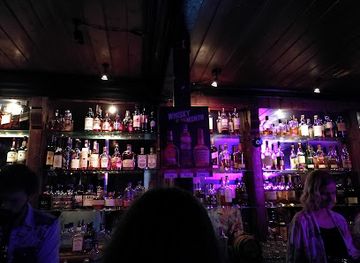
Dillon Whiskey Bar
Experience the vibrant nightlife of Reykjavík at Dillon Whiskey Bar, where whiskey meets live music and karaoke in a cozy atmosphere.
-
Bar
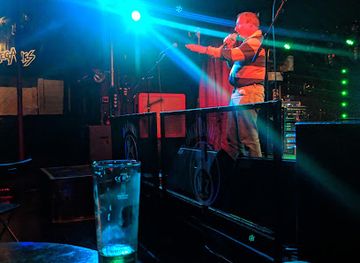
Gaukurinn
Experience the vibrant nightlife of Reykjavík at Gaukurinn, where live music and entertainment come together in a lively bar atmosphere.
-
Night club
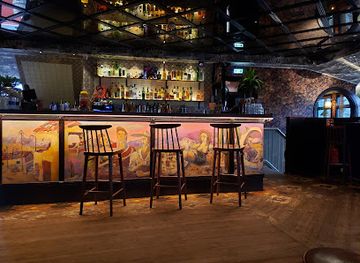
Pablo Discobar
Discover the vibrant nightlife at Pablo Discobar, Reykjavík's premier night club and cocktail bar, blending music, creative cocktails, and lively atmosphere.
Best shops in Golden Circle
Shopping on the Golden Circle is modest and locally focused, with opportunities concentrated at visitor centres, farm shops, cafés and the small settlements along or near the route. Visitors may find Icelandic wool products, outdoor clothing, locally made art, books, food gifts and practical provisions, while larger selections are available in Reykjavík outside the destination. Rural producers around Flúðir and the southern Golden Circle are associated with greenhouse vegetables, berries, dairy goods and other farm products, although individual availability varies by season and business. Laugarvatn and nearby villages can be useful for essentials, but they should not be approached as conventional shopping centres. Purchasing directly from established producers or craft businesses supports the working communities that maintain the route’s agricultural and cultural character, while visitors should respect opening arrangements and private farm property.
-
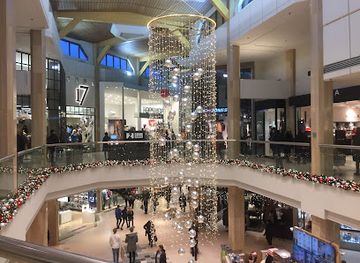
Shopping mall
Smáralind
Discover the ultimate shopping experience at Smáralind, Kópavogur's premier mall, featuring diverse shops and delicious dining options.
-
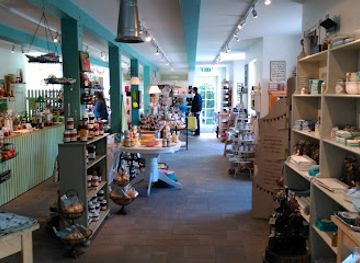
Wool store
The Icelandic Store
Discover the warmth of Icelandic wool at The Icelandic Store in Hafnarfjörður, where tradition meets creativity in every stitch.
-
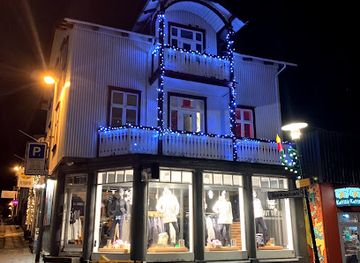
Gift shop
Christmas House
Experience the magic of Christmas year-round at the Christmas House in Akureyri, Iceland's whimsical gift shop for unique holiday treasures.
-
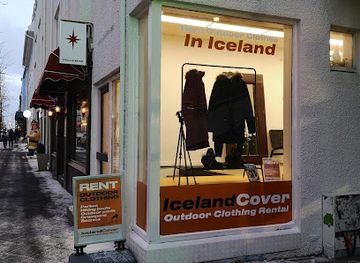
Clothing store
IcelandCover Outdoor Clothing Rental
Discover Iceland's breathtaking landscapes with high-quality outdoor gear from IcelandCover Outdoor Clothing Rental in Reykjavík.
Get your free copy of our complete guide to Golden Circle, delivered straight to you.
Everything on this page, from attractions and restaurants to essentials and local phrases, in one PDF you can read offline, print or share.
Already have an account? Sign in
Your Golden Circle guide is ready.
We'll send it to · Not you? Sign out

Getting your guide ready…
We are putting together a fresh copy of the Golden Circle guide. This can take up to a minute.
This can take a few moments. If your browser asks, choose Allow so the download can start. You'll find the guide in your Downloads folder.
Nothing happened? Download it again
Sorry, the guide is taking longer than usual. Please try again in a minute, or get it by email instead.
Golden Circle essentials
Currency and Payment
Safety
Emergency Situations
Do's and Don'ts
Local Tips
From Eve
Local phrases worth knowing
You don't need to get them perfect. A few words go a long way, and locals appreciate the effort.
Basics
| English | Local | Say it |
|---|---|---|
| Hello | Halló | [ha-loh] |
| Goodbye | Bless | [bless] |
| Yes | Já | [yow] |
| No | Nei | [nay] |
| Please/You're welcome | Gjörðu svo vel | [gyur-thu svo vel] |
| Thank you | Takk | [tahk] |
| Excuse me/Sorry | Afsakið | [af-sah-kith] |
| How are you? | Hvað segir þú?/Hvernig hefur þú það? | [kvaTH seh-yir thoo?/khver-nik heh-vur thoo thahth?] |
| Fine. And you? | Í lagi. En þú? | [ee lah-gee. en thoo?] |
| Do you speak English? | Talar þú ensku? | [tah-lar thoo ens-koo?] |
| I don't understand | Ég skil ekki | [yeh-skil ek-ki] |
Eating & Drinking
| English | Local | Say it |
|---|---|---|
| I'd like to see the menu, please | Ég ætla að sjá matsedilinn, takk | [yeh ait-la ath syow mat-se-thil-inn, tahk] |
| I don't eat meat | Ég borða ekki kjöt | [yeh bor-tha ek-ki chyut] |
| Cheers! | Skál! | [skowl] |
| I would like to pay, please | Ég væri til í að greiða, takk | [yeh vair-ri til ee ath grey-tha, tahk] |
Emergencies
| English | Local | Say it |
|---|---|---|
| Help! | Hjálp! | [hyowlp] |
| Go away! | Farðu í burtu! | [far-thoo ee bur-thoo] |
| Call the Police! | Hringdu í lögregluna! | [hring-thoo ee lai-gre-gluna] |
| Call a doctor! | Hringdu í lækni! | [hring-thoo ee laik-nee] |
| I'm lost | Ég er týndur | [yeh air teenth-ur] |
| I'm ill | Ég er veikur | [yeh air vay-kur] |
Shopping
| English | Local | Say it |
|---|---|---|
| I'd like to buy... | Ég ætla að kaupa... | [yeh ait-la ath cow-pah...] |
| I'm just looking | Ég er bara að skoða | [yeh air bah-ra ath sko-tha] |
| How much is it? | Hvað kostar það? | [kvaTH kohs-tar thahth?] |
| That's too expensive | Það er of dýrt | [thahth air ohf deert] |
| Can you lower the price? | Getur þú lækkad verðið? | [geh-tur thoo lai-kath vair-theeth?] |
Time & Numbers
| English | Local | Say it |
|---|---|---|
| What time is it? | Hvað er klukkan? | [kvaTH air kloo-kahn] |
| It's one o'clock | Klukkan er eitt | [kloo-kahn air ayt] |
| Half past (10) | Hálft tíu | [hawlf-ht tee-oo] |
| Morning | Morgunn | [mohr-gun] |
| Afternoon | Síðdegis | [seeth-deh-ghis] |
| Evening | Kvöld | [kvohld] |
| Yesterday | Í gær | [ee gai-ur] |
| Today | Í dag | [ee dahg] |
| Tomorrow | Á morgun | [owr mohr-gun] |
| 1 | Eitt | [ayt] |
| 2 | Tveir | [t-vey-r] |
| 3 | Þrír | [threer] |
| 4 | Fjórir | [f-yoh-rir] |
| 5 | Fimm | [f-im] |
| 6 | Sex | [sehx] |
| 7 | Sjö | [syow] |
| 8 | Átta | [ow-tha] |
| 9 | Níu | [nee-oo] |
| 10 | Tíu | [tee-oo] |
Transport & Directions
| English | Local | Say it |
|---|---|---|
| Where's a/the...? | Hvar er...? | [kvar air] |
| What's the address? | Hvað er heimilisfangið? | [kvaTH air hay-mee-lis-fang-ith?] |
| Can you show me (on the map)? | Getur þú sýnt mér (á kortinu)? | [geh-tur thoo soont mair (owr kort-in-u)?] |
| When's the next (bus)? | Hvenær kemur næsti (strætisvagn)? | [khve-ni-r keh-mur nai-sti (strai-tis-vahg-n)?] |
| A ticket (to ....) | Einn miðað (til ....) | [aytn meeth-aith (til ....)] |
History of Golden Circle
A Landscape Shaped by Fire and Ice
The Golden Circle’s scenery reflects Iceland’s position on the Mid-Atlantic Ridge, where the North American and Eurasian tectonic plates are moving apart. At Þingvellir, fissures and uneven ground reveal this geological setting particularly clearly, while lava fields and volcanic craters elsewhere along the route record past eruptions. Glacial meltwater helped carve the deep canyon through which the Hvítá river descends at Gullfoss. Geothermal areas such as Geysir developed where underground heat and water interact, producing springs, mud pots and eruptions. These features belong to geological timescales rather than human history, but they explain why a relatively compact route contains such sharply contrasting landscapes.
Þingvellir and the Alþingi
Þingvellir, meaning ‘Fields of Parliament’, is associated with the Alþingi, Iceland’s national assembly traditionally founded around AD 930. Chieftains and free men gathered there to recite laws, settle disputes and conduct political business, making the site central to the development of Icelandic society. The assembly was not a parliament in the modern representative sense, but it was a major institution in the medieval Commonwealth. Meetings continued at Þingvellir for centuries before the Alþingi was moved to Reykjavík in the nineteenth century. The landscape’s fissures, river and historic assembly area remain closely linked to Iceland’s national story and are protected within the national park.
Farms, Faith and Rural Settlement
Settlement in the Golden Circle area developed through farming communities that used the relatively fertile lowlands, valleys and river margins. Þingvellir also had religious associations, and Þingvallakirkja, the small church at the historic site, reflects the area’s continuing cultural importance. Around the wider route, farms and villages adapted to a challenging climate through sheep farming, dairy production and the use of geothermal heat. Laugarvatn became known for its warm-water setting, while Flúðir and other southern communities remain associated with agriculture and greenhouse cultivation. The modern road circuit connects these rural landscapes with the major natural sights without turning the area into a single continuous settlement.
Geysir and the Growth of Travel
The geothermal field at Geysir gave the English language the word ‘geyser’, after the Icelandic Great Geysir. Although Great Geysir’s eruptions are now irregular, the neighbouring Strokkur remains known for frequent eruptions driven by geothermal pressure. Accounts of Icelandic travel increasingly drew visitors towards Þingvellir, Geysir and Gullfoss as roads and touring infrastructure improved during the twentieth century. The route became an accessible introduction to Iceland’s geology and history from Reykjavík, and its name developed into the widely used Golden Circle tourism circuit. Visitor facilities, marked paths and viewing areas have since been developed around the busiest sites.
Conservation and Contemporary Use
Þingvellir was designated Iceland’s first national park in 1930, marking a major step in protecting both its historical and natural character. It later received World Heritage status for its cultural significance. Management along the Golden Circle now has to balance heavy visitor demand with fragile vegetation, geothermal hazards, erosion and the protection of historically important ground. Gullfoss is also associated with Iceland’s early conservation history, when proposals to harness its water for hydroelectric power prompted opposition from Sigríður Tómasdóttir and others. Today, the route combines protected landscapes, working rural communities and tourism infrastructure, with access and conditions varying by site and season.
Golden Circle in Photos
Browse through our photo collection highlighting the charm and character of the destination.
Cities in Golden Circle
The towns and cities of Golden Circle, and the easiest places to base yourself.
-

-

-

-

-

-


Swipe for more cities
Neighbouring destination travel guides
The closest destinations to Golden Circle, if you have time for more than one.
-

-

-

-

-


Swipe for more destinations
Explore more
Explore more of Southern Region
Explore the Southern Region of Iceland: From majestic waterfalls to black sand beaches, glaciers, and geothermal wonders, this is a land of dramatic contrasts and natural beauty.
Explore Southern Region
Explore more of Iceland
Discover Iceland, where glaciers meet volcanoes, Northern Lights dance in the skies, and natural wonders await at every turn.
Explore Iceland