

Illinois Beach State Park Travel Guide - Free Web & App
Your ultimate guide to Illinois Beach State Park. Discover top landmarks, proposed trips, and local tips. Free on the web or via the Evendo companion app.


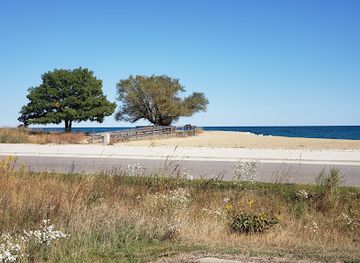
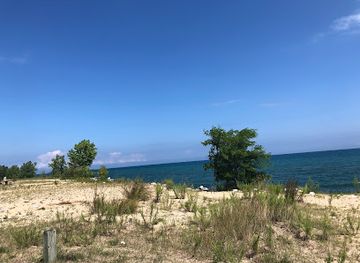
Illinois Beach State Park on Lake Michigan offers rare beach ridges, dunes, wetlands, prairies, woodland, birdwatching and quiet shoreline walks in Illinois.
Lake, Dunes and Beach Ridges
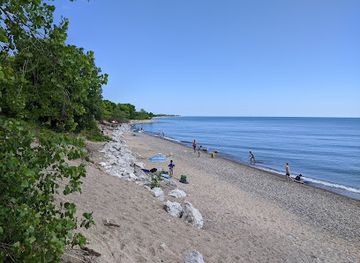
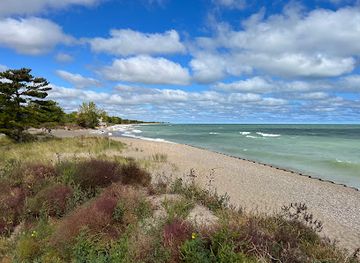
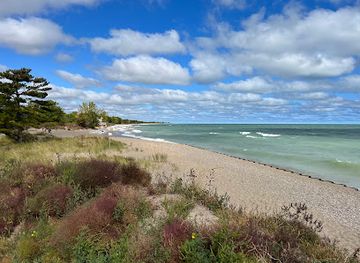
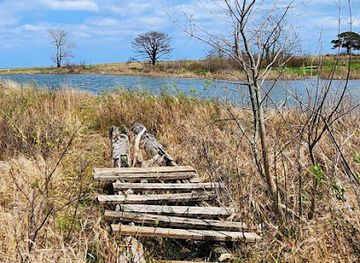
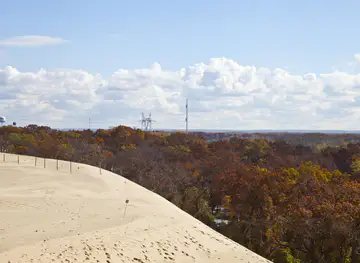
Illinois Beach State Park occupies a long, relatively undeveloped stretch of Lake Michigan shoreline in north-eastern Illinois, between the communities of Zion and Beach Park. Its value lies not in a single dramatic landmark but in the exceptional variety of habitats formed along the lake’s edge: broad beaches, shifting dunes, older beach ridges, swales, oak woodland, wet prairie and marsh. Together they preserve one of the most important remaining examples of Illinois’ natural Lake Michigan coast.Read more about Illinois Beach State Park
A Rare Coastal Landscape
Exploring the Park
When is the best time to visit Illinois Beach State Park?
Best: June, August–September · 23–27°C| Month | High (°C) | Rainfall (mm) |
|---|---|---|
| January | 0 | 38 |
| February | 2 | 32 |
| March | 8 | 46 |
| April | 15 | 77 |
| May | 21 | 89 |
| June (best) | 25 | 93 |
| July | 28 | 97 |
| August (best) | 27 | 97 |
| September (best) | 23 | 85 |
| October | 16 | 66 |
| November | 9 | 55 |
| December | 2 | 41 |
Getting to and around Illinois Beach State Park
How to get there
Transportation
Best attractions in Illinois Beach State Park
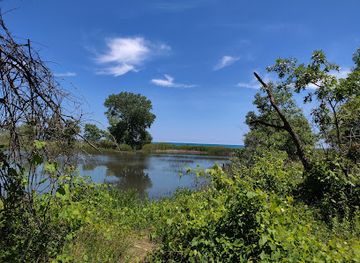
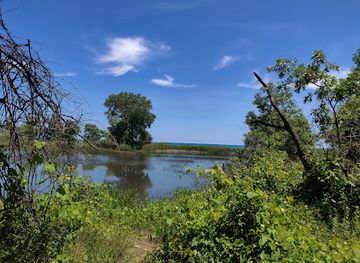
Illinois Beach State Park’s principal attraction is its extended Lake Michigan shoreline, where broad beaches and low dunes lead into a sequence of older beach ridges, swales, wetlands and oak-dominated woodland. The park’s northern and southern sections offer different combinations of recreation and natural habitat, and the Illinois Beach Nature Preserve provides especially valuable opportunities for observing coastal prairie, marsh and dune vegetation. Shoreline walks are shaped by weather and lake levels, while inland trails and access routes reveal how quickly the scenery changes from open sand to wetland and forest. Birdwatchers may encounter migrant and resident species around the lake and marshes, although sightings are seasonal. Nature photography, wildlife observation, fishing where permitted, and swimming in suitable conditions are among the principal activities. The nearby communities of Zion, Beach Park and Russell serve as practical gateways, but the park’s appeal lies in its protected landscape rather than in a concentration of built attractions.
-
Park
Founders Park
Explore Founders Park in Beach Park, Illinois - a serene escape with lush landscapes, recreational activities, and abundant wildlife.
-
Park
Illinois Beach State Park Office
Explore Illinois Beach State Park, a stunning natural oasis with sandy beaches, lush woodlands, and diverse wildlife, perfect for outdoor adventures.
-
Tourist attraction
Illinois Beach Nature Preserve
Explore the serene beauty of Illinois Beach Nature Preserve, where stunning landscapes meet diverse wildlife along the shores of Lake Michigan.
-
Campground
Illinois Beach State Park Campground
Experience the tranquility of nature at Illinois Beach State Park Campground, perfect for camping, hiking, and enjoying Lake Michigan's natural beauty.
Best landmarks in Illinois Beach State Park
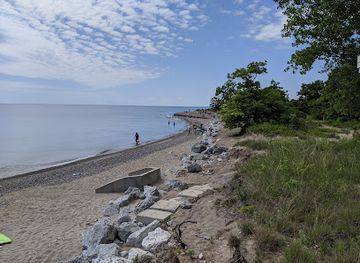
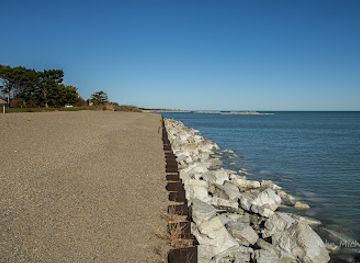
The defining landmark of Illinois Beach State Park is its Lake Michigan coast, a changing freshwater shoreline marked by beaches, dunes and the succession of beach ridges that records earlier lake margins. The landward swales are equally significant, holding wetlands and wet prairie that contrast with dry sand and oak woodland over a short distance. The Illinois Beach Nature Preserve is an important conservation landmark because it protects one of the largest remaining examples of this specialised coastal mosaic in Illinois. Rather than monumental buildings, the park’s significance rests on the relationship between these physical features: wind moves sand, water reshapes the shore and vegetation stabilises selected ridges. The northern and southern park sections together form a substantial protected coastal corridor, while the surrounding settlements provide the human context for a landscape that has remained comparatively open beside the densely developed Chicago region.
-
Park
Illinois Beach State Park Office
Explore Illinois' only beach ridge shoreline with hiking, swimming, and diverse wildlife at Illinois Beach State Park on Lake Michigan.
-
Nature preserve
Illinois Beach Nature Preserve
Explore the stunning landscapes and diverse ecosystems of Illinois Beach Nature Preserve, a perfect getaway for nature lovers and beach enthusiasts alike.
-
Campground
Illinois Beach State Park Campground
Camp along Lake Michigan's shore at Illinois Beach State Park Campground, a natural escape with hiking, swimming, and stunning views.
-
Visitor center
Illinois Beach State Park Nature Center
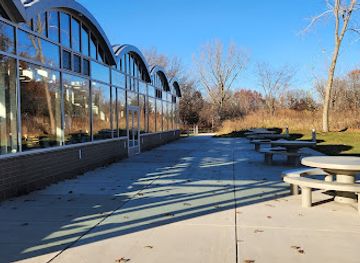
Explore the unique ecosystems of Illinois Beach State Park through interactive exhibits and guided nature programs.
Explore Illinois Beach State Park on the map
Plan your trip on one map. See where the top attractions, landmarks, restaurants and hotels are, and book hotels and experiences in a few clicks.
Best hotels in Illinois Beach State Park
Best restaurants in Illinois Beach State Park
Dining is limited within the park itself, so most visitors eat before or after exploring the shoreline or bring provisions for a self-sufficient day, while respecting all park rules concerning food and waste. Zion, Beach Park and neighbouring Lake County communities provide the nearest concentration of cafés, casual restaurants, takeaway food and everyday groceries, with a broader selection available in larger towns west of the lake. Regional dining reflects the wider Chicago area as much as a distinctive park cuisine: visitors can expect American comfort food, pizza, sandwiches, burgers, Mexican cooking and other internationally influenced options. Farm shops and locally produced foods may be found in the surrounding rural parts of Lake County, but availability varies and should not be assumed at every approach. The park is therefore best paired with a planned meal in a nearby settlement rather than treated as a destination with a developed restaurant scene.
-
State park
Illinois Beach State Park
Explore Illinois Beach State Park: A natural paradise on Lake Michigan with beaches, trails, and abundant wildlife for every outdoor enthusiast.
-
 Hotel
HotelIllinois Beach Hotel
Experience lakeside serenity at Illinois Beach Hotel – your gateway to adventure and relaxation in nature's embrace.
-
Visitor center
Illinois Beach State Park Nature Center
Discover diverse ecosystems at Illinois Beach State Park Nature Center - your gateway to adventure along Lake Michigan's breathtaking shoreline.
-
Restaurant
Nolan's Restaurant at Illinois Beach Hotel
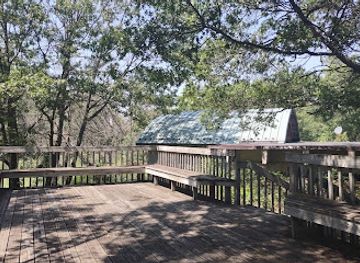
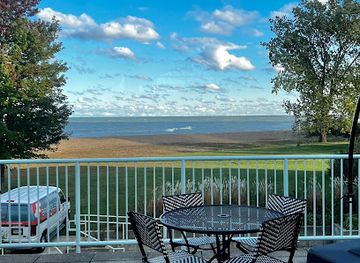
Experience fine dining at Nolan's Restaurant in Illinois Beach Hotel, where exceptional cuisine meets stunning lakefront views.
Best bars in Illinois Beach State Park
Illinois Beach State Park has no established nightlife district, and evenings are generally quiet once visitors leave the shoreline. Traditional bars, casual pubs and restaurants serving drinks are found in Zion, Beach Park and other nearby Lake County communities, while a larger choice of evening entertainment lies farther towards Waukegan and the wider Chicago metropolitan area. These surrounding towns are useful for a post-park meal or a relaxed drink, but they should be regarded as gateways outside the protected landscape rather than as attractions within it. The area’s most characteristic evening atmosphere is the subdued one of a lakeside rural-urban fringe, with outdoor activity and wildlife observation giving way to early darkness, changing weather and the sound of the water rather than clubs or late-night venues.
-
American
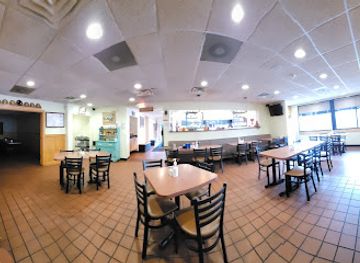
Culver’s
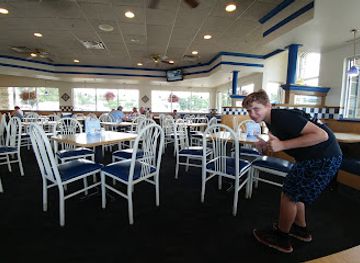
Savor the best of American cuisine at Culver’s in Zion, where delicious burgers meet delightful frozen custard.
-
Chinese
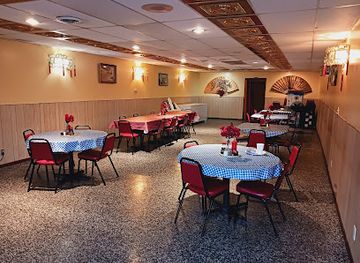
Lung Fung Restaurant
Indulge in authentic Chinese cuisine at Lung Fung Restaurant, known for its delicious flavors and cozy atmosphere in Zion, Illinois.
-
Family-friendly
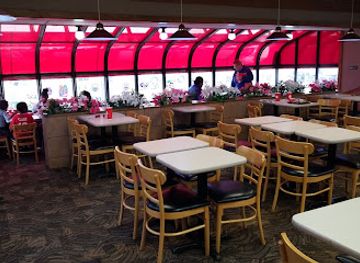
N & T Family Restaurant
Experience family-friendly dining at N & T Family Restaurant in Zion, IL, where every breakfast is a delicious adventure for all ages.
-
Fast Food
Wendy's
Experience tasty fast food at Wendy's in Zion, Illinois, featuring fresh ingredients and a diverse menu perfect for any traveler.
Best nightclubs in Illinois Beach State Park
Illinois Beach State Park has no established nightlife district, and evenings are generally quiet once visitors leave the shoreline. Traditional bars, casual pubs and restaurants serving drinks are found in Zion, Beach Park and other nearby Lake County communities, while a larger choice of evening entertainment lies farther towards Waukegan and the wider Chicago metropolitan area. These surrounding towns are useful for a post-park meal or a relaxed drink, but they should be regarded as gateways outside the protected landscape rather than as attractions within it. The area’s most characteristic evening atmosphere is the subdued one of a lakeside rural-urban fringe, with outdoor activity and wildlife observation giving way to early darkness, changing weather and the sound of the water rather than clubs or late-night venues.
-
State park
Illinois Beach State Park
Discover the serene beauty of Illinois Beach State Park, where lush woodlands meet the shores of Lake Michigan for a perfect outdoor adventure.
-
Hotel
Illinois Beach Hotel
Discover the charm of the Illinois Beach Hotel, where nature meets comfort on the shores of Lake Michigan, perfect for outdoor adventures and relaxation.
-
Parking lot
Illinois Beach State Park Parking Lot
Explore the natural beauty of Illinois Beach State Park with easy access and stunning views of Lake Michigan.
-
Restaurant
Illinois Beach Resort
Experience the perfect blend of nature and culinary excellence at Illinois Beach Resort, where every meal is a delight in a stunning lakeside setting.
Best shops in Illinois Beach State Park
Shopping within Illinois Beach State Park is minimal, and visitors should obtain food, water, outdoor supplies and other essentials in advance or use nearby communities. Zion and Beach Park offer everyday retail, groceries and services, while larger Lake County centres provide more extensive shopping and outdoor equipment. The area is not known for a concentrated craft quarter or a permanent market associated specifically with the park. Visitors interested in regional products may find locally produced food, seasonal farm goods and small independent businesses in the wider county, although these are dispersed and opening arrangements vary. Souvenirs connected with Lake Michigan, Illinois landscapes and local wildlife are more likely to be found in general retailers or visitor-oriented businesses outside the park than at the natural site itself. Shopping is therefore a practical adjunct to a visit rather than one of the park’s principal experiences.
-
State park
Illinois Beach State Park
Experience the tranquility of nature at Illinois Beach State Park, where stunning landscapes and recreational activities await every visitor.
-
Gift shop
The Inn on Sheridan
Discover comfort and charm at The Inn on Sheridan, your one-stop destination for shopping, dining, and unique events in Zion, Illinois.
-
Park
Illinois Beach State Park Office
Explore the scenic shores and diverse wildlife of Illinois Beach State Park, a nature lover's paradise along Lake Michigan.
-
Nature preserve
Illinois Beach Nature Preserve
Discover the stunning landscapes, public beach, and wildlife at Illinois Beach Nature Preserve, the perfect nature escape in Waukegan, Illinois.

Get your free copy of our complete guide to Illinois Beach State Park, delivered straight to you.
Everything on this page, from attractions and restaurants to essentials and local phrases, in one PDF you can read offline, print or share.
Already have an account? Sign in
Your Illinois Beach State Park guide is ready.
We'll send it to · Not you? Sign out

Getting your guide ready…
We are putting together a fresh copy of the Illinois Beach State Park guide. This can take up to a minute.
This can take a few moments. If your browser asks, choose Allow so the download can start. You'll find the guide in your Downloads folder.
Nothing happened? Download it again
Sorry, the guide is taking longer than usual. Please try again in a minute, or get it by email instead.
Illinois Beach State Park essentials
Currency and Payment
Safety
Emergency Situations
Do's and Don'ts
Local Tips
From Eve
Local phrases worth knowing
You don't need to get them perfect. A few words go a long way, and locals appreciate the effort.
Basics
| English | Local | Say it |
|---|---|---|
| Hello | Howdy | [haw-dee] |
| Goodbye | See ya | [see yah] |
| Yes | Yep | [yep] |
| No | Nah | [nah] |
| Please/You're welcome | Please | [pleez] |
| Thank you | Thanks | [thanks] |
| Excuse me/Sorry | Pardon me | [par-dun me] |
| How are you? | Howdy | [haw-dee] |
| Fine. And you? | Just dandy. You? | [just dan-dee. yoo?] |
| Do you speak English? | Ya talk English? | [yah tahk ing-glish?] |
| I don't understand | I'm lost | [ahm lost] |
Eating & Drinking
| English | Local | Say it |
|---|---|---|
| I'd like to see the menu, please | Menu, please | [men-yoo, pleez] |
| I don't eat meat | No meat for me | [noh meet fer mee] |
| Cheers! | Cheers! | [cheers] |
| I would like to pay, please | Check, please | [chek, pleez] |
Emergencies
| English | Local | Say it |
|---|---|---|
| Help! | Help! | [help!] |
| Go away! | Leave me be! | [leev mee bee!] |
| Call the Police! | Police! | [puh-lees!] |
| Call a doctor! | Doc! | [dok!] |
| I'm lost | Lost | [lost] |
| I'm ill | Sick | [sik] |
Shopping
| English | Local | Say it |
|---|---|---|
| I'd like to buy... | I wanna buy... | [ah wanna buy...] |
| I'm just looking | Just browsing | [just braow-sing] |
| How much is it? | How much? | [how much?] |
| That's too expensive | Too pricy | [too pry-see] |
| Can you lower the price? | Can ya go lower? | [can yah goh loh-er?] |
Time & Numbers
| English | Local | Say it |
|---|---|---|
| What time is it? | What time? | [what time?] |
| It's one o'clock | It's one | [its wun] |
| Half past (10) | Half ten | [haf ten] |
| Morning | Mornin' | [morn-in'] |
| Afternoon | Afternoon | [af-ter-noon] |
| Evening | Evenin' | [even-in'] |
| Yesterday | Yest'day | [yest-duh] |
| Today | Today | [to-day] |
| Tomorrow | Tomorrer | [toh-mor-er] |
| 1 | One | [wun] |
| 2 | Two | [too] |
| 3 | Three | [three] |
| 4 | Four | [for] |
| 5 | Five | [fiv] |
| 6 | Six | [siks] |
| 7 | Seven | [sev-en] |
| 8 | Eight | [ate] |
| 9 | Nine | [nine] |
| 10 | Ten | [ten] |
Transport & Directions
| English | Local | Say it |
|---|---|---|
| Where's a/the...? | Where's the...? | [wheres the...?] |
| What's the address? | Address? | [ad-dress?] |
| Can you show me (on the map)? | Show me | [show mee] |
| When's the next (bus)? | Next bus? | [next bus?] |
| A ticket (to ....) | Ticket | [tik-it] |
History of Illinois Beach State Park
Glacial Origins and Changing Lakeshores
The physical foundation of Illinois Beach State Park was created during the Ice Age, when glaciers shaped the Lake Michigan basin and deposited the sediments that later became its shoreline. As the lake rose and fell after the glaciers retreated, waves and wind built successive beach ridges inland from the modern shore. These ridges, separated by lower swales and wetlands, record earlier lake margins and give the park its distinctive parallel pattern of dunes, prairie and marsh. Geological change remains part of the park’s story: storms, high water and longshore currents continue to erode some beaches while reshaping sandy sections elsewhere.
Indigenous Use of the Lake Michigan Coast
The Lake Michigan shoreline around the park formed part of a wider landscape used by Indigenous peoples for travel, fishing, hunting and the seasonal gathering of plants. The surrounding region is associated with the historic homelands and movements of Algonquian-speaking peoples, including Potawatomi communities, before and during the period of European settlement. The beach ridges, wetlands and woodland offered different resources within a relatively small area, while the lake served as both a source of food and an important route. Modern place names and park boundaries do not erase these earlier relationships with the land.
Settlement and Agricultural Change
During the nineteenth century, farms, roads and growing settlements increasingly transformed the lands inland from the Lake Michigan shore. The sandy coastal strip was less easily converted to intensive agriculture than the richer soils farther west, helping some dune, wetland and woodland communities survive. Railways and improved roads later connected the developing towns of Lake County with Chicago and other regional markets. These changes brought visitors closer to the lakeshore, but they also increased pressure from drainage, development, recreation and the extraction or disturbance of natural materials.
From Lakeshore Recreation to State Protection
The creation of Illinois Beach State Park reflected growing recognition that the state’s Lake Michigan shoreline contained landscapes that could not be replaced once developed. Protection allowed a large connected stretch of beach, dune, wetland, prairie and woodland to remain available for public recreation and scientific interest. The park’s northern and southern sections encompass different combinations of habitats and facilities, while designated natural areas provide a stronger conservation focus. Over time, management has had to balance public access with erosion, invasive species, fluctuating water levels and the vulnerability of dune vegetation.
Conservation on a Living Coast
Illinois Beach State Park is now understood as both a recreation area and a significant remnant of the Illinois Lake Michigan coast. Its nature-preserve lands protect plant communities and wildlife habitats that have become scarce elsewhere in the metropolitan region. Conservation work is shaped by the fact that the shoreline cannot be treated as static: lake storms, ice, wind and changing water levels influence beaches and dunes, while human foot traffic can damage slow-growing vegetation. The park’s contemporary identity therefore rests on continued stewardship as much as on its recreational history.
Illinois Beach State Park in Photos
Browse through our photo collection highlighting the charm and character of the destination.
Neighbouring destination travel guides
The closest destinations to Illinois Beach State Park, if you have time for more than one.
-

-
-

-

-


Swipe for more destinations
Explore more

Explore more of Northeastern Illinois
Northeastern Illinois combines Chicago architecture and culture with Lake Michigan shorelines, river towns, forest preserves and prairie landscapes.
Explore Northeastern Illinois
Explore more of Illinois
Discover Illinois: From Chicago's iconic skyline to the tranquil beauty of its countryside, experience the diverse allure of the Prairie State.
Explore Illinois