Former Kasai Residence: A Glimpse into Takehara's Salt-Making Past
Step back in time at the Former Kasai Residence in Takehara, a beautifully preserved glimpse into the town's salt-making heritage and merchant past.
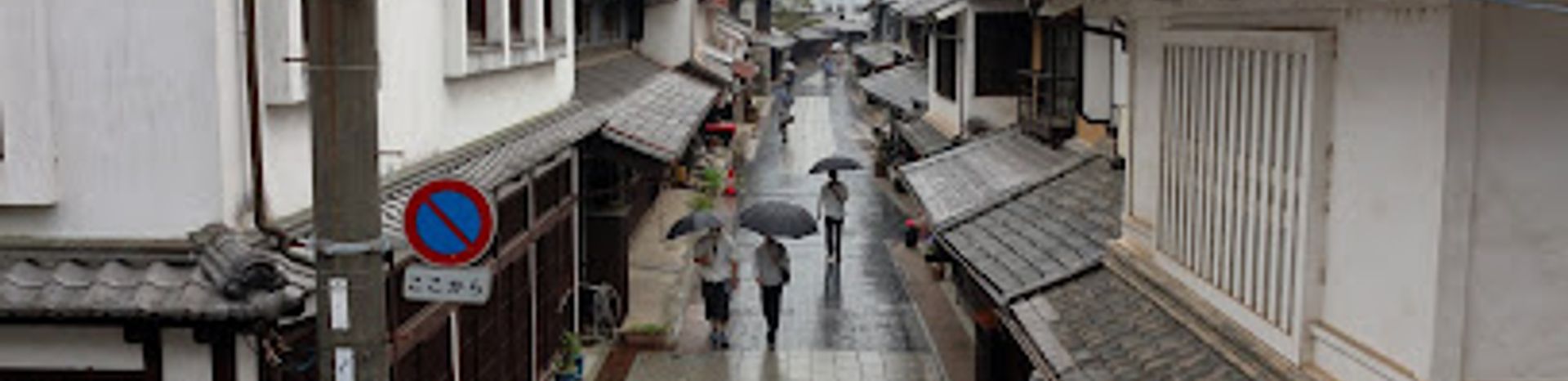
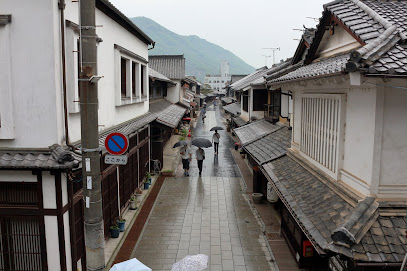
The Former Kasai Residence, built in 1872, stands as a testament to Takehara's prosperous salt-making industry during the Meiji era. This well-preserved historical landmark offers visitors a glimpse into the life of a wealthy salt merchant, showcasing traditional architecture and local history.
A brief summary to 旧笠井邸
- 1 Chome-9-11 Honmachi, Takehara, 1 Chome Honmachi, Hiroshima, 725-0022, JP
- +81846-22-0214
- Visit website
Local tips
- Check the event schedule; the residence often hosts local cultural events, offering a richer experience.
- Combine your visit with a stroll through Takehara's historic district to fully appreciate the town's preserved Edo-era architecture.
- Visit during the Hina Matsuri (Doll Festival) for a special display of traditional dolls.

Getting There
-
Walking
From Takehara Station, the Former Kasai Residence is approximately a 15-minute walk. Head west from the station and follow the main street into the historic district. The residence is located on Honmachi Street, in the heart of the preserved townscape. There are no specific costs involved in this final approach.
-
Public Transport
From Hiroshima Station, take the bus to Takehara Station. From Takehara Station, the Former Kasai Residence is approximately a 15-minute walk. Head west from the station and follow the main street into the historic district. The residence is located on Honmachi Street, in the heart of the preserved townscape. The bus from Hiroshima Station to Takehara Station costs approximately ¥1,900 - ¥2,800.
Discover more about 旧笠井邸
Iconic landmarks you can’t miss

旧笠井邸
0.0 km
Step back in time at the Former Kasai Residence in Takehara, a beautifully preserved glimpse into the town's salt-making heritage and merchant past.
Ōkunoshima
8.5 km
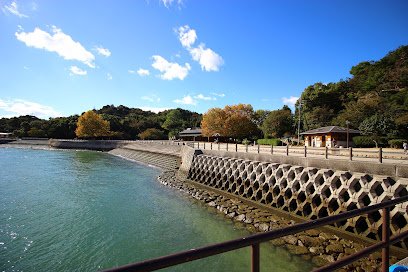
Discover the charm of Ōkunoshima, a unique island in Hiroshima known for its friendly rabbits and rich historical significance.
Burger Go Rock'n
16.5 km
Experience the ultimate burger delight at Burger Go Rock'n in Onomichi, Hiroshima - a culinary gem for burger lovers.
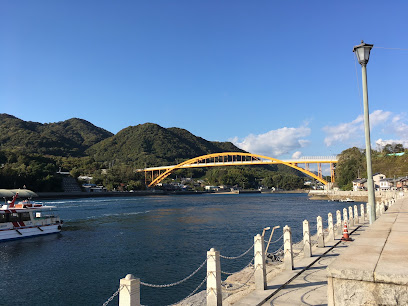
Guest house Yadokari
21.7 km
Discover the serene charm of Guest House Yadokari in Imabari, where traditional Japanese hospitality meets modern comfort for an unforgettable stay.
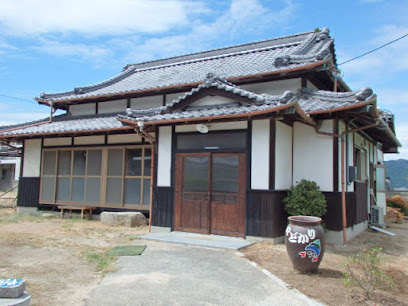
Cyclo CafeCyclo cafe & book Hostel Namito Minato
25.2 km
Discover the perfect blend of comfort and culture at Cyclo Cafe & Book Hostel in Imabari, Ehime – a cozy haven for travelers.
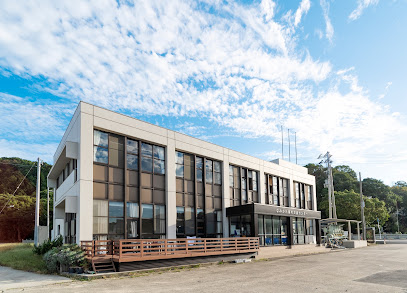
Shimanami Guesthouse CYCLO NO IE
32.2 km
Discover the charm of Shimanami Guesthouse CYCLO NO IE in Imabari, where comfort meets adventure along the stunning Shimanami Kaido.
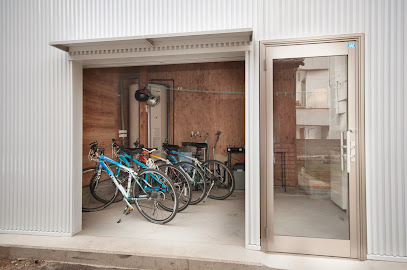
Tsunashiki Tenman Shrine
38.1 km
Experience the serene beauty and spiritual heritage of Tsunashiki Tenman Shrine in Imabari, a hidden gem nestled by the ocean amidst a lush pine forest.
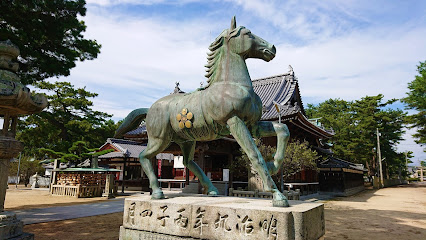
Seto Inland Sea
38.7 km
Experience the breathtaking landscapes and rich culture of the Seto Inland Sea, Japan's stunning archipelago of tranquility and adventure.
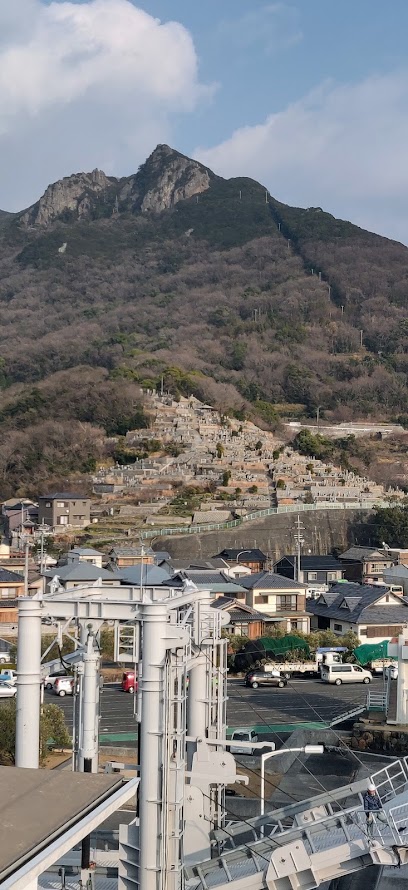
Peace Pagoda
40.4 km
A serene monument in Hiroshima offering panoramic views and a powerful message of peace and reconciliation.
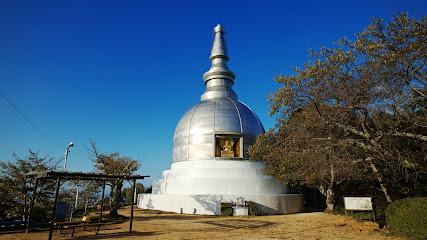
HIROSHIMA STATION
40.5 km
Experience Hiroshima: Begin your journey at the central station, seamlessly connecting you to history, culture, and modern city life.
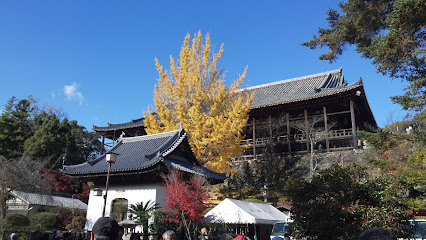
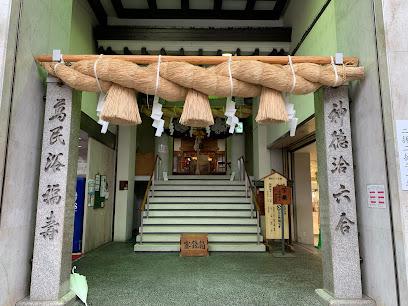
Ebisu Shrine
41.5 km
Discover Hiroshima's Ebisu Shrine: A symbol of commerce, resilience, and cultural heritage, offering blessings and vibrant festivals.
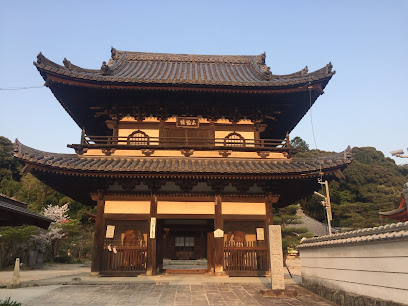
Fudo-in
41.5 km
Discover Hiroshima's Fudo-in Temple: A resilient national treasure with centuries of history and serene beauty.
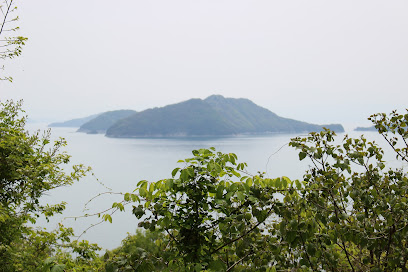
Uo Island
41.7 km
Experience the unspoiled beauty of Uo Island, a serene destination for nature lovers and adventurers in Ehime, Japan.
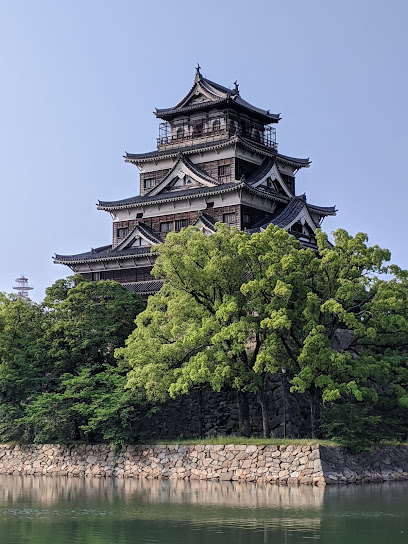
Hiroshima Castle Eastern Small Tower Ruins
42.0 km
Explore the remains of Hiroshima Castle's Eastern Small Tower, a window into the past and a symbol of resilience in Hiroshima's city center.
Main Gate
42.0 km
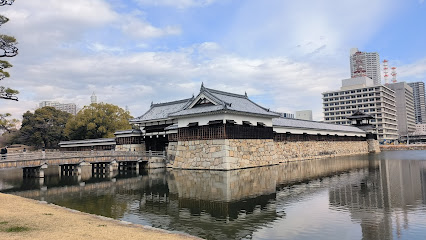
Step through history at Hiroshima Castle's Main Gate, a beautifully reconstructed entrance to the past.
Unmissable attractions to see

Tokoro Museum Ōmishima
14.9 km
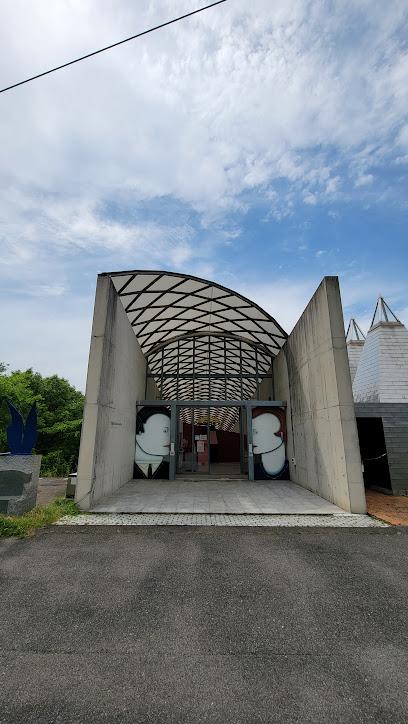
Explore the Tokoro Museum Ōmishima, where modern art meets serene landscapes in the heart of Imabari, Ehime.
Setoda Sunset Beach
16.5 km
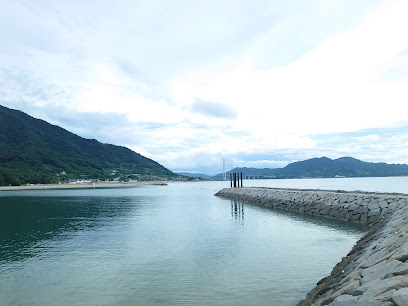
Experience stunning sunsets, clear waters, and sandy shores at this idyllic beach in Onomichi, Hiroshima.
Kamoizumi Shuzo Co., Ltd.
17.6 km
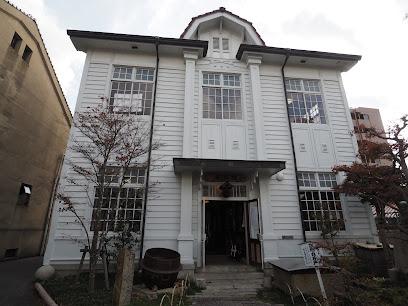
Explore the craftsmanship of Japanese sake at Kamoizumi Shuzo, a historic brewery in Higashihiroshima, where tradition meets taste.
Kamotsuru Sake Brewing Co., Ltd. Head Office
17.9 km
Experience the rich heritage of sake at Kamotsuru Sake Brewing Co. in Higashihiroshima, where tradition meets exquisite taste.
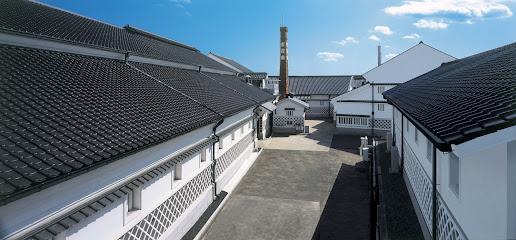
Hakubotan Shuzo Head Office
18.0 km
Experience the art of sake brewing at Hakubotan Shuzo, a premier sake brewery in Higashihiroshima, and immerse yourself in Japanese culture.
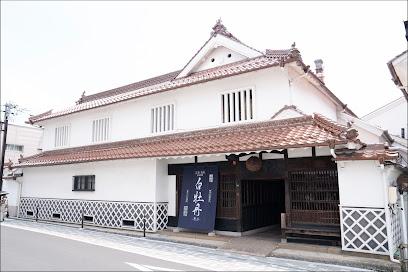
Higashihiroshimashi Sight Seeing Information Center
18.1 km
Discover Higashihiroshima's cultural treasures and natural beauty at the Sight Seeing Information Center, your gateway to unforgettable experiences.
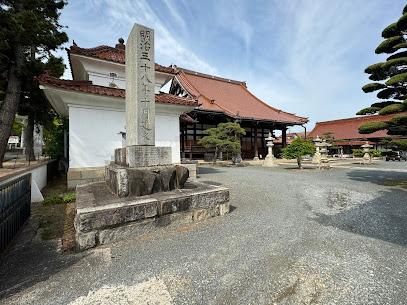
Kyozenji
18.2 km
Discover peace and tranquility at Kyozenji, a stunning Buddhist temple in Higashihiroshima, where culture and nature beautifully intertwine.
Kagamiyama Park
18.2 km
Discover the serene beauty of Kagamiyama Park in Higashihiroshima, where nature and culture blend harmoniously for an unforgettable experience.
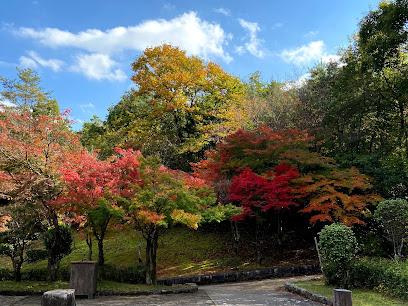
Yoshiumi Rose Park
24.3 km
Discover a world of roses at Yoshiumi Rose Park, a vibrant garden with hundreds of varieties and stunning sea views in Imabari, Japan.
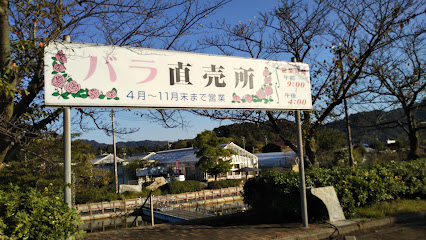
Kurushima Strait Observatory
26.4 km
Panoramic views of the Kurushima Strait and Bridge, a perfect stop on the Shimanami Kaido cycling route in Imabari, Ehime.
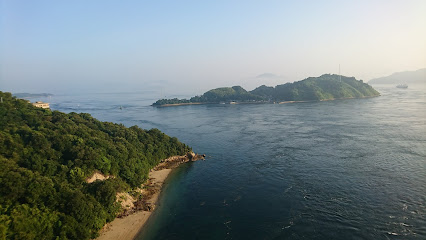
Shimanami Photo Spot
26.9 km
Capture breathtaking views of the Seto Inland Sea at this iconic photo spot along the Shimanami Kaido cycling route in Imabari, Japan.
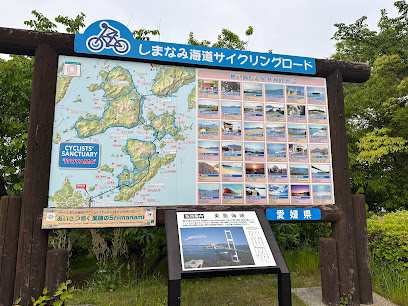
Senkoji Park
27.1 km
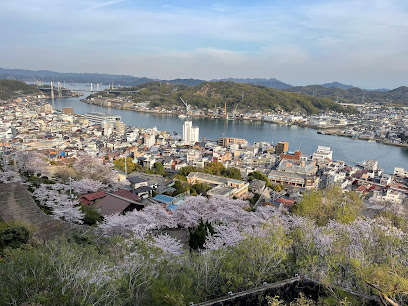
Discover panoramic views, cherry blossoms, and historic temples at Onomichi's iconic Senkoji Park, a hilltop escape with art and literature.
Senkoji Temple Mountain Ropeway
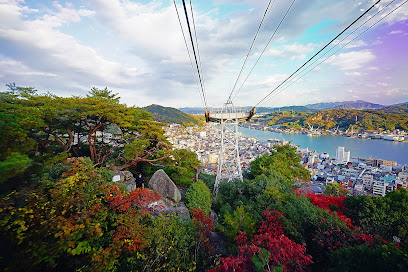
27.2 km
Ascend to panoramic views of Onomichi and reach historic Senkoji Temple with a convenient and scenic ropeway ride.
Cat Alley (Neko no Hosomichi)
27.4 km
Discover a whimsical world of art and feline charm in Onomichi's Cat Alley, a unique and enchanting path filled with cat-themed art and friendly felines.
Yamato Museum (Kure Maritime Museum)
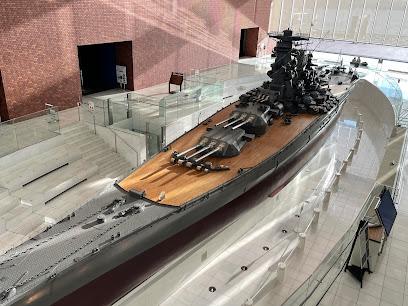
34.7 km
Explore the Yamato Museum in Kure, Hiroshima, where maritime history and the legacy of the Imperial Japanese Navy come to life.
Essential places to dine

Gonokawa
39.6 km
Discover Gonokawa in Hiroshima - where authentic izakaya meets warm hospitality and delightful Japanese flavors await every visitor.
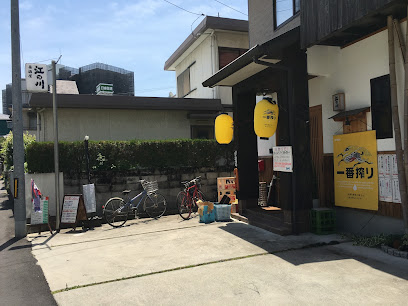
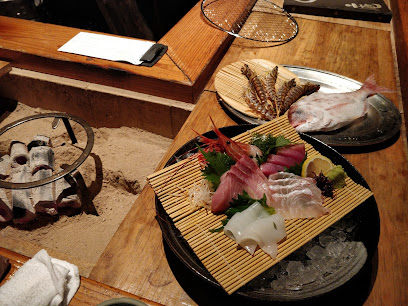
Guttsuri-ann
39.7 km
Experience the best of Hiroshima's seafood culture at Guttsuri-ann, where freshness meets tradition in an inviting izakaya setting.
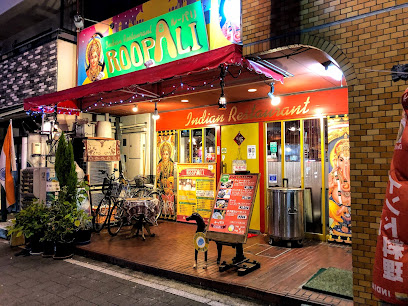
Roopali Indian Restaurant
40.2 km
Discover authentic Indian flavors at Roopali Indian Restaurant in Hiroshima—where every dish tells a story of tradition and taste.
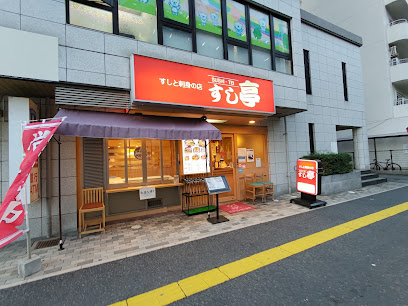
Sushitei Hikarimachi
40.3 km
Discover authentic sushi at Sushitei Hikarimachi in Hiroshima – where tradition meets flavor in every bite.
Reichan Hiroshima
40.4 km
Experience the authentic taste of okonomiyaki at Reichan Hiroshima—where tradition meets flavor in every delicious bite.
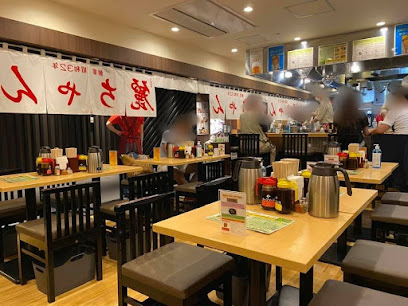
Sky Restaurant and Lounge L&R
40.5 km
Experience exquisite French cuisine amidst stunning panoramic views at Hiroshima's Sky Restaurant and Lounge L&R.
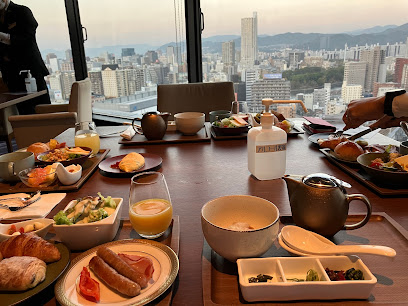
Kodama
41.1 km
Experience authentic Japanese flavors at Kodama in Hiroshima, where traditional cuisine meets warm hospitality.
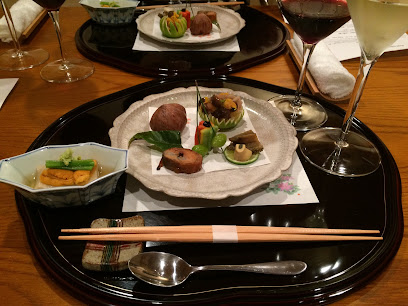
Okonomiyaki Kakkun
41.2 km
Discover authentic Hiroshima okonomiyaki at Okonomiyaki Kakkun - where flavor meets tradition in every savory bite.
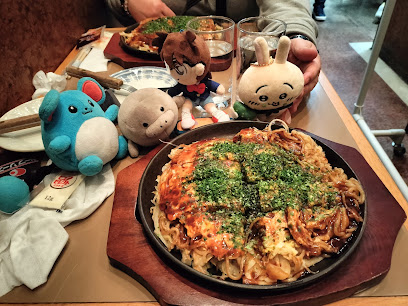
Casino
41.2 km
Experience a symphony of European flavors at Casino - where culinary excellence meets sophistication in Hiroshima.
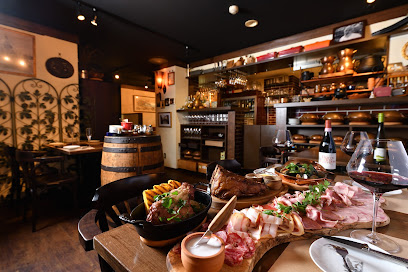
Momonoki
41.3 km
Discover exquisite steak and authentic teppanyaki at Momonoki in Hiroshima - where culinary excellence meets vibrant atmosphere.
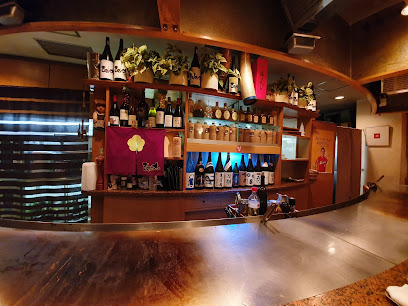
Zona Italia in Centro
41.4 km
Indulge in authentic Italian flavors at Zona Italia in Centro, where culinary excellence meets charming ambiance in the heart of Hiroshima.
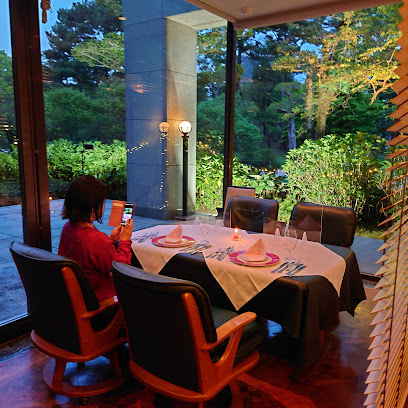
芸州 本店
41.5 km
Discover exquisite Japanese cuisine at Geisyu Honkan in Hiroshima - home to authentic fugu and kaiseki dining experiences.
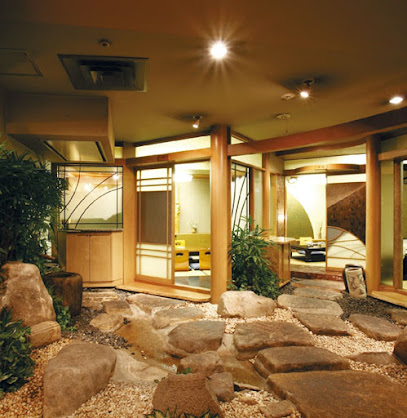
Kani Doraku
41.5 km
Experience exquisite crab dishes and traditional Kaiseki cuisine at Kani Doraku in Hiroshima - where seafood meets artistry.
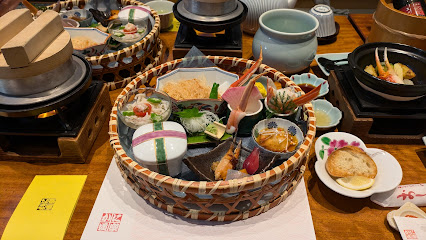
Sanbi
41.5 km
Discover authentic kaiseki dining at Sanbi, where every dish is an artful celebration of seasonal flavors in Hiroshima.
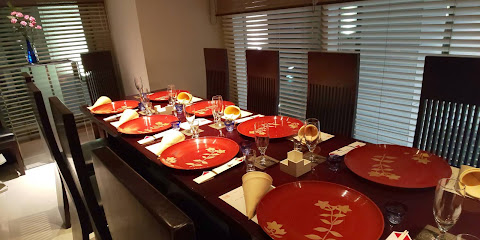
Teppanyaki DONTOKO Hatchobori
41.5 km
Discover exquisite Japanese cuisine at Teppanyaki DONTOKO in Hiroshima's vibrant Hatchobori district—where tradition meets creativity.
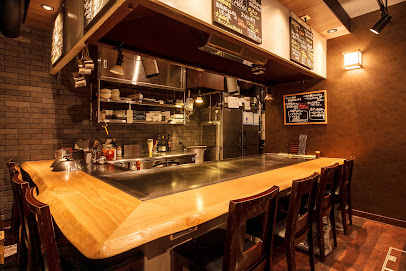
Markets, malls and hidden boutiques

JICA Chūgoku International Center
17.5 km
Experience cultural exchange and comfort at JICA Chūgoku International Center, a unique lodging in Hiroshima's serene landscapes.
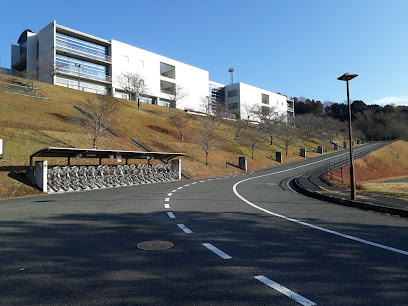
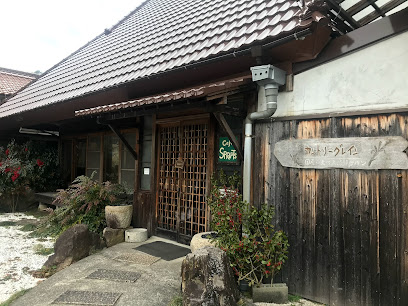
Country Grain (Cafe Sprouts)
26.6 km
Discover the perfect blend of local flavors and artisanal baking at Country Grain, a charming bakery in Higashihiroshima.
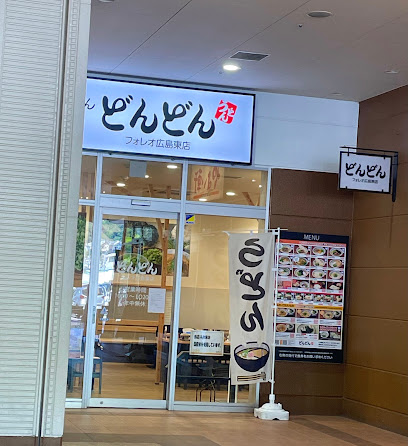
FOLEO Hiroshima-higashi
38.2 km
Discover FOLEO Hiroshima-higashi, a lively shopping mall offering a variety of shops, dining options, and entertainment in Hiroshima, Japan.
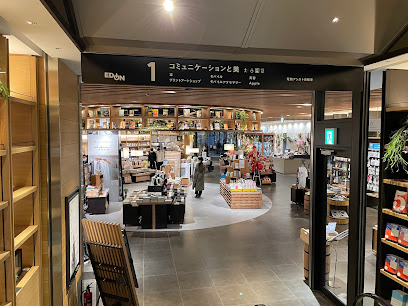
EKICITY Hiroshima
40.4 km
Explore EKICITY Hiroshima, a vibrant shopping mall offering a unique blend of local culture, retail therapy, and delightful dining options.
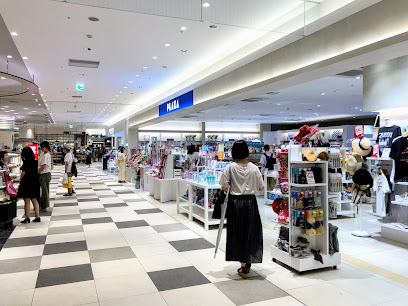
PLAZA at ekie Hiroshima
40.4 km
Explore a variety of local treasures at Plaza at ekie Hiroshima, where unique shopping meets cultural experience in the heart of the city.
ekie Hiroshima
40.5 km
Discover ekie Hiroshima: A lively shopping mall combining fashion, food, and culture in the heart of Hiroshima.
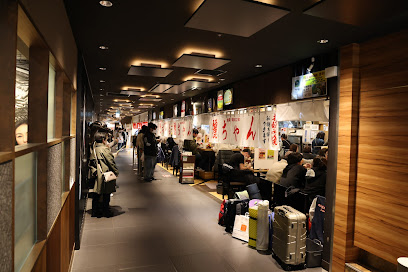
Big Front Hiroshima
40.5 km
Explore Big Front Hiroshima, a vibrant shopping mall offering a unique blend of retail, dining, and cultural experiences in the heart of the city.
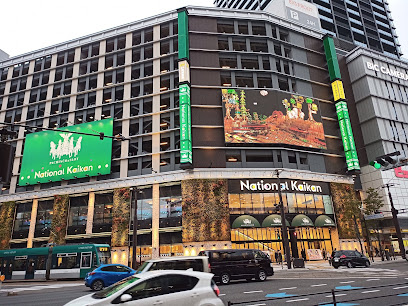
Fukuya Hiroshima station square store
40.6 km
Discover the charm of Fukuya Hiroshima Station Square Store, where shopping meets local culture in a vibrant atmosphere.
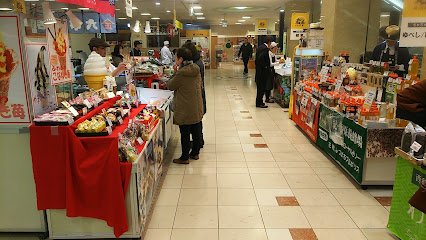
Gemisch
41.2 km
Explore the enchanting world of antiques and collectibles at Gemisch, a must-visit store in Hiroshima's vibrant Noboricho district.
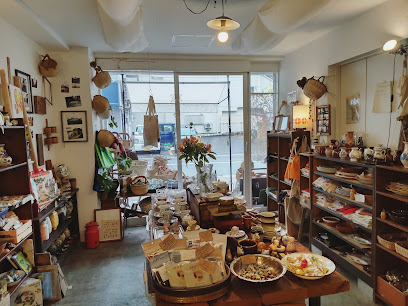
youme Town Hiroshima
41.3 km
Explore Youme Town Hiroshima, a vibrant shopping mall filled with trendy shops, delicious eateries, and fun entertainment options in the heart of the city.
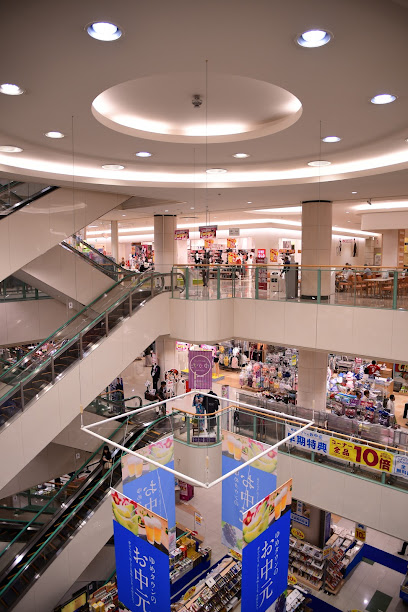
ジョンブリアン
41.3 km
Discover unique clothing and home goods at ジョンブリアン, a must-visit store in Hiroshima for fashion enthusiasts and souvenir hunters.
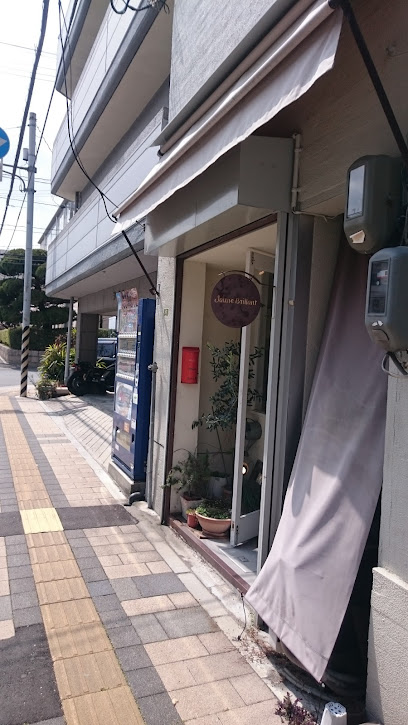
FUJI GRAND Hiroshima
41.3 km
Explore FUJI GRAND Hiroshima: A shopping paradise blending local culture with diverse culinary delights, perfect for every tourist's journey.
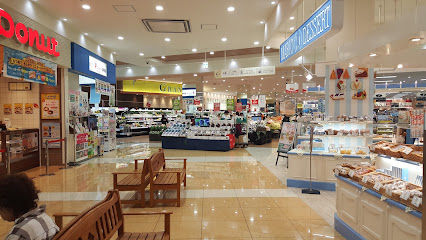
SHOP ORIENTAL+
41.4 km
Discover the heart of Hiroshima at SHOP ORIENTAL+, your destination for unique souvenirs and local treasures.
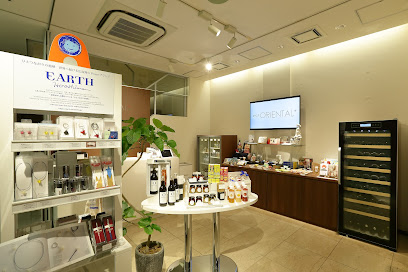
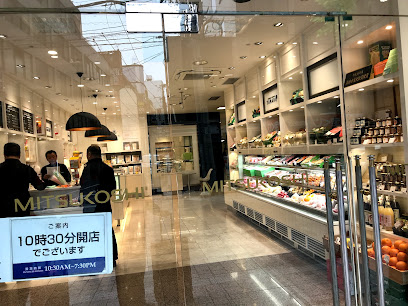
MITSUKOSHI Hiroshima Store
41.4 km
Discover the ultimate shopping experience at Mitsukoshi Hiroshima Store, where local craftsmanship meets global brands in the heart of the city.
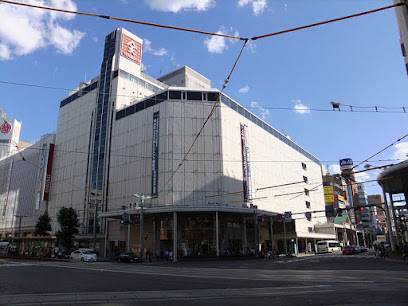
Yamada Denki
41.5 km
Discover cutting-edge technology and diverse electronics at Yamada Denki, Hiroshima's premier shopping destination.
Essential bars & hidden hideouts

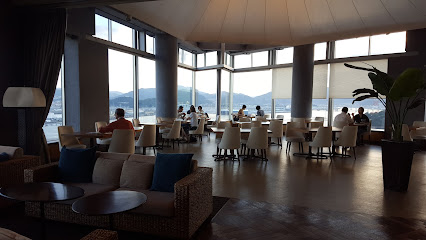
Sky Lounge TOP OF HIROSHIMA
41.1 km
Discover breathtaking views and exquisite dining at Sky Lounge TOP OF HIROSHIMA, where every meal is a celebration of flavor and scenery.
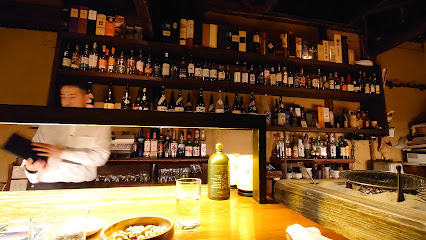
BAR 陀陀
41.3 km
Discover the vibrant nightlife at BAR 陀陀 in Hiroshima, offering exquisite drinks and delectable dishes in a cozy atmosphere.
Bar Suizokukan 酔族館
41.3 km
Experience the vibrant nightlife of Hiroshima at Bar Suizokukan, where local flavors meet a cozy ambiance for an unforgettable evening.
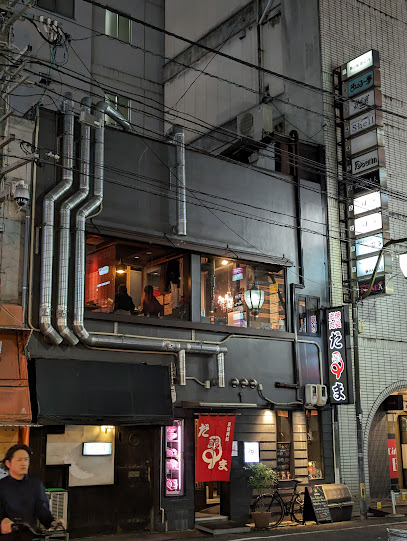
BAR KAWASAKI
41.3 km
Discover the vibrant nightlife at Bar Kawasaki, where local flavors and a cozy atmosphere await in the heart of Hiroshima's Yagenbori district.
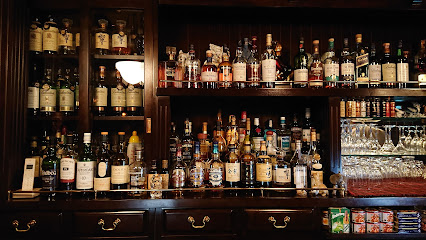
mugi (クラフトビールバー)
41.3 km
Discover the vibrant world of craft beer at Mugi, Hiroshima's premier bar offering an eclectic selection of local and international brews.
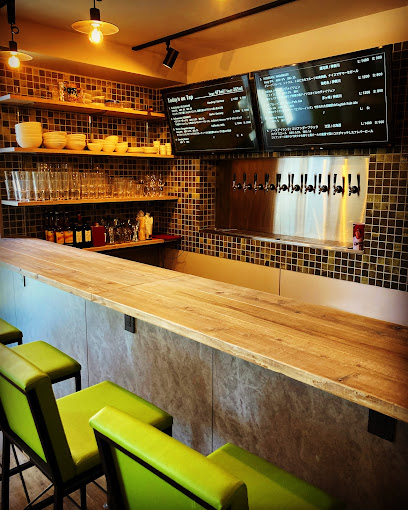
Bar Alegre
41.3 km
Discover Bar Alegre in Hiroshima: A trendy cocktail bar offering a vibrant atmosphere, expertly crafted drinks, and a taste of local nightlife.
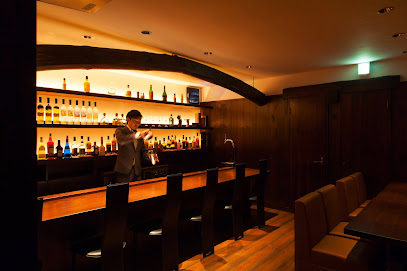
Step1 International Bar
41.4 km
Experience the vibrant nightlife of Hiroshima at Step1 International Bar, where cocktails, dancing, and Latin American flair collide.
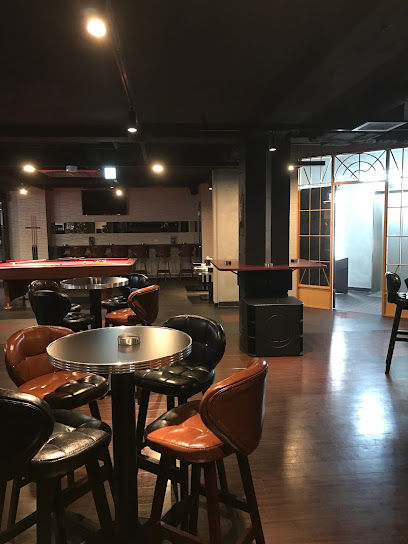
Hiroshima 1923 High Ball Bar
41.4 km
Discover Hiroshima 1923 High Ball Bar, a trendy spot offering innovative cocktails and a cozy atmosphere perfect for a night out in Hiroshima.
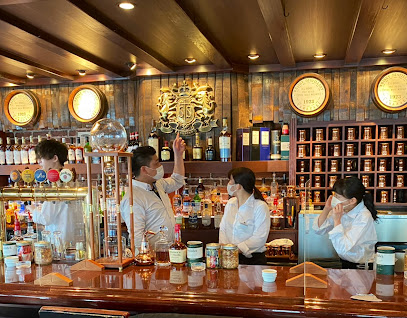
FOUQUE
41.4 km
Discover FOUQUE, a lively bar in Hiroshima, where local flavors and a vibrant atmosphere create the perfect nightlife experience.
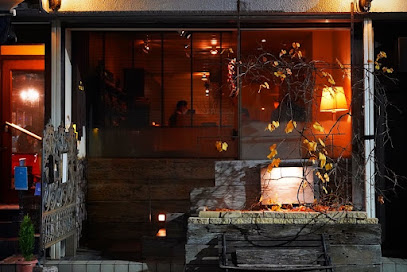
段原Little Standard 靴を脱いで寛ぐStyle
41.4 km
Discover the cozy charm of 段原Little Standard, a unique bar in Hiroshima where you can unwind and savor exceptional drinks in a stylish setting.
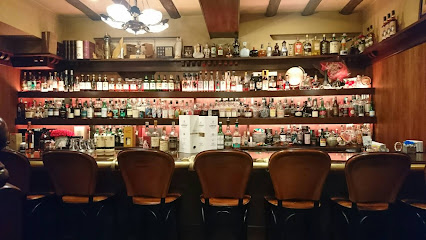
Tropical Bar Revolución
41.5 km
Experience the vibrant nightlife of Hiroshima at Tropical Bar Revolución, where unique cocktails and a lively atmosphere await your arrival.
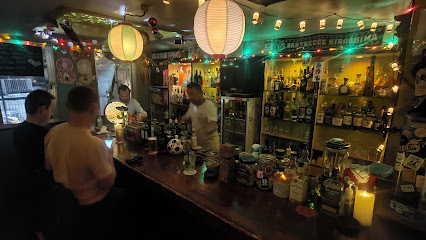
Bar Kirkwall
41.5 km
Discover the vibrant nightlife at Bar Kirkwall, Hiroshima's cozy bar offering an impressive drink selection in a welcoming atmosphere.
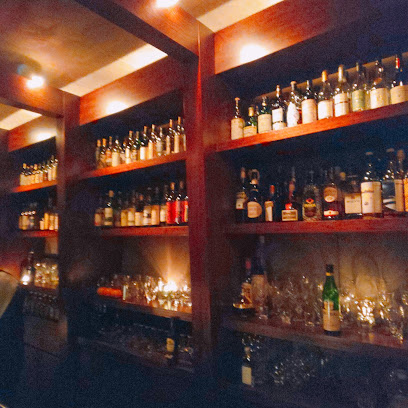
Bar Last Tango in Paris
41.5 km
Experience Hiroshima's nightlife at Bar Last Tango in Paris, where exquisite cocktails and a vibrant atmosphere await every night.
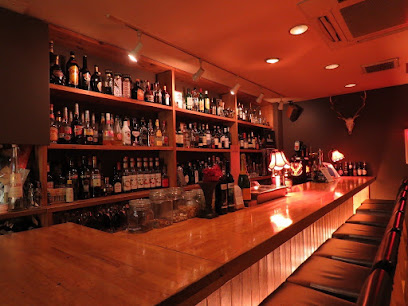
Wonderful Joke
41.5 km
Experience the lively nightlife at Wonderful Joke, a cozy bar in Hiroshima serving delightful drinks and a vibrant atmosphere.
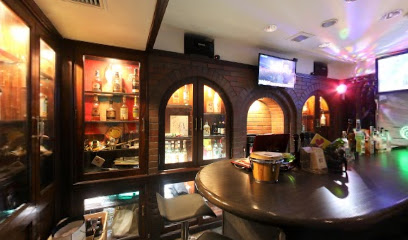
THE GS BAR
41.5 km
Experience the vibrant nightlife of Hiroshima at THE GS BAR, where expertly crafted drinks meet a warm and inviting atmosphere.
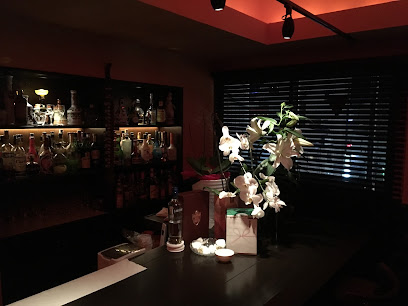
Nightclubs & after hour spots

China Town
41.1 km
Experience the vibrant nightlife of Hiroshima at China Town, a lively night club where music, dancing, and culture unite for an unforgettable evening.
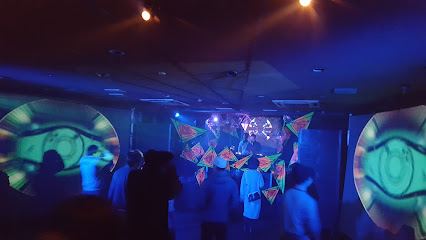
WunderBar Stevie's (ワンダバー スティーヴィーズ)
41.2 km
Experience the vibrant nightlife of Hiroshima at WunderBar Stevie's, a lively night club and bar offering an eclectic atmosphere and diverse drink selections.
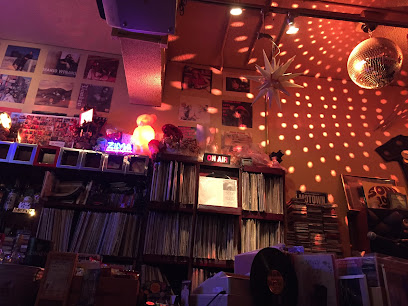
UNICO(ウニコ流川)広島
41.3 km
Dive into the energetic nightlife of Hiroshima at UNICO, where cabaret charm meets vibrant social scenes for an unforgettable evening.
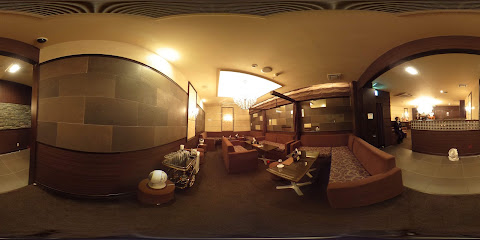
Mars Petcare
41.3 km
Discover the electric nightlife of Hiroshima at Mars Petcare, where unforgettable parties and vibrant energy come alive every night.
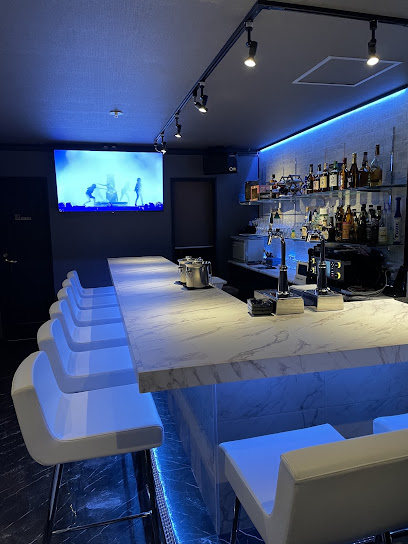
矢沢スタンドサンタ
41.3 km
Unleash your inner star at Yazawa Stand Santa, Hiroshima's liveliest karaoke bar featuring an extensive song selection and a fun-loving crowd.
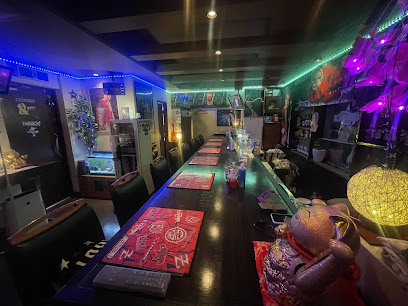
Club cream
41.4 km
Discover the electrifying atmosphere of Club Cream, Hiroshima's top live music venue, where unforgettable nightlife awaits.
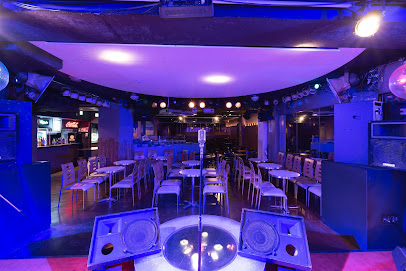
BAR KING
41.4 km
Discover the electrifying nightlife of Hiroshima at Bar King, a night club that promises unforgettable experiences and lively entertainment.
Kurabubaronhiroshima
41.4 km
Experience the vibrant nightlife of Hiroshima at Kurabubaronhiroshima, where music, dancing, and fun await you in a modern club atmosphere.
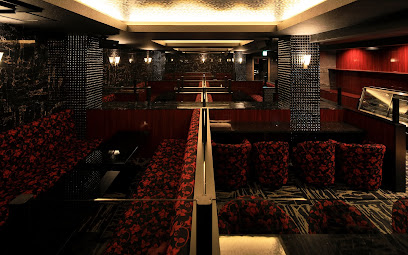
New Club Hiroshimarikyu
41.4 km
Unleash your spirit and dance the night away at New Club Hiroshimarikyu, Hiroshima's ultimate nightlife destination.
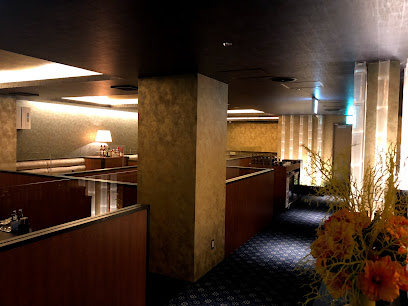
CLUB A-1
41.4 km
Discover the electrifying nightlife of Hiroshima at CLUB A-1, where music and energy come alive in a stylish setting.
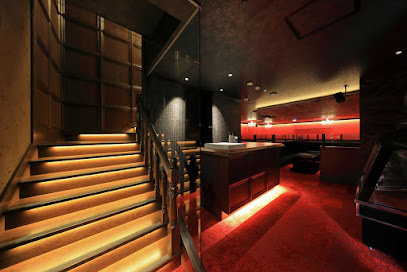
ONE NIGHT CARNIVAL
41.4 km
Discover the electrifying nightlife at One Night Carnival in Hiroshima, where unforgettable music and vibrant energy create the ultimate party experience.
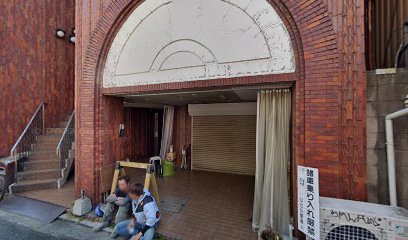
Girl's Bar Hot Hips
41.4 km
Discover the enchanting nightlife of Hiroshima at Girl's Bar Hot Hips, where friendly service and vibrant ambiance await every visitor.
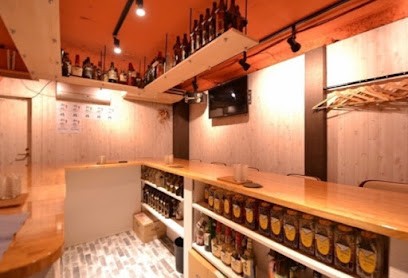
スタンドHIRO
41.4 km
Discover the thrilling nightlife at スタンドHIRO, Hiroshima's vibrant night club offering an unforgettable blend of music, dance, and culture.
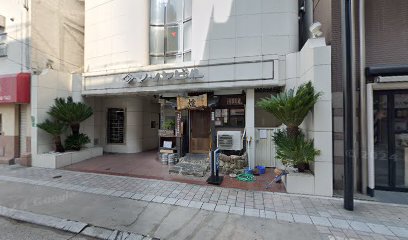
Nightclub【LAGOON HIROSHIMA】
41.5 km
Discover the electrifying nightlife of Hiroshima at LAGOON HIROSHIMA, where music and dance come alive in an unforgettable setting.
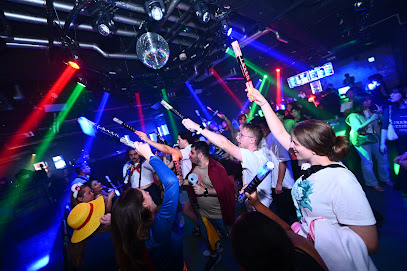
CLUB L2 広島
41.5 km
Discover the electrifying nightlife at CLUB L2 Hiroshima, where music, dancing, and unforgettable memories come together.