Fudo-in Travel Guide
Free Guide: Discover Hiroshima's Fudo-in Temple: A resilient national treasure with centuries of history and serene beauty.


A brief summary of Fudo-in
Discover Hiroshima's Fudo-in Temple: A resilient national treasure with centuries of history and serene beauty.
Fudo-in Temple, located in Hiroshima, is a historic Buddhist temple dating back to the Heian period. It is the only temple in Hiroshima City designated as a National Treasure, having survived the atomic bombing in 1945.
- Address
- 3 Chome-4-9 Ushitashinmachi, Higashi Ward, Hiroshima, 732-0068
- Phone
- Website
Getting there
Public Transport
Taxi
Walking
Discover more about Fudo-in
Overview
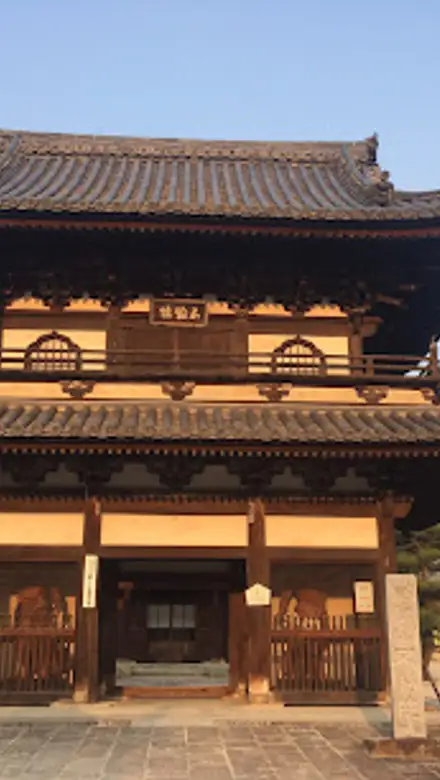
Fudo-in Temple, nestled in Higashi Ward, Hiroshima, is a significant cultural landmark with a history stretching back to the Heian period (794-1185). While its early history is not entirely clear, inscriptions suggest a temple existed on this site for centuries. During the 1300s, it was known as Ankoku-ji, one of a network of temples dedicated to appeasing the spirits of dead samurai warriors.Rebuilt in the late 1500s after being destroyed in battle, the temple transitioned from the Zen to the Shingon sect after 1600, at which point it was renamed Fudo-in. The Kondo (main hall), constructed in 1540, is the largest remaining building in the Kara-yo (Chinese) architectural style and is designated as a National Treasure. Remarkably, the Kondo withstood the atomic bombing of Hiroshima in 1945, serving as a symbol of resilience and a reminder of pre-war Hiroshima.Visitors can explore the peaceful temple grounds, admiring the two-story main gate dating back to 1594 and the Nio statues believed to be even older. The temple also features a vermilion-colored bell tower dating back to 1433, adding a vibrant contrast to the dark main hall and surrounding greenery. While the interior of the Kondo is not typically open to the public, the exterior and surrounding gardens offer a serene and historically rich experience. Fudo-in is also known as a beautiful spot for maple trees, with the area turning red and yellow in the fall.
Evendo Review Centre
 Google
Guest reviews
Explore Fudo-in on the map
A handpicked selection of must-see spots near Fudo-in, mapped for you.
Get your free copy of our complete guide to Fudo-in, delivered straight to you.
Everything on this page, from opening hours and how to get there to Eve’s tips and the best time to go, in one PDF you can read offline, print or share.
Already have an account? Sign in
Your Fudo-in guide is ready.
We'll send it to · Not you? Sign out

Getting your guide ready…
We are putting together a fresh copy of the Fudo-in guide. This can take up to a minute.
This can take a few moments. If your browser asks, choose Allow so the download can start. You'll find the guide in your Downloads folder.
Nothing happened? Download it again
Sorry, the guide is taking longer than usual. Please try again in a minute, or get it by email instead.
Other nearby places you may find interesting
The closest places of the same kind, if this one is not quite what you had in mind.
-
-
-
-
-


Swipe for more places
More to explore near Fudo-in

 Best experiences near Fudo-in
 Best hotels near Fudo-in
 Best landmarks near Fudo-in
 Best attractions near Fudo-in
 Best shops near Fudo-in
 Best restaurants near Fudo-in
 Best bars near Fudo-in
Do you manage this location?
Take control to get all the benefits, like improved information, better appearance, and stronger visibility across AI-powered discovery.
Explore more
Explore more of Iki
Discover Iki Island, Japan's untouched paradise, where ancient history meets pristine beaches and tranquil landscapes, offering a serene escape from the mainland.
Explore Iki
Explore more of Japan
Discover the harmony of tradition and modernity in Japan, where ancient temples and cutting-edge technology coexist in perfect balance.
Explore Japan