Peace Pagoda, Hiroshima Travel Guide
Free Guide: A serene monument in Hiroshima offering panoramic views and a powerful message of peace and reconciliation.


A brief summary of Peace Pagoda
A serene monument in Hiroshima offering panoramic views and a powerful message of peace and reconciliation.
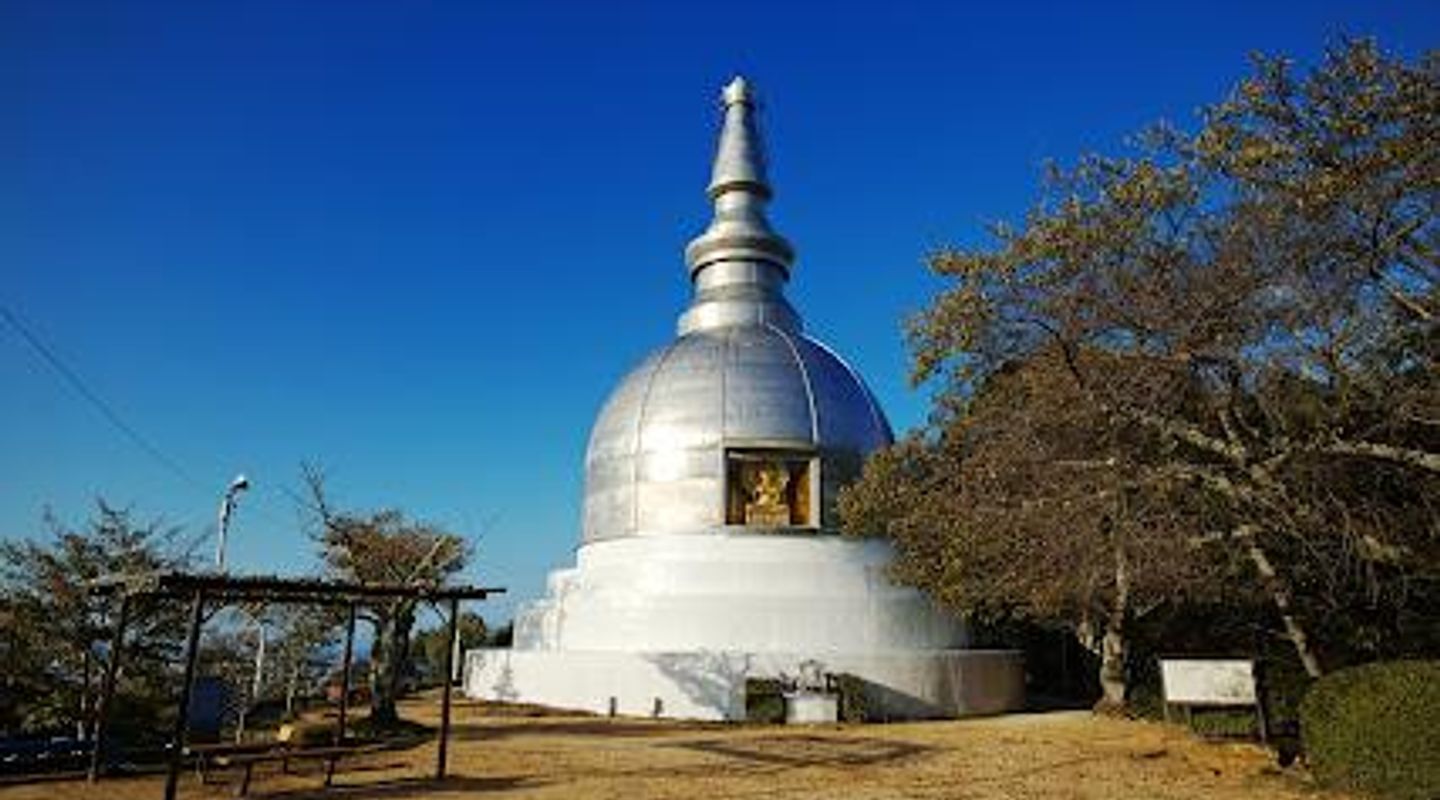
The Peace Pagoda in Hiroshima, a silver stupa atop Mount Futaba, stands as a symbol of peace and reconciliation. Built in 1966 by Nipponzan Myohoji Buddhist monks, it commemorates lives lost in the atomic bombing and houses relics of Buddha. The pagoda offers panoramic city views and a serene space for contemplation.
Opening hours
- Every dayOpen 24 hours
Opening hours as listed on the venue’s Google Business Profile. Hours can change for services and special events, so check with the venue before you go.
- Address
- 1 Hikarigaoka, Higashi Ward, Hiroshima, 732-0051
- Website
Getting there
Walking
Public Transport
Taxi
Discover more about Peace Pagoda
Overview
The Hiroshima Peace Pagoda, also known as Bussharito, is a striking silver structure that sits atop Mount Futaba, overlooking Hiroshima. Constructed in 1966 by the Nipponzan Myohoji sect of Nichiren Buddhism, the pagoda serves as a monument to world peace and a memorial to the victims of the atomic bombing.Nichidatsu Fujii, the founder of the Nipponzan Myohoji sect, was inspired to build Peace Pagodas after meeting Mahatma Gandhi and dedicating his life to non-violence. The Hiroshima Peace Pagoda was among the first of approximately 80 such shrines built worldwide. It contains ashes of the Buddha, gifted by the Prime Minister of India and Mongolian Buddhists, along with thousands of memorial stones representing prayers for peace from Hiroshima residents.Visitors can reach the pagoda by hiking the Futabanosato Historical Walking Trail, which passes through a tunnel of vermillion torii gates and several smaller shrines. The pagoda's location offers stunning views of Hiroshima and the Inland Sea, especially during cherry blossom season. The surrounding park provides benches and a peaceful atmosphere for meditation and reflection. The Peace Pagoda stands as a testament to Hiroshima's enduring spirit and commitment to peace.
Evendo Review Centre
 Google
Guest reviews
Explore Peace Pagoda on the map
A handpicked selection of must-see spots near Peace Pagoda, mapped for you.
Get your free copy of our complete guide to Peace Pagoda, delivered straight to you.
Everything on this page, from opening hours and how to get there to Eve’s tips and the best time to go, in one PDF you can read offline, print or share.
Already have an account? Sign in
Your Peace Pagoda guide is ready.
We'll send it to · Not you? Sign out

Getting your guide ready…
We are putting together a fresh copy of the Peace Pagoda guide. This can take up to a minute.
This can take a few moments. If your browser asks, choose Allow so the download can start. You'll find the guide in your Downloads folder.
Nothing happened? Download it again
Sorry, the guide is taking longer than usual. Please try again in a minute, or get it by email instead.
Unlock the best of Peace Pagoda
Skip-the-line tickets, guided tours with entry, and walking tours of the area, booked in a few clicks.


Other nearby places you may find interesting
The closest places of the same kind, if this one is not quite what you had in mind.
-

-
-
-
-


Swipe for more places
More to explore near Peace Pagoda

 Best experiences near Peace Pagoda
 Best hotels near Peace Pagoda
 Best landmarks near Peace Pagoda
 Best attractions near Peace Pagoda
 Best shops near Peace Pagoda
 Best restaurants near Peace Pagoda
 Best bars near Peace Pagoda
Do you manage this location?
Take control to get all the benefits, like improved information, better appearance, and stronger visibility across AI-powered discovery.
Explore more

Explore more of Hiroshima
Discover Hiroshima: A harmonious blend of poignant history, vibrant culture, and stunning natural beauty, offering a unique and enriching travel experience.
Explore Hiroshima
Explore more of Japan
Discover the harmony of tradition and modernity in Japan, where ancient temples and cutting-edge technology coexist in perfect balance.
Explore Japan