

Nijō Castle Travel Guide
Free Guide: Explore Nijō Castle, a UNESCO World Heritage site in Kyoto, and immerse yourself in the history and architecture of Japan's Edo period.


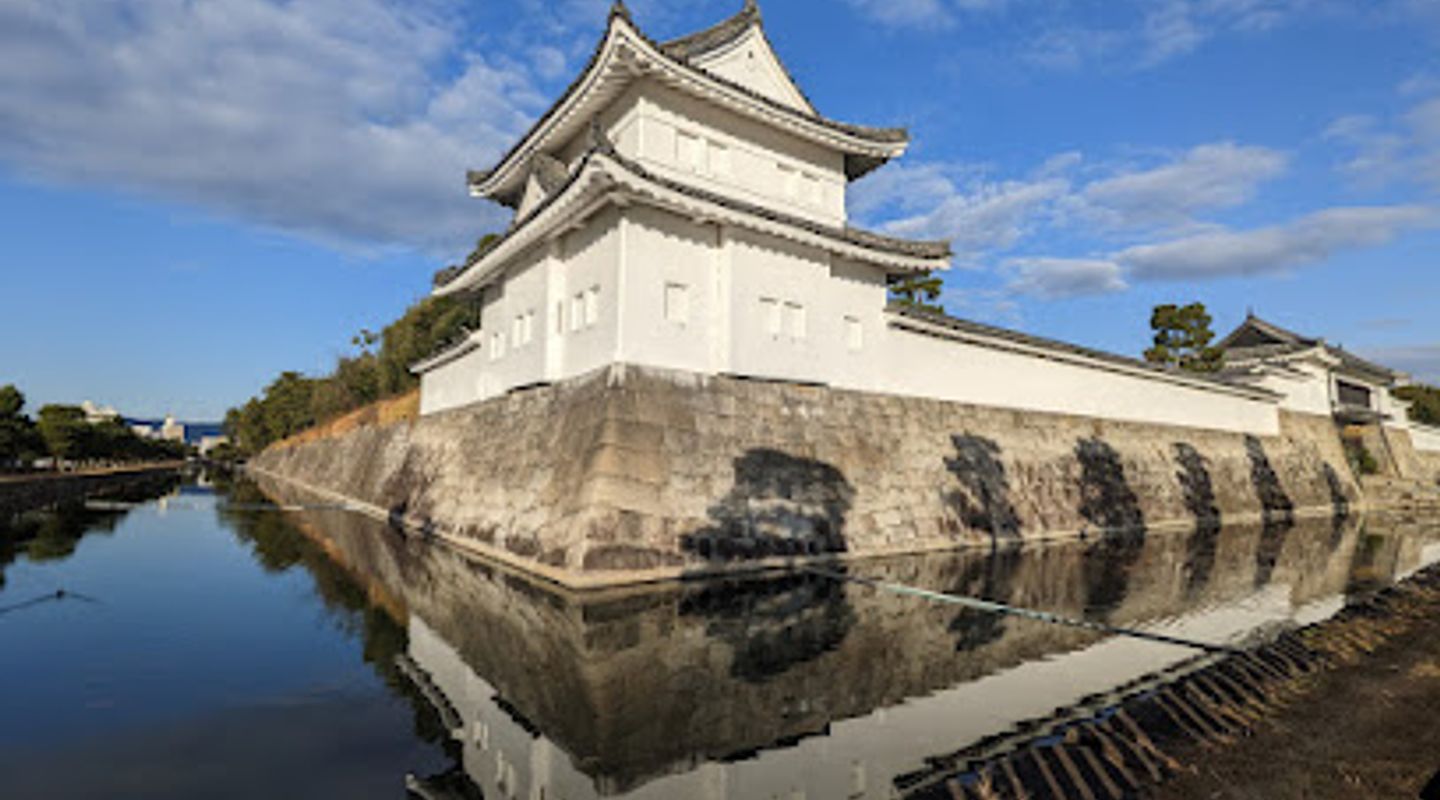
A brief summary of Nijō Castle
Explore Nijō Castle, a UNESCO World Heritage site in Kyoto, and immerse yourself in the history and architecture of Japan's Edo period.
Nijō Castle, a UNESCO World Heritage site in Kyoto, Japan, was built in 1603 as the Kyoto residence of Tokugawa Ieyasu, the first shogun of the Edo Period. The castle showcases the power and wealth of the shogunate and is divided into the Honmaru (main circle of defense), the Ninomaru (secondary circle of defense), and surrounding gardens.
Opening hours
- Every day8:45 am–5 pm
Opening hours as listed on the venue’s Google Business Profile. Hours can change for services and special events, so check with the venue before you go.
- Address
- 541 Nijojocho, Nakagyo Ward, Kyoto, 604-8301
- Phone
- Website
Getting there
Public Transport
Walking
Taxi
Car
Discover more about Nijō Castle
Overview
Nijō Castle, located in Kyoto, is a UNESCO World Heritage site renowned for its historical significance and exquisite architecture. Built in 1603 by Tokugawa Ieyasu, the first shogun of the Edo period, it served as his Kyoto residence and a symbol of the shogunate's power. The castle is divided into three main areas: the Honmaru (main circle of defense), the Ninomaru (secondary circle of defense), and the surrounding gardens.The Ninomaru Palace is the main attraction, featuring five buildings, 33 rooms, and 800 tatami mats. It served as the residence and office of the shogun during his visits to Kyoto. The palace is known for its intricate wood carvings, decorative panels, and the famous "nightingale floors" designed to chirp when walked upon, providing security against intruders. The interior rooms were designed by artists from the Kanō school.The Honmaru was the site of a second palace complex and a five-story castle keep, but both structures were destroyed by fires in the 18th century and were never rebuilt. After the fall of the shogunate, an imperial residence was moved here from the Kyoto Imperial Palace, where it remains today as the Honmaru Palace. The interior of the Honmaru Palace was reopened to the public in September 2024.The gardens surrounding the Honmaru and Ninomaru offer green spaces and tree-lined walking paths. Cherry trees of numerous varieties are planted throughout the castle grounds, making the blooming season last from late March through April. Nijo Castle played a key role in Japanese history, including the Taisei-hokan declaration in 1867, when the 15th shogun, Tokugawa Yoshinobu, officially returned political power to Emperor Meiji, marking the end of the shogunate rule and the beginning of the Meiji era.
Evendo Review Centre
 Google
Guest reviews
Explore Nijō Castle on the map
A handpicked selection of must-see spots near Nijō Castle, mapped for you.
Get your free copy of our complete guide to Nijō Castle, delivered straight to you.
Everything on this page, from opening hours and how to get there to Eve’s tips and the best time to go, in one PDF you can read offline, print or share.
Already have an account? Sign in
Your Nijō Castle guide is ready.
We'll send it to · Not you? Sign out

Getting your guide ready…
We are putting together a fresh copy of the Nijō Castle guide. This can take up to a minute.
This can take a few moments. If your browser asks, choose Allow so the download can start. You'll find the guide in your Downloads folder.
Nothing happened? Download it again
Sorry, the guide is taking longer than usual. Please try again in a minute, or get it by email instead.
Unlock the best of Nijō Castle
Skip-the-line tickets, guided tours with entry, and walking tours of the area, booked in a few clicks.


Other nearby places you may find interesting
The closest places of the same kind, if this one is not quite what you had in mind.
-
-
-
-
-


Swipe for more places
More to explore near Nijō Castle

 Best experiences near Nijō Castle
 Best hotels near Nijō Castle
 Best landmarks near Nijō Castle
 Best attractions near Nijō Castle
 Best shops near Nijō Castle
 Best restaurants near Nijō Castle
 Best bars near Nijō Castle
Do you manage this location?
Take control to get all the benefits, like improved information, better appearance, and stronger visibility across AI-powered discovery.
Explore more
Explore more of Iyo
Explore Iyo, Japan’s hidden gem in Ehime Prefecture, offering serene landscapes, historic sites, traditional crafts, and delectable local cuisine.
Explore Iyo
Explore more of Japan
Discover the harmony of tradition and modernity in Japan, where ancient temples and cutting-edge technology coexist in perfect balance.
Explore Japan
