

Best Landmarks in Kanto
Planning a trip to Kanto? Discover the best landmarks in Kanto with history, expert tips, and routes. Free on web or the Evendo app.


The best landmarks in Kanto
- Top rated
- Closest to the centre
- A–Z
100 landmarks
-
Theme park4.6★105,964 reviews
Tokyo Disneyland
Tokyo Disneyland, the first Disney park outside the United States, opened in 1983 and offers a unique blend of classic Disney magic with Japanese cultural elements. Located in Urayasu, Chiba Prefecture, it features seven themed lands with rides, shops, restaurants, and entertainment, making it a beloved destination for families and Disney enthusiasts alike.
Daily 8:00–22:00
-
Observation deck4.4★89,849 reviews
Tokyo Skytree
The Tokyo Skytree, completed in 2012, is a towering symbol of modern Tokyo, offering panoramic views from its observation decks. Standing at 634 meters, it's the tallest structure in Japan and a major broadcasting center.
Mon–Fri 10:00–22:00 · Sat–Sun 9:00–22:00
-
Observation deck4.5★75,519 reviews
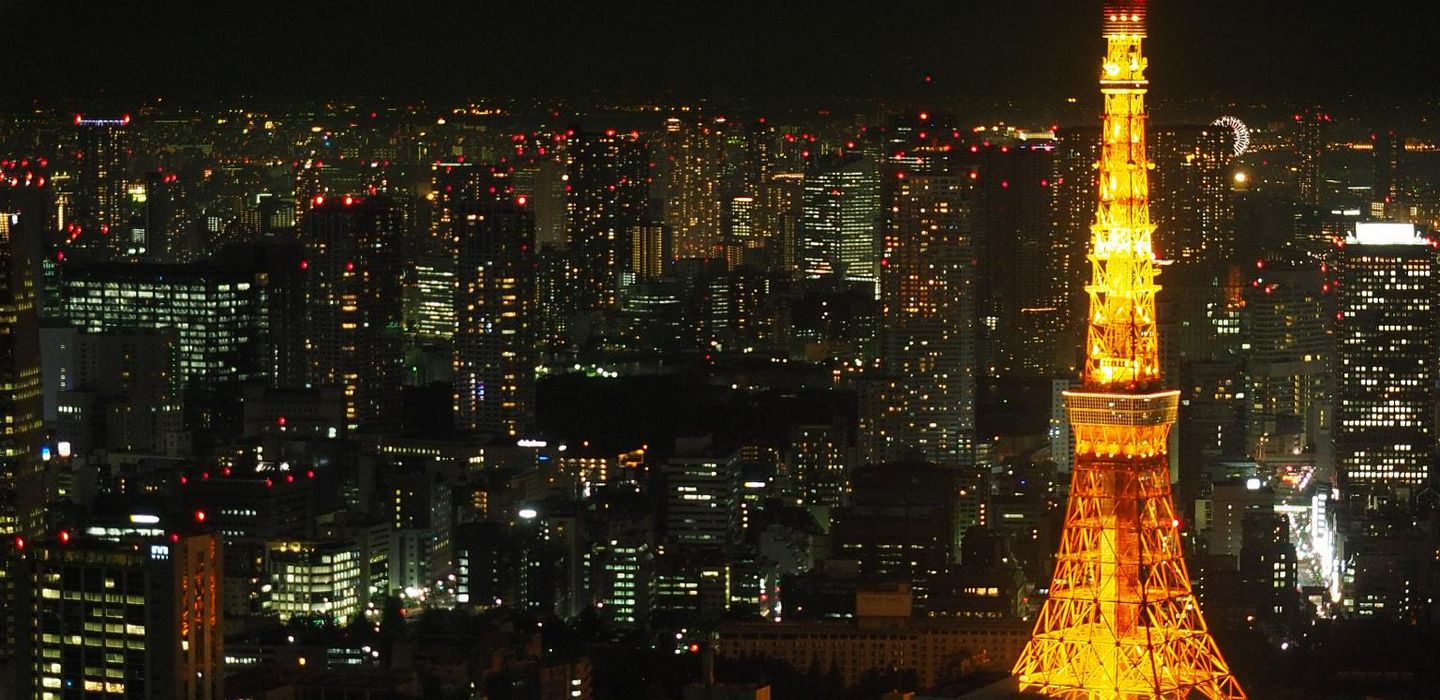
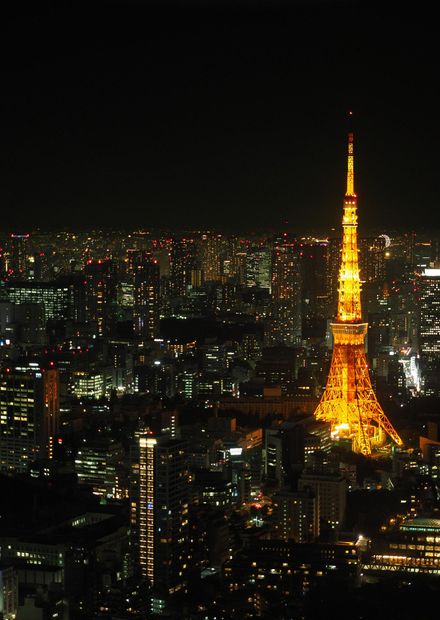
Tokyo Tower
Tokyo Tower, inspired by the Eiffel Tower, is a symbol of Japan's post-war rebirth and offers panoramic views of the city from its observation decks. It features shops, restaurants, and entertainment options at its base.
Daily 9:00–22:30
-
Buddhist temple4.5★75,243 reviews
Sensō-ji
Sensō-ji, Tokyo's oldest temple, is a vibrant Buddhist sanctuary in Asakusa dedicated to Kannon, the goddess of mercy. Founded in 645 AD, it attracts millions annually with its iconic Kaminarimon Gate, Nakamise shopping street, and the serene atmosphere of its main hall and pagoda.
-
Garden4.6★38,093 reviews
Shinjuku Gyoen National Garden
Escape the urban bustle at Shinjuku Gyoen National Garden, a sprawling oasis blending Japanese, English, and French garden styles. Originally a feudal lord's residence, then an imperial garden, it now offers serene landscapes, seasonal blooms, and historical architecture just steps from Shinjuku Station.
Wed–Sun 9:00–18:30
-
Shinto shrine4.6★38,020 reviews
Meiji Jingu
Nestled in the heart of Tokyo, Meiji Jingu is a stunning Shinto shrine surrounded by a lush forest, offering a peaceful escape from the city's hustle and bustle. Visitors can experience traditional Japanese culture through rituals and serene walks along the beautiful paths lined with towering trees. With its rich history and tranquil ambiance, Meiji Jingu is a must-visit for tourists seeking to connect with Japan's spiritual heritage.
-
Shinto shrine4.5★27,957 reviews
Nikkō Tōshogū
Nikkō Tōshogū is a lavishly decorated Shinto shrine complex in Nikkō, Japan, serving as the final resting place of Tokugawa Ieyasu, founder of the Tokugawa Shogunate. Enlarged by his grandson Iemitsu, the shrine showcases intricate wood carvings and gold leaf, blending Shinto and Buddhist elements.
Daily 9:00–17:00
-
Cultural landmark4.1★37,977 reviews
Yokohama Red Brick Warehouse
The Yokohama Red Brick Warehouse, or Akarenga Soko, is a historical complex in Yokohama, Japan, dating back to the early 20th century. Originally customs warehouses, these iconic red brick buildings now house shops, restaurants, and event spaces, offering a unique blend of the city's industrial past and vibrant present.
Daily 11:00–20:00
-
Park4.3★28,936 reviews
Ueno Park
Ueno Park, a sprawling green space in central Tokyo, offers a serene escape with a rich blend of nature and culture. Originally part of the Kaneiji Temple grounds, it transformed into one of Japan's first Western-style parks in 1873. Today, it's a beloved destination for locals and tourists alike, famous for its museums, Ueno Zoo, and stunning cherry blossoms.
Daily 5:00–23:00
-
Business park4.2★27,903 reviews
Yokohama Landmark Tower
The Yokohama Landmark Tower, a towering presence in the Minato Mirai 21 district, offers stunning panoramic views from its Sky Garden observation deck, along with shopping, dining, and a luxury hotel. It's a symbol of Yokohama's modern development and a must-visit for tourists.
Daily 10:00–21:00


Kotoku-in
Kōtoku-in is a Buddhist temple in Kamakura, Japan, famed for its iconic Great Buddha (Daibutsu), a monumental bronze statue of Amitābha Buddha. Dating back to 1252, the statue has weathered centuries of natural disasters and remains a symbol of Kamakura and Japanese Buddhist art.
Daily 8:00–17:30

Yamashita Park
Yamashita Park, Yokohama's first seaside park, offers stunning waterfront views and a tranquil escape. Built on reclaimed land after the Great Kanto Earthquake of 1923, it's a blend of history and natural beauty, featuring gardens, monuments, and the iconic Hikawa Maru museum ship.
Open 24 hours

Hachikō Memorial Statue
The Hachikō Memorial Statue, located just outside Shibuya Station in Tokyo, commemorates Hachikō, an Akita dog remembered for his unwavering loyalty to his owner. The statue has become a popular meeting point and a symbol of devotion, drawing visitors from around the world.
Open 24 hours

Kashima Jingu Shrine
Kashima Jingu Shrine, located in Kashima, Ibaraki, is one of the oldest and most important Shinto shrines in eastern Japan, dating back to 660 BC. Dedicated to Takemikazuchi-no-Okami, the deity of martial arts and victory, the shrine offers a serene escape into Japanese history and culture.
Daily 8:30–16:30

Katori Jingu Shrine
Katori Jingu Shrine, located in Katori City, Chiba Prefecture, is one of Japan's oldest and most historically significant Shinto shrines. Dating back to 643 BC, it is dedicated to Futsunushi no Mikoto, a revered deity of military valor and martial arts. With its striking black architecture and serene surroundings, the shrine offers a captivating glimpse into Japan's rich cultural heritage.
Daily 8:30–17:00

Shibuya Scramble Crossing
Shibuya Scramble Crossing is one of the busiest pedestrian intersections in the world, showcasing the vibrant energy and culture of Tokyo. This iconic location is a must-visit for any traveler, where you can experience the unique blend of modernity and tradition that defines the city.

Yokohama Zoological Gardens “Zoorasia”
Yokohama Zoorasia is one of Japan's largest and most modern zoos, emphasizing naturalistic habitats for its diverse collection of animals. Opened in 1999, it's a leading institution for wildlife conservation and research.
Mon 9:30–16:30 · Wed–Sun 9:30–16:30

Omiya Park
Omiya Park, one of Saitama's largest parks, offers a blend of natural beauty and cultural attractions. Famous for its cherry blossoms, the park also features a zoo, museum, Hikawa Shrine, and various sports facilities, providing a serene escape from the city.
Open 24 hours

Shibamata Taishakuten
Nestled in the charming Shibamata district of Tokyo, Shibamata Taishakuten is a serene Buddhist temple that offers visitors a glimpse into Japan's rich cultural heritage. Surrounded by beautiful gardens and traditional architecture, this temple is a must-visit for anyone exploring the area.
Daily 9:00–17:00

Tokyo Metropolitan Government Building North Observatory
Ascend to the 45th floor of the Tokyo Metropolitan Government Building for panoramic views of Tokyo from the North Observatory. This free observation deck offers stunning vistas of the city's skyline, including landmarks like Tokyo Skytree and, on clear days, Mount Fuji. It's a perfect spot for budget travelers and photographers alike.
Tue–Sun 9:30–17:30

Naritasan Park
Naritasan Park, a sprawling 165,000 square meter garden behind Naritasan Shinshoji Temple, offers a serene escape with its blend of Japanese and European garden elements. Visitors can explore walking paths, ponds, waterfalls, and seasonal flora, providing a peaceful respite near Narita Airport.
Open 24 hours

Street Kart Tokyo
Experience Tokyo like never before with Street Kart Tokyo Bay, offering exhilarating go-kart tours through the city's vibrant streets. Dress up in your favorite character costume and explore iconic landmarks, creating unforgettable memories.
Daily 10:00–22:00

Edo-Tokyo Open Air Architectural Museum
Step back in time at the Edo-Tokyo Open Air Architectural Museum, an enchanting open-air museum showcasing relocated and reconstructed historical buildings from Tokyo's past, spanning the Edo to Showa periods. Explore preserved homes, shops, and public spaces, offering a glimpse into the lives of those who lived in Tokyo through the ages.
Wed–Sun 9:30–17:30

Megane Bridge (Usui No. 3 Bridge)
The Megane Bridge, also known as the Spectacles Bridge, is a historic stone arch bridge located in Annaka, Gunma Prefecture, Japan. Completed in 1892, it's the largest brick arch bridge in the country and a testament to Meiji-era engineering. Today, it stands as a popular tourist attraction, offering visitors a chance to walk along a former railway line and admire its impressive architecture.
Open 24 hours

Rainbow Bridge
The Rainbow Bridge, officially the Tokyo Bay Connector Bridge, is an iconic suspension bridge linking Shibaura Pier and Odaiba. Completed in 1993, it offers stunning panoramic views of Tokyo Bay and the city skyline, becoming a symbol of the city with its illuminated towers.
Daily 9:00–21:00

Shinjuku Sumitomo Building
The Shinjuku Sumitomo Building, nicknamed "Triangle Building" for its distinctive shape, is a 52-story skyscraper in Tokyo's Nishi-Shinjuku district. Completed in 1974, it was once Japan's tallest building and remains a prominent feature of the Shinjuku skyline, housing offices, restaurants, and a spacious public atrium.
Daily 5:00–24:00

The Sky Garden
Ascend to the 69th floor of the Yokohama Landmark Tower for breathtaking 360-degree views from the Sky Garden. This observation deck offers stunning vistas of Yokohama, Tokyo, and even Mount Fuji on clear days, making it a must-see attraction in the Minato Mirai district.

Lockheart Castle
Lockheart Castle is a relocated Scottish castle in Gunma Prefecture, Japan, offering a unique blend of European architecture and Japanese charm. Originally built in Scotland in 1829, it was dismantled and transported to Japan, where it now stands as a theme park and popular filming location.
Daily 9:00–17:00
Akagi Shrine
Akagi Shrine, nestled in Tokyo's Kagurazaka district, offers a unique blend of traditional Shinto worship and modern architectural design. Rebuilt in 2010 by renowned architect Kengo Kuma, the shrine attracts visitors with its innovative use of glass and wood, creating a serene and stylish atmosphere.
Daily 9:00–17:00

Ashikaga School
The Ashikaga School, located in Ashikaga, Tochigi Prefecture, is considered Japan's oldest academic institution. With origins dating back to the 9th or 12th century, the school flourished during the Muromachi period, attracting thousands of students. Restored to its Edo-period glory, it offers visitors a glimpse into Japan's rich educational history.
Daily 9:00–16:30

Suga Shrine
Suga Shrine, nestled in Tokyo's Shinjuku ward, is a Shinto shrine with roots dating back to the Edo period. It's famed for its appearance in the anime film 'Your Name,' drawing fans to its iconic staircase. The shrine provides a serene escape with its traditional architecture and cultural significance.
Daily 9:00–17:00

Akebonoyama Agriculture Park
Akebonoyama Agriculture Park in Kashiwa, Chiba, is a sprawling green space celebrated for its seasonal flower displays, iconic windmill, and tranquil Japanese garden. Visitors can immerse themselves in nature, enjoy agricultural activities, and partake in various events and workshops throughout the year.
Tue–Sun 9:00–17:00

SUNSHINE 60 OBSERVATORY TENBOU-PARK
Located atop the Sunshine 60 Building in Ikebukuro, Tokyo, Tenbou-Park is an indoor sky garden offering panoramic views of the city. At 251 meters above sea level, this observation deck provides a unique perspective of Tokyo's skyline, with seasonal events and family-friendly spaces.
Daily 10:00–22:00

Konno Hachimangu Shrine
Escape the vibrant chaos of Shibuya at Konno Hachimangu Shrine, a Shinto sanctuary founded in 1092. Dedicated to Hachiman, the god of war, this tranquil oasis offers a glimpse into traditional Japanese architecture and spirituality, with lush gardens providing a serene contrast to the surrounding urban landscape.
Daily 9:00–17:00

Jigoku Nozoki (View of Hell)
Jigoku Nozoki, or 'View of Hell,' is a thrilling promontory on Mount Nokogiri in Chiba, Japan, offering stunning panoramic views of Tokyo Bay and the Boso Peninsula. This unique rock outcrop challenges visitors to peer over its edge, providing a memorable and slightly unnerving experience.
Daily 9:00–15:00
Port Opening Memorial Hall
The Yokohama Port Opening Memorial Hall, affectionately known as "Jack's Tower," is a neo-Renaissance style building erected in 1917 to commemorate the 50th anniversary of Yokohama's port opening. Today, it stands as a historical landmark and a public hall, offering visitors a peek into Yokohama's vibrant past.

Shinjuku Juniso Kumano-jinja Shrine
Nestled amidst the skyscrapers of Nishi-Shinjuku, the Shinjuku Juniso Kumano-jinja Shrine offers a tranquil escape from the bustling city. Founded in the Muromachi period, this Shinto shrine provides a serene atmosphere with its traditional architecture and lush greenery.
Open 24 hours

YOKOHAMA AIR CABIN Sakuragicho Station
The YOKOHAMA AIR CABIN is Japan's first urban circular ropeway, offering a unique aerial perspective of Yokohama's Minato Mirai district. Opened in 2021, this modern gondola lift connects Sakuragicho Station to Unga Park, providing stunning views of the city skyline and waterfront attractions.
Mon–Fri 10:00–21:00 · Sat–Sun 10:00–22:00

Ryuokyo Canyon
Ryuokyo Canyon, also known as Dragon King Gorge, is a stunning ravine carved by the Kinugawa River in Nikko, Tochigi Prefecture. Over millennia, the river eroded volcanic rock, creating dramatic cliffs and unique rock formations. Hiking trails wind through the canyon, offering breathtaking views of the gorge, waterfalls, and vibrant foliage, especially during autumn.
Open 24 hours

Tokyo Skytree Observation Deck
Rising 634 meters, the Tokyo Skytree is Japan's tallest structure and a prominent broadcasting tower offering panoramic views of Tokyo from its observation decks. A symbol of modern Tokyo, it provides visitors with a blend of stunning vistas, dining, and shopping experiences.
Daily 10:00–22:00

Zenkoku-ji Temple
Zenkoku-ji Temple, also known as Bishamonten, is a vibrant Buddhist temple in Kagurazaka, Tokyo, established in 1595 by Tokugawa Ieyasu. Relocated to its present location in 1792, it's dedicated to Bishamonten, one of the Seven Lucky Gods, and is known for its striking architecture and serene atmosphere.
Daily 9:00–17:00

Kaichū Inari Shrine
Nestled in the vibrant district of Shinjuku City, Kaichū Inari Shrine offers a serene escape from Tokyo's hustle and bustle. This Shinto shrine, renowned for its striking architecture and vibrant red torii gates, is a must-visit for tourists seeking cultural experiences and spiritual reflection. With its tranquil atmosphere and beautiful surroundings, it is perfect for a peaceful stroll or a moment of meditation.
Daily 9:00–17:00

Oshiraji Falls
Oshiraji Falls, nestled in Yaita, Tochigi Prefecture, is a hidden gem renowned for its mesmerizing cobalt blue pool. Often called the 'falls of illusion' due to its elusive appearance depending on rainfall, it offers a unique and tranquil experience for nature lovers.
Mon–Fri 8:30–17:15

The Bell of Happiness
The Bell of Happiness, located in Yokohama's Naka Ward, is a symbol of hope and unity. This iconic bell, found near the Red Brick Warehouse, offers visitors a chance to ring in good fortune and enjoy the vibrant atmosphere of Yokohama's waterfront.
Daily 11:00–20:00

Godzilla Head
The Godzilla Head in Shinjuku is a must-see for any fan of Japanese pop culture and cinema. This towering tribute to the legendary monster offers a unique photographic opportunity and a glimpse into Japan's rich movie heritage.

Tokyo Metropolitan Government Building South Observatory
The Tokyo Metropolitan Government Building's South Observatory offers panoramic views of Tokyo from 202 meters above ground, completely free of charge. Located on the 45th floor, it provides stunning vistas of the city, including landmarks like Tokyo Skytree and, on clear days, even Mount Fuji.
Mon 9:30–22:00 · Wed–Sun 9:30–22:00

Icicles of Misotsuchi
The Icicles of Misotsuchi, located in Chichibu, Saitama, are a stunning natural winter spectacle. These icicles form from the area's natural spring water as it freezes in the cold winter air, creating a beautiful display of ice art that attracts many visitors.

Chidorigafuchi Moat
Chidorigafuchi Moat, a historic part of the Imperial Palace's defense system in Tokyo, is now famed for its stunning seasonal beauty. Especially during cherry blossom season, the moat transforms into a picturesque scene with hundreds of cherry trees lining its banks, drawing countless visitors.

Nikko National Park
Nikko National Park is a breathtaking destination for tourists seeking natural beauty and tranquility. Nestled in Tochigi, Japan, this national park is renowned for its stunning landscapes, including lush forests, serene lakes, and majestic waterfalls. Its rich biodiversity and historical significance make it a perfect spot for both adventure and relaxation. Whether you're hiking the scenic trails or exploring the cultural heritage of the area, Nikko National Park offers an unforgettable experience for every traveler.

Kanmangafuchi Abyss
Kanmangafuchi Abyss is a scenic gorge in Nikko, formed by the eruption of Mount Nantai. It's known for its riverside walking trail and the enigmatic Bake-Jizo statues, whose numbers seem to change with each count, adding to the area's mystical allure.
Open 24 hours
NYK Maritime Museum
The NYK Maritime Museum in Yokohama chronicles Japan's maritime history, with a focus on the Nippon Yusen Kaisha (NYK) shipping company. Exhibits include ship models, photographs, and historical artifacts, offering a glimpse into Japan's naval past and the evolution of its maritime industry.

ISKCON Tokyo クリシュナ意識国際協会 (イスコン:ISKCON)
ISKCON Tokyo, also known as the International Society for Krishna Consciousness, is a serene Hindu temple in Edogawa City, offering a peaceful retreat from the bustling city. Visitors can experience devotional practices, enjoy vegetarian cuisine, and participate in cultural events.
Mon–Sat 8:00–13:00, 16:30–20:00 · Sun 8:00–15:00, 16:30–20:00

Omiya Green Space
Omiya Green Space in Atami, Shizuoka, is a historical landmark featuring the Omiya Pine and a statue of Kanichi and Omiya from Ozaki Koyo's novel 'The Golden Demon'. It's a popular spot for photos and remembering Atami's literary history.
Open 24 hours

Moyai Statue
The Moyai Statue in Shibuya is a stone sculpture near Shibuya Station, serving as a popular meeting spot. Gifted by Niijima Island, it represents unity and cooperation, with unique faces carved on each side.

Jionji Temple
Jionji Temple, located in Iwatsuki Ward, Saitama, is a historic Buddhist temple established in 824 AD. Known for its serene atmosphere and cultural significance, it attracts both tourists and religious visitors. The temple features a main hall, a pagoda dedicated to Genjo Sanzo, and a peaceful garden.
Daily 8:00–17:00

Zero Milestone In Japan
The Zero Milestone in Tokyo marks the starting point for measuring all road distances in Japan. Located in Nihonbashi, Chuo City, it symbolizes the country's historical and modern transportation network, reflecting Tokyo's evolution from a small village to a major metropolis.
Open 24 hours

Sayama Lake
Sayama Lake, a picturesque gem located in Tokorozawa, Saitama, offers tourists a tranquil escape from the hustle and bustle of Tokyo. Surrounded by lush greenery, this scenic spot is perfect for leisurely walks, picnics, and enjoying the beauty of nature. Whether you're an avid photographer or simply looking to unwind, Sayama Lake is a must-visit destination that promises a refreshing experience.
Open 24 hours

Utsunomiya Gyoza Statue
The Utsunomiya Gyoza Statue, affectionately known as the 'Gyoza Venus,' is a quirky and unique monument celebrating Utsunomiya's status as Japan's gyoza capital. This abstract stone statue depicts a goddess wrapped in gyoza dumpling dough, embodying the city's culinary pride. Located near Utsunomiya Station, it's a must-see for food lovers and those seeking a fun photo opportunity.
Open 24 hours

Okurayama Memorial Hall
The Okurayama Memorial Hall in Yokohama is a unique architectural landmark built in 1932. Originally the main building of the Okura Institute for the Study of Spiritual Culture, it combines pre-ancient Greek Western forms with Eastern design elements, serving today as a cultural center hosting various events and film shoots.
Daily 9:00–22:00

Kyu-Goryo-Tei (Taiwan Pavilion)
Kyu-Goryo-Tei, also known as the Taiwan Pavilion, is a historical landmark located within Shinjuku Gyoen National Garden in Tokyo. Originally built for the Taiwan Exhibition in 1910, it showcases Taiwanese architecture and design. Today, it stands as a symbol of cultural harmony between Japan and Taiwan, offering visitors a serene escape.
Tue–Sun 9:00–16:00

Seiko House Ginza Clock Tower
The Seiko House Ginza Clock Tower, a symbol of precision and history, stands proudly in Tokyo's Ginza district. Originally built in 1894 and rebuilt in 1932, this iconic landmark showcases Seiko's dedication to craftsmanship and innovation, drawing visitors to admire its architecture and the bustling Ginza atmosphere.

Takatoriyama Park
Takatoriyama Park, located in Yokosuka, offers a blend of natural beauty and cultural attractions. The park is known for its hiking trails, panoramic views (including Mt. Fuji on clear days), and a large Buddha statue carved into the rock face. It's a popular spot for both locals and tourists seeking outdoor recreation and scenic vistas.
Open 24 hours

Fureai Bridge
Fureai Bridge, located in Edogawa City, Tokyo, is a pedestrian bridge offering scenic views and a tranquil escape. Known for its elegant design and panoramic vistas, it's a favorite spot for photographers and nature enthusiasts, especially during the cherry blossom season.
Open 24 hours

Sumida River
The Sumida River, winding through the heart of Tokyo, is a historically significant waterway offering scenic views, tranquil parks, and vibrant neighborhoods. A cruise or a walk along its banks provides a unique perspective on the city's blend of traditional and modern life.
Basho Memorial Hall
The Basho Memorial Hall in Koto City, Tokyo, is dedicated to Matsuo Basho, Japan's most celebrated haiku poet. Situated near the Sumida River, on the site of his former hermitage, the hall offers a serene glimpse into his life, work, and the enduring influence of haiku poetry.
Mon 9:30–17:00 · Wed–Sun 9:30–17:00

Caretta Shiodome Sky View
Ascend to the 46th floor of Caretta Shiodome for a breathtaking, free panoramic view of Tokyo. This observation deck, perched 200 meters high, offers stunning vistas of the city's iconic landmarks and the glittering Tokyo Bay, especially enchanting at night.
Daily 10:00–20:00

Ito Hirobumi Old Villa in Kanazawa
The Ito Hirobumi Old Villa in Kanazawa, Yokohama, is a preserved residence of Japan's first Prime Minister, offering a serene look into traditional Japanese architecture and garden design. Built in 1898, the villa provides a tranquil escape with historical significance and scenic views.
Tue–Sun 9:30–16:30

Myth of Tomorrow
The Myth of Tomorrow is a massive mural by Japanese artist Tarō Okamoto, depicting the moment of an atomic bomb explosion, not as a symbol of despair, but as a testament to humanity's ability to overcome tragedy and create a brighter future. Housed in Shibuya Station, it serves as a powerful public art piece and a reminder of peace.
Open 24 hours

Japanese Geodetic Origin Point
The Japanese Geodetic Origin Point, located in Chiyoda City, Tokyo, marks the spot from which all geodetic measurements in Japan originate. It's a historical landmark symbolizing Japan's dedication to precision in mapping and geography.
Daily 9:00–17:30

Takino'o Shrine
Takino'o Shrine, nestled in Nikko's serene forests, offers a tranquil escape from the bustling tourist spots. Founded in 820 by the revered monk Kukai, the shrine is dedicated to the goddess Tagorihime and is known for its spiritual atmosphere and picturesque surroundings.
Wadakura-mon Gate
Wadakura-mon Gate, located in Tokyo's Imperial Palace East Garden, is a historical landmark dating back to the Edo period. As a former entrance to Edo Castle, it offers a glimpse into Japan's feudal past and architectural traditions.
Open 24 hours

Narabi Jizō
Narabi Jizō in Nikko, Japan, is a collection of stone-carved Jizō statues lining a peaceful path along the Daiyagawa River. These figures, protectors of travelers and children, offer a serene and spiritual experience.

Atsugi Shrine
Atsugi Shrine, nestled in the heart of Atsugi, Kanagawa, is a Shinto shrine with a history dating back to 1896. Rebuilt in 1930, it offers a serene escape with traditional architecture and a connection to local heritage. Though often unmanned, the shrine provides a peaceful space for contemplation and appreciation of Japanese culture.

Kusatsu Hot spring Tourist Association.
The Kusatsu Onsen Tourist Association, located in the Kusatsu Onsen Bus Terminal, serves as the primary information hub for visitors to one of Japan's most celebrated hot spring resorts. Offering guidance, maps, and event details, it's the perfect starting point for exploring Kusatsu's geothermal wonders and traditional townscape.
Daily 9:00–17:00

Idojiri historical landmarks park
Idojiri Historical Landmarks Park in Fujimi, Nagano, offers a captivating glimpse into Japan's Jomon era (2500–1500 BCE). Explore restored pit dwellings, an archaeological museum, and scenic landscapes, blending history and nature.
Open 24 hours

Takosugi
Takosugi, or Octopus Cedar, is a large, ancient cedar tree on Mount Takao, known for its distinctive roots that resemble octopus tentacles. Estimated to be around 450 years old and 37 meters tall, this natural monument is a popular spot for visitors seeking good luck and a connection with nature.
Open 24 hours

Yoyogi Park Clock Tower
The Yoyogi Park Clock Tower is a charming landmark within Yoyogi Park, offering a peaceful escape from Tokyo's busy urban environment. Surrounded by greenery and flowers, it provides a scenic backdrop for relaxation and recreation.
Open 24 hours

Genji Pond
Genji Pond, located within the grounds of Kamakura's Tsurugaoka Hachimangu Shrine, is more than just a scenic pond. Created in 1182 by Minamoto no Yoritomo, it's steeped in symbolism, reflecting the rise of the Genji clan and the fall of their rivals, the Heike.
Daily 6:00–20:30

Tanashi Tower
Tanashi Tower, also known as Sky Tower West Tokyo, is a 195-meter communications tower built in the 1980s in Nishitokyo. While not open to the public for panoramic views like other towers, it's a prominent feature of the city's skyline, especially when illuminated at night.
Mon–Fri 8:30–17:30

Yashamon Gate
The Yashamon Gate is an elaborately decorated gate guarding the Taiyuin Mausoleum in Nikko, Japan. It is known for its intricate carvings and the statues of four fierce deities that protect the mausoleum from evil spirits.
Daily 8:00–16:00

Statue of Sakamoto Ryōma
The Statue of Sakamoto Ryōma is a must-visit historical landmark in Shinagawa City, Tokyo. Celebrating Japan's revolutionary hero, it is surrounded by vibrant city life and offers an inspiring glimpse into the past.
Open 24 hours

Nitenmon Gate
The Nitenmon Gate is one of the grand entrances to Taiyuin, the mausoleum of Tokugawa Iemitsu, grandson of Tokugawa Ieyasu, in Nikko, Japan. Adorned with vibrant colors and intricate carvings, the gate is protected by statues of the heavenly kings, serving as a striking example of Edo-period architecture.
Daily 8:00–16:00

Sensōji Chingodō
Sensōji Chingodō is a small Shinto shrine within the grounds of the famous Sensōji Temple in Asakusa, Tokyo. Dedicated to the tanuki (raccoon dog), a significant figure in Japanese folklore, it offers a unique glimpse into local beliefs and traditions.

Asakusa Hisago-dori Shopping Street
Asakusa Hisago-dori Shopping Street is a vibrant destination in Tokyo, blending traditional Japanese culture with modern shopping experiences. Explore unique shops, savor delicious street food, and soak in the lively atmosphere of this historic street.
Open 24 hours

Gyoninzaka
Gyoninzaka is a historic sloping street in Meguro, Tokyo, known for its charming atmosphere and historical significance. The name Gyoninzaka translates to 'Pilgrim's Slope,' reflecting its past as a route frequented by pilgrims visiting local temples and shrines.
Open 24 hours

Niōmon Gate
The Niōmon Gate in Nikko, Japan, serves as the imposing entrance to Rinnoji Temple, a significant Buddhist site. Constructed in the early 17th century, this gate showcases traditional Japanese architecture with intricate carvings and vibrant colors from the Edo period. Towering Niō statues stand guard, embodying the protection of the temple and welcoming visitors into a serene world of cultural and spiritual richness.
Daily 8:00–16:00

Karamon Gate
The Karamon Gate, a National Treasure within Nikko Toshogu Shrine, showcases intricate carvings and Chinese-inspired design. Historically reserved for high-ranking officials, it now welcomes visitors to admire its artistry and symbolic importance.
Daily 8:00–16:00

Orihimejinja Nanaironotorii
Orihimejinja Nanaironotorii is a Shinto shrine in Ashikaga, Japan, famous for its vibrant, seven-colored torii gates. These gates symbolize different aspects of life and are believed to bring blessings to those who pass beneath them, making it a popular spot for both locals and tourists.

Pine Tree of Imperial Troop Review
Located in Yoyogi Park, Shibuya, the Pine Tree of Imperial Troop Review stands as a living testament to Japan's military history. This majestic tree once served as the backdrop for imperial troop reviews, where emperors observed their passing troops. Today, it offers a tranquil respite amidst Tokyo's bustling cityscape.
Open 24 hours

Treasure Museum
Located within the serene grounds of Meiji Jingu Shrine in Tokyo, the Treasure Museum offers a glimpse into the lives of Emperor Meiji and Empress Shoken, showcasing artifacts from their era. The museum provides historical context and a peaceful retreat from the bustling city.

Oshinari Bridge
Oshinari Bridge in Sumida City, Tokyo, offers a serene escape with its graceful structure and scenic views of the Sumida River and surrounding architecture. It's a popular spot for both locals and tourists, providing a unique perspective of Tokyo's charm.
Open 24 hours

Site of Aoyama Castle
The Site of Aoyama Castle in Saitama offers a serene escape into history. Though largely eroded, the site retains historical significance and natural beauty. Explore the tranquil grounds, remnants of stone walls, and informative plaques detailing the castle's role in the region's feudal past.
Open 24 hours

Kantoin
Kantoin is a serene Buddhist temple nestled in Kuki, Saitama, offering a peaceful retreat from city life. Its traditional Japanese architecture, manicured gardens, and calming atmosphere provide a unique cultural and spiritual experience.

Purification Fountain
The Purification Fountain (Chōzuya) in Nikko, Japan, offers a serene space for spiritual cleansing before entering sacred sites. Visitors participate in a ritual of washing hands and rinsing their mouths, symbolizing purification of the spirit amidst a tranquil setting.
Daily 8:00–16:00

Yokohama Foreign Cemetery Museum
The Yokohama Foreign Cemetery Museum, nestled in Yamate, commemorates the foreign residents who shaped Yokohama's development in the 19th and early 20th centuries. Explore the beautifully maintained grounds and museum exhibits to discover the stories of these pioneers.
Wed–Sun 10:00–17:00

Anzenji-zaka Slope
Anzenji-zaka Slope, nestled in Tokyo's Minato City, offers a serene escape from the city's bustle. This historical landmark, lined with traditional architecture and lush greenery, was once a vital pilgrimage route to nearby temples. Today, it provides a tranquil pathway, inviting visitors to immerse themselves in Japan's rich history and beauty.
Open 24 hours

Tokyo Night & Light
Tokyo Night & Light is a captivating projection mapping show displayed on the facade of the Tokyo Metropolitan Government Building in Shinjuku. This mesmerizing spectacle combines vibrant images and animations synchronized with music, offering a unique nighttime attraction for both locals and tourists.

Remains of Tokyo Prefectural Office
The Remains of Tokyo Prefectural Office, a historical landmark in Chiyoda City, Tokyo, stands as a reminder of the city's administrative past and resilience. Completed in 1926, the structure showcases a blend of Japanese and Western architectural styles. Though partially preserved, the weathered walls offer a glimpse into Tokyo's history.
Open 24 hours

Konnō-zaka Slope
Konnō-zaka Slope is a gently ascending street in Shibuya, Tokyo, offering a glimpse into the area's past. Connecting Shibuya Station to a quieter residential area, this slope provides a brief respite from the bustling city.
Open 24 hours

Stars Plaza
Stars Plaza, located in front of the Asakusa Public Hall, is a tribute to Japanese celebrities with ties to the Asakusa district. Featuring handprints and autographs, it's a local version of the Hollywood Walk of Fame, honoring actors, singers, and performers who have contributed to Japanese culture.
Explore Kanto on the map
A handpicked selection of must-see spots in Kanto, mapped for you.
More about Kanto
Kanto travel guide
Explore Kanto, from Tokyo’s neighbourhoods and Yokohama’s harbour to Kamakura temples, Nikko heritage, mountain hot springs and Pacific coastlines.
Tell me more about KantoMore to explore in Kanto

 Best attractions in Kanto

 Best shops in Kanto

 Best bars in Kanto

 Best restaurants in Kanto

 Best nightclubs in Kanto

 Best experiences in Kanto

 Best hotels in Kanto
Explore more

Explore more of Japan
Discover the harmony of tradition and modernity in Japan, where ancient temples and cutting-edge technology coexist in perfect balance.
Explore Japan
Getting your guide ready…
We are putting together a fresh copy of the Kanto guide. This can take up to a minute.
This can take a few moments. If your browser asks, choose Allow so the download can start. You'll find the guide in your Downloads folder.
Nothing happened? Download it again
Sorry, the guide is taking longer than usual. Please try again in a minute, or get it by email instead.

