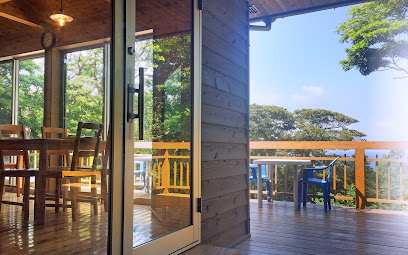
Natural Habitat of Sotetsu Palm
Discover the ancient Sotetsu palms of Minamiosumi, a resilient species with a rich history and cultural significance in southern Japan.
Explore the natural habitat of the Sotetsu palm (Cycas revoluta) in Minamiosumi, Kagoshima, a living relic from the Jurassic period. These hardy plants, also known as sago palms, have played a vital role in the region's history, serving as a food source during famine and a distinctive feature of the landscape.
A brief summary to Natural Habitat of Sotetsu Palm
- Satamagome, Minamiosumi, Satamagome, Kimotsuki District, Kagoshima, JP
- +8199-223-6050
- Visit website
- Monday 12 am-12 am
- Tuesday 12 am-12 am
- Wednesday 12 am-12 am
- Thursday 12 am-12 am
- Friday 12 am-12 am
- Saturday 12 am-12 am
- Sunday 12 am-12 am
Local tips
- While in Minamiosumi, explore other attractions like Cape Sata, the southernmost point of mainland Japan, for panoramic views.
- Consider visiting during local festivals like the Misaki Festival in February or the Dragon Boat Festival in October for a cultural experience.
- Be aware that the Sotetsu palm is poisonous if ingested without proper preparation. Admire its beauty, but do not consume any part of the plant.

Getting There
-
Driving
From Kagoshima Airport, the most convenient way to reach the Natural Habitat of Sotetsu Palm is by car. The drive takes approximately 2.5 hours via the expressway. Follow the signs towards Minamiosumi. Once in Minamiosumi, head towards Satamagome. The habitat is located in Satamagome. Be aware of monkeys along the roadside. Parking is available at Cape Sata Entrance Plaza.
-
Public Transport
While public transport is limited, it is possible to reach Minamiosumi by bus from Kagoshima City or Kagoshima Airport to Kanoya City. From Kanoya, local buses serve Minamiosumi, but schedules may be infrequent. Check local bus timetables for connections to Satamagome. This option requires significant planning and may involve long travel times. A car ferry from Ibusuki to Minamiosumi is also an option. Take the car ferry from Yamagawa Sambashi to Nejime Port, then drive to Minamiosumi. Cost: * Bus fare from Kagoshima Airport to Kanoya City: Approximately ¥2,300. * Local bus from Kanoya to Minamiosumi: Approximately ¥1,000 - ¥1,500. * Car ferry from Ibusuki to Minamiosumi: ¥1,100 - ¥1,400.
Discover more about Natural Habitat of Sotetsu Palm
Iconic landmarks you can’t miss

Chiran Peace Museum
45.9 km
Explore the past at Chiran Peace Museum, a poignant tribute to Japan’s wartime history and a beacon for peace in the heart of Kagoshima.
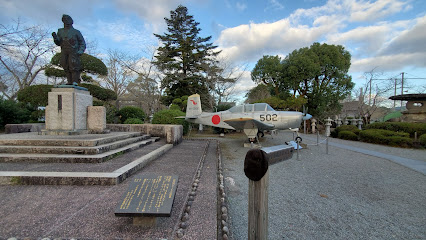
Isso Lighthouse
62.4 km
Explore Isso Lighthouse, a stunning maritime landmark in Yakushima, offering breathtaking coastal views and a glimpse into Japan's rich seafaring history.
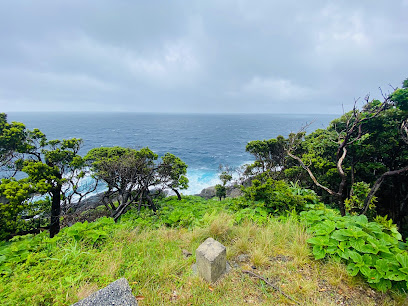
Isso beach
63.9 km
Discover Isso Beach, a tranquil paradise on Yakushima Island, where golden sands meet crystal-clear waters in a breathtaking natural setting.
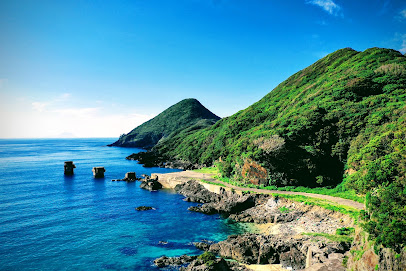
yakusugirou shichifuku
64.4 km
Discover the tranquility of Yakushima at Yakusugirou Shichifuku, a unique guest house offering self-catering accommodations amidst stunning natural beauty.
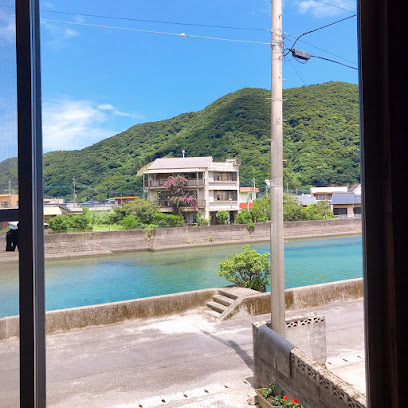
The Hotel Yakushima Ocean & Forest
64.8 km
Experience the natural beauty of Yakushima at The Hotel Yakushima Ocean & Forest, a perfect blend of comfort and adventure amidst stunning landscapes.

Yakushima Environmental and Cultural Village Center
65.0 km
Explore the vibrant ecosystem and rich culture of Yakushima at the Environmental and Cultural Village Center, your gateway to this UNESCO World Heritage Site.
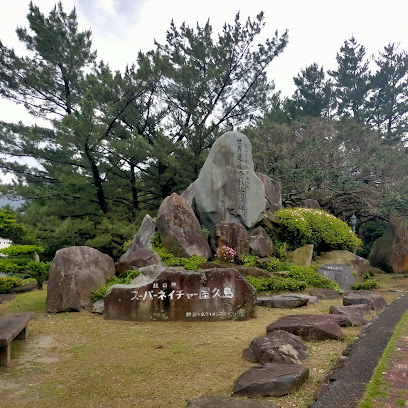
Yakushima Travel Center
65.1 km
Discover the heart of Yakushima at the Travel Center - your essential hub for adventure, local treasures, and unforgettable experiences.
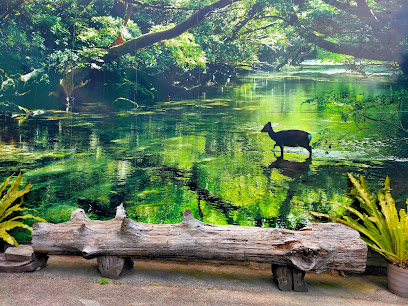
Yakunoyado Taguchi
65.1 km
Discover the charm of Yakushima at Yakunoyado Taguchi, your budget-friendly gateway to breathtaking nature and authentic Japanese experiences.
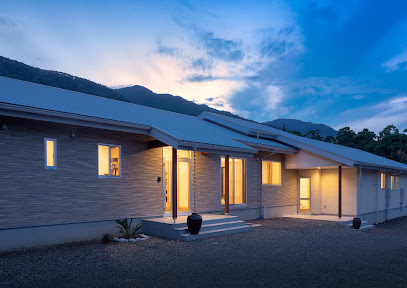
Yakushimasheahosuteruminato
65.1 km
Experience the beauty of Yakushima at Yakushimasheahosuteruminato, a cozy hostel blending comfort with access to breathtaking nature and adventure.
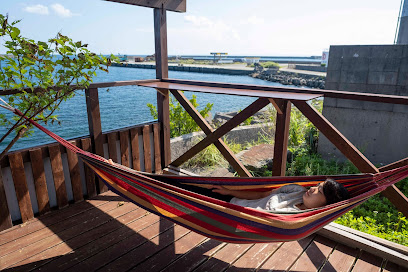
Shiosai
65.3 km
Discover the authentic taste of Japan at Shiosai, Yakushima's premier destination for exquisite tempura and traditional Japanese cuisine.
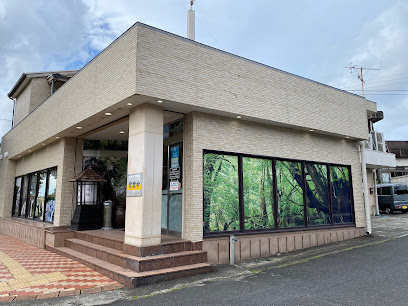
Panorama
65.7 km
Discover the harmony of flavors at Panorama, an izakaya restaurant in Yakushima offering creative Japanese cuisine and a warm, inviting atmosphere.
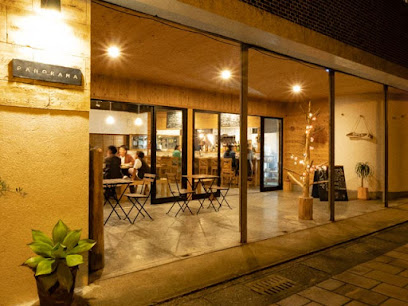
Cottage Yakusugi House
66.0 km
Discover tranquility and nature at Cottage Yakusugi House, your perfect retreat in the heart of Yakushima's breathtaking landscapes.
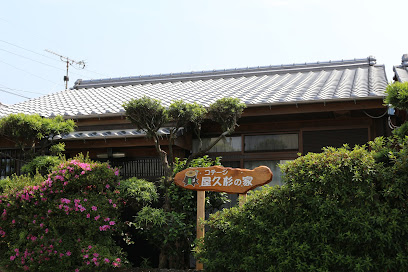
Tashiro Annex
66.3 km
Tashiro Annex Inn: Your serene retreat in Yakushima, surrounded by lush forests and nature's wonders, offering an authentic Japanese experience.
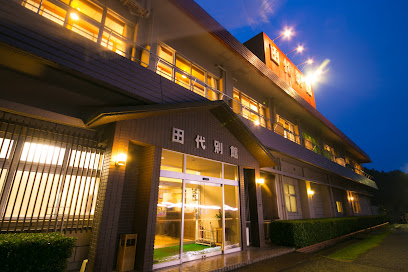
屋久島自然案内
66.5 km
Discover the underwater wonders of Yakushima with expert-guided diving and snorkeling tours at our top-rated dive shop.
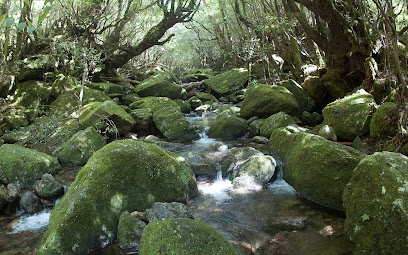
Shiroyama Park Observation Deck
66.6 km
Discover stunning panoramic views of Kagoshima and Sakurajima at Shiroyama Park Observation Deck, a must-visit for nature lovers and photographers.
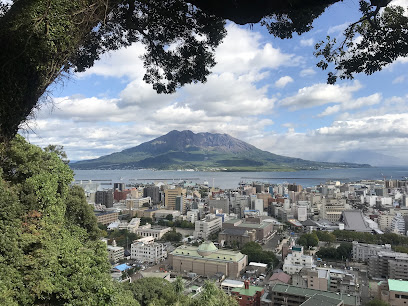
Unmissable attractions to see

Cape Sata Park Observation Deck (Kirishima-Kinkōwan National Park Special Protection Zone)
2.2 km
Experience breathtaking panoramic ocean views from Kyushu's southernmost point at Cape Sata Park Observation Deck in Kirishima-Kinkōwan National Park.
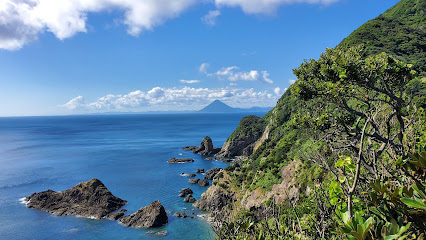
Kirishima-Kinkōwan National Park Special Protection Zone.Cape Sata Lighthouse.
2.5 km
Discover panoramic views and maritime history at Cape Sata Lighthouse, the southernmost point of mainland Japan, within Kirishima-Kinkowan National Park.
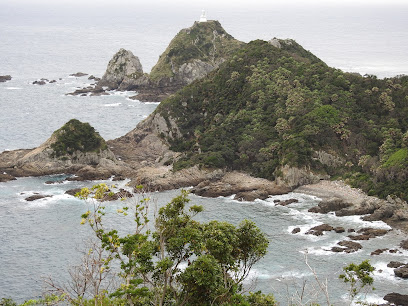
Cape Nagasakibana
18.7 km
Explore Cape Nagasakibana: stunning views, a legendary shrine, and a Lover's Lighthouse at the tip of the Satsuma Peninsula.
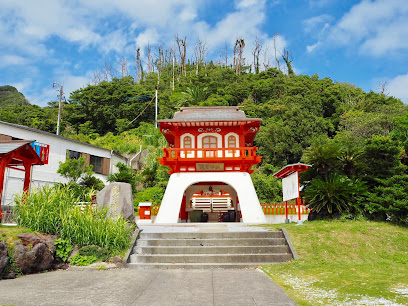
Ogawa Falls
25.6 km
Escape to Ogawa Falls: Kagoshima's emerald paradise awaits with stunning waterfalls, serene trails, and breathtaking natural beauty.
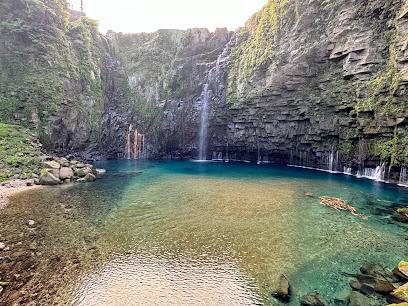
Mt.Uomidake Nature Park.
28.5 km
Escape to nature at Mt. Uomidake Nature Park in Ibusuki, Kagoshima, for hiking, stunning views, and tranquil surroundings.
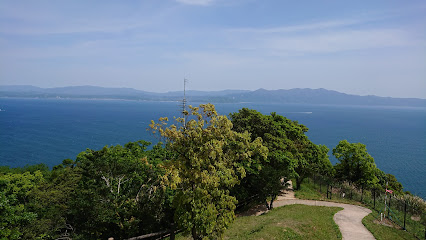
Damask Wind
46.3 km
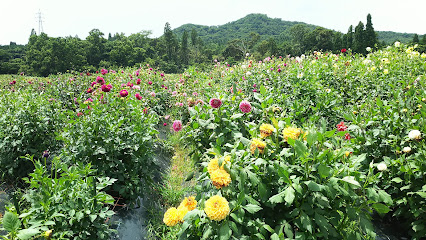
Discover tranquility at Damask Wind in Kanoya: a botanical garden and organic restaurant offering a refreshing escape into nature and gastronomy.
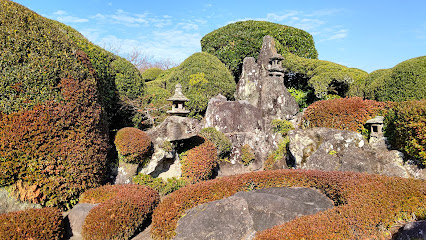
Chiran Samurai Residence Garden
46.8 km
Explore a preserved samurai district with stunning gardens in Chiran, Kagoshima, offering a serene journey into Japan's feudal past.
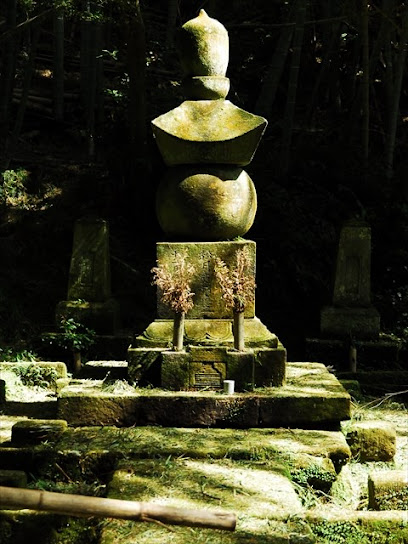
Kiyomizu Magaibutsu
51.7 km
Explore ancient Buddhist carvings at Kiyomizu Magaibutsu in Minamikyushu, Kagoshima, a site of historical and artistic significance.
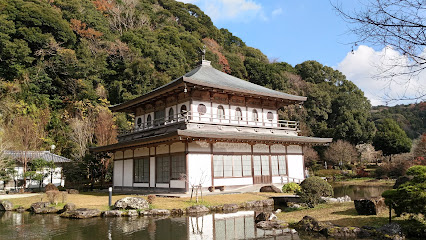
Site of Seisei-ji
55.5 km
Explore the historic Seisei-ji in Kagoshima, where serene beauty meets rich cultural heritage in a stunning natural setting.
Kinpo
55.9 km
Experience the vibrant culture and entertainment of Kinpo in Minamisatsuma, a must-visit destination in Kagoshima, Japan.
Jigenji Park
58.5 km
Discover Kagoshima's serene Jigenji Park: a historic site with tranquil trails, seasonal blooms, and the unique 'somen nagashi' noodle experience.
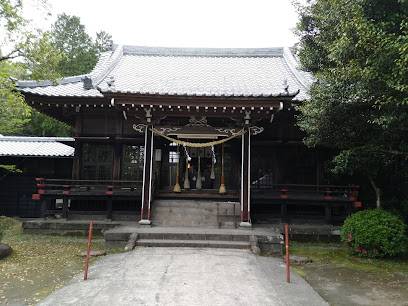
Jian-Zhan Memorial Museum
59.6 km
Discover the art of Jian-Zhan ceramics at this Minamisatsuma museum, showcasing a treasured legacy from the Song Dynasty.
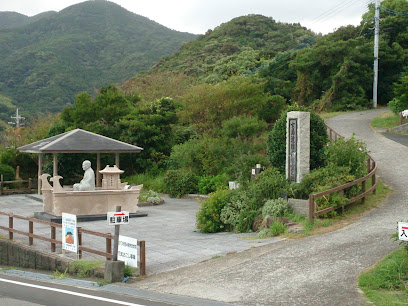
Arimura Lava Observation Deck
60.9 km
Witness the raw power of Sakurajima volcano from this easily accessible observation deck offering panoramic views of the active crater and Kinko Bay.
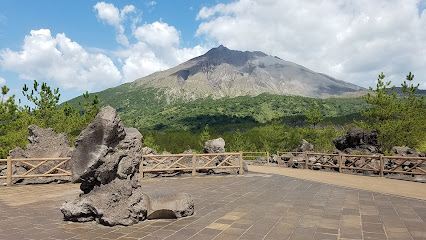
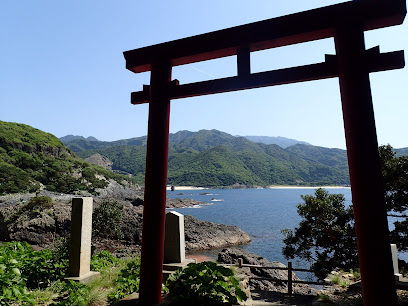
Yahazudake Shrine
63.0 km
Discover a hidden coastal shrine on Yakushima Island, where stunning ocean views meet ancient spiritual traditions.
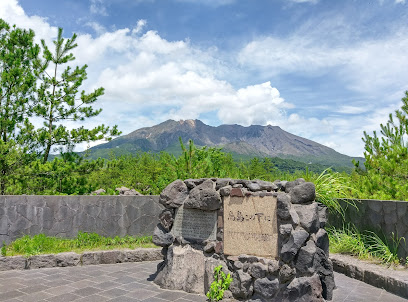
"Portrait of a Shout" Monument
63.8 km
A volcanic rock monument honoring a legendary concert, offering stunning views of Sakurajima and Kagoshima Bay. Open 24/7.
Essential places to dine

Satsumaaji
25.8 km
Discover authentic Japanese and seafood delights at Satsumaaji in Ibusuki - where every meal tells a story.
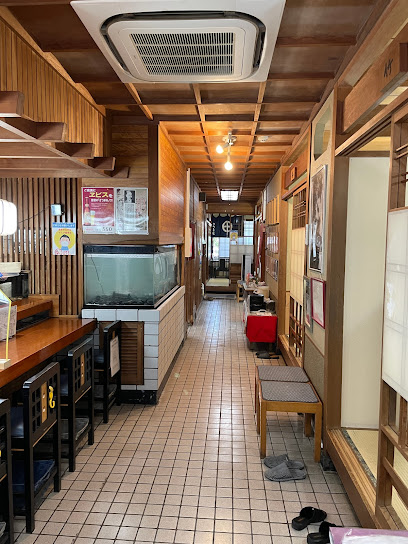
Aoba
25.9 km
Experience authentic shabu-shabu at Aoba in Ibusuki – where traditional Japanese flavors meet modern dining.
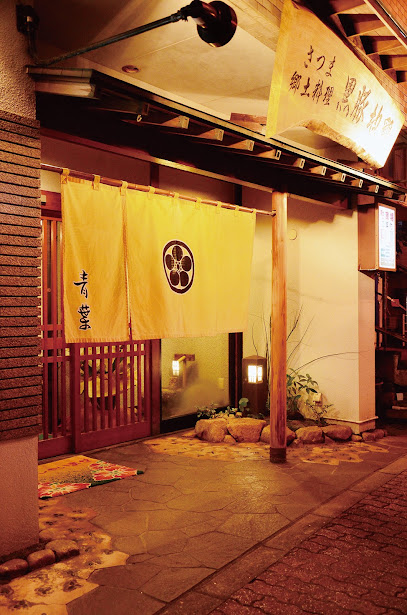
Eel Mitsuru
58.6 km
Discover Eel Mitsuru in Kagoshima – where authentic unagi delights await every discerning palate.
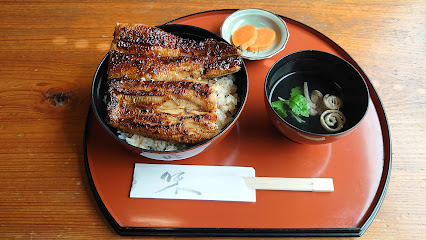
Yushokutonsaiichiniisan Kagoshima Honten
64.5 km
Experience authentic Kagoshima cuisine at Yushokutonsaiichiniisan – where tradition meets flavor in every bite.
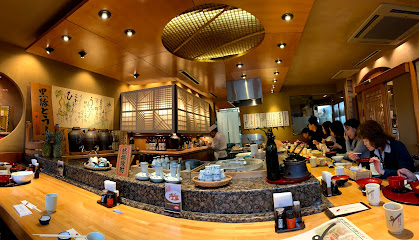
Daily Social
64.7 km
Experience an exceptional buffet at Daily Social in Kagoshima with diverse dishes celebrating local and international flavors.
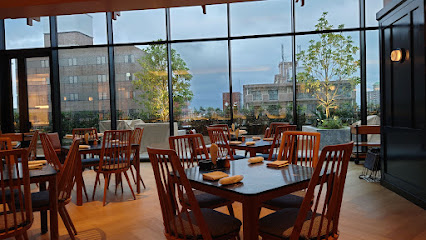
Yakushima Furusato Market Island Megumi Kan
65.0 km
Discover Yakushima's culinary treasures and unique souvenirs at Furusato Market Island Megumi Kan - where local flavors meet island charm.
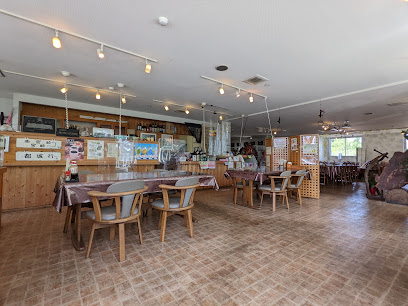
Yakushima Gallery Restaurant
65.1 km
Discover authentic Japanese cuisine at Yakushima Gallery Restaurant, where local flavors meet traditional techniques in an unforgettable dining experience.
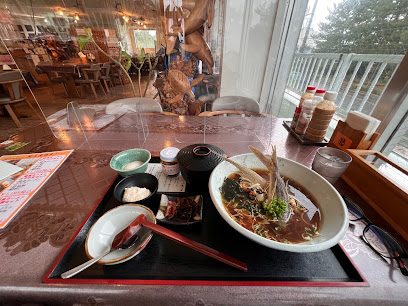
Yu-ann Satsuma Dining
65.1 km
Discover authentic Japanese cuisine at Yu-ann Satsuma Dining in Kagoshima—where every meal is a celebration of flavor and tradition.
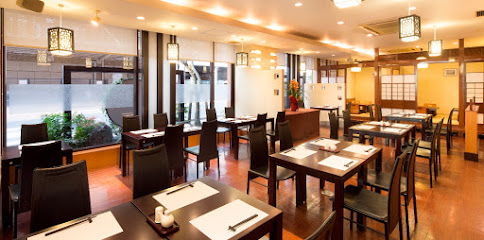
Kuro Katsu Tei
65.1 km
Experience the best tonkatsu in Kagoshima at Kuro Katsu Tei - where crispy meets tender in every delicious bite.
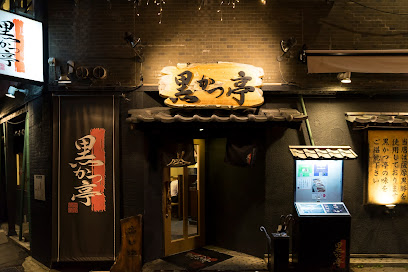
Kawakyu
65.2 km
Discover the authentic taste of Japan at Kawakyu, Kagoshima's premier tonkatsu restaurant offering deliciously crispy pork cutlets.
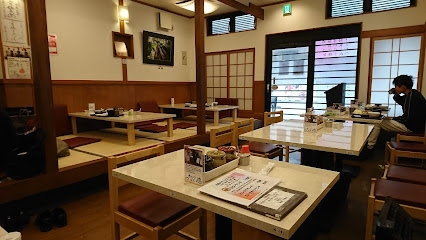
Ichiniisan - AMU Plaza Kagoshima
65.4 km
Experience authentic Shabu Shabu at Ichiniisan in AMU Plaza Kagoshima—where quality meets tradition in every delicious bite.
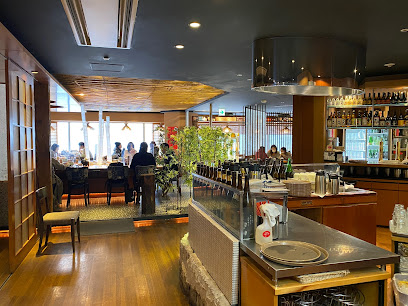
Juan Central Station West Entrance Branch
65.5 km
Experience authentic Shabu Shabu and Tonkatsu at Juan Central Station West Entrance Branch in Kagoshima – a feast for all food enthusiasts.
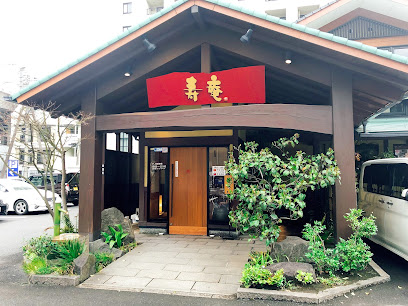
Sakikawa
65.5 km
Discover authentic Kaiseki cuisine at Sakikawa in Kagoshima - where tradition meets culinary excellence.
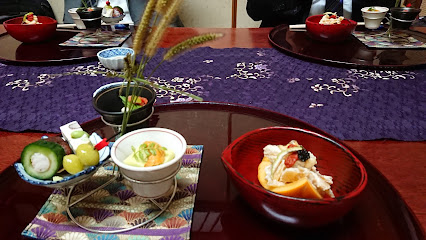
satsuma
65.6 km
Experience innovative dishes at Satsuma, Kagoshima's premier creative cuisine restaurant blending tradition with modern flair.
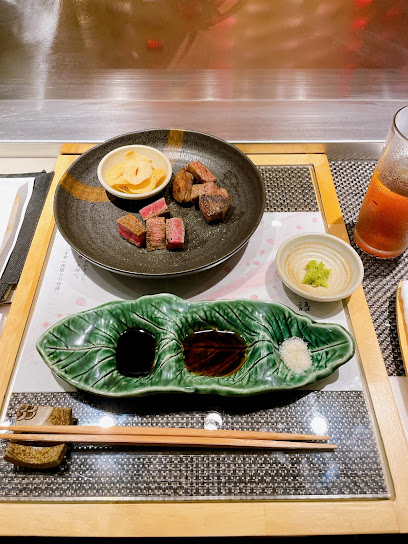
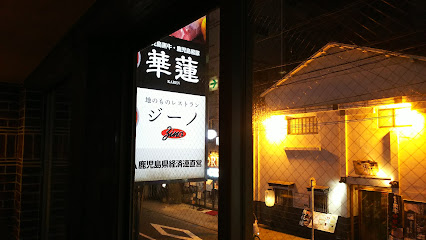
Zino
65.6 km
Savor the essence of Japanese cuisine at Zino, where authentic Tonkatsu meets local flavors in the heart of Kagoshima.
Markets, malls and hidden boutiques

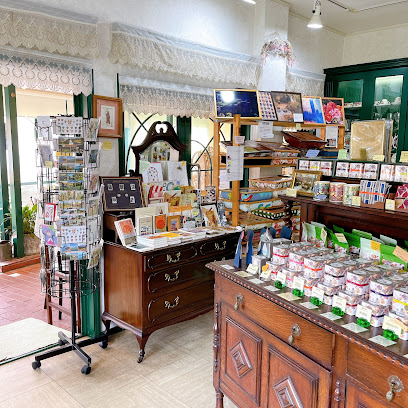
Satsuma Eigokukan
46.9 km
Discover the serene charm of Satsuma Eigokukan in Chiran, where traditional tea culture meets modern café delights, perfect for every tourist's taste.
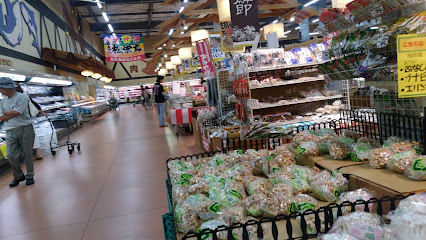
A-Z Kawanabe
51.4 km
Explore the vibrant A-Z Kawanabe hypermarket in Kagoshima, Japan, where convenience meets local culture in a shopping experience like no other.
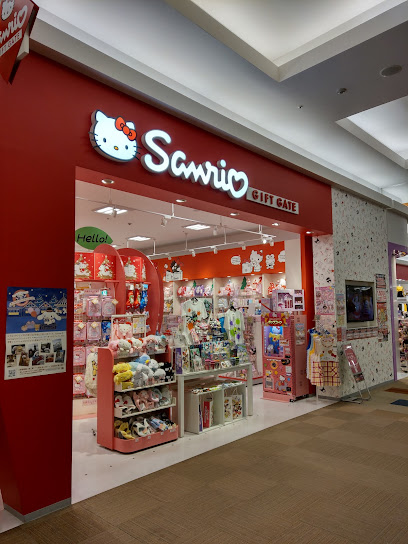
Sanrio Gift Gate
59.3 km
Explore Sanrio Gift Gate in Kagoshima for an enchanting shopping experience filled with adorable character merchandise and exclusive collectibles.
イオン鹿児島店
59.3 km
Explore Aeon Mall Kagoshima: A Shopping Paradise with Local Flavors and International Brands, Perfect for Every Traveler.
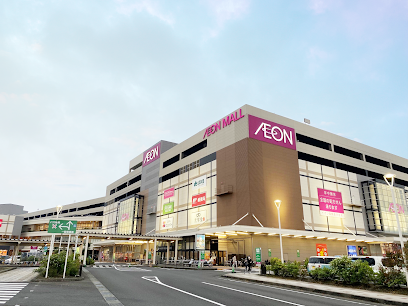
Nishimuta
62.0 km
Experience the heart of Kagoshima at Nishimuta: Your go-to grocery store, bicycle repair shop, and DIY haven, all in one convenient location.
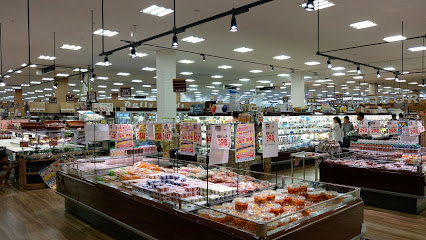
Frespo Jungle Park
63.5 km
Explore Frespo Jungle Park, a vibrant shopping mall in Kagoshima offering diverse stores, entertainment, and delightful dining experiences for all ages.
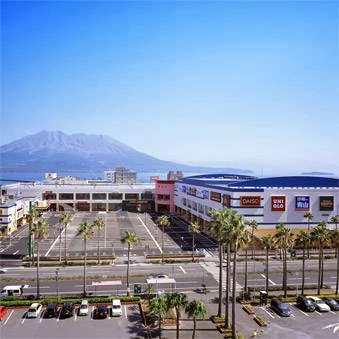
鹿児島オンライン通販! い~かごしま e-kagoshima
63.7 km
Explore Kagoshima's gift basket store for unique souvenirs and local delicacies, capturing the essence of this beautiful region.
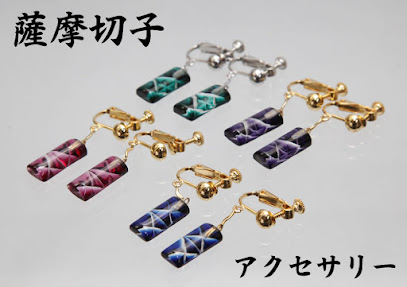
ターミナル屋久島(宮之浦港売店)
64.8 km
Discover unique local products and souvenirs at Terminal Yakushima, your gateway to the spirit and charm of Yakushima Island.
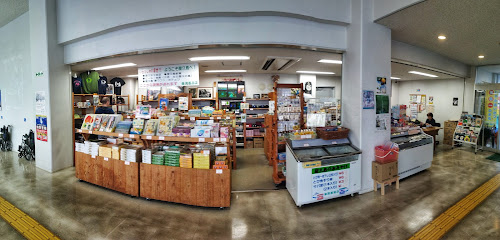
Gallery KIANU
64.8 km
Explore Gallery KIANU in Yakushima: A treasure trove of local pottery and unique artisanal crafts awaits you.
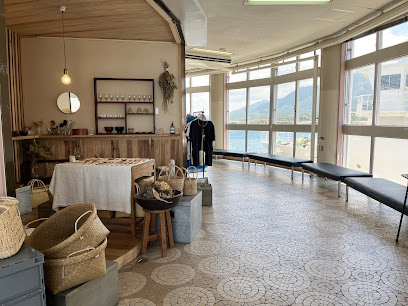
柴民芸品店
64.8 km
Explore the art of Yakushima at 柴民芸品店, where every souvenir reflects the island's rich culture and natural beauty.
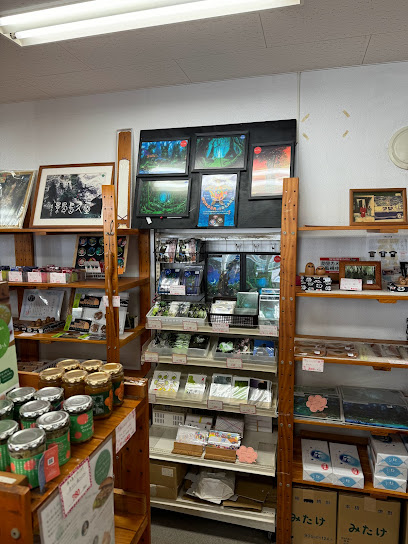
The North Face
64.9 km
Explore the great outdoors with premium sportswear from The North Face, your premier gear destination in Yakushima's stunning landscapes.
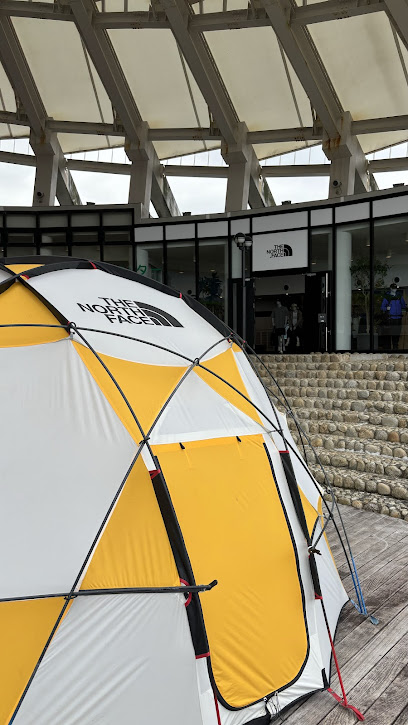
屋久島特産品協会屋久島ショップ
64.9 km
Explore local craftsmanship and unique flavors at the Yakushima Souvenir Shop, your gateway to authentic Yakushima treasures.
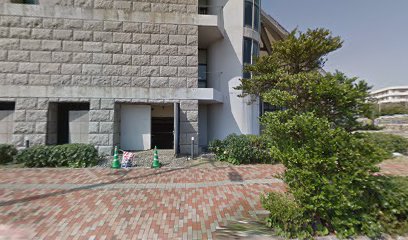
Life Center Yakuden
65.0 km
Discover the essence of local living at Life Center Yakuden, your go-to supermarket in the heart of Yakushima, offering fresh produce and local delicacies.
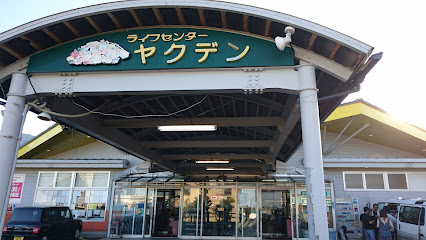
Yakushima Market
65.1 km
Discover the vibrant Yakushima Market, where local crafts and fresh produce come together for an authentic shopping experience.
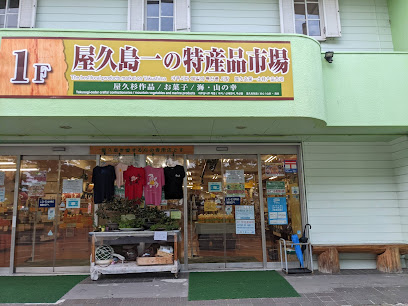
やくすぎ屋
65.1 km
Explore Yakusugi-ya, the charming novelty store in Yakushima, where unique treasures and local crafts await every visitor.
Essential bars & hidden hideouts

Ganta
65.1 km
Discover Ganta, a lively bar in Yakushima offering local spirits and a warm atmosphere, perfect for unwinding after a day of adventure.
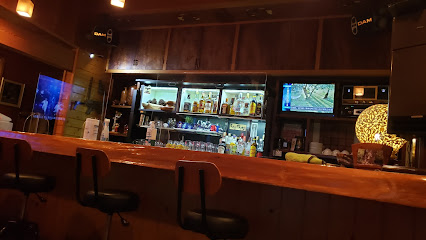
Obara
65.4 km
Experience the artistry of cocktail making at Obara, Kagoshima's stylish cocktail bar offering a unique blend of flavors and vibrant nightlife.
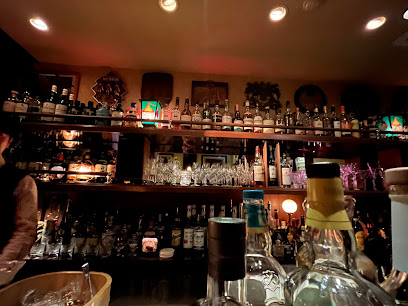
High Bridge
65.5 km
Discover the vibrant nightlife at High Bridge, Kagoshima's premier cocktail bar, featuring expertly crafted drinks and a welcoming atmosphere.
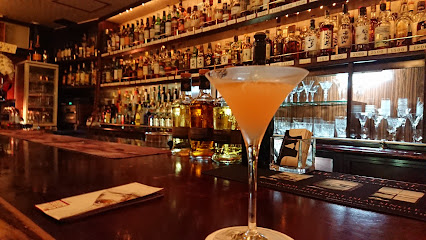
Cape Cod Backyard Bar
65.6 km
Discover the lively atmosphere of Cape Cod Backyard Bar in Kagoshima, where local flavors and vibrant entertainment come together for an unforgettable experience.
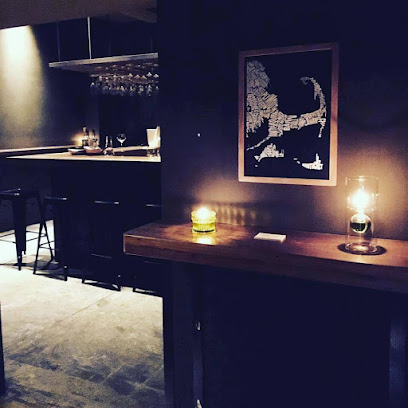
Stinger
65.6 km
Discover the vibrant nightlife of Kagoshima at Stinger, a festive bar offering a diverse drink selection and a lively atmosphere for all visitors.
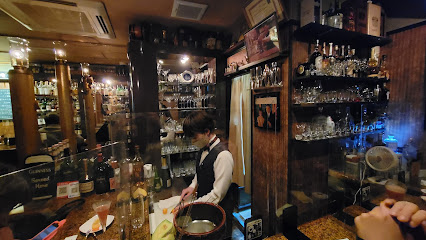
BarPENNY
65.6 km
Experience the vibrant nightlife of Kagoshima at BarPENNY, where great drinks and good company come together in a lively atmosphere.
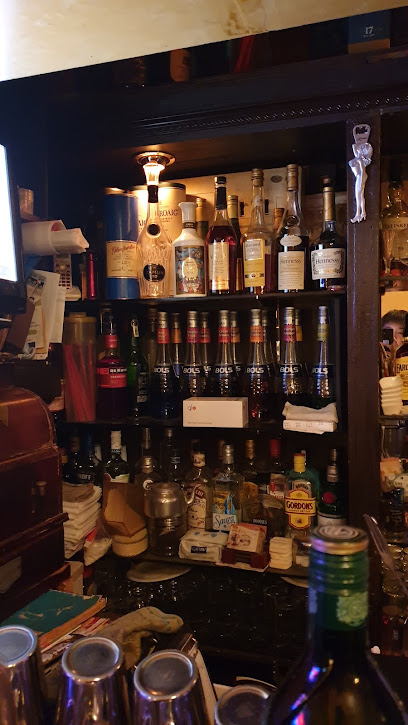
鹿児島焼酎Bar 鹿 ROKU
65.6 km
Discover the essence of Kagoshima with a unique shochu experience at Bar ROKU, where tradition meets vibrant nightlife.
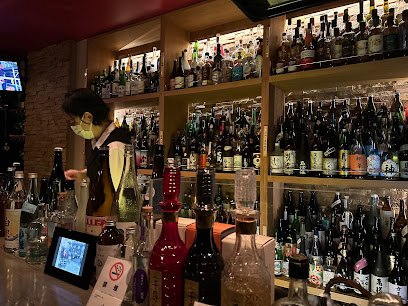
BUZZ-R
65.7 km
Experience the vibrant nightlife of Kagoshima at BUZZ-R, a lively bar offering unique drinks and an energetic atmosphere.
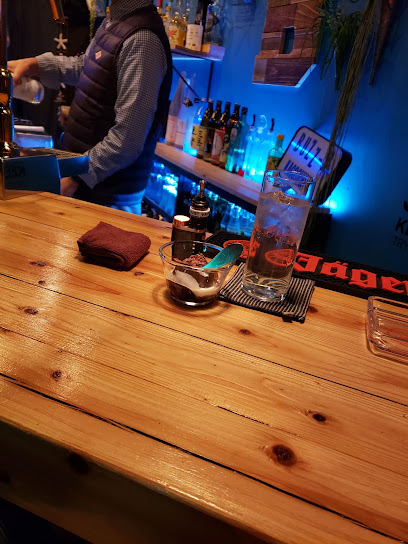
BAR・HAVANA
65.7 km
Discover the nightlife of Kagoshima at BAR・HAVANA, where vibrant cocktails and a welcoming atmosphere await every visitor.
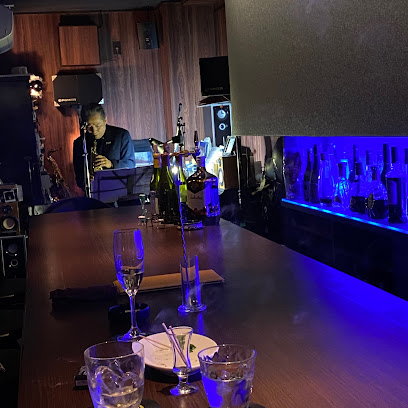
BAR S.A.O
65.7 km
Discover the vibrant nightlife at BAR S.A.O, Kagoshima's premier bar offering exquisite drinks and a lively atmosphere for travelers.
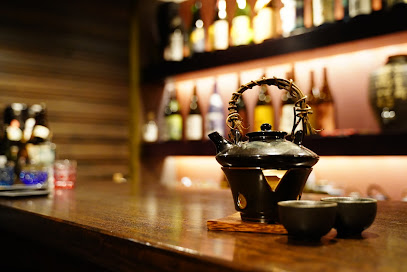
Cocktail Cre8 ゆらぎ
65.7 km
Discover the art of cocktail making at Cocktail Cre8 ゆらぎ, a stylish bar in Kagoshima offering an exquisite drink experience in a vibrant setting.
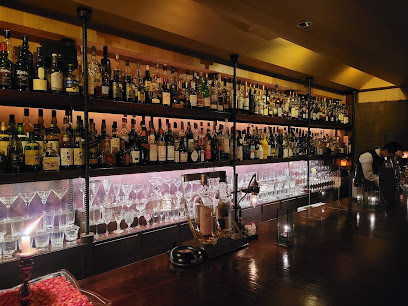
whisky house DUFFTOWN
65.7 km
Discover the heart of Kagoshima's nightlife at Whisky House Dufftown, where whisky enthusiasts unite to savor an exquisite selection of spirits in a cozy atmosphere.
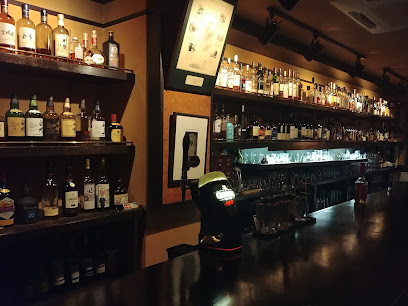
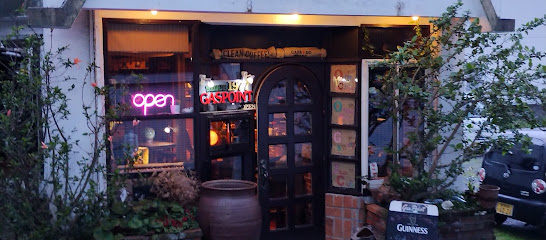
Gaspoint
65.7 km
Experience the cozy charm of Gaspoint, Yakushima's beloved café and bar, offering homemade curry and an extensive beverage selection.
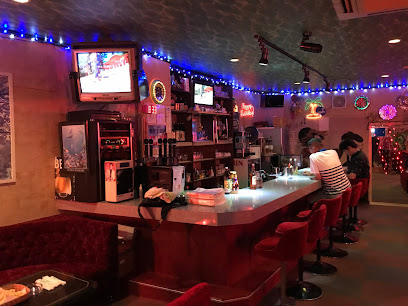
バンビ
65.7 km
Join the locals for a night of singing and laughter at バンビ, Yakushima's premier karaoke bar, where every song becomes a cherished memory.
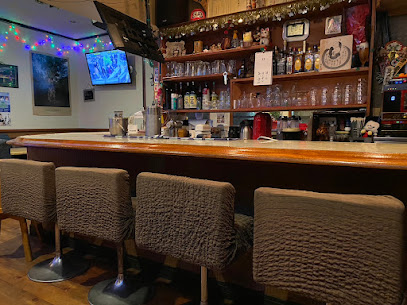
屋久島やえちゃんのお店 ルージュ
65.7 km
Discover the vibrant flavors of Yakushima at ルージュ, a local favorite for delicious snacks, breakfast, and karaoke fun.
Nightclubs & after hour spots

NEWCLUB・TAIGA
65.6 km
Dive into the electrifying nightlife at NEWCLUB TAIGA in Kagoshima, where music and dance create unforgettable moments every night.
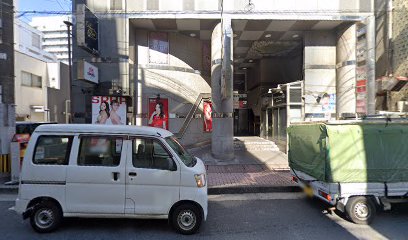
S Night space
65.7 km
Discover the vibrant nightlife at S Night Space, Kagoshima's premier night club offering an unforgettable experience with electrifying music and exceptional service.
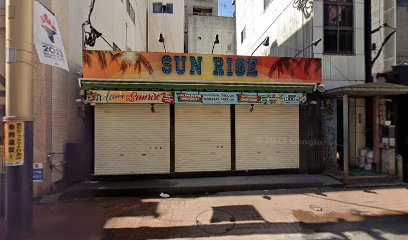
Mint Club (ミントクラブ)
65.7 km
Discover the electrifying nightlife of Kagoshima at Mint Club, a top cabaret club offering unforgettable performances and a lively atmosphere.
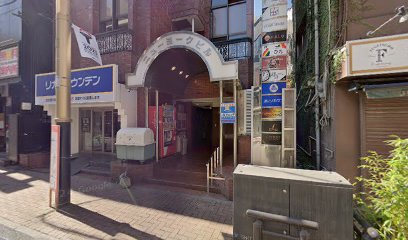
CLUB mona
65.7 km
Discover the ultimate nightlife experience at CLUB Mona in Kagoshima, where vibrant music and lively dance floors await your arrival.
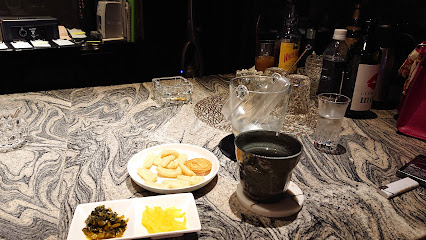
The Tsunuki
65.7 km
Experience the vibrant atmosphere of The Tsunuki, a top bar in Kagoshima known for its diverse drink selection and welcoming vibe.
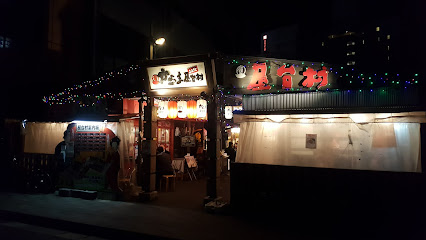
Club Quest
65.7 km
Discover the vibrant nightlife of Kagoshima at Club Quest, a premier night club perfect for dancing and enjoying live music in an electrifying atmosphere.
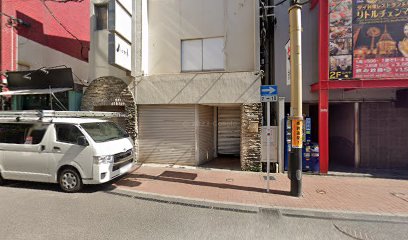
Agein
65.7 km
Dive into Kagoshima's nightlife at Agein, a vibrant night club where music meets excitement and memories are made.
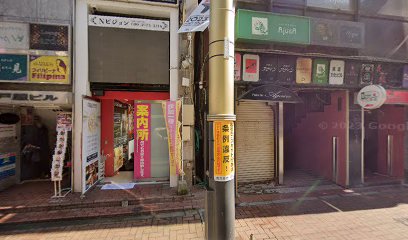
ONE NIGHT
65.7 km
Dive into the electrifying nightlife of Kagoshima at ONE NIGHT, a vibrant night club offering unforgettable music and dance experiences.
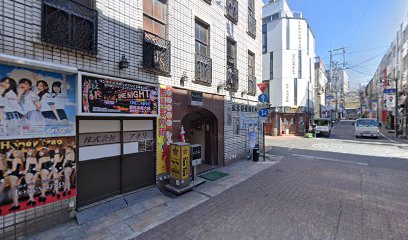
Duckbill
65.8 km
Dive into the vibrant nightlife of Kagoshima at Duckbill Night Club, where unforgettable music and dancing await you until dawn.
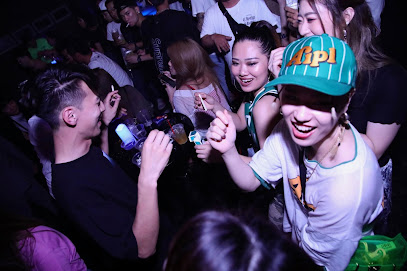
Club Tsuki
65.8 km
Discover the pulsating heart of Kagoshima's nightlife at Club Tsuki, where unforgettable moments await in a vibrant atmosphere.
NIGHT CLUB HALO 天文館【鹿児島 キャバクラ】
65.8 km
Dive into the energetic nightlife of Kagoshima at NIGHT CLUB HALO, where captivating performances and lively entertainment await.

屋久島ダイビングサービス もりとうみ
66.5 km
Explore the underwater wonders of Yakushima with Mori to Umi, your gateway to exhilarating diving adventures and vibrant marine life.