Jōnangū Shrine, Settsu Travel Guide
Discover tranquility and history at Jōnangū Shrine in Kyoto, a serene escape with stunning gardens and a rich cultural heritage.
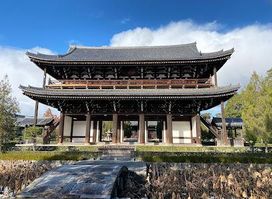
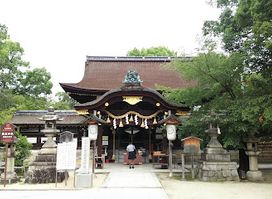
Jōnangū Shrine, nestled in Kyoto's Fushimi Ward, offers a tranquil escape from the city's bustling center. Founded in 794 to protect the capital, it boasts five distinct gardens, seasonal blooms, and a rich history linked to imperial villas and significant battles. It's a place to pray for protection from unlucky directions and safe travels.
A brief summary to Jōnangū Shrine
- Nakajimatobarikyucho, 7, Kyoto, Nakajimatobarikyucho, Fushimi Ward, Kyoto, 612-8459, JP
- Click to display
- Click to display
- Monday 9 am-4:30 pm
- Tuesday 9 am-4:30 pm
- Wednesday 9 am-4:30 pm
- Thursday 9 am-4:30 pm
- Friday 9 am-4:30 pm
- Saturday 9 am-4:30 pm
- Sunday 9 am-4:30 pm

Know before you go
Hi, I'm Eve. Here are a few practical things to know before exploring Jōnangū Shrine.
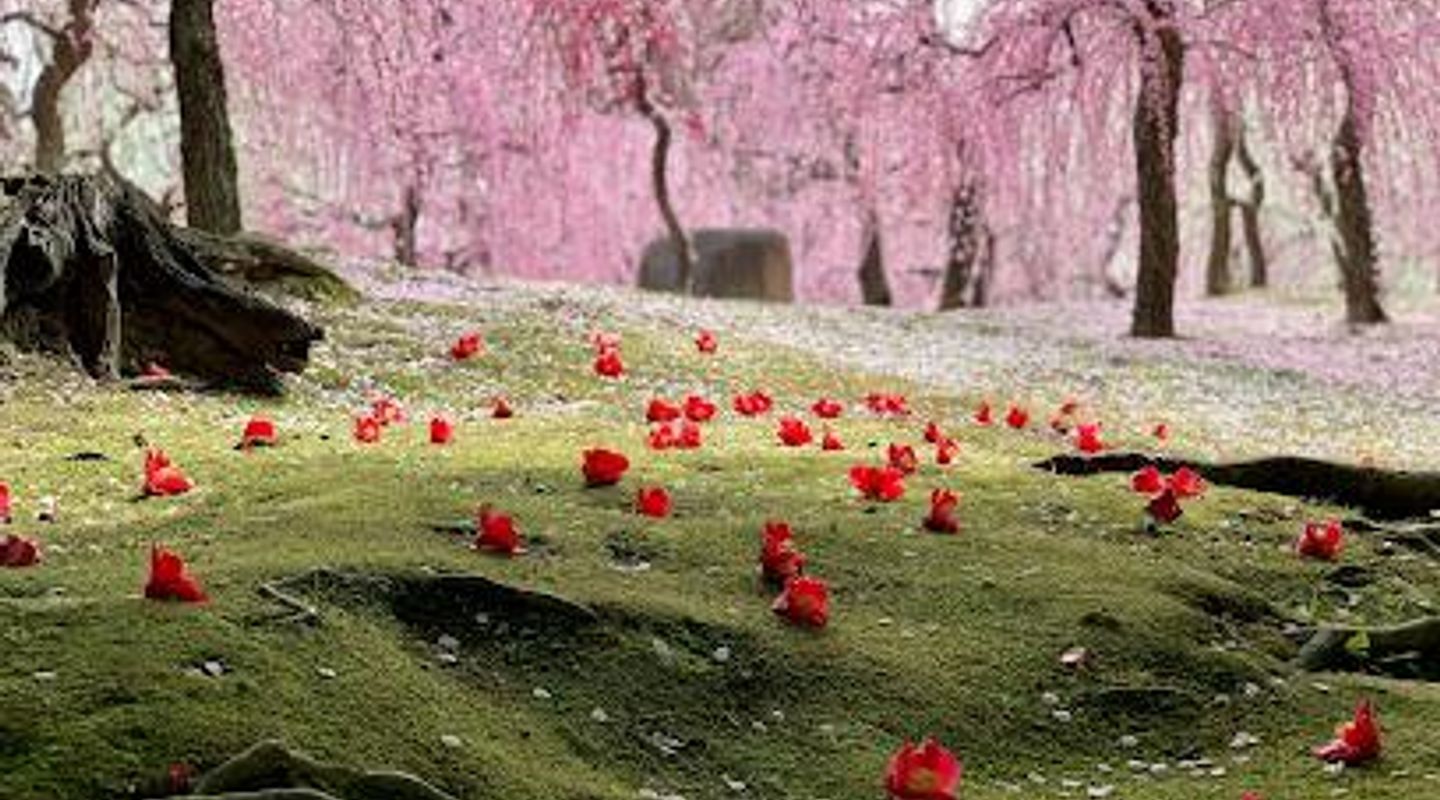
- Visit during late February or early March to witness the breathtaking display of weeping plum blossoms and camellias in the Spring Mountain Garden.
- Check the shrine's calendar for seasonal festivals and events, such as the Kyokusui-no-Utage, to experience traditional Japanese culture.
- Wear comfortable shoes for walking and exploring the extensive gardens.
- Combine your visit with a trip to the nearby tombs of Emperor Shirakawa and other emperors.
- Consider visiting on a weekday to avoid larger crowds and enjoy a more peaceful experience.
Do you manage this location?
Take control to get all the benefits, like improved information, better appearance, and stronger visibility across AI-powered discovery. Learn more about listing your business on Evendo
Activate your presenceOther nearby places you may find interesting
The closest places of the same kind, if this one is not quite what you had in mind.


Explore Jōnangū Shrine on the Map
A handpicked selection of must-see spots near Jōnangū Shrine, mapped for you.
Unlock the Best of Jōnangū Shrine
Buy tickets
-
No tickets available
Book tours with entry
-
No tours available
Book tours without entry

Getting There
-
Public Transport
From Kyoto Station, take the Karasuma Subway Line (Green Line) or the Kintetsu Line (Yellow Line) to Takeda Station. From Takeda Station, it's about an 18-minute walk to Jōnangū Shrine. Alternatively, take Kyoto City Bus Minami #1, 2, or 3 from Takeda Station Exit 4 to Jōnangū Higashiguchi bus stop, a short walk from the shrine. Subway fare from Kyoto Station to Takeda Station is between ¥220 and ¥360. Bus fare is ¥230 for adults and ¥120 for children.
-
Public Transport
Alternatively, take Kyoto City Bus 19 from Kyoto Station Karasuma Exit Boarding Area C4 directly to Jōnangū. The bus fare is ¥230 for adults and ¥120 for children.
-
Walking
From Takeda Station (Karasuma Subway Line or Kintetsu Line), exit and walk south for approximately 1.5km (15-20 minutes) to Jōnangū Shrine. Follow signs for Jōnangū. Note that the walk is about 18 minutes.
-
Taxi
Taxis are readily available in Kyoto. From Kyoto Station, a taxi to Jōnangū Shrine takes approximately 17 minutes. The taxi fare will be approximately ¥2090, with a starting fare of ¥490 and an additional ¥320 per kilometer.
Discover more about Jōnangū Shrine













Your all‑in‑one travel companion app
Explore expert travel guides, compare and book tours, experiences, hotels, and more—all from the palm of your hand. Download now for seamless trip planning wherever your wanderlust takes you.


Explore More of Settsu
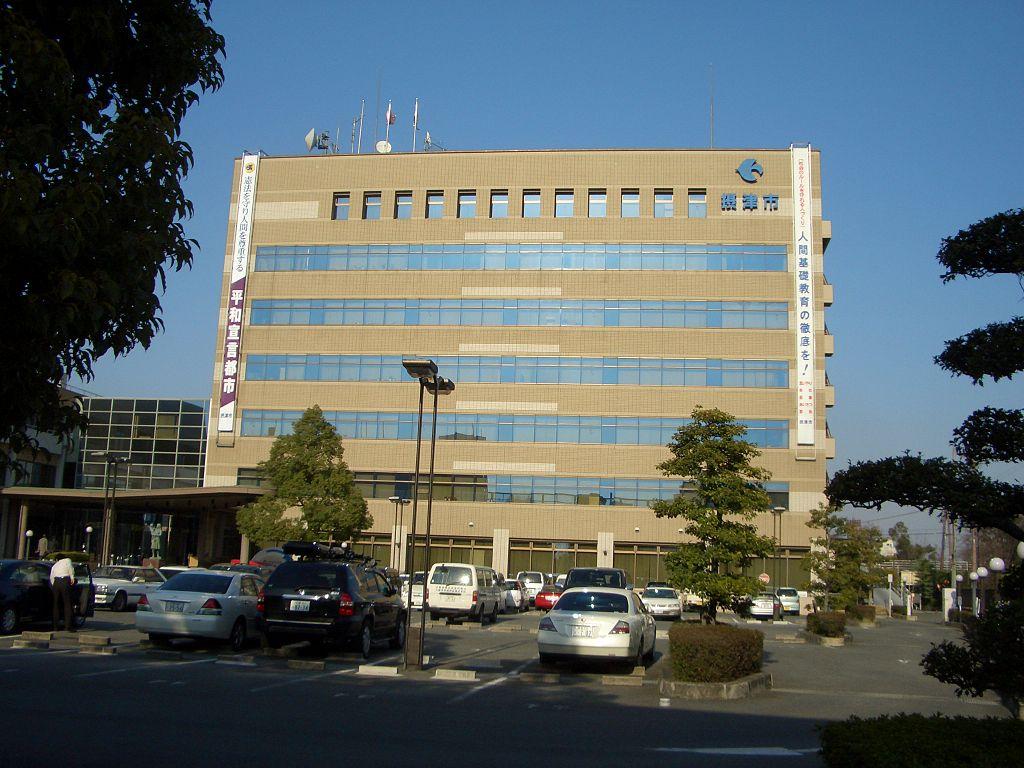
Looking beyond Jōnangū Shrine? Discover Settsu for broader travel guides, local hot-spots, and regional highlights.
Explore Settsu