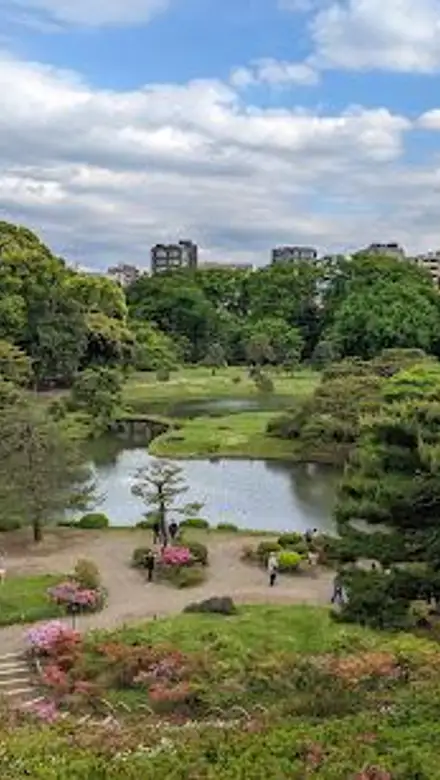
Rikugien Gardens, Tokyo Travel Guide
Free Guide: Explore Rikugien Gardens, a serene Tokyo oasis inspired by Japanese poetry, featuring scenic ponds, teahouses, and seasonal beauty.


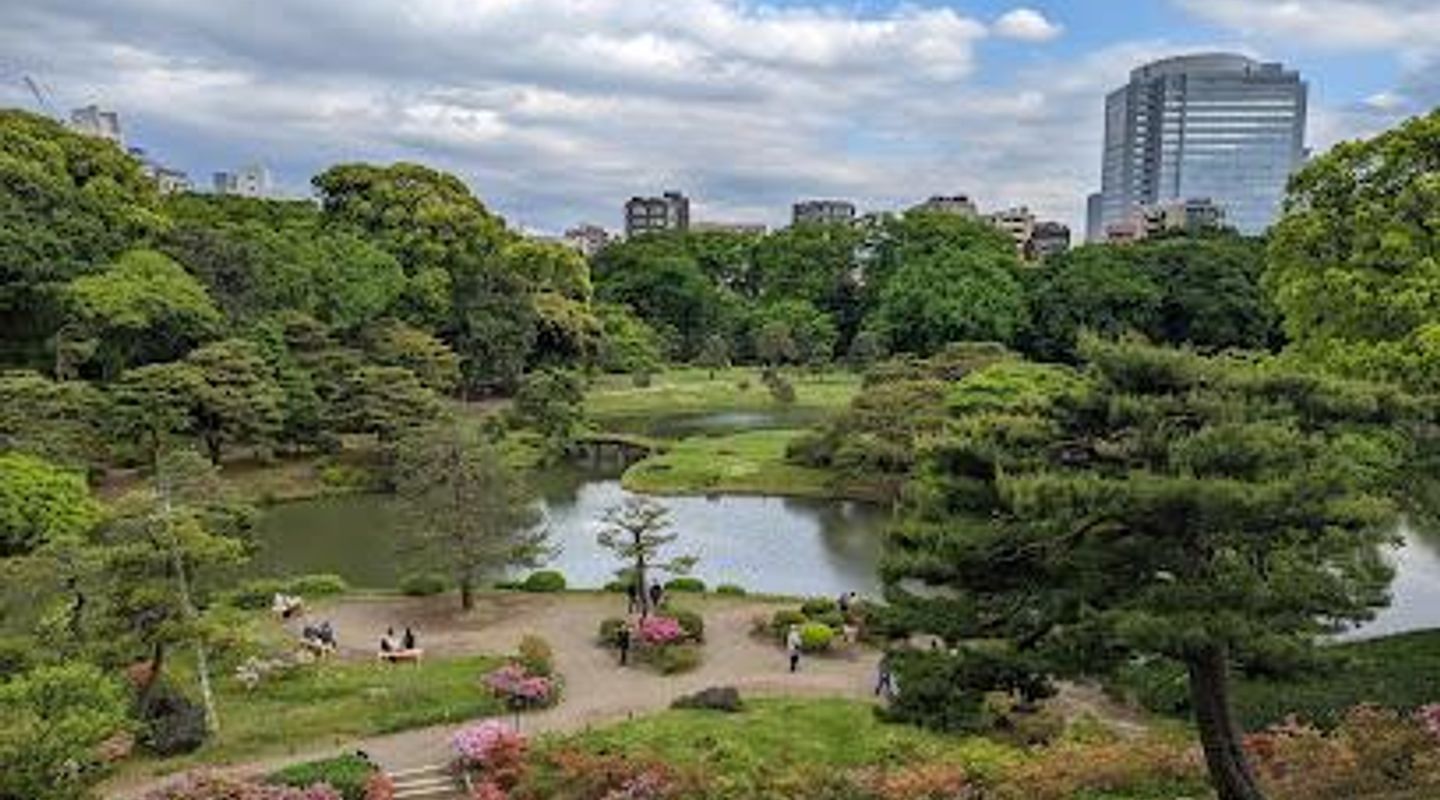
A brief summary of Rikugien Gardens
Explore Rikugien Gardens, a serene Tokyo oasis inspired by Japanese poetry, featuring scenic ponds, teahouses, and seasonal beauty.
Rikugien Gardens, meaning "Garden of Six Poems," is a stunning Edo-period garden in Tokyo, designed to evoke scenes from classical Japanese waka poetry. Created in 1702, it features a central pond, strolling paths, and meticulously crafted landscapes that offer a tranquil escape from the city.
Opening hours
- Every day9 am–5 pm
Opening hours as listed on the venue’s Google Business Profile. Hours can change for services and special events, so check with the venue before you go.
- Address
- 6 Chome-16-3 Honkomagome, Bunkyo City, Tokyo 113-0021
- Phone
- Website
Getting there
Public Transport
Walking
Discover more about Rikugien Gardens
Overview
Rikugien Gardens, located in Bunkyo City, Tokyo, is a celebrated example of a traditional Japanese strolling garden. Constructed starting in 1695 and completed in 1702, the garden was commissioned by the fifth shogun, Tokugawa Tsunayoshi, and designed by his trusted confidant, Yoshiyasu Yanagisawa. The name "Rikugien" refers to the six categories of waka poetry, and the garden's design reflects scenes and imagery from famous poems.The garden's landscape features a large central pond, Sensui, with islands, artificial hills (Tsukiyama), and winding paths that invite visitors to explore its meticulously arranged scenery. The 88 miniature landscapes within the garden are designed to evoke specific poems and scenic spots throughout Japan. Highlights include the Togetsukyo Bridge, a rustic stone bridge over the pond, and various teahouses where visitors can enjoy matcha and Japanese sweets while taking in the views.After Yanagisawa's death, the garden fell into disrepair but was later purchased and restored by Yataro Iwasaki, the founder of Mitsubishi, in 1878. In 1938, the Iwasaki family donated Rikugien to the city of Tokyo, and in 1953, it was designated a Special Place of Scenic Beauty. Today, Rikugien remains a remarkably well-preserved example of Edo-period garden design, offering a serene and beautiful space for visitors to connect with nature and Japanese culture. The garden is particularly popular during cherry blossom and autumn foliage seasons, when special nighttime illuminations enhance its beauty.
Evendo Review Centre
 Google
Guest reviews
Explore Rikugien Gardens on the map
A handpicked selection of must-see spots near Rikugien Gardens, mapped for you.
Get your free copy of our complete guide to Rikugien Gardens, delivered straight to you.
Everything on this page, from opening hours and how to get there to Eve’s tips and the best time to go, in one PDF you can read offline, print or share.
Already have an account? Sign in
Your Rikugien Gardens guide is ready.
We'll send it to · Not you? Sign out

Getting your guide ready…
We are putting together a fresh copy of the Rikugien Gardens guide. This can take up to a minute.
This can take a few moments. If your browser asks, choose Allow so the download can start. You'll find the guide in your Downloads folder.
Nothing happened? Download it again
Sorry, the guide is taking longer than usual. Please try again in a minute, or get it by email instead.
Unlock the best of Rikugien Gardens
Skip-the-line tickets, guided tours with entry, and walking tours of the area, booked in a few clicks.
 Tour with entry
THE TOKYO PASS: Explore 50+ Museums, Gardens & Attractions
from $33.67 Tour with entry
Private tour! Wash Bodhisattva and Explore Japanese Garden.
from $54.12 Tour with entry
Tokyo: Edo-Period Rikugien Garden Walk with Matcha
from $86.59 Tour with entry
Tokyo Autumn Colors Gardens Shrines and Tea Tour
from $111.84


Other nearby places you may find interesting
The closest places of the same kind, if this one is not quite what you had in mind.
-
-
-
-
-


Swipe for more places
More to explore near Rikugien Gardens

 Best experiences near Rikugien Gardens
 Best hotels near Rikugien Gardens
 Best landmarks near Rikugien Gardens
 Best attractions near Rikugien Gardens
 Best shops near Rikugien Gardens
 Best restaurants near Rikugien Gardens
 Best bars near Rikugien Gardens
Do you manage this location?
Take control to get all the benefits, like improved information, better appearance, and stronger visibility across AI-powered discovery.
Explore more

Explore more of Tokyo
Discover Tokyo, where ancient traditions meet futuristic innovation. Explore serene temples, bustling markets, and vibrant neighborhoods in Japan's dynamic capital.
Explore Tokyo
Explore more of Japan
Discover the harmony of tradition and modernity in Japan, where ancient temples and cutting-edge technology coexist in perfect balance.
Explore Japan