

Red River Gorge Geological Area, Kentucky Travel Guide
Explore the breathtaking landscapes and thrilling outdoor adventures of Red River Gorge Geological Area in Kentucky, a natural haven for hikers, climbers, and nature lovers.
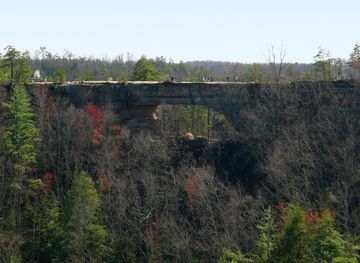
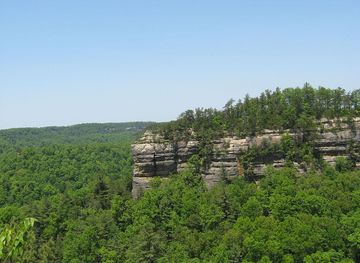
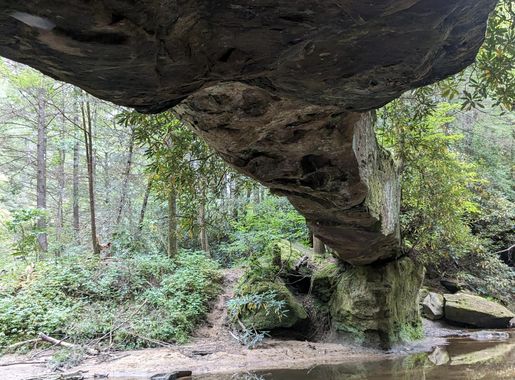
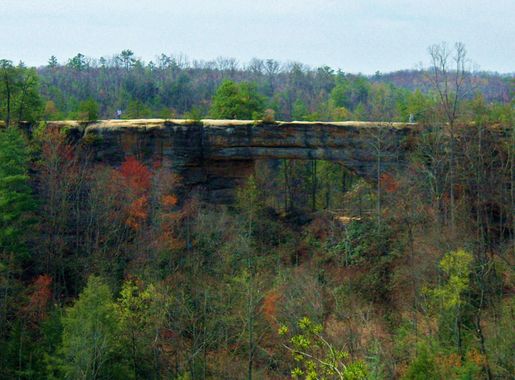
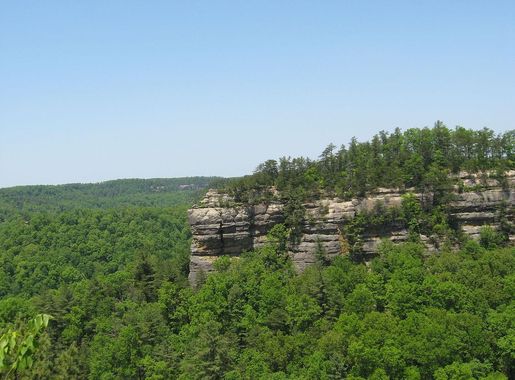
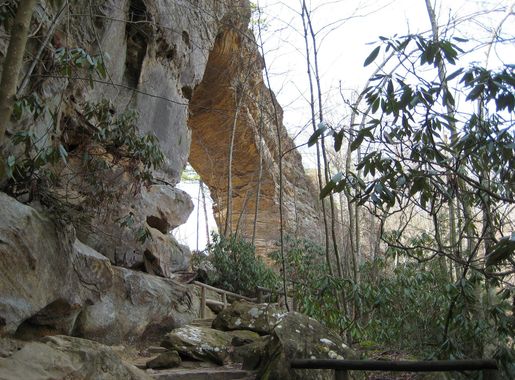
Nestled in the heart of Kentucky, Red River Gorge Geological Area is a natural wonderland renowned for its striking sandstone cliffs, lush forests, and serene rivers. This enchanting destination is a haven for outdoor enthusiasts, offering a variety of activities like hiking, rock climbing, and camping. The geological formations here are a sight to behold, with natural arches, towering cliffs, and hidden caves waiting to be explored. One of the most popular attractions in Red River Gorge is the Natural Bridge, a stunning rock arch that spans 78 feet. Visitors can take a leisurely hike up to the arch or opt for the skylift for a more relaxed ascent. The panoramic views from the top are simply breathtaking, providing ample photo opportunities. For those seeking adventure, the Red River Gorge is a climber's paradise. With over 1,500 established climbing routes, it caters to all skill levels. The region is also part of the Daniel Boone National Forest, offering miles of scenic trails for hikers and backpackers. The Sheltowee Trace National Recreation Trail is a favorite among long-distance hikers, winding through the diverse landscapes of the gorge. Water enthusiasts will find plenty to love here as well. The Red River offers excellent opportunities for kayaking and canoeing, with calm stretches for beginners and more challenging sections for the experienced paddler. Fishing is another popular pastime, with the river teeming with species like bass and catfish. Whether you're a thrill-seeker or someone who simply wants to unwind in nature's embrace, Red River Gorge provides an unforgettable experience. Its rich biodiversity, striking landscapes, and wide range of activities make it a must-visit destination for anyone traveling to Kentucky.

Know before you go
Hi, I'm Eve. Here are a few practical things to know before exploring Red River Gorge Geological Area.
- Visit during the fall for spectacular foliage and cooler temperatures.
- Bring a detailed map or download a GPS app, as cell service can be spotty.
- Wear sturdy hiking boots to navigate the rugged terrain.
- Check local weather conditions before heading out, as trails can become slippery after rain.
- Consider staying in a cabin or campsite within the area for an immersive experience.
- Respect local wildlife and maintain a safe distance at all times.
Explore Red River Gorge Geological Area: Things to Do, Places to Eat, Hotels & More
Handpicked recommendations for top attractions, local dining, accommodations, and more

Best attractions in Red River Gorge Geological Area
Top-rated picks
Best Attractions

Natural Bridge State Resort Park
Discover the natural beauty of Kentucky at Natural Bridge State Resort Park, featuring stunning landscapes, hiking trails, and comfortable lodge accommodations.

Natural Bridge Rock Feature
Discover the breathtaking Natural Bridge Rock Feature in Kentucky – a stunning natural landmark perfect for outdoor adventures and scenic views.

Chimney Top Rock Trailhead
Discover breathtaking views and scenic hiking trails at Chimney Top Rock Trailhead in Kentucky, a must-visit destination for outdoor enthusiasts.

Rock Bridge Hike Trail Head
Explore the breathtaking Rock Bridge Hike Trail Head in Campton, Kentucky, where nature's beauty and adventure await outdoor enthusiasts.

Best restaurants in Red River Gorge Geological Area


Best shops in Red River Gorge Geological Area
Top-rated picks
Best Shops

Miguels Pizza
Discover the heart of Slade, Kentucky, at Miguels Pizza, where delicious food and a warm atmosphere await you after your adventures.

Gorge Underground
Explore the breathtaking waterways of Kentucky's Red River Gorge with Gorge Underground, the ultimate canoe and kayak adventure destination.

Red River Gorge Ziplines
Soar through the treetops and experience the breathtaking beauty of Kentucky at Red River Gorge Ziplines, the ultimate adventure destination for thrill-seekers.

Daniel Boone Coffee Shop
Discover the heartwarming ambiance and artisanal brews at Daniel Boone Coffee Shop, a must-visit café in the beautiful Red River Gorge.

Explore Red River Gorge Geological Area on the Map
A handpicked selection of must-see spots in Red River Gorge Geological Area, mapped for you.
Red River Gorge Geological Area Essentials
-
Red River Gorge Geological Area is located in the Daniel Boone National Forest in eastern Kentucky. The nearest major airport is Blue Grass Airport (LEX) in Lexington, approximately 60 miles away. From Lexington, you can rent a car or take a shuttle service to the Gorge. The area is also accessible from Cincinnati/Northern Kentucky International Airport (CVG) and Louisville International Airport (SDF), both around 90 to 100 miles away. Driving is the most recommended way to get to the Gorge, as it offers flexibility to explore the area.
-
Within Red River Gorge, having a car is essential to get around, as there is limited public transportation. The area is known for its scenic byways and winding roads, which are best explored by car. For those who prefer not to drive, guided tours and shuttle services are available from nearby cities. Biking and hiking are popular within the Gorge itself, offering an eco-friendly way to explore the trails and natural landmarks.
-
The official currency in the United States is the US Dollar (USD). Credit and debit cards are widely accepted in most establishments, including restaurants, shops, and lodgings around the Gorge. However, it is advisable to carry some cash, especially for entrance fees, parking, and smaller local businesses that may not accept cards. ATMs are available in nearby towns like Slade and Stanton.
-
Red River Gorge is generally a safe destination, but standard travel precautions should be taken. Avoid leaving valuables in plain sight in your car, and always lock your vehicle. While the area itself has low crime rates, it is best to stay aware of your surroundings, especially in secluded areas. Always hike with a partner and inform someone of your plans. Cell service can be spotty, so carrying a map and compass is recommended.
-
In case of an emergency, dial 911 for immediate assistance. The nearest medical facilities are in nearby towns such as Stanton and Winchester, with larger hospitals in Lexington. It is advisable to carry a basic first aid kit while hiking or camping. Rangers and staff at the visitor centers can also provide assistance and information. Always have a plan for emergencies and make sure your mobile phone is charged.
-
Fashion: Do wear comfortable, weather-appropriate clothing and sturdy hiking boots. Avoid wearing flip-flops or open-toed shoes on trails. Religion: There are no specific religious customs to be aware of in the Gorge, but always respect any cultural landmarks or historical sites you may visit. Public Transport: Public transportation is limited, so do plan your routes and schedules in advance if using shuttle services. Don't rely solely on public transport for getting around. Greetings: Do greet fellow hikers and locals with a friendly nod or hello. It's common to acknowledge others on trails. Eating & Drinking: Do try local cuisine at nearby eateries. Don't litter; always pack out what you pack in to keep the Gorge pristine.
-
To experience Red River Gorge like a local, visit the area during off-peak times such as weekdays or early mornings to avoid crowds. Check out the local eateries like Miguel's Pizza, a favorite among climbers and hikers. Engage with locals to learn about hidden trails and lesser-known spots. Don't miss the Natural Bridge State Resort Park for stunning views and unique rock formations. For a unique experience, consider a guided rock climbing or rappelling tour, which is a popular local activity.
When is the best time to visit Red River Gorge Geological Area?
Useful Local Phrases for Red River Gorge Geological Area
You don't need to speak the language perfectly. Even learning a few simple words can make conversations warmer—and locals usually appreciate the effort.
— Eve

Here are the phrases I use most often in Red River Gorge Geological Area. Try a few—you'll be surprised how far they go! 😊
❤️
-
- HelloHowdy
[haw-dee] - GoodbyeSee ya
[see yuh] - YesYep
[yep] - NoNah
[nah] - Please/You're welcomePlease/No problem
[pleez/no problum] - Thank youThanks
[thaynks] - Excuse me/SorryPardon me/My bad
[par-dun mee/my bad] - How are you?Howdy
[haw-dee] - Fine. And you?Just fine. How 'bout you?
[just fine. how 'bout yuh?] - Do you speak English?Y'all speak English?
[y'all speak ing-glish?] - I don't understandI ain't reckon
[ah-nt re-kin]
- HelloHowdy
-
- I'd like to see the menu, pleaseCan I see the grub list, please
[kann ah see the grub list, pleez] - I don't eat meatI ain't no meat-eater
[ah-nt no meat-ee-ter] - Cheers!Bottoms up!
[bot-ums up!] - I would like to pay, pleaseI reckon I'll settle up, please
[ah-ll settle up, pleez]
- I'd like to see the menu, pleaseCan I see the grub list, please
-
- Help!S.O.S.!
[ess-oh-ess!] - Go away!Skedaddle!
[sked-ad-dul!] - Call the Police!Summon the Sheriff!
[sum-un thee sher-iff!] - Call a doctor!Fetch the Doc!
[fetch thee doc!] - I'm lostI'm plumb lost
[ahm plumb lost] - I'm illI'm feelin' under the weather
[ahm feel-in' un-der thee weh-thur]
- Help!S.O.S.!
-
- I'd like to buy...I'm fixin' to purchase...
[ah-m fix-in' tuh pur-chase...] - I'm just lookingI'm jest browsin'
[ahm jest brow-sin'] - How much is it?What's the damage?
[wuts thee dam-ij?] - That's too expensiveThat's a mite pricey
[thats uh myt pry-see] - Can you lower the price?Can ya knock a bit off?
[can yuh nok uh bit off?]
- I'd like to buy...I'm fixin' to purchase...
-
- What time is it?What's the hour?
[wuts thee ow-er?] - It's one o'clockIt's one of the clock
[its one of thee clock] - Half past (10)Ten-thirty
[ten-thur-tee] - MorningMornin'
[morn-in'] - AfternoonAfternoon
[af-ter-noon] - EveningEvenin'
[eve-nin'] - YesterdayYestidy
[yess-tih-dee] - TodayToday
[toh-day] - TomorrowTomorry
[toh-mar-ree] - 1One
[wun] - 2Two
[too] - 3Three
[three] - 4Four
[four] - 5Five
[five] - 6Six
[six] - 7Seven
[sev-in] - 8Eight
[ate] - 9Nine
[nine] - 10Ten
[ten]
- What time is it?What's the hour?
-
- Where's a/the...?Where's the...
[wheres thee...] - What's the address?What's the street?
[wuts thee street?] - Can you show me (on the map)?Can ya point it out (on the map)?
[can yuh point it out (on thee map)?] - When's the next (bus)?When's the next stage?
[whens thee next stayj?] - A ticket (to ....)A pass (to ....)
[uh pass (to ....)]
- Where's a/the...?Where's the...
History of Red River Gorge Geological Area
-
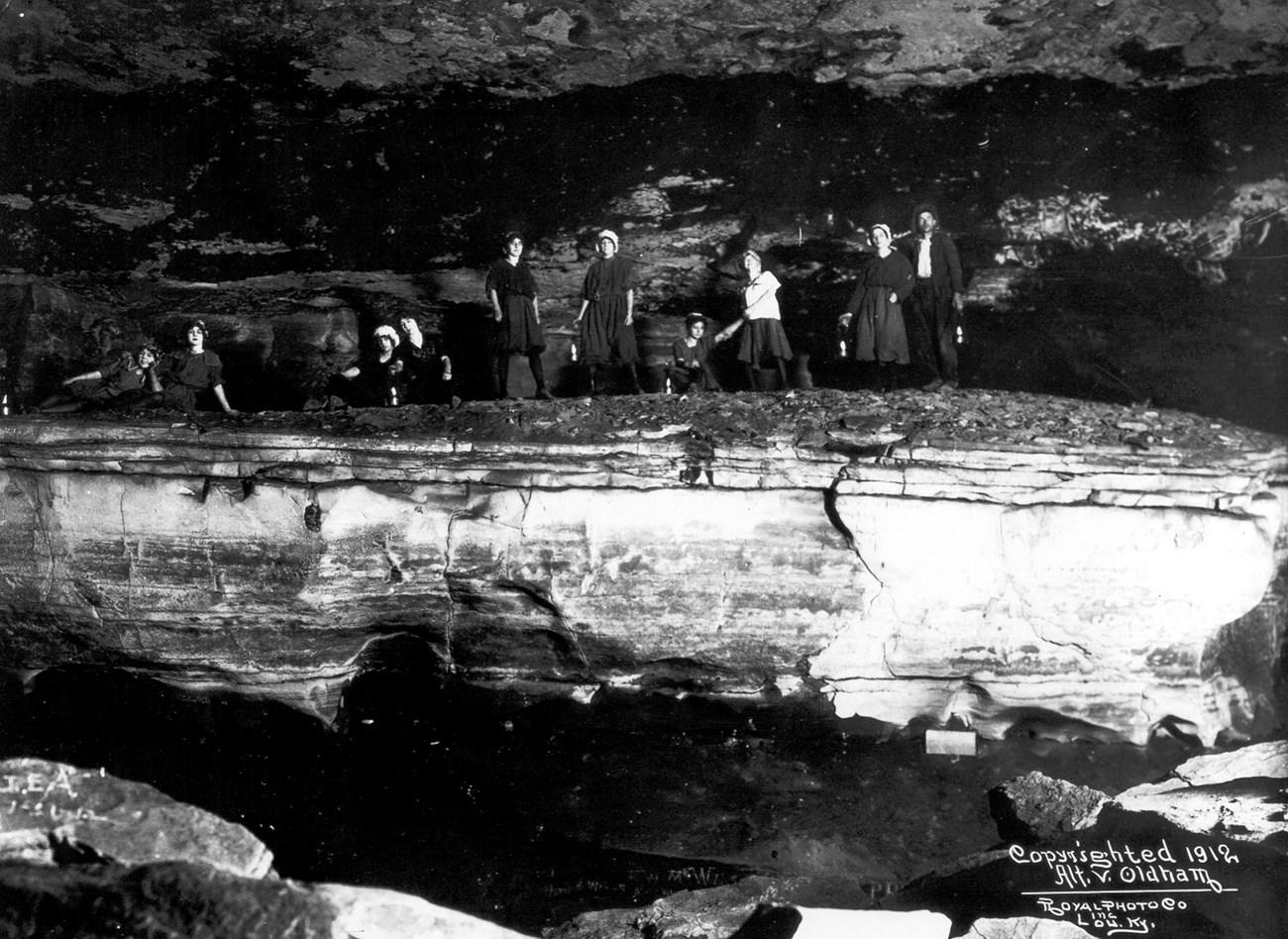
The Red River Gorge area has been inhabited for thousands of years, with evidence of Native American presence dating back over 12,000 years. The region's rock shelters served as homes and ceremonial sites for early indigenous peoples, who left behind petroglyphs, tools, and pottery shards that tell the story of their lives and cultures.
-
In the late 18th and early 19th centuries, European settlers began to explore and settle in the Red River Gorge area. Daniel Boone, a famous frontiersman, was one of the first Europeans to venture through the rugged terrain, helping to establish the Wilderness Road which opened Kentucky to further settlement. The settlers were drawn by the rich resources and the fertile land of the region.
-
The late 19th and early 20th centuries marked the logging boom in the Red River Gorge. Logging companies moved in to exploit the vast forests, building railroads and logging camps throughout the area. This era significantly altered the landscape, leading to deforestation and changes in the local ecosystem. The remnants of old logging roads and railways can still be found scattered throughout the gorge.
-
In 1937, the federal government established the Cumberland National Forest, later renamed the Daniel Boone National Forest, which encompasses the Red River Gorge. This move aimed to protect the region's natural beauty and resources from over-exploitation. The establishment of the forest marked a shift towards conservation and the promotion of outdoor recreation.
-
In the 1960s, the U.S. Army Corps of Engineers proposed building a dam on the Red River, which would have flooded much of the gorge. This sparked a significant environmental movement, with local citizens, environmentalists, and outdoor enthusiasts banding together to oppose the project. Their efforts were successful, and in 1975, the Red River Gorge was designated a National Natural Landmark, ensuring its protection.
-
By the late 20th century, Red River Gorge had become renowned as a premier rock climbing destination. Its unique sandstone cliffs and challenging routes attract climbers from around the world. This has led to the development of a vibrant climbing culture and community in the region, contributing to its status as a key outdoor recreation area.
-
The Red River Gorge is not only a natural wonder but also a cultural treasure. It holds deep significance for the local communities and the Cherokee Nation, whose ancestors once roamed these lands. The gorge is celebrated in local folklore, music, and art, reflecting its enduring impact on the cultural heritage of Kentucky.
Neighbouring destination travel guides
Browse our curated selection of top destinations, scenic points, and must-visit spots in the area.




Your all‑in‑one travel companion app
Explore expert travel guides, compare and book tours, experiences, hotels, and more—all from the palm of your hand. Download now for seamless trip planning wherever your wanderlust takes you.


Explore More of Eastern Mountain Coal Fields
Looking beyond Red River Gorge Geological Area? Discover Eastern Mountain Coal Fields for broader travel guides, local hot-spots, and regional highlights.
Explore Eastern Mountain Coal FieldsExplore More of Kentucky

Looking beyond Red River Gorge Geological Area? Discover Kentucky for broader travel guides, local hot-spots, and regional highlights.
Explore KentuckyRed River Gorge Geological Area in Photos
Browse through our photo collection highlighting the charm and character of the destination.






Red River Gorge: Nature's Majestic Playground
Nestled in the heart of Kentucky, Red River Gorge Geological Area is a natural wonderland renowned for its striking sandstone cliffs, lush forests, and serene rivers. This enchanting destination is a haven for outdoor enthusiasts, offering a variety of activities like hiking, rock climbing, and camping. The geological formations here are a sight to behold, with natural arches, towering cliffs, and hidden caves waiting to be explored. One of the most popular attractions in Red River Gorge is the Natural Bridge, a stunning rock arch that spans 78 feet. Visitors can take a leisurely hike up to the arch or opt for the skylift for a more relaxed ascent. The panoramic views from the top are simply breathtaking, providing ample photo opportunities. For those seeking adventure, the Red River Gorge is a climber's paradise. With over 1,500 established climbing routes, it caters to all skill levels. The region is also part of the Daniel Boone National Forest, offering miles of scenic trails for hikers and backpackers. The Sheltowee Trace National Recreation Trail is a favorite among long-distance hikers, winding through the diverse landscapes of the gorge. Water enthusiasts will find plenty to love here as well. The Red River offers excellent opportunities for kayaking and canoeing, with calm stretches for beginners and more challenging sections for the experienced paddler. Fishing is another popular pastime, with the river teeming with species like bass and catfish. Whether you're a thrill-seeker or someone who simply wants to unwind in nature's embrace, Red River Gorge provides an unforgettable experience. Its rich biodiversity, striking landscapes, and wide range of activities make it a must-visit destination for anyone traveling to Kentucky.