

West End (Portland) Travel Guide - Free
Explore West End in Portland with Evendo's free guide. Find the best shops, historic streets, restaurants, and gems on web or mobile.


West End Portland, Maine blends Victorian architecture, Western Promenade views, historic homes, independent dining and easy access to the city’s cultural core.
Historic Streets and Architecture
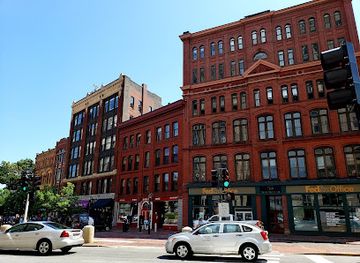
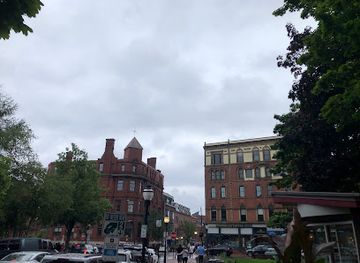
Portland’s West End occupies the western side of the city’s peninsula, where broad residential streets rise gently from the Fore River waterfront towards Congress Street. Its identity is closely tied to the 19th-century expansion of Portland beyond the original commercial core. Brick town houses, clapboard residences, Italianate villas and substantial former merchants’ homes line streets such as State, Pine, Spring, Danforth and Brackett, creating one of the city’s most architecturally coherent areas. The West End Historic District preserves much of this built character, although the neighbourhood remains a lived-in community rather than an open-air museum.Read more about West End
The Western Promenade
Food, Culture and Everyday Atmosphere
Best attractions in West End
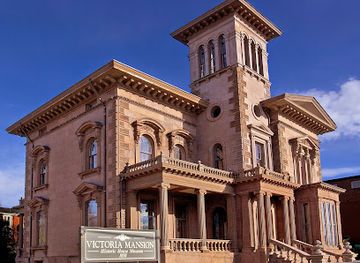
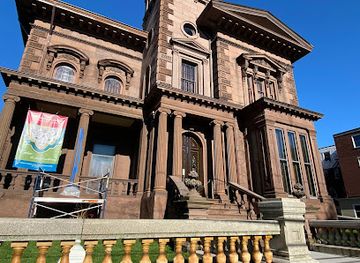
The Western Promenade is the West End’s principal public attraction, offering a landscaped viewpoint over the Fore River and western suburbs as well as a pleasant route through the neighbourhood’s historic streets. Victoria Mansion, on Danforth Street, is the area’s most important visitor interior: its preserved rooms and elaborate decoration reveal the ambitions of Portland’s prosperous 19th-century residents. The West End Historic District itself rewards slow exploration, with Italianate houses, brick terraces, ornate wooden residences and carefully detailed doorways spread across State, Pine, Spring, Brackett and nearby streets. Congress Street adds a more contemporary layer through cafés, restaurants and local businesses. The Portland Museum of Art is close to the eastern edge of the West End in the city’s Arts District, making it an easy nearby addition, although it should not be confused with an attraction located within the neighbourhood proper.
-
Historical landmark
Victoria Mansion
Discover the historical elegance of Victoria Mansion in Portland, Maine, an architectural masterpiece showcasing 19th-century opulence and artistry.
4 min walk · 0.3 km from neighbourhood centre
-
Plaza
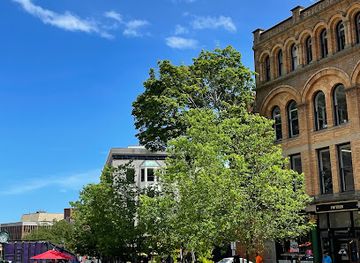
Monument Square
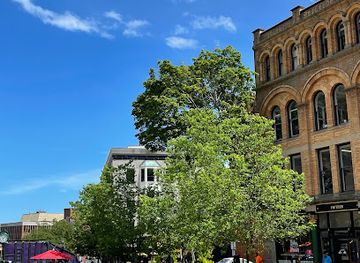
Discover Monument Square, Portland's vibrant plaza filled with history, local culture, and a hub for community events in the heart of Maine.
10 min walk · 0.8 km from neighbourhood centre
-
Park
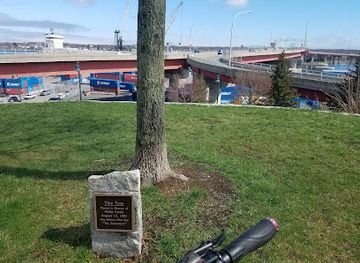
Harbor View Memorial Park
Discover the serene beauty of Harbor View Memorial Park in Portland, Maine, where picturesque views and lush landscapes await every visitor.
7 min walk · 0.5 km from neighbourhood centre
-
Historical place
Portland Waterfront Historic District
Explore the historical charm of Portland Waterfront Historic District, where maritime heritage meets modern delights in a picturesque coastal setting.
13 min walk · 1.0 km from neighbourhood centre
Best landmarks in West End
The Western Promenade is both a landscape feature and a civic landmark, marking the neighbourhood’s western height with mature planting, open lawns and views towards the Fore River. Victoria Mansion is the West End’s most celebrated architectural landmark: completed in the mid-19th century, it combines an ornate exterior with remarkably elaborate surviving interiors. The surrounding West End Historic District is significant on a broader scale, preserving a concentrated collection of Victorian-era houses, brick residences and former merchant homes that document Portland’s westward growth. The Portland Club on State Street is another notable historic building within the district, while Danforth Street retains the visual connection between the residential West End and the peninsula’s older western approach. Together these places show how domestic architecture, public outlooks and urban expansion shaped the neighbourhood.
-
Historical landmark
Victoria Mansion
Explore the exquisite architecture and rich history of Victoria Mansion, a stunning Victorian landmark in Portland, Maine.
4 min walk · 0.3 km from neighbourhood centre
-
Plaza
Monument Square
Discover the vibrant atmosphere of Monument Square in downtown Portland, a historic plaza featuring a stunning war memorial and lively community events.
10 min walk · 0.8 km from neighbourhood centre
-
Museum
Maine Historical Society and the Wadsworth-Longfellow House
Discover the captivating history and culture of Maine at the Maine Historical Society and the Wadsworth-Longfellow House, a treasure in Portland's vibrant downtown.
9 min walk · 0.7 km from neighbourhood centre
-
Historical place
Portland Waterfront Historic District
Discover the captivating blend of history, fresh seafood, and vibrant culture in Portland's Waterfront Historic District, a must-visit for every tourist.
13 min walk · 1.0 km from neighbourhood centre
Explore West End on the map
A handpicked selection of must-see spots in West End, mapped for you.
Best hotels in West End
Best restaurants in West End
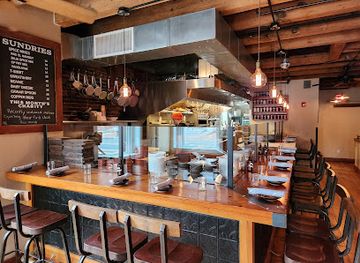
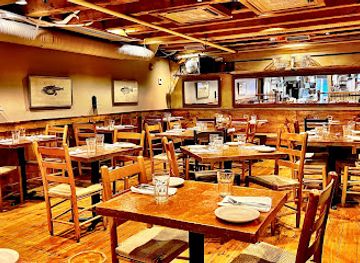
West End dining is concentrated around Congress Street, State Street and the adjoining blocks, where independent restaurants and cafés occupy converted shopfronts and historic buildings rather than a single formal dining quarter. Chaval is a well-known West End restaurant associated with polished cooking in a neighbourhood setting, while places such as LB Kitchen reflect Portland’s interest in relaxed, ingredient-led daytime dining and café culture. The area also offers bakeries, coffee stops and casual meals within easy walking distance of the Western Promenade and Victoria Mansion. Its food scene benefits from Portland’s broader relationship with Maine produce and seafood, but the West End feels more local and residential than the Old Port’s visitor-oriented waterfront. Visitors should check current opening arrangements directly, as independent establishments may operate changing service patterns or require reservations at busy times.
-
American
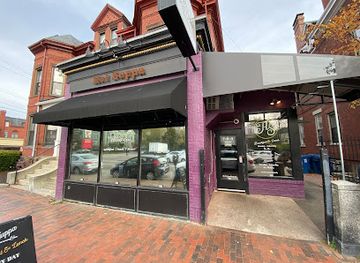
Hot Suppa
Experience the heart of American cuisine at Hot Suppa - your go-to spot for delicious breakfast and brunch in Portland.
4 min walk · 0.3 km from neighbourhood centre
-
Small Plates
Central Provisions
Experience the essence of Portland's culinary scene at Central Provisions, where small plates meet big flavors in an inviting atmosphere.
13 min walk · 1.0 km from neighbourhood centre
-
Seafood
Street & Co
Experience exquisite seafood at Street & Co in Portland's historic Old Port—where Mediterranean flavors meet fresh local ingredients.
12 min walk · 1.0 km from neighbourhood centre
-
Restaurant
Evo Kitchen + Bar
Discover Evo Kitchen + Bar in Portland's Old Port - where Mediterranean cuisine meets fresh seafood in an inviting atmosphere.
12 min walk · 0.9 km from neighbourhood centre
Best bars in West End
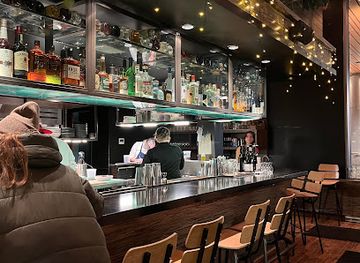
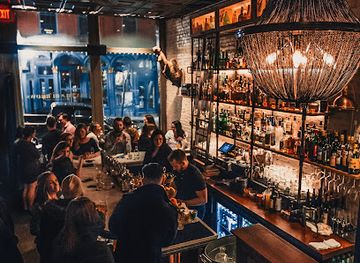
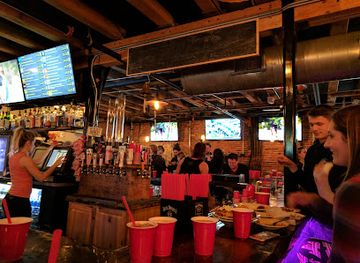
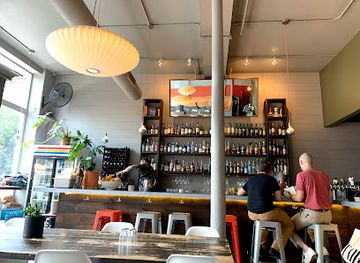
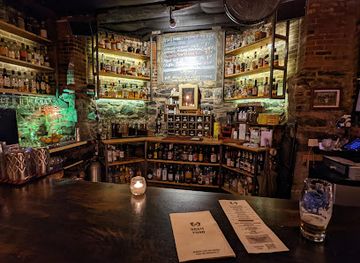
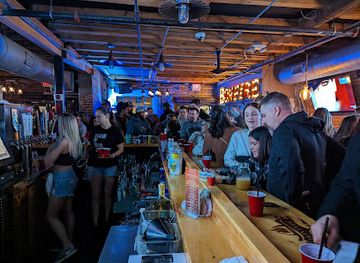
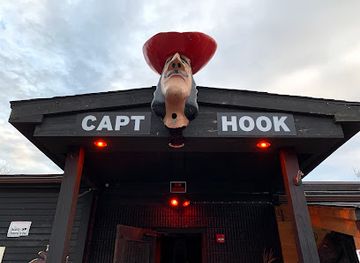
West End nightlife is modest, sociable and largely centred on pubs, restaurant bars and casual evening venues rather than large nightclubs. Bramhall, near the neighbourhood’s Congress Street edge, occupies a former church setting and is associated with beer, cocktails and food in a distinctive historic interior. LFK on State Street contributes a more informal bar atmosphere, with music-oriented evenings and a local following. Other Congress Street restaurants provide places for a drink before or after dinner, while the Western Promenade and residential side streets are distinctly quiet after dark. Visitors seeking major clubs, late-night entertainment or a dense concentration of venues will find more choice elsewhere in central Portland; in the West End, the appeal lies in moving between a few established local spots without losing the neighbourhood’s residential character.
-
Cocktail bar
Blyth & Burrows
Discover Blyth & Burrows: A premier cocktail bar and seafood haven in Portland's Old Port, offering fresh oysters and crafted drinks in a vibrant atmosphere.
13 min walk · 1.1 km from neighbourhood centre
-
Bar
Bonfire Country Bar Portland
Experience the heart of Americana at Bonfire Country Bar in Portland, Maine, where delicious Southern cuisine meets vibrant nightlife.
12 min walk · 1.0 km from neighbourhood centre
-
Cocktail bar
The Portland Hunt & Alpine Club
Immerse yourself in the Scandinavian culinary experience at The Portland Hunt & Alpine Club, where cocktails and Nordic dishes await.
14 min walk · 1.1 km from neighbourhood centre
-
Grill
Bramhall
Discover the vibrant flavors of Bramhall in Portland, Maine, where delicious grilled dishes meet crafted cocktails in a lively atmosphere.
7 min walk · 0.6 km from neighbourhood centre
Best nightclubs in West End
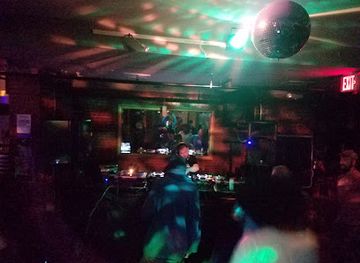
West End nightlife is modest, sociable and largely centred on pubs, restaurant bars and casual evening venues rather than large nightclubs. Bramhall, near the neighbourhood’s Congress Street edge, occupies a former church setting and is associated with beer, cocktails and food in a distinctive historic interior. LFK on State Street contributes a more informal bar atmosphere, with music-oriented evenings and a local following. Other Congress Street restaurants provide places for a drink before or after dinner, while the Western Promenade and residential side streets are distinctly quiet after dark. Visitors seeking major clubs, late-night entertainment or a dense concentration of venues will find more choice elsewhere in central Portland; in the West End, the appeal lies in moving between a few established local spots without losing the neighbourhood’s residential character.
-
Bar
Bonfire Country Bar Portland
Discover the heart of Portland's nightlife at Bonfire Country Bar, where great food, drinks, and lively entertainment await.
12 min walk · 1.0 km from neighbourhood centre
-
Cocktail bar
The Portland Hunt & Alpine Club
Discover the enchanting flavors of Nordic cuisine at The Portland Hunt & Alpine Club, a cocktail bar and restaurant in Portland's Old Port.
14 min walk · 1.1 km from neighbourhood centre
-
Lounge
Bubba's Sulky Lounge
Experience the vibrant nightlife at Bubba's Sulky Lounge, Portland's premier cocktail bar known for its eclectic ambiance and signature drinks.
8 min walk · 0.7 km from neighbourhood centre
-
Night club
Flask Lounge
Experience the vibrant nightlife of Portland at Flask Lounge, where live music and dance unite in a lively atmosphere.
3 min walk · 0.2 km from neighbourhood centre

Best shops in West End
Shopping in the West End is primarily local and practical rather than organised around a large retail destination. Congress Street provides the most useful concentration of cafés, food businesses, personal services and small independent shops, while the side streets contain occasional specialist and creative businesses in former residential or mixed-use premises. Visitors are more likely to find food, books, design-minded goods and everyday provisions than a conventional run of department stores or fashion chains. The neighbourhood’s historic character is part of the shopping experience: small shopfronts and renovated older buildings sit among homes, producing a quieter commercial rhythm than the Old Port. For a broader choice of galleries, clothing shops and established cultural retailers, the Arts District and downtown are nearby on foot, but they belong to adjoining areas rather than the West End itself.
-
Gift shop
The Maine Souvenir Shop - Portland
Explore unique Maine gifts and souvenirs at The Maine Souvenir Shop, where local artistry meets coastal charm in Portland's Old Port.
13 min walk · 1.1 km from neighbourhood centre
-
Gift shop
Pinecone+Chickadee
Explore Pinecone+Chickadee in Portland, ME - a gift shop filled with unique art, jewelry, vintage clothing, and more to elevate your shopping experience.
11 min walk · 0.9 km from neighbourhood centre
-
Gift shop
Lisa-Marie's Made in Maine
Explore Lisa-Marie's Made in Maine for unique, handcrafted gifts that celebrate the spirit of Maine in a charming Old Port setting.
14 min walk · 1.1 km from neighbourhood centre
-
Gift shop
Shipwreck & Cargo
Discover unique gifts and seasonal treasures at Shipwreck & Cargo, a must-visit shop in Portland's historic Old Port.
13 min walk · 1.0 km from neighbourhood centre


West End essentials
Getting There
Getting Around
Safety
Emergency Situations
Do's and Don'ts
Local Tips

From Eve
Local phrases worth knowing
You don't need to get them perfect. A few words go a long way, and locals appreciate the effort.
Basics
| English | Local | Say it |
|---|---|---|
| Hello | Hey | [hay] |
| Goodbye | See ya | [see yuh] |
| Yes | Yup | [yuhp] |
| No | Nah | [nuh] |
| Please/You're welcome | Please/No problem | [pleez/no problum] |
| Thank you | Thanks | [thaynks] |
| Excuse me/Sorry | Pardon me/My bad | [pahrdn mee/my bad] |
| How are you? | How ya doin'? | [how yuh doin'] |
| Fine. And you? | Good. And you? | [gud. and yuh?] |
| Do you speak English? | Ya speak English? | [yuh speak ing-lish?] |
| I don't understand | I don't get it | [I don't get it] |
Eating & Drinking
| English | Local | Say it |
|---|---|---|
| I'd like to see the menu, please | Can I check out the menu, please | [can I chek out the menu, pleez] |
| I don't eat meat | I don't do meat | [I don't do meat] |
| Cheers! | Cheers! | [Cheers!] |
| I would like to pay, please | I need to settle up, please | [I need to set-l up, pleez] |
Emergencies
| English | Local | Say it |
|---|---|---|
| Help! | Help! | [Help!] |
| Go away! | Get lost! | [Get lost!] |
| Call the Police! | Call the cops! | [Call the cops!] |
| Call a doctor! | Get a doc! | [Get a doc!] |
| I'm lost | I'm turned around | [I'm turned around] |
| I'm ill | I'm under the weather | [I'm under the weather] |
Shopping
| English | Local | Say it |
|---|---|---|
| I'd like to buy... | I wanna pick up... | [I wanna pick up...] |
| I'm just looking | I'm just browsing | [I'm just browsing] |
| How much is it? | What's the damage? | [whats the dam-ij?] |
| That's too expensive | That's a rip-off | [That's a rip-off] |
| Can you lower the price? | Can you knock it down? | [Can you knock it down?] |
Time & Numbers
| English | Local | Say it |
|---|---|---|
| What time is it? | What's the time? | [What's the time?] |
| It's one o'clock | It's one | [It's one] |
| Half past (10) | Ten-thirty | [Ten-thur-tee] |
| Morning | Mornin' | [Mornin'] |
| Afternoon | Afternoon | [Afternoon] |
| Evening | Evenin' | [Evenin'] |
| Yesterday | Yest'day | [Yest'day] |
| Today | Today | [Today] |
| Tomorrow | Tomorra | [Tomorra] |
| 1 | One | [wun] |
| 2 | Two | [too] |
| 3 | Three | [three] |
| 4 | Four | [four] |
| 5 | Five | [five] |
| 6 | Six | [six] |
| 7 | Seven | [seven] |
| 8 | Eight | [eight] |
| 9 | Nine | [nine] |
| 10 | Ten | [ten] |
Transport & Directions
| English | Local | Say it |
|---|---|---|
| Where's a/the...? | Where's the...? | [Where's the...?] |
| What's the address? | Where's it at? | [Where's it at?] |
| Can you show me (on the map)? | Can you point it out (on the map)? | [Can you point it out (on the map)?] |
| When's the next (bus)? | When's the next (bus)? | [When's the next (bus)?] |
| A ticket (to ....) | A ticket (to ....) | [A ticket (to ....)] |
History of West End
From Western Peninsula to Residential District
The land now understood as Portland’s West End formed part of the western side of the city’s peninsula, beyond the earliest commercial and residential concentration around the harbour. As Portland expanded during the 19th century, streets were extended westwards and the area developed into a substantial residential district. Its elevated position, proximity to Congress Street and relative separation from the working waterfront encouraged the construction of houses for merchants, professionals and established families. The resulting street pattern and mixture of detached homes, row houses and larger villas still provide the basic shape of the neighbourhood.
Victorian Prosperity and Victoria Mansion
Portland’s growing maritime, commercial and manufacturing economy brought considerable wealth to the West End during the mid-19th century. Victoria Mansion, built between 1858 and 1860 for hotel proprietor Ruggles Sylvester Morse, is the clearest surviving expression of that prosperity. Its elaborate interiors, imported furnishings and technologically advanced domestic features illustrate the ambitions of the period, when Portland’s successful business families built substantial homes away from the busiest harbour streets. Other residences in the district are less theatrical but collectively record the same era of urban growth and social distinction.
Immigration and Urban Change
The West End’s history was not limited to wealthy householders. Like other parts of Portland, it was shaped by successive waves of immigration, changing employment patterns and the movement of working families through the city. Boarding houses, smaller homes, shops and institutions gave the neighbourhood a more varied social life than its grandest architecture suggests. Congress Street became an important local commercial corridor, while nearby Danforth Street connected residential life with the western approach to the peninsula. These overlapping uses helped the West End remain a functioning neighbourhood as Portland’s economy and population changed.
Preservation and Contemporary West End
Many West End buildings survived the redevelopment pressures that altered parts of central Portland in the 20th century. Recognition of the area’s architectural character, including the designation of the West End Historic District on the National Register of Historic Places, helped reinforce preservation efforts. The neighbourhood has since attracted renewed residential interest and a growing concentration of independent restaurants and creative businesses, while its streets retain a strong residential identity. Today, the West End is valued both for its historic fabric and for the ordinary urban life carried on within it.
West End in Photos
Browse through our photo collection highlighting the charm and character of the destination.
Neighbourhoods near West End
The closest neighbourhoods to West End, if you have time for more than one stop.
-

-


Swipe for more neighbourhoods
Explore more
Explore more of Portland
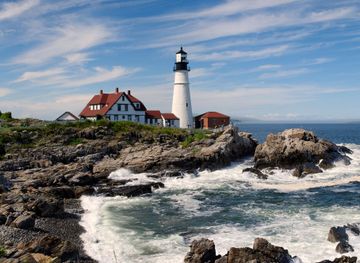
Portland, Maine pairs a historic waterfront, acclaimed museums, island ferries, seafood, craft breweries and walkable neighbourhoods on Casco Bay.
Explore Portland