

Free Northern Harbour Travel Guide & Mobile App
Explore Northern Harbour with free travel guides. Discover regional history, expert tips, proposed trips, and audio guides on web or mobile app.


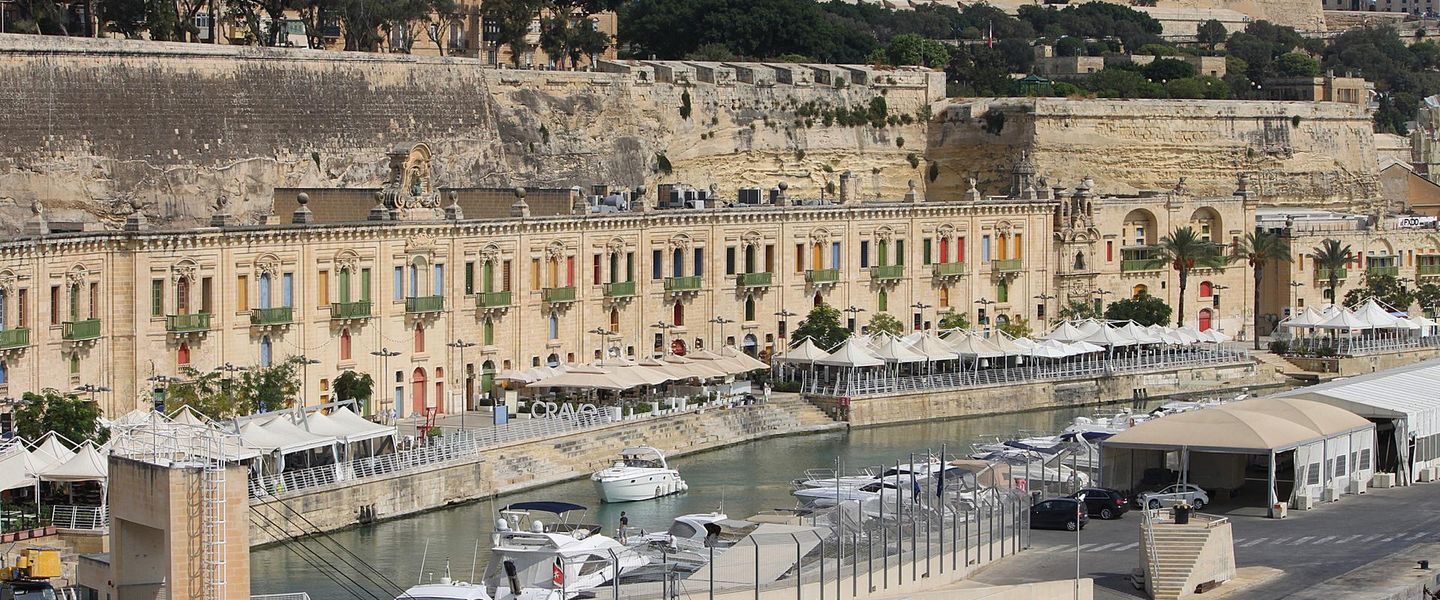


Discover Northern Harbour in Malta: A blend of historical allure, vibrant city life, and stunning coastal beauty. Explore Valletta, Sliema, and more in this captivating region.
Read more about Northern Harbour
When is the best time to visit Northern Harbour?
Best: April–May, October · 23–29°C| Month | High (°C) | Rainfall (mm) |
|---|---|---|
| January | 12 | 63 |
| February | 13 | 54 |
| March | 17 | 51 |
| April (best) | 23 | 48 |
| May (best) | 29 | 43 |
| June | 35 | 36 |
| July | 36 | 34 |
| August | 36 | 35 |
| September | 32 | 42 |
| October (best) | 25 | 50 |
| November | 18 | 59 |
| December | 14 | 62 |
Getting to and around Northern Harbour
How to get there
Transportation
Top city travel guides in Northern Harbour
The cities of Northern Harbour, and the easiest places to base yourself.
-

-

-

-

-

-


Swipe for more cities
Best attractions in Northern Harbour
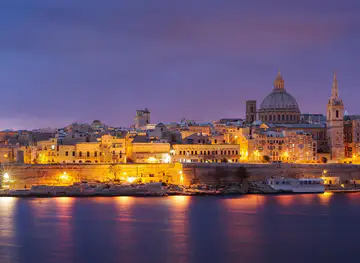
Northern Harbour in Malta is a treasure trove of cultural and historical gems waiting to be explored. Visitors can start their journey in Sliema, known for its vibrant seafront promenade brimming with chic cafes, fine dining, and boutique shopping. Just a short ferry ride away is Valletta, the UNESCO World Heritage capital city, where one can marvel at the grandeur of St. John's Co-Cathedral, wander through the historic streets, and take in panoramic views of the Grand Harbour from the Upper Barrakka Gardens. For a touch of local life, head to the bustling markets of Gzira and Msida, or enjoy a serene stroll along the Ta' Xbiex Marina. Don't miss the striking architecture of the Manoel Island fortifications and the serene beauty of Balluta Bay in St. Julian's. Whether you're a history buff, a foodie, or someone seeking picturesque views, Northern Harbour offers a multifaceted experience that captures the essence of Maltese culture and history.
-
Event venue
Buġibba Square
Discover the vibrant Buġibba Square, a cultural hub in St. Paul's Bay, Malta, filled with restaurants, shops, and lively events by the sea.
-
Tourist attraction
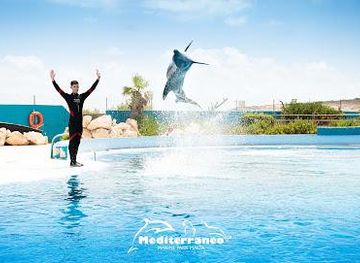
Mediterraneo Marine Park
Explore the enchanting Mediterraneo Marine Park in Naxxar, Malta, a unique destination for animal lovers and eco-enthusiasts alike.
-
Casino
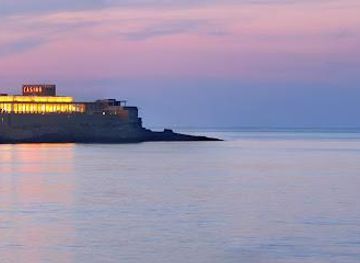
Dragonara Casino
Discover the allure of Dragonara Casino in St. Julian's, a premier destination for gaming, dining, and breathtaking views of the Mediterranean.
-
Historical landmark
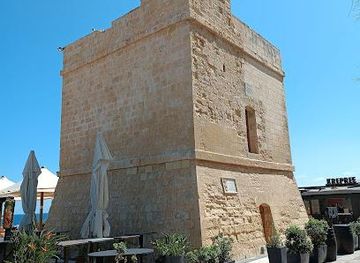
Torri ta' San Ġiljan
Discover the historic Torri ta' San Ġiljan in Sliema, Malta – a stunning landmark offering breathtaking views and a glimpse into the island's rich history.
Best landmarks in Northern Harbour
Northern Harbour in Malta is a treasure trove of historical and cultural wonders waiting to be explored. Visitors can marvel at the awe-inspiring San Anton Palace, the official residence of the President of Malta, and wander through its beautifully manicured gardens. The town of Sliema offers a vibrant atmosphere with its bustling promenade lined with cafes, shops, and splendid views of Valletta across the harbor. History buffs will be captivated by the ancient fortifications of Fort Manoel, an imposing 18th-century structure that once protected the island. The grand St. John's Co-Cathedral, with its opulent Baroque interiors and Caravaggio masterpieces, stands as a testament to Malta's rich religious heritage. For a taste of local culture, the traditional Marsa Open Market is a must-visit, offering an array of fresh produce, crafts, and a chance to mingle with the friendly locals. Northern Harbour seamlessly blends the old and new, offering a unique journey through Malta's storied past and vibrant present.
-
Historical landmark
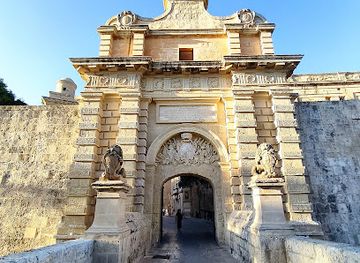
Mdina Gate
Discover the grandeur of Mdina Gate, a historical landmark that opens the door to the rich culture and history of Malta's ancient capital.
-
Theme park
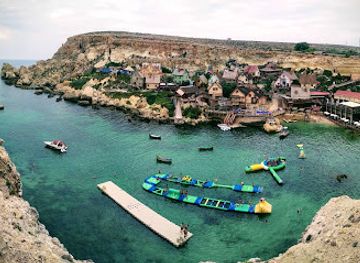
Popeye Village
Experience the magic of Popeye Village in Malta, a vibrant theme park celebrating the whimsical world of Popeye with fun activities and stunning coastal views.
-
Catholic church
Mosta Rotunda
Discover the awe-inspiring Mosta Rotunda, Malta's architectural gem, featuring a stunning dome and rich historical significance in the heart of Mosta.
-
Scenic spot
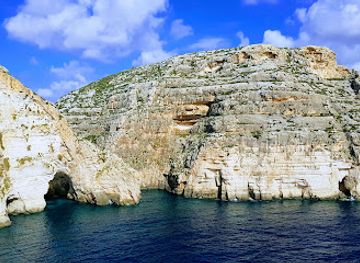
Blue Grotto
Experience the breathtaking beauty and historical significance of the Blue Grotto, Malta’s stunning natural wonder with captivating blue waters and limestone cliffs.

Explore Northern Harbour on the map
Plan your trip on one map. See where the top cities, national parks and sights are, and book hotels and experiences in a few clicks.
Best hotels in Northern Harbour
Best restaurants in Northern Harbour
Northern Harbour in Malta offers a vibrant and diverse dining scene that caters to all tastes and preferences. Visitors can expect to find a delightful mix of traditional Maltese cuisine, fresh seafood, and international flavors, all set against the backdrop of beautiful harborside views. From cozy, family-run trattorias serving homemade pastizzi and rabbit stew to chic, modern restaurants offering exquisite Mediterranean fusion dishes, there is something to satisfy every palate. The area is also known for its bustling food markets, where you can sample local delicacies and fresh produce. With an array of eateries ranging from casual cafes to upscale dining establishments, Northern Harbour promises a culinary adventure that is as rich and varied as its history.
-
Maltese
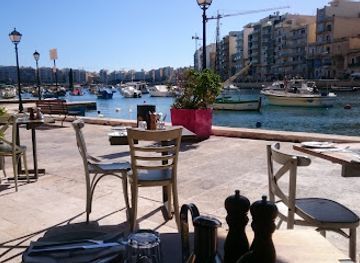
Gululu Restaurant @ Spinola Bay, St. Julians
Experience authentic Maltese cuisine with stunning views at Gululu Restaurant by Spinola Bay in St. Julians.
-
Mediterranean
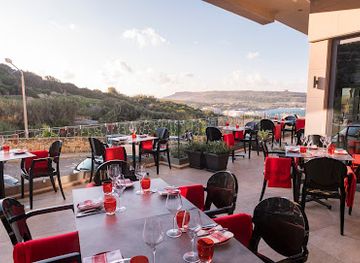
one80 Kitchen & Lounge
Experience exquisite Mediterranean dining at One80 Kitchen & Lounge in Mellieħa, Malta—where flavor meets stunning views.
-
Restaurant
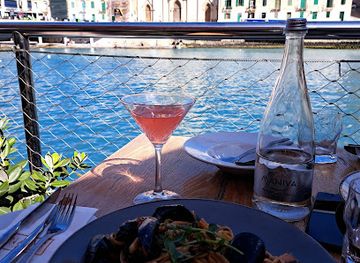
NAAR Restobar
Experience exquisite Mediterranean flavors at NAAR Restobar in St Julian's - a must-visit dining destination for food enthusiasts.
-
Mediterranean
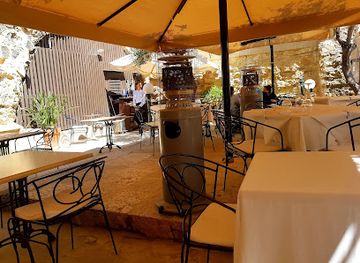
Rampila Restaurant
Experience authentic Mediterranean flavors in Valletta's historic setting at Rampila Restaurant.
Best bars in Northern Harbour
Northern Harbour in Malta offers an electrifying nightlife scene that will captivate any visitor with its vibrant mix of trendy bars, lively nightclubs, and charming waterfront lounges. As the sun sets, the area transforms into a bustling hub of activity, with establishments that cater to every taste, from sophisticated wine bars serving local vintages to energetic dance clubs where international DJs spin the latest hits. Stroll along the picturesque promenades, where outdoor terraces provide the perfect setting for sipping cocktails under the stars, or explore the narrow streets to discover hidden gems playing live music that ranges from jazz to contemporary Maltese bands. Whether you're looking to dance the night away or enjoy a relaxed evening with stunning views of the harbour, Northern Harbour's nightlife promises an unforgettable experience.
-
Live music bar
Black Gold Saloon
Discover the vibrant Black Gold Saloon in Sliema, Malta—a live music bar and restaurant perfect for food lovers and music enthusiasts alike.
-
Restaurant
Hugo's Terrace & Rooftop
Hugo's Terrace & Rooftop: Where breathtaking views meet exceptional dining in the heart of St. Julian's.
-
Cocktail bar
The Black Sheep drink and dine
Discover a vibrant cocktail bar and Mediterranean restaurant in Sliema, Malta, where culinary excellence meets breathtaking harbor views.
-
Pub
Hugo's Pub
Discover the lively ambiance of Hugo's Pub, a top destination in St. Julian's for drinks, food, and live entertainment.
Best nightclubs in Northern Harbour
Northern Harbour in Malta offers an electrifying nightlife scene that will captivate any visitor with its vibrant mix of trendy bars, lively nightclubs, and charming waterfront lounges. As the sun sets, the area transforms into a bustling hub of activity, with establishments that cater to every taste, from sophisticated wine bars serving local vintages to energetic dance clubs where international DJs spin the latest hits. Stroll along the picturesque promenades, where outdoor terraces provide the perfect setting for sipping cocktails under the stars, or explore the narrow streets to discover hidden gems playing live music that ranges from jazz to contemporary Maltese bands. Whether you're looking to dance the night away or enjoy a relaxed evening with stunning views of the harbour, Northern Harbour's nightlife promises an unforgettable experience.
-
Night club
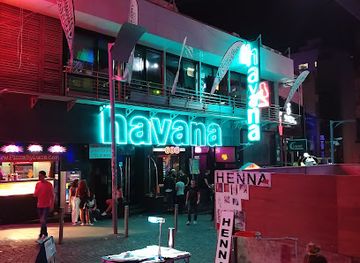
Havana Club Malta
Discover the pulsating nightlife of St Julian's at Havana Club Malta, where unforgettable nights and vibrant music unite.
-
Night club
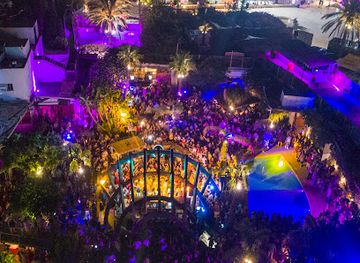
Gianpula Main Room
Discover the electric nightlife of Gianpula Main Room, Malta's premier night club offering unforgettable music, dancing, and vibrant entertainment.
-
Night club
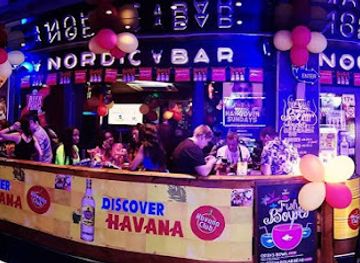
The Nordic Bar
Experience the vibrant nightlife of St Julian's at The Nordic Bar, a top destination for music, dancing, and unforgettable memories.
-
Night club
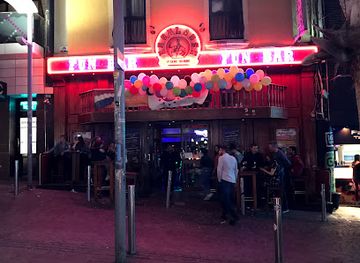
Footloose
Experience the vibrant nightlife of St. Julian's at Footloose, Malta's ultimate dance destination with electrifying music and an unforgettable atmosphere.
Best shops in Northern Harbour
Northern Harbour in Malta offers a vibrant and diverse shopping experience that caters to all tastes and preferences. From the bustling streets of Sliema, where high-end fashion boutiques and international brands line the promenades, to the charming local markets of Gzira and Msida, where you can discover unique Maltese crafts and artisanal goods, the area is a haven for shopaholics. Visitors can explore the sprawling shopping malls, such as The Point, which house a plethora of stores, cafes, and entertainment options, or take a leisurely stroll through the quaint, narrow streets filled with souvenir shops, antique stores, and specialty food shops offering delectable local delicacies. The blend of modern retail spaces and traditional marketplaces makes Northern Harbour a captivating shopping destination that promises a delightful mix of culture, style, and local flavor.
-
Shopping mall
The Point Shopping Mall
Discover a world of shopping and entertainment at The Point Shopping Mall in Sliema, Malta's premier retail destination.
-
Shopping mall
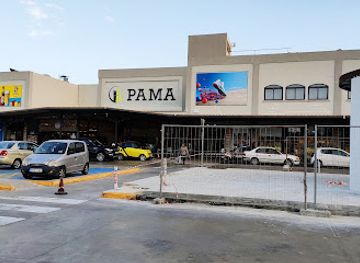
PAMA Shopping Mall
Discover the vibrant shopping experience at PAMA Shopping Mall in Mosta, Malta's premier destination for retail, dining, and entertainment.
-
Shopping mall
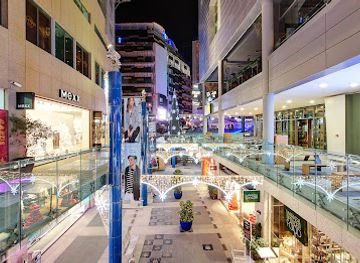
Bay Street Shopping Complex
Explore the vibrant Bay Street Shopping Complex, Malta's premier destination for shopping, dining, and entertainment in St. Julian's.
-
Sporting goods store
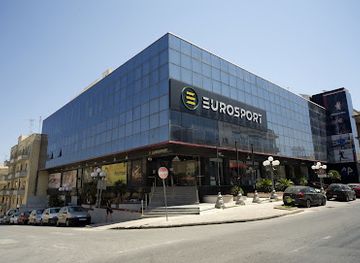
Eurosport Malta
Explore Eurosport Malta: Your go-to destination for quality sporting goods and sportswear in Birkirkara.

Get your free copy of our complete guide to Northern Harbour, delivered straight to you.
Everything on this page, from attractions and restaurants to essentials and local phrases, in one PDF you can read offline, print or share.
Already have an account? Sign in
Your Northern Harbour guide is ready.
We'll send it to · Not you? Sign out

Getting your guide ready…
We are putting together a fresh copy of the Northern Harbour guide. This can take up to a minute.
This can take a few moments. If your browser asks, choose Allow so the download can start. You'll find the guide in your Downloads folder.
Nothing happened? Download it again
Sorry, the guide is taking longer than usual. Please try again in a minute, or get it by email instead.
Northern Harbour essentials
Currency and Payment
Safety
Emergency Situations
Do's and Don'ts
Local Tips
From Eve
Local phrases worth knowing
You don't need to get them perfect. A few words go a long way, and locals appreciate the effort.
Basics
| English | Local | Say it |
|---|---|---|
| Hello | Hi | [hai] |
| Goodbye | Bye | [bai] |
| Yes | Yeah | [yeh] |
| No | Nope | [nohp] |
| Please/You're welcome | No problem | [no prob-lum] |
| Thank you | Thanks | [thangs] |
| Excuse me/Sorry | Sorry | [sor-ree] |
| How are you? | How ya doin'? | [how ya doin'?] |
| Fine. And you? | I'm good. You? | [I'm good. You?] |
| Do you speak English? | You speak English? | [you speak ing-glish?] |
| I don't understand | I don't get it | [I don't get it] |
Eating & Drinking
| English | Local | Say it |
|---|---|---|
| I'd like to see the menu, please | Can I see the menu? | [can I see the men-you?] |
| I don't eat meat | I’m a vegetarian | [I’m a ve-ge-ta-rian] |
| Cheers! | Cheers! | [cheers!] |
| I would like to pay, please | Can I get the check? | [can I get the check?] |
Emergencies
| English | Local | Say it |
|---|---|---|
| Help! | Help! | [help!] |
| Go away! | Leave me alone! | [leave me a-lone!] |
| Call the Police! | Call the cops! | [call the cops!] |
| Call a doctor! | Get a doctor! | [get a doc-tor!] |
| I'm lost | I'm lost | [I'm lost] |
| I'm ill | I'm not feeling well | [I'm not feel-ing well] |
Shopping
| English | Local | Say it |
|---|---|---|
| I'd like to buy... | I want to buy... | [I want to buy...] |
| I'm just looking | Just browsing | [just brows-ing] |
| How much is it? | What's the price? | [what's the price?] |
| That's too expensive | That's pricey | [that's pry-see] |
| Can you lower the price? | Can you make it cheaper? | [can you make it cheap-er?] |
Time & Numbers
| English | Local | Say it |
|---|---|---|
| What time is it? | What time is it? | [what time is it?] |
| It's one o'clock | It's one o'clock | [it's one o'clock] |
| Half past (10) | Half past ten | [half past ten] |
| Morning | Morning | [morning] |
| Afternoon | Afternoon | [afternoon] |
| Evening | Evening | [evening] |
| Yesterday | Yesterday | [yes-ter-day] |
| Today | Today | [to-day] |
| Tomorrow | Tomorrow | [to-mor-row] |
| 1 | One | [wun] |
| 2 | Two | [too] |
| 3 | Three | [three] |
| 4 | Four | [for] |
| 5 | Five | [fiv] |
| 6 | Six | [siks] |
| 7 | Seven | [sev-en] |
| 8 | Eight | [ait] |
| 9 | Nine | [nain] |
| 10 | Ten | [ten] |
Transport & Directions
| English | Local | Say it |
|---|---|---|
| Where's a/the...? | Where's the...? | [where's the...?] |
| What's the address? | What's the address? | [what's the ad-dress?] |
| Can you show me (on the map)? | Can you show me on the map? | [can you show me on the map?] |
| When's the next (bus)? | When's the next bus? | [when's the next bus?] |
| A ticket (to ....) | A ticket to... | [a tick-et to...] |
History of Northern Harbour
The Founding of Valletta
Valletta, the capital city of Malta and a key part of the Northern Harbour District, was founded in 1566 by the Knights of St. John. The city was named after Jean Parisot de Valette, the Grand Master of the Order, who led the defense of the island during the Great Siege of 1565. Valletta's grid layout and its fortifications are testaments to its strategic importance.
The Great Siege of 1565
One of the most significant historical events in Northern Harbour’s history is the Great Siege of 1565. The Ottoman Empire aimed to conquer Malta, but the Knights of St. John, along with the Maltese people, successfully defended the island. This victory was pivotal in maintaining Christian control over the Mediterranean.
The Construction of Fort St. Elmo
Fort St. Elmo, a star fort located on the Sciberras Peninsula, played a crucial role during the Great Siege of 1565. Its construction began in 1552, and it was designed to guard the entrances to Marsamxett and Grand Harbour. The fort has seen numerous battles and remains a symbol of Maltese resilience.
British Colonial Period
Northern Harbour's history was significantly influenced by British colonial rule, which began in 1800. The British reshaped the infrastructure, including the construction of docks and the development of the Royal Naval Dockyard in the Grand Harbour area. This era left a lasting impact on the architectural and cultural landscape of the region.
World War II Impact
During World War II, Malta and specifically the Northern Harbour area, endured heavy bombing due to its strategic location. Valletta and the Grand Harbour were critical naval bases for the Allies. The resilience of the Maltese people during this period earned Malta the George Cross for bravery from King George VI.
Sliema’s Transformation
Sliema, once a quiet fishing village, saw significant transformation during the 19th and 20th centuries. The British period brought about urban development, turning Sliema into a bustling commercial and residential area. Today, Sliema is known for its seafront promenade, shopping centers, and vibrant nightlife.
Cultural Melting Pot
Northern Harbour's diverse history has made it a cultural melting pot. The area showcases a blend of Baroque architecture from the Knights’ period, British colonial influences, and modern developments. Museums, theaters, and artisanal shops reflect the rich cultural heritage of the region.
UNESCO World Heritage Sites
Valletta, with its historical buildings and fortifications, was declared a UNESCO World Heritage Site in 1980. Key landmarks include St. John’s Co-Cathedral, the Grandmaster's Palace, and the Auberges of the Knights. These sites offer a glimpse into the opulent and strategic past of the city.
The Role of Maritime Activities
The Grand Harbour has been central to Malta’s maritime activities for centuries. It served as a crucial port for trade and military operations. Today, it remains a vital hub for shipping, tourism, and yachting, contributing significantly to the local economy.
Modern Developments and Tourism
In recent decades, Northern Harbour has seen extensive modern development. The area now hosts luxury hotels, shopping complexes, and entertainment venues. This evolution has made it a prime destination for tourists seeking both historical exploration and contemporary leisure activities.
Northern Harbour in Photos
Browse through our photo collection highlighting the charm and character of the destination.
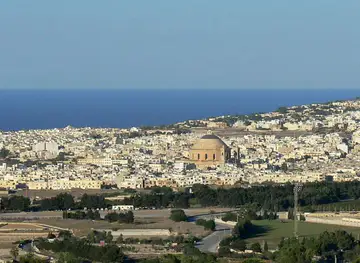
Neighbouring regions of Northern Harbour
The closest regions to Northern Harbour, if you have time for more than one.
-

-
-

-

-


Swipe for more regions
Explore more
Explore more of Malta
Discover Malta's crystal-clear waters, rich history, and vibrant culture. From ancient temples to modern nightlife, this Mediterranean gem offers something for everyone.
Explore Malta