

Free Zurrieq Travel Guide & Mobile App
Plan your Zurrieq trip with Evendo. Get free guides to top attractions, restaurants, hotels, and bars. Web access or download the mobile app.


Zurrieq, Malta, pairs a historic parish town with Xarolla Windmill, rural valleys, village feasts and easy access to the island’s southern coast.
A Historic Maltese Town
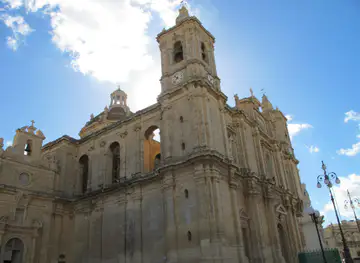
Zurrieq is one of Malta’s older village communities, spread across the island’s southern limestone country between the urban districts around Qormi and the cliffs and bays of the southern coast. Its compact centre is shaped by honey-coloured stone, quiet lanes and the imposing Parish Church of Saint Catherine, whose dome and twin bell towers rise above the surrounding houses. Although close to Malta International Airport and the busy roads leading towards Valletta, Zurrieq retains a distinctly local rhythm, with village squares, band-club culture and religious traditions remaining central to community life.Read more about Zurrieq
Stone, Valleys and Rural Landscapes
Local Life and Southern Malta
When is the best time to visit Zurrieq?
Best: May–June, October · 25–30°C| Month | High (°C) | Rainfall (mm) |
|---|---|---|
| January | 17 | 82 |
| February | 17 | 63 |
| March | 18 | 41 |
| April | 21 | 25 |
| May (best) | 25 | 13 |
| June (best) | 30 | 7 |
| July | 34 | 5 |
| August | 34 | 5 |
| September | 32 | 10 |
| October (best) | 28 | 41 |
| November | 23 | 73 |
| December | 19 | 87 |
Getting to and around Zurrieq
How to get there
Transportation
Best attractions in Zurrieq
Zurrieq’s attractions reveal a southern Maltese village shaped by faith, farming and archaeology. The Parish Church of Saint Catherine dominates the centre, with a richly decorated interior and a prominent dome that reflects the importance of the parish in local life. At the edge of the town, the Xarolla Windmill offers a glimpse of the agricultural technology once used to process grain, while the nearby Xarolla Catacombs lead visitors into an older subterranean world of rock-cut burial chambers. The small settlements of Nigret and Bubaqra extend the exploration beyond the main square, where chapels, field boundaries and traditional limestone houses create a quieter rural setting. Zurrieq is also a useful base for understanding southern Malta’s wider landscape: the Blue Grotto and Wied iż-Żurrieq are nearby coastal destinations, but lie outside the town itself. Together, these sites make the municipality a place for heritage walks rather than a concentrated cluster of large museums or entertainment venues.
-
Scenic spot
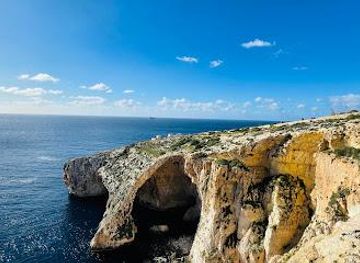
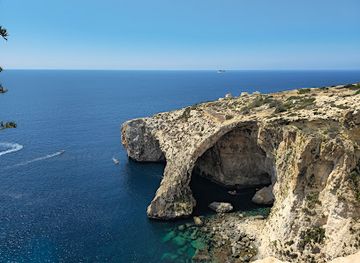
Blue Grotto
Explore the mesmerizing Blue Grotto of Malta, where stunning sea caves and vibrant blue waters await adventurous travelers.
5 min drive · 1.8 km from city centre
-
Archaeological site
Hagar Qim Temple
Discover the ancient wonders of Hagar Qim Temple, a UNESCO World Heritage Site showcasing Malta's rich Neolithic heritage.
9 min drive · 3.0 km from city centre
-
Archaeological site
Mnajdra Temple
Explore the ancient Mnajdra Temple in Qrendi, Malta, a UNESCO World Heritage Site that showcases prehistoric architecture and stunning Mediterranean views.
10 min drive · 3.4 km from city centre
-
Tourist attraction
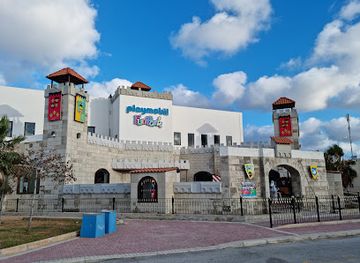
Playmobil FunPark Malta
Experience the whimsical world of Playmobil FunPark Malta, where imagination flourishes and fun-filled adventures await families and children.
10 min drive · 3.3 km from city centre


Best landmarks in Zurrieq
The Parish Church of Saint Catherine is Zurrieq’s principal landmark, its large dome and bell towers forming a visual centre for the surrounding village. Dedicated to Saint Catherine of Alexandria, the church represents the parish’s long religious history and the artistic investment of Malta’s early modern communities. The Xarolla Windmill is a distinctive secular landmark: its stone tower recalls the period when wind power supported Malta’s grain-processing economy and rural settlements. The Xarolla Catacombs, although less visible from the street, are historically significant underground structures associated with Punic and Roman-era funerary practices. Smaller chapels in the districts around Nigret and Bubaqra contribute to the landscape of scattered religious buildings typical of Malta’s villages. Together, these landmarks connect Zurrieq’s present-day streets with ancient burial customs, agricultural life and the parish institutions that shaped its development.
-
Scenic spot
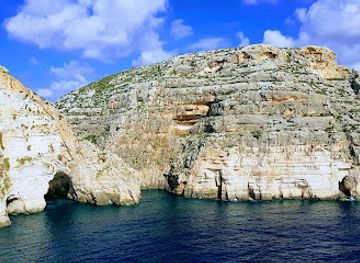
Blue Grotto
Discover the awe-inspiring Blue Grotto in Malta, where stunning sea caves and vibrant blue waters create an unforgettable natural wonder.
5 min drive · 1.8 km from city centre
-
Archaeological site
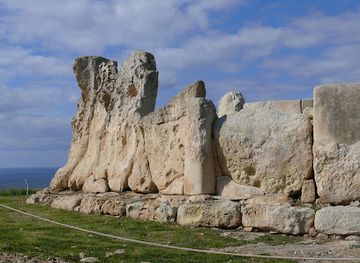
Hagar Qim Temple
Explore the ancient wonders of Hagar Qim Temple, a UNESCO World Heritage site that reveals Malta's rich prehistoric heritage and stunning coastal landscapes.
9 min drive · 3.0 km from city centre
-
Boat tour agency
Blue Grotto Boat Service
Discover the natural beauty of the Blue Grotto in Malta, where stunning caves and crystal-clear waters await your exploration.
7 min drive · 2.3 km from city centre
-
Observation deck
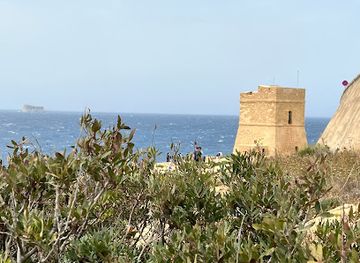
Blue Wall and Grotto Viewpoint
Discover breathtaking views at the Blue Wall and Grotto Viewpoint in Żurrieq, Malta - a must-visit for every traveler seeking natural beauty.
5 min drive · 1.7 km from city centre
Explore Zurrieq on the map
Plan your Zurrieq trip on one map. See where the top attractions, landmarks, restaurants, bars and hotels are, find what's near where you're staying, and book hotels and experiences in a few clicks.
Best hotels in Zurrieq
Best restaurants in Zurrieq
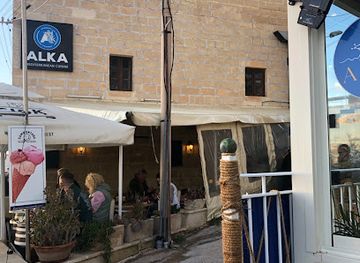
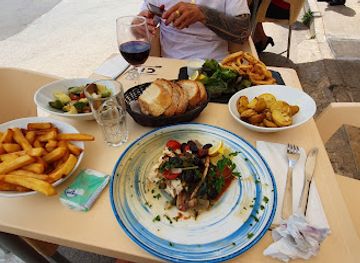
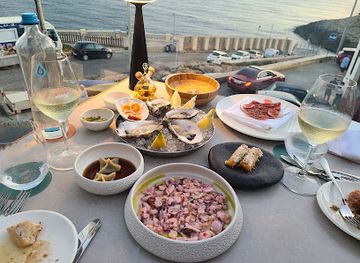
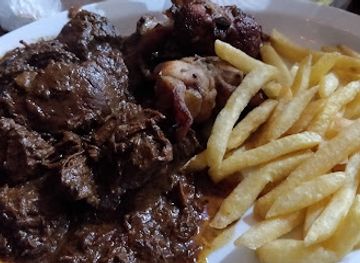
Dining in Zurrieq is rooted in the everyday Maltese pattern of village cafés, family-run eateries and modest restaurants rather than a concentrated fine-dining quarter. Traditional menus may feature pastizzi, filled savoury pastries, ftira, rabbit, fish, gbejna sheep’s cheese and dishes influenced by Malta’s long Mediterranean and Sicilian connections. Seasonal produce, olives, tomatoes and local bread remain important to the island’s food culture, while nearby coastal communities add seafood to the wider southern-Malta dining picture. Small bars and cafés around the centre provide informal places for coffee, snacks and conversation, and village feast periods can bring temporary food stalls and celebratory dishes. Visitors seeking a wider selection can look towards the larger settlements and coastal areas nearby, but Zurrieq itself is most interesting for experiencing the unhurried, locally oriented side of Maltese eating rather than a heavily commercial restaurant scene.
-
Mediterranean
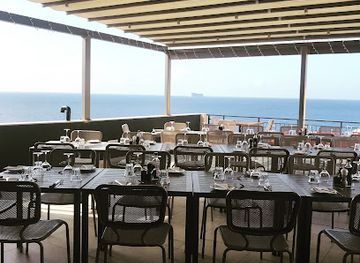
Coast @ Cassarini Restaurant
Discover authentic Mediterranean flavors at Coast @ Cassarini Restaurant with stunning coastal views perfect for any occasion.
7 min drive · 2.2 km from city centre
-
Pizza
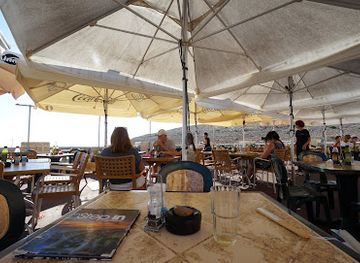
Step In
Experience authentic Italian pizza at Step In in Qrendi – where every slice tells a delicious story.
7 min drive · 2.3 km from city centre
-
Mediterranean
Azul Restaurant
Experience the best of Mediterranean cuisine at Azul Restaurant in Wieq – where every dish tells a delicious story.
7 min drive · 2.2 km from city centre
-
Restaurant
Jack's Eat House (Chef/Owner Kenneth Zahra)
Experience authentic Maltese flavors at Jack's Eat House in Qrendi – where culinary artistry meets local tradition.
18 min walk · 1.4 km from city centre
Best bars in Zurrieq
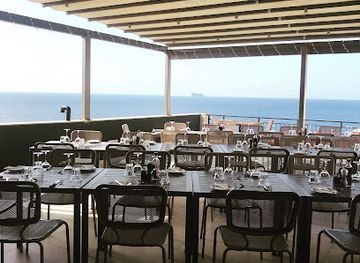
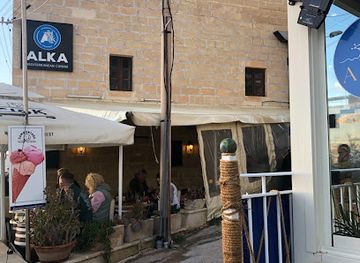
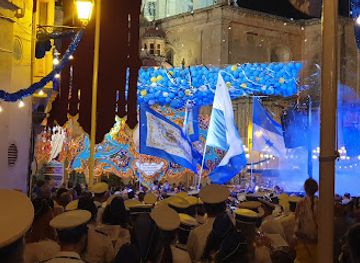
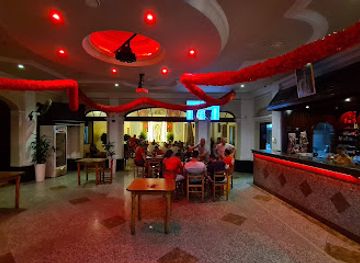
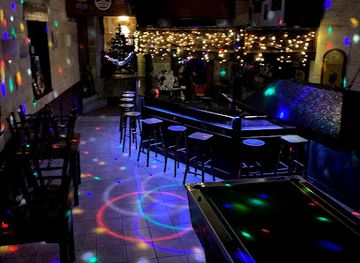
Zurrieq has a restrained evening scene centred on parish social life, local bars, cafés and band-club traditions rather than dedicated nightclubs. After dark, residents commonly gather for conversation, drinks and televised sport, while the festa season brings marching bands, outdoor decorations, processions and temporary activity around the parish church. The village clubs associated with Malta’s band culture are important social institutions, linking music, fundraising and community identity. Visitors seeking late-night dancing, extensive cocktail menus or live-music programming will find a broader choice in Valletta, Sliema, St Julian’s and other larger centres, usually reached by taxi or a combination of bus services. In Zurrieq, evenings are quieter and more local in character, with the atmosphere changing significantly during religious celebrations and summer community events.
-
Mediterranean
Coast @ Cassarini Restaurant
Experience exquisite Mediterranean flavors at Coast @ Cassarini Restaurant, where culinary delights meet breathtaking coastal views in Malta.
7 min drive · 2.2 km from city centre
-
Mediterranean
Azul Restaurant
Experience exquisite Mediterranean dining at Azul Restaurant, where fresh seafood and vibrant flavors come together in a stunning Blue Grotto setting.
7 min drive · 2.2 km from city centre
-
Restaurant
Aalto Restaurant & Bar
Discover Aalto Restaurant & Bar near Blue Grotto, where exquisite cuisine meets stunning Mediterranean views for an unforgettable dining experience.
7 min drive · 2.2 km from city centre
-
Family-friendly
Alexandria Restaurant
Discover the charm of Alexandria Restaurant in Żurrieq, Malta, where family-friendly dining meets delicious Maltese and international cuisine.
2 min walk · 0.2 km from city centre

Best nightclubs in Zurrieq
Zurrieq has a restrained evening scene centred on parish social life, local bars, cafés and band-club traditions rather than dedicated nightclubs. After dark, residents commonly gather for conversation, drinks and televised sport, while the festa season brings marching bands, outdoor decorations, processions and temporary activity around the parish church. The village clubs associated with Malta’s band culture are important social institutions, linking music, fundraising and community identity. Visitors seeking late-night dancing, extensive cocktail menus or live-music programming will find a broader choice in Valletta, Sliema, St Julian’s and other larger centres, usually reached by taxi or a combination of bus services. In Zurrieq, evenings are quieter and more local in character, with the atmosphere changing significantly during religious celebrations and summer community events.
-
Bar
Carmelite Society Queen Victoria Band Club
Discover the charm of Żurrieq at Carmelite Society Queen Victoria Band Club, where local flavors and a warm atmosphere await.
2 min walk · 0.1 km from city centre
-
Bar
St Catherine's Band Club
Discover the vibrant atmosphere of St Catherine's Band Club, a local favorite in Żurrieq offering authentic Maltese experiences and lively entertainment.
1 min walk · 0.1 km from city centre
-
Bar
Nassaba Bar
Experience the lively atmosphere and delicious drinks at Nassaba Bar, a must-visit destination in Żurrieq, Malta.
7 min walk · 0.6 km from city centre
-
Bar
Żurrieq Football Club
Discover the vibrant local culture at Żurrieq Football Club, a lively bar and sports haven perfect for football fans and socializers alike.
1 min walk · 0.1 km from city centre
Best shops in Zurrieq
Shopping in Zurrieq is local and practical, with small grocers, bakeries, convenience shops and independent businesses serving residents rather than a dedicated tourist retail district. The village is a useful place to look for everyday Maltese foods such as bread, pastries, preserves, olive products and locally made cheeses, although availability varies between individual shops. Traditional craft souvenirs, lace, ceramics and decorative objects are more widely encountered in Malta’s larger tourist centres, but the island’s limestone architecture and parish traditions remain visible in the goods and religious items sold locally. There is no large shopping mall or formal bazaar at the heart of Zurrieq; visitors wanting extensive fashion, branded retail or specialist souvenir ranges will need to travel elsewhere. The most distinctive shopping experience here is the ordinary village marketplace of small businesses, where purchases are closely connected to neighbourhood life.
-
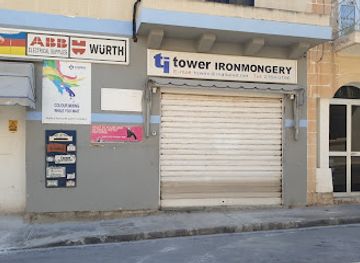
Hardware store
Tower Hardware Store
Explore Tower Hardware Store in Żurrieq for all your DIY needs and experience the local charm of Malta's hardware shopping.
4 min walk · 0.3 km from city centre
-
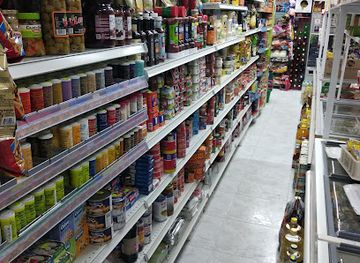
Grocery store
Skunju Market
Discover the vibrant flavors of Malta at Skunju Market, where local produce meets culinary tradition in Żurrieq.
3 min walk · 0.3 km from city centre
-
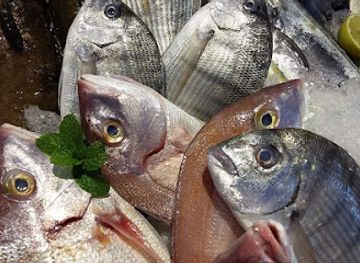
Fish store
La Spigola Fish Shop Zurrieq
Experience the freshest seafood at La Spigola Fish Shop in Żurrieq, where quality meets Mediterranean tradition.
5 min walk · 0.4 km from city centre
-
Stationery store
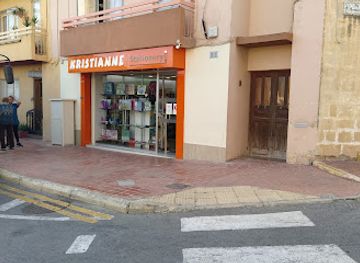
Kristianne Stationery
Discover the charm of Kristianne Stationery in Żurrieq, a paradise for stationery lovers with a unique selection of writing and crafting supplies.
2 min walk · 0.2 km from city centre
Get your free copy of our complete guide to Zurrieq, delivered straight to you.
Everything on this page, from attractions and restaurants to essentials and local phrases, in one PDF you can read offline, print or share.
Already have an account? Sign in
Your Zurrieq guide is ready.
We'll send it to · Not you? Sign out

Getting your guide ready…
We are putting together a fresh copy of the Zurrieq guide. This can take up to a minute.
This can take a few moments. If your browser asks, choose Allow so the download can start. You'll find the guide in your Downloads folder.
Nothing happened? Download it again
Sorry, the guide is taking longer than usual. Please try again in a minute, or get it by email instead.
Zurrieq essentials
Currency and Payment
Safety
Emergency Situations
Do's and Don'ts
Local Tips
From Eve
Local phrases worth knowing
You don't need to get them perfect. A few words go a long way, and locals appreciate the effort.
Basics
| English | Local | Say it |
|---|---|---|
| Hello | Hello | [Ħello] |
| Goodbye | Saħħa | [Sa-hha] |
| Yes | Iva | [I-va] |
| No | Le | [Le] |
| Please/You're welcome | Jekk jogħġbok | [Yekk yoj-bok] |
| Thank you | Grazzi | [Grat-si] |
| Excuse me/Sorry | Jiddispjaċini | [Yid-dis-pya-chi-ni] |
| How are you? | Kif int? | [Kif int?] |
| Fine. And you? | Tajjeb. U int? | [Tai-yeb. U int?] |
| Do you speak English? | Titkellem bl-Ingliż? | [Tit-kel-lem bl-Ing-liz?] |
| I don't understand | Ma nifhimx | [Ma nif-hims] |
Eating & Drinking
| English | Local | Say it |
|---|---|---|
| I'd like to see the menu, please | Nixtieq inara l-menu, jekk jogħġbok | [Nis-tyek ina-ra l-mi-nu, yekk yoj-bok] |
| I don't eat meat | Ma niekolx laħam | [Ma nyek-ol la-ham] |
| Cheers! | Seħħ! | [Sehh] |
| I would like to pay, please | Nixtieq inħallas, jekk jogħġbok | [Nis-tyek in-hal-las, yekk yoj-bok] |
Emergencies
| English | Local | Say it |
|---|---|---|
| Help! | Għajt! | [Ayt] |
| Go away! | Mur! | [Mur] |
| Call the Police! | Illejla l-Pulizija! | [Il-ley-la l-Pu-li-zi-ya] |
| Call a doctor! | Illejla tabib! | [Il-ley-la ta-beeb] |
| I'm lost | Ninsab ħoloq | [Nin-sab ho-lok] |
| I'm ill | Nixtieq tabib | [Nis-tyek ta-beeb] |
Shopping
| English | Local | Say it |
|---|---|---|
| I'd like to buy... | Nixtieq intixtri... | [Nis-tyek in-tish-tri...] |
| I'm just looking | Qed nara biss | [Ked na-ra bis] |
| How much is it? | Kemm jiswa? | [Kemm yis-wa?] |
| That's too expensive | Dan huwa wisq sħiħ | [Dan hoo-wa wisq s-hee] |
| Can you lower the price? | Tista' tniżżel il-prezz? | [Tis-ta tni-zzel il-prez?] |
Time & Numbers
| English | Local | Say it |
|---|---|---|
| What time is it? | X'ħin hu? | [Shin hoo?] |
| It's one o'clock | Huwa l-ewwel siegħa | [Hoo-wa l-ew-wel si-ya] |
| Half past (10) | Nofs il-ġurnata (10) | [Nofs il-jur-na-ta (10)] |
| Morning | Filgħodu | [Fil-god-u] |
| Afternoon | Waranofsinhar | [Wa-ra-nofs-in-har] |
| Evening | Filgħaxija | [Fil-ga-hi-ya] |
| Yesterday | Ilbieraħ | [Il-bi-er-ah] |
| Today | Illum | [Il-lum] |
| Tomorrow | Għada | [A-ada] |
| 1 | Wieħed | [Wee-hed] |
| 2 | Tnejn | [Tnejn] |
| 3 | Tlieta | [Tlie-ta] |
| 4 | Erba' | [Er-ba] |
| 5 | Ħamsa | [Ham-sa] |
| 6 | Sitta | [Sit-ta] |
| 7 | Sebgħa | [Seb-gha] |
| 8 | Tmienja | [Tmien-ya] |
| 9 | Disgħa | [Dis-gha] |
| 10 | Għaxra | [Gha-ra] |
Transport & Directions
| English | Local | Say it |
|---|---|---|
| Where's a/the...? | Fejn hemm... | [Feyn hemm...] |
| What's the address? | X'inhu l-indirizz? | [Shin-hoo l-in-di-riz?] |
| Can you show me (on the map)? | Tista' turini (fuq il-mappa)? | [Tis-ta tu-ree-ni (fuq il-map-pa)?] |
| When's the next (bus)? | Meta hu l-ġurnata li ġejja (l-għatba)? | [Me-ta hoo l-jur-na-ta li jay-ya (l-at-ba)?] |
| A ticket (to ....) | Biljett (għall ....) | [Bil-jett (al ....)] |
History of Zurrieq
Prehistoric and Ancient Traces
The territory around Zurrieq has been occupied since Malta’s prehistoric periods, when communities used the island’s limestone landscapes for farming, settlement and burial. The Xarolla Catacombs, a subterranean complex associated with the Punic and Roman periods, preserve evidence of later funerary customs and demonstrate the area’s importance before the formation of the modern town. Malta’s position in the central Mediterranean brought successive cultural influences, and the archaeological remains around Zurrieq reflect changing religious and social practices rather than a single continuous urban settlement. Fields, valleys and natural resources continued to shape habitation long after the ancient periods had ended.
An Arabic-Inherited Place Name
Zurrieq’s name is generally linked to Malta’s Arabic linguistic heritage, which developed during the medieval period when agricultural settlements and rural estates were reorganised across the island. The exact interpretation of the name is not entirely certain, but its form belongs to the layer of Arabic-derived Maltese place names found throughout the countryside. After the Norman conquest of Malta in 1091, the island entered a new Christian political order, while many earlier patterns of land use and settlement endured. The village grew gradually around farms, chapels and watercourses rather than being established as a single planned foundation.
Parish Formation and Rural Growth
Zurrieq became a parish in 1436, reflecting the growing importance of the community within Malta’s medieval ecclesiastical structure. Its population was connected to agriculture, livestock, craft production and the cultivation of crops suited to the island’s dry climate. The surrounding districts, including Nigret and Bubaqra, developed as rural settlements associated with the main village. During the later medieval and early modern periods, chapels and domestic buildings helped define the local landscape, while the parish provided an institutional focus for religious observance, charity and community identity.
The Knights and the Parish Church
Under the Order of Saint John, which ruled Malta from 1530 to 1798, Zurrieq benefited from the wider construction and religious development that transformed the island. The present Parish Church of Saint Catherine was built and enlarged during the seventeenth and eighteenth centuries, replacing earlier structures and expressing the prosperity and devotional life of the parish. The period also saw the development of agricultural infrastructure, including windmills such as the Xarolla Windmill. These buildings connected the village to Malta’s agrarian economy, processing grain and supporting communities beyond the fortified harbour cities.
From British Rule to Contemporary Malta
The arrival of the British in 1800 introduced new administrative and economic structures, although Zurrieq remained predominantly a village community shaped by farming and parish life. The twentieth century brought improved roads, expanded housing and closer links with Malta’s growing urban and industrial areas. After Malta gained independence in 1964 and later developed rapidly as a modern European state, Zurrieq became increasingly connected to the airport, southern towns and employment centres. Its historic church, chapels, archaeological remains and rural edges now stand alongside contemporary housing, preserving visible evidence of the transition from agricultural settlement to modern municipality.
Zurrieq in Photos
Browse through our photo collection highlighting the charm and character of the destination.
Cities near Zurrieq
The closest cities to Zurrieq, if you have time for more than one stop.
-

-

-

-

-


Swipe for more cities
Explore more
Explore more of Malta
Discover Malta's crystal-clear waters, rich history, and vibrant culture. From ancient temples to modern nightlife, this Mediterranean gem offers something for everyone.
Explore Malta