

Free Marsaskala Travel Guide & Mobile App
Plan your Marsaskala trip with Evendo. Get free guides to top attractions, restaurants, hotels, and bars. Web access or download the mobile app.


Marsaskala, Malta, pairs a fishing-bay atmosphere with watchtowers, salt pans, coastal walks and easy access to the island’s historic southeast.
A Coastal Town in Malta’s Southeast
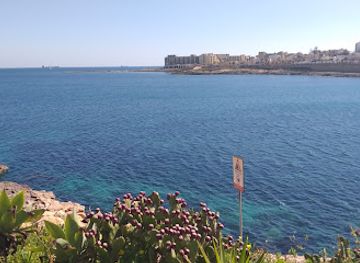
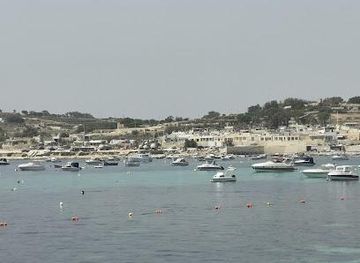
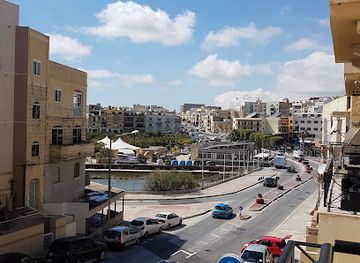
Marsaskala curves around a broad, sheltered bay on Malta’s southeastern coast, where fishing boats, modern apartment buildings and low limestone shorelines share the waterfront. Often known locally as Wied il-Għajn, the town has grown from a small maritime settlement into a residential seaside community, yet its relationship with the water remains central. The promenade follows the bay past cafés, swimming spots and harbour views, while the open coast around Żonqor Point offers a more exposed landscape of rock, sea and sky.Read more about Marsaskala
Towers, Churches and Salt Pans
Everyday Seaside Life
When is the best time to visit Marsaskala?
Best: June, September–October · 25–29°C| Month | High (°C) | Rainfall (mm) |
|---|---|---|
| January | 17 | 101 |
| February | 17 | 91 |
| March | 18 | 81 |
| April | 19 | 71 |
| May | 23 | 61 |
| June (best) | 28 | 41 |
| July | 30 | 31 |
| August | 31 | 31 |
| September (best) | 29 | 41 |
| October (best) | 25 | 61 |
| November | 21 | 71 |
| December | 18 | 81 |
Getting to and around Marsaskala
How to get there
Transportation
Best attractions in Marsaskala
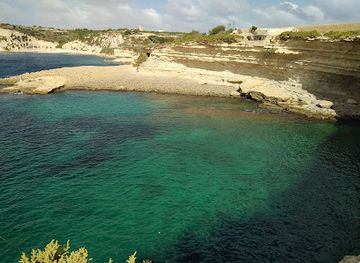
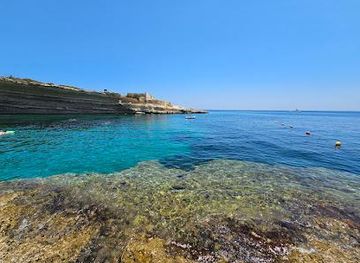
Marsaskala’s principal attractions are closely tied to its coastline and community life. The promenade around the main bay is the natural starting point, with fishing boats, swimming areas and views towards the open Mediterranean. St Thomas Tower gives the shore a powerful historical presence, while the rocky landscape around Żonqor Point offers quieter walking and a sense of Malta’s exposed limestone coast. Inland, Mamo Tower provides a glimpse of fortified rural architecture, although its setting and access should be checked before planning a visit. The town’s salt pans are an especially distinctive feature: shallow geometric cuts in the rock that reflect traditional coastal salt production. The parish church of St Anne adds a local religious and cultural focus, particularly during its annual festa. Marsaskala is also well placed for excursions towards the harbour village of Marsaxlokk, the old town of Żejtun and Malta’s southeastern archaeological sites.
-
Tourist attraction
Xrobb l-Għaġin
Explore the breathtaking cliffs and scenic views of Xrobb l-Għagin, a natural park in Malta that promises tranquility and stunning landscapes.
6 min drive · 2.0 km from city centre
-
Tourist attraction
Darmanin Salt Pans
Explore the historic Darmanin Salt Pans in Marsaskala, Malta, a unique blend of natural beauty and cultural heritage.
11 min walk · 0.9 km from city centre
-
Bay
St Thomas Bay
St. Thomas Bay: A tranquil retreat in Malta offering stunning views, crystal-clear waters, and unforgettable experiences for every traveler.
14 min walk · 1.2 km from city centre
-
Tourist attraction
Il-Ħofra l-Kbira
Discover the breathtaking views and rich biodiversity of Il-Ġofra l-Kbira, an essential natural attraction in Malta for all nature lovers and adventurers.
7 min drive · 2.5 km from city centre
Best landmarks in Marsaskala
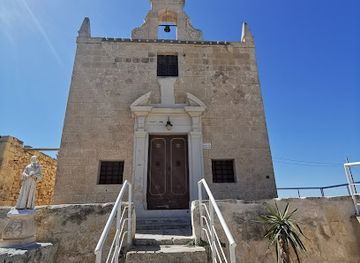
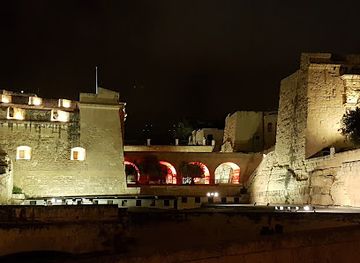
St Thomas Tower is Marsaskala’s defining landmark, a substantial coastal fortification commissioned by Grand Master Alof de Wignacourt in 1614 to strengthen surveillance of Malta’s southeastern shore. Mamo Tower, built in 1657, has a different story: its fortified domestic form demonstrates how defence also reached the rural landscape beyond the main harbour walls. The parish church of St Anne represents the town’s communal and religious identity, with its architecture and feast traditions woven into local life. Along the shore, Żonqor’s salt pans are historical landscape features rather than monumental buildings, preserving evidence of how Malta’s rocky coastline was used for salt production. Together, these places reveal Marsaskala as a settlement shaped by military caution, parish culture, maritime work and the practical use of its limestone bays.
-
Bar
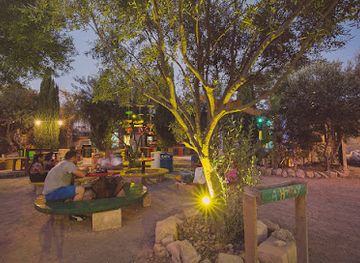
Zion Bar & Restaurant
Experience the vibrant atmosphere and delicious flavors at Zion Bar & Restaurant, your go-to spot in St. Thomas Bay, Malta.
12 min walk · 1.0 km from city centre
-
Park
Sant'Antnin Family Park
Explore Sant'Antnin Family Park in Marsaskala, a peaceful retreat with lush greenery, family-friendly activities, and beautiful walking trails.
15 min walk · 1.2 km from city centre
-
Pizza
Al Legna Pizzeria
Experience the best of Malta's pizza scene at Al Legna Pizzeria, where fresh ingredients meet authentic Italian recipes for an unforgettable meal.
10 min walk · 0.8 km from city centre
-
Historical landmark
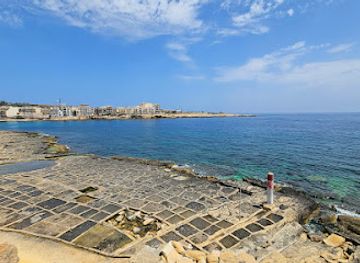
Salt pans
Experience the historical significance and stunning beauty of the Salt Pans in Marsaskala, a unique attraction that showcases Malta's rich tradition of salt harvesting.
6 min walk · 0.5 km from city centre
Explore Marsaskala on the map
Plan your Marsaskala trip on one map. See where the top attractions, landmarks, restaurants, bars and hotels are, find what's near where you're staying, and book hotels and experiences in a few clicks.
Best hotels in Marsaskala
Best restaurants in Marsaskala
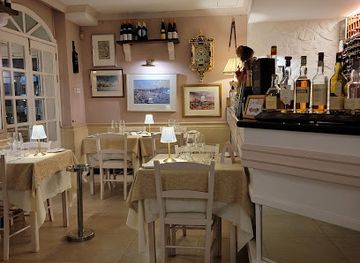
Marsaskala’s dining scene follows the shape of the bay, with waterfront cafés, family-run restaurants and casual places where seafood and Mediterranean cooking are natural choices. Fresh fish, octopus and shellfish appear alongside Maltese staples such as rabbit, ġbejniet, bigilla, pastizzi and ftira, the island’s rustic filled bread. Menus also reflect Malta’s Italian and broader Mediterranean connections, with pasta, pizza and grilled dishes widely represented. Light meals beside the promenade suit a daytime visit, while more substantial restaurants tend to concentrate around the central waterfront and harbour streets. Local bakeries and cafés are useful for simple breakfasts, coffee and savoury pastries. Marsaskala is not defined by a single signature dish; its food culture is better understood through the combination of fishing traditions, village cooking, limestone-coast agriculture and contemporary seaside dining.
-
Steak
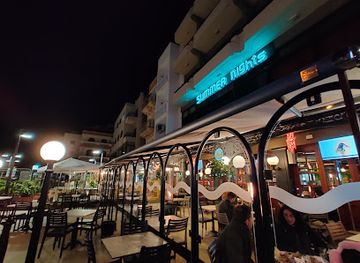
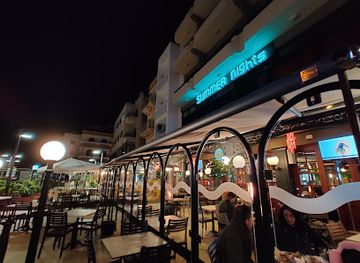
Summer Nights Pub & Grill
Discover mouthwatering steaks and delightful cocktails at Summer Nights Pub & Grill in Marsaskala—where every meal is an unforgettable experience by the sea.
7 min walk · 0.5 km from city centre
-
Mediterranean
Tal-Familja Restaurant
Experience authentic Maltese cuisine at Tal-Familja Restaurant in Marsaskala - where tradition meets flavor amidst breathtaking coastal views.
6 min walk · 0.4 km from city centre
-
Pizza
Al Legna Pizzeria
Experience authentic Italian pizza at Al Legna Pizzeria in Marsaskala – where every slice is a taste of Italy.
10 min walk · 0.8 km from city centre
-
Mediterranean
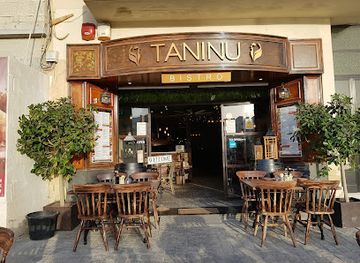
Taninu Bistro
Experience authentic Mediterranean flavors at Taninu Bistro in Marsaskala – where every dish tells a story.
5 min walk · 0.4 km from city centre


Best bars in Marsaskala
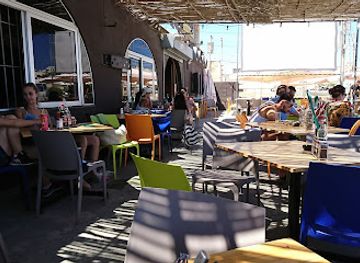
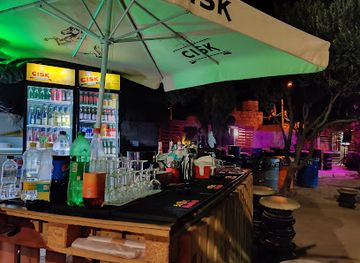
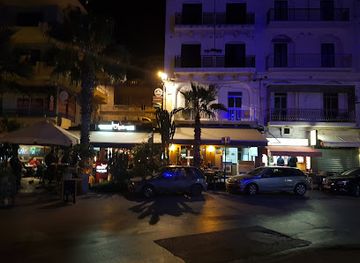
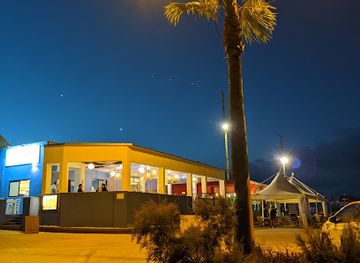
Evenings in Marsaskala are generally relaxed rather than club-centred. The waterfront and main bay attract residents and visitors to cafés, bars and restaurants, with outdoor tables especially popular during the warmer months. A drink overlooking the boats or a slow promenade walk is more characteristic of the town than a late-night club circuit. Small bars may show sport or provide informal local meeting places, while larger nightlife choices are found in Valletta, Sliema and other parts of Malta rather than within Marsaskala itself. Summer religious festas can bring band music, processions, illuminated streets and temporary social activity, offering a distinctly Maltese evening experience. Visitors should remember that the surrounding streets are residential, so noise and late-night behaviour matter more here than in dedicated entertainment districts.
-
Bar
Zion Bar & Restaurant
Discover the vibrant atmosphere and delightful flavors at Zion Bar & Restaurant by St. Thomas Bay, a must-visit destination in Malta.
12 min walk · 1.0 km from city centre
-
Steak
Summer Nights Pub & Grill
Experience the best of Maltese hospitality at Summer Nights Pub & Grill, where delectable steaks and refreshing cocktails await in a vibrant atmosphere.
7 min walk · 0.5 km from city centre
-
Mediterranean
Tal-Familja Restaurant
Experience the authentic tastes of Malta at Tal-Familja Restaurant, a Mediterranean haven in the heart of Marsaskala.
6 min walk · 0.4 km from city centre
-
Pub
Lemon 'n Lime Pub
Discover the vibrant atmosphere of Lemon 'n Lime Pub in Marsaskala, Malta, where local culture and hospitality meet a relaxing seaside escape.
7 min walk · 0.5 km from city centre

Best nightclubs in Marsaskala
Evenings in Marsaskala are generally relaxed rather than club-centred. The waterfront and main bay attract residents and visitors to cafés, bars and restaurants, with outdoor tables especially popular during the warmer months. A drink overlooking the boats or a slow promenade walk is more characteristic of the town than a late-night club circuit. Small bars may show sport or provide informal local meeting places, while larger nightlife choices are found in Valletta, Sliema and other parts of Malta rather than within Marsaskala itself. Summer religious festas can bring band music, processions, illuminated streets and temporary social activity, offering a distinctly Maltese evening experience. Visitors should remember that the surrounding streets are residential, so noise and late-night behaviour matter more here than in dedicated entertainment districts.
-
Bar
Zion Bar & Restaurant
Experience the vibrant nightlife and delicious cuisine at Zion Bar & Restaurant in St. Thomas Bay, Marsaskala.
12 min walk · 1.0 km from city centre
-
Steak
Summer Nights Pub & Grill
Experience delightful dining at Summer Nights Pub & Grill in Marsaskala, Malta – where flavorful steaks meet a vibrant bar atmosphere.
7 min walk · 0.5 km from city centre
-
Pub
Lemon 'n Lime Pub
Experience the vibrant atmosphere of Lemon 'n Lime Pub in Marsaskala, where local culture and great music come together for an unforgettable night out.
7 min walk · 0.5 km from city centre
-
Bar
TriBeCa Bar and Lounge
Discover the dynamic vibe of TriBeCa Bar and Lounge in Marsaskala – a premier destination for cocktails and camaraderie in Malta.
10 min walk · 0.8 km from city centre
Best shops in Marsaskala
Shopping in Marsaskala is centred on everyday local commerce rather than a major retail quarter. Small supermarkets, bakeries, pharmacies, convenience shops and independent businesses serve residents along and near the main streets, while the waterfront includes places to buy snacks, drinks and holiday essentials. Visitors looking for Maltese products can seek out local honey, olive oil, preserves, wine, ceramics, lace and ġbejniet, although selection varies by shop and season. The town’s strongest retail atmosphere comes from its food businesses and practical neighbourhood shopping rather than designer boutiques or large department stores. For broader browsing, Valletta, Sliema and larger commercial centres elsewhere on Malta provide more extensive fashion and speciality retail. Marsaskala’s shopping character is closely connected with its residential rhythm and seaside setting.
-
Supermarket
Sparkle Image - Marsaskala
Explore Sparkle Image Supermarket in Marsaskala for a delightful selection of local and international products that captures the essence of Maltese culture.
4 min walk · 0.3 km from city centre
-
Supermarket
St.Thomas Supermarket
Discover St. Thomas Supermarket in Marsaskala: Your essential destination for local and international products during your Maltese adventure.
3 min walk · 0.3 km from city centre
-
Supermarket
Convenience shop
Explore Marsaskala's Convenience Shop for all your essentials and local delights in a charming supermarket setting.
5 min walk · 0.4 km from city centre
-
Do-it-yourself shop
JS Hardware store
Discover a diverse range of DIY supplies at JS Hardware Store in Marsaskala, Malta, perfect for travelers and crafting enthusiasts.
5 min walk · 0.4 km from city centre
Get your free copy of our complete guide to Marsaskala, delivered straight to you.
Everything on this page, from attractions and restaurants to essentials and local phrases, in one PDF you can read offline, print or share.
Already have an account? Sign in
Your Marsaskala guide is ready.
We'll send it to · Not you? Sign out

Getting your guide ready…
We are putting together a fresh copy of the Marsaskala guide. This can take up to a minute.
This can take a few moments. If your browser asks, choose Allow so the download can start. You'll find the guide in your Downloads folder.
Nothing happened? Download it again
Sorry, the guide is taking longer than usual. Please try again in a minute, or get it by email instead.
Marsaskala essentials
Currency and Payment
Safety
Emergency Situations
Do's and Don'ts
Local Tips
From Eve
Local phrases worth knowing
You don't need to get them perfect. A few words go a long way, and locals appreciate the effort.
Basics
| English | Local | Say it |
|---|---|---|
| Hello | Merħba | [mer-hba] |
| Goodbye | Ċaw | [chaw] |
| Yes | Iva | [ee-va] |
| No | Le | [leh] |
| Please/You're welcome | Jekk jogħġbok | [yekk yohb-hbok] |
| Thank you | Grazzi | [grat-see] |
| Excuse me/Sorry | Skuzi | [skoo-zee] |
| How are you? | Kif int? | [keef eent] |
| Fine. And you? | Tajjeb. U int? | [tai-yeb. oo eent] |
| Do you speak English? | Titkellem bl-Ingliż? | [tit-kel-lem bl ing-lees] |
| I don't understand | Ma nifhimx | [ma neef-heems] |
Eating & Drinking
| English | Local | Say it |
|---|---|---|
| I'd like to see the menu, please | Nixtieq inara l-menu, jekk jogħġbok | [nisht-yek ee-nara l-men-oo yekk yohb-hbok] |
| I don't eat meat | Ma nikkulx laħam | [ma nik-kools la-ham] |
| Cheers! | Saħħa! | [sah-ha] |
| I would like to pay, please | Nixtieq inħallas, jekk jogħġbok | [nisht-yek in-hal-las yekk yohb-hbok] |
Emergencies
| English | Local | Say it |
|---|---|---|
| Help! | Għajnuna! | [ai-noo-na] |
| Go away! | Mur għalik! | [moor al-leek] |
| Call the Police! | Ibgħat il-Pulizija! | [ib-gat il-poo-li-zi-ya] |
| Call a doctor! | Ibgħat tabib! | [ib-gat ta-beeb] |
| I'm lost | Inkejt | [ink-eyt] |
| I'm ill | Jien maħdum | [yee-en mah-doom] |
Shopping
| English | Local | Say it |
|---|---|---|
| I'd like to buy... | Nixtieq inkun | [nisht-yek in-koon] |
| I'm just looking | Inħares biss | [in-har-es bis] |
| How much is it? | Kemm jiswa? | [kemm yis-wa] |
| That's too expensive | Dan huwa wisqgħalik | [dan hoo-wa wees-ugh-ha-leek] |
| Can you lower the price? | Tista' tieħu prezz iżgħar? | [tees-ta tee-ehu prezz iz-ar] |
Time & Numbers
| English | Local | Say it |
|---|---|---|
| What time is it? | Xi ħin huwa? | [shee heen hoo-wa] |
| It's one o'clock | Huwa l-ewwel siegħa | [hoo-wa l-ew-el see-eha] |
| Half past (10) | Noqsan (10) | [noks-an (10)] |
| Morning | Filgħodu | [fil-od-oo] |
| Afternoon | Waranofsinhar | [war-a-no-fsin-har] |
| Evening | Fl-ewwel lejl | [fl-ew-el layl] |
| Yesterday | Ilbieraħ | [il-bee-er-ah] |
| Today | Illum | [ee-lum] |
| Tomorrow | Għada | [a-da] |
| 1 | Wieħed | [wee-hed] |
| 2 | Tnejn | [tneyn] |
| 3 | Tlieta | [tlee-ta] |
| 4 | Erba' | [er-ba] |
| 5 | Ħamsa | [ham-sa] |
| 6 | Sitta | [sit-ta] |
| 7 | Seb'a | [seb-a] |
| 8 | Tmienja | [tmi-en-ya] |
| 9 | Disgħa | [dis-a] |
| 10 | Għaxra | [a-hax-ra] |
Transport & Directions
| English | Local | Say it |
|---|---|---|
| Where's a/the...? | Fejn hemm... | [feyn hemm] |
| What's the address? | X'inhu l-indirizz? | [shee-nu l-in-di-rizz] |
| Can you show me (on the map)? | Tista' turi li (fuq il-mappa)? | [tees-ta too-ree lee fooq il-map-pa] |
| When's the next (bus)? | Meta jasal il-ġej? | [meh-ta ya-sal il-gey] |
| A ticket (to ....) | Biljett (għal ....) | [bil-yet (al)] |
History of Marsaskala
A Maritime Settlement in the Southeast
Marsaskala developed around a sheltered inlet on Malta’s southeastern coast, a location suited to fishing, boat shelter and small-scale coastal activity. The name is generally linked to the Arabic-derived word marsa, meaning harbour or anchorage, while the second element is associated with a channel or inlet. The surrounding countryside was historically agricultural, and the bay connected village life with the sea rather than with large-scale urban commerce. Marsaskala’s early story is therefore best understood through its geography: a useful landing place, a working shoreline and a rural hinterland. Later residential growth transformed the settlement’s scale, but fishing boats, salt pans and the shape of the bays still preserve traces of its maritime origins.
The Knights Strengthen the Coast
During the rule of the Order of St John, Malta’s exposed coastline was reinforced with towers and other defensive works. St Thomas Tower was commissioned in 1614 by Grand Master Alof de Wignacourt and formed part of a network intended to watch the coast and deter incursions. Unlike a purely ceremonial monument, the tower was designed for defence, with substantial masonry and a commanding position above St Thomas Bay. Its construction reflects the military priorities of early seventeenth-century Malta, when coastal surveillance was being expanded beyond the major harbours. The tower remains Marsaskala’s most prominent historical structure and gives the bay a direct connection with the island’s fortified landscape.
Mamo Tower and Rural Defences
Mamo Tower, built in 1657, represents another strand of Malta’s defensive history. Unlike the large coastal towers raised directly by the Order, it was constructed by the Mamo family as a fortified residence in the countryside near Marsaskala. Its compact plan and defensible character reflect the insecurity that could affect rural communities as well as the coast. The tower belonged to a wider system of watchpoints, fortified houses and military works that used Malta’s limestone terrain to monitor movement. Although the landscape around it has changed considerably, Mamo Tower helps explain how defence extended into agricultural areas and how private families participated in the protection of the island.
From Fishing Village to Parish Community
Marsaskala’s development as a recognisable village was closely connected with fishing, farming and the gradual consolidation of local religious life. The parish church dedicated to St Anne became an important focus for the community, with the annual feast contributing to the town’s calendar of processions, decorations and social gatherings. As Malta’s population increased during the nineteenth and twentieth centuries, Marsaskala’s accessible bays and relatively open surroundings encouraged further settlement. The town retained its working-coast identity while acquiring the services, streets and housing associated with a modern parish. This transition explains the mixed character visible today, where older maritime references stand beside later apartment blocks and busy local amenities.
Modern Seaside Expansion
In the later twentieth century and into the present, Marsaskala became increasingly connected with Malta’s wider urban and commuter network. New housing extended along the bays and inland roads, while the promenade, swimming areas and waterfront businesses strengthened the town’s role as a local seaside centre. The expansion brought residents and seasonal visitors without turning Marsaskala into a resort on the scale of some northern coastal districts. Its historic towers, salt pans, parish traditions and fishing-related imagery remain part of the town’s identity, even as daily life is shaped by contemporary transport, residential development and links with Valletta and the southeastern towns.
Marsaskala in Photos
Browse through our photo collection highlighting the charm and character of the destination.
Cities near Marsaskala
The closest cities to Marsaskala, if you have time for more than one stop.
-

-
-

-

-


Swipe for more cities
Explore more
Explore more of Malta
Discover Malta's crystal-clear waters, rich history, and vibrant culture. From ancient temples to modern nightlife, this Mediterranean gem offers something for everyone.
Explore Malta