

Pocomoke River State Park Travel Guide - Free Web & App
Your ultimate guide to Pocomoke River State Park. Discover top landmarks, proposed trips, and local tips. Free on the web or via the Evendo companion app.


Pocomoke River State Park in Maryland reveals cypress swamps, blackwater paddling, quiet trails, camping and wildlife near Snow Hill and Pocomoke City.
River, Forest and Swamp
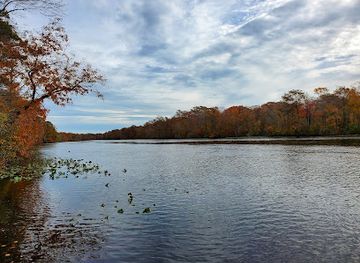
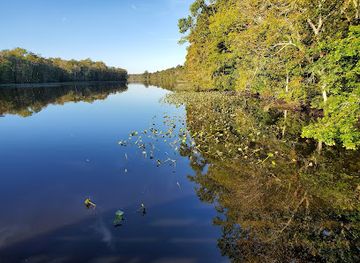
Pocomoke River State Park protects an atmospheric stretch of Maryland’s Eastern Shore, where the tea-coloured Pocomoke River moves slowly through bald-cypress swamps, loblolly pine forest and low-lying Coastal Plain wetlands. The park is divided between two principal areas: Shad Landing, near Snow Hill, and Milburn Landing, closer to Pocomoke City. Together they provide access to a landscape shaped by dark, tannin-rich water, wooded banks and seasonal changes in the river’s floodplain.Read more about Pocomoke River State Park
Exploring the Park
Eastern Shore Character
When is the best time to visit Pocomoke River State Park?
Best: May–June, September · 24–28°C| Month | High (°C) | Rainfall (mm) |
|---|---|---|
| January | 6 | 78 |
| February | 7 | 72 |
| March | 12 | 92 |
| April | 18 | 82 |
| May (best) | 24 | 88 |
| June (best) | 28 | 92 |
| July | 31 | 100 |
| August | 30 | 100 |
| September (best) | 27 | 92 |
| October | 21 | 82 |
| November | 14 | 78 |
| December | 8 | 82 |
Getting to and around Pocomoke River State Park
How to get there
Transportation
Best attractions in Pocomoke River State Park
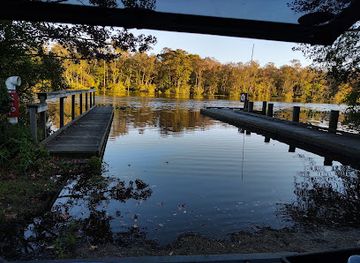
Pocomoke River State Park’s principal attraction is the river itself, a dark-water channel bordered by bald cypress, tupelo and other floodplain vegetation. At Shad Landing, visitors can combine woodland trails, picnicking, camping, a nature centre and access for canoeing or kayaking, with the precise suitability of waterways depending on conditions and local guidance. Milburn Landing provides a quieter setting for river access, walking and observing the forest away from the larger developed area. The surrounding Pocomoke Forest adds a broader sense of scale, with extensive pine and mixed woodland supporting a range of birdlife and other wildlife. The park is also well placed for excursions to Snow Hill, whose historic streets and riverside setting offer a cultural counterpoint to the wetlands, and to Pocomoke City, a regional service centre with links to the lower river and the wider Eastern Shore.
-
State park
Pocomoke River State Park: Milburn Landing
Experience the natural beauty and tranquility of Pocomoke River State Park: Milburn Landing, a perfect destination for outdoor adventures and family picnics.
Best landmarks in Pocomoke River State Park
The Pocomoke River is the park’s defining natural landmark, recognised by its slow course, dark tannin-stained water and wooded floodplain. Bald-cypress stands give the river margins a distinctive character, particularly where trunks and knees rise from wet ground and shallow water. Shad Landing and Milburn Landing are the park’s principal named access areas, marking two different recreational approaches to the same river system. The surrounding Pocomoke Forest is significant as a surviving expanse of Eastern Shore woodland and wetland habitat rather than as a single monumental feature. Outside the park, Snow Hill’s historic town centre and riverside setting provide the nearest substantial architectural and cultural contrast, while Pocomoke City reflects the commercial history of the lower river region. These landmarks are best understood as parts of a connected Coastal Plain landscape shaped by water, forest and rural settlement.
-
State park
Pocomoke River State Park: Milburn Landing
Explore the breathtaking Pocomoke River State Park: Milburn Landing, where adventure meets tranquility in Maryland's natural paradise.
Explore Pocomoke River State Park on the map
Plan your trip on one map. See where the top attractions, landmarks, restaurants and hotels are, and book hotels and experiences in a few clicks.
Best hotels in Pocomoke River State Park
Best restaurants in Pocomoke River State Park
Pocomoke River State Park has no substantial restaurant district, so visitors usually arrange meals at their campsite or travel to Snow Hill, Pocomoke City and other nearby Eastern Shore communities. The region’s food culture reflects Maryland’s coastal geography and rural economy, with seafood, crab, oysters when in season, fried fish, locally produced vegetables and classic American diner and barbecue traditions appearing across the wider area. Snow Hill provides a useful dining base for the Shad Landing side of the park, while Pocomoke City is convenient for visitors approaching Milburn Landing or travelling along US 13. Local cafés, family restaurants, takeaway counters and supermarkets are more relevant here than destination dining within the park itself. Picnic supplies should be purchased before entering the rural park areas, particularly when planning a full day on trails or the river.
-
State park
Pocomoke River State Park: Milburn Landing
Discover tranquility at Pocomoke River State Park: Milburn Landing, where nature meets adventure in Maryland's serene landscapes.
Best shops in Pocomoke River State Park
Shopping within Pocomoke River State Park is limited to practical visitor needs and park-related facilities, so most supplies should be obtained in Snow Hill, Pocomoke City or another nearby service town. Independent shops, supermarkets, cafés and outdoor retailers in the surrounding area can provide food, drinks, camping essentials and equipment for a day outdoors. Snow Hill’s historic centre offers a more characterful setting for browsing local businesses, while the wider Eastern Shore is known for regional food products, seafood, farm goods, artwork and crafts associated with rural and coastal life. Availability of specialist items should not be assumed in the park’s immediate vicinity. Visitors looking for local produce may find farm stands or seasonal sellers along nearby roads, but these are not necessarily permanent markets and opening patterns can vary.
-
State park
Pocomoke River State Park: Milburn Landing
Discover nature's tranquility at Pocomoke River State Park: Milburn Landing, where outdoor adventures and serene landscapes await.
Get your free copy of our complete guide to Pocomoke River State Park, delivered straight to you.
Everything on this page, from attractions and restaurants to essentials and local phrases, in one PDF you can read offline, print or share.
Already have an account? Sign in
Your Pocomoke River State Park guide is ready.
We'll send it to · Not you? Sign out

Getting your guide ready…
We are putting together a fresh copy of the Pocomoke River State Park guide. This can take up to a minute.
This can take a few moments. If your browser asks, choose Allow so the download can start. You'll find the guide in your Downloads folder.
Nothing happened? Download it again
Sorry, the guide is taking longer than usual. Please try again in a minute, or get it by email instead.
Pocomoke River State Park essentials
Currency and Payment
Safety
Emergency Situations
Do's and Don'ts
Local Tips
From Eve
Local phrases worth knowing
You don't need to get them perfect. A few words go a long way, and locals appreciate the effort.
Basics
| English | Local | Say it |
|---|---|---|
| Hello | Howdy | [haʊ-di] |
| Goodbye | See ya later | [siː jə ˈleɪtər] |
| Yes | Yep | [jɛp] |
| No | Nah | [nɑː] |
| Please/You're welcome | Please and thank ya | [pliːz ənd θæŋk jə] |
| Thank you | Much obliged | [mʌtʃ əˈblaɪdʒd] |
| Excuse me/Sorry | Pardon me | [ˈpɑːrdn mi] |
| How are you? | How y'all doin'? | [haʊ jɔːl ˈduɪn] |
| Fine. And you? | Just dandy. How 'bout y'all? | [dʒʌst ˈdændi haʊ ˈbaʊt jɔːl] |
| Do you speak English? | Y'all speak English? | [jɔːl spiːk ˈɪŋɡlɪʃ] |
| I don't understand | I reckon I don't get it | [aɪ ˈrɛkən aɪ doʊnt ˈɡɛt ɪt] |
Eating & Drinking
| English | Local | Say it |
|---|---|---|
| I'd like to see the menu, please | Mind showin' me the grub list? | [maɪnd ˈʃoʊɪn mi ðə ɡrʌb lɪst] |
| I don't eat meat | I don't do meat | [aɪ doʊnt duː mit] |
| Cheers! | Bottoms up! | [ˈbɑtəmz ʌp] |
| I would like to pay, please | Could I settle up, please? | [kʊd aɪ ˈsɛtəl ʌp pliːz] |
Emergencies
| English | Local | Say it |
|---|---|---|
| Help! | SOS! | [ɛs oʊ ˈɛs] |
| Go away! | Git! | [ɡɪt] |
| Call the Police! | Get the Sheriff! | [ɡɛt ðə ˈʃɛrɪf] |
| Call a doctor! | Fetch the Doc! | [fɛtʃ ðə dɑk] |
| I'm lost | I'm discombobulated | [aɪm dɪsˌkəmbɑbjəˌleɪtɪd] |
| I'm ill | I'm under the weather | [aɪm ˈʌndər ðə ˈwɛðər] |
Shopping
| English | Local | Say it |
|---|---|---|
| I'd like to buy... | I'm fixin' to purchase... | [aɪm ˈfɪksɪn tuː ˈpɜːrtʃəs] |
| I'm just looking | I'm just browsin' | [aɪm dʒʌst ˈbraʊzɪn] |
| How much is it? | What's the damage? | [wɑːts ðə ˈdæmɪdʒ] |
| That's too expensive | That's highfalutin | [ðæts ˌhaɪfəˈlutɪn] |
| Can you lower the price? | Can y'all cut the price? | [kæn jɔːl kʌt ðə praɪs] |
Time & Numbers
| English | Local | Say it |
|---|---|---|
| What time is it? | What's the time o' day? | [wɑːts ðə taɪm oʊ ˈdeɪ] |
| It's one o'clock | It's one on the dot | [ɪts wʌn ɒn ðə dɑt] |
| Half past (10) | Half past ten | [hæf pæst tɛn] |
| Morning | Mornin' | [ˈmɔrnɪn] |
| Afternoon | Afternoon | [ˌæftərˈnun] |
| Evening | Evenin' | [ˈivnɪn] |
| Yesterday | Yest'day | [ˈjɛstˌdeɪ] |
| Today | Today | [təˈdeɪ] |
| Tomorrow | T'morrow | [təˈmɑroʊ] |
| 1 | One | [wʌn] |
| 2 | Two | [tuː] |
| 3 | Three | [θriː] |
| 4 | Four | [fɔːr] |
| 5 | Five | [faɪv] |
| 6 | Six | [sɪks] |
| 7 | Seven | [ˈsɛvən] |
| 8 | Eight | [eɪt] |
| 9 | Nine | [naɪn] |
| 10 | Ten | [tɛn] |
Transport & Directions
| English | Local | Say it |
|---|---|---|
| Where's a/the...? | Where's the...? | [wɛərz ðə] |
| What's the address? | What's the location? | [wɑːts ðə loʊˈkeɪʃən] |
| Can you show me (on the map)? | Mind pointin' it out? | [maɪnd ˈpɔɪntɪn ɪt aʊt] |
| When's the next (bus)? | When's the next ride? | [wɛnz ðə nɛkst raɪd] |
| A ticket (to ....) | A pass (to ....) | [ə pæs tuː] |
History of Pocomoke River State Park
A Coastal Plain River System
The Pocomoke River occupies a low, slow-draining landscape on Maryland’s Delmarva Peninsula. Its dark appearance comes from tannins released as leaves and other plant material decompose in surrounding wetlands and forests. Long before the area became a state park, the river’s floodplain shaped settlement, travel and local livelihoods. Seasonal flooding, navigable stretches and the abundance of timber and wildlife made the river an important natural corridor, while its wet soils limited the kind of intensive development possible in the surrounding landscape.
Indigenous and Colonial Connections
The river and surrounding Eastern Shore were part of the homeland and seasonal resource landscape of Indigenous communities before European colonisation. European settlement later brought farms, timber use and small riverside communities to the wider region. The waterways of the Delmarva Peninsula supported movement between inland settlements and the Chesapeake and coastal inlets, although the Pocomoke remained a more lightly developed river than many major commercial waterways. The name Pocomoke is generally understood to derive from an Algonquian language, though historical interpretations of its precise meaning vary.
Timber and Rural Land Use
Forestry became an important influence on the Pocomoke landscape, particularly as Eastern Shore communities used the region’s pine and hardwood resources for construction, fuel and local industry. The river’s forested margins were altered in places by logging, drainage and agriculture, but extensive wet woodland remained difficult to convert. That persistence helped retain the cypress swamps and floodplain habitats that now define the park. Nearby Snow Hill and Pocomoke City developed as regional service centres whose histories remain closely linked to farming, river commerce and the wider rural economy.
Protection as a State Park
Maryland’s public acquisition and management of land along the Pocomoke River created a framework for protecting representative blackwater forest and providing carefully managed recreation. Pocomoke River State Park developed around the Shad Landing and Milburn Landing areas, with facilities for camping, walking, picnicking and boating. Its modern identity reflects a balance between access and conservation: visitors can enter the river landscape, but the value of the park lies in maintaining wetland processes, mature forest and habitat along a working regional waterway.
Pocomoke River State Park in Photos
Browse through our photo collection highlighting the charm and character of the destination.
Neighbouring destination travel guides
The closest destinations to Pocomoke River State Park, if you have time for more than one.
-

-

-

-

-


Swipe for more destinations
Explore more

Explore more of Eastern Shore
Explore Maryland’s Eastern Shore for Chesapeake towns, seafood, wildlife refuges, historic houses, quiet waterways and Atlantic beaches.
Explore Eastern Shore
Explore more of Maryland
Discover Maryland, where coastal charm meets rich history and outdoor adventure. Experience the best of the East Coast in this small but diverse state.
Explore Maryland