

Black River Gorges National Park Travel Guide - Free Web & App
Your ultimate guide to Black River Gorges National Park. Discover top landmarks, proposed trips, and local tips. Free on the web or via the Evendo companion app.


Black River Gorges National Park, Mauritius: explore endemic wildlife, rainforest trails, mountain viewpoints and protected upland landscapes.
Rainforest and Mountain Country
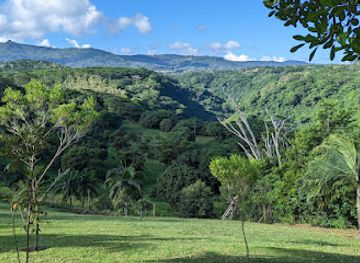
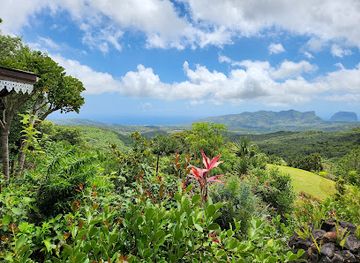
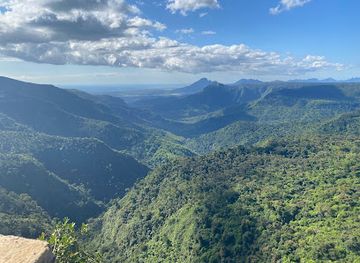
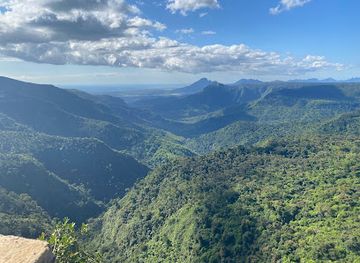
Black River Gorges National Park occupies roughly 67 square kilometres of Mauritius’s south-western interior, where volcanic uplands descend into deeply incised valleys, humid forest and open heathland. It is the island’s largest protected area and one of the most important refuges for its remaining native habitats. Roads and walking trails reach the park from several directions, including Black River, Plaine Champagne, Petrin and the Chamarel area, although the landscape is extensive rather than a single compact attraction.Read more about Black River Gorges National Park
Endemic Wildlife
Exploring the Park
Getting to and around Black River Gorges National Park
How to get there
Transportation
Best attractions in Black River Gorges National Park
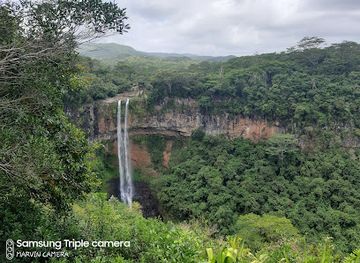
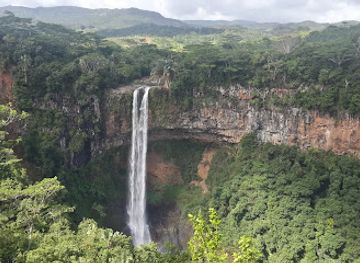
The park’s main attractions are its forested valleys, upland plateaux, native vegetation and far-reaching viewpoints rather than a concentration of built sights. Trails in the Black River Gorges and Macchabée areas pass through some of the island’s most important remaining native forest, with opportunities to look and listen for endemic birds such as the pink pigeon, echo parakeet and Mauritius kestrel. The viewpoint associated with Alexandra Falls provides a broad perspective over the southern landscape, while routes and viewpoints around Plaine Champagne reveal the park’s highland character. Piton de la Petite Rivière Noire, the island’s highest point, is another significant objective for walkers, subject to route conditions and local access guidance. Grand Bassin and Chamarel Waterfall are commonly included in excursions from the park, but they are neighbouring attractions with their own identities and should not be presented as interchangeable with the national park itself.
-
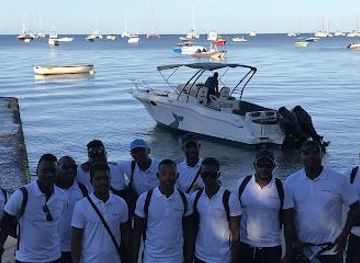
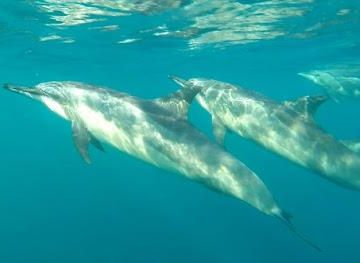
Whale watching tour agency
Dolswim Ltd
Discover the beauty of Mauritius' marine life with thrilling whale watching and scenic boat tours at Dolswim Ltd in Grand Riviere Noire.
-
Fishing charter
JPH Charters (Point of embarkation)
Discover the ultimate fishing adventure at JPH Charters in La Balise Marina, Black River, where the ocean's treasures await!
-
Hiking area
Lavilleon Adventure Park
Discover the breathtaking beauty and thrilling hikes at Lavilleon Adventure Park in Chamarel, Mauritius, perfect for nature lovers and adventure seekers.
-
Nature preserve
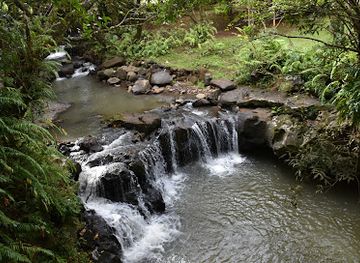
Mare Aux Joncs Waterfall
Explore the enchanting Mare Aux Joncs Waterfall in Chamarel, Mauritius - a serene escape into nature's beauty with stunning views and tranquil surroundings.
Best landmarks in Black River Gorges National Park
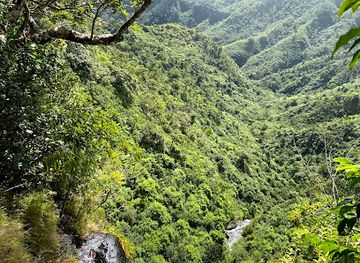
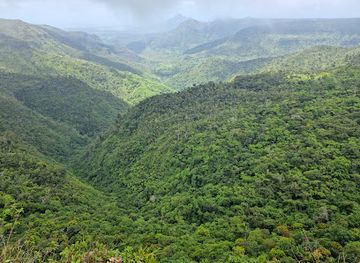
The defining landmark is the Black River Gorges itself, a deeply cut forested valley that gives the national park its name and reveals the dramatic relief of south-western Mauritius. Piton de la Petite Rivière Noire rises within the park to become the island’s highest summit, while the upland forests and ravines around Macchabée and Plaine Champagne represent some of the country’s most important remaining native habitats. Alexandra Falls, viewed from the associated area of the park, is a prominent water feature framed by the southern highlands. Grand Bassin, a major Hindu pilgrimage site beside a crater lake, is nearby but should be treated as a separate cultural landmark outside the park’s core identity. Chamarel Waterfall is likewise a neighbouring attraction rather than a feature to be casually assigned to every part of the reserve.
-
Tourist attraction
Chamarel Seven Colored Earth Geopark
Discover the breathtaking Chamarel Seven Colored Earth Geopark, a stunning natural marvel in Mauritius showcasing vibrant sand dunes and lush landscapes.
-
Amusement park
La Vallée Des Couleurs Nature Park
Explore the vibrant landscapes and adventure activities of La Vallée Des Couleurs Nature Park, a top destination in Mauritius for nature lovers and thrill-seekers.
-
Tourist attraction
Chamarel Waterfall
Explore the breathtaking Chamarel Waterfall in Mauritius, where nature's beauty meets adventure in an unforgettable experience.
-
Tourist attraction
Gorges Viewpoint
Discover breathtaking views at Gorges Viewpoint, the gateway to the stunning Black River Gorges National Park in Mauritius.
Explore Black River Gorges National Park on the map
Plan your trip on one map. See where the top attractions, landmarks, restaurants and hotels are, and book hotels and experiences in a few clicks.
Best hotels in Black River Gorges National Park
Best restaurants in Black River Gorges National Park
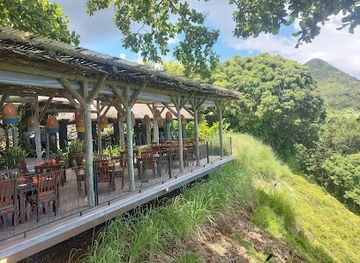
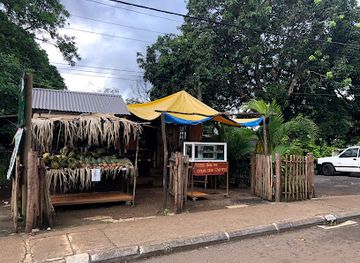
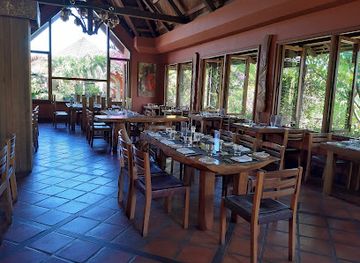
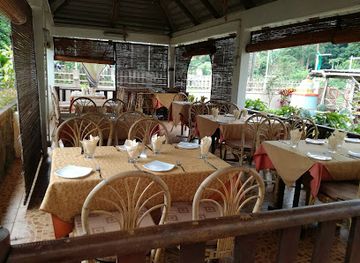
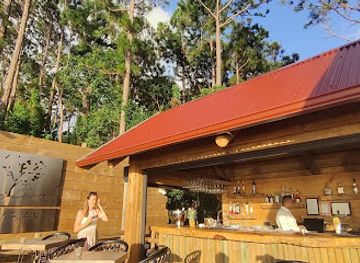
Dining within Black River Gorges National Park is limited, with the forest primarily offering trails, viewpoints and conservation landscapes rather than a developed restaurant scene. Visitors usually eat before or after their walk in nearby settlements such as Black River, La Gaulette, Chamarel or Curepipe, depending on their route. Coastal areas in the west provide a broader selection of restaurants and cafés, while inland villages and viewpoints may have more modest refreshment options. Mauritian cooking draws on Creole, Indian, Chinese and European traditions, with rice, curries, lentils, chilli, tropical fruit and seafood appearing widely across the island. Fish and octopus are particularly associated with coastal areas, whereas visitors travelling through the uplands may encounter locally produced fruit, vegetables and small-scale food businesses rather than formal dining within the protected area.
-
Restaurant
Le Chamarel Restaurant
Experience exquisite Mauritian cuisine with breathtaking views at Le Chamarel Restaurant - a must-visit dining destination in Mauritius.
-
Guest house
The Bay Guest House & Restaurant
Experience comfort and exquisite dining at The Bay Guest House & Restaurant in picturesque Black River, Mauritius.
-
Restaurant
Palais de Barbizon
Savor authentic Mauritian flavors at Palais de Barbizon, nestled in beautiful Chamarel's lush landscapes.
-
Restaurant
Varangue Sur Morne
Discover exquisite cuisine and breathtaking views at Varangue Sur Morne, a premier restaurant in Mauritius.
Best bars in Black River Gorges National Park
Black River Gorges National Park has no significant nightlife infrastructure, and evenings are generally quiet once visitors leave the forest and highland roads. The most likely evening venues are hotel restaurants, bars and established local pubs in the western coastal settlements, particularly around Black River, Tamarin, La Preneuse and La Gaulette, although these places lie outside the park itself. Curepipe and other larger towns provide a more urban choice of cafés and restaurants, but Mauritius is not a destination where a visit to the national park naturally leads to a late-night entertainment district. Evening cultural events and live music may occur seasonally or at individual hospitality venues, so availability should be checked locally rather than assumed.
-
National park
Black River Gorges National Park
Explore the stunning natural beauty and rich biodiversity of Black River Gorges National Park, a must-visit destination in Mauritius.
-
Restaurant
Rhumerie de Chamarel Restaurant & Rum Distillery
Experience the rich flavors of Mauritius at Rhumerie de Chamarel, where exceptional cuisine meets a captivating rum distillery in a breathtaking setting.
-
Restaurant
Chez Ruben Restaurant
Experience the authentic taste of Mauritius at Chez Ruben Restaurant, where local cuisine meets breathtaking views in Chamarel.
-
Steak
Medium Rare Steakhouse
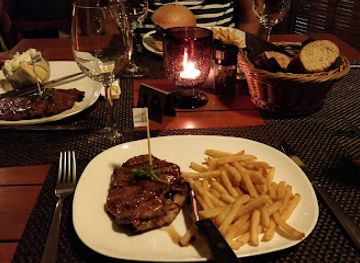
Discover the ultimate steak indulgence at Medium Rare Steakhouse in Black River, Mauritius, where flavor meets a stunning dining atmosphere.
Best nightclubs in Black River Gorges National Park
Black River Gorges National Park has no significant nightlife infrastructure, and evenings are generally quiet once visitors leave the forest and highland roads. The most likely evening venues are hotel restaurants, bars and established local pubs in the western coastal settlements, particularly around Black River, Tamarin, La Preneuse and La Gaulette, although these places lie outside the park itself. Curepipe and other larger towns provide a more urban choice of cafés and restaurants, but Mauritius is not a destination where a visit to the national park naturally leads to a late-night entertainment district. Evening cultural events and live music may occur seasonally or at individual hospitality venues, so availability should be checked locally rather than assumed.
Best shops in Black River Gorges National Park
Shopping inside Black River Gorges National Park is limited to what visitors may find at or near surrounding visitor facilities, so the area is better suited to walking and wildlife observation than retail browsing. More useful shopping bases include Black River, La Gaulette, Chamarel and Curepipe, where visitors can look for food supplies, practical outdoor items and locally made products. Mauritius is associated with craftwork such as textiles, basketry, woodwork, ceramics and locally produced foods, although the selection and provenance vary between businesses. Farm shops and small producers around the south-west may offer fruit, vegetables, preserves or other island products, while larger settlements provide more dependable everyday shopping. Buy responsibly, ask about the origin of natural materials and do not remove plants, rocks or other items from the protected landscape.
-
National park
Black River Gorges National Park
Discover the breathtaking beauty and diverse wildlife of Black River Gorges National Park, a must-visit destination for nature lovers in Mauritius.
-
Shopping mall
Ruisseau Creole
Explore Ruisseau Creole in La Preneuse, Mauritius - a vibrant shopping mall where local culture meets international retail.
-
National park
Black River Visitors Centre
Explore the enchanting Black River Visitors Centre, a gateway to Mauritius' stunning national park and rich biodiversity, perfect for nature lovers.
-
Frame98 Online Shop
Explore Frame98 Online Shop for innovative products and exceptional service in a vibrant shopping atmosphere perfect for tech enthusiasts and casual shoppers alike.

Get your free copy of our complete guide to Black River Gorges National Park, delivered straight to you.
Everything on this page, from attractions and restaurants to essentials and local phrases, in one PDF you can read offline, print or share.
Already have an account? Sign in
Your Black River Gorges National Park guide is ready.
We'll send it to · Not you? Sign out

Getting your guide ready…
We are putting together a fresh copy of the Black River Gorges National Park guide. This can take up to a minute.
This can take a few moments. If your browser asks, choose Allow so the download can start. You'll find the guide in your Downloads folder.
Nothing happened? Download it again
Sorry, the guide is taking longer than usual. Please try again in a minute, or get it by email instead.
Black River Gorges National Park essentials
Currency and Payment
Safety
Emergency Situations
Do's and Don'ts
Local Tips
From Eve
Local phrases worth knowing
You don't need to get them perfect. A few words go a long way, and locals appreciate the effort.
Basics
| English | Local | Say it |
|---|---|---|
| Hello | Bonjou | [bon-zho] |
| Goodbye | Aurevoir | [oh-re-vwar] |
| Yes | Wi | [wee] |
| No | Non | [non] |
| Please/You're welcome | Si ou plé / Derien | [see oo pleh / deh-ryen] |
| Thank you | Mersi | [mer-see] |
| Excuse me/Sorry | Eskize mwa / Desolé | [es-kee-zay mwa / deh-soh-lay] |
| How are you? | Ki maniere? | [kee mah-nyer] |
| Fine. And you? | Byen. E ou? | [bee-en. eh oo] |
| Do you speak English? | Eske ou pale angle? | [es-ke oo pah-lay ahn-glay] |
| I don't understand | Mo pa konpran | [moh pah kon-pran] |
Eating & Drinking
| English | Local | Say it |
|---|---|---|
| I'd like to see the menu, please | Mo'nn pu vwar meni, si ou plé | [moh-puh vwar meh-nee, see oo pleh] |
| I don't eat meat | Mo pa manz karn | [moh pah manz karn] |
| Cheers! | Sante! | [sahn-tay] |
| I would like to pay, please | Mo'nn pu peye, si ou plé | [moh-puh pay, see oo pleh] |
Emergencies
| English | Local | Say it |
|---|---|---|
| Help! | Ed! | [ed] |
| Go away! | Ale away! | [ah-lay ah-way] |
| Call the Police! | Siplemann polis! | [see-pleh-mahn poh-leece] |
| Call a doctor! | Siplemann dokter! | [see-pleh-mahn dohk-ter] |
| I'm lost | Mo perdi | [moh pehr-dee] |
| I'm ill | Mo malad | [moh mah-lahd] |
Shopping
| English | Local | Say it |
|---|---|---|
| I'd like to buy... | Mo'nn pu achte... | [moh-puh ash-tay] |
| I'm just looking | Mo'nn zis gade | [moh-puh zee gahd] |
| How much is it? | Konbyen sa koute? | [kohn-byen sah koot] |
| That's too expensive | Sa tro dispenziv | [sah troh dees-pen-ziv] |
| Can you lower the price? | Eske ou kapav redwi pri? | [es-ke oo kah-pahv red-wee pree] |
Time & Numbers
| English | Local | Say it |
|---|---|---|
| What time is it? | Ki ler liye? | [kee lehr lee-yeh] |
| It's one o'clock | Liye enn | [lee-yeh en] |
| Half past (10) | Demi e dis | [deh-mee eh dees] |
| Morning | Matin | [mah-tan] |
| Afternoon | Apremidi | [ah-pre-mee-dee] |
| Evening | Swar | [swahr] |
| Yesterday | Zouryie | [zoor-yee] |
| Today | Zordi | [zor-dee] |
| Tomorrow | Demenn | [deh-men] |
| 1 | Enn | [en] |
| 2 | De | [day] |
| 3 | Troa | [twa] |
| 4 | Kat | [kaht] |
| 5 | Sank | [sahnk] |
| 6 | Sis | [sees] |
| 7 | Set | [set] |
| 8 | Wit | [weet] |
| 9 | Nef | [nef] |
| 10 | Dis | [dees] |
Transport & Directions
| English | Local | Say it |
|---|---|---|
| Where's a/the...? | Ki kot...? | [kee koht] |
| What's the address? | Kot sa ena adres? | [koht sah eh-nah ah-drehs] |
| Can you show me (on the map)? | Eske ou kapav montre mwa (sou lap) | [es-ke oo kah-pahv mohn-truh mwa (soh lap)] |
| When's the next (bus)? | Ki ler prochen (bis)? | [kee lehr proh-shen (bees)] |
| A ticket (to ....) | Enn billet (vers ....) | [en bee-lay (ver)] |
History of Black River Gorges National Park
Volcanic Uplands and Native Forest
Black River Gorges forms part of the volcanic highlands that shape south-western Mauritius. Erosion carved deep valleys into the island’s basaltic interior, producing steep slopes, ravines and elevated plateaux where cloud and rainfall support forests very different from the drier west coast. Before extensive human alteration, native vegetation covered much more of Mauritius. The surviving upland forests therefore represent fragments of the island’s original ecological landscape, shaped by altitude, exposure and water movement rather than by a single historical event.
Early Human Use of the South-West
Mauritius was uninhabited before the era of European settlement, but its forests soon became important to colonial agriculture, timber use and hunting. The rugged interior was more difficult to cultivate than the coastal plains and remained comparatively forested, although it was not untouched. Paths and tracks connected plantations and settlements with upland resources, while the Black River district developed its own relationship with the wooded valleys and waterways of the south-west.
Colonial Land Use and Forest Pressure
Under French and later British rule, Mauritius was transformed by plantation agriculture, especially sugar, and by the demand for timber and other forest products. Introduced plants and animals, land clearance and the spread of cultivation placed pressure on native species. The remaining upland forests became increasingly valuable as evidence of the island’s original vegetation and as refuges for birds whose habitats had been reduced elsewhere. This history explains why conservation in the gorges is closely tied to wider debates about land use on Mauritius.
Endemic Species and Conservation
Mauritius’s endemic birds became central to modern conservation work as several species approached extinction through habitat loss, introduced predators and competition from non-native species. Projects involving the Mauritius kestrel, pink pigeon and echo parakeet helped establish the island as an important centre of species recovery. Black River Gorges provides protected forest habitat for these birds, although conservation continues to involve habitat management, monitoring and control of invasive pressures rather than simply leaving the forest untouched.
National Park Protection
Black River Gorges National Park was formally established in 1994, giving statutory protection to the island’s largest remaining expanse of native forest and associated upland habitats. The park’s creation strengthened the management of trails, viewpoints and sensitive ecological areas while supporting research and public awareness. Today, the reserve is both a conservation landscape and a visitor destination: recreation is possible, but it takes place within an environment where rare species, erosion, invasive vegetation and changing weather require careful management.
Black River Gorges National Park in Photos
Browse through our photo collection highlighting the charm and character of the destination.
Cities in Black River Gorges National Park
The towns and cities of Black River Gorges National Park, and the easiest places to base yourself.
-

-


Swipe for more cities
Neighbouring destination travel guides
The closest destinations to Black River Gorges National Park, if you have time for more than one.
-

-

-

-

-


Swipe for more destinations
Explore more

Explore more of Plaines Wilhems
Explore Plaines Wilhems in Mauritius for cool highlands, volcanic landscapes, lively markets, historic towns and everyday island culture.
Explore Plaines Wilhems
Explore more of Mauritius
Discover Mauritius, the tropical paradise of the Indian Ocean, where pristine beaches, lush landscapes, and vibrant culture come together for an unforgettable escape.
Explore Mauritius