

Midtown Detroit (Detroit) Travel Guide - Free
Explore Midtown Detroit in Detroit with Evendo's free guide. Find the best shops, historic streets, restaurants, and gems on web or mobile.


Midtown Detroit blends world-class museums, Wayne State culture, independent restaurants, live music, historic streets and creative shopping along Woodward Avenue.
Culture Along Woodward Avenue
Midtown Detroit occupies a broad, walkable stretch between downtown and New Center, centred on Woodward Avenue and the cultural institutions gathered around it. The area combines university life, medical research, historic houses, independent businesses and some of Detroit's most important museums. Its character is less uniformly polished than that of a purpose-built cultural quarter: grand institutions, vacant lots, renovated apartment buildings and long-established neighbourhood streets exist side by side.Read more about Midtown Detroit
A Concentration of Institutions
Independent Detroit
Best attractions in Midtown Detroit
Midtown's attractions are concentrated around the Cultural Center and Woodward Avenue. The Detroit Institute of Arts is the area's principal draw, with an extensive collection and the celebrated Detroit Industry murals by Diego Rivera, while the Detroit Historical Museum presents the city's industrial, civic and social story. The Charles H. Wright Museum of African American History explores African American life, achievement and struggle through major exhibitions, and the Michigan Science Center offers hands-on science displays and an IMAX theatre. The Detroit Public Library's Main Branch adds an important civic and architectural presence, while Wayne State University's campus brings galleries, lectures and performances into the streetscape. Cass Park provides open space, and nearby Canfield Street is useful for independent shops, records and restaurants. Visitors should check individual schedules, as these institutions do not share identical opening days.
-
Science museum
Michigan Science Center
Explore hands-on science exhibits, watch breathtaking IMAX films, and gaze at the stars at the Michigan Science Center in Detroit.
11 min walk · 0.9 km from neighbourhood centre
-
Art museum
Museum of Contemporary Art Detroit
Discover the innovative spirit of Detroit at the Museum of Contemporary Art, showcasing transformative works from local and international artists.
5 min walk · 0.4 km from neighbourhood centre
-
Tourist attraction
Detroit Segway Tours & Rides
Experience Detroit in a whole new way with exciting Segway tours that uncover the city's vibrant culture and rich history.
6 min drive · 2.0 km from neighbourhood centre


Best landmarks in Midtown Detroit
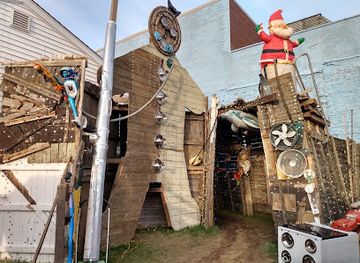
The Detroit Institute of Arts is Midtown's most prominent landmark, a Beaux-Arts building whose marble interior and Rivera Court connect the city to major artistic and industrial histories. Directly nearby, the Detroit Public Library's Main Branch is a monumental civic building with an important reference collection and architectural presence. The Detroit Historical Museum and Charles H. Wright Museum are significant not only as museums but as institutions that shape how Detroit's past and African American heritage are represented. Orchestra Hall, on Woodward Avenue at Midtown's southern edge, is a landmark of the city's classical music tradition. The district's broad avenues, historic apartment blocks, university buildings and churches complete a streetscape in which cultural institutions sit within an ordinary, continually changing urban neighbourhood.
-
Historical landmark
Guardian Building
Explore the Guardian Building, a stunning Art Deco masterpiece in Detroit's Financial District, rich in history and architectural beauty.
9 min drive · 2.9 km from neighbourhood centre
-
Historical landmark
The Spirit of Detroit
Discover the Spirit of Detroit, a historic landmark symbolizing hope, resilience, and the vibrant culture of the Motor City.
9 min drive · 3.0 km from neighbourhood centre
-
Historical landmark
Monument to Joe Louis “The Fist”
Explore Detroit's rich heritage at the Monument to Joe Louis, an iconic landmark symbolizing strength, resilience, and cultural pride.
9 min drive · 3.0 km from neighbourhood centre
-
Historical landmark
Michigan Soldiers' and Sailors' Monument
Explore the Michigan Soldiers' and Sailors' Monument, a historic landmark in Detroit honoring Civil War heroes with stunning architecture and rich history.
8 min drive · 2.7 km from neighbourhood centre


Explore Midtown Detroit on the map
A handpicked selection of must-see spots in Midtown Detroit, mapped for you.
Best hotels in Midtown Detroit
Best restaurants in Midtown Detroit
Midtown's dining scene reflects the neighbourhood's mix of university life, creative businesses and institution-led foot traffic. Along and near Cass Avenue, Selden Standard is associated with seasonal, ingredient-led cooking, while Chartreuse offers a more intimate contemporary restaurant setting close to the Cultural Center. Ima brings Japanese-inspired noodle dishes to the local restaurant mix, and Traffic Jam & Snug has long been part of the neighbourhood's casual dining identity. Cafés, bakeries and quick meals around Wayne State make the area practical for museum visitors and students, while Canfield and nearby blocks offer independent restaurants rather than a large formal dining district. The range is strongest around the Woodward–Cass corridor, with options shifting according to university terms, evening events and the changing independent-business landscape.
-
American
Parc
Discover the luxurious flavors of American cuisine at Parc in Downtown Detroit, where exceptional dining meets stunning city views.
8 min drive · 2.7 km from neighbourhood centre
-
Restaurant
The Whitney
Discover The Whitney: Detroit's premier fine dining restaurant blending history with exceptional New American cuisine in an elegant setting.
4 min walk · 0.4 km from neighbourhood centre
-
New American
Grey Ghost Detroit
Experience innovative New American cuisine paired with unique cocktails in the heart of Brush Park at Grey Ghost Detroit.
13 min walk · 1.1 km from neighbourhood centre
-
New American
The Apparatus Room
Experience innovative New American cuisine and expertly crafted cocktails at The Apparatus Room in Detroit's historic Foundation Hotel.
9 min drive · 2.9 km from neighbourhood centre


Best bars in Midtown Detroit
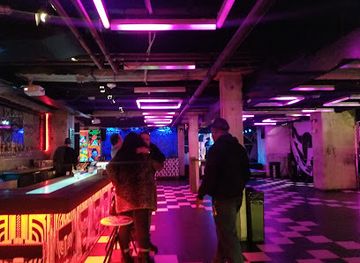
Midtown is more a restaurant-and-bar neighbourhood than a concentrated nightclub district, and its evening rhythm often follows museum programmes, university events and performances at nearby Orchestra Hall. Old Miami, on Cass Avenue, is known for its spacious garden and informal setting, while Northern Lights Lounge offers a long-established bar atmosphere farther north on West Baltimore Avenue. Honest John's provides another casual late-evening option close to the Wayne State area. Cass Corridor nightlife is nearby but should not automatically be described as Midtown, since local boundaries overlap and change from block to block. Visitors will find more conversation, food, music and outdoor seating than a dense row of large clubs; after dark, use well-lit routes and check current venue programming before making specific plans.
-
Bar
HopCat
Discover HopCat in Detroit: where craft beer meets delicious American cuisine in a lively bar atmosphere.
5 min walk · 0.4 km from neighbourhood centre
-
Bar
Bronx Bar
Experience the vibrant nightlife and delicious food at Bronx Bar, a Midtown Detroit favorite for locals and tourists alike.
2 min walk · 0.2 km from neighbourhood centre
-
Bar
Temple Bar
Unwind at Temple Bar, a vibrant cocktail lounge in Detroit's Cass Corridor, offering a perfect blend of nightlife, food, and local culture.
14 min walk · 1.2 km from neighbourhood centre
-
Bar
Willis Show Bar
Discover the heart of Detroit's nightlife at Willis Show Bar, a lively cocktail bar and dance club offering live music and expertly crafted drinks.
4 min walk · 0.3 km from neighbourhood centre


Best nightclubs in Midtown Detroit
Midtown is more a restaurant-and-bar neighbourhood than a concentrated nightclub district, and its evening rhythm often follows museum programmes, university events and performances at nearby Orchestra Hall. Old Miami, on Cass Avenue, is known for its spacious garden and informal setting, while Northern Lights Lounge offers a long-established bar atmosphere farther north on West Baltimore Avenue. Honest John's provides another casual late-evening option close to the Wayne State area. Cass Corridor nightlife is nearby but should not automatically be described as Midtown, since local boundaries overlap and change from block to block. Visitors will find more conversation, food, music and outdoor seating than a dense row of large clubs; after dark, use well-lit routes and check current venue programming before making specific plans.
-
Bar
Temple Bar
Discover the heart of Detroit's nightlife at Temple Bar, where innovative cocktails and vibrant atmosphere create unforgettable evenings.
14 min walk · 1.2 km from neighbourhood centre
-
Bar
Willis Show Bar
Discover the lively nightlife at Willis Show Bar in Detroit, featuring live music, crafted cocktails, and a vibrant dance atmosphere.
4 min walk · 0.3 km from neighbourhood centre
-
Night club
Deluxx Fluxx
Experience the vibrant energy and eclectic atmosphere of Deluxx Fluxx, Detroit's premier night club featuring top DJs and live music.
7 min drive · 2.4 km from neighbourhood centre
-
Night club
Exodos Rooftop
Discover Exodos Rooftop in Greektown, Detroit - a vibrant nightlife hub featuring stunning city views, great drinks, and an exciting atmosphere.
8 min drive · 2.6 km from neighbourhood centre



Best shops in Midtown Detroit
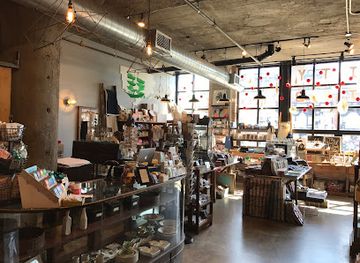
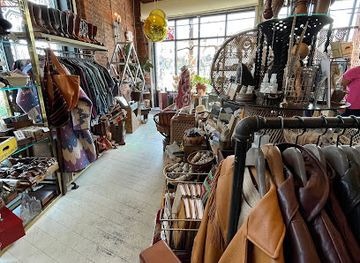
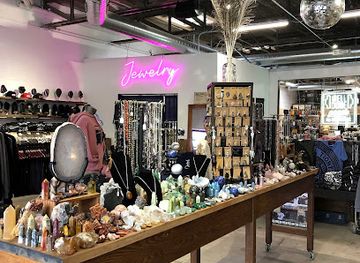
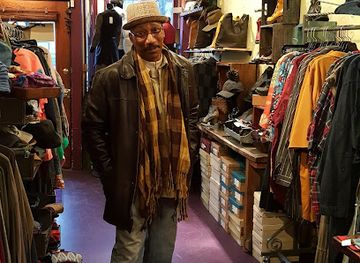
Midtown's shopping is independent, design-oriented and focused around Canfield Street, Cass Avenue and the streets near Wayne State rather than a department-store concentration. Third Man Records' Detroit headquarters on Canfield combines a record shop with the label's local music presence, while nearby businesses associated with Detroit design and home goods give the area a strong creative-retail identity. Shinola's Detroit operations and retail presence are linked to the broader Midtown and Cass Corridor area, although visitors should verify current shop locations before planning a visit. Small galleries, vintage outlets, books, records and locally made goods appear among restaurants and studios, but the retail scene is compact and changeable. Shopping works best as part of a cultural walk between museums, cafés and independent businesses rather than as a full-day retail itinerary.
-
Gift shop
City Bird
Discover unique locally made gifts at City Bird, a charming boutique in Midtown Detroit that celebrates local artisans and the spirit of the city.
1 min walk · 0.1 km from neighbourhood centre
-
Gift shop
Eldorado General Store
Discover unique vintage finds and eclectic treasures at Eldorado General Store in Corktown, Detroit, where every visit is a delightful adventure.
7 min drive · 2.2 km from neighbourhood centre
-
Gift shop
Well Done Goods
Discover unique gifts and local artistry at Well Done Goods in Detroit's vibrant Eastern Market district, perfect for memorable souvenirs.
7 min drive · 2.2 km from neighbourhood centre
-
Boutique
Flo Boutique Co
Explore Flo Boutique Co in Midtown Detroit for unique fashion and local artisan creations that capture the spirit of the city.
2 min walk · 0.2 km from neighbourhood centre
Midtown Detroit essentials
Getting There
Getting Around
Safety
Emergency Situations
Do's and Don'ts
Local Tips

From Eve
Local phrases worth knowing
You don't need to get them perfect. A few words go a long way, and locals appreciate the effort.
Basics
| English | Local | Say it |
|---|---|---|
| Hello | What up doe | [wut up doe] |
| Goodbye | Later | [lay-ter] |
| Yes | Yeah | [yeh] |
| No | Nah | [nah] |
| Please/You're welcome | Please/No problem | [pleez/no prob-lem] |
| Thank you | Thanks | [thanks] |
| Excuse me/Sorry | My bad | [my bad] |
| How are you? | How you doin'? | [how yoo doo-in] |
| Fine. And you? | Good. You? | [good. yoo?] |
| Do you speak English? | You speak English? | [yoo speak ing-glish?] |
| I don't understand | I don't get it | [i don't get it] |
Eating & Drinking
| English | Local | Say it |
|---|---|---|
| I'd like to see the menu, please | Let me see the menu | [let me see the menu] |
| I don't eat meat | I don't eat meat | [i don't eat meat] |
| Cheers! | Cheers! | [cheers!] |
| I would like to pay, please | I'll pay now | [i'll pay now] |
Emergencies
| English | Local | Say it |
|---|---|---|
| Help! | Help! | [help!] |
| Go away! | Get lost! | [get lost] |
| Call the Police! | Call the cops! | [call the cops] |
| Call a doctor! | Get a doc! | [get a doc] |
| I'm lost | I'm lost | [i'm lost] |
| I'm ill | I'm sick | [i'm sick] |
Shopping
| English | Local | Say it |
|---|---|---|
| I'd like to buy... | I wanna buy... | [i wanna buy] |
| I'm just looking | I'm just lookin' | [i'm just lookin] |
| How much is it? | How much? | [how much] |
| That's too expensive | That's too much | [that's too much] |
| Can you lower the price? | Can you do better? | [can you do better] |
Time & Numbers
| English | Local | Say it |
|---|---|---|
| What time is it? | What time is it? | [what time is it] |
| It's one o'clock | It's one | [it's one] |
| Half past (10) | Half past ten | [half past ten] |
| Morning | Morning | [morning] |
| Afternoon | Afternoon | [afternoon] |
| Evening | Evening | [evening] |
| Yesterday | Yesterday | [yesterday] |
| Today | Today | [today] |
| Tomorrow | Tomorrow | [tomorrow] |
| 1 | One | [one] |
| 2 | Two | [two] |
| 3 | Three | [three] |
| 4 | Four | [four] |
| 5 | Five | [five] |
| 6 | Six | [six] |
| 7 | Seven | [seven] |
| 8 | Eight | [eight] |
| 9 | Nine | [nine] |
| 10 | Ten | [ten] |
Transport & Directions
| English | Local | Say it |
|---|---|---|
| Where's a/the...? | Where's the...? | [where's the] |
| What's the address? | What's the address? | [what's the address] |
| Can you show me (on the map)? | Can you show me (on the map)? | [can you show me (on the map)] |
| When's the next (bus)? | When's the next (bus)? | [when's the next (bus)] |
| A ticket (to ....) | A ticket (to ....) | [a ticket (to)] |
History of Midtown Detroit
From Farm Land to City Streets
Before urban development, the land now associated with Midtown formed part of the rural hinterland north of Detroit's early settlement. As Detroit expanded during the nineteenth century, roads including Woodward Avenue and Cass Avenue helped organise movement northwards, while substantial residential blocks and institutional sites gradually replaced farms and scattered development. The area's proximity to downtown made it attractive for education, churches, hospitals and cultural institutions. Its street plan still reflects this period of outward growth, with broad avenues, regular residential blocks and surviving nineteenth- and early twentieth-century houses.
The Cultural Centre Takes Shape
Midtown's defining institutional identity developed in the late nineteenth and early twentieth centuries. The Detroit Museum of Art, predecessor of the Detroit Institute of Arts, moved to its Woodward Avenue building in 1927, and the Detroit Public Library's Main Branch opened nearby in 1921. The Detroit Historical Museum followed in the Cultural Center in 1951. These institutions turned the district into a civic landscape where art, local history, research and public education were deliberately concentrated, giving Midtown significance beyond its residential role.
African American Cultural Leadership
The neighbourhood's cultural history is inseparable from Detroit's African American intellectual and civic life. The Charles H. Wright Museum of African American History began in 1965 and moved to its current Midtown building in 1997, creating one of the country's major institutions devoted to African American history and culture. Wayne State University and nearby medical institutions also became important centres of research, professional education and community activity. Together, these organisations helped make Midtown a place where Detroit's social history is examined, preserved and publicly interpreted.
Reinvestment and Continuing Change
Midtown experienced the same population loss, disinvestment and building deterioration that affected much of Detroit during the later twentieth century, yet its universities, hospitals and museums maintained a strong institutional base. From the 2000s onwards, redevelopment brought renovated housing, new restaurants, creative businesses and renewed attention to historic buildings. This reinvestment has changed the area's everyday economy and housing pressures while leaving an uneven urban landscape. Contemporary Midtown therefore reflects both cultural renewal and the continuing negotiation between institutional expansion, private development and established communities.
Midtown Detroit in Photos
Browse through our photo collection highlighting the charm and character of the destination.
Neighbourhoods near Midtown Detroit
The closest neighbourhoods to Midtown Detroit, if you have time for more than one stop.
-

-

-

-

-


Swipe for more neighbourhoods
Explore more

Explore more of Detroit
Detroit pairs Motor City history with Motown music, Art Deco landmarks, riverfront parks, acclaimed museums and distinctive food across southeast Michigan.
Explore Detroit