

Free Muskegon Travel Guide & Mobile App
Plan your Muskegon trip with Evendo. Get free guides to top attractions, restaurants, hotels, and bars. Web access or download the mobile app.


Muskegon, Michigan pairs Lake Michigan beaches, maritime heritage, lumber-era architecture, museums and waterfront culture with easygoing West Michigan escapes.
Lakefront Character
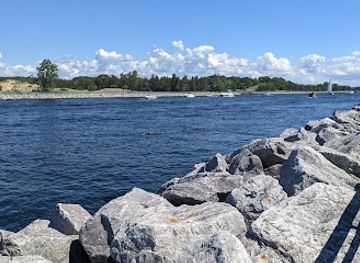
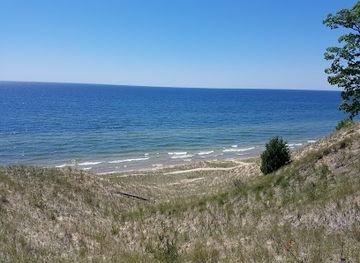
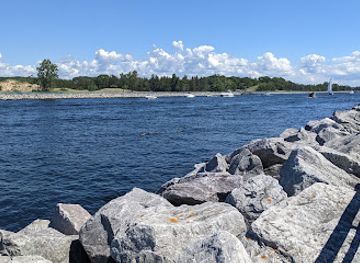
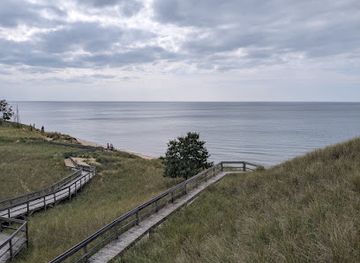
Muskegon occupies a broad stretch of Michigan’s western shoreline, where Lake Michigan meets Muskegon Lake and the landscape shifts between sandy beaches, working waterfronts and wooded parkland. Its lakefront identity is central to the city’s appeal: Pere Marquette Park offers a long beach and lighthouse views, while Harbour Towne and the Muskegon Lake shoreline reveal marinas, boating activity and open horizons. The city is compact enough for visitors to combine museums, historic neighbourhoods, waterfront walks and cultural events within a short visit.Read more about Muskegon
Lumber, Industry and Architecture
Culture and Outdoor Life
When is the best time to visit Muskegon?
Best: June, August–September · 22–27°C| Month | High (°C) | Rainfall (mm) |
|---|---|---|
| January | 1 | 67 |
| February | 1 | 57 |
| March | 7 | 69 |
| April | 15 | 77 |
| May | 20 | 86 |
| June (best) | 25 | 89 |
| July | 28 | 91 |
| August (best) | 27 | 91 |
| September (best) | 22 | 86 |
| October | 16 | 78 |
| November | 9 | 73 |
| December | 3 | 76 |
Getting to and around Muskegon
How to get there
Transportation
Best attractions in Muskegon
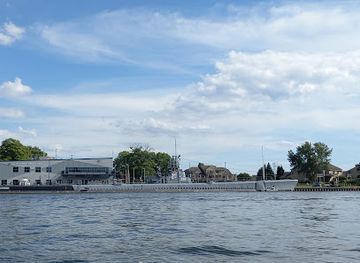
Muskegon’s attractions spread between a historic downtown, two lakes and a long Lake Michigan shoreline. The Muskegon Museum of Art provides a thoughtful introduction to American art, while the Lakeshore Museum Center explains the region’s natural history, Indigenous heritage and industrial development. At the waterfront, the USS LST-393 Veterans Museum preserves a rare Second World War landing ship and gives maritime history a strongly physical presence. The Hackley and Hume historic houses reveal the domestic world created by the lumber boom, with period interiors and architectural detail. Pere Marquette Park is the city’s principal seaside escape, offering sandy shore, a lighthouse, pier and broad lake views. Heritage Landing provides public space beside Muskegon Lake, and the nearby Muskegon Heritage Museum focuses on local manufacturing and working life. Seasonal visitors can also explore beaches, boating, festivals and outdoor performances, while the Frauenthal Center adds theatre and music to the city’s cultural calendar.
-
Tourist attraction
Pere Marquette Park
Explore the scenic beauty and recreational activities at Pere Marquette Park, Muskegon’s premier public beach and park destination.
19 min drive · 6.5 km from city centre
-
Tourist attraction
USS Silversides Submarine Museum
Dive into history at the USS Silversides Submarine Museum, where naval heritage and adventure await in Muskegon, Michigan.
18 min drive · 6.2 km from city centre
-
Tourist attraction
Hackley Park
Discover the tranquility and beauty of Hackley Park, Muskegon's urban oasis with lush landscapes and vibrant community events.
9 min walk · 0.7 km from city centre
-
Tourist attraction
Kruse Park
Explore Kruse Park: A Scenic Beachside Escape in Muskegon, MI with Recreation, Relaxation, and Family Fun.
17 min drive · 5.8 km from city centre
Best landmarks in Muskegon
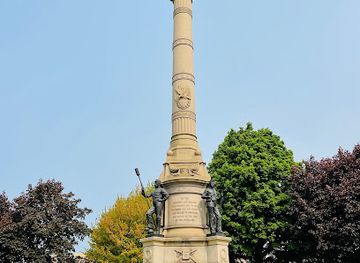
Muskegon’s landmark group expresses the city’s transition from timber port to industrial and cultural centre. The Hackley and Hume houses are the most celebrated survivors of the lumber era, their ornate late-nineteenth-century architecture and preserved interiors reflecting the fortunes made from regional forests. The USS LST-393, moored at the downtown waterfront, is both a historic vessel and a memorial to the city’s maritime and wartime connections. The Frauenthal Center occupies a major historic theatre building and remains an important civic performance space. Muskegon’s lighthouse structures, including the Muskegon South Pierhead Light at Pere Marquette Park, mark the working relationship between the city and Lake Michigan. Downtown churches, commercial buildings and civic architecture add further evidence of nineteenth- and early twentieth-century growth, while the lakeshore itself functions as a defining natural landmark shaped by shipping, recreation and changing industry.
-
Park
Pere Marquette Park
Discover the beauty of Pere Marquette Park, where sandy beaches meet endless recreational activities along the stunning Lake Michigan coastline.
19 min drive · 6.5 km from city centre
-
Farmers' market
Muskegon Farmers Market
Explore the Muskegon Farmers Market for fresh local produce, artisanal goods, and a vibrant community atmosphere in the heart of Muskegon, Michigan.
15 min walk · 1.2 km from city centre
-
Park
Hackley Park
Explore Hackley Park in Muskegon, a serene urban oasis blending nature and history, ideal for relaxation and cultural immersion for every traveler.
9 min walk · 0.7 km from city centre
-
Park
Kruse Park
Explore the natural beauty and recreational offerings of Kruse Park, Muskegon’s favorite spot for beach fun, sports, and family gatherings.
17 min drive · 5.8 km from city centre
Explore Muskegon on the map
Plan your Muskegon trip on one map. See where the top attractions, landmarks, restaurants, bars and hotels are, find what's near where you're staying, and book hotels and experiences in a few clicks.
Best hotels in Muskegon
Best restaurants in Muskegon
Muskegon’s dining scene reflects its position between inland Michigan and the Great Lakes, combining familiar American fare with seafood, brewery kitchens, cafés and independent neighbourhood restaurants. Downtown and the Western Avenue corridor provide the greatest concentration of places to eat, while the Lakeside area adds a more residential, local character. Regional ingredients appear seasonally, and dishes based on lake fish, burgers, sandwiches and comfort food suit the city’s working waterfront identity, though menus vary widely by venue. The Muskegon Farmers Market is a useful place to encounter Michigan produce, baked goods and prepared foods when operating. Breweries such as Pigeon Hill Brewing Company have helped strengthen the contemporary food-and-drink culture downtown, while coffee shops and casual eateries make daytime exploration easy. Visitors should distinguish established local traditions from the broader culinary influence of West Michigan, which includes craft beer, farm produce and multicultural dining.
-
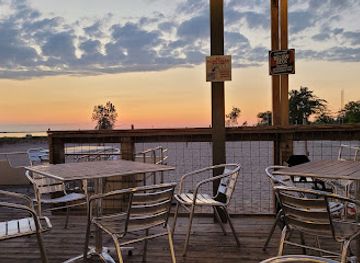
Grill
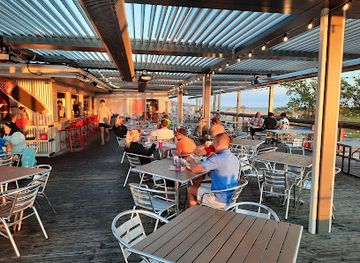
The Deck
Experience delicious grilled delights at The Deck in Muskegon – where great food meets stunning lake views.
20 min drive · 6.6 km from city centre
-
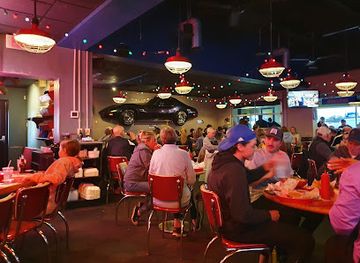
Hamburger
The Station Grill
Discover The Station Grill in Muskegon - where vintage charm meets gourmet hamburgers for an unforgettable dining experience.
9 min drive · 3.0 km from city centre
-
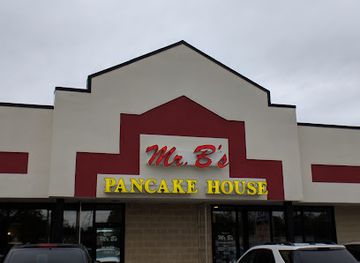
Breakfast
Mr. B's Pancake House
Indulge in mouthwatering pancakes and hearty breakfasts at Mr. B's Pancake House in Muskegon—your perfect morning retreat.
14 min drive · 4.8 km from city centre
-
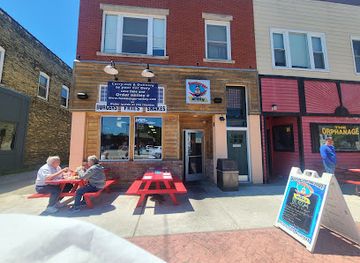
American
Hamburger Mikey
Discover the ultimate burger experience at Hamburger Mikey in Muskegon - where taste meets tradition!
9 min walk · 0.7 km from city centre
Best bars in Muskegon
Muskegon’s evening scene is concentrated rather than sprawling, with downtown bars, breweries, restaurants and live entertainment clustered around Western Avenue and nearby streets. Pigeon Hill Brewing Company is part of the city’s craft-beer identity, while other local bars provide a more relaxed setting for conversation, sport and seasonal socialising. The Frauenthal Center brings theatre, concerts and touring performances into a restored historic setting, and the city’s summer calendar can add outdoor music and community events near the waterfront. Night-time activity is generally more suited to independent evenings and live entertainment than to a large-club circuit. Lakeside venues and neighbourhood establishments offer alternatives to downtown, while beach areas become quieter after dark and should be treated as natural environments rather than informal party zones. Event schedules and opening arrangements vary substantially by season.
-
Grill
The Deck
Experience the best of beachside dining at The Deck in Muskegon, where delicious barbecue meets stunning Lake Michigan views.
20 min drive · 6.6 km from city centre
-
Pub
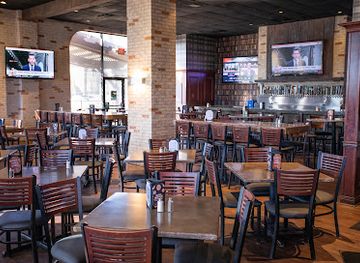
Pints & Quarts
Discover Pints & Quarts: A lively pub experience in Muskegon, MI, featuring craft beers, delicious food, and a vibrant atmosphere for all.
13 min drive · 4.2 km from city centre
-
Bar
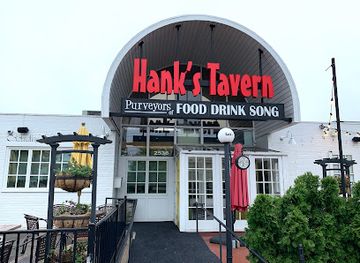
Hank's Tavern
Experience the vibrant atmosphere at Hank's Tavern, Muskegon's top bar and family restaurant, where great food and sports unite.
7 min drive · 2.5 km from city centre
-
Grill
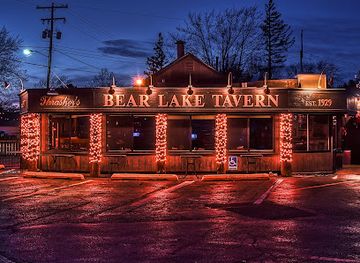
Bear Lake Tavern
Discover the flavors of Bear Lake Tavern in Muskegon, where delicious American cuisine meets stunning lake views, perfect for families and friends.
11 min drive · 3.7 km from city centre
Best nightclubs in Muskegon
Muskegon’s evening scene is concentrated rather than sprawling, with downtown bars, breweries, restaurants and live entertainment clustered around Western Avenue and nearby streets. Pigeon Hill Brewing Company is part of the city’s craft-beer identity, while other local bars provide a more relaxed setting for conversation, sport and seasonal socialising. The Frauenthal Center brings theatre, concerts and touring performances into a restored historic setting, and the city’s summer calendar can add outdoor music and community events near the waterfront. Night-time activity is generally more suited to independent evenings and live entertainment than to a large-club circuit. Lakeside venues and neighbourhood establishments offer alternatives to downtown, while beach areas become quieter after dark and should be treated as natural environments rather than informal party zones. Event schedules and opening arrangements vary substantially by season.
-
Bar
Marine Tap Room
Experience Muskegon's vibrant nightlife at Marine Tap Room, where delicious food and a lively atmosphere await you.
10 min drive · 3.2 km from city centre
-
Bar
Mike's Inn
Experience the vibrant nightlife at Mike's Inn, Muskegon's local bar known for its friendly atmosphere and great selection of drinks.
7 min walk · 0.5 km from city centre
-
Grill
Sandbar
Experience the best of Muskegon at Sandbar, where great food, sports, and a vibrant atmosphere come together for an unforgettable dining experience.
17 min walk · 1.4 km from city centre
-
Bar
Rusty Spoke
Discover the lively Rusty Spoke in Muskegon, a bar offering great drinks, entertainment, and a welcoming atmosphere for tourists.
19 min drive · 6.4 km from city centre
Best shops in Muskegon
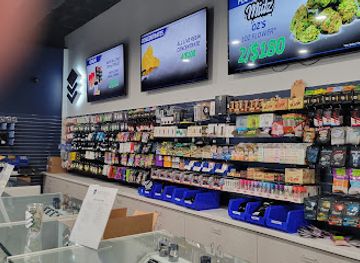
Shopping in Muskegon is centred on independent businesses, seasonal markets and practical local retail rather than a large luxury-shopping district. Downtown and the Western Avenue corridor contain boutiques, galleries, gift shops, cafés and specialist businesses in and around historic commercial streets. The Muskegon Farmers Market offers Michigan produce, baked goods, flowers, prepared foods and crafts when in season, creating a direct connection with local growers and makers. Visitors may also find regional beer merchandise, lake-themed goods, art, antiques and small-batch products that reflect West Michigan’s maritime and outdoors culture. Larger everyday retail areas lie beyond the historic core, while nearby communities provide additional shopping centres. Because independent shops and markets often follow seasonal or event-based schedules, opening arrangements can differ from those of permanent stores, particularly outside the summer visitor period.
-
Cannabis store
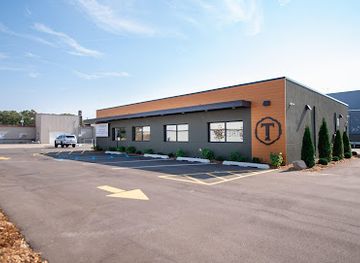
Timber Cannabis Co. Dispensary Muskegon
Explore Muskegon's Timber Cannabis Co. Dispensary for a unique cannabis experience, offering quality products and exceptional customer service.
13 min walk · 1.0 km from city centre
-
Cannabis store
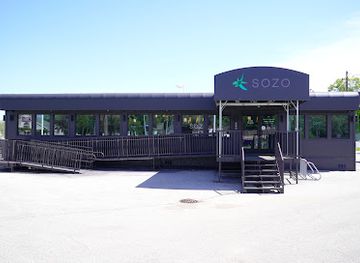
Sozo Muskegon
Discover Sozo Muskegon, a premier cannabis store offering quality products and exceptional service in a welcoming environment.
5 min drive · 1.7 km from city centre
-
Cannabis store
JARS Cannabis - Muskegon
Explore JARS Cannabis in Muskegon for a world-class selection of cannabis products in a welcoming environment.
17 min walk · 1.4 km from city centre
-
Cannabis store
Levels Cannabis - Muskegon
Explore the finest cannabis selection in Muskegon at Levels Cannabis, where quality meets customer satisfaction in a welcoming environment.
13 min walk · 1.1 km from city centre

Get your free copy of our complete guide to Muskegon, delivered straight to you.
Everything on this page, from attractions and restaurants to essentials and local phrases, in one PDF you can read offline, print or share.
Already have an account? Sign in
Your Muskegon guide is ready.
We'll send it to · Not you? Sign out

Getting your guide ready…
We are putting together a fresh copy of the Muskegon guide. This can take up to a minute.
This can take a few moments. If your browser asks, choose Allow so the download can start. You'll find the guide in your Downloads folder.
Nothing happened? Download it again
Sorry, the guide is taking longer than usual. Please try again in a minute, or get it by email instead.
Muskegon essentials
Currency and Payment
Safety
Emergency Situations
Do's and Don'ts
Local Tips
From Eve
Local phrases worth knowing
You don't need to get them perfect. A few words go a long way, and locals appreciate the effort.
Basics
| English | Local | Say it |
|---|---|---|
| Hello | Howdy | [haw-dee] |
| Goodbye | See ya | [see yah] |
| Yes | Yep | [yep] |
| No | Nah | [na] |
| Please/You're welcome | Please/No problem | [pleez / no prob-lem] |
| Thank you | Thanks | [thanks] |
| Excuse me/Sorry | Pardon me/My bad | [par-dun me / my bad] |
| How are you? | Howdy | [haw-dee] |
| Fine. And you? | Good. You? | [good. yoo] |
| Do you speak English? | Ya speak English? | [yah speak ing-glish] |
| I don't understand | I dunno | [i dun-no] |
Eating & Drinking
| English | Local | Say it |
|---|---|---|
| I'd like to see the menu, please | Menu, please | [men-yoo, please] |
| I don't eat meat | No meat for me | [no meet for mee] |
| Cheers! | Cheers! | [cheers] |
| I would like to pay, please | Check, please | [chek, please] |
Emergencies
| English | Local | Say it |
|---|---|---|
| Help! | Help! | [help] |
| Go away! | Get lost! | [get lost] |
| Call the Police! | Police! | [po-leese] |
| Call a doctor! | Doctor! | [doc-tor] |
| I'm lost | Lost | [lost] |
| I'm ill | Sick | [sik] |
Shopping
| English | Local | Say it |
|---|---|---|
| I'd like to buy... | Gimme... | [gim-mee] |
| I'm just looking | Just browsing | [just brow-zing] |
| How much is it? | How much? | [how much] |
| That's too expensive | Too pricey | [too prye-see] |
| Can you lower the price? | Can you do better? | [can you do bet-ter] |
Time & Numbers
| English | Local | Say it |
|---|---|---|
| What time is it? | What time? | [what time] |
| It's one o'clock | It's one | [its one] |
| Half past (10) | Half ten | [half ten] |
| Morning | Mornin' | [mor-nin] |
| Afternoon | Afternoon | [af-ter-noon] |
| Evening | Evenin' | [even-in] |
| Yesterday | Yesterdee | [yes-ter-dee] |
| Today | Today | [to-day] |
| Tomorrow | Tomorrer | [tom-or-er] |
| 1 | One | [wun] |
| 2 | Two | [too] |
| 3 | Three | [three] |
| 4 | Four | [four] |
| 5 | Five | [five] |
| 6 | Six | [six] |
| 7 | Seven | [seven] |
| 8 | Eight | [ate] |
| 9 | Nine | [nine] |
| 10 | Ten | [ten] |
Transport & Directions
| English | Local | Say it |
|---|---|---|
| Where's a/the...? | Where's the... | [wheres the] |
| What's the address? | What's the address? | [whats the address] |
| Can you show me (on the map)? | Show me | [show me] |
| When's the next (bus)? | Next bus? | [next bus] |
| A ticket (to ....) | Ticket (to ...) | [ticket to] |
History of Muskegon
Anishinaabe Homeland and Muskegon’s Name
The Muskegon area lies within the historic homeland of Anishinaabe peoples, including the Ottawa and Ojibwe communities whose seasonal life followed the region’s rivers, forests and lakes. The name Muskegon is generally linked to an Ojibwe term associated with marshy or wetland country, although historical spellings varied. French traders and missionaries entered the wider Great Lakes region from the seventeenth century onwards, followed by expanding United States settlement and commercial activity. Muskegon’s waterways made the location valuable long before the modern city emerged, connecting inland timberlands with Lake Michigan and the broader Great Lakes network.
Settlement on the Waterways
Euro-American settlement accelerated in the 1830s as entrepreneurs recognised the commercial potential of Muskegon Lake and the river systems leading into the forested interior. Sawmills, trading activity and shipping attracted workers and merchants, while the developing settlement acquired roads, warehouses and civic institutions. Muskegon was incorporated as a village in the nineteenth century and later became a city in 1861. Early growth depended on the relationship between water and timber: logs could be floated downriver or brought across the lake, then processed and shipped to expanding communities around Lake Michigan.
The Lumber Boom
During the second half of the nineteenth century, Muskegon became one of Michigan’s major lumber centres. Large-scale logging in the surrounding forests fed numerous sawmills, and the port handled timber, finished lumber and other cargoes moving across the Great Lakes. The industry created considerable private fortunes as well as demanding industrial work for migrants and established residents. The Hackley and Hume houses, built in the 1880s for leading lumbermen Charles H. Hackley and Thomas Hume, reflect this prosperity. As forests were depleted, the city faced the challenge of replacing an economy built around a finite resource.
Industry Beyond Timber
Muskegon’s economy diversified around the turn of the twentieth century, with foundries, machinery, furniture, shipping and other manufacturing reducing dependence on lumber. Industrial firms helped retain the city’s importance as a working port and employer even after the great sawmills declined. The expanding downtown acquired substantial commercial and civic buildings, while neighbourhoods developed around factories, churches and transport links. The area also became associated with lake tourism and public recreation, as residents and visitors used the beaches and waterfront for swimming, boating and seasonal leisure.
War, Manufacturing and the Lakes
Muskegon’s industrial capacity contributed to national wartime production during the twentieth century, when local factories adapted to military demand and shipbuilding connected the city to the wider war effort. The USS LST-393, now preserved as a museum ship on Muskegon Lake, represents this maritime chapter; it served as a tank landing ship during the Second World War. Post-war manufacturing continued to shape employment and civic life, although later economic restructuring affected many traditional industrial communities across the American Midwest.
Preserving a Changing City
In recent decades, Muskegon has increasingly drawn on its historic buildings, waterfront, beaches and cultural institutions as foundations for revitalisation. The preservation of the Hackley and Hume houses, maritime collections, art institutions and downtown performance spaces keeps different phases of the city’s development visible. At the same time, lakefront recreation, festivals and public spaces have strengthened the connection between residents and the water. Muskegon’s contemporary identity therefore combines the memory of timber and manufacturing with arts, heritage tourism, boating and access to Lake Michigan’s natural landscape.
Muskegon in Photos
Browse through our photo collection highlighting the charm and character of the destination.
Cities near Muskegon
The closest cities to Muskegon, if you have time for more than one stop.
-
-

-

-

-


Swipe for more cities
Explore more

Explore more of Michigan
Explore Michigan's stunning Great Lakes, vibrant cities, and untouched natural beauty. Discover the state's rich cultural heritage and endless outdoor adventures.
Explore Michigan