

Pere Marquette State Forest, Michigan Travel Guide
Discover the serene beauty of Pere Marquette State Forest in Michigan, a haven for outdoor enthusiasts with its lush woodlands, sparkling lakes, and diverse wildlife.
Pere Marquette State Forest is a breathtaking natural haven located in the heart of Michigan. This sprawling forest offers a serene escape into nature's beauty, with miles of trails for hiking, biking, and horseback riding. The forest is a paradise for outdoor enthusiasts, featuring lush woodlands, sparkling lakes, and diverse wildlife. With its pristine environment, it's an ideal place to disconnect from the hustle and bustle of daily life and immerse yourself in tranquility. The forest is named after the French Jesuit missionary, Jacques Marquette, and covers a vast area of northern Michigan. It's a popular destination for camping, with numerous campgrounds providing a rustic yet comfortable experience. Visitors can also enjoy fishing, hunting, and boating in the many lakes and rivers that wind through the forest. In the winter, the forest transforms into a snowy playground perfect for snowmobiling, cross-country skiing, and snowshoeing. One of the highlights of Pere Marquette State Forest is its stunning fall foliage. As the leaves change color, the forest becomes a vibrant tapestry of reds, oranges, and yellows, attracting photographers and nature lovers. The scenic beauty and peaceful atmosphere make it a perfect spot for picnics and family outings. Whether you're looking for adventure or relaxation, Pere Marquette State Forest offers an unforgettable experience in the heart of Michigan's natural splendor.

Know before you go
Hi, I'm Eve. Here are a few practical things to know before exploring Pere Marquette State Forest.
- Visit in fall to witness the stunning foliage; it's a photographer's dream.
- Bring insect repellent in the summer months to keep mosquitoes at bay.
- Check local fishing and hunting regulations before planning these activities.
- Winter visitors should dress warmly and be prepared for snowy conditions.
- Reserve campsites in advance during peak seasons to ensure availability.
Explore Pere Marquette State Forest: Things to Do, Places to Eat, Hotels & More
Handpicked recommendations for top attractions, local dining, accommodations, and more

Best attractions in Pere Marquette State Forest
Top-rated picks
Best Attractions

Pere Marquette Park
Explore the breathtaking beauty and endless activities at Pere Marquette Park, Muskegon's premier lakeside destination for relaxation and adventure.

Stearns Park
Discover the beauty and tranquility of Stearns Park in Ludington, Michigan, a perfect destination for families and nature lovers alike.

Little Sable Point Lighthouse
Explore the historic Little Sable Point Lighthouse, a stunning landmark on Lake Michigan known for its breathtaking views and rich maritime heritage.

Lakenenland
Discover the wonder of Lakenenland, an outdoor sculpture museum in Marquette, Michigan, featuring over 80 unique artworks in a breathtaking natural setting.


Best restaurants in Pere Marquette State Forest
Top-rated picks
Best Restaurants

Legs Inn
Experience authentic Polish cuisine at Legs Inn in Cross Village—where stunning views meet rich history.

Ruby Tuesday
Experience delicious American cuisine at Ruby Tuesday in Cadillac, MI – where fresh ingredients meet vibrant flavors!

Trattoria Stella
Discover the flavors of Italy at Trattoria Stella in Traverse City—where local ingredients meet authentic recipes in a stunning setting.

Bob Evans
Experience the warmth of family dining at Bob Evans in Cadillac – where comfort food meets friendly service.

Best bars in Pere Marquette State Forest
Top-rated picks
Best Bars

Barski
Experience the perfect blend of American cuisine and sports excitement at Barski in Baldwin, Michigan.

Traks Bar & Grill
Discover the flavors of northern Michigan at Traks Bar & Grill, where rustic charm meets delicious grill cuisine in the heart of Brethren.

Buckhorn Saloon
Discover the heart of American dining at Buckhorn Saloon, where delicious burgers, pizzas, and a warm atmosphere await in Lake, Michigan.

Travlers Bar & Grill
Experience the warmth of Michigan dining at Travelers Bar & Grill, where local flavors meet friendly service in the heart of Le Roy.

Best nightclubs in Pere Marquette State Forest
Top-rated picks
Best Nightclubs

Exodos Rooftop
Experience Detroit's vibrant nightlife at Exodos Rooftop, where stunning views and electrifying music create unforgettable memories.

Necto
Experience the vibrant nightlife of Ann Arbor at Necto, a lively nightclub offering dance, live music, and a welcoming atmosphere for all.

Orchid Theatre
Discover the electrifying nightlife of Orchid Theatre in Ferndale, MI, where live music and vibrant parties await you.

Club Jovonnes
Discover the energy of Detroit's nightlife at Club Jovonnes, a lively night club and lounge perfect for music lovers and party enthusiasts.

Best shops in Pere Marquette State Forest
Top-rated picks
Best Shops

Jones' Homemade Ice Cream Shoppe
Experience the bliss of homemade ice cream at Jones' Homemade Ice Cream Shoppe in Baldwin, Michigan - a sweet escape for every dessert lover.

Houseman's Foods Center
Discover fresh, local, and quality groceries at Houseman's Foods Center, Baldwin's premier grocery destination for visitors and locals alike.

Pilgrim's Village Resort
Discover the charm of Pilgrim's Village Resort, a lakeside retreat in Cadillac, Michigan, perfect for fishing, relaxation, and family fun.

Dollar General
Explore Dollar General in Baldwin, Michigan for budget-friendly shopping with a wide selection of everyday essentials and special finds.

Explore Pere Marquette State Forest on the Map
A handpicked selection of must-see spots in Pere Marquette State Forest, mapped for you.
Pere Marquette State Forest Essentials
-
Pere Marquette State Forest is located in the northern part of Michigan's Lower Peninsula. The nearest major airport is Cherry Capital Airport (TVC) in Traverse City, approximately 20-30 miles away, depending on your entry point into the forest. From the airport, you can rent a car or take a taxi to the state forest. Alternatively, if you're driving, you can access the forest via US-131, US-31, or M-37. Public transportation options are limited, so the most convenient way to reach the forest is by car.
-
Within Pere Marquette State Forest, the most reliable mode of transportation is by car or bicycle. The forest has a network of roads and trails that are well-maintained and provide access to various camping sites, hiking trails, and points of interest. There are no public transport services within the forest, so plan your travel accordingly. If you're planning to explore extensively, consider renting a 4WD vehicle, especially if you intend to go off the beaten path.
-
The official currency is the United States Dollar (USD). Credit and debit cards are widely accepted at most businesses in the nearby towns, but it's advisable to carry some cash with you, especially if you plan to visit more remote areas or engage in activities like camping. ATMs are available in nearby towns such as Traverse City and Cadillac, but may not be accessible within the forest itself.
-
Pere Marquette State Forest is generally safe for tourists. However, standard safety precautions should always be taken. Avoid leaving valuables in plain sight in your car, and always lock your vehicle. There are no high-crime areas targeting tourists within the forest, but it is always best to stay vigilant, especially in more remote areas. Be cautious of wildlife and ensure you store food properly to avoid attracting animals.
-
In case of emergency, dial 911 for immediate assistance. There are several medical facilities in nearby towns such as Traverse City and Cadillac. It is advisable to have travel insurance that covers medical emergencies. For minor health issues, there are pharmacies in the nearby towns. Familiarize yourself with the locations of the nearest ranger stations, as they can provide assistance and information in case of an emergency.
-
Fashion: Do wear comfortable, weather-appropriate clothing and sturdy footwear suitable for hiking. Avoid wearing flashy jewelry. Religion: There are no specific religious customs to observe, but always respect the natural environment and fellow visitors. Public Transport: As there is no public transport within the forest, plan your travel by car or bicycle. Greetings: A simple nod or wave is a polite way to greet fellow hikers and campers. Eating & Drinking: Do carry out all trash and leave no trace of your visit. Avoid feeding wildlife and adhere to fire safety regulations when cooking or making campfires.
-
To experience Pere Marquette State Forest like a local, consider visiting during the fall when the foliage is at its peak. Engage in activities such as hiking, mountain biking, and fishing, which are popular among locals. For a unique experience, try the VASA Pathway, a well-known trail system for hiking and cross-country skiing. Don't miss the scenic views from the Manistee River Loop Trail, and if you're adventurous, explore the less-traveled North Country Trail section within the forest.
When is the best time to visit Pere Marquette State Forest?
Useful Local Phrases for Pere Marquette State Forest
You don't need to speak the language perfectly. Even learning a few simple words can make conversations warmer—and locals usually appreciate the effort.
— Eve

Here are the phrases I use most often in Pere Marquette State Forest. Try a few—you'll be surprised how far they go! 😊
❤️
-
- HelloHello
[heh-loh] - GoodbyeGoodbye
[gud-bye] - YesYes
[yehs] - NoNo
[noh] - Please/You're welcomePlease/You're welcome
[pleez/yoor wel-kuhm] - Thank youThank you
[thank yoo] - Excuse me/SorryExcuse me/Sorry
[eks-kyoos mee/sor-ee] - How are you?How are you?
[hau ahr yoo] - Fine. And you?Fine. And you?
[fain. And yoo?] - Do you speak English?Do you speak English?
[doo yoo speek Ing-glish?] - I don't understandI don't understand
[ai dohnt ahn-der-stand]
- HelloHello
-
- I'd like to see the menu, pleaseI'd like to see the menu, please
[ai'd laik tuh see thee men-yoo, pleez] - I don't eat meatI don't eat meat
[ai dohnt eet meet] - Cheers!Cheers!
[cheerz] - I would like to pay, pleaseI would like to pay, please
[ai wood laik tuh pay, pleez]
- I'd like to see the menu, pleaseI'd like to see the menu, please
-
- Help!Help!
[help!] - Go away!Go away!
[goh uh-wey!] - Call the Police!Call the Police!
[kahl thee po-lees!] - Call a doctor!Call a doctor!
[kahl uh dok-ter!] - I'm lostI'm lost
[ai'm lost] - I'm illI'm ill
[ai'm il]
- Help!Help!
-
- I'd like to buy...I'd like to buy...
[ai'd laik tuh bahy...] - I'm just lookingI'm just looking
[ai'm jahst look-ing] - How much is it?How much is it?
[hau much iz it?] - That's too expensiveThat's too expensive
[thats tooh ek-spensiv] - Can you lower the price?Can you lower the price?
[kan yoo loh-wer thee priys?]
- I'd like to buy...I'd like to buy...
-
- What time is it?What time is it?
[wut taim iz it?] - It's one o'clockIt's one o'clock
[its wuhn oh-klok] - Half past (10)Half past (10)
[haf past (10)] - MorningMorning
[mohr-ning] - AfternoonAfternoon
[af-ter-noon] - EveningEvening
[eev-ning] - YesterdayYesterday
[yes-ter-day] - TodayToday
[tuh-day] - TomorrowTomorrow
[tuh-mah-row] - 11
[wuhn] - 22
[too] - 33
[three] - 44
[for] - 55
[fahyv] - 66
[siks] - 77
[sev-uhn] - 88
[eyt] - 99
[niyn] - 1010
[ten]
- What time is it?What time is it?
-
- Where's a/the...?Where's a/the...?
[wairz uh/thee...?] - What's the address?What's the address?
[wuts thee uh-dres?] - Can you show me (on the map)?Can you show me (on the map)?
[kan yoo show mee (on thee map)?] - When's the next (bus)?When's the next (bus)?
[whenz thee nekst (bus)?] - A ticket (to ....)A ticket (to ....)
[uh tik-it (to ....)]
- Where's a/the...?Where's a/the...?
History of Pere Marquette State Forest
-
Long before European settlers arrived, the lands that now encompass Pere Marquette State Forest were home to the Anishinaabe people, including the Ojibwe, Odawa, and Potawatomi tribes. These indigenous communities thrived in the region, utilizing the forest's abundant resources for hunting, fishing, and gathering. They left behind a legacy of rich cultural traditions and respect for the natural world, which is still evident today.
-
In 1673, French Jesuit missionary and explorer Father Jacques Marquette, after whom the forest is named, embarked on an expedition with Louis Jolliet to explore the Mississippi River. Although Marquette's journey did not directly involve the forest, his legacy as a significant figure in Michigan's early history led to the naming of the forest in his honor. His explorations helped pave the way for further French exploration and settlement in the region.
-
During the 19th century, the vast timber resources of Pere Marquette State Forest became a focal point for the logging industry. The White Pine, which dominated the forest, was highly sought after for construction and shipbuilding. Logging camps sprang up, and timber was transported via rivers and railways. This period saw significant deforestation, which had long-lasting impacts on the landscape and ecology of the region.
-
In October 1871, the Great Michigan Fire, which coincided with the Great Chicago Fire, ravaged large parts of Michigan, including areas within what is now Pere Marquette State Forest. The fire destroyed vast tracts of timberland, homes, and businesses, dramatically altering the forest landscape. The event underscored the need for better forest management and fire prevention strategies in the years that followed.
-
In the early 20th century, efforts to reforest and conserve the natural beauty of the Pere Marquette region began in earnest. The Civilian Conservation Corps (CCC), established during the Great Depression, played a crucial role in these efforts. The CCC built infrastructure, planted trees, and created recreational facilities that laid the foundation for the modern state forest. Today, these efforts are continued by various state and local agencies dedicated to preserving the forest's ecological integrity.
-
Over the past several decades, Pere Marquette State Forest has become a popular destination for outdoor recreation. The forest offers a wealth of activities including hiking, camping, fishing, and snowmobiling. Trails like the North Country Trail and the Shore-to-Shore Trail attract thousands of visitors each year. The forest's development for recreational use has helped to promote environmental awareness and appreciation among the public.
Cities in Pere Marquette State Forest
Browse our curated selection of top destinations, scenic points, and must-visit spots in the area.

Neighbouring destination travel guides
Browse our curated selection of top destinations, scenic points, and must-visit spots in the area.


Your all‑in‑one travel companion app
Explore expert travel guides, compare and book tours, experiences, hotels, and more—all from the palm of your hand. Download now for seamless trip planning wherever your wanderlust takes you.


Explore More of Lower Peninsula

Looking beyond Pere Marquette State Forest? Discover Lower Peninsula for broader travel guides, local hot-spots, and regional highlights.
Explore Lower PeninsulaExplore More of Michigan

Looking beyond Pere Marquette State Forest? Discover Michigan for broader travel guides, local hot-spots, and regional highlights.
Explore MichiganPere Marquette State Forest in Photos
Browse through our photo collection highlighting the charm and character of the destination.




Nature's Wonderland at Pere Marquette State Forest
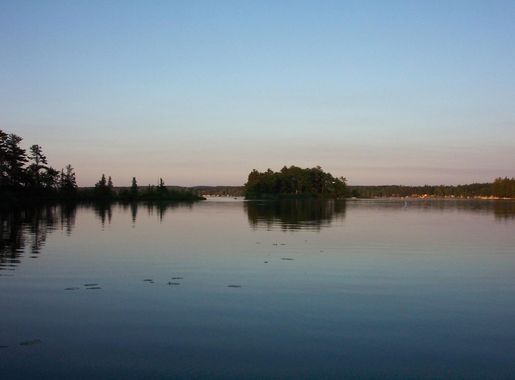
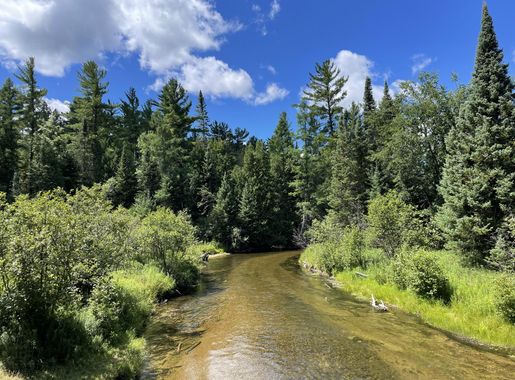
Pere Marquette State Forest is a breathtaking natural haven located in the heart of Michigan. This sprawling forest offers a serene escape into nature's beauty, with miles of trails for hiking, biking, and horseback riding. The forest is a paradise for outdoor enthusiasts, featuring lush woodlands, sparkling lakes, and diverse wildlife. With its pristine environment, it's an ideal place to disconnect from the hustle and bustle of daily life and immerse yourself in tranquility. The forest is named after the French Jesuit missionary, Jacques Marquette, and covers a vast area of northern Michigan. It's a popular destination for camping, with numerous campgrounds providing a rustic yet comfortable experience. Visitors can also enjoy fishing, hunting, and boating in the many lakes and rivers that wind through the forest. In the winter, the forest transforms into a snowy playground perfect for snowmobiling, cross-country skiing, and snowshoeing. One of the highlights of Pere Marquette State Forest is its stunning fall foliage. As the leaves change color, the forest becomes a vibrant tapestry of reds, oranges, and yellows, attracting photographers and nature lovers. The scenic beauty and peaceful atmosphere make it a perfect spot for picnics and family outings. Whether you're looking for adventure or relaxation, Pere Marquette State Forest offers an unforgettable experience in the heart of Michigan's natural splendor.