

Free Traverse City Travel Guide & Mobile App
Plan your Traverse City trip with Evendo. Get free guides to top attractions, restaurants, hotels, and bars. Web access or download the mobile app.


Traverse City, Michigan pairs Lake Michigan beaches, cherry country, wine trails, historic streets and outdoor adventures with a lively cultural scene.
Bayfront Setting and Small-City Character
Traverse City occupies the head of Grand Traverse Bay in north-western Michigan, where the shoreline, wooded hills and agricultural peninsulas shape almost every view. The city centre is compact and walkable, with Front Street linking independent shops, cafés, restaurants, galleries and the restored State Theatre. Clinch Park adds a sandy waterfront and swimming area close to the centre, while West End and the Warehouse District bring a mixture of converted industrial buildings, local businesses and contemporary arts spaces. The pace is distinctly seasonal: summer brings beach days, cycling, boating and outdoor dining, while autumn colours and harvest events reveal the surrounding countryside at a quieter tempo.Read more about Traverse City
Orchards, Wine and Northern Landscapes
Arts, Heritage and Outdoor Life
When is the best time to visit Traverse City?
Best: June–August · 23–26°C| Month | High (°C) | Rainfall (mm) |
|---|---|---|
| January | 1 | 50 |
| February | 1 | 46 |
| March | 7 | 61 |
| April | 12 | 81 |
| May | 18 | 92 |
| June (best) | 23 | 85 |
| July (best) | 26 | 92 |
| August (best) | 25 | 95 |
| September | 21 | 91 |
| October | 15 | 86 |
| November | 9 | 81 |
| December | 3 | 66 |
Getting to and around Traverse City
How to get there
Transportation
Best attractions in Traverse City
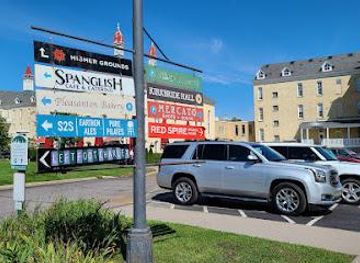
Traverse City's principal attractions combine waterfront recreation, cultural venues and access to the agricultural landscape. Clinch Park places a sandy beach, green space and views across Grand Traverse Bay within easy reach of downtown, while the nearby Boardman Lake Trail follows a quieter corridor through woods and wetlands. The Grand Traverse Commons offers shops, galleries, restaurants and walking routes within the restored buildings and grounds of the former Northern Michigan Asylum. On Front Street, the State Theatre presents films and performances in a carefully revived historic cinema, and the nearby City Opera House provides a setting for concerts, lectures and community events. The Dennos Museum Center at Northwestern Michigan College adds a strong visual-arts focus, including Inuit art and rotating exhibitions. Beyond the centre, the Old Mission Peninsula brings orchards, vineyards and Mission Point Lighthouse, while the Leelanau Peninsula offers rural roads and lake scenery; these are regional excursions rather than city attractions.
-
Tourist attraction
Clinch Park
Discover the beauty of Clinch Park in Traverse City, MI—where the stunning beach meets lush landscapes for an unforgettable outdoor experience.
4 min walk · 0.3 km from city centre
-
Tourist attraction
Grand Traverse County Civic Center
Discover the Grand Traverse County Civic Center, a vibrant park in Traverse City offering sports, recreation, and fun for all ages.
7 min drive · 2.3 km from city centre
-
Art museum
Dennos Museum Center
Discover the diverse art collections and cultural exhibits at the Dennos Museum Center in Traverse City, a hub for creativity and inspiration.
8 min drive · 2.6 km from city centre
-
Tourist attraction
F and M Park
Discover the serene beauty and recreational activities at F and M Park, Traverse City’s perfect outdoor escape for tourists seeking relaxation and adventure.
12 min walk · 1.0 km from city centre


Best landmarks in Traverse City
The City Opera House is one of Traverse City's most distinguished civic buildings, a nineteenth-century performance venue whose continued use connects the modern city with its commercial and cultural expansion. The State Theatre, a restored cinema on Front Street, represents the renewal of the historic downtown and remains a prominent architectural presence. The Grand Traverse Commons is the city's most substantial historic complex: its former Northern Michigan Asylum buildings and landscaped grounds embody changing nineteenth-century ideas about mental healthcare and institutional design. Along the bayfront, Clinch Park and the waterfront reflect the city's enduring relationship with Grand Traverse Bay, while the nearby West End contains traces of former industrial and commercial uses. Outside the city, Mission Point Lighthouse on the Old Mission Peninsula is a much-visited regional landmark, but it should not be confused with a Traverse City address. Together these places express the city's passage from lumber port to agricultural and cultural centre.
-
Park
Clinch Park
Experience the scenic beauty and recreational bliss of Clinch Park, a top destination for outdoor lovers in Traverse City, Michigan.
4 min walk · 0.3 km from city centre
-
Shopping mall
The Village at Grand Traverse Commons
Explore the unique blend of history and modern charm at The Village at Grand Traverse Commons, Traverse City's vibrant shopping and cultural hub.
6 min drive · 1.9 km from city centre
-
Bar
The Little Fleet
Experience the lively atmosphere of The Little Fleet in Traverse City, a unique bar featuring diverse food trucks and an extensive drink menu.
7 min walk · 0.5 km from city centre
-
Hotel
Hotel Indigo Traverse City, an IHG Hotel
Discover luxury and local charm at Hotel Indigo Traverse City, the perfect retreat for tourists exploring Michigan's stunning landscapes and vibrant culture.
7 min walk · 0.6 km from city centre


Explore Traverse City on the map
Plan your Traverse City trip on one map. See where the top attractions, landmarks, restaurants, bars and hotels are, find what's near where you're staying, and book hotels and experiences in a few clicks.
Best hotels in Traverse City
Best restaurants in Traverse City
Traverse City's dining identity is closely tied to northern Michigan's farms, orchards, fisheries and vineyards. Tart cherries appear in baked goods, preserves, sauces and seasonal menus, while freshwater fish such as whitefish is a longstanding regional presence. Restaurants around Front Street, the Warehouse District and the West End range from cafés and bakeries to polished dining rooms, breweries and farm-focused kitchens, with local produce becoming especially prominent during the growing season. The surrounding peninsulas add winery tasting rooms, cideries, farm stands and roadside fruit sellers, creating a strong connection between the city table and the countryside. Contemporary cooks draw on Great Lakes ingredients alongside broader American and international influences, while cherry products, maple goods and locally made beverages provide characteristic purchases. Menus and opening patterns are seasonal, particularly outside the central districts, so the dining scene changes noticeably between summer tourism and the quieter months.
-
American
Bubba's
Experience the vibrant flavors of American cuisine at Bubba's in Traverse City - where comfort food meets local charm.
6 min walk · 0.5 km from city centre
-
Hamburger
Slabtown Burgers
Discover the ultimate burger experience at Slabtown Burgers in Traverse City - where fresh ingredients meet mouthwatering flavors.
17 min walk · 1.4 km from city centre
-
American
Apache Trout Grill
Experience delectable American cuisine and fresh seafood at Apache Trout Grill with stunning lake views in Traverse City.
7 min drive · 2.4 km from city centre
-
Barbecue
Blue Tractor Barbeque
Experience mouthwatering barbecue and vibrant American flavors at Blue Tractor Barbeque in Traverse City—a must-visit culinary destination.
6 min walk · 0.4 km from city centre


Best bars in Traverse City
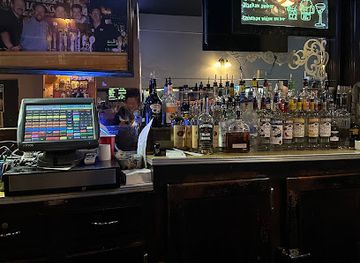
Traverse City has an active but moderate evening scene centred on Front Street, the Warehouse District and the West End rather than on a large nightclub quarter. Breweries, taprooms, wine bars and cocktail-led venues reflect the area's craft beverage culture, while restaurants often provide the liveliest late-evening atmosphere. The State Theatre and City Opera House bring films, concerts, talks and performances into the centre, and the Dennos Museum Center contributes occasional cultural programming. Summer evenings are especially social, with visitors moving between the waterfront, outdoor seating and downtown venues, whereas winter nightlife is more local and measured. Breweries and wine destinations on the surrounding peninsulas are generally separate from the city centre and require planned transport. US drinking-age and driving laws apply, and visitors should not assume that rural tasting rooms operate late or provide transport.
-
Bar
The Little Fleet
Discover The Little Fleet in Traverse City, where craft cocktails meet delicious food trucks for a unique bar experience.
7 min walk · 0.5 km from city centre
-
Bar
7 Monks Taproom
Discover the vibrant craft beer scene at 7 Monks Taproom in Traverse City, where local brews and delicious food come together for an unforgettable experience.
3 min walk · 0.3 km from city centre
-
Restaurant
Taproot Cider House
Discover the essence of Traverse City at Taproot Cider House, where local flavors and craft ciders blend in a warm, inviting atmosphere.
3 min walk · 0.2 km from city centre
-
Lounge
U And I Lounge
Discover the vibrant and welcoming atmosphere of U And I Lounge in Traverse City, where great drinks and friendly service await.
1 min walk · 0.1 km from city centre


Best nightclubs in Traverse City
Traverse City has an active but moderate evening scene centred on Front Street, the Warehouse District and the West End rather than on a large nightclub quarter. Breweries, taprooms, wine bars and cocktail-led venues reflect the area's craft beverage culture, while restaurants often provide the liveliest late-evening atmosphere. The State Theatre and City Opera House bring films, concerts, talks and performances into the centre, and the Dennos Museum Center contributes occasional cultural programming. Summer evenings are especially social, with visitors moving between the waterfront, outdoor seating and downtown venues, whereas winter nightlife is more local and measured. Breweries and wine destinations on the surrounding peninsulas are generally separate from the city centre and require planned transport. US drinking-age and driving laws apply, and visitors should not assume that rural tasting rooms operate late or provide transport.
-
Lounge
U And I Lounge
Discover the vibrant atmosphere and affordable delights of U And I Lounge in Traverse City, the perfect spot for relaxation and fun.
1 min walk · 0.1 km from city centre
-
Pub
Brady's Bar
Experience the vibrant atmosphere and delicious cuisine at Brady's Bar, a top pub and restaurant in Traverse City, Michigan.
5 min walk · 0.4 km from city centre
-
Cocktail bar
The Parlor TC
Experience the vibrant atmosphere of The Parlor TC, Traverse City's top cocktail bar, known for its live music and delicious culinary offerings.
4 min walk · 0.3 km from city centre
-
Cocktail bar
Low Bar
Experience the best of Traverse City's nightlife at Low Bar, where innovative cocktails and a vibrant atmosphere await every guest.
3 min walk · 0.3 km from city centre


Best shops in Traverse City
Shopping in Traverse City is concentrated around Front Street, where independent clothing shops, bookshops, galleries, cafés and speciality retailers occupy a walkable downtown setting. The Warehouse District and West End add locally owned businesses in converted or newer commercial spaces, while the Grand Traverse Commons combines retail, studios, food businesses and services within a historic complex. Visitors looking for regional products will find cherry preserves, dried fruit, baked goods, wine, cider, maple products and other farm-related treats in shops, markets and seasonal roadside stands. Art created in northern Michigan, including ceramics, textiles, jewellery and prints, is a more distinctive purchase than generic souvenirs. Farmers' markets and orchard stands are particularly important during the warmer months, although locations and operating days vary by season. Retail becomes quieter outside summer, and rural peninsula businesses are dispersed rather than arranged along one continuous shopping street.
-
Shopping mall
The Village at Grand Traverse Commons
Experience the unique charm of The Village at Grand Traverse Commons, where shopping, dining, and community life converge in a historic setting.
6 min drive · 1.9 km from city centre
-
Gift shop
Cherry Republic | Traverse City
Discover Traverse City's Cherry Republic, where cherry treats and local delights create a sweet shopping experience for all visitors.
1 min walk · 0.1 km from city centre
-
Book store
Higher Self Bookstore
Experience the magical world of Higher Self Bookstore, a literary haven in Traverse City offering books, wellness products, and community events.
4 min walk · 0.3 km from city centre
-
Antique store
Wilson Antiques
Explore Wilson Antiques in Traverse City for a unique shopping experience filled with vintage treasures and timeless charm.
3 min walk · 0.2 km from city centre


Get your free copy of our complete guide to Traverse City, delivered straight to you.
Everything on this page, from attractions and restaurants to essentials and local phrases, in one PDF you can read offline, print or share.
Already have an account? Sign in
Your Traverse City guide is ready.
We'll send it to · Not you? Sign out

Getting your guide ready…
We are putting together a fresh copy of the Traverse City guide. This can take up to a minute.
This can take a few moments. If your browser asks, choose Allow so the download can start. You'll find the guide in your Downloads folder.
Nothing happened? Download it again
Sorry, the guide is taking longer than usual. Please try again in a minute, or get it by email instead.
Traverse City essentials
Currency and Payment
Safety
Emergency Situations
Do's and Don'ts
Local Tips
From Eve
Local phrases worth knowing
You don't need to get them perfect. A few words go a long way, and locals appreciate the effort.
Basics
| English | Local | Say it |
|---|---|---|
| Hello | Hi | [hahy] |
| Goodbye | Bye | [bahy] |
| Yes | Yeah | [yeh] |
| No | Nope | [nohp] |
| Please/You're welcome | Please | [pleez] |
| Thank you | Thanks | [thangks] |
| Excuse me/Sorry | Sorry | [sawr-ee] |
| How are you? | How's it going? | [hows it goh-ing?] |
| Fine. And you? | Good. You? | [gud. yoo?] |
| Do you speak English? | Do you speak English? | [doo yoo speek Ing-glish?] |
| I don't understand | I don't get it | [ahy dohnt get it] |
Eating & Drinking
| English | Local | Say it |
|---|---|---|
| I'd like to see the menu, please | Can I see the menu, please | [kan eye see the men-yoo, pleez] |
| I don't eat meat | I don't eat meat | [ahy dohnt eet meet] |
| Cheers! | Cheers! | [cheerz] |
| I would like to pay, please | Can I pay, please | [kan eye pay, pleez] |
Emergencies
| English | Local | Say it |
|---|---|---|
| Help! | Help! | [help] |
| Go away! | Go away! | [goh uh-way] |
| Call the Police! | Call the cops! | [kawl the kahps] |
| Call a doctor! | Call a doc! | [kawl uh dahk] |
| I'm lost | I'm lost | [ahym lawst] |
| I'm ill | I'm sick | [ahym sik] |
Shopping
| English | Local | Say it |
|---|---|---|
| I'd like to buy... | I wanna buy... | [ahy wahn-uh buy] |
| I'm just looking | Just browsing | [juhst brow-zing] |
| How much is it? | How much does it cost? | [how much duhz it cost?] |
| That's too expensive | That's too pricey | [thats tooh prahy-see] |
| Can you lower the price? | Can you drop the price? | [kan yoo drop the prahys?] |
Time & Numbers
| English | Local | Say it |
|---|---|---|
| What time is it? | What's the time? | [whats the tahym?] |
| It's one o'clock | It's one | [its wuhn] |
| Half past (10) | Half past (10) | [hahf past (ten)] |
| Morning | Morning | [mawr-ning] |
| Afternoon | Afternoon | [af-ter-noon] |
| Evening | Evening | [eev-ning] |
| Yesterday | Yesterday | [yest-er-day] |
| Today | Today | [toh-day] |
| Tomorrow | Tomorrow | [toh-maw-row] |
| 1 | One | [wuhn] |
| 2 | Two | [too] |
| 3 | Three | [three] |
| 4 | Four | [for] |
| 5 | Five | [fahyv] |
| 6 | Six | [siks] |
| 7 | Seven | [sev-uhn] |
| 8 | Eight | [ayt] |
| 9 | Nine | [nahyn] |
| 10 | Ten | [ten] |
Transport & Directions
| English | Local | Say it |
|---|---|---|
| Where's a/the...? | Where's the...? | [wheres the] |
| What's the address? | What's the address? | [whats the ad-dress] |
| Can you show me (on the map)? | Can you show me (on the map)? | [kan yoo show mee (on the map)] |
| When's the next (bus)? | When's the next (bus)? | [whens the nekst (bus)] |
| A ticket (to ....) | A ticket (to ....) | [uh tik-uht (to)] |
History of Traverse City
Anishinaabe Homeland and Grand Traverse Bay
The land around present-day Traverse City has long been associated with Anishinaabe peoples, including Odawa and Ojibwe communities, whose lives were shaped by the forests, rivers and waters of Grand Traverse Bay. The bay formed part of wider networks of travel, fishing, hunting and exchange across the Great Lakes. French and later British activity reached the region through the wider fur trade, but the area remained predominantly wooded and Indigenous in character until the nineteenth century. United States treaty-making profoundly altered Indigenous landholding and political sovereignty, including through the 1836 Treaty of Washington, which transferred large territories in what became Michigan while retaining certain rights for Native communities. This earlier history remains essential to understanding the region beyond its later lumber and resort identity.
Lumber, Settlement and a New Town
Traverse City emerged in the 1840s as the lumber industry expanded along the north-western shore of Grand Traverse Bay. Captain Harry Boardman established a sawmill at the head of the bay in 1847, and the settlement grew around timber processing, shipping and the arrival of workers and merchants. The name refers to the long crossing of the bay, known as the Grand Traverse. Logs moved through the port to supply the rapidly developing towns of the Great Lakes, while roads and later rail connections strengthened Traverse City's role as a regional centre. As forests were cut, agriculture became increasingly important, and the town began to develop the commercial streets, civic institutions and neighbourhoods that still define its central districts.
From Timber to Orchards
The decline of extensive timber supplies in the late nineteenth century forced the local economy to diversify. Orchards proved particularly successful on the peninsulas surrounding Grand Traverse Bay, where the lake-influenced climate reduced the danger of severe spring frosts. Tart cherries became the area's signature crop, joined by apples and other fruit. Rail transport and improved roads helped farmers send produce to markets beyond northern Michigan, while local processing and storage supported a more settled agricultural economy. Traverse City incorporated as a city in the late nineteenth century, strengthening its administrative and commercial role. The transition from lumber port to orchard region remains visible in the farms, roadside stands, agricultural businesses and seasonal celebrations associated with the city today.
The Northern Michigan Asylum
One of Traverse City's most important architectural and social landmarks began as the Northern Michigan Asylum, which opened in 1885. Designed according to nineteenth-century ideas about mental healthcare, the institution formed a substantial campus set within landscaped grounds, with patients living and working in an environment intended to support routine and recovery. Its buildings and grounds reflected the period's belief that architecture, light, air and access to nature could contribute to treatment. The institution later changed name and eventually closed, but the complex survived as the Grand Traverse Commons. Its preserved buildings now accommodate shops, studios, restaurants, offices and public spaces, allowing a significant chapter in American institutional history to remain part of everyday city life.
Transport, Commerce and Civic Growth
Rail connections and improved roads increased Traverse City's importance as a distribution centre for the surrounding agricultural region during the late nineteenth and early twentieth centuries. Produce, timber and manufactured goods moved through the city, while banks, hotels, theatres and retail businesses developed around the commercial core. Downtown buildings on and near Front Street preserve elements of this period, when masonry construction replaced many earlier timber structures and civic ambition became more visible in the streetscape. The waterfront remained economically important even as tourism gained ground. Traverse City gradually shifted from a resource-processing town towards a service, education, healthcare and recreation centre, a pattern common to many northern Michigan communities but especially pronounced here because of the bay and nearby resort landscapes.
Cherry Festival and Contemporary Identity
The first National Cherry Festival was held in Traverse City in 1925, turning an agricultural celebration into a major expression of regional identity. Cherries remain central to the city's public image, although the modern economy also includes healthcare, education, tourism, food production, arts and small business. Historic downtown properties have been restored for new uses, and the former asylum campus has become the Grand Traverse Commons. The revival of the State Theatre and the continued use of the City Opera House reflect a broader investment in cultural life. Today, Traverse City presents itself through several overlapping histories: Indigenous presence, lumber and shipping, orchard agriculture, institutional architecture and the recreational culture of the Great Lakes.
Traverse City in Photos
Browse through our photo collection highlighting the charm and character of the destination.
Cities near Traverse City
The closest cities to Traverse City, if you have time for more than one stop.
-

-

-

-

-


Swipe for more cities
Explore more

Explore more of Michigan
Explore Michigan's stunning Great Lakes, vibrant cities, and untouched natural beauty. Discover the state's rich cultural heritage and endless outdoor adventures.
Explore Michigan