

Free Petoskey Travel Guide & Mobile App
Plan your Petoskey trip with Evendo. Get free guides to top attractions, restaurants, hotels, and bars. Web access or download the mobile app.


Petoskey, Michigan pairs Lake Michigan views with Victorian streets, Petoskey stones, arts, dining and northern Michigan heritage for memorable sightseeing.
Lake Michigan and the Gaslight District
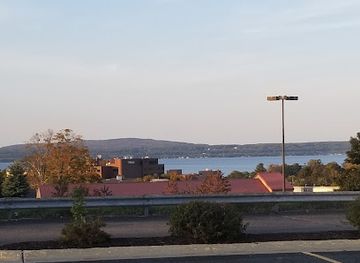
Petoskey occupies a graceful stretch of Little Traverse Bay in northern Michigan, where wooded hills descend towards Lake Michigan and the shoreline opens to long views across the water. Its compact centre is defined by the Gaslight District, a walkable collection of red-brick buildings, independent shops, galleries, restaurants and cafés. The district takes its name from the historic gas-style streetlamps that line its streets, while Mitchell Street provides the principal commercial spine. Bayfront Park extends the town's public life towards the lake, with paths, lawns, a marina and places to watch boats moving across the bay.Read more about Petoskey
Odawa Heritage and Resort Traditions
Stones, Shorelines and Northern Michigan Life
When is the best time to visit Petoskey?
Best: June–August · 23–24°C| Month | High (°C) | Rainfall (mm) |
|---|---|---|
| January | -2 | 45 |
| February | -1 | 40 |
| March | 6 | 45 |
| April | 12 | 60 |
| May | 18 | 70 |
| June (best) | 23 | 75 |
| July (best) | 24 | 75 |
| August (best) | 23 | 75 |
| September | 19 | 70 |
| October | 13 | 60 |
| November | 7 | 55 |
| December | 0 | 50 |
Getting to and around Petoskey
How to get there
Transportation
Best attractions in Petoskey
Petoskey's principal attractions are concentrated around its lakefront and historic centre. Bayfront Park provides open lawns, walking paths, harbour views and access to the shoreline, while the Bear River Valley Recreation Area follows wooded terrain and waterways close to downtown. The Little Traverse History Museum introduces the area's Odawa, maritime, timber and resort history in a former railway building, and Crooked Tree Arts Center presents exhibitions, classes and regional creative work. Mitchell Street and the Gaslight District reward slow exploration, with decorative historic façades, independent shops and cafés occupying the town's central commercial blocks. The waterfront is also the natural place to search for Petoskey stones, although the best finds are shaped by storms and shoreline conditions. Petoskey State Park, outside the city in nearby Resort Township, extends the experience with a broad Lake Michigan beach, dunes and woodland, while neighbouring Harbor Springs and Bay Harbor offer further harbour and resort landscapes around Little Traverse Bay.
-
Tourist attraction
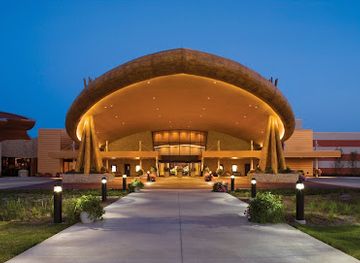
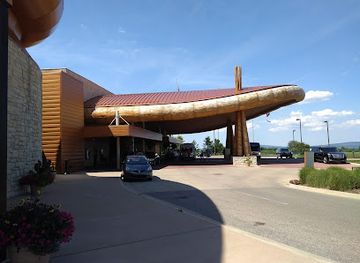
Odawa Casino
Experience the thrill of gaming and live entertainment at Odawa Casino, your ultimate destination for fun and relaxation in Petoskey, Michigan.
9 min drive · 2.9 km from city centre
-
Tourist attraction
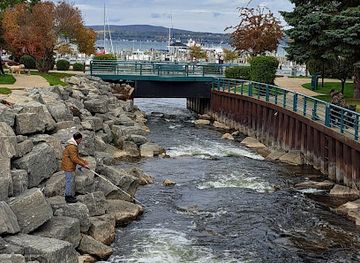
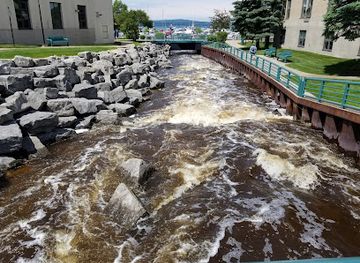
Bear River Valley Recreation Area
Discover the natural beauty of Bear River Valley Recreation Area in Petoskey, Michigan—a perfect destination for outdoor adventures and peaceful retreats.
11 min drive · 3.8 km from city centre
-
Tourist attraction
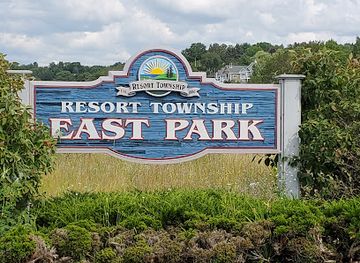
East Park
Experience the serene beauty of East Park in Petoskey, Michigan, a perfect blend of nature and recreation for all visitors.
10 min walk · 0.8 km from city centre
-
Amusement center
Know Way Out Escape Room
Experience the thrill of problem-solving at Know Way Out Escape Room in Petoskey, Michigan, where every second counts in your race to escape.
11 min drive · 3.6 km from city centre
Best landmarks in Petoskey
Petoskey's most distinctive landmarks are tied to its streetscape, waterfront and resort history. The Gaslight District preserves a cohesive group of late nineteenth- and early twentieth-century commercial buildings, whose brick façades and decorative details reveal the prosperity brought by timber, rail travel and summer tourism. The Perry Hotel, overlooking downtown and Little Traverse Bay, is a long-established hotel landmark associated with the city's resort identity. Bayfront Park and its harbour edge form Petoskey's civic meeting place, linking the historic centre with the lake and boat traffic of Little Traverse Bay. The Little Traverse History Museum occupies a former railway station, giving the building significance as both an architectural survivor and a record of the transport network that helped develop the city. The Petoskey stone, officially Michigan's state stone, is a geological symbol rather than a constructed monument, yet it is inseparable from local identity and the shoreline landscapes surrounding the city.
-
Casino
Odawa Casino
Discover gaming, dining, and live entertainment at Odawa Casino in Petoskey, Michigan, your ultimate destination for fun and relaxation.
9 min drive · 2.9 km from city centre
-
Park
Bear River Valley Recreation Area
Experience the serene beauty of Bear River Valley Recreation Area, a perfect getaway for nature lovers and outdoor enthusiasts in Petoskey, Michigan.
11 min drive · 3.8 km from city centre
-
Pottery store
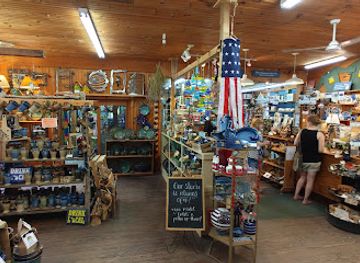
Sturgeon River Pottery
Explore the artistic treasures at Sturgeon River Pottery, where handcrafted ceramics and local artistry come together in Petoskey, Michigan.
8 min walk · 0.7 km from city centre
-
Shopping mall
Bay Mall
Discover the best shopping and dining at Bay Mall in Petoskey, Michigan - where variety meets convenience in a delightful setting.
9 min drive · 3.0 km from city centre
Explore Petoskey on the map
Plan your Petoskey trip on one map. See where the top attractions, landmarks, restaurants, bars and hotels are, find what's near where you're staying, and book hotels and experiences in a few clicks.
Best hotels in Petoskey
Best restaurants in Petoskey
Petoskey's dining scene reflects its position as both a northern Michigan community and a seasonal lake resort. Restaurants in the Gaslight District and along Mitchell Street range from cafés and bakeries to places serving Great Lakes fish, burgers, steaks, salads and contemporary American cooking. Local menus often draw on Michigan produce, cherries, apples, maple products, craft beer and freshwater fish, while nearby farms contribute to the region's seasonal character. Breakfast cafés and casual lunch spots suit visitors moving between the waterfront and downtown, and ice-cream and confectionery traditions are prominent in this resort town; Kilwins, which began in Petoskey, has a particularly strong local association. Dining is generally more concentrated in the central streets than in the surrounding countryside, where farm stands, wineries and rural food businesses form part of the wider Little Traverse Bay experience.
-
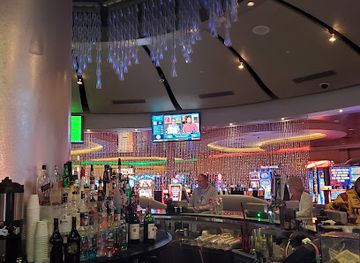
Casino
Odawa Casino
Discover the thrill of gaming at Odawa Casino in Petoskey, MI—where entertainment meets luxury dining and vibrant nightlife.
9 min drive · 2.9 km from city centre
-
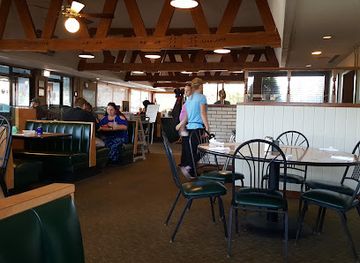
Family-friendly
J W Filmore's Family Restaurant
Discover the charm of J W Filmore's Family Restaurant in Petoskey—where delicious breakfasts meet family-friendly service.
9 min drive · 3.0 km from city centre
-
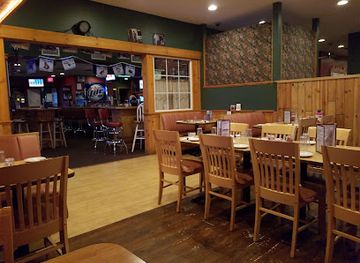
Family-friendly
Southwoods Pub and Grill
Experience delightful family dining at Southwoods Pub and Grill in Petoskey - where great food meets friendly service!
9 min drive · 3.2 km from city centre
-
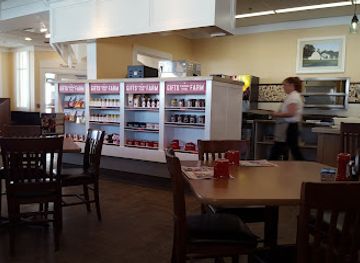
Family-friendly
Bob Evans
Discover Bob Evans in Petoskey - your go-to family-friendly restaurant offering delicious breakfasts and comforting meals in Michigan.
11 min drive · 3.6 km from city centre
Best bars in Petoskey
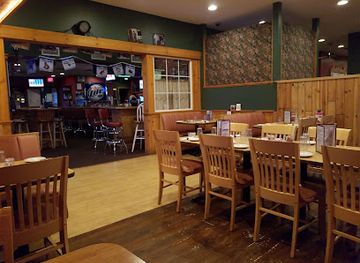
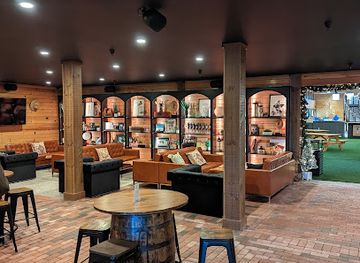
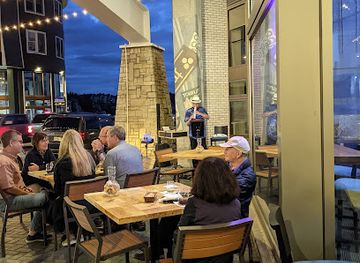
Petoskey's evening scene is sociable rather than club-oriented, with activity centred on the Gaslight District, Mitchell Street and the waterfront. Downtown restaurants commonly extend into bar service, while breweries, wine-focused venues and casual gathering places provide settings for local beer, cocktails and conversation. Summer evenings bring outdoor seating and a steady flow of visitors returning from the lake, whereas winter nights are quieter and more local in character. Live music, arts events and seasonal performances add cultural options beyond drinking, particularly through venues and programmes associated with Crooked Tree Arts Center and other community organisations. The city has few large nightclubs, and late-night entertainment is more limited than in Michigan's major urban centres. Visitors should arrange transport in advance when travelling beyond central Petoskey, since taxi and rideshare availability can be less dependable in a small resort community.
-
Bar
Southwoods Pub and Grill
Experience delicious family dining at Southwoods Pub and Grill in Petoskey, Michigan, where hearty meals and a welcoming atmosphere await.
9 min drive · 3.2 km from city centre
-
Bar
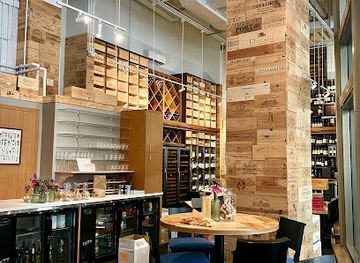
Vintage Chophouse & Wine Bar
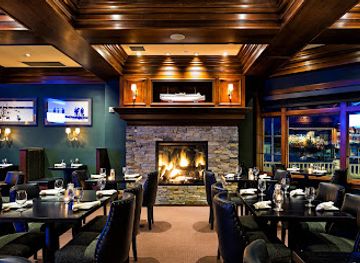
Savor the finest steaks and wines in Bay Harbor at Vintage Chophouse & Wine Bar, where culinary excellence meets stunning waterfront views.
7 min walk · 0.6 km from city centre
-
Distillery
Gypsy Distillery
Experience the craft of artisanal spirits at Gypsy Distillery in Petoskey, MI—a journey through flavor and tradition in a scenic setting.
9 min drive · 2.9 km from city centre
-
Wine bar
Sip
Discover Sip in Petoskey: an exquisite wine bar offering a curated selection of wines and a cozy atmosphere perfect for relaxation.
10 min walk · 0.8 km from city centre
Best nightclubs in Petoskey
Petoskey's evening scene is sociable rather than club-oriented, with activity centred on the Gaslight District, Mitchell Street and the waterfront. Downtown restaurants commonly extend into bar service, while breweries, wine-focused venues and casual gathering places provide settings for local beer, cocktails and conversation. Summer evenings bring outdoor seating and a steady flow of visitors returning from the lake, whereas winter nights are quieter and more local in character. Live music, arts events and seasonal performances add cultural options beyond drinking, particularly through venues and programmes associated with Crooked Tree Arts Center and other community organisations. The city has few large nightclubs, and late-night entertainment is more limited than in Michigan's major urban centres. Visitors should arrange transport in advance when travelling beyond central Petoskey, since taxi and rideshare availability can be less dependable in a small resort community.
-
Wine bar
Sip
Discover the charm of Sip, a premier wine bar in Bay Harbor, Petoskey, offering exceptional wines and a cozy atmosphere for unforgettable evenings.
10 min walk · 0.8 km from city centre
-
Association / Organization
Zonta Club of Petoskey Area
Discover the Zonta Club of Petoskey Area: A hub for women's empowerment and community engagement in the heart of Michigan.
10 min drive · 3.3 km from city centre
Best shops in Petoskey
Shopping in Petoskey is concentrated in the Gaslight District and along Mitchell Street, where independent boutiques, galleries, booksellers, homeware shops and specialist retailers occupy historic commercial buildings. Petoskey stones appear in jewellery, polished specimens and decorative objects, although visitors should distinguish locally sourced material from generic Great Lakes souvenirs and respect collection rules on beaches. Michigan-made food products, cherry items, maple goods, soaps, candles and small-scale artwork are widely associated with the region's retail culture. Kilwins, founded in Petoskey in 1947, adds a notable confectionery connection to the town's shopping identity. The central streets are more suited to browsing than to large-scale retail, while Bay Harbor and nearby resort communities provide additional boutiques and marina-oriented shops. Seasonal markets and gallery events can broaden the range of locally made goods, but their timing changes through the year.
-
Shopping mall
Bear Creek Crossings
Explore Bear Creek Crossings: A vibrant shopping mall in Petoskey, MI, offering diverse stores, delightful dining, and family-friendly entertainment.
10 min drive · 3.4 km from city centre
-
Pottery store
Sturgeon River Pottery
Explore Sturgeon River Pottery, where unique handcrafted ceramics and local artistry come together in the heart of Petoskey, Michigan.
8 min walk · 0.7 km from city centre
-
Shopping mall
Bay Mall
Explore Bay Mall in Petoskey, Michigan, where shopping meets dining and entertainment in a vibrant atmosphere.
9 min drive · 3.0 km from city centre
-
Thrift store
Gold Mine Resale Shop
Explore the Gold Mine Resale Shop in Petoskey, Michigan – a thrift store brimming with unique finds and community spirit.
12 min drive · 4.0 km from city centre
Get your free copy of our complete guide to Petoskey, delivered straight to you.
Everything on this page, from attractions and restaurants to essentials and local phrases, in one PDF you can read offline, print or share.
Already have an account? Sign in
Your Petoskey guide is ready.
We'll send it to · Not you? Sign out

Getting your guide ready…
We are putting together a fresh copy of the Petoskey guide. This can take up to a minute.
This can take a few moments. If your browser asks, choose Allow so the download can start. You'll find the guide in your Downloads folder.
Nothing happened? Download it again
Sorry, the guide is taking longer than usual. Please try again in a minute, or get it by email instead.
Petoskey essentials
Currency and Payment
Safety
Emergency Situations
Do's and Don'ts
Local Tips
From Eve
Local phrases worth knowing
You don't need to get them perfect. A few words go a long way, and locals appreciate the effort.
Basics
| English | Local | Say it |
|---|---|---|
| Hello | Hi | [hahy] |
| Goodbye | Bye | [bahy] |
| Yes | Yeah | [yeh] |
| No | Nope | [nohp] |
| Please/You're welcome | Please | [pleez] |
| Thank you | Thanks | [thangks] |
| Excuse me/Sorry | Excuse me | [eks-kyoos mee] |
| How are you? | How are ya? | [hawr ya] |
| Fine. And you? | Good. You? | [gud yoo] |
| Do you speak English? | Ya speak English? | [ya speek ing-glish] |
| I don't understand | I dunno | [ahy duhn-noh] |
Eating & Drinking
| English | Local | Say it |
|---|---|---|
| I'd like to see the menu, please | Can I see the menu? | [kan ahy see thee men-yoo] |
| I don't eat meat | I don't eat meat | [ahy dohnt eet meet] |
| Cheers! | Cheers! | [cheerz] |
| I would like to pay, please | Check, please | [chek pleez] |
Emergencies
| English | Local | Say it |
|---|---|---|
| Help! | Help! | [help] |
| Go away! | Get out! | [get out] |
| Call the Police! | Call the cops! | [kawl thee kawps] |
| Call a doctor! | Call a doc! | [kawl uh dahk] |
| I'm lost | I'm lost | [ahy'm lost] |
| I'm ill | I'm sick | [ahy'm sik] |
Shopping
| English | Local | Say it |
|---|---|---|
| I'd like to buy... | I wanna buy... | [ahy wahn-nuh buy] |
| I'm just looking | Just looking | [just look-ing] |
| How much is it? | How much? | [how much] |
| That's too expensive | Too pricey | [too pry-see] |
| Can you lower the price? | Can ya lower it? | [kan yuh loh-er it] |
Time & Numbers
| English | Local | Say it |
|---|---|---|
| What time is it? | What time is it? | [wut tahym iz it] |
| It's one o'clock | It's one | [its wuhn] |
| Half past (10) | Half past ten | [haf past ten] |
| Morning | Morning | [mawrn-ing] |
| Afternoon | Afternoon | [af-ternoon] |
| Evening | Evening | [ee-ven-ing] |
| Yesterday | Yesterday | [yest-er-day] |
| Today | Today | [tuh-day] |
| Tomorrow | Tomorrow | [tuh-mawr-ow] |
| 1 | One | [wuhn] |
| 2 | Two | [too] |
| 3 | Three | [three] |
| 4 | Four | [for] |
| 5 | Five | [fahyv] |
| 6 | Six | [siks] |
| 7 | Seven | [sev-uhn] |
| 8 | Eight | [eyt] |
| 9 | Nine | [nahyn] |
| 10 | Ten | [ten] |
Transport & Directions
| English | Local | Say it |
|---|---|---|
| Where's a/the...? | Where's the...? | [wheres thee] |
| What's the address? | What's the address? | [whats thee uh-dress] |
| Can you show me (on the map)? | Show me (on the map) | [shoh mee on thee map] |
| When's the next (bus)? | When's the next bus? | [whens thee nekst buhs] |
| A ticket (to ....) | A ticket to... | [uh tik-it too] |
History of Petoskey
Odawa Homeland and Little Traverse Bay
The Petoskey area lies within the ancestral homeland of the Odawa, one of the Anishinaabe peoples of the Great Lakes. The bay and its connected waterways supported travel, fishing, hunting and exchange long before the arrival of Euro-American settlement. In the nineteenth century, Odawa communities faced severe pressure from land cessions and federal policies, although the Little Traverse Bay Bands of Odawa Indians remain an important contemporary presence in the region. The city's name is commonly associated with Ignatius Petoskey, an Odawa leader and trader whose name was later applied to the settlement and the distinctive fossil coral found along the Great Lakes shore.
Timber, Trade and Early Settlement
Euro-American settlement expanded around Little Traverse Bay during the nineteenth century as the timber economy attracted merchants, lumber workers and shipping interests. The sheltered bay provided access for vessels carrying forest products and supplies, while nearby rivers and roads connected the developing community with interior settlements. Petoskey emerged alongside neighbouring communities such as Harbor Springs and Charlevoix during a period when northern Michigan's forests were being rapidly logged. Commercial buildings, warehouses and transport links formed the basis of the town's later prosperity, even as the timber frontier gradually moved farther inland.
The Railway and an Emerging Resort
Rail connections in the late nineteenth century strengthened Petoskey's links with larger Michigan cities and helped transform Little Traverse Bay into a destination for summer visitors. Travel became easier for holidaymakers seeking cool lake air, boating, fishing and the scenery of the northern woods. Hotels, boarding houses and seasonal residences followed, and Petoskey's commercial centre developed a more polished architectural character. The town was incorporated as a city in 1879, during this period of rapid growth. Tourism did not replace trade and local industry immediately, but it increasingly shaped the city's public image and economy.
Victorian Streets and Resort Culture
By the late nineteenth and early twentieth centuries, Petoskey had acquired many of the buildings and civic spaces that still define its centre. Brick commercial blocks, churches, hotels and substantial houses reflected the prosperity generated by timber, shipping, rail travel and seasonal tourism. The town became part of a wider network of northern Michigan resorts around Little Traverse Bay, where visitors combined lake recreation with social events and outdoor pursuits. The historic downtown, now known as the Gaslight District, preserves the scale and street pattern of this era, although its shops and restaurants serve a modern community as well as visitors.
A Literary and Cultural Landscape
The wider Petoskey region became associated with Ernest Hemingway, who spent formative summers in nearby Walloon Lake and later drew on northern Michigan landscapes in his early writing. His connection belongs to the surrounding area rather than solely to the city, but it forms part of the region's cultural heritage. Petoskey itself continued to develop as a centre for commerce, education, arts and waterfront recreation. Institutions such as the Little Traverse History Museum and Crooked Tree Arts Center help interpret and sustain that heritage, while the town's continuing identity rests on the meeting of Odawa history, resort architecture, Great Lakes landscapes and local civic life.
Petoskey in Photos
Browse through our photo collection highlighting the charm and character of the destination.
Cities near Petoskey
The closest cities to Petoskey, if you have time for more than one stop.
-

-

-

-

-


Swipe for more cities
Explore more

Explore more of Michigan
Explore Michigan's stunning Great Lakes, vibrant cities, and untouched natural beauty. Discover the state's rich cultural heritage and endless outdoor adventures.
Explore Michigan