

South Side (Billings) Travel Guide - Free
Explore South Side in Billings with Evendo's free guide. Find the best shops, historic streets, restaurants, and gems on web or mobile.


Explore South Side Billings for railroad-era history, South Park, historic streets, local eateries and an everyday view of Montana's largest city.
A District Shaped by the Railroad
South Side occupies the broad area south of the railway tracks in central Billings, Montana, a part of the city with a more residential, working-neighbourhood character than the commercial blocks of downtown immediately to the north. Its identity is closely tied to the Northern Pacific Railway, whose arrival in the 1880s established Billings as a trading and transport centre and helped create demand for modest homes, local businesses and civic services on the south side of the tracks. The streetscape is varied rather than uniform, combining older houses, long-established commercial strips, municipal facilities and later development.Read more about South Side
Parks, Heritage and Everyday Billings
Best attractions in South Side
South Side's attractions are primarily local and urban rather than monumental. South Park is the neighbourhood's main public gathering space, offering lawns, mature trees and room to pause among the surrounding streets. The South Side Historic District provides a quieter sightseeing experience through older residential blocks, where the interest lies in the accumulation of houses, street proportions and early Billings details rather than a single headline building. Montana Avenue and the streets leading towards the railway offer a glimpse of the area's commercial life and its continuing relationship with transport. Visitors interested in the city's origins can also use the rail corridor as a route-finding clue, seeing how the tracks divide downtown from the neighbourhood that grew alongside it. The appeal is strongest for travellers who enjoy self-guided urban walks, architectural observation and the everyday texture of a historic central district.
-
Park
South Park
Explore the natural beauty and vibrant community spirit at South Park in Billings, Montana, a perfect getaway for relaxation and recreation.
5 min walk · 0.4 km from neighbourhood centre
-
Park
Coulson Park
Experience the beauty of nature at Coulson Park, a tranquil oasis by the Yellowstone River, perfect for picnics and outdoor adventures in Billings, Montana.
7 min drive · 2.5 km from neighbourhood centre
-
Amusement center
Splat Attack Battle Arena- Billings, Montana
Experience the thrill of paintball battles at Splat Attack Battle Arena in Billings, Montana, perfect for families and groups looking for adventure.
17 min walk · 1.4 km from neighbourhood centre
-
Non-governmental organization
Visit Southeast Montana
Discover the breathtaking landscapes and rich culture of Southeast Montana, a hidden gem for adventurous travelers seeking unique experiences.
10 min walk · 0.8 km from neighbourhood centre


Best landmarks in South Side
The railway corridor is South Side's defining physical landmark, recalling the Northern Pacific-led foundation of Billings and the transport economy that shaped the city's first decades. Its tracks separate the neighbourhood from downtown and explain much of the area's orientation, street connections and historical development. South Park is another important local landmark, valued as a long-established civic open space within the central city. In the South Side Historic District, groups of older homes and surviving streetscapes carry more historical weight than any single monumental structure, illustrating the scale of early residential Billings. Commercial buildings along the southbound avenues add a second layer, showing how a railway neighbourhood adapted to motor traffic and later urban growth. Together these features make South Side a place to read the city's history through infrastructure, public space and ordinary architecture.
-
Museum
Moss Mansion Museum
Discover the grandeur of the Moss Mansion Museum in Billings, Montana, a historic gem showcasing early 20th-century elegance and charm.
12 min walk · 1.0 km from neighbourhood centre
-
History museum
Western Heritage Center
Delve into Montana's past at the Western Heritage Center, a premier history museum in Billings showcasing diverse exhibits and engaging stories.
8 min walk · 0.6 km from neighbourhood centre
-
Museum
Yellowstone Kelly Interpretive Site
Discover the captivating history of Yellowstone Kelly at the Interpretive Site in Billings, Montana, where heritage and nature beautifully intertwine.
9 min drive · 2.9 km from neighbourhood centre
-
Non-governmental organization
Visit Southeast Montana
Explore the breathtaking landscapes and rich history of Southeast Montana, a hidden gem for every traveler seeking adventure and culture.
10 min walk · 0.8 km from neighbourhood centre


Explore South Side on the map
A handpicked selection of must-see spots in South Side, mapped for you.
Best hotels in South Side
Best restaurants in South Side
South Side's dining scene is practical, local and dispersed rather than concentrated in a single restaurant quarter. Montana Avenue and the commercial streets running south from the railway provide the most useful areas to look for cafés, casual meals, takeaway food and independently run businesses, while the neighbourhood's residential character means that many establishments primarily serve local routines rather than sightseeing traffic. The wider Billings food culture draws on American comfort food, Western and Montana influences, coffee-shop traditions and the city's increasingly varied population, but individual menus and businesses change over time. Visitors should distinguish eateries actually south of the railway from the larger selection in downtown and the West End, both of which are nearby but separate areas. South Side works best for an unhurried meal combined with a walk through the surrounding streets, rather than as a destination built around a dense cluster of restaurants.
-
Hamburger
The Burger Dive
Discover the ultimate burger experience at The Burger Dive in Billings – where creativity meets flavor in every bite.
11 min walk · 0.9 km from neighbourhood centre
-
Brunch
The Sassy Biscuit Co.
Discover delicious brunch delights at The Sassy Biscuit Co., where unique chicken dishes meet cozy Montana charm.
10 min walk · 0.8 km from neighbourhood centre
-
Steak
Jake's Downtown
Savor premium steaks and crafted cocktails in an elegant setting at Jake's Downtown - where every meal is a celebration of flavor.
11 min walk · 0.9 km from neighbourhood centre
-
Italian
Ciao Mambo
Experience authentic Italian cuisine at Ciao Mambo in Billings - where every dish tells a story of tradition and flavor.
14 min walk · 1.1 km from neighbourhood centre


Best bars in South Side
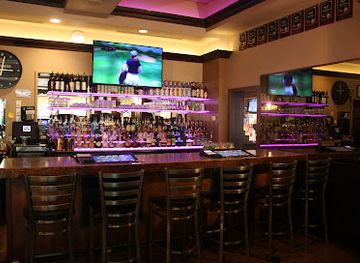
South Side is not Billings's principal nightclub district, and its evening character is generally quieter and more neighbourhood-oriented than the entertainment streets of downtown. Bars and casual evening venues are scattered along commercial corridors rather than gathered into one walkable strip, with local restaurants and social spaces providing much of the after-dark activity. Montana Avenue can be useful for finding established businesses, but visitors should check current listings because independent venues, events and opening patterns change. Downtown Billings, immediately north of the railway, offers a broader selection of bars, live entertainment and late-evening venues, although it is a separate district and should not be described as South Side nightlife. At night, the railway crossings and wider traffic roads require particular care when walking between venues or returning to accommodation.
-
Pub
Last Chance | Pub & Cider Mill
Experience the delightful flavors of handcrafted ciders and delicious pub cuisine at Last Chance Cider Mill in Billings, Montana.
15 min walk · 1.2 km from neighbourhood centre
-
Sports bar
Hooligan's Sports Bar
Experience the lively atmosphere at Hooligan's Sports Bar in Billings, Montana, where delicious food, live sports, and vibrant nightlife come together.
11 min walk · 0.9 km from neighbourhood centre
-
Bar
Rainbow Bar
Discover the vibrant Rainbow Bar in Billings, Montana - a cocktail oasis with a friendly atmosphere and delicious pub fare for every visitor.
13 min walk · 1.0 km from neighbourhood centre
-
Bistro
Bin 119
Experience the delightful fusion of local flavors and fine wines at Bin 119, Billings' premier bistro and wine bar.
11 min walk · 0.9 km from neighbourhood centre


Best nightclubs in South Side
South Side is not Billings's principal nightclub district, and its evening character is generally quieter and more neighbourhood-oriented than the entertainment streets of downtown. Bars and casual evening venues are scattered along commercial corridors rather than gathered into one walkable strip, with local restaurants and social spaces providing much of the after-dark activity. Montana Avenue can be useful for finding established businesses, but visitors should check current listings because independent venues, events and opening patterns change. Downtown Billings, immediately north of the railway, offers a broader selection of bars, live entertainment and late-evening venues, although it is a separate district and should not be described as South Side nightlife. At night, the railway crossings and wider traffic roads require particular care when walking between venues or returning to accommodation.
-
Night club
Hooligan's Sports Bar
Experience the excitement of sports at Hooligan's Sports Bar, where great food, drinks, and camaraderie come together in Billings, Montana.
11 min walk · 0.9 km from neighbourhood centre
-
Casino
Crystal Lounge Casino
Experience the thrill of gaming and the joy of karaoke at Crystal Lounge Casino, Billings' ultimate entertainment destination.
10 min walk · 0.8 km from neighbourhood centre
-
Bar
Rainbow Bar
Discover the lively Rainbow Bar in Billings, Montana, where vibrant cocktails and a welcoming atmosphere await every visitor.
13 min walk · 1.0 km from neighbourhood centre
-
Night club
Daisy Dukes Saloon and Dance Hall
Experience the vibrant nightlife at Daisy Dukes Saloon and Dance Hall in Billings, Montana, where live music and dancing unite for an unforgettable night.
12 min walk · 1.0 km from neighbourhood centre


Best shops in South Side
Shopping in South Side is chiefly local and convenience-oriented, with independent businesses and everyday services spread along Montana Avenue and nearby commercial streets rather than a large pedestrian retail centre. Depending on current tenancy, visitors may encounter cafés, small specialist shops, second-hand or vintage browsing and practical stores, but the area should not be approached as Billings's main destination for fashion or department-store shopping. The commercial pattern reflects South Side's history as a working residential district connected to the railway and later to broad automobile routes. For more concentrated retail, downtown and the larger commercial areas elsewhere in Billings offer a wider selection, while South Side is better suited to browsing at an unhurried pace and noticing the relationship between storefronts, older homes and the street grid. Stock and opening days vary, so independent businesses reward checking ahead.
-
Antique store
Yesteryears Antique Mall
Explore Yesteryears Antique Mall in Billings, MT – a nostalgic haven filled with unique antiques and vintage treasures waiting to be discovered.
11 min walk · 0.9 km from neighbourhood centre
-
Antique store
Marketplace 3301
Explore the unique charms of Marketplace 3301, Billings' premier antique and consignment shop, filled with treasures just waiting to be discovered.
9 min walk · 0.7 km from neighbourhood centre
-
Gift shop
Oxford Hotel Antiques
Explore a delightful collection of antiques, vintage clothing, and unique collectibles at Oxford Hotel Antiques in Billings, Montana.
13 min walk · 1.0 km from neighbourhood centre
-
Women's clothing store
SOMETHINGchic
Explore SOMETHINGchic in Billings, Montana, where unique women's clothing and personalized service make every shopping experience unforgettable.
11 min walk · 0.8 km from neighbourhood centre


South Side essentials
Getting There
Getting Around
Safety
Emergency Situations
Do's and Don'ts
Local Tips

From Eve
Local phrases worth knowing
You don't need to get them perfect. A few words go a long way, and locals appreciate the effort.
Basics
| English | Local | Say it |
|---|---|---|
| Hello | Howdy | [haw-dee] |
| Goodbye | See ya later | [see yuh lay-tur] |
| Yes | Yup | [yuhp] |
| No | Nope | [nohp] |
| Please/You're welcome | Please/No problem | [pleez/no prob-lem] |
| Thank you | Thanks | [thanks] |
| Excuse me/Sorry | Pardon me/My bad | [par-dun me/my bad] |
| How are you? | Howdy | [haw-dee] |
| Fine. And you? | Just fine. You? | [just fine. yuh?] |
| Do you speak English? | Ya speak English? | [ya speak ing-glish?] |
| I don't understand | I ain't gettin' it | [I aint get-tin it] |
Eating & Drinking
| English | Local | Say it |
|---|---|---|
| I'd like to see the menu, please | Can I check out the menu, please | [can I chek out the menu, please] |
| I don't eat meat | I don't do meat | [I don't do meat] |
| Cheers! | Bottoms up! | [bot-ums up!] |
| I would like to pay, please | I'll settle up now, please | [I'll set-tul up now, please] |
Emergencies
| English | Local | Say it |
|---|---|---|
| Help! | I need a hand! | [I need uh hand!] |
| Go away! | Get lost! | [get lost!] |
| Call the Police! | Get the Sheriff! | [get the sher-riff!] |
| Call a doctor! | Send for a doc! | [send for uh doc!] |
| I'm lost | I'm turned around | [I'm turned around] |
| I'm ill | I'm feelin' poorly | [I'm feel-in' poor-lee] |
Shopping
| English | Local | Say it |
|---|---|---|
| I'd like to buy... | I'm fixin' to buy... | [I'm fix-in' to buy...] |
| I'm just looking | Just browsin' | [just brow-sin'] |
| How much is it? | What's the damage? | [whuts the dam-age?] |
| That's too expensive | That's a bit steep | [that's uh bit steep] |
| Can you lower the price? | Can ya do better on the price? | [can ya do bet-ter on the price?] |
Time & Numbers
| English | Local | Say it |
|---|---|---|
| What time is it? | What's the time? | [whuts the time?] |
| It's one o'clock | It's one | [it's one] |
| Half past (10) | Ten-thirty | [ten-thur-tee] |
| Morning | Mornin' | [morn-in'] |
| Afternoon | Afternoon | [after-noon] |
| Evening | Evenin' | [even-in'] |
| Yesterday | Yest'day | [yest-day] |
| Today | Today | [today] |
| Tomorrow | Tomorra | [tom-or-ra] |
| 1 | One | [wun] |
| 2 | Two | [too] |
| 3 | Three | [three] |
| 4 | Four | [four] |
| 5 | Five | [five] |
| 6 | Six | [six] |
| 7 | Seven | [seven] |
| 8 | Eight | [eight] |
| 9 | Nine | [nine] |
| 10 | Ten | [ten] |
Transport & Directions
| English | Local | Say it |
|---|---|---|
| Where's a/the...? | Where's the...? | [wheres the?] |
| What's the address? | What's the street? | [whuts the street?] |
| Can you show me (on the map)? | Can ya point it out (on the map)? | [can ya point it out (on the map)?] |
| When's the next (bus)? | When's the next one (bus)? | [whens the next one (bus)?] |
| A ticket (to ....) | A pass (to ....) | [uh pass (to ....)] |
History of South Side
Railway Foundations in the 1880s
South Side developed in the wake of the Northern Pacific Railway's arrival at Billings in 1882. The railway selected the new town as a regional base, bringing freight, workers, merchants and rapid land speculation to the Yellowstone Valley. The tracks became both an economic engine and a lasting physical division through the young city. Residential and service development spread south of the rail corridor, giving the area a practical connection to depots, yards, warehouses and the businesses that depended on them. Billings grew as a railway and agricultural distribution centre, and South Side's early character was shaped less by grand civic planning than by the housing and services required by a fast-growing working city.
Homes, Services and a Working District
During the late nineteenth and early twentieth centuries, South Side gained a mixture of modest houses, small shops, churches and public facilities as Billings expanded beyond its original railway core. Its built environment reflected the needs of families and wage earners rather than the larger commercial ambitions concentrated near downtown. Streets were gradually lined with timber and masonry buildings, while improved roads and street connections tied the neighbourhood to markets, schools and employment. The surviving older properties are important because they show the scale of ordinary urban life in early Billings, including the practical relationship between residential blocks and the transport infrastructure that continued to define the area.
Twentieth-Century Change
As motor transport became more important and Billings matured into a regional commercial centre, South Side changed from a railway-oriented extension of the young town into a mixed residential and municipal district. Commercial activity grew along the avenues leading south from downtown, while established homes stood beside later shops, offices and public uses. The neighbourhood also experienced the ordinary pressures of urban change: some older buildings were altered or replaced, and the rail corridor remained a barrier as well as a source of employment and movement. Public amenities, including South Park, helped preserve open space and civic life within the increasingly developed central city.
Historic Character and Contemporary South Side
Today, South Side's historic identity survives in its street pattern, older homes, commercial corridors and relationship with the railway, even as the area contains buildings from several periods. Heritage recognition in parts of the neighbourhood has encouraged attention to early twentieth-century architecture and local preservation, while redevelopment and changing land values continue to influence individual properties. The district remains more grounded in everyday residential and service activity than in large-scale tourism. For visitors, its significance lies in seeing the physical evidence of Billings's railway origins and in understanding how a frontier-era transport settlement developed into a modern regional city.
South Side in Photos
Browse through our photo collection highlighting the charm and character of the destination.
Neighbourhoods near South Side
The closest neighbourhoods to South Side, if you have time for more than one stop.
-

-
-


Swipe for more neighbourhoods
Explore more
Explore more of Billings
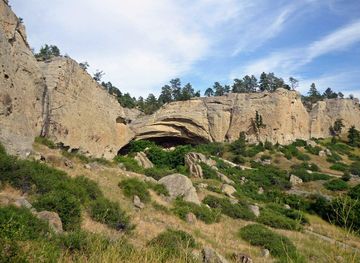
Billings, Montana blends Yellowstone River scenery, Western history, Rimrocks, museums, local dining and outdoor adventures in the state’s largest city.
Explore Billings