

The Strip (Las Vegas) Travel Guide - Free
Explore The Strip in Las Vegas with Evendo's free guide. Find the best shops, historic streets, restaurants, and gems on web or mobile.


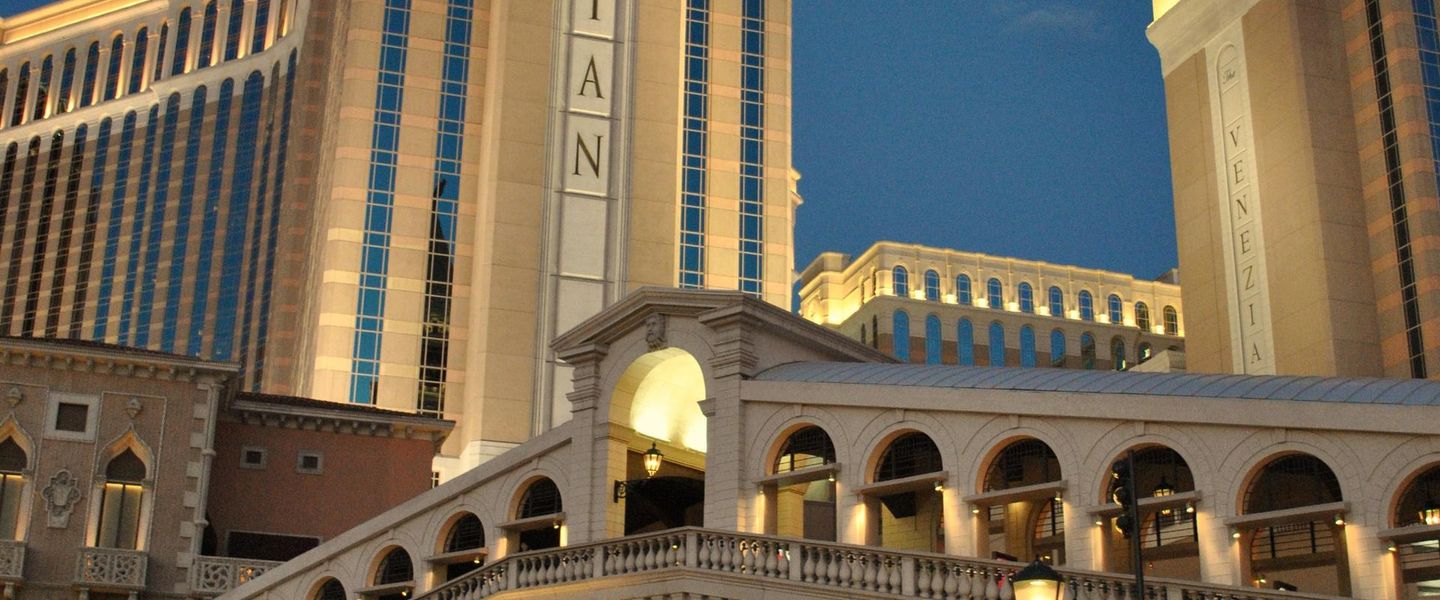


The Strip in Las Vegas pairs casino resorts, landmark shows, neon-lit promenades, fine dining, shopping and easy access to desert adventures.
A Resort Corridor Built for Spectacle
The Strip is Las Vegas’s great theatrical boulevard: a long stretch of Las Vegas Boulevard lined with casino resorts, illuminated marquees, elaborate fountains, shopping arcades, restaurants and purpose-built entertainment venues. Although commonly called Las Vegas, most of The Strip lies outside the municipal boundary in the unincorporated communities of Paradise and Winchester, within the Las Vegas metropolitan area. For visitors, however, its identity is unmistakable and its resort corridor functions as the city’s principal stage.Read more about The Strip
Landmarks Along Las Vegas Boulevard
Entertainment, Dining and Nightlife
Best attractions in The Strip
The Strip’s attractions are concentrated within its resort complexes, where architecture and entertainment are designed as a continuous visitor experience. The Bellagio fountains offer choreographed water displays in front of the resort, while the Bellagio Gallery of Fine Art presents changing exhibitions when operating. At Paris Las Vegas, the Eiffel Tower observation deck provides a high-level view along the boulevard; nearby, the Venetian recreates Venetian canals and piazzas indoors and around its resort frontage. Luxor’s pyramid and sphinx remain among the corridor’s most recognisable forms, and the Shark Reef Aquarium at Mandalay Bay adds a family-oriented attraction. The LINQ Promenade provides an open-air pedestrian area beneath the High Roller observation wheel. Many experiences are ticketed or subject to changing programmes, so visitors should check current details with the relevant resort.
-
Tourist attraction
Fountains of Bellagio
Experience the captivating Fountains of Bellagio, where water dances to music in a spectacular show at the heart of Las Vegas.
6 min walk · 0.4 km from neighbourhood centre
-
Tourist attraction
High Roller
Experience stunning views of the Las Vegas Strip from the High Roller, the largest observation wheel in North America, for an unforgettable adventure.
13 min walk · 1.0 km from neighbourhood centre
-
Tourist attraction
Shark Reef Aquarium at Mandalay Bay
Experience the enchanting aquatic world at Shark Reef Aquarium, featuring diverse marine life and interactive exhibits in the heart of Las Vegas.
7 min drive · 2.3 km from neighbourhood centre
-
Tourist attraction
The Las Vegas Strip
Explore the dazzling Las Vegas Strip, where luxury meets excitement in a vibrant celebration of entertainment, dining, and nightlife.
9 min walk · 0.7 km from neighbourhood centre


Best landmarks in The Strip
The Strip’s landmarks are deliberately monumental, combining engineering, branding and theatrical architecture. The Bellagio’s lake and fountains form one of the boulevard’s most recognisable public-facing spaces, while the Paris Las Vegas Eiffel Tower creates a visible vertical marker near the central resort area. The Venetian’s campanile-inspired frontage, canals and reproductions of Venetian spaces extend the resort’s historic theme into a fully constructed environment. At the southern end, Luxor’s pyramid and sphinx remain distinctive examples of themed resort design, and the Mandalay Bay complex marks the approach from Harry Reid International Airport. The High Roller dominates the skyline around the LINQ Promenade, while the newer sphere-shaped MSG Sphere stands nearby east of The Strip in the adjacent Las Vegas resort area. These structures represent the corridor’s evolving identity more than a preserved historic townscape.
-
Tourist attraction
Madame Tussauds Las Vegas
Discover the ultimate celebrity experience at Madame Tussauds Las Vegas, where you can meet lifelike wax figures of your favorite stars and icons.
17 min walk · 1.4 km from neighbourhood centre
-
Tourist attraction
The Las Vegas Strip
Explore the Las Vegas Strip, a dazzling destination filled with luxury hotels, world-class entertainment, and unforgettable experiences for every traveler.
9 min walk · 0.7 km from neighbourhood centre
-
Tourist attraction
Eiffel Tower Viewing Deck
Experience the breathtaking views of the Las Vegas Strip from the Eiffel Tower Viewing Deck, an iconic attraction that captures the city's vibrant essence.
5 min walk · 0.4 km from neighbourhood centre
-
Tourist attraction
Replica Statue of Liberty
Experience the grandeur of the Replica Statue of Liberty in Las Vegas, a stunning tribute to freedom and a photogenic highlight of the Strip.
11 min walk · 0.9 km from neighbourhood centre


Explore The Strip on the map
A handpicked selection of must-see spots in The Strip, mapped for you.
Best hotels in The Strip
Best restaurants in The Strip
Dining on The Strip reflects the scale and international reach of its resort industry. Visitors can choose between chef-led dining rooms, destination steakhouses, Japanese and Chinese restaurants, Italian venues, French-inspired rooms, buffets, food halls, cafés and late-night counters, often without leaving a single property. Notable concentrations include the restaurants around the Bellagio, ARIA, The Cosmopolitan, Wynn Las Vegas and the Venetian, while Eataly at Park MGM combines prepared food with a market-style retail setting. The LINQ Promenade and the Miracle Mile Shops provide more casual options alongside bars and quick-service outlets. Prices and booking requirements vary widely, and resort restaurants can fill quickly around shows and conventions. Independent neighbourhood-style dining is less characteristic here than in other parts of Las Vegas; The Strip’s culinary identity is tied to large hospitality groups, international concepts and theatrical dining rooms.
-
Italian
Maggiano's Little Italy
Discover authentic Italian cuisine in Las Vegas at Maggiano's Little Italy - perfect for families and celebrations.
6 min drive · 2.1 km from neighbourhood centre
-
 Restaurant
Yardbird Table & Bar
Discover Yardbird Table & Bar: A Southern culinary haven offering comfort food favorites and vibrant cocktails in Las Vegas.
5 min drive · 1.5 km from neighbourhood centre
-
Italian
Sinatra
Discover the flavors of Italy at Sinatra in Wynn Las Vegas – where fine dining meets the charm of Frank Sinatra.
7 min drive · 2.4 km from neighbourhood centre
-
Mexican
El Segundo Sol
Savor authentic Mexican flavors at El Segundo Sol in Las Vegas - where every meal is a celebration of culture and taste.
6 min drive · 2.1 km from neighbourhood centre


Best bars in The Strip
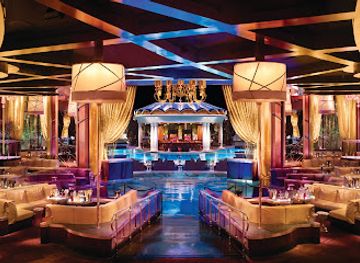
After dark, The Strip becomes a dense entertainment corridor of casino lounges, hotel bars, rooftop venues, cocktail rooms, pool clubs, nightclubs and show theatres. Major resorts host large-scale clubs and music venues, while the casino floors provide adjoining lounges and informal evening spaces that operate within each property’s own rules. The Cosmopolitan, Wynn Las Vegas, Resorts World, ARIA and other large resorts are associated with substantial nightlife programmes, though venues, resident performers and entry arrangements change regularly. The corridor also supports comedy, magic, cabaret, concerts and arena-scale events, making nightlife broader than clubbing alone. Evening crowds are often heaviest around headline shows, weekend nights and sporting fixtures. Visitors should carry accepted identification, check dress requirements and use official venue or resort entrances, particularly when moving between properties late at night.
-
Lounge
Juliet Cocktail Room
Experience the elegance of Juliet Cocktail Room in Las Vegas, where exquisite cocktails meet a vibrant lounge atmosphere.
5 min drive · 1.5 km from neighbourhood centre
-
Bar
Bar Parasol
Discover the elegant oasis of Bar Parasol in Las Vegas, where innovative cocktails meet stunning views in a captivating atmosphere.
6 min drive · 2.0 km from neighbourhood centre
-
Bar
Bound Bar Las Vegas
Experience the vibrant nightlife at Bound Bar in Las Vegas, where exquisite cocktails and a chic atmosphere come together on the famous Strip.
8 min walk · 0.7 km from neighbourhood centre
-
Bar
Breeze Bar
Experience the vibrant nightlife of Las Vegas at Breeze Bar, where great drinks and lively entertainment await every visitor.
5 min drive · 1.7 km from neighbourhood centre


Best nightclubs in The Strip
After dark, The Strip becomes a dense entertainment corridor of casino lounges, hotel bars, rooftop venues, cocktail rooms, pool clubs, nightclubs and show theatres. Major resorts host large-scale clubs and music venues, while the casino floors provide adjoining lounges and informal evening spaces that operate within each property’s own rules. The Cosmopolitan, Wynn Las Vegas, Resorts World, ARIA and other large resorts are associated with substantial nightlife programmes, though venues, resident performers and entry arrangements change regularly. The corridor also supports comedy, magic, cabaret, concerts and arena-scale events, making nightlife broader than clubbing alone. Evening crowds are often heaviest around headline shows, weekend nights and sporting fixtures. Visitors should carry accepted identification, check dress requirements and use official venue or resort entrances, particularly when moving between properties late at night.
-
Night club
XS Nightclub
Experience the ultimate nightlife at XS Nightclub, where luxury meets pulsating beats in the heart of Las Vegas.
6 min drive · 2.1 km from neighbourhood centre
-
Night club
Free Nightclub & Dayclub Guest List Promotion
Experience the vibrant nightlife of Las Vegas at this premier nightclub, where unforgettable memories and electrifying energy await you.
6 min drive · 2.1 km from neighbourhood centre

Best shops in The Strip
Shopping on The Strip is primarily housed within resort-connected malls and promenades rather than traditional street-front retail. The Forum Shops at Caesars is known for its Roman-themed interiors and concentration of luxury and designer brands, while the Grand Canal Shoppes at the Venetian extends the resort’s theatrical setting around indoor canals and piazzas. The Shops at Crystals near ARIA focuses on high-end fashion and jewellery, and the Miracle Mile Shops at Planet Hollywood offers a broad mix of brands, restaurants and entertainment. The LINQ Promenade provides a more open-air setting with retail, food and leisure businesses. Visitors will find souvenirs, fashion, beauty products, watches and luxury goods more readily than everyday local shopping. For independent makers, vintage goods or ordinary essentials, other Las Vegas districts generally offer a more conventional retail experience than the resort corridor.
-
Shopping mall
Fashion Show Las Vegas
Discover unparalleled shopping and entertainment at Fashion Show Las Vegas, featuring luxury brands, diverse dining options, and live fashion shows.
6 min drive · 2.1 km from neighbourhood centre
-
Gift shop
TI Gift Shop
Discover unique souvenirs and gifts at the TI Gift Shop in Las Vegas, where every treasure tells a story of adventure and fun.
5 min drive · 1.7 km from neighbourhood centre
-
Gift shop
Gilley's Trading Post
Discover unique souvenirs and local crafts at Gilley's Trading Post in Las Vegas, where every item tells a story.
5 min drive · 1.7 km from neighbourhood centre
-
Gift shop
Lobby Store
Explore the vibrant Lobby Store in Las Vegas for unique souvenirs and local crafts that perfectly capture the spirit of your visit.
5 min drive · 1.7 km from neighbourhood centre


The Strip essentials
Getting There
Getting Around
Safety
Emergency Situations
Do's and Don'ts
Local Tips

From Eve
Local phrases worth knowing
You don't need to get them perfect. A few words go a long way, and locals appreciate the effort.
Basics
| English | Local | Say it |
|---|---|---|
| Hello | Howdy | [haʊ-di] |
| Goodbye | See ya | [siː jə] |
| Yes | Yup | [jʌp] |
| No | Nope | [noʊp] |
| Please/You're welcome | Please/No problem | [pliːz / noʊ ˈprɑbləm] |
| Thank you | Thanks | [θæŋks] |
| Excuse me/Sorry | Pardon me/My bad | [ˈpɑrdn mi / maɪ bæd] |
| How are you? | How's it going? | [haʊz ɪt ˈɡoʊɪŋ] |
| Fine. And you? | Good. You? | [ɡʊd juː] |
| Do you speak English? | You speak English? | [juː spiːk ˈɪŋɡlɪʃ] |
| I don't understand | I don't get it | [aɪ doʊnt ɡɛt ɪt] |
Eating & Drinking
| English | Local | Say it |
|---|---|---|
| I'd like to see the menu, please | Menu, please | [ˈmɛnjuː pliːz] |
| I don't eat meat | No meat for me | [noʊ mit fɔr mi] |
| Cheers! | Cheers! | [ʧɪrz] |
| I would like to pay, please | Check, please | [ʧɛk pliːz] |
Emergencies
| English | Local | Say it |
|---|---|---|
| Help! | Help! | [hɛlp] |
| Go away! | Beat it! | [bit ɪt] |
| Call the Police! | Call 911! | [kɔl naɪn wʌn wʌn] |
| Call a doctor! | Get a doc! | [ɡɛt ə dɑk] |
| I'm lost | I'm lost | [aɪm lɔst] |
| I'm ill | I'm sick | [aɪm sɪk] |
Shopping
| English | Local | Say it |
|---|---|---|
| I'd like to buy... | I wanna buy... | [aɪ ˈwɑnə baɪ] |
| I'm just looking | Just browsing | [ʤʌst ˈbraʊzɪŋ] |
| How much is it? | How much? | [haʊ mʌʧ] |
| That's too expensive | Too pricey | [tuː ˈpraɪsi] |
| Can you lower the price? | Can you do a deal? | [kæn juː duː ə dil] |
Time & Numbers
| English | Local | Say it |
|---|---|---|
| What time is it? | What's the time? | [wɑts ðə taɪm] |
| It's one o'clock | It's one | [ɪts wʌn] |
| Half past (10) | Half past (10) | [hæf pæst (10)] |
| Morning | Morning | [ˈmɔrnɪŋ] |
| Afternoon | Afternoon | [ˌæftərˈnun] |
| Evening | Evening | [ˈivnɪŋ] |
| Yesterday | Yesterday | [ˈjɛstərˌdeɪ] |
| Today | Today | [təˈdeɪ] |
| Tomorrow | Tomorrow | [təˈmɑroʊ] |
| 1 | 1 | [wʌn] |
| 2 | 2 | [tuː] |
| 3 | 3 | [θriː] |
| 4 | 4 | [fɔr] |
| 5 | 5 | [faɪv] |
| 6 | 6 | [sɪks] |
| 7 | 7 | [sɛvən] |
| 8 | 8 | [eɪt] |
| 9 | 9 | [naɪn] |
| 10 | 10 | [tɛn] |
Transport & Directions
| English | Local | Say it |
|---|---|---|
| Where's a/the...? | Where can I find...? | [wɛr kæn aɪ faɪnd] |
| What's the address? | Address, please | [əˈdrɛs pliːz] |
| Can you show me (on the map)? | Show me (on the map) | [ʃoʊ mi (ɒn ðə mæp)] |
| When's the next (bus)? | Next bus? | [nɛkst bʌs] |
| A ticket (to ....) | One ticket (to ....) | [wʌn ˈtɪkɪt (tu ....)] |
History of The Strip
From Desert Road to Resort Strip
The modern Strip developed south of the original Las Vegas townsite along the Los Angeles Highway, now Las Vegas Boulevard, in an area that was outside the city limits. The El Rancho Vegas opened in 1941 near the present-day northern end of the resort corridor and helped establish the roadside casino-resort model. The Last Frontier followed in 1942, adding themed architecture and entertainment aimed at motorists travelling between Southern California and Las Vegas. Because development occurred in unincorporated Clark County rather than within the city itself, The Strip acquired a separate political and commercial identity even as visitors continued to associate it with Las Vegas.
Themed Resorts Take Shape
Post-war expansion brought larger casinos, hotels and showrooms to the boulevard, while organised entertainment became central to the area’s appeal. Resorts adopted increasingly elaborate themes, including the desert frontier at the Frontier, Polynesian imagery at the former Desert Inn and later Egyptian symbolism at Luxor. The arrival of Caesars Palace in 1966 reinforced the idea that a resort could be an immersive architectural setting rather than simply a casino. The Strip’s growth also reflected the rise of air travel, allowing visitors from across the United States to reach Las Vegas in increasing numbers.
Corporate Expansion and Mega-Resorts
From the late twentieth century, ownership consolidated around major gaming and hospitality companies, and the scale of construction changed dramatically. The Mirage opened in 1989 with a large tropical resort concept, followed by properties such as Treasure Island, the MGM Grand and Bellagio. These developments shifted attention from gambling alone towards accommodation, restaurants, shopping, spectacle and headline entertainment. Themed façades, indoor promenades and enormous convention facilities made the boulevard a self-contained tourism economy, while the disappearance of older resorts demonstrated how quickly its commercial landscape could change.
A Diversified Entertainment Corridor
In the twenty-first century, The Strip increasingly presented itself as a broad entertainment district, with luxury retail, chef-led dining, resident shows, nightclubs, major sports and large-scale conventions sharing space with casinos. The openings of resorts including Wynn Las Vegas, Encore, ARIA and Resorts World continued the move towards integrated destination complexes. Newer venues such as Allegiant Stadium, located near the southern end of the corridor, strengthened Las Vegas’s role as a host for professional sport and major events. The area remains shaped by redevelopment, corporate ownership and changing visitor expectations rather than by a stable historic streetscape.
The Strip in Photos
Browse through our photo collection highlighting the charm and character of the destination.
Neighbourhoods near The Strip
The closest neighbourhoods to The Strip, if you have time for more than one stop.
-

-


Swipe for more neighbourhoods
Explore more

Explore more of Las Vegas
Las Vegas combines Strip landmarks, desert landscapes, live entertainment, distinctive museums, local culture and round-the-clock dining in southern Nevada.
Explore Las Vegas