
Outer Banks, North Carolina Travel Guide
Discover the Outer Banks: a unique coastal escape in North Carolina, featuring pristine beaches, historic sites, and a variety of outdoor adventures for every traveler.
The Outer Banks, a string of barrier islands off the coast of North Carolina, is a beloved travel destination known for its stunning natural beauty and rich history. Stretching over 200 miles, this area offers pristine beaches, charming seaside towns, and a variety of outdoor activities that attract visitors year-round. From the wild horses roaming the sands of Corolla to the historic lighthouses that have guided sailors for centuries, the Outer Banks provides a unique blend of relaxation and adventure. History buffs will appreciate the Outer Banks' deep-rooted past, including its connection to the infamous pirate Blackbeard and the Wright brothers' first powered flight in Kitty Hawk. The area is dotted with museums, historic sites, and monuments that tell the story of America's early coastal settlements. Meanwhile, nature enthusiasts can explore the diverse ecosystems found in the Cape Hatteras National Seashore, where marshes, dunes, and maritime forests create a haven for wildlife. The Outer Banks is also a haven for water sports and outdoor activities. Whether you're interested in fishing, kayaking, surfing, or just lounging on the beach, there's something for everyone. The area's coastal cuisine, featuring fresh seafood and local delicacies, is a treat for food lovers. With its mix of natural wonders, historical landmarks, and recreational opportunities, the Outer Banks is a destination that promises unforgettable experiences.

Know before you go
Hi, I'm Eve. Here are a few practical things to know before exploring Outer Banks.
- Visit during the shoulder seasons (spring and fall) to avoid crowds and enjoy milder weather.
- Rent a 4x4 vehicle if you plan to explore the more remote areas or drive on the beach.
- Book accommodations well in advance, especially if you are traveling during peak summer months.
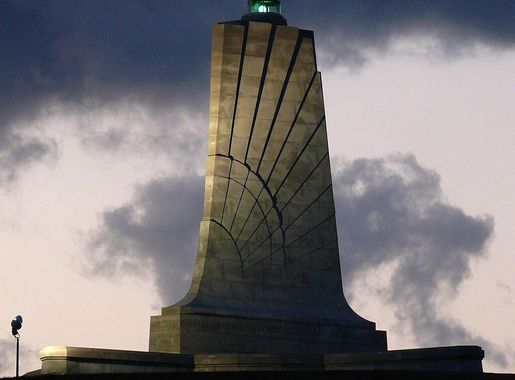
- Don't miss a visit to the Wright Brothers National Memorial in Kill Devil Hills.
- Pack insect repellent, especially if you plan to spend time in marshy areas.
Destinations in Outer Banks
Resorts, valleys and scenic spots worth a trip of their own.

Explore Outer Banks: Things to Do, Places to Eat, Hotels & More
Handpicked recommendations for top attractions, local dining, accommodations, and more

Top Attractions & Sightseeing in Outer Banks


Best landmarks in Outer Banks
Top-rated picks
Best Landmarks

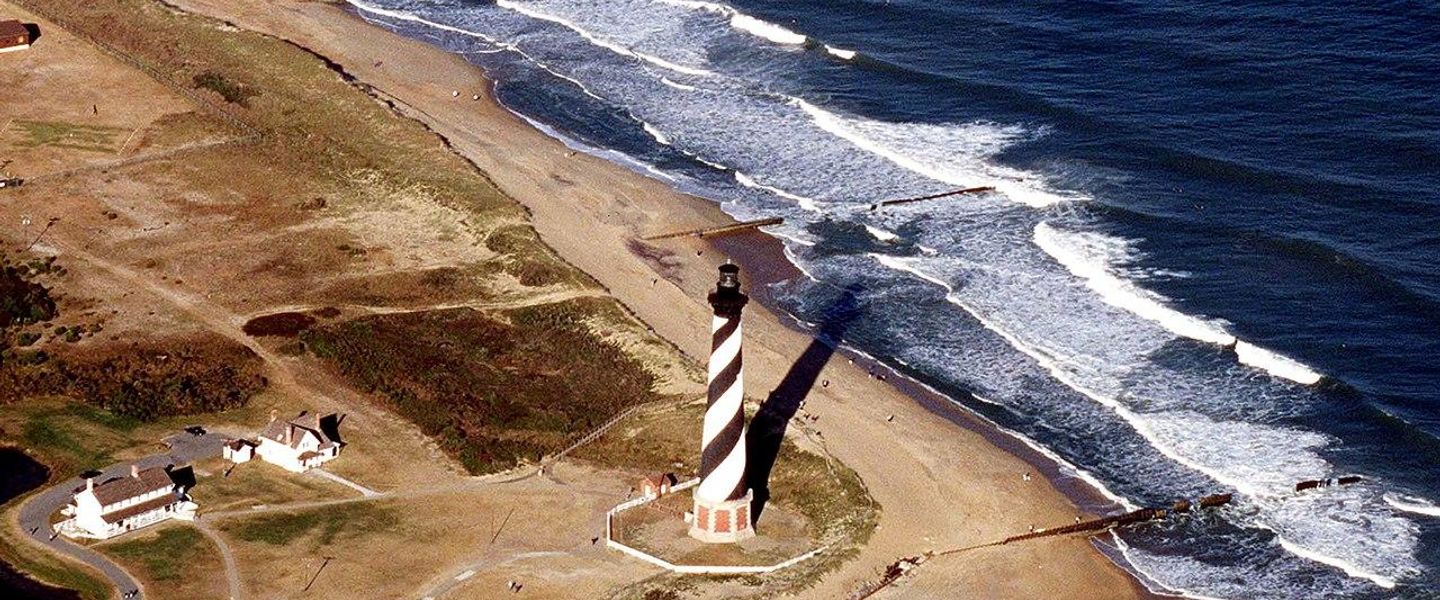
Cape Hatteras Lighthouse
Discover the iconic Cape Hatteras Lighthouse, a historic landmark offering breathtaking views and a glimpse into maritime heritage in North Carolina's Outer Banks.

Chicamacomico Life-Saving Station Historic Site and Museum
Explore the Chicamacomico Life-Saving Station for a captivating journey through North Carolina's maritime history, filled with heroic tales and stunning coastal views.

Oregon Inlet Life Saving Station
Explore the Oregon Inlet Life Saving Station, a historic landmark offering insights into maritime heritage and stunning coastal views.

Museum of the Sea
Explore maritime history and oceanic wonders at the Museum of the Sea in Buxton, NC, a captivating destination for all ocean enthusiasts.

Best restaurants in Outer Banks
Top-rated picks
Best Restaurants

Diamond Shoals Restaurant
Experience delicious American cuisine at Diamond Shoals Restaurant in Buxton - where every meal is a celebration of local flavors.

The Froggy Dog
Experience traditional American cuisine at The Froggy Dog in Avon – where comfort food meets local charm on the scenic Outer Banks.

Tale of the Whale
Experience exquisite seafood dining at Tale of the Whale in Nags Head—where ocean views meet culinary excellence.

BROS
Experience the best chicken wings and burgers at BROS in Avon - where flavor meets coastal charm!

Best bars in Outer Banks
Top-rated picks
Best Bars

The Jolly Roger Restaurant
Discover the vibrant atmosphere and delicious Italian cuisine at The Jolly Roger Restaurant, your go-to dining spot in Kill Devil Hills.

Diamond Shoals Restaurant
Discover the taste of the Outer Banks at Diamond Shoals Restaurant, where delightful dishes meet a warm coastal vibe.

Miller's Waterfront Restaurant
Experience the best of coastal dining at Miller's Waterfront Restaurant, where fresh seafood meets stunning views in Nags Head, NC.

Mulligan's Grille in Historic Cottage Row
Experience the best of coastal cuisine at Mulligan's Grille, where fresh seafood meets Southern comfort in a vibrant atmosphere.


Best shops in Outer Banks
Top-rated picks
Best Shops

Outlets Nags Head
Explore the vibrant Outlets Nags Head, where brand-name bargains meet local charm amidst the beautiful Outer Banks.

Outer Banks Mall
Experience shopping, dining, and entertainment at the Outer Banks Mall, a must-visit destination for tourists seeking fun and relaxation.

Super Wings South Nags Head
Discover beach clothing and unique souvenirs at Super Wings, the must-visit gift shop in South Nags Head, North Carolina.

Parrot Bay
Discover the charm of Parrot Bay, the ultimate gift shop for beach lovers in Kill Devil Hills, North Carolina, featuring unique souvenirs and stylish apparel.

Explore Outer Banks on the Map
A handpicked selection of must-see spots in Outer Banks, mapped for you.
Outer Banks Essentials
-
The Outer Banks is accessible by car, plane, and ferry. The most common way to reach the Outer Banks is by car. Major highways leading to the area include US Highway 158 and NC Highway 12. For those flying, the nearest major airport is Norfolk International Airport (ORF) in Virginia, about a 2-hour drive from the northern part of the Outer Banks. Smaller regional airports like Dare County Regional Airport (MQI) also serve the area. Ferry services are available for those traveling to Ocracoke Island from Hatteras Island.
-
The best way to get around the Outer Banks is by car. Public transportation options are limited, but there are some local shuttle services and taxis. Renting a bicycle is a popular option for short distances, especially in towns like Duck and Corolla. For exploring further afield, consider renting a car. Additionally, the ferry system connects various islands, providing a scenic way to travel.
-
The official currency is the US Dollar (USD). Credit and debit cards are widely accepted at hotels, restaurants, and shops. ATMs are readily available throughout the Outer Banks. It is advisable to carry some cash for smaller establishments and activities such as local markets and roadside stands.
-
The Outer Banks is generally a safe destination for tourists. However, standard safety precautions should be taken. Avoid isolated areas, particularly at night, and keep an eye on your belongings in crowded places. Areas like Kill Devil Hills and Nags Head are popular tourist spots and are usually safe, but always remain vigilant and aware of your surroundings.
-
In case of emergency, dial 911 for immediate assistance. For non-emergency situations, the local police departments and medical facilities are available in towns like Nags Head and Kitty Hawk. It is recommended to have travel insurance that covers medical emergencies. Several pharmacies are available for minor health issues, and most towns have urgent care facilities.
-
Fashion: Do wear casual and comfortable clothing suitable for beach activities. Don’t wear overly formal or revealing clothing outside of the beach areas. Religion: Do respect local customs and traditions. There are various churches and places of worship where modest attire is appreciated. Public Transport: Do use local shuttle services if available, but don’t rely solely on public transport as it is limited. Greetings: Do greet people with a friendly hello or wave. Don’t be overly formal in casual settings. Eating & Drinking: Do try local seafood delicacies and visit local eateries. Don’t refuse hospitality, especially when offered homemade goods.
-
To experience the Outer Banks like a local, visit the local seafood markets and enjoy fresh catches. Engage with locals at community events such as farmers' markets or festivals. Explore lesser-known beaches and nature trails. Don't miss visiting historic sites like the Wright Brothers National Memorial and the Cape Hatteras Lighthouse. Renting a kayak or taking a guided tour can offer unique perspectives of the area.
When is the best time to visit Outer Banks?
Useful Local Phrases for Outer Banks
You don't need to speak the language perfectly. Even learning a few simple words can make conversations warmer—and locals usually appreciate the effort.
— Eve

Here are the phrases I use most often in Outer Banks. Try a few—you'll be surprised how far they go! 😊
❤️
-
- HelloHey there
[Hay thare] - GoodbyeSee ya
[See ya] - YesYup
[Yup] - NoNah
[Nah] - Please/You're welcomePlease/No problem
[Please/No prob] - Thank youThanks
[Thangs] - Excuse me/SorrySorry 'bout that
[Sorry 'bout that] - How are you?How ya doin'?
[How ya doin'?] - Fine. And you?I'm good. You?
[I'm good. You?] - Do you speak English?You speakin' English?
[You speakin' English?] - I don't understandI ain't gettin' it
[I ain't gettin' it]
- HelloHey there
-
- I'd like to see the menu, pleaseCan I see the menu?
[Can I see the menu?] - I don't eat meatI ain't eatin' meat
[I ain't eatin' meat] - Cheers!Cheers!
[Cheers!] - I would like to pay, pleaseCan I get the check?
[Can I get the check?]
- I'd like to see the menu, pleaseCan I see the menu?
-
- Help!Help!
[Help!] - Go away!Leave me be!
[Leave me be!] - Call the Police!Call the cops!
[Call the cops!] - Call a doctor!Get a doc!
[Get a doc!] - I'm lostI’m turned around
[I’m turned around] - I'm illI ain't feelin' well
[I ain't feelin' well]
- Help!Help!
-
- I'd like to buy...I wanna buy...
[I wanna buy...] - I'm just lookingJust lookin'
[Just lookin'] - How much is it?What’s the price?
[What’s the price?] - That's too expensiveThat’s a bit high
[That’s a bit high] - Can you lower the price?Can ya knock down the price?
[Can ya knock down the price?]
- I'd like to buy...I wanna buy...
-
- What time is it?What time ya got?
[What time ya got?] - It's one o'clockIt's one o'clock
[It's one o'clock] - Half past (10)Half past ten
[Half past ten] - MorningMornin'
[Mornin'] - AfternoonAfternoon
[Afternoon] - EveningEvenin'
[Evenin'] - YesterdayYesterday
[Yesterday] - TodayToday
[Today] - TomorrowTomorrow
[Tomorrow] - 1One
[One] - 2Two
[Two] - 3Three
[Three] - 4Four
[Four] - 5Five
[Five] - 6Six
[Six] - 7Seven
[Seven] - 8Eight
[Eight] - 9Nine
[Nine] - 10Ten
[Ten]
- What time is it?What time ya got?
-
- Where's a/the...?Where's the ...?
[Where's the ...?] - What's the address?What’s the address?
[What’s the address?] - Can you show me (on the map)?Can ya show me on the map?
[Can ya show me on the map?] - When's the next (bus)?When’s the next bus?
[When’s the next bus?] - A ticket (to ....)A ticket to ...
[A ticket to ...]
- Where's a/the...?Where's the ...?
History of Outer Banks
-
In 1587, English settlers established the Roanoke Colony on Roanoke Island. Led by John White, the colony faced numerous difficulties, including hostile relations with indigenous tribes and food shortages. White returned to England for supplies but was delayed by the Anglo-Spanish War. When he finally returned in 1590, the colony was deserted, with the only clue being the word 'CROATOAN' carved into a post. The fate of the 'Lost Colony' remains one of America's oldest unsolved mysteries.
-
The treacherous waters off the coast of the Outer Banks have earned the nickname 'The Graveyard of the Atlantic' due to the numerous shipwrecks that have occurred there. The dynamic shifting of the sandbars and frequent storms have claimed over 2,000 ships since the 16th century. Prominent shipwrecks include the USS Monitor, a Civil War ironclad, and the Carroll A. Deering, which ran aground under mysterious circumstances in 1921.
-
On December 17, 1903, Orville and Wilbur Wright achieved the first successful powered flight in human history at Kill Devil Hills, near Kitty Hawk. The Wright Flyer, their pioneering aircraft, flew for 12 seconds and covered 120 feet. This monumental event marked the beginning of the aviation era. The Wright Brothers National Memorial now stands at the site, commemorating their groundbreaking achievement.
-
Edward Teach, better known as Blackbeard, is one of the most infamous pirates in history. In the early 18th century, he used the Outer Banks as a base for his piratical operations. Blackbeard's most famous vessel, the Queen Anne's Revenge, ran aground near Beaufort Inlet in 1718. Later that year, Blackbeard was killed in a fierce battle with British naval forces near Ocracoke Island. His legend continues to captivate the imagination of visitors and historians alike.
-
Established in 1874, the Chicamacomico Lifesaving Station on Hatteras Island was one of the first US Lifesaving Service stations. The station's brave crew performed numerous daring rescues in the perilous waters off the Outer Banks. One of the most notable rescues occurred in 1918 when the British tanker Mirlo was torpedoed by a German U-boat. The station's crew, using surfboats, saved 42 of the tanker's crew members. Today, the station is a museum dedicated to the history of maritime rescue operations.
-
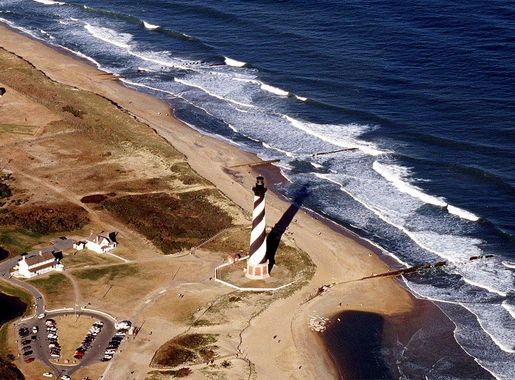
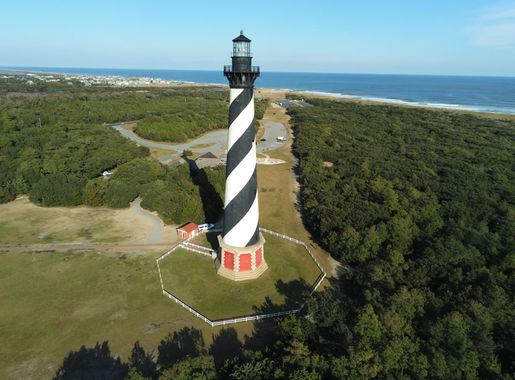
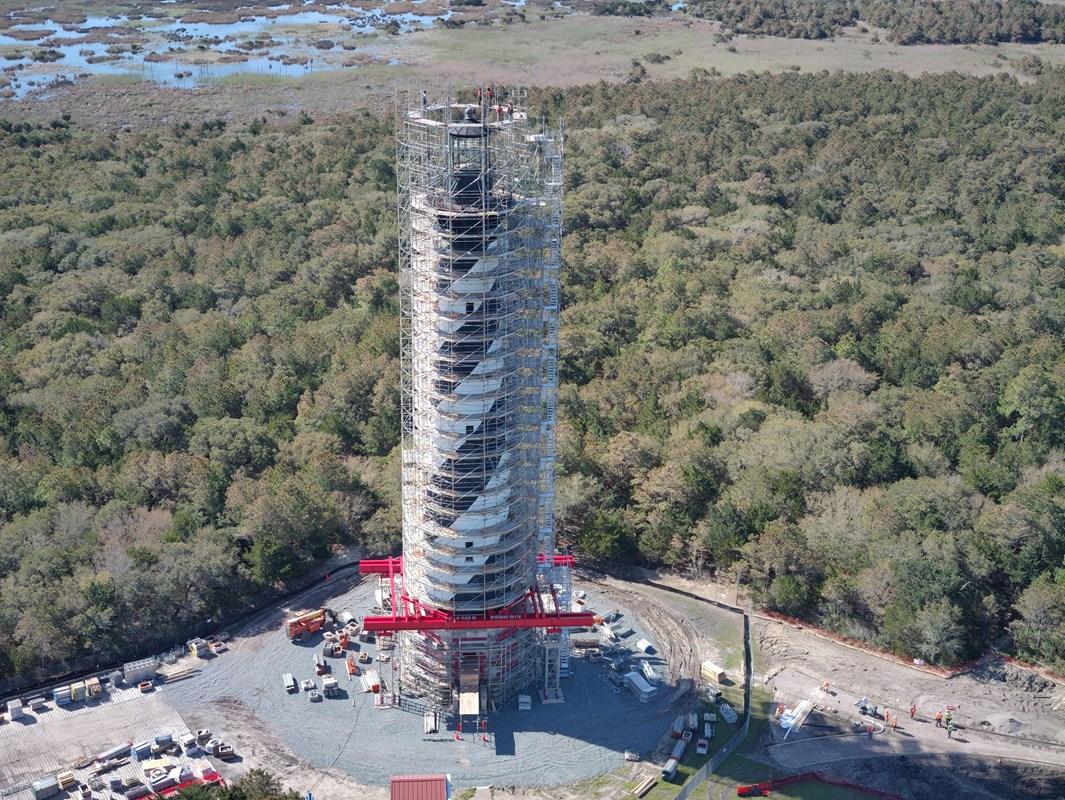
Standing at 198 feet, the Cape Hatteras Lighthouse is the tallest brick lighthouse in the United States. First lit in 1803, it was built to warn sailors of the dangerous Diamond Shoals. In 1999, the lighthouse was moved 2,900 feet inland to prevent it from being claimed by the encroaching sea. The lighthouse remains a beloved symbol of the Outer Banks and is open to the public for tours, offering panoramic views of the coastline.
Neighbouring Regions of Outer Banks
The closest regions to Outer Banks, if you have time for more than one.



Your all‑in‑one travel companion app
Explore expert travel guides, compare and book tours, experiences, hotels, and more—all from the palm of your hand. Download now for seamless trip planning wherever your wanderlust takes you.


Explore More of North Carolina

Looking beyond Outer Banks? Discover North Carolina for broader travel guides, local hot-spots, and regional highlights.
Explore North CarolinaOuter Banks in Photos
Browse through our photo collection highlighting the charm and character of the destination.





Outer Banks: A Barrier Island Paradise
The Outer Banks, a string of barrier islands off the coast of North Carolina, is a beloved travel destination known for its stunning natural beauty and rich history. Stretching over 200 miles, this area offers pristine beaches, charming seaside towns, and a variety of outdoor activities that attract visitors year-round. From the wild horses roaming the sands of Corolla to the historic lighthouses that have guided sailors for centuries, the Outer Banks provides a unique blend of relaxation and adventure. History buffs will appreciate the Outer Banks' deep-rooted past, including its connection to the infamous pirate Blackbeard and the Wright brothers' first powered flight in Kitty Hawk. The area is dotted with museums, historic sites, and monuments that tell the story of America's early coastal settlements. Meanwhile, nature enthusiasts can explore the diverse ecosystems found in the Cape Hatteras National Seashore, where marshes, dunes, and maritime forests create a haven for wildlife. The Outer Banks is also a haven for water sports and outdoor activities. Whether you're interested in fishing, kayaking, surfing, or just lounging on the beach, there's something for everyone. The area's coastal cuisine, featuring fresh seafood and local delicacies, is a treat for food lovers. With its mix of natural wonders, historical landmarks, and recreational opportunities, the Outer Banks is a destination that promises unforgettable experiences.