

Midtown (Oklahoma City) Travel Guide - Free
Explore Midtown in Oklahoma City with Evendo's free guide. Find the best shops, historic streets, restaurants, and gems on web or mobile.


Midtown Oklahoma City pairs St. Anthony's historic presence with food halls, independent restaurants, bars, and easy access to downtown culture by streetcar.
A Compact District North of Downtown
Midtown occupies a small, walkable pocket immediately north of central Oklahoma City, where the streets around North Walker Avenue, North Hudson Avenue and Northwest 10th Street combine medical, residential, dining and entertainment uses. Its identity is closely tied to St. Anthony Hospital, whose long presence gives the district a substantial institutional anchor, while newer apartments, converted commercial buildings and independent businesses have brought more evening activity to the area. The district sits between Downtown, Automobile Alley and Mesta Park, making it a practical base for exploring several central neighbourhoods without confusing them as part of Midtown itself.Read more about Midtown
Food, Drink and Street Life
A Useful Central Base
Best attractions in Midtown
Midtown's attractions are primarily urban and culinary rather than museum-based. The district's most accessible focal point is The Collective, a food hall where visitors can sample a range of contemporary dining styles in one shared setting. Around Northwest 10th Street, North Walker Avenue and North Hudson Avenue, a compact walk reveals a mixture of older commercial buildings, newer apartments, hospital architecture and restaurant conversions that illustrate the neighbourhood's changing role in central Oklahoma City. The St. Anthony Hospital campus gives the area an important institutional presence, although it is a working medical complex rather than a conventional sightseeing venue. The Oklahoma City Streetcar adds a practical way to connect Midtown with Downtown and Automobile Alley, both nearby but distinct districts. Visitors interested in architecture and city development will find the interest in Midtown's contrasts: established civic infrastructure, modest historic fabric and recent food-led redevelopment sharing the same few blocks.
-
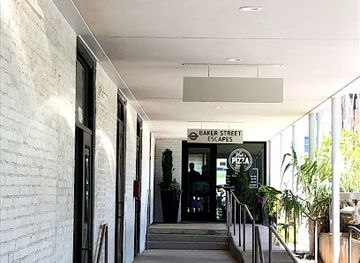
Escape room center
Baker Street Escapes (Midtown)
Experience the thrill of adventure at Baker Street Escapes in Midtown Oklahoma City, where every room challenges your wits and teamwork.
4 min walk · 0.4 km from neighbourhood centre
Best landmarks in Midtown
St. Anthony Hospital is Midtown's principal landmark, both physically and historically, representing the healthcare institution established by the Sisters of St. Francis in 1905 and the district's long connection with Catholic medical care. Its campus gives the neighbourhood a civic scale that contrasts with the smaller commercial buildings around Northwest 10th Street. The Oklahoma City Streetcar stop is a more recent landmark of urban infrastructure, signalling Midtown's renewed connection with the central business area and neighbouring Automobile Alley. Elsewhere, the notable features are collective rather than monumental: early twentieth-century low-rise commercial structures, hospital-related buildings, mixed-use apartments and renovated premises that now hold restaurants and bars. These elements matter because they show Midtown's gradual transition from a service-oriented central district into a mixed neighbourhood where institutional continuity and food-led redevelopment occupy the same streets.
-
Museum
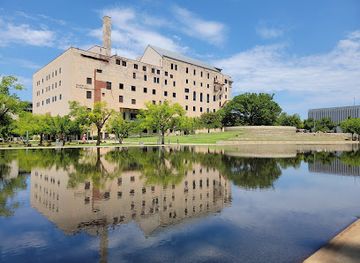
Oklahoma City National Memorial & Museum
Discover the Oklahoma City National Memorial & Museum: a poignant journey through resilience, healing, and hope in the heart of Oklahoma City.
11 min walk · 0.8 km from neighbourhood centre
-
History museum
Oklahoma Hall of Fame
Explore Oklahoma's rich heritage at the Oklahoma Hall of Fame, a history museum celebrating the achievements of Oklahomans across generations.
7 min walk · 0.6 km from neighbourhood centre
-
Museum
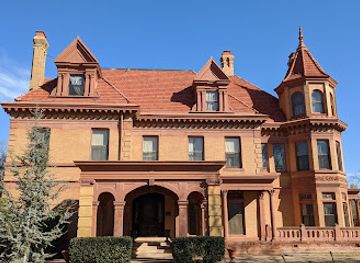
Henry Overholser Mansion
Explore the grandeur of the Henry Overholser Mansion, a historic museum showcasing early 20th-century opulence in Oklahoma City.
7 min walk · 0.6 km from neighbourhood centre
-
Tourist attraction
OKC Underground
Discover the hidden charm of the OKC Underground, where art, history, and local culture converge in a fascinating subterranean experience.
16 min walk · 1.3 km from neighbourhood centre

Explore Midtown on the map
A handpicked selection of must-see spots in Midtown, mapped for you.
Best hotels in Midtown
Best restaurants in Midtown
Midtown has one of Oklahoma City's most concentrated central dining scenes, with restaurants and bars clustered around Northwest 10th Street and the surrounding avenues. The Collective creates a food-hall setting with several vendors and a communal atmosphere, while The Mule is associated with substantial sandwiches, Hall's Pizza Kitchen with casual pizza dining, and restaurants such as Bar Cicchetti with a more evening-oriented approach. Fassler Hall also contributes food alongside its bar programme. The range is more useful than any single defining cuisine: visitors will find casual meals, shared plates, pizza, sandwiches, drinks and contemporary interpretations of familiar formats. Much of the scene occupies renovated low-rise buildings or newer mixed-use development, reflecting Midtown's shift from a primarily service and residential area towards a destination for central-city dining. Individual menus and operations change, so current details should be checked directly before visiting.
-
Ramen
Tamashii Ramen House
Discover the authentic taste of Japan at Tamashii Ramen House in Oklahoma City - a vibrant spot for delicious ramen and Japanese cuisine.
6 min walk · 0.5 km from neighbourhood centre
-
German
Fassler Hall
Experience authentic German cuisine and vibrant beer hall culture at Fassler Hall in downtown Oklahoma City.
2 min walk · 0.2 km from neighbourhood centre
-
Hamburger
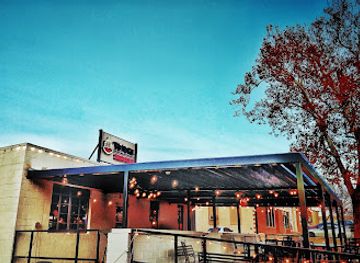
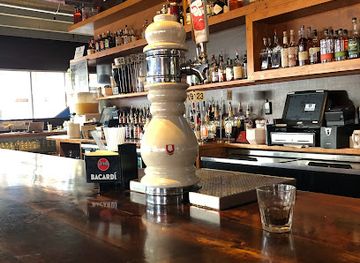
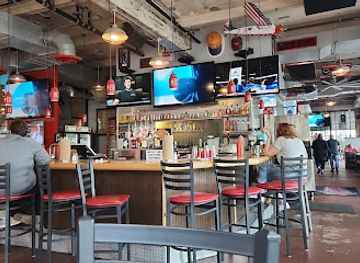
The Garage Burgers & Beer
Savor delicious burgers and craft beers at The Garage Burgers & Beer in Oklahoma City—your go-to spot for American comfort food.
6 min walk · 0.5 km from neighbourhood centre
-
Mexican
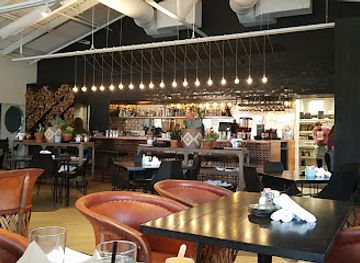
Barrios Fine Mexican Dishes
Discover authentic Mexican flavors at Barrios Fine Mexican Dishes in Oklahoma City – where every meal is a celebration of culinary tradition.
4 min walk · 0.3 km from neighbourhood centre
Best bars in Midtown
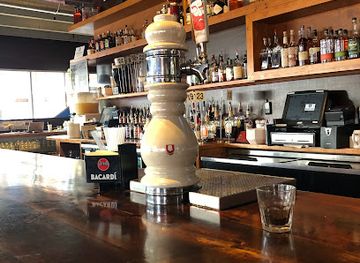
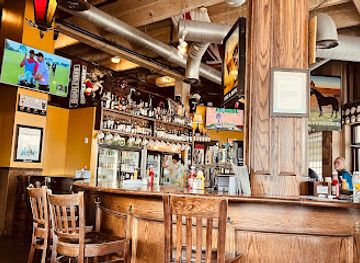
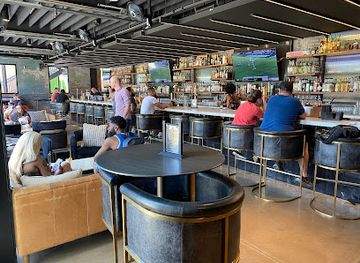
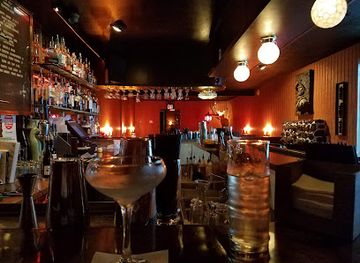
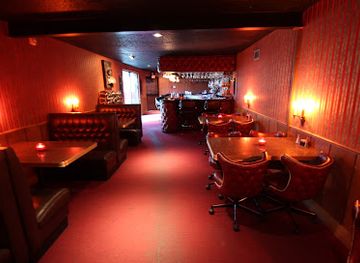
Midtown's nightlife is centred on bars, food-led evening venues and informal social spaces rather than a large nightclub strip. Fassler Hall is one of the district's best-known beer-hall-style venues, bringing a spacious, convivial setting to Northwest 10th Street, while The Collective and nearby restaurants extend the evening with drinks and shared dining. Other venues, including Bar Cicchetti, contribute a more intimate restaurant-bar atmosphere. The tone is generally sociable and accessible, with activity concentrated around the main dining blocks and quieter streets close to the hospital and residential buildings. Midtown is well suited to combining dinner with a drink and then continuing by streetcar into Downtown, where the city's larger entertainment areas begin. Visitors should check current event information and closing arrangements because individual venues and programmes change.
-
Bar
Fassler Hall
Experience the best of German beer culture at Fassler Hall in Oklahoma City, a lively bar and restaurant with authentic flavors and a vibrant atmosphere.
2 min walk · 0.2 km from neighbourhood centre
-
Irish pub
McNellie's OKC
Discover the vibrant atmosphere and delicious Irish cuisine at McNellie's OKC, the heart of downtown dining and socializing.
1 min walk · 0.1 km from neighbourhood centre
-
Bar
The Collective Kitchens and Cocktails
Experience diverse culinary delights at The Collective Kitchens and Cocktails, where individual kitchens serve unique dishes in a vibrant atmosphere.
5 min walk · 0.4 km from neighbourhood centre
-
Lounge
The R&J Lounge and Supper Club
Discover The R&J Lounge and Supper Club in Oklahoma City - a sophisticated blend of American cuisine, cocktails, and a vibrant nightlife experience.
4 min walk · 0.3 km from neighbourhood centre
Best nightclubs in Midtown
Midtown's nightlife is centred on bars, food-led evening venues and informal social spaces rather than a large nightclub strip. Fassler Hall is one of the district's best-known beer-hall-style venues, bringing a spacious, convivial setting to Northwest 10th Street, while The Collective and nearby restaurants extend the evening with drinks and shared dining. Other venues, including Bar Cicchetti, contribute a more intimate restaurant-bar atmosphere. The tone is generally sociable and accessible, with activity concentrated around the main dining blocks and quieter streets close to the hospital and residential buildings. Midtown is well suited to combining dinner with a drink and then continuing by streetcar into Downtown, where the city's larger entertainment areas begin. Visitors should check current event information and closing arrangements because individual venues and programmes change.
-
Lounge
The R&J Lounge and Supper Club
Join the lively ambiance at R&J Lounge & Supper Club in Oklahoma City for delightful American cuisine and signature cocktails in a vibrant setting.
4 min walk · 0.3 km from neighbourhood centre
Best shops in Midtown
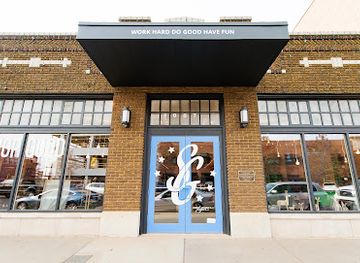
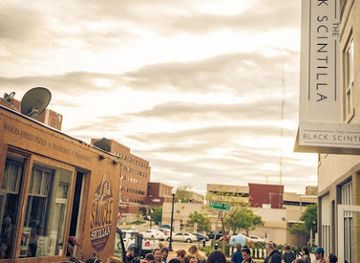
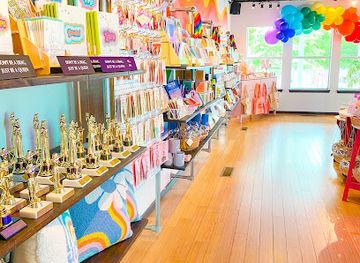
Shopping is limited in Midtown compared with Oklahoma City's dedicated retail districts, and visitors should come for food, drink and urban atmosphere rather than a full day of browsing. The neighbourhood's commercial activity is concentrated around restaurants, bars, the multi-vendor offer at The Collective and convenience-oriented services that support residents, hospital staff and visitors. Its most interesting retail experience is therefore architectural and local: older shopfronts and converted commercial spaces reveal how central properties have been adapted for contemporary businesses. Independent dining venues provide some locally distinctive products to take away, but Midtown is not chiefly known for craft markets, antique shops, fashion boutiques or a traditional produce market. For broader independent retail, nearby Automobile Alley and other central districts offer more specialised choices, though they should be treated as separate neighbourhoods rather than extensions of Midtown.
-
Gift shop
Shop Good
Explore Shop Good in Oklahoma City for unique gifts, local art, and a vibrant shopping experience that captures the essence of the city.
8 min walk · 0.7 km from neighbourhood centre
-
Gift shop
The Black Scintilla
Discover unique gifts and stylish clothing at The Black Scintilla in Downtown Oklahoma City, a must-visit for every traveler.
1 min walk · 0.1 km from neighbourhood centre
-
Clothing store
Opolis Clothing
Explore Opolis Clothing in downtown Oklahoma City for unique, stylish apparel that combines creativity and comfort perfectly.
3 min walk · 0.2 km from neighbourhood centre
-
Gift shop
Common Dear
Explore the eclectic offerings of Common Dear, a boutique gift shop in Oklahoma City featuring unique clothing, accessories, and home goods.
11 min walk · 0.8 km from neighbourhood centre
Midtown essentials
Getting There
Getting Around
Safety
Emergency Situations
Do's and Don'ts
Local Tips

From Eve
Local phrases worth knowing
You don't need to get them perfect. A few words go a long way, and locals appreciate the effort.
Basics
| English | Local | Say it |
|---|---|---|
| Hello | Howdy | [haw-dee] |
| Goodbye | See ya later | [see yuh lay-tur] |
| Yes | Yep | [yep] |
| No | Nah | [nah] |
| Please/You're welcome | Please/No problem | [pleez/no prob-lem] |
| Thank you | Thanks | [thanks] |
| Excuse me/Sorry | Pardon me/My bad | [par-dun me/my bad] |
| How are you? | How y'all doin'? | [how y'all doin'] |
| Fine. And you? | Just fine. How 'bout you? | [just fine. how 'bout yuh] |
| Do you speak English? | Ya speak English? | [ya speak English?] |
| I don't understand | I ain't gettin' it | [I ain't get-tin' it] |
Eating & Drinking
| English | Local | Say it |
|---|---|---|
| I'd like to see the menu, please | Can I check out the menu, please | [kan eye chek out the menu, please] |
| I don't eat meat | I don't do meat | [I don't do meat] |
| Cheers! | Cheers! | [cheers!] |
| I would like to pay, please | I wanna settle up, please | [I wanna set-tul up, please] |
Emergencies
| English | Local | Say it |
|---|---|---|
| Help! | Help! | [help!] |
| Go away! | Git! | [git!] |
| Call the Police! | Call the cops! | [call the cops!] |
| Call a doctor! | Call a doc! | [call a doc!] |
| I'm lost | I'm turned around | [I'm turned around] |
| I'm ill | I'm under the weather | [I'm under the weather] |
Shopping
| English | Local | Say it |
|---|---|---|
| I'd like to buy... | I wanna buy... | [I wanna buy...] |
| I'm just looking | Just browsin' | [just brow-sin'] |
| How much is it? | How much does it run? | [how much does it run?] |
| That's too expensive | That's a bit steep | [that's a bit steep] |
| Can you lower the price? | Can ya knock it down? | [can yuh knock it down?] |
Time & Numbers
| English | Local | Say it |
|---|---|---|
| What time is it? | What's the time? | [what's the time?] |
| It's one o'clock | It's one | [it's one] |
| Half past (10) | Half past ten | [half past ten] |
| Morning | Mornin' | [mornin'] |
| Afternoon | Afternoon | [afternoon] |
| Evening | Evenin' | [evenin'] |
| Yesterday | Yest'day | [yest'day] |
| Today | Today | [today] |
| Tomorrow | Tomorra | [tomorra] |
| 1 | One | [wun] |
| 2 | Two | [too] |
| 3 | Three | [three] |
| 4 | Four | [four] |
| 5 | Five | [five] |
| 6 | Six | [six] |
| 7 | Seven | [seven] |
| 8 | Eight | [eight] |
| 9 | Nine | [nine] |
| 10 | Ten | [ten] |
Transport & Directions
| English | Local | Say it |
|---|---|---|
| Where's a/the...? | Where's the...? | [where's the...?] |
| What's the address? | What's the addy? | [what's the addy?] |
| Can you show me (on the map)? | Can ya point it out (on the map)? | [can ya point it out (on the map)?] |
| When's the next (bus)? | When's the next (bus)? | [when's the next (bus)?] |
| A ticket (to ....) | A ticket (to ....) | [A ticket (to ....)] |
History of Midtown
A Northward Expansion of Oklahoma City
Midtown developed as Oklahoma City expanded north of its original central business area during the early twentieth century. Its streets became part of a broader urban zone of homes, commercial premises, churches and civic services rather than a single planned enclave with one founding date. The district's position just north of Downtown placed it close to the city's growing transport and business networks, while nearby areas such as Automobile Alley developed more specialised commercial identities. Early buildings that survive around Midtown reflect the modest scale of this expansion: low-rise masonry properties, institutional structures and residential streets shaped by the practical growth of a young capital city.
St. Anthony's Institutional Anchor
The Sisters of St. Francis established St. Anthony Hospital in Oklahoma City in 1905, creating the institutional presence that remains central to Midtown's identity. The hospital developed as both a healthcare facility and a major employer, linking the neighbourhood to the city's Catholic and medical history. Its campus and successive expansions changed the pattern of surrounding streets, bringing staff, patients and visitors into an area otherwise composed of small businesses and homes. The hospital's continuing role explains why Midtown cannot be understood only as a dining district: its restaurants, apartments and evening venues sit alongside a long-established centre of daily civic activity.
Changing Central-City Fortunes
Like many central Oklahoma City areas, Midtown experienced periods when investment and activity shifted towards newer suburban districts. Older commercial buildings and nearby housing continued to serve local residents, but the neighbourhood was not always presented as a primary visitor destination. Its location nevertheless preserved strong links with Downtown, the hospital and surrounding historic districts. Improvements in the central city, including renewed attention to walkable streets, public transport and adaptive reuse, gradually made Midtown more attractive for restaurants, bars and urban living without erasing its institutional and residential functions.
Food-Led Regeneration
During the twenty-first century, Midtown became associated with a new wave of central-city redevelopment. Independent restaurants, bars, apartments and food-hall-style venues occupied renovated or newly built spaces around Northwest 10th Street and nearby avenues. The opening of The Collective helped formalise the area's reputation as a dining destination, while the Oklahoma City Streetcar strengthened its connection with Downtown and other central districts. This change has brought more visitors and evening activity, but Midtown remains a mixed neighbourhood rather than a purely commercial quarter, with St. Anthony Hospital and everyday residential life continuing to shape its character.
Midtown in Photos
Browse through our photo collection highlighting the charm and character of the destination.
Neighbourhoods near Midtown
The closest neighbourhoods to Midtown, if you have time for more than one stop.
-

-
-


Swipe for more neighbourhoods
Explore more

Explore more of Oklahoma City
Oklahoma City blends frontier history, Native cultures, Western art, Bricktown entertainment and spacious parks with a growing modern food scene.
Explore Oklahoma City