

Bear Butte State Park Travel Guide - Free Web & App
Your ultimate guide to Bear Butte State Park. Discover top landmarks, proposed trips, and local tips. Free on the web or via the Evendo companion app.


Bear Butte State Park in South Dakota reveals a sacred Black Hills landmark, hiking trails, wildlife, prayer traditions and wide-ranging views near Sturgis.
A Sacred Black Hills Landmark
Bear Butte State Park protects one of the most recognisable solitary peaks in South Dakota’s Black Hills, a distinctive volcanic formation rising from the plains north-east of Sturgis. Known as Mato Paha, or Bear Mountain, in Lakota, the butte is a place of continuing spiritual importance for Lakota, Cheyenne and other Indigenous peoples. Prayer cloths and tobacco ties attached to the trees are reminders that this is a living sacred site rather than simply a scenic viewpoint.Read more about Bear Butte State Park
Landscape and Wildlife
Exploring the Park
When is the best time to visit Bear Butte State Park?
Best: June, August–September · 22–27°C| Month | High (°C) | Rainfall (mm) |
|---|---|---|
| January | -1 | 15 |
| February | 3 | 17 |
| March | 8 | 20 |
| April | 14 | 30 |
| May | 21 | 40 |
| June (best) | 25 | 50 |
| July | 28 | 45 |
| August (best) | 27 | 40 |
| September (best) | 22 | 35 |
| October | 14 | 30 |
| November | 7 | 20 |
| December | 2 | 15 |
Getting to and around Bear Butte State Park
How to get there
Transportation
Best attractions in Bear Butte State Park
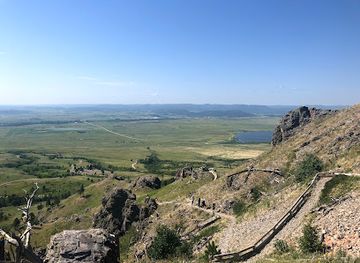
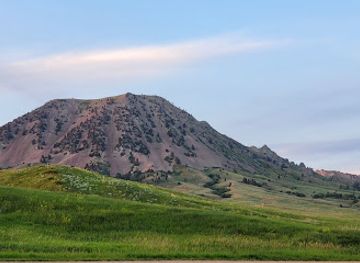
The central attraction is Bear Butte itself, a prominent solitary mountain whose trail climbs through ponderosa pine and open hillside to expansive views over the northern Black Hills and the Great Plains. The walk is relatively short but includes a noticeable ascent, and the changing relationship between woodland, grassland and exposed rock gives the route much of its character. Bear Butte Lake, near the base of the mountain, adds a quieter water landscape and supports outdoor recreation subject to current park conditions and regulations. Interpretive features help explain the butte’s geology, Indigenous significance and place in South Dakota history, while the surrounding park provides opportunities for birdwatching and observing Black Hills wildlife. Sturgis, outside the park boundary, is the principal nearby visitor hub, and the wider northern Black Hills provide additional scenic and cultural destinations for visitors travelling by car. Bear Butte’s greatest attraction, however, is the combination of a compact, accessible landscape with a continuing spiritual importance that requires a particularly respectful style of visitation.
-
Hiking area
Bear Butte Summit
Explore Bear Butte Summit, a breathtaking hiking destination in South Dakota, where nature and spirituality converge for a memorable outdoor experience.
Explore Bear Butte State Park on the map
Plan your trip on one map. See where the top attractions, landmarks, restaurants and hotels are, and book hotels and experiences in a few clicks.
Best hotels in Bear Butte State Park
Best bars in Bear Butte State Park
Evening entertainment is concentrated in Sturgis rather than Bear Butte State Park, whose atmosphere is quiet and nature-focused after dark. Sturgis has the character of a small western Black Hills town, with local bars, traditional drinking establishments and casual venues where visitors may find conversation, food and seasonal activity rather than a large club scene. During the annual Sturgis Motorcycle Rally, the town and surrounding roads become exceptionally busy and the evening atmosphere changes considerably, while availability and noise levels elsewhere in the region can also be affected. Outside major events, evenings are better suited to relaxed hospitality, stargazing from appropriate places and quiet time at accommodation. Visitors should not approach ceremonial areas at night or treat Bear Butte as an entertainment venue.
-
State park
Bear Butte State Park
Discover the stunning landscapes and rich cultural heritage of Bear Butte State Park, a sacred site and natural wonder in South Dakota.
-
Mountain peak
Bear Butte
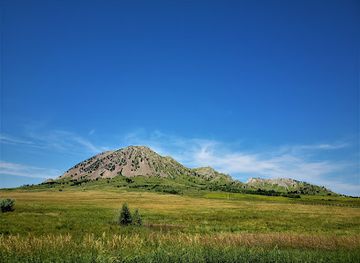
Discover the sacred beauty of Bear Butte, a majestic mountain peak in South Dakota, perfect for hiking, reflection, and cultural exploration.
Best shops in Bear Butte State Park
Shopping inside Bear Butte State Park is limited, and visitors should obtain fuel, food, water and hiking supplies in Sturgis or another established Black Hills community. Sturgis has the nearest broad selection of practical shops, outdoor equipment, souvenirs and locally oriented businesses, with retail activity increasing substantially during the annual motorcycle rally. In the wider Black Hills, visitors may find regional art, Native-inspired or Native-made work, handmade goods, western clothing and South Dakota food products, but provenance matters: buyers should look for clear information about artists and makers and avoid treating sacred imagery as a casual souvenir. Park visits are better suited to carrying necessary provisions than browsing for goods, and natural objects, prayer items and offerings should never be removed or purchased from informal sources.
-
Mountain peak
Bear Butte
Explore Bear Butte: A Sacred Mountain Peak Offering Scenic Trails and Rich Native American Heritage in South Dakota.
-
Farm shop
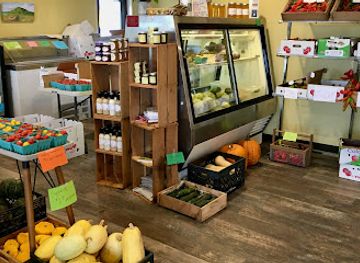
Bear Butte Gardens LLC
Experience the authentic flavors of South Dakota at Bear Butte Gardens, a delightful farm shop offering fresh produce and local goods.
-
Park
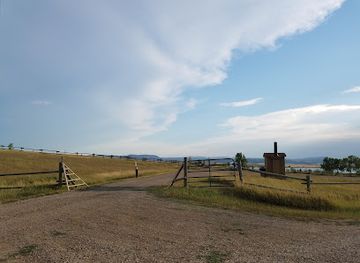
Bear Butte State Park
Discover the serene beauty and cultural significance of Bear Butte State Park, a hidden gem in South Dakota's stunning landscapes.
Get your free copy of our complete guide to Bear Butte State Park, delivered straight to you.
Everything on this page, from attractions and restaurants to essentials and local phrases, in one PDF you can read offline, print or share.
Already have an account? Sign in
Your Bear Butte State Park guide is ready.
We'll send it to · Not you? Sign out

Getting your guide ready…
We are putting together a fresh copy of the Bear Butte State Park guide. This can take up to a minute.
This can take a few moments. If your browser asks, choose Allow so the download can start. You'll find the guide in your Downloads folder.
Nothing happened? Download it again
Sorry, the guide is taking longer than usual. Please try again in a minute, or get it by email instead.
Bear Butte State Park essentials
Currency and Payment
Safety
Emergency Situations
Do's and Don'ts
Local Tips
From Eve
Local phrases worth knowing
You don't need to get them perfect. A few words go a long way, and locals appreciate the effort.
Basics
| English | Local | Say it |
|---|---|---|
| Hello | Hau | [how] |
| Goodbye | Háŋ mitakuyepi | [hahn mee-tah-koo-yay-pee] |
| Yes | Hehan | [hay-hahn] |
| No | Háŋ | [hahn] |
| Please/You're welcome | Aŋpétuwahca | [ahn-pay-too-wah-chah] |
| Thank you | Pilamayaye | [pee-lah-mah-yah-yay] |
| Excuse me/Sorry | Taŋyáŋ yahí | [tahn-yahn yah-hee] |
| How are you? | Hečétu weló | [hay-chay-too way-loh] |
| Fine. And you? | Wíyaka čhaŋté. Kiŋ | [wee-yah-kah chahn-tay. keen] |
| Do you speak English? | Inyan šni. Wíyaka čhaŋté? | [een-yahn shnee. wee-yah-kah chahn-tay] |
| I don't understand | Iyášiča | [ee-yah-shee-chah] |
Eating & Drinking
| English | Local | Say it |
|---|---|---|
| I'd like to see the menu, please | Wazíya waštéyaŋ haŋska yuha, hemáčha | [wah-zee-yah wah-shay-yahn hahn-skah yoo-hah, hay-mah-chah] |
| I don't eat meat | Pté iyášiča | [pte ee-yah-shee-chah] |
| Cheers! | Šká | [shkah] |
| I would like to pay, please | Omníčuŋkšiča yuha, hemáčha | [ohm-nee-chuenk-shee-chah yoo-hah, hay-mah-chah] |
Emergencies
| English | Local | Say it |
|---|---|---|
| Help! | Wóiyela! | [woh-ee-yay-lah] |
| Go away! | Kiŋ čha | [keeng chahn] |
| Call the Police! | Wópaha yuhá! | [woh-pah-hah yoo-hah] |
| Call a doctor! | Waháŋtognake yuhá! | [wah-hahn-toh-gnah-kay yoo-hah] |
| I'm lost | Kiŋ ičháŋ | [keeng ee-chahn] |
| I'm ill | Kiŋ iyášiča | [keeng ee-yah-shee-chah] |
Shopping
| English | Local | Say it |
|---|---|---|
| I'd like to buy... | Wíŋyaŋ čhaŋté | [weeng-yahn chahn-tay] |
| I'm just looking | Wíčhaŋ | [wee-chahn] |
| How much is it? | Skaŋ, pehíŋčha? | [skahn, pay-heeng-chah] |
| That's too expensive | Hečétku kiŋ | [hay-chay-too-koo keen] |
| Can you lower the price? | Héčhetu kiŋ, yuhá? | [hay-chay-too keen, yoo-hah] |
Time & Numbers
| English | Local | Say it |
|---|---|---|
| What time is it? | Wíyaka kiŋ čha | [wee-yah-kah keen chahn] |
| It's one o'clock | Ištáŋhaŋšiča kiŋ | [eesh-tahn-hahn-shee-chah keen] |
| Half past (10) | Naháŋpi | [nah-hahn-pee] |
| Morning | Iyéhaŋ | [ee-yay-hahn] |
| Afternoon | Wíyaka kiŋ čha | [wee-yah-kah keen chahn] |
| Evening | Wíyaka kiŋ čha | [wee-yah-kah keen chahn] |
| Yesterday | Héčhetu kiŋ | [hay-chay-too keen] |
| Today | Ičá kiŋ | [ee-chah keen] |
| Tomorrow | Kiŋ ičháŋ | [keeng ee-chahn] |
| 1 | Hoksila | [hohk-see-lah] |
| 2 | Nakun | [nah-koon] |
| 3 | Yamni | [yah-mnee] |
| 4 | Topa | [toh-pah] |
| 5 | Zaptan | [zahp-tahn] |
| 6 | Sakpe | [sah-kpay] |
| 7 | Sakowin | [sah-koh-wee] |
| 8 | Sakpe | [sah-kpay] |
| 9 | Ohiyesa | [oh-hee-yay-sah] |
| 10 | Wahca | [wah-chah] |
Transport & Directions
| English | Local | Say it |
|---|---|---|
| Where's a/the...? | Hehan kiŋ... | [hay-hahn keen] |
| What's the address? | Taku kiŋ he? | [tah-koo keen hay] |
| Can you show me (on the map)? | Wíyaka kiŋ, kiŋ hemáčha? | [wee-yah-kah keen, keen hay-mah-chah] |
| When's the next (bus)? | Wiyókiŋ kiŋ kiŋ... | [wee-yoh-keeng keen keen] |
| A ticket (to ....) | Wahca teca (kiŋ....) | [wah-chah tay-chah keen] |
History of Bear Butte State Park
Formation of Bear Butte
Bear Butte is an ancient igneous feature associated with the geological uplift and volcanic activity that shaped the Black Hills. Unlike the ridges and forested slopes surrounding it, the butte rises prominently above the nearby landscape as an isolated landmark. Its distinctive profile helped give the mountain a lasting importance in regional geography and Indigenous cultural traditions. The Black Hills themselves are far older than human settlement, with exposed rocks recording a complex geological history, while Bear Butte’s present form reflects the erosion of surrounding material and the greater resistance of its central rock.
Indigenous Sacred Traditions
For many Indigenous peoples of the northern Great Plains, Bear Butte is a place of prayer, vision seeking and ceremony. Lakota people know it as Mato Paha, while Cheyenne traditions also recognise the mountain as a sacred site. Its importance predates the creation of the modern park and continues today, with individuals and groups visiting to pray and leave offerings. The cloths and tobacco ties seen along parts of the mountain are expressions of this living relationship. Visitors are expected to respect ceremonial privacy and avoid handling offerings.
A Landmark in Black Hills History
Bear Butte stood within a wider Black Hills region shaped by Indigenous movement, seasonal use and intertribal connections before and during the arrival of United States settlers. In the nineteenth century, the Black Hills became the focus of increasing military, mining and political pressure, despite commitments made to the Lakota in the 1868 Treaty of Fort Laramie. The subsequent gold rush and the United States seizure of the Black Hills transformed the region, while nearby settlements such as Sturgis developed within the expanding network of roads, military routes and commercial activity.
From Protected Mountain to State Park
Bear Butte became a South Dakota state park in 1961, bringing formal public management to a site whose spiritual significance had long preceded state administration. Park development has supported access for hiking and interpretation while retaining the mountain’s central cultural character. Management must balance recreation with prayer, ceremony, wildlife habitat and the protection of a sensitive landscape. Modern visits therefore involve more than scenic enjoyment: they take place within an ongoing conversation about Indigenous rights, public access, conservation and the respectful presentation of sacred places.
Bear Butte State Park in Photos
Browse through our photo collection highlighting the charm and character of the destination.
Neighbouring destination travel guides
The closest destinations to Bear Butte State Park, if you have time for more than one.
-

-

-

-

-


Swipe for more destinations
Explore more

Explore more of Black Hills
Discover the Black Hills in South Dakota: A land of majestic mountains, rich history, and thrilling outdoor adventures. Explore iconic monuments, scenic parks, and historic towns.
Explore Black Hills
Explore more of South Dakota
Discover South Dakota: From the iconic Mount Rushmore and Crazy Horse Memorial to the stunning Badlands and charming small towns, it's a land of history and natural beauty.
Explore South Dakota