

Downtown Houston (Houston) Travel Guide - Free
Explore Downtown Houston in Houston with Evendo's free guide. Find the best shops, historic streets, restaurants, and gems on web or mobile.


Downtown Houston blends historic streets, theaters, Discovery Green, museums, sports venues, restaurants and light-rail access in Texas’s urban core.
Urban History and Character
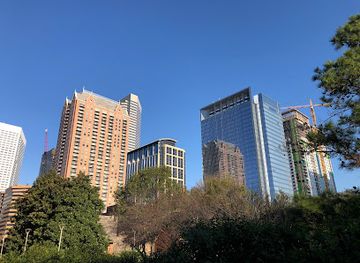
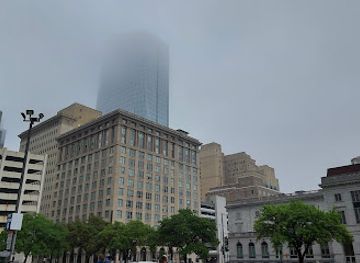
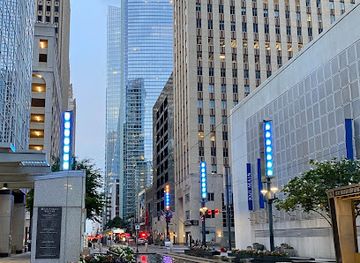
Downtown Houston occupies the city’s historic commercial centre, where the original street grid now meets a dense cluster of office towers, theatres, sports venues, hotels and public spaces. Its identity is less residential than that of many Houston neighbourhoods, but the area becomes notably social around lunchtime, during performances and on game days. Market Square Park and the surrounding blocks retain traces of the early city, while Main Street carries the most concentrated succession of historic façades, civic buildings, restaurants and light-rail stops.Read more about Downtown Houston
Theatre, Sport and Public Space
Streets, Food and Architecture
Best attractions in Downtown Houston
Downtown’s attractions are concentrated rather than spread across a broad residential landscape. The Theatre District brings together major performing-arts venues including the Wortham Theater Center, Jesse H. Jones Hall, Alley Theatre and the Hobby Center for the Performing Arts, while Market Square Park offers a historic setting for public events, restaurants and the surviving urban fabric of the original town centre. Discovery Green is the district’s principal open space, with lawns, gardens, art installations and spaces for seasonal activities beside the George R. Brown Convention Center. Sports followers can combine Downtown sightseeing with a game at Minute Maid Park or Toyota Center. Allen’s Landing, near the meeting point of Houston’s bayous, provides a modest but meaningful connection with the city’s founding landscape. The Downtown Aquarium lies on the western side of the central district and adds a family-oriented indoor attraction.
-
Park
Discovery Green
Explore Discovery Green, Houston's premier urban park, offering lush landscapes, art, events, and fun for all ages in the heart of the city.
1 min walk · 0.1 km from neighbourhood centre
-
Historical place
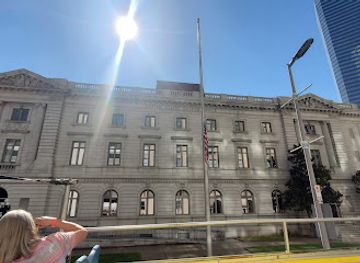
United States Custom House
Explore the historical significance and architectural beauty of the United States Custom House in Houston, a must-visit for history enthusiasts.
7 min walk · 0.5 km from neighbourhood centre
-
Tourist attraction
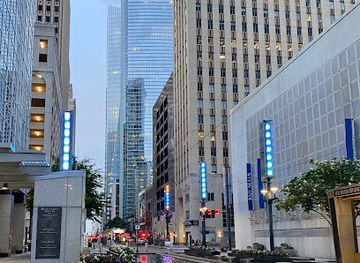
Main Street Downtown
Explore the vibrant energy of Main Street Downtown, Houston's cultural hub filled with shopping, dining, and entertainment for every traveler.
9 min walk · 0.7 km from neighbourhood centre
-
Tourist attraction
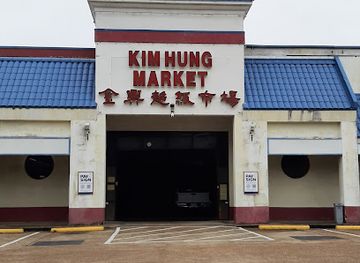
Old Chinatown, Houston
Explore the vibrant Old Chinatown in Houston, where rich cultural heritage meets delicious cuisine and captivating experiences await.
6 min walk · 0.5 km from neighbourhood centre
Best landmarks in Downtown Houston
Downtown’s landmarks express Houston’s evolution from bayou settlement to corporate and cultural centre. Allen’s Landing marks the approximate founding area beside Buffalo Bayou, while Market Square Park occupies one of the most historically significant parts of the original street grid. Christ Church Cathedral and the nearby Annunciation Catholic Church reflect the long presence of religious institutions in the central city, with Annunciation’s nineteenth-century origins predating many surrounding towers. The historic facades and repurposed commercial buildings around Main Street and Market Square provide a more intimate architectural counterpoint to Downtown’s skyscrapers. City Hall and Hermann Square represent Houston’s civic centre, while the Theatre District’s venues and the J.P. Morgan Chase Tower are prominent later landmarks. The tunnel network, although mostly below ground and functional rather than monumental, is also a defining feature of Downtown’s built environment.
-
Tourist attraction
Houston Legendary Graffiti Building
Discover the vibrant culture of Houston at the Legendary Graffiti Building, an iconic urban art destination showcasing stunning murals and local talent.
8 min walk · 0.6 km from neighbourhood centre
-
Historical place
United States Custom House
Discover the historical significance and architectural beauty of the United States Custom House in Downtown Houston.
7 min walk · 0.5 km from neighbourhood centre
-
Tourist attraction
Main Street Downtown
Discover the lively atmosphere of Main Street Downtown Houston, filled with shops, dining, and cultural attractions that define the city's vibrant spirit.
9 min walk · 0.7 km from neighbourhood centre
-
Historical landmark
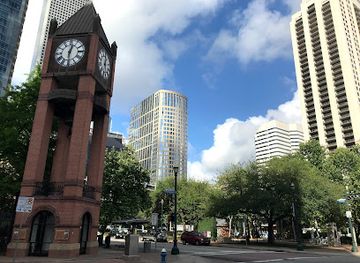
Market Square Clock Tower
Explore the Market Square Clock Tower, a historic landmark in Downtown Houston, showcasing stunning architecture and rich cultural heritage.
13 min walk · 1.1 km from neighbourhood centre
Explore Downtown Houston on the map
A handpicked selection of must-see spots in Downtown Houston, mapped for you.
Best hotels in Downtown Houston
Best restaurants in Downtown Houston
Downtown Houston’s dining scene follows the district’s working, cultural and event-based rhythms. Main Street and Market Square contain restaurants and bars in historic commercial buildings, while the Theatre District supports pre-performance dining and the Convention District offers a broad range of casual and full-service choices. The food culture reflects Houston’s wider diversity, with Southern and Texan cooking, Mexican and Latin American flavours, Asian influences, contemporary American menus, bakeries and cafés all represented across the central blocks. Discovery Green and the surrounding venues can bring temporary food activity and event concessions, while the underground tunnel system has a concentration of weekday cafés, delis and quick meals serving office workers. Downtown is not one single restaurant strip: evening options are generally strongest around Market Square, Main Street, the theatres and major venues, with quieter stretches between them.
-
American
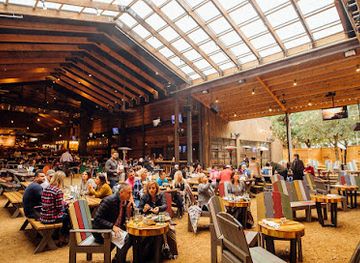
The Rustic
Discover The Rustic: A vibrant American restaurant in Downtown Houston offering delicious food, craft drinks, and live music.
4 min walk · 0.3 km from neighbourhood centre
-
Southern
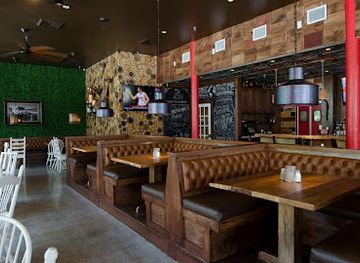
The Moonshiners Southern Table + Bar
Experience the rich flavors of Southern cuisine at The Moonshiners Southern Table + Bar in Downtown Houston—a must-visit destination for food lovers.
11 min walk · 0.9 km from neighbourhood centre
-
American
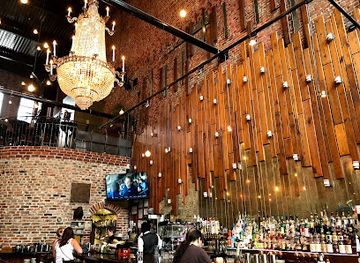
Hearsay Market Square
Discover modern American dining at Hearsay Market Square in Downtown Houston - where flavors meet atmosphere for an unforgettable experience.
14 min walk · 1.1 km from neighbourhood centre
-
Restaurant
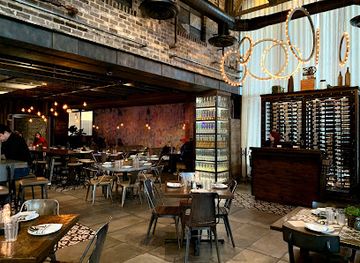
Grotto Downtown
Discover authentic Italian flavors at Grotto Downtown in Houston - where every dish tells a story.
4 min walk · 0.3 km from neighbourhood centre
Best bars in Downtown Houston
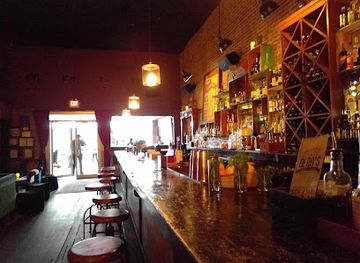
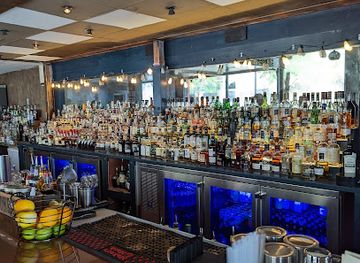
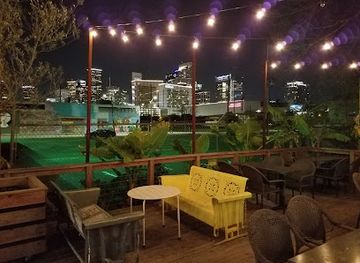
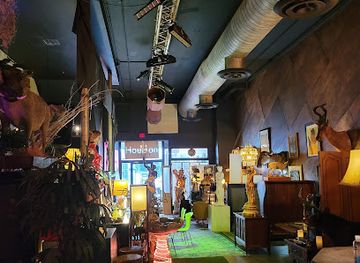
Downtown’s nightlife is shaped more by theatres, concerts, sports and destination bars than by a continuous club district. Market Square and Main Street provide the most recognisable concentration of evening bars and restaurants, with options ranging from casual meeting places to cocktail-focused venues in restored or adapted commercial spaces. Theatre-goers gather around the performing-arts venues before and after shows, while game nights create a distinct crowd around Minute Maid Park and Toyota Center. The House of Blues Houston, near the Convention District, contributes live music and touring performances to the area’s evening offer. Downtown’s atmosphere can change sharply between event nights and quieter periods, and the tunnel system is primarily associated with weekday business life rather than late-night entertainment.
-
Bar
Dean's Downtown
Discover Dean's Downtown, a premier cocktail bar and event venue in Houston, blending style, great drinks, and vibrant nightlife.
12 min walk · 1.0 km from neighbourhood centre
-
Cocktail bar
Reserve 101
Experience the essence of Houston’s nightlife at Reserve 101, a premier cocktail bar offering expertly crafted drinks and a lively atmosphere.
4 min walk · 0.3 km from neighbourhood centre
-
Bar
Around the Corner
Experience the vibrant nightlife of Houston at Around the Corner, where delicious cocktails and savory dishes await in a lively bar atmosphere.
9 min walk · 0.7 km from neighbourhood centre
-
Bar
Notsuoh
Discover Notsuoh, a vibrant bar in Downtown Houston offering creative cocktails and a unique nightlife experience that captures the spirit of the city.
12 min walk · 1.0 km from neighbourhood centre
Best nightclubs in Downtown Houston
Downtown’s nightlife is shaped more by theatres, concerts, sports and destination bars than by a continuous club district. Market Square and Main Street provide the most recognisable concentration of evening bars and restaurants, with options ranging from casual meeting places to cocktail-focused venues in restored or adapted commercial spaces. Theatre-goers gather around the performing-arts venues before and after shows, while game nights create a distinct crowd around Minute Maid Park and Toyota Center. The House of Blues Houston, near the Convention District, contributes live music and touring performances to the area’s evening offer. Downtown’s atmosphere can change sharply between event nights and quieter periods, and the tunnel system is primarily associated with weekday business life rather than late-night entertainment.
-
Night club
Etro Nightclub
Discover Etro Nightclub in downtown Houston for an unforgettable night of dancing, drinks, and arcade fun in a vibrant atmosphere.
15 min walk · 1.2 km from neighbourhood centre
-
Night club
Dome Nightclub
Discover the electrifying nightlife at Dome Nightclub in Houston, where unforgettable music and vibrant energy await every weekend.
12 min walk · 1.0 km from neighbourhood centre
-
Night club
Mi Amor - Hottest Latin Club in Downtown Houston
Discover the vibrant energy of Mi Amor, Houston's premier Latin club, where unforgettable nights of dancing and live music await you.
15 min walk · 1.2 km from neighbourhood centre
-
Night club
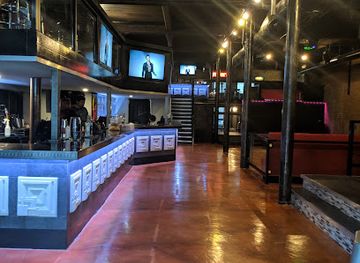
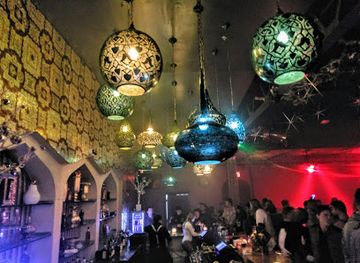
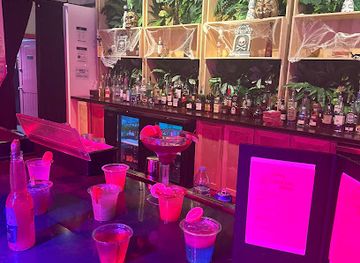
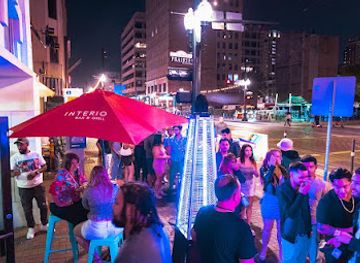
Interio Houston-Nightclub
Discover the electrifying nightlife at Interio Houston, where music, entertainment, and delicious food combine for an unforgettable evening.
11 min walk · 0.9 km from neighbourhood centre
Best shops in Downtown Houston
Shopping in Downtown Houston is oriented towards office workers, event visitors and specialist retail rather than a large conventional shopping district. The underground tunnel system contains cafés, convenience outlets and small retailers beneath the central office blocks, but its business-hour character means visitors should not treat it as an all-day or late-evening mall. Around Main Street and Market Square, independent restaurants, bars and small businesses occupy historic and adapted buildings, while the blocks near the Convention District and sports venues offer event-related retail and practical services. Downtown’s most distinctive purchases are more likely to come from individual shops, gallery-style spaces, food outlets or venue merchandise than from a dedicated fashion street. Larger department stores and extensive independent shopping are found elsewhere in Houston, so Downtown is best approached as a place for local browsing between cultural visits rather than a primary retail destination.
-
Shopping mall
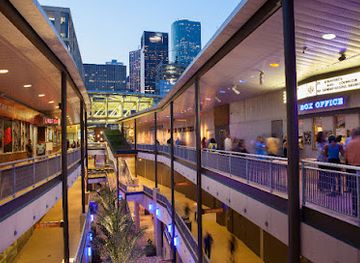
GreenStreet
Discover GreenStreet, Houston's vibrant shopping mall featuring retail, dining, and entertainment in a lively downtown atmosphere.
7 min walk · 0.5 km from neighbourhood centre
-
Gift shop
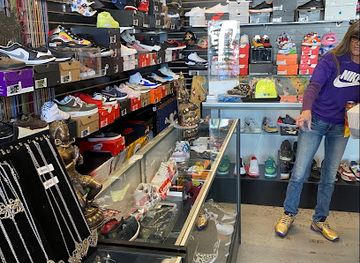
EaDo Smoke Shop #2 - Gifts, Souveniers and Sneakers. SNEAKERHEADS! You will not be disappointed!
Explore the eclectic mix of gifts, sneakers, and smoking accessories at EaDo Smoke Shop #2 in Downtown Houston, a treasure trove for every shopper!
9 min walk · 0.7 km from neighbourhood centre
-
Gift shop
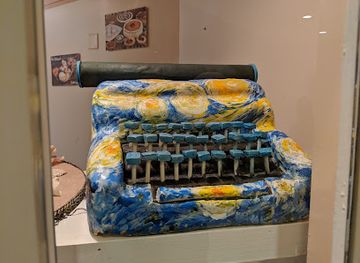
Shops Down Under
Discover unique gifts and local treasures at Shops Down Under, the perfect stop for tourists in Downtown Houston.
12 min walk · 1.0 km from neighbourhood centre
-
Gift shop
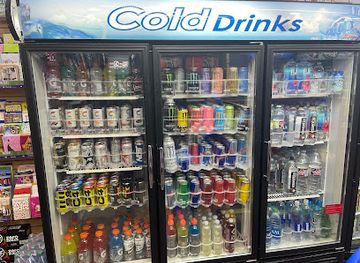
Houston Newstand
Discover unique gifts and local snacks at the Houston Newstand, the perfect stop for tourists in Downtown Houston.
9 min walk · 0.7 km from neighbourhood centre
Downtown Houston essentials
Getting There
Getting Around
Safety
Emergency Situations
Do's and Don'ts
Local Tips

From Eve
Local phrases worth knowing
You don't need to get them perfect. A few words go a long way, and locals appreciate the effort.
Basics
| English | Local | Say it |
|---|---|---|
| Hello | Howdy | [haʊ-di] |
| Goodbye | See ya | [siː jə] |
| Yes | Yup | [yʌp] |
| No | Nah | [nɑː] |
| Please/You're welcome | Please/No problem | [pliːz/nəʊ ˈprɒbləm] |
| Thank you | Thanks | [θæŋks] |
| Excuse me/Sorry | Pardon me/Sorry | [ˈpɑːrdn mi/ˈsɔri] |
| How are you? | Howdy, y'all? | [haʊ-di jɔːl] |
| Fine. And you? | Doing good. You? | [ˈduɪŋ ɡʊd jʊ] |
| Do you speak English? | Y'all speak English? | [jɔːl spiːk ˈɪŋɡlɪʃ] |
| I don't understand | I ain't gettin' it | [aɪ ənt ˈɡɛtɪn ɪt] |
Eating & Drinking
| English | Local | Say it |
|---|---|---|
| I'd like to see the menu, please | Can I check the menu? | [kæn aɪ tʃɛk ðə ˈmɛnju] |
| I don't eat meat | I don't do meat | [aɪ doʊnt duː mit] |
| Cheers! | Bottoms up! | [ˈbɒtəmz ʌp] |
| I would like to pay, please | Can I settle up? | [kæn aɪ ˈsɛtl ʌp] |
Emergencies
| English | Local | Say it |
|---|---|---|
| Help! | SOS! | [ɛs oʊ ɛs] |
| Go away! | Git! | [ɡɪt] |
| Call the Police! | Get the cops! | [ɡɛt ðə kɒps] |
| Call a doctor! | Get a doc! | [ɡɛt ə dɑk] |
| I'm lost | I'm turned around | [aɪm tɜrnd əˈraʊnd] |
| I'm ill | I'm under the weather | [aɪm ˈʌndər ðə ˈwɛðər] |
Shopping
| English | Local | Say it |
|---|---|---|
| I'd like to buy... | I'm fixin' to buy... | [aɪm ˈfɪksɪn tə baɪ] |
| I'm just looking | Just browsin' | [ʤʌst ˈbraʊzɪn] |
| How much is it? | How much for this? | [haʊ mʌʧ fɔr ðɪs] |
| That's too expensive | That's a bit steep | [ðæts ə bɪt stiːp] |
| Can you lower the price? | Can you come down on the price? | [kæn jʊ kʌm daʊn ɒn ðə praɪs] |
Time & Numbers
| English | Local | Say it |
|---|---|---|
| What time is it? | What's the time? | [wɑːts ðə taɪm] |
| It's one o'clock | It's one | [ɪts wʌn] |
| Half past (10) | Ten-thirty | [tɛn-ˈθɜrti] |
| Morning | Mornin' | [ˈmɔrnɪn] |
| Afternoon | Afternoon | [ˌæftərˈnun] |
| Evening | Evenin' | [ˈivnɪn] |
| Yesterday | Yest'day | [ˈjɛstˈdeɪ] |
| Today | Today | [təˈdeɪ] |
| Tomorrow | Tomorra | [təˈmɒrə] |
| 1 | One | [wʌn] |
| 2 | Two | [tuː] |
| 3 | Three | [θriː] |
| 4 | Four | [fɔːr] |
| 5 | Five | [faɪv] |
| 6 | Six | [sɪks] |
| 7 | Seven | [ˈsɛvən] |
| 8 | Eight | [eɪt] |
| 9 | Nine | [naɪn] |
| 10 | Ten | [tɛn] |
Transport & Directions
| English | Local | Say it |
|---|---|---|
| Where's a/the...? | Where's the...? | [wɛərz ðə] |
| What's the address? | What's the addy? | [wɑːts ðə ˈædi] |
| Can you show me (on the map)? | Can you point it out (on the map)? | [kæn jʊ pɔɪnt ɪt aʊt ɒn ðə mæp] |
| When's the next (bus)? | When's the next (bus)? | [wɛnz ðə nɛkst bʌs] |
| A ticket (to ....) | A pass (to ....) | [ə pæs tu] |
History of Downtown Houston
Allen’s Landing and the Founding Grid
Houston was founded in 1836 near the confluence of Buffalo Bayou and White Oak Bayou, at the landing now associated with Allen’s Landing on the north-west edge of Downtown. The Allen brothers laid out the original town on a rectilinear grid, and the streets that developed around it became the foundation of the city’s commercial core. Buffalo Bayou provided an early transport route, while the flat coastal-plain setting allowed the settlement to expand outward. Downtown’s later buildings and infrastructure largely occupy this nineteenth-century urban framework, even where modern towers and roads have transformed the streetscape.
Commerce, Railways and Civic Growth
During the late nineteenth and early twentieth centuries, Downtown Houston became the principal centre for trade, finance, government and transportation. Rail connections strengthened the city’s role in moving cotton, timber and other regional products, while banks, department stores, hotels and office buildings gathered around Main Street and adjacent blocks. The opening of the Houston Ship Channel in 1914 helped redirect the region’s industrial and commercial momentum towards a wider port economy, but Downtown remained the location of major offices, civic institutions and retail activity. Buildings from this era, including surviving commercial structures around Market Square, record the city’s rapid metropolitan growth.
Skyscrapers and the Oil Era
Houston’s post-war expansion and the growth of the energy industry reshaped Downtown’s skyline. Office towers rose across the central grid, and the district became the headquarters zone for banks, oil companies, legal firms and public agencies. The development of an extensive pedestrian tunnel network responded partly to the climate and to the increasing concentration of large office buildings, connecting lower levels beneath several blocks. By the late twentieth century, however, suburban offices and changing retail patterns had reduced Downtown’s traditional daytime dominance, encouraging efforts to bring entertainment, housing, culture and public life back into the centre.
Reinvestment and a Mixed Urban Centre
From the 1990s onwards, Downtown’s renewal gathered around historic preservation, sports and entertainment construction, public-realm improvements and adaptive reuse. Minute Maid Park opened in 2000, Toyota Center followed in 2003, and Discovery Green opened in 2008 beside the George R. Brown Convention Center. These projects strengthened Downtown as a destination beyond office hours, while residential conversions and new housing added a more permanent population to selected blocks. The result is a district where nineteenth-century street patterns, twentieth-century corporate architecture and twenty-first-century cultural spaces coexist, although the character still varies considerably from one block to the next.
Neighbourhoods near Downtown Houston
The closest neighbourhoods to Downtown Houston, if you have time for more than one stop.
-

-

-

-

-


Swipe for more neighbourhoods
Explore more

Explore more of Houston
Houston, Texas blends Space Center history, world-class museums, global dining, lively neighbourhoods and Gulf Coast culture across a sprawling city.
Explore Houston